Tag Archives: China

image_pdfimage_print

Secretary for Health chairs 15th meeting of Steering Committee on Prevention and Control of Non-Communicable Diseases (with photos)

     The Secretary for Health, Professor Lo Chung-mau, chaired the 15th meeting of the Steering Committee on Prevention and Control of Non-Communicable Diseases today (September 11) to review the implementation of various actions under “Towards 2025: Strategy and Action Plan to Prevent and Control Non-communicable Diseases in Hong Kong” (SAP), and discussed the strategies and measures for tackling non-communicable diseases (NCDs) with representatives of the Environment and Ecology Bureau (EEB), the Education Bureau (EDB), the Department of Health (DH), the Food and Environmental Hygiene Department (FEHD), the Leisure and Cultural Services Department, the Hospital Authority and relevant organisations.
 
     Professor Lo said, “Like many other regions and countries, Hong Kong is confronted with the threats arising from an ageing population and worsening NCDs. Major NCDs, namely cancers, cardiovascular diseases, diabetes mellitus (DM) and chronic respiratory diseases, accounted for around half (50.6 per cent) of all registered deaths in Hong Kong in 2023. We cannot turn a blind eye to such a burden brought about by NCDs on the city’s healthcare system. In this connection, we must join hands with citizens and all sectors of society to prevent and control NCDs.  
 
     “The Hong Kong Special Administrative Region (HKSAR) Government is committed to combating NCDs to safeguard the well-being of the public. The DH conducts territory-wide population health surveys on a regular basis to collect information on the health status and health-related behaviours of the local population so as to ensure effective surveillance of the latest situation of NCDs in Hong Kong for the formulation of public health policies, resource allocation as well as adjustments to public health services and programmes. Meanwhile, the fourth territory-wide population health survey in 2025 is in the pipeline to facilitate the review of the nine targets under the SAP and formulate the prevention and control strategies beyond 2025.”
 
     The HKSAR Government has been attaching great importance to the prevention and control of NCDs among children and adolescents. According to the DH’s Student Health Service Annual Health Report for 2022-23 school year, around 90 per cent of students reported in the Health Assessment Questionnaires an insufficient level of physical activity, i.e. not meeting the World Health Organization (WHO)’s recommendation of doing at least 60 minutes of daily moderate to vigorous-intensity physical activity. Moreover, children generally do not consume enough fruits and vegetables. The DH recommends that children aged 6 to 11 should consume at least two servings of fruits and two servings of vegetables per day, whereas adolescents aged 12 to 17 should consume at least two servings of fruits and three servings of vegetables daily. However, according to the data collected by the Centre for Food Safety of the FEHD in the Food Consumption Survey in the Younger Population 2021-2022, only around 50 per cent of the surveyed children aged 9 to 11 met the DH’s recommendation in terms of their average vegetable consumption, while the average consumption of fruits and vegetables among children and adolescents aged 6 to 17 was lower than the recommended level.
 
     The DH has been promoting a healthy lifestyle among children and adolescents through life-course interventions to prevent NCDs. Apart from launching the EatSmart@school.hk Campaign in collaboration with the EDB and other stakeholders since the 2006/07 school year, the DH also launched the Whole School Health Programme in the 2023/24 school year with reference to the Health Promoting School Framework promulgated by the WHO and the United Nations Educational, Scientific and Cultural Organization. Under the Whole School Health Programme, participating schools are offered professional advice and comprehensive support for them to conduct a systematic review and formulation of health promotion measures covering physical activity, healthy eating, mental health and social well-being according to the schools’ conditions and students’ health needs, thereby turning the school campus into a healthy environment conducive to living, learning and working. In addition, the Committee on Reduction of Salt and Sugar in Food under the EEB promotes a less-salt-and-sugar dietary culture at various levels and encourages school children to develop healthy eating habits.
 
     The Government has been pushing ahead with the work set out in the Primary Healthcare Blueprint since its release in December 2022 in a bid to build a prevention-centred primary healthcare system. Members expressed support for the Government’s Chronic Disease Co-Care Pilot Scheme (CDCC Pilot Scheme) and agreed on the provision of targeted subsidies (including those for laboratory investigations and drugs) to Hong Kong citizens aged 45 or above and having no unknown medical history of hypertension (HT) or DM as an incentive for them to participate in the Scheme by matching with a family doctor. Under a co-payment model, participants can receive HT and DM screening in the private healthcare sector for early treatment and long-term health management.
 
     District Health Centres (DHCs) and DHC Expresses across 18 districts in the city not only serve as the first contact point for citizens’ enrolment in the CDCC Pilot Scheme, but also actively advocate the “Family Doctor for All” concept to foster long-term doctor-patient relationship while connecting and co-ordinating various healthcare professions and primary healthcare services in both public and private sectors at the community level. DHCs and DHC Expresses also assist citizens, with reference to their specific health needs at different stages of life, to formulate personalised Life Course Preventive Care Plan and develop a healthy lifestyle such as taking action to quit smoking, maintaining a balanced diet as well as engaging in regular and adequate physical activities, thus preventing NCDs.
 
     The Government formulated in 2008 a strategic framework to prevent and control NCDs and set up the Steering Committee on Prevention and Control of Non-Communicable Diseases. Steering the work on NCD prevention and control, the Steering Committee advises, oversees and monitors the implementation progress of the SAP. Members of the Steering Committee include representatives of the Government, public and private sectors, academia, professional bodies, industry representatives and other key partners. The Government will continue to play a key leadership role by co-ordinating and promoting the work in local prevention and control of NCDs, and strengthening the implementation of cross-sector actions through concerted efforts with relevant stakeholders.

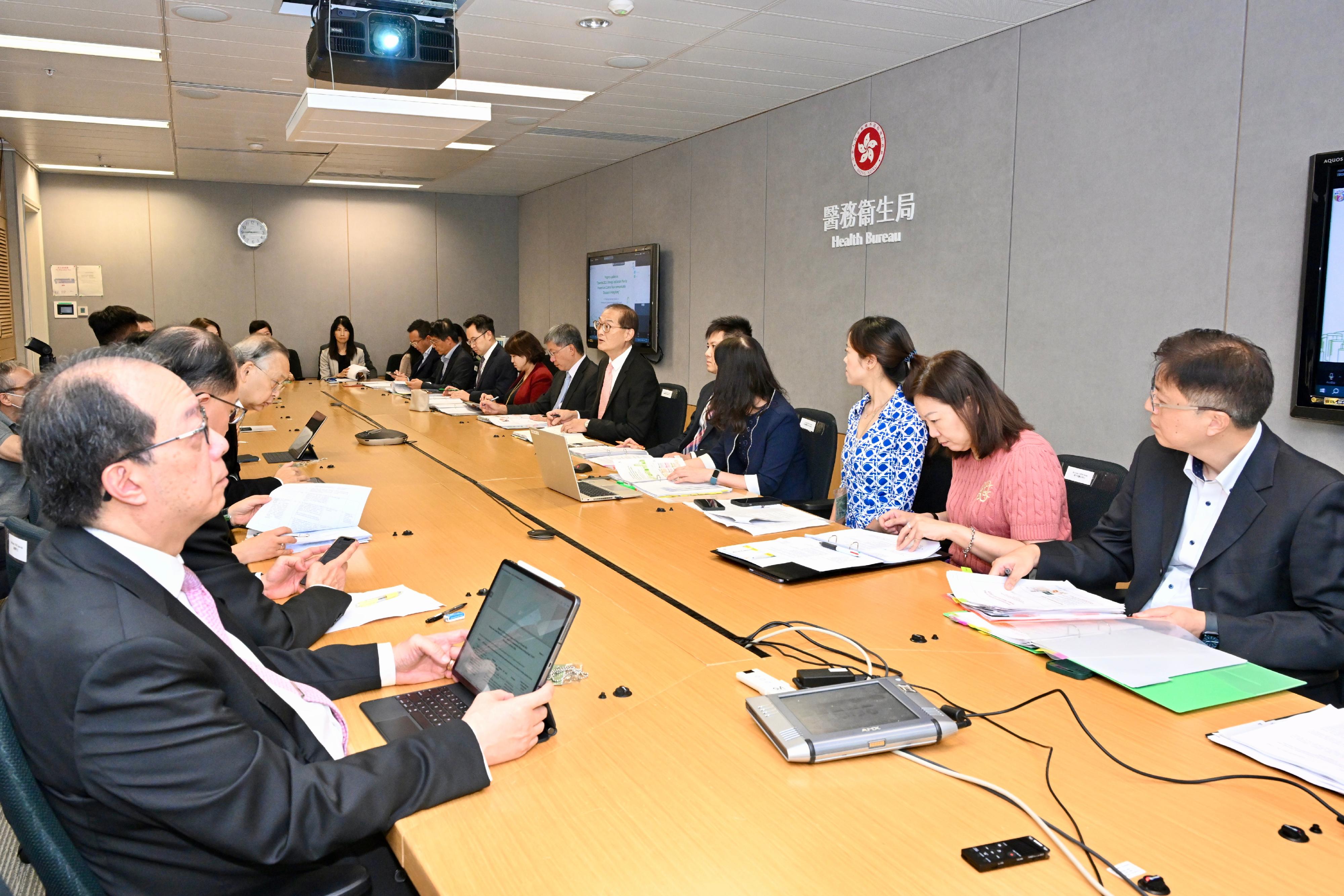
Photo  Photo  
read more

HKMC’s second infrastructure loan-backed securities issuance

The following is issued on behalf of the Hong Kong Monetary Authority:

     The Hong Kong Mortgage Corporation Limited (HKMC) announced today (11 September) the successful completion of its second infrastructure loan-backed securities (ILBS) issuance. This is executed through a special purpose vehicle (SPV), Bauhinia ILBS 2 Limited (Bauhinia 2) and it follows the success of the HKMC’s first ILBS issuance in May 2023. The Bauhinia issuances offer professional investors exposure to a diversified portfolio of project and infrastructure loans across multiple geographies and sectors.

     The Executive Director and Chief Executive Officer of the HKMC, Mr Raymond Li, said, “The success of Bauhinia 2 issuance demonstrated investors; growing interest in the infrastructure loan asset class. The issuance further supports the development of Hong Kong as an infrastructure financing hub, facilitating inflow of market capital to high‑quality infrastructure projects, and expanding the securitisation market in Asia.”

     Bauhinia 2 issuance received strong response from investors, with some repeated investors showing increasing comfort with the asset class and expanding their investment across a wider range of note classes, and an expanded universe of investors joining this space. The expanded investor base is well diversified, including insurers, pension funds, security firms, and local and international financial institutions.

     Asian Infrastructure Investment Bank (AIIB), through its US$300 million investment programme into the HKMC’s ILBS issuance, participated in Bauhinia 2 as an anchor investor. AIIB’s investment programme continues to fulfil its objective to mobilise private capital into the infrastructure sector.

     Bauhinia 2 has a portfolio of 28 project and infrastructure loans across 26 individual projects spreading across 14 countries and 10 sub-sectors, with a total value of approximately US$423.3 million. In total, five classes of notes are issued (Class A1-SU, Class A1, Class B, Class C and Class D), all of which are investment grade rated, with aggregate principal of US$386.7 million. The issued notes are listed on The Hong Kong Stock Exchange. The HKMC acts as the sponsor, collateral manager and risk retention holder of the transaction.

     Within the capital structure of Bauhinia 2, there is an US$107 million sustainability tranche (Class A1-SU) backed by sustainable, green and social assets. Class A1-SU is issued in accordance with the HKMC’s Social, Green and Sustainability Financing Framework, which aligns with the Green Bond Principles, Social Bond Principles and Sustainability Bond Guidelines released by the International Capital Market Association. 

     Standard Chartered Bank is the Sole Global Co-ordinator. China International Capital Corporation Hong Kong Securities Limited, ING Bank N.V., Singapore Branch, MUFG Securities Asia Limited, Natixis Hong Kong Branch and Standard Chartered Bank are the Joint Bookrunners. Fubon Bank (Hong Kong) Limited and Korea Investment & Securities Co., Ltd. are the Co-Managers. read more

HAD opens temporary heat shelters

     The Home Affairs Department will continue to open 19 community halls/community centres as temporary heat shelters today (September 11).

     The temporary heat shelters will remain open for people to take refuge from the heat when the Very Hot Weather Warning is in force. From 10.30pm to 8am the next day, the temporary heat shelters will also provide bedding and a sleeping place for people in need. The shelters are manned by duty attendants.

     For further information, please call the department’s hotline before midnight on 2572 8427.

     The heat shelters are located at:

Hong Kong Island:
———————

Central and Western –
Sai Ying Pun Community Complex Community Hall
3/F, Sai Ying Pun Community Complex
2 High Street, Sai Ying Pun

Eastern –
Causeway Bay Community Centre
3/F, 7 Fook Yum Road, Causeway Bay

Southern –
Lei Tung Community Hall
Lei Tung Estate, Ap Lei Chau

Wan Chai –
Wan Chai Activities Centre
LG/F, Wan Chai Market, 258 Queen’s Road East, Wan Chai

Kowloon Districts:
——————

Kowloon City –
Hung Hom Community Hall
1/F, Kowloon City Government Offices
42 Bailey Street, Hung Hom

Kwun Tong –
Lam Tin (West) Estate Community Centre
71 Kai Tin Road, Lam Tin

Sham Shui Po –
Shek Kip Mei Community Hall
G/F, Block 42, Shek Kip Mei Estate, Sham Shui Po

Wong Tai Sin –
Tsz Wan Shan (South) Estate Community Centre
45 Wan Wah Street, Tsz Wan Shan

Yau Tsim Mong –
Henry G Leong Yaumatei Community Centre
60 Public Square Street, Yau Ma Tei

New Territories Districts:
————————–

Islands –
Tung Chung Community Hall
G/F, Tung Chung Municipal Services Building, 39 Man Tung Road, Tung Chung

Kwai Tsing –
Kwai Shing Community Hall
Podium, Block 6, Kwai Shing West Estate, Kwai Chung

North –
Cheung Wah Community Hall
Cheung Wah Estate, Fanling

Sai Kung –
Hang Hau Community Hall
G/F, Sai Kung Tseung Kwan O Government Complex, 38 Pui Shing Road, Hang Hau, Tseung Kwan O
 
Sha Tin –
Lung Hang Estate Community Centre
Lung Hang Estate, Sha Tin
 
Tai Po –
Tai Po Community Centre
2 Heung Sze Wui Street, Tai Po
 
Tsuen Wan –
Lei Muk Shue Community Hall
G/F, Hong Shue House, Lei Muk Shue Estate, Tsuen Wan
 
Tuen Mun –
Butterfly Bay Community Centre
Butterfly Estate (near Tip Sum House), Tuen Mun
 
Yuen Long –
Long Ping Community Hall
Long Ping Estate, Yuen Long
 
Yuen Long –
Tin Yiu Community Centre
Tin Yiu Estate, Tin Shui Wai

     In addition to the above heat shelters, a number of community halls/community centres can also be used for taking refuge from the heat during their operating hours. For their address details, please browse the following document: www.had.gov.hk/file_manager/en/documents/public_services/emergency_services/List_CH_CC_Day_E.pdf. read more

STL visits Shanghai with LegCo Panel on Transport (with photos)

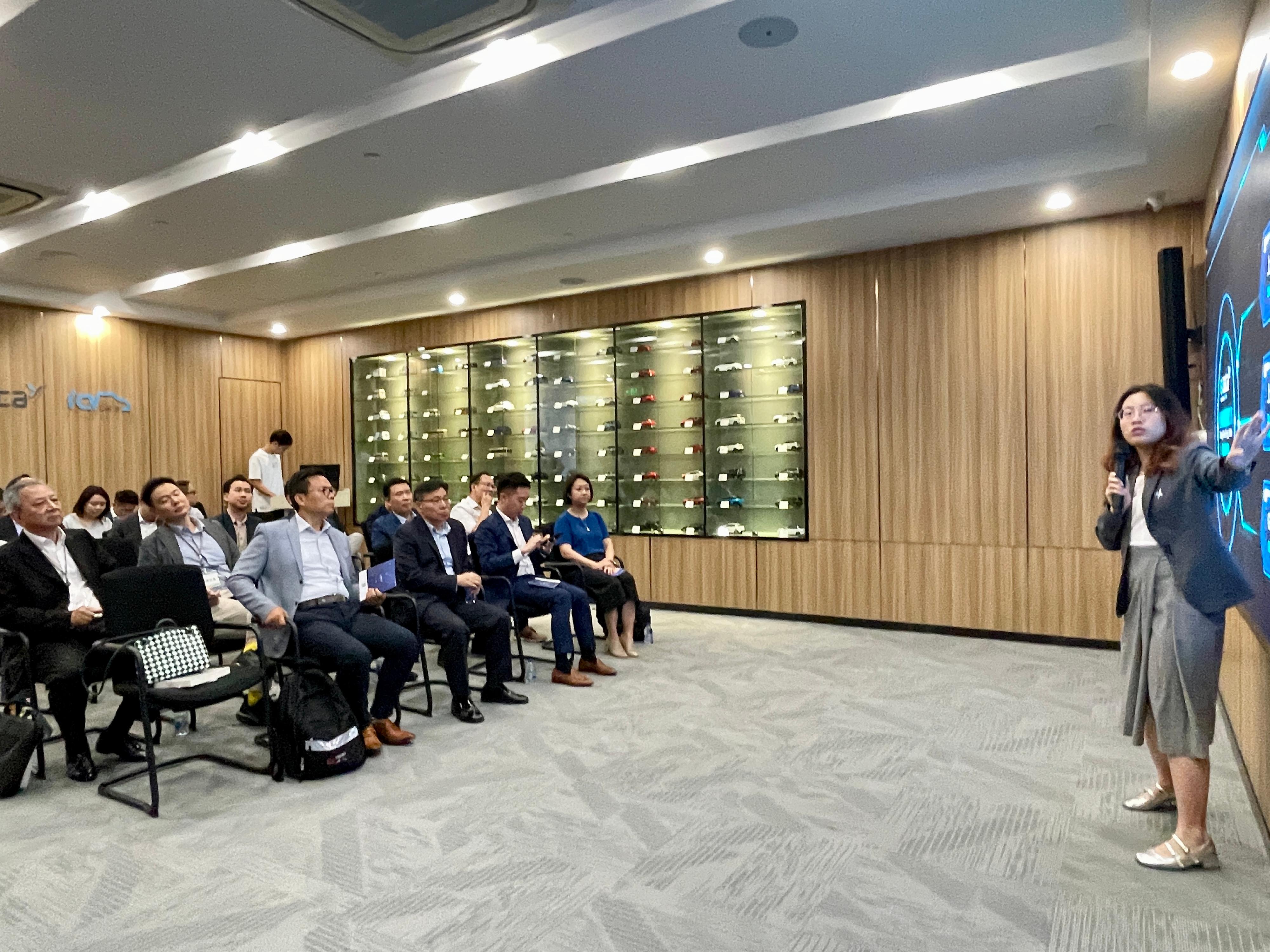
     The Secretary for Transport and Logistics, Mr Lam Sai-hung, together with 10 Members of the Legislative Council Panel on Transport, visited Shanghai today (September 11) to learn about its development of new energy vehicles (NEVs) and autonomous driving. The Commissioner for Transport, Ms Angela Lee, also joined the visit.

     In the morning, the delegation paid a visit to Shanghai Baidu’s Apollo Park, where they were briefed by park representatives on their latest developments in autonomous driving. Baidu has established an intelligent connected and cloud-based command platform that serves as centres for autonomous driving operation, research and development as well as multi-sensor fusion and calibration to enhance users’ awareness and recognition of the autonomous driving market. The delegation also took a ride in Robotaxis to experience the operation.

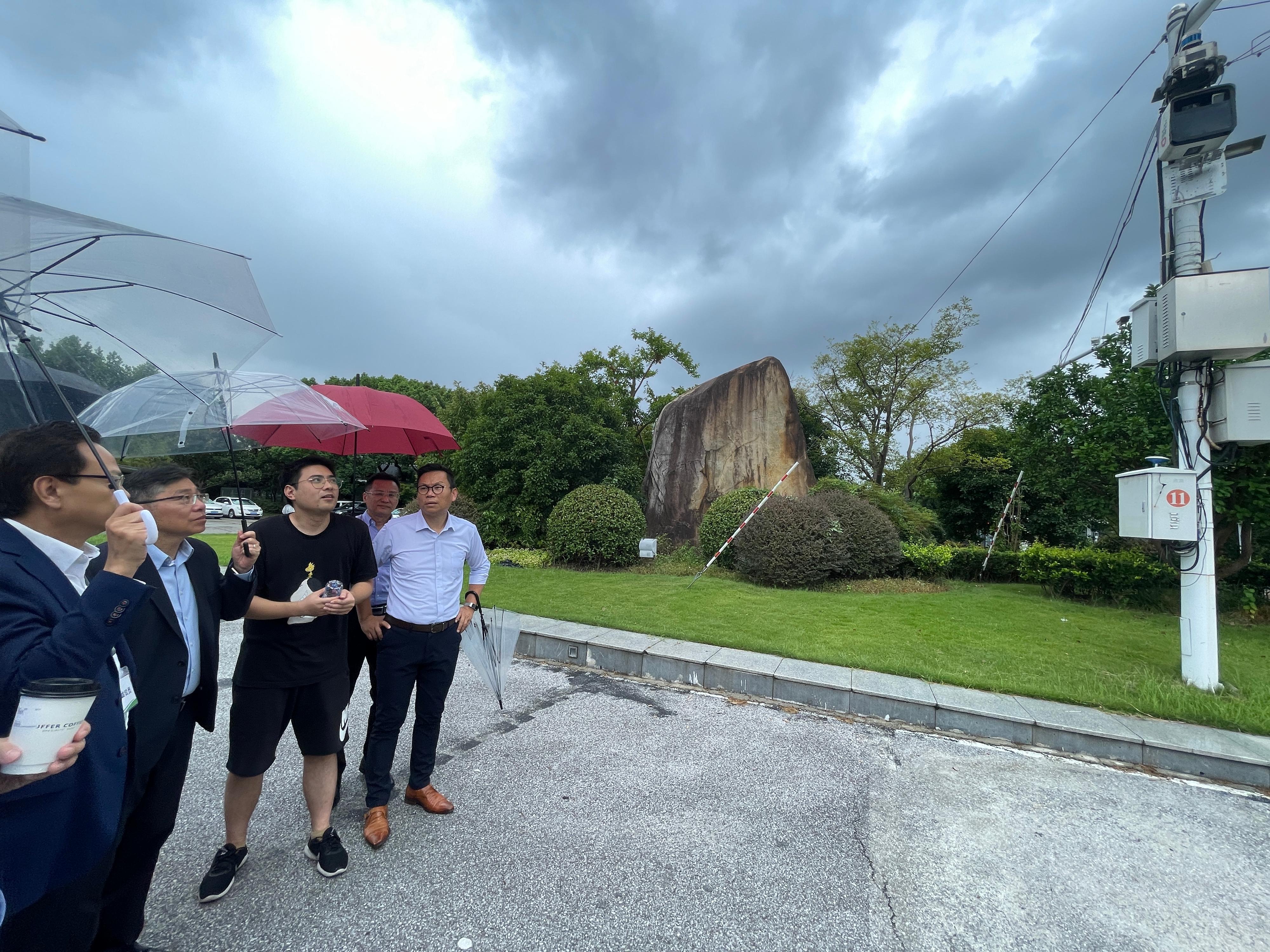
     In the afternoon, the delegation visited the Shanghai Electric Vehicle Public Data Collecting Monitoring and Research Center. The Centre is the country’s first monitoring platform for promoting the application of NEVs, making use of artificial intelligence (AI) technology and a smart algorithm engine to boost the data economy of NEVs. The delegation later visited a smart transport pilot zone and toured a company specialising in developing smart electric vehicles. The transport pilot zone utilises new technologies, including sensing technology, high definition maps, AI and algorithms, to manage traffic at junctions.

     Mr Lam said that the Transport and Logistics Bureau and the Transport Department have been promoting smart mobility and applying technology in managing traffic more effectively, alleviating road congestion and enhancing mobility convenience for citizens, so as to maximise the use of limited road space. The Government has also completed the legislative amendments for autonomous vehicles (AVs) earlier to provide a flexible regulatory framework for further testing and application of AVs in Hong Kong. Over the past few years, a total of 20 vehicles equipped with autonomous driving systems have been tested at 11 different locations in Hong Kong. Some of them are equipped with level 4 autonomous driving technology, i.e. high automation, which is on par with that of the Mainland and the rest of the world. The Government will continue to facilitate wider trials and application of AVs by the industry in Hong Kong to offer the public an exciting travel experience with AVs.

     â€‹The delegation will continue its visit to Shanghai tomorrow (September 12).

Photo  Photo  Photo  Photo  Photo  Photo  Photo  
read more