Tag Archives: China

image_pdfimage_print

FEHD strives to enhance food safety of catering services for tour groups (with photos)

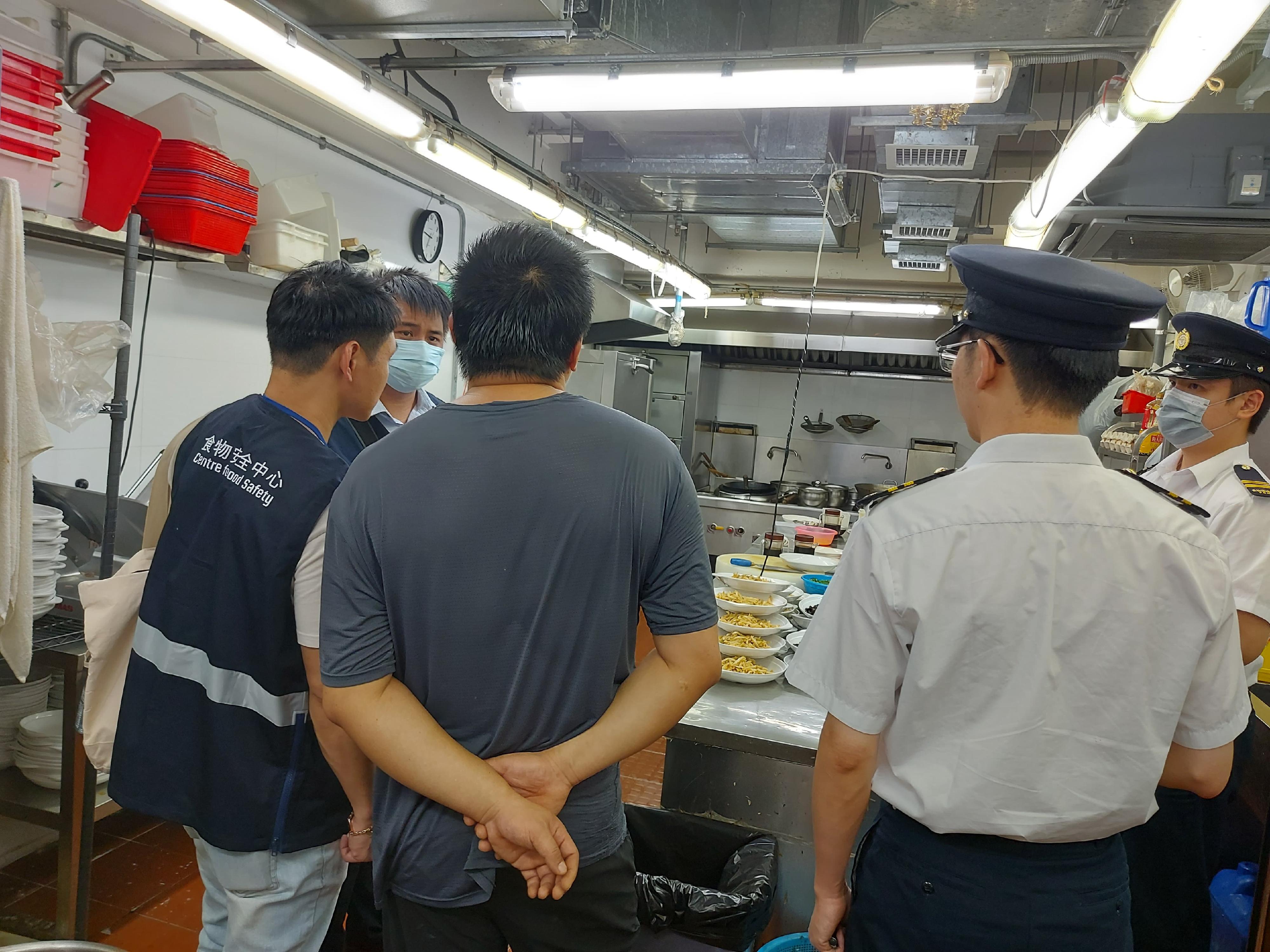
     The Food and Environmental Hygiene Department (FEHD) has launched a special round of operations to inspect food premises serving tour groups in various districts of Hong Kong with reference to the list provided by Travel Industry Authority, with the aim of enhancing food safety and hygiene awareness among the caterers.

     A spokesman for the FEHD said today (September 13), “The inspections, being carried out jointly by the department’s Centre for Food Safety (CFS) and Environmental Hygiene Branch since September 12, are to ensure that the licensing conditions regarding food handling and processing are observed by the operators, and that the hygienic standards stipulated in the laws are met. During the inspections, FEHD staff also provide food safety and hygiene education to operators and their employers, and collect food samples for testing.”

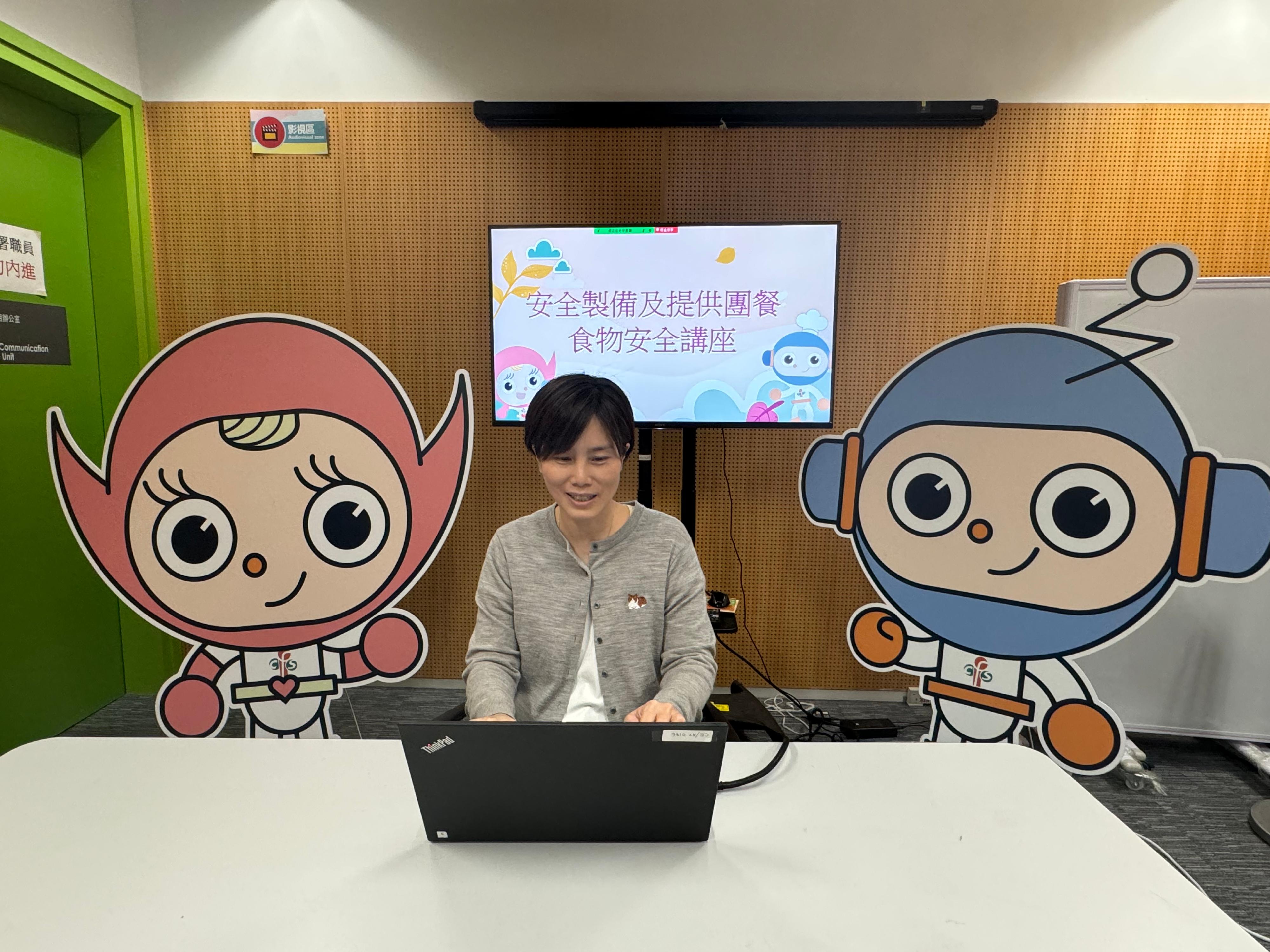
     Furthermore, the CFS collaborated with the Travel Industry Authority to host an online health talk for tour group catering service providers today, to provide advice on safe food preparation and remind them to maintain good personal, food, and environmental hygiene at all times. Caterers were also encouraged to adhere to Good Hygiene Practices and develop a food safety plan based on the Hazard Analysis and Critical Control Point system.

     The FEHD will continue to monitor the situation and maintain close liaison with relevant stakeholders to safeguard public health and ensure that food safety standards are upheld.

Photo  Photo  
read more

London ETO celebrates Hong Kong Cinema in Stockholm (with photos)

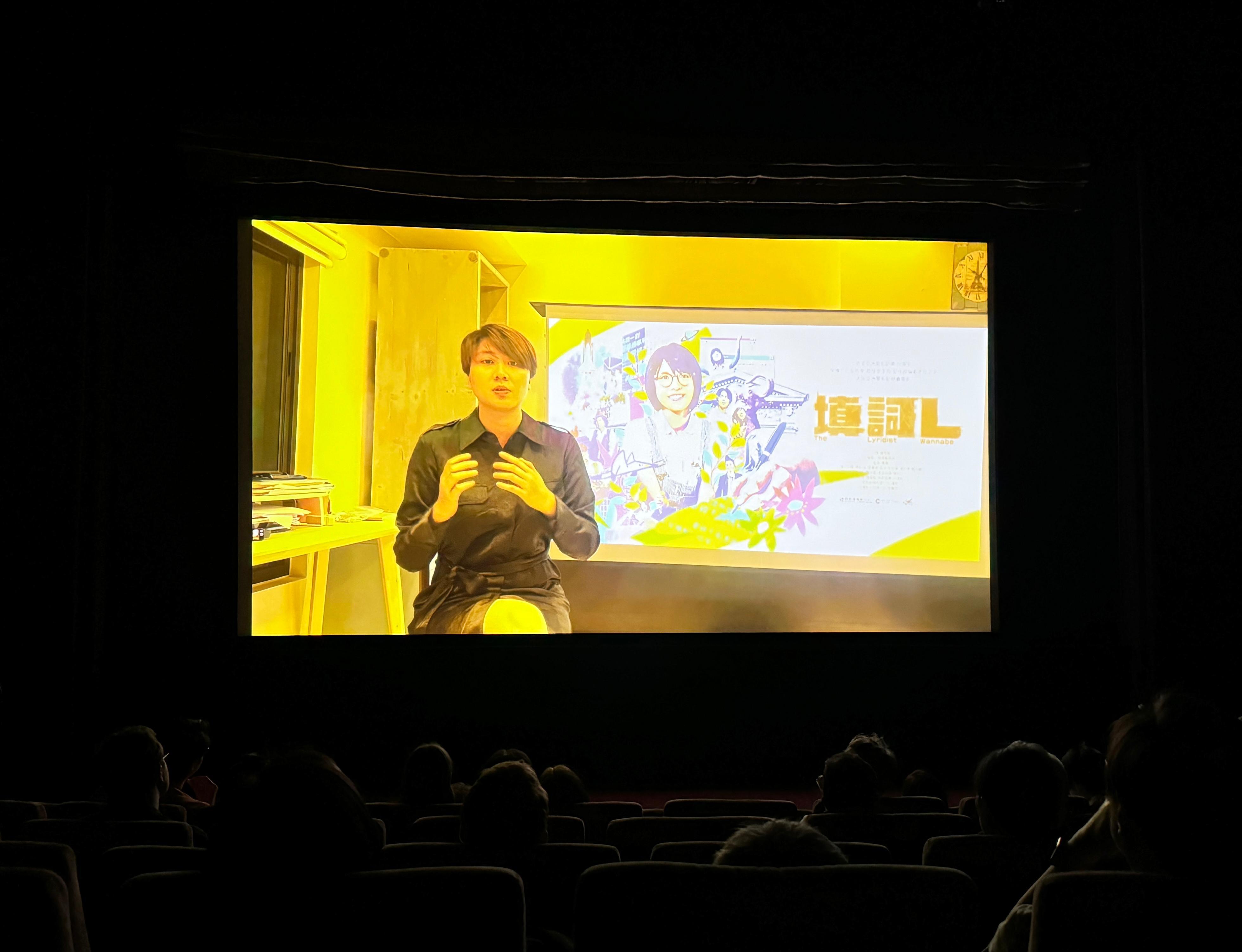
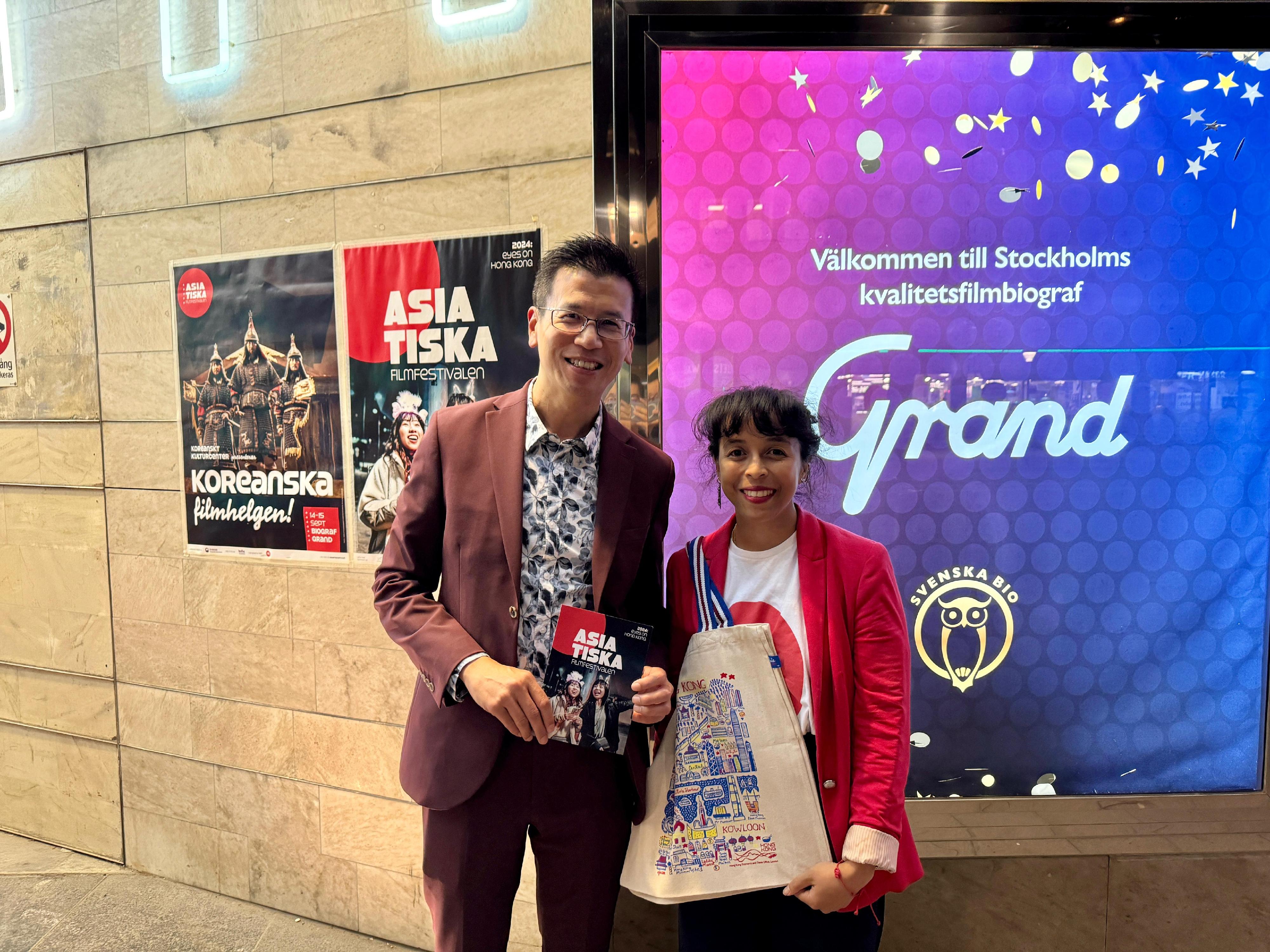
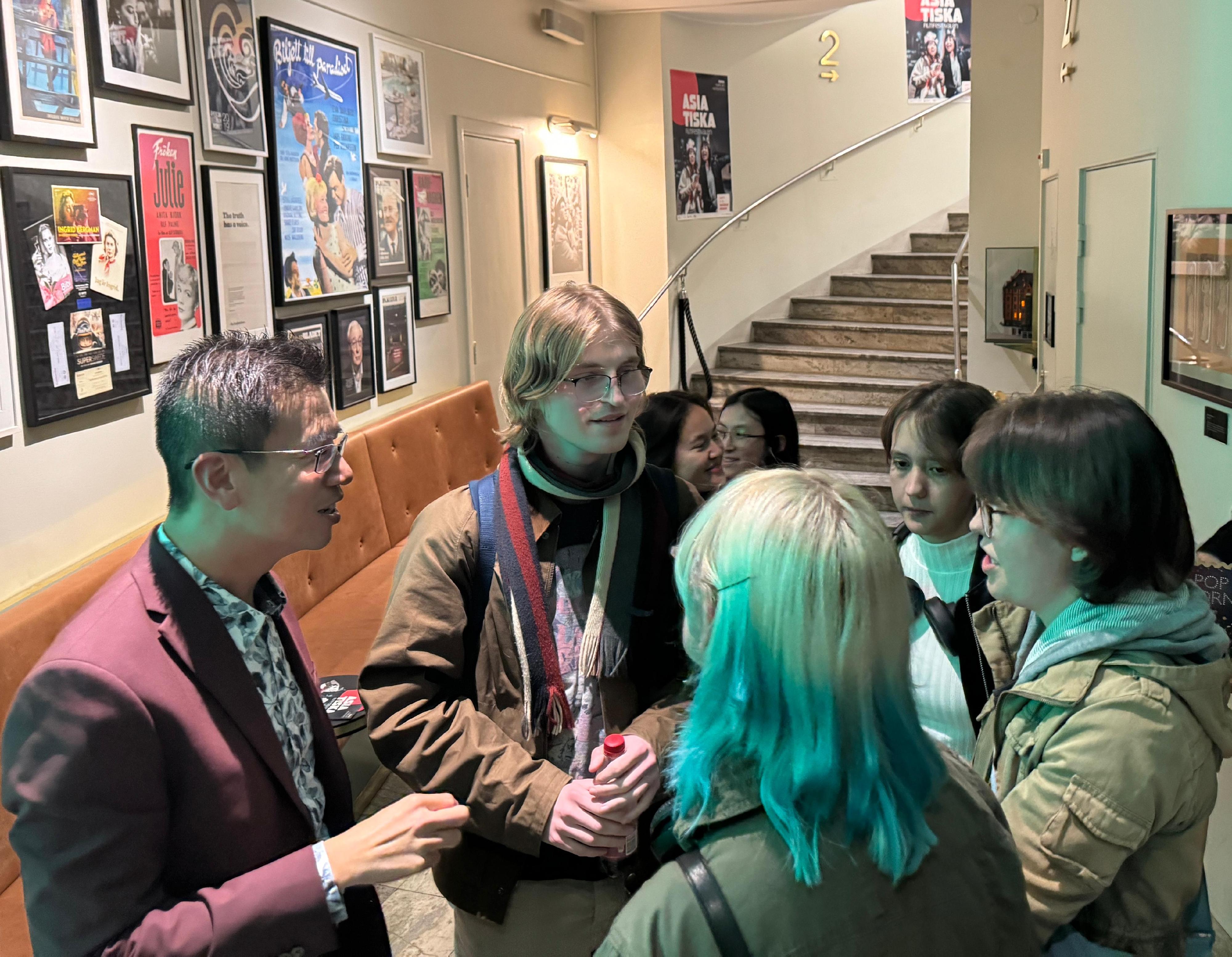
     The Hong Kong Economic and Trade Office, London (London ETO), the Film Development Fund and the Cultural and Creative Industries Development Agency of Hong Kong supported the Asian Film Festival’s “Eyes on Hong Kong” specials held in Stockholm, Sweden, from September 11 to 13 (Stockholm time). A reception was held on 12 September 12 before the screening of “The Lyricist Wannabe” to celebrate the Hong Kong cinema, greeting over 30 guests from the local cultural and business sectors.
 
     The Director-General of the London ETO, Mr Gilford Law, addressed the audience before the screening. Mr Law said, “As outlined in the National 14th Five-Year Plan, Hong Kong is dedicated to becoming an East-meets-West centre for international cultural exchange. Sharing a similar vision, the Asian Film Festival provides a platform for Hong Kong’s unique stories and artistic expressions to reach global audiences.”
 
     Mr Law added, “We are delighted to present “The Lyricist Wannabe”, a film that reflects not only the story of a young girl’s pursuit of her dreams but also the resilient spirit of Hong Kong, a city that continually aspires, innovates, and reaches new heights.  In the first half of 2024 alone, Hong Kong welcomed over 21 million visitors, marking a significant increase of more than 60 per cent% compared to the same period last year. This growth underlines Hong Kong’s appeal as a vibrant destination where ambition and culture blend seamlessly, offering a unique experience to all who visit.” 
 
     The three-day film festival featured three Hong Kong films, namelyincluding “The Moon Thieves”, “The Lyricist Wannabe” and “Fly Me To The Moon”.

Photo  Photo  Photo  Photo  Photo  Photo  
read more

Hong Kong Customs detects two dangerous drugs cases and seizes suspected cannabis buds worth about $7.7 million (with photos)

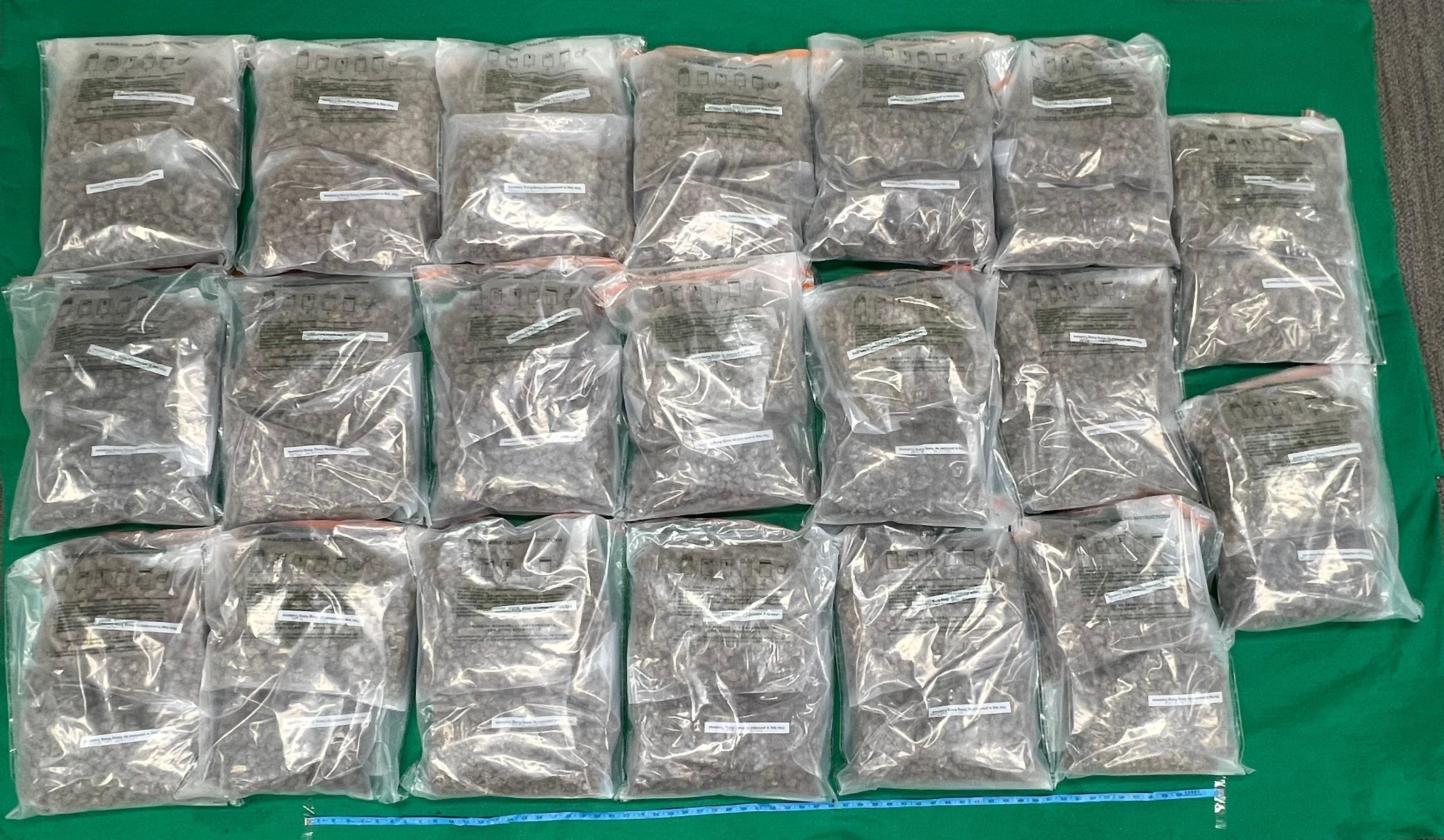
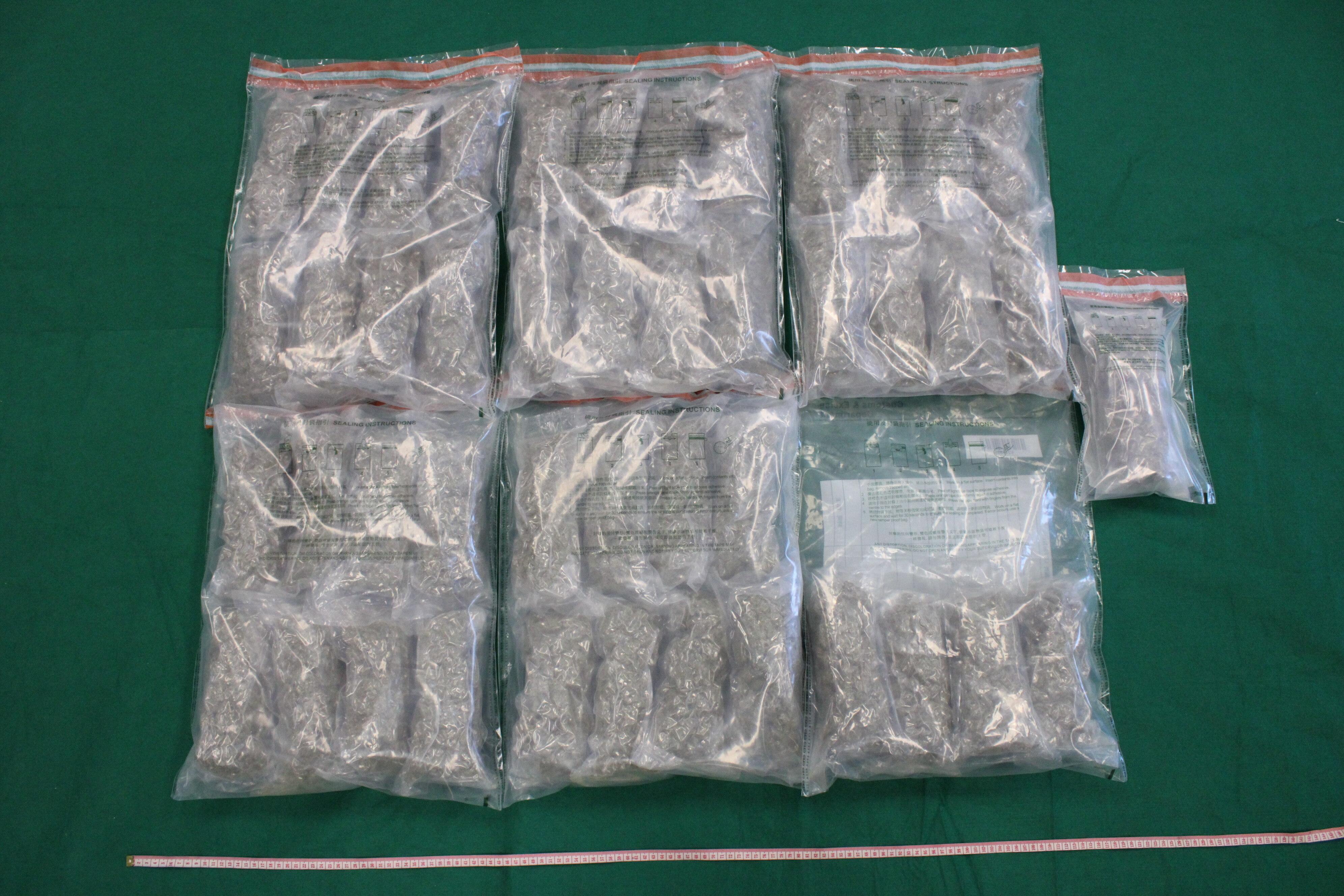
     Hong Kong Customs detected two dangerous drugs cases in Yau Tong and Hong Kong International Airport yesterday (September 12) and seized a total of about 27 kilograms of suspected cannabis buds with an estimated market value of about $7.7 million. Three persons suspected to be connected with the case were arrested.
      
     In the first case, through intelligence analysis and in-depth investigation, Customs targeted a man who was suspected of controlling two drug storage centres in Yau Tong and arrested him in Lok Ma Chau yesterday afternoon. Customs officers then escorted the man to two mini-storage centres in Yau Tong for a search and found about 11kg of suspected cannabis buds and a batch of drug packaging paraphernalia in each of the mini-storage centres. A total of 22kg of suspected cannabis buds were seized in the operation. The arrested man, aged 32 and claiming to be a driver, has been charged with two counts of trafficking in a dangerous drug. He will appear at the Shatin Magistrates’ Courts tomorrow (September 14).
      
     In the second case, acting on intelligence exchange with an overseas law enforcement agency, Customs yesterday targeted and inspected an air parcel, declared as carrying car gearbox parts and arriving in Hong Kong from Thailand. About 5kg of suspected cannabis buds were found concealed therein. Later on, Customs officers today (September 13) mounted controlled delivery operations in Kowloon Bay and arrested a 41-year-old woman and a 17-year-old man, who claimed to be a clerk and a student respectively. An investigation is ongoing.
      
     Customs reminds members of the public to stay alert and not to participate in drug trafficking activities for monetary return. They must not accept hiring or delegation from another party to carry controlled items into and out of Hong Kong.
      
     Under the Dangerous Drugs Ordinance, trafficking in a dangerous drug is a serious offence. The maximum penalty upon conviction is a fine of $5 million and life imprisonment.
      
     Members of the public may report any suspected drug trafficking activities to Customs’ 24-hour hotline 2545 6182 or its dedicated crime-reporting email account (crimereport@customs.gov.hk) or online form (eform.cefs.gov.hk/form/ced002).

Photo  Photo  
read more

Imported prepackaged noodle and pepper sauce samples detected with sulphur dioxide

     â€‹The Centre for Food Safety (CFS) of the Food and Environmental Hygiene Department today (September 13) announced that a sample of imported prepackaged noodles was detected with sulphur dioxide, a preservative, at a level exceeding the legal limit, and the functional class and name of the additive were also not declared on the food label. In addition, the CFS found that a sample of imported prepackaged pepper sauce contained sulphur dioxide, but the functional class and name of the additive were not declared on the food label. Members of the public should not consume the affected batches of the products. The trade should also stop using or selling the affected batches of the products immediately if they possess any of them.

     Product details are as follows: 

Product name of noodles: Mee
Brand: MY MURNI
Place of origin: Malaysia
Net weight: 450 grams
Use-by date: August 27, 2024
Importer: Grace Cup International Trading Company Limited
Hotline: 3990 2814

Product name of pepper sauce: PEPPER SAUCE
Brand: TABASCO
Place of origin: The United States
Volume: 150 millilitres
Best-before date: August 30, 2028
Distributor: Sims Trading Co., Ltd.
Hotline: 2262 1559

     “The CFS collected the above-mentioned noodle and pepper sauce samples at the import level and from a retail outlet in Wan Chai respectively for testing under its routine Food Surveillance Programme. The test results showed that the noodle sample contained sulphur dioxide at a level of 68 parts per million, exceeding the legal limit of 20 ppm under the Preservatives in Food Regulation (Cap. 132BD), and the functional class and name of the additive were also not declared on the food label. As for the other pepper sauce sample, although the level of sulphur dioxide found to be contained in it is below the statutory maximum permitted level, the functional class and the name of the additive were not declared on the food label of the sample,” a spokesman for the CFS said.

     The CFS has informed the vendor, importer and distributor concerned of the irregularities and instructed them to stop sales and remove from shelves the affected batches of the products. The importer and distributor concerned have initiated recalls according to the CFS’s instructions. Members of the public may call the respective hotlines during office hours for enquiries about the recalls.

     The spokesman reminded the food trade that the use of preservatives in food must comply with the Preservatives in Food Regulation (Cap. 132BD). Furthermore, the Food and Drugs (Composition and Labelling) Regulations (Cap. 132W) require that for all prepackaged food for sale in Hong Kong containing sulphite in a concentration of 10 ppm or more, the functional class of the sulphite and its name shall be specified in the list of ingredients. Offenders are liable to a maximum fine of $50,000 and six months’ imprisonment upon conviction.

     Sulphur dioxide is a preservative which can be used in a variety of foods including dried vegetables, dried fruits, pickled vegetables and salted fish products. Sulphur dioxide is water soluble, and most of it can be removed through washing and cooking. However, susceptible individuals who are allergic to this preservative may experience breathing difficulties, headaches and nausea after consumption.

     The CFS will alert the trade, continue to follow up on the incidents and take appropriate action. Investigations are ongoing. read more

Secretary for Health chairs 28th meeting of Research Council under Health Bureau (with photos)

     The Secretary for Health, Professor Lo Chung-mau, chaired the 28th meeting of the Research Council (RC) under the Health Bureau today (September 13) to review the research translation outcome of the Health and Medical Research Fund (HMRF), discuss the research translation strategy and consider the funding applications for investigator-initiated research projects received during the period from last December to March this year.

     Professor Lo said, “Through the provision of funding support for local medical and health-related research projects and training programmes, the HMRF has been adhering to its clear and unique position and mission to facilitate the application of local research outcomes in the formulation of healthcare policies, strengthening the healthcare system, enhancing healthcare services and promoting a healthy lifestyle for the public, thereby achieving the ultimate goal of improving citizens’ health.”

     He stressed, “The HMRF attaches great importance to the translational value of the funded projects, and they have been yielding fruitful results in translating research into practice. Many funded projects were seen to have brought about positive influence on healthcare policies and practices. Researchers were effectively supported to create new knowledge in the biomedical and healthcare realm, and some of them were thereby able to secure additional funding for further development or implementation of their findings. I am also thrilled about the industrialisation potential of some HMRF-funded projects that were granted patents and licence fees. Spin-out companies were also established for individual HMRF-funded projects to raise funds with the goal of industrialising the research findings.”  

     The RC was pleased to note the significant translation results and impacts of the HMRF-funded researches as revealed from the surveys conducted on 145 research projects and technology/knowledge transfer offices of universities in 2024. These include: 

(i) 78 per cent of the funded projects had their research findings published in peer-reviewed journals, showcasing that the HMRF is effective in supporting knowledge generation;

(ii) 42 per cent of the funded projects received additional funding for further research, with each project receiving an additional funding amounting to five times that of the HMRF grant on average;

(iii) The HMRF-funded projects have filed 162 patent applications in different places (including the Mainland, Hong Kong, Europe, the United States and Japan), established 15 spin-out companies/ joint ventures/ incubation programmes and signed 11 collaboration agreements of various types, showcasing the industrialisation potential of these funded projects; and

(iv) In terms of application in the formulation of healthcare policies and practices, one of the government-commissioned research projects funded by HMRF successfully developed the sewage testing approach for quantitative detection of SARS-CoV-2, providing an important indicator for the Government to keep track of the virus activity in the community during the COVID-19 epidemic. Relevant testing approach has been incorporated into the Government’s routine Territory-wide Sewage Surveillance Programme, with the scope of sewage surveillance to be expanded to cover other infectious diseases such as seasonal influenza. This testing approach was further enhanced and adopted outside Hong Kong. Furthermore, the results of a longitudinal study on latent tuberculosis infection (LTBI) screening found that repeated LTBI testing might be excessive for individuals living with Human Immunodeficiency Virus (HIV). Such results were cited in the Recommendations on the Management of HIV and Tuberculosis Coinfection put forward by the Centre for Health Protection of the Department of Health as guidelines. 

     At the meeting, the RC also discussed the newly proposed research translation strategy covering four priorities, namely: (i) to shape research translation culture; (ii) to build quality partnership; (iii) to promote end-of-grant translation; and (iv) to monitor and evaluate research outcomes. The newly proposed research translation strategy spans the entire research cycle, with a view to further enhancing the practical and translational value of the HMRF-funded researches.

     Moreover, the RC considered the funding applications for investigator-initiated research projects under the HMRF received from last December to March this year and endorsed a funding commitment of $184 million involving 166 projects. The exact details will be released to the applicants in late September.

     Professor Lo added, “With our commitment to supporting scientific research and innovation through the HMRF, the Government pledges to keep enhancing the breadth and depth of the research-driven culture to encourage the healthcare research sector to unleash new quality productive forces. We hope that researchers will continue to leverage the HMRF to amplify the value of their research projects into full play and usher in considerable and sustainable positive impacts on the community with their research outcomes. The HMRF will also support researchers in nurturing emerging and future industries that embrace Hong Kong’s competitive edge to contribute to the city’s development into an international health and medical innovation hub.”

     Chaired by the Secretary for Health, the Research Council comprises members including representatives and professors from two medical schools and healthcare-related disciplines of various universities as well as representatives from the Innovation, Technology and Industry Bureau, the Department of Health, the University Grants Committee and the Hospital Authority. The Research Council provides strategic steer on funding for health and medical researches and health promotion projects and oversees the administration of the HMRF, including the allocation of funding for approved projects.
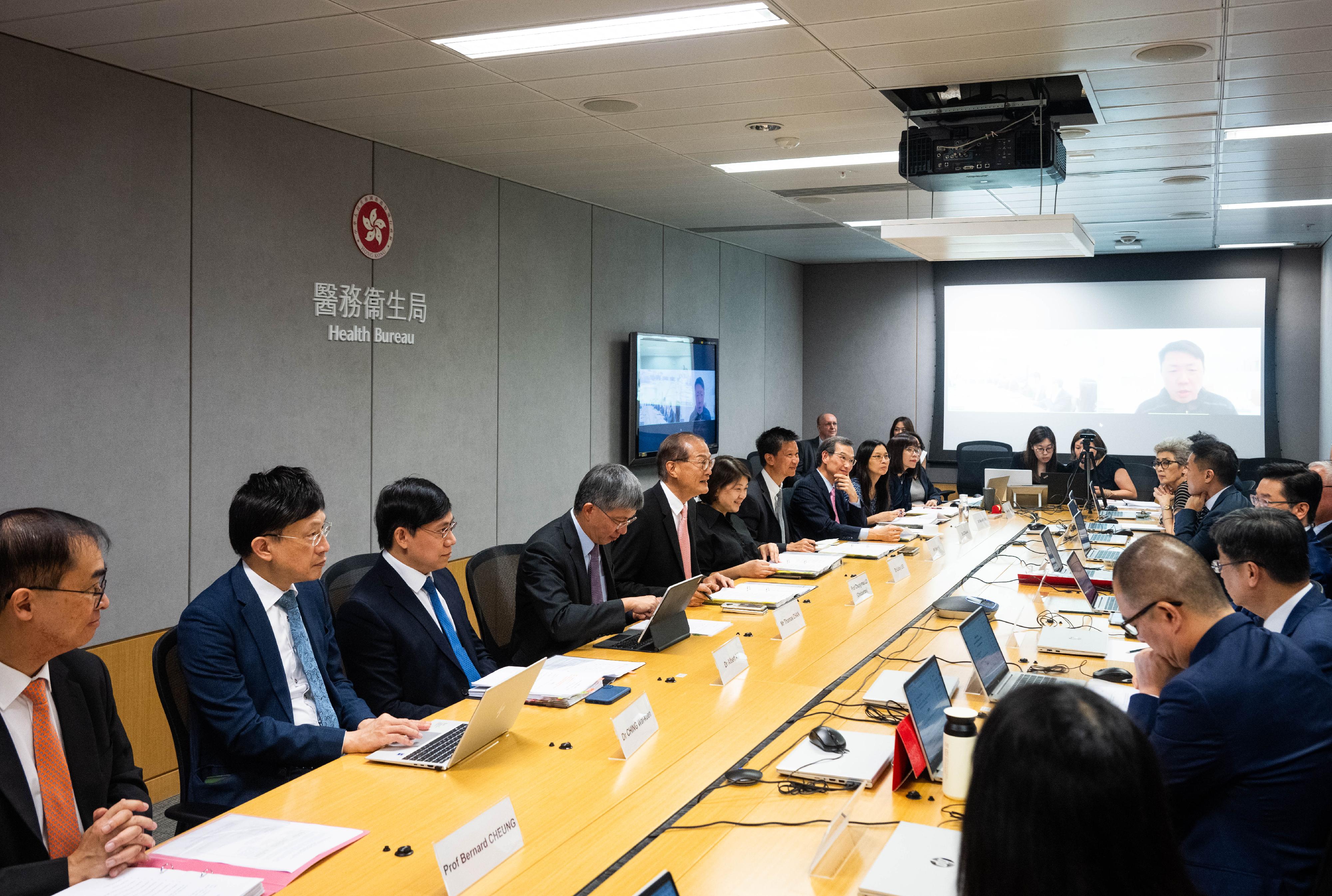
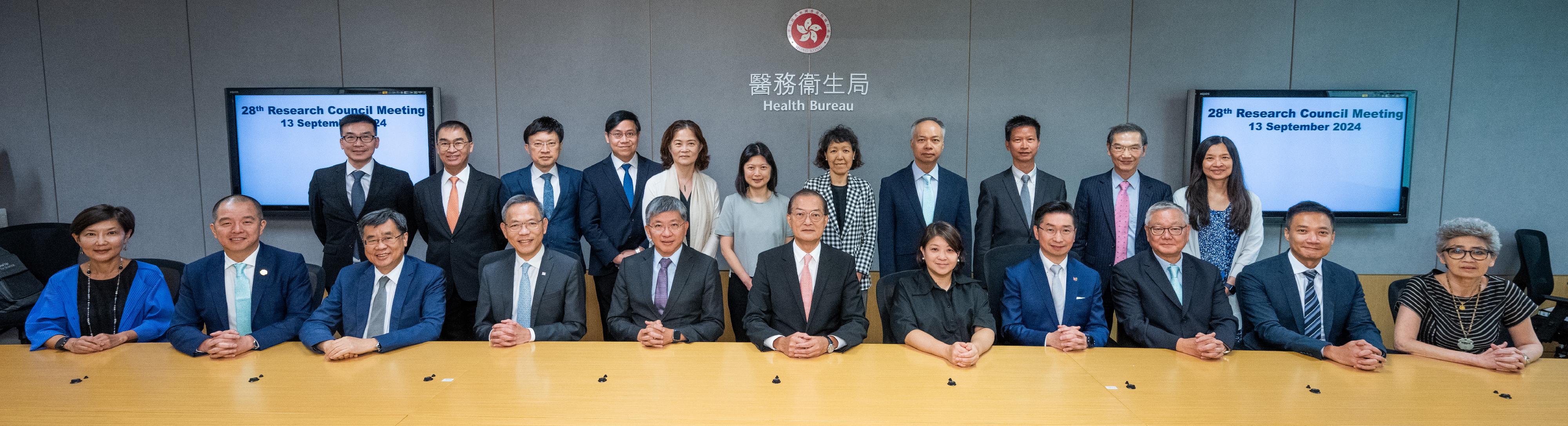
Photo  Photo  
read more