Tag Archives: China

image_pdfimage_print

Speech by DCS at National Day of Nepal Reception (English only) (with photos)

     Following is the speech by the Deputy Secretary for Administration, Mr Cheuk Wing-hing, at the National Day of Nepal Reception today (September 20):
 
Consul General Ranamagar (Consul General of Nepal in Hong Kong, Mr Udaya Bahadur Ranamagar), Deputy Commissioner Fang Jianming (Deputy Commissioner of the Office of the Commissioner of the Ministry of Foreign Affairs of the People’s Republic of China in the Hong Kong Special Administrative Region), representatives of consulates in Hong Kong, ladies and gentlemen,
 
     Good evening. It is great pleasure to be here tonight in celebration of the Federal Democratic Republic of Nepal’s National Day.

     More than 31 million people of Nepal and its capital Kathmandu, as well as Nepalese communities in different parts of the world, join hands today in the celebration.

     Home to seven UNESCO World Heritage Sites, Kathmandu is surely among the world’s most stunning cities. Nepal is also home to eight of the planet’s highest 10 mountains. It may be a little bit late for me to contemplate conquering the eight summits now, but I do hope to see more Hong Kong mountain climbers going up these magnificent Himalayan peaks some day.
 
     With her spectacular natural beauty, Nepal is a popular tourist destination, with tourism being a strong pillar of the country’s economic development. I am delightful to note from the International Monetary Fund (IMF)’s recent report in July 2024 that Nepal’s economic activity is expected to pick up with growth reaching 4.9 per cent in financial year 2024/25, with “continued increase in tourist arrivals” being one of the factors to boost domestic demand and growth. 
 
     This is good news not only for Nepal and Nepalese businesses, but also for investors internationally, including Hong Kong. In this regard, I am pleased to know that the Consulate hosted a well-attended Nepal Investment Seminar in Hong Kong earlier this year to promote investment opportunities in Nepal among the local business community.
 
     The Hong Kong Special Administrative Region Government treasures the longstanding ties between Hong Kong and Nepal. Indeed, we are home to nearly 26 000 Nepalese nationals who form one of the largest expat communities in Hong Kong. I also take heart in our country’s deep ties with Nepal. Next year marks the 70th anniversary of diplomatic ties between Nepal and China. Special programmes and activities are planned, highlighted by the designation of 2025 as “Visit Nepal Year in China”.
 
     In addition to tourism and trade, culture and arts is also a promising growth area for Hong Kong and Nepal. Last November, the people of Hong Kong were treated to traditional Nepalese dance and arts and crafts at Hong Kong’s annual Asian Ethnic Cultural Performances which were supported by Nepal’s Consulate-General and the Hong Kong Nepalese Federation.
 
     I take pleasure to add that Nepalese dance and handicrafts, as well as traditional wedding gowns, will be in the spotlight at the Asia+ Festival’s “Asian Ethnic Cultural Performances” in November this year. This year’s Asia+ Festival, which will commence later this month, features more than 100 performances and activities from nearly 30 countries and regions in Asia, the Middle East and the wide-ranging regions of the Belt and Road. I invite you all to enjoy Nepal’s creative arts, as well as the rich and diverse spectrum of culture and entertainment at the Asia+ Festival. Thank you very much.
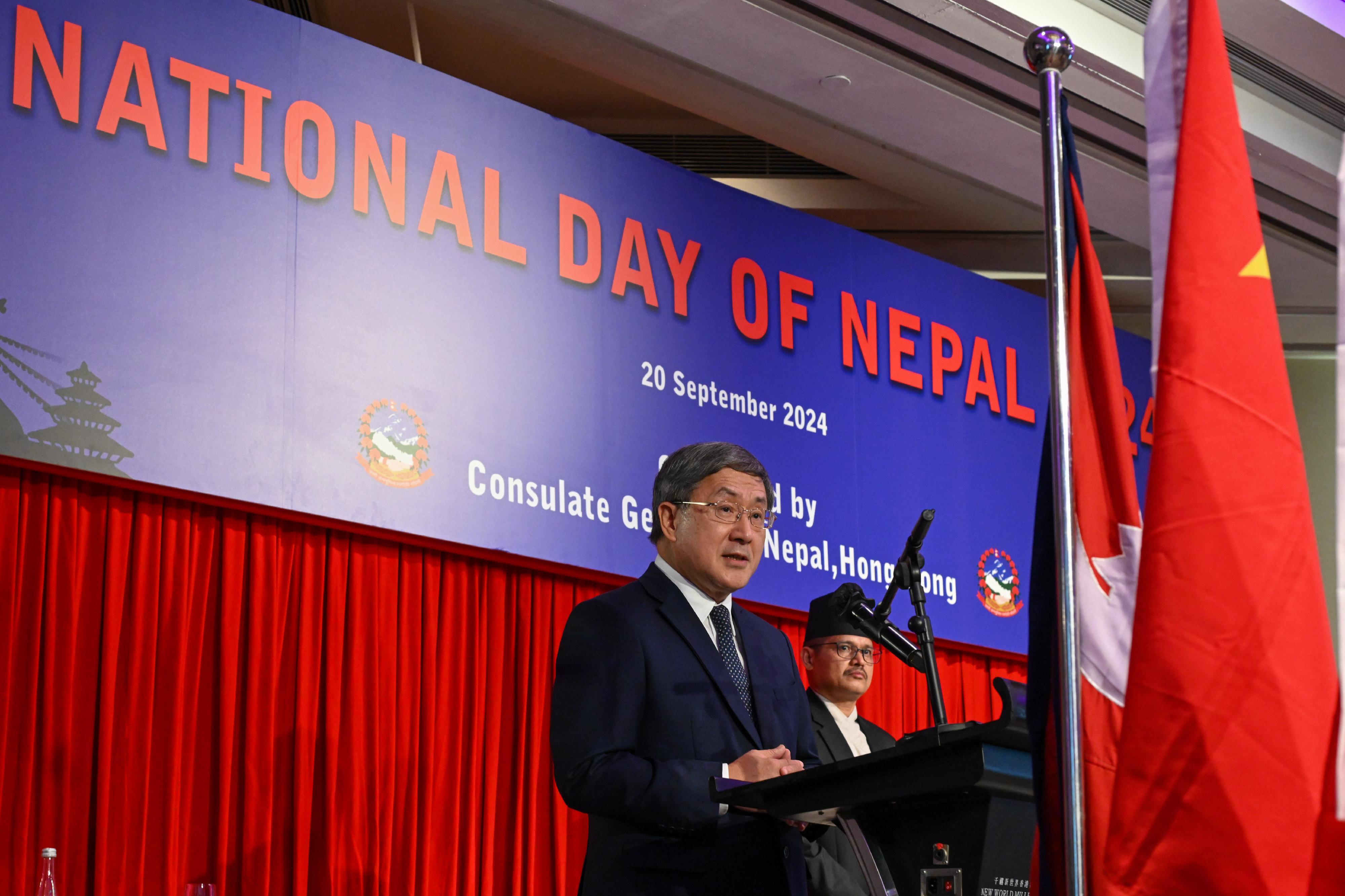
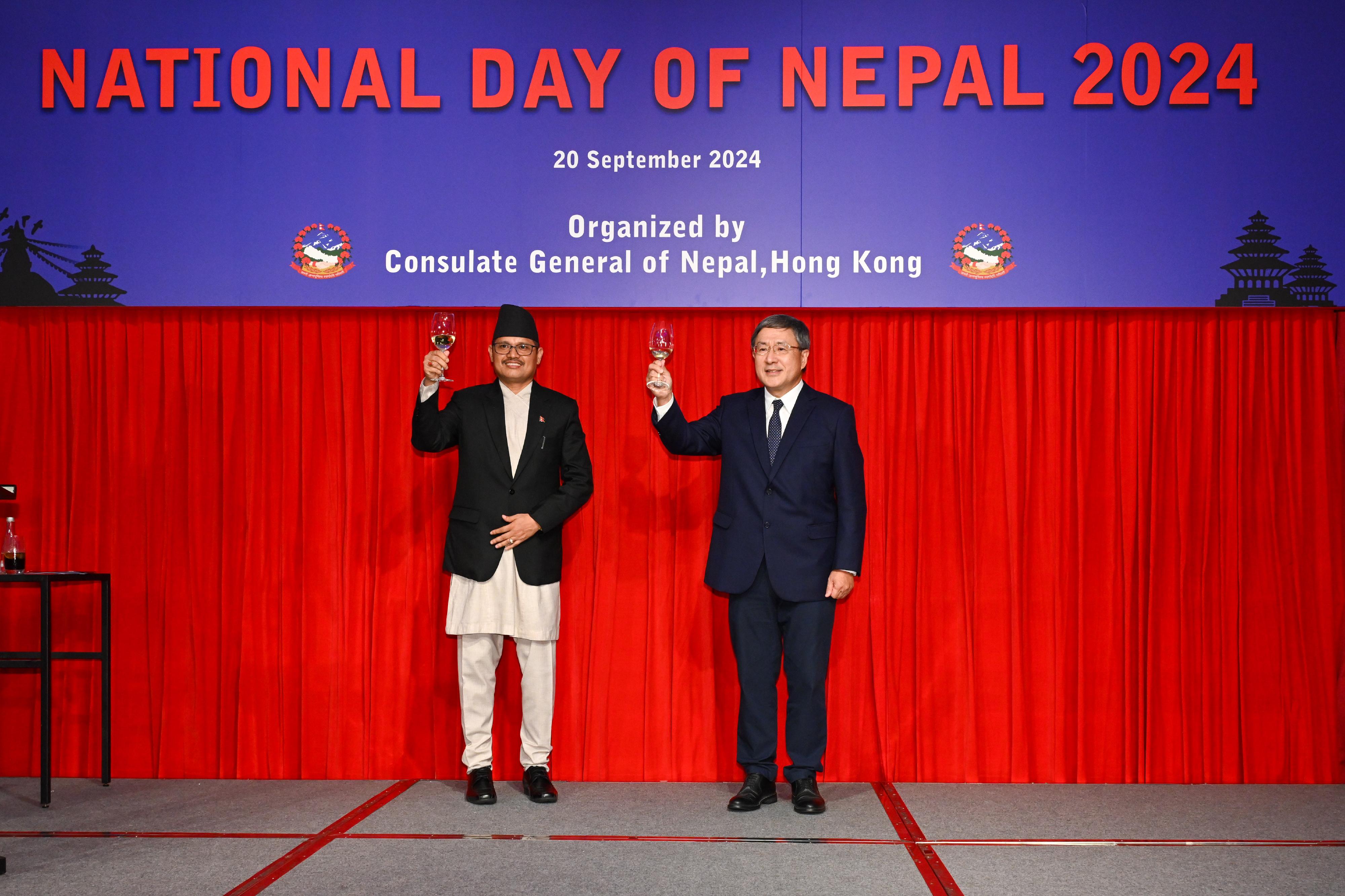
Photo  Photo  
read more

CHP investigates case of severe paediatric influenza A infection

     The Centre for Health Protection (CHP) of the Department of Health is today (September 20) investigating a case of severe paediatric influenza A infection and reminded the community to heighten vigilance against influenza. The 2024/25 Seasonal Influenza Vaccination Programmes will begin on September 26 and the CHP urged the public to receive the seasonal influenza vaccination (SIV) to better protect themselves during the coming influenza season.
     
     The case involves a 9-year-old boy with good past health. He developed a sore throat since September 17 and sought medical attention from a private doctor on the same day. He developed a fever, cough and shortness of breath on September 18 and was brought to Kwong Wah Hospital and was admitted on the same day. He is now at the Paediatric Intensive Care Unit of the hospital for treatment and is now in serious condition. His nasopharyngeal swab specimen was positive for influenza A (H1) virus upon laboratory testing. The clinical diagnosis was influenza A infection complicated with severe pneumonia.

     Initial enquiries by the CHP revealed that the patient had no travel history during the incubation period. One of his home contacts is currently symptomatic. The CHP’s investigations are ongoing.

     A spokesman for the CHP said, “Influenza can cause serious illnesses in high-risk individuals and even healthy persons. SIV is one of the most effective means to prevent seasonal influenza and its complications, as well as reducing influenza-related hospitalisation and death. SIV is recommended for all persons aged 6 months or above except those with known contraindications. Persons at higher risk of getting influenza and its complications, including the elderly and children, should receive SIV early. The 2024/25 Seasonal Influenza Vaccination Programmes will begin on September 26. As it takes about two weeks to develop antibodies, members of the public are advised to receive SIV early for protection against seasonal influenza. Please see details of the vaccination schemes on the CHP’s website.

     A person who gets influenza and COVID-19 at the same time may be more seriously ill and would have a higher risk of death. It is important to receive both SIV and COVID-19 vaccination as soon as possible, in particular for children and elderly persons residing in the community or residential care homes. The public should also maintain good personal and environmental hygiene against influenza and other respiratory illnesses, and note the following:
 

  • Surgical masks can prevent transmission of respiratory viruses from ill persons. It is essential for persons who are symptomatic (even if having mild symptoms) to wear a surgical mask;
  • For high-risk persons (e.g. persons with underlying medical conditions or persons who are immunocompromised), wear a surgical mask when visiting public places. The public should also wear a surgical mask when taking public transport or staying in crowded places. It is important to wear a mask properly, including performing hand hygiene before wearing and after removing a mask;
  • Avoid touching one’s eyes, mouth and nose;
  • Wash hands with liquid soap and water properly whenever possibly contaminated;
  • When hands are not visibly soiled, clean them with 70 to 80 per cent alcohol-based handrub;
  • Cover the mouth and nose with tissue paper when sneezing or coughing. Dispose of soiled tissue paper properly into a lidded rubbish bin, and wash hands thoroughly afterwards;
  • Maintain good indoor ventilation;
  • When having respiratory symptoms, wear a surgical mask, refrain from work or attending classes at school, avoid going to crowded places and seek medical advice promptly; and
  • Maintain a balanced diet, perform physical activity regularly, take adequate rest, do not smoke and avoid overstress.

     â€‹The public may visit the CHP’s influenza page and weekly COVID-19 & Flu Express for more information.  read more

DH and COSH join hands to promote acupuncture and moxibustion for smoking cessation in celebration of 75th anniversary of founding of People’s Republic of China (with photos)

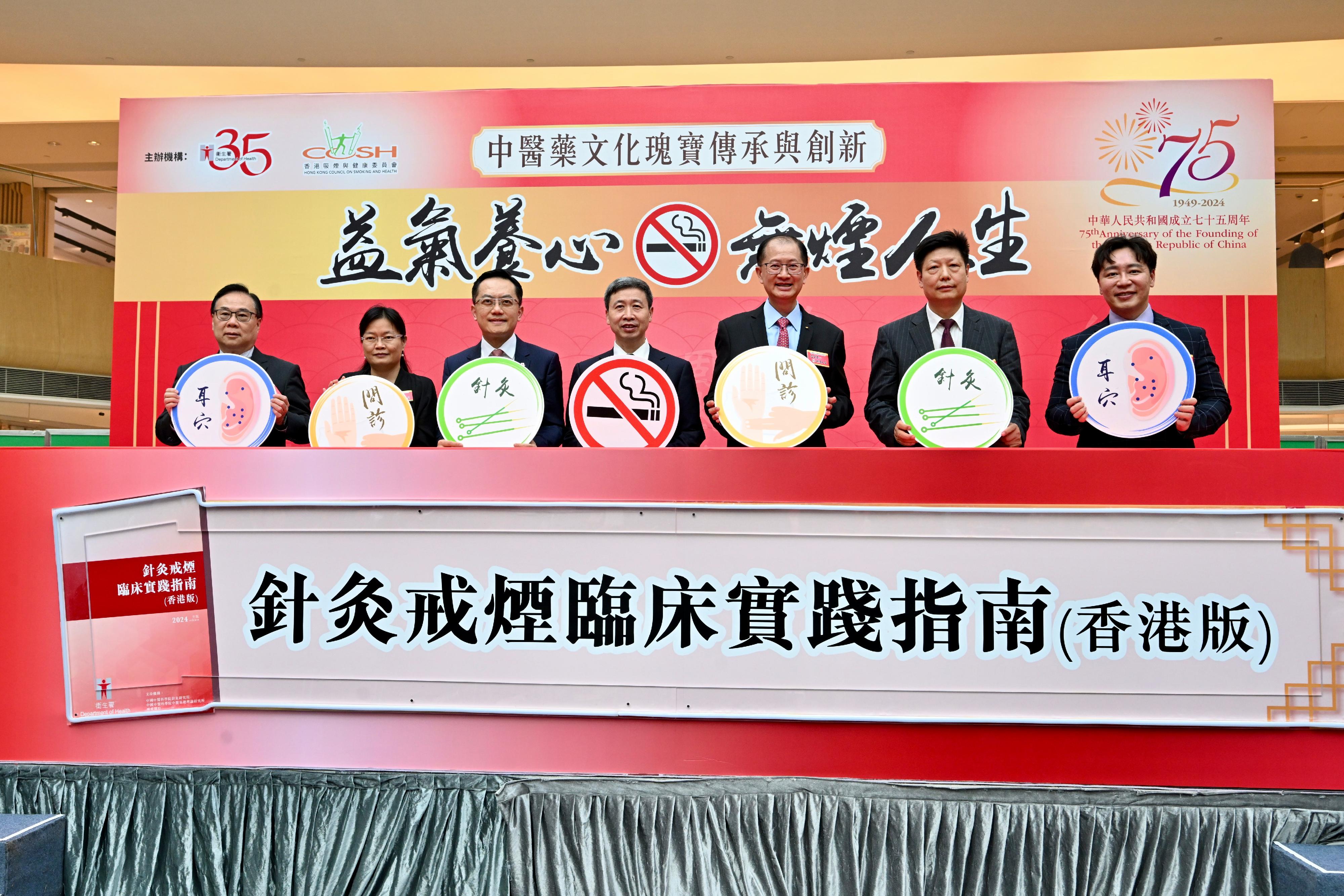
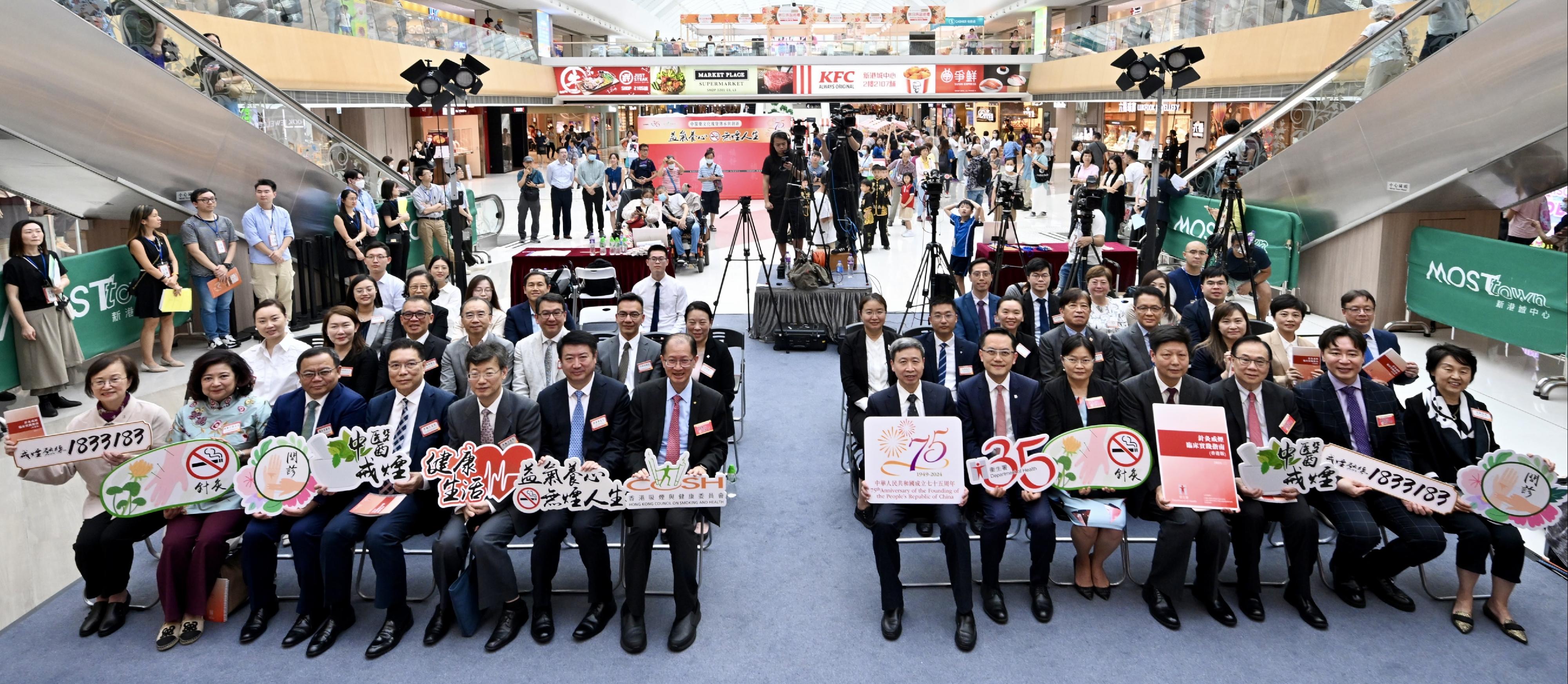
     To mark the 75th anniversary of the founding of the People’s Republic of China, the Department of Health (DH) and the Hong Kong Council on Smoking and Health jointly organised the Inheritance and Innovation of the Chinese Medicine Cultural Treasure – the Launch Ceremony of the Clinical Guideline of Acupuncture and Moxibustion for Smoking Cessation (Hong Kong Edition) (Guideline) today (September 20). The promulgation of the Guideline is to aim at further enabling Chinese medicine practitioners to widely adopt acupuncture and moxibustion to help patients quit smoking.

     Basing on service and research data over the years as well as the latest scientific evidence, the Guideline is the joint effort of the DH, the Institute of Acupuncture and Moxibustion of the Chinese Academy of Chinese Medical Sciences and Pok Oi Hospital. It covers acupuncture treatment protocols that are tailored to suit local practices and clinical tools for smoking cessation assessments and brief counseling. The Guideline will assist Chinese medicine practitioners in mastering the theoretical basis of smoking cessation by acupuncture and enable them to provide effective smoking cessation support and treatment in their daily practice to help their patients overcome tobacco addiction.

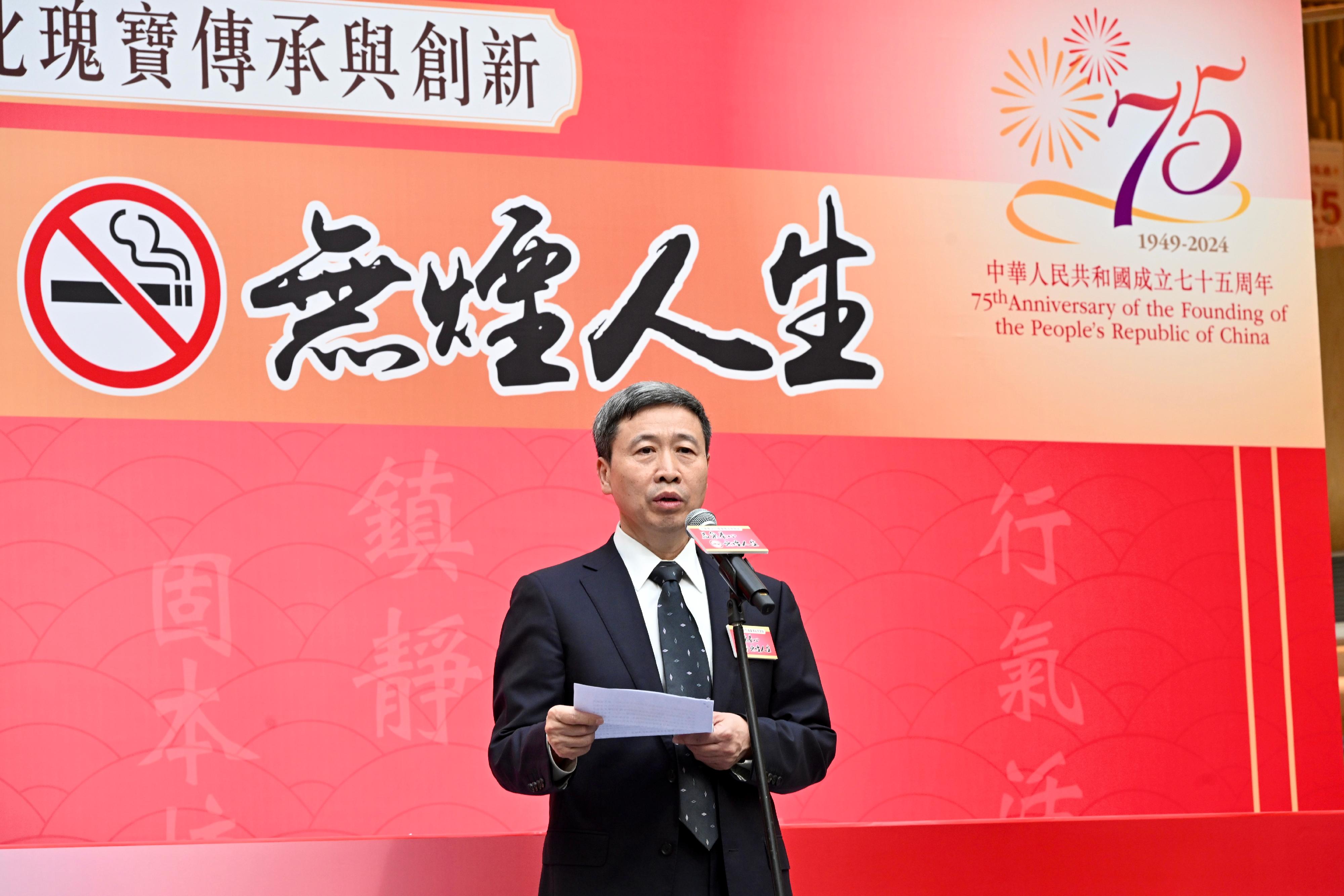
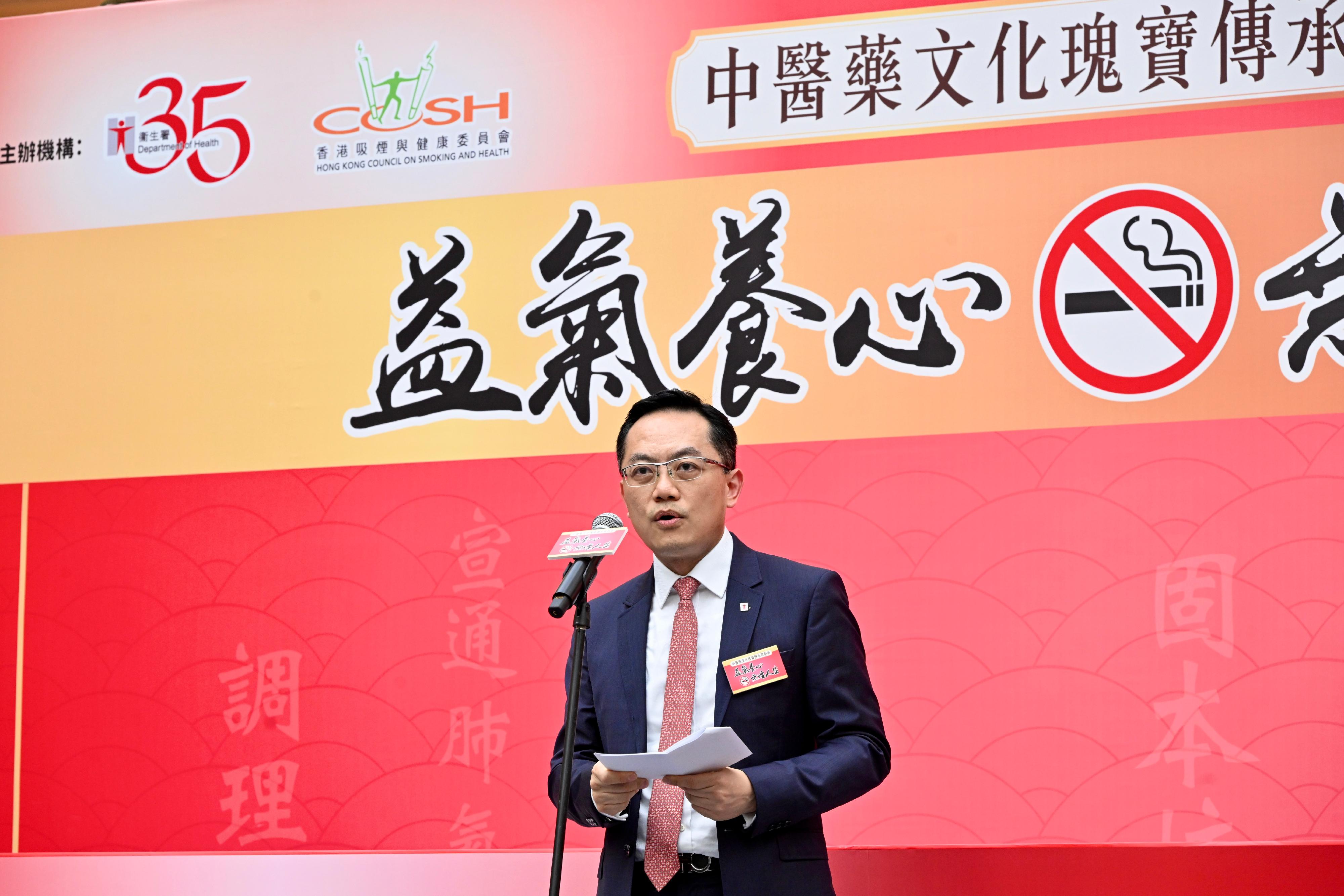
     The launching ceremony was officiated by the Vice Commissioner of the National Administration of Traditional Chinese Medicine (NATCM), Dr Wang Zhiyong. Dr Wang congratulated the launch of the Guideline, and commended the DH for its positive contribution to promoting tobacco control policies and implementing relevant measures. Also speaking at the ceremony, the Director of Health, Dr Ronald Lam, expressed his gratitude to the NATCM for their enduring support of the DH’s tobacco control endeavors, and called on the Chinese medicine community to actively promote the wide application of the Guideline.

     With the support of the NATCM, the DH started to launch a smoking cessation service programme using Chinese medicine in Hong Kong in 2010. The programme aimed to evaluate the effectiveness of community-based smoking cessation services using Chinese medicine based on clinical evidence. The smoking cessation service using acupuncture and moxibustion, a collaboration between the DH and Pok Oi Hospital, has served over 17 000 smokers since its launch in 2010 and has achieved a quit rate comparable to pharmaceutical treatments.

Photo  Photo  Photo  Photo  
read more

CHP updates on latest situation of invasive Group B Streptococcus infection

     The Centre for Health Protection (CHP) of the Department of Health today (September 20) continued its investigation into the latest situation of invasive Group B Streptococcus infection. The CHP appealed to members of the public for heightened vigilance and in particular, to pay attention when touching or handling raw freshwater fish. One should wear gloves, as well as not consume undercooked freshwater fish.

     The CHP has been closely monitoring the invasive Group B Streptococcus infection cases over the past few weeks and conducted genetic sequencing analysis for patients’ specimens to confirm infection number of serotype III sequence type 283 (ST283). The recent surveillance data of hospitals show that the daily number of hospitalised patients confirmed to have invasive Group B Streptococcus infection has stabilised. For ST283 cases, since the announcements on September 13 and September 16, the CHP today confirmed 30 additional ST283 cases involving patients previously admitted to the hospitals. The patients involved 16 males and 14 females, aged between 36 and 95. The patients mainly presented with sepsis (19 patients) and joint abscess (11 patients). Together with the 40 cases of ST283 infection announced earlier, this cluster involved a cumulative total of 70 patients residing in 18 districts throughout the territory. The onset date of the disease for all 70 patients was before September 10, and 54 of them have underlying illnesses. Among the 70 patients, 19 have been discharged, 45 hospitalised patients are in stable condition, three are in serious condition and the other three with underlying illnesses have passed away.

     The CHP’s epidemiological investigations revealed that 58 patients have had contact with or handled raw freshwater fish before the onset of symptoms (six of them reported that they had wounds on their hands when handling raw freshwater fish). Eight patients cannot rule out that they have consumed undercooked freshwater fish (not freshwater fish sashimi), and the exposure history of the remaining four patients is under investigation.
      
     While none of the 70 patients were fishmongers or engaged in fish culture-related jobs, two of them are cooks who have handled raw freshwater fish. As the patients resided in various districts throughout the territory, and the freshwater fishes concerned were bought from 36 markets in 16 districts respectively, the CHP considered that the affected freshwater fish may involve the wholesale level. The laboratory analysis of the environmental samples collected by the CHP earlier from the Freshwater Fish Market under the Cheung Sha Wan Wholesale Food Market is still in progress. So far, no abnormality has been observed by the Agriculture, Fisheries and Conservation Department regarding the freshwater fish in the wholesale fish markets.
 
     Moreover, the CHP has conducted medical surveillance on over 1 500 workers and no symptomatic worker has been identified. The Food and Environmental Hygiene Department has strengthened the cleaning and disinfection of the relevant markets.
          
     “Members of the public should wear gloves when touching or handling raw freshwater fish. If symptoms such as an inflamed wound and fever develop, they should seek medical attention promptly. Meanwhile, the public should refrain from consuming undercooked freshwater fish,” a spokesman for the CHP reminded.
      
     To prevent Group B Streptococcus (ST283) infection, members of the public are reminded to maintain personal, food and environmental hygiene, and should keep their hands clean and practice good wound care at all times, especially:
           

  • To minimise the infection risks, workers of aquatic products or restaurants must wear gloves when handling aquatic products and avoid direct contact with aquatic products or dirty water with bare hands;
  • When buying aquatic products, the public must avoid direct contact with the aquatic products or use any towel provided by the stalls. They should wash hands with liquid soap and water as soon as possible if having contact with aquatic products which are not fully cooked. When handling aquatic products at home, the public should also wear gloves and wash hands thoroughly afterwards;
  • Members of the public must not eat any freshwater fish sashimi, raw or undercooked freshwater aquatic products. When consuming hot pot food or congee items which consist of aquatic products, they should ensure that the food is thoroughly cooked in which the centre of the food should reach a temperature of at least 75 degrees Celsius so as to destroy pathogen; and
  • People must not touch aquatic products directly whenever there is a wound on hands. If a wound is sustained during handling aquatic products, the wound must be cleaned immediately and properly covered with waterproof adhesive dressings. Individuals should seek medical advice promptly when a wound infection is found.
 
     The public may visit the CHP’s Invasive Group B Streptococcus Infection associated with Sequence Type 283 (ST283) page for more information. read more

Man sentenced to 15 months’ imprisonment for illegal possession of regulated turtles

     A man was found illegally possessing local wild and endangered turtles and sentenced to imprisonment for 15 months by the District Court today (September 20).

     A spokesman for the Agriculture, Fisheries and Conservation Department (AFCD) noted that the 37-year old man offered regulated species for sale on his online social media platforms and instant messenger groups. AFCD staff disguised as clients and mounted an enforcement operation against the man with a big-headed turtle seized in April 2022. However, the man did not stop his illegal acts afterwards. The AFCD thus mounted a joint operation with the Police in May 2022 and seized 31 specimens of endangered turtles of unknown sources on a premises in Yau Tsim Mong District. All turtles concerned are species listed on the International Union for Conservation of Nature Red List of Threatened Species as Endangered or Critically Endangered, as well as the Appendices to the Convention on International Trade in Endangered Species of Wild Fauna and Flora (CITES), and regulated under the Protection of Endangered Species of Animals and Plants Ordinance (Cap. 586). These turtles include big-headed turtles (Platysternon megacephalum) and radiated tortoise (Astrochelys radiata), which are listed in CITES Appendix I, and Chinese three-striped box turtles (Cuora trifasciata, commonly known as golden coin turtle), Beale’s eyed turtles (Sacalia bealei), yellow-margined box turtles (Cuora flavomarginata) and wattle-necked softshell turtle (Palea steindachneri), listed in CITES Appendix II. There are wild populations of big-headed turtles, Chinese three-striped box turtles and Beale’s eyed turtles in Hong Kong and these species are protected under the Wild Animals Protection Ordinance (Cap. 170). Upon scientific testing, all seized big-headed turtles and Beale’s eyed turtles, as well as some of the Chinese three-striped box turtles were proven to be taken from the wild locally.

     The man was prosecuted under five charges for illegal possession of endangered species, illegal sale of protected wild animal taken in Hong Kong and illegal possession of live protected wild animals taken in Hong Kong. The offender was convicted today at the District Court and sentenced to imprisonment for 15 months.

     Any person contravening the Protection of Endangered Species of Animals and Plants Ordinance will be liable to a maximum fine of $10 million and imprisonment for 10 years upon conviction with the specimens forfeited. In addition, the Wild Animals Protection Ordinance also stipulates that unless otherwise permitted, no one shall hunt, wilfully disturb, buy, sell, export, offer for sale or export, possess or control protected wild animals (including all wild chelonians). Offenders are liable to a maximum fine of $100,000 and imprisonment for one year upon conviction.

     The spokesman said, “This case involved the largest quantity of local specimens among all convicted cases of illegal possession of regulated species since the enhanced penalties under the Protection of Endangered Species of Animals and Plants Ordinance came into effect in 2018. Illegal possession of endangered species is a serious crime. Members of the public should not defy the law. The Government is committed to combating illegal hunting of and trading in wild animals to protect local wild species and endangered species. The AFCD will remain vigilant and continue monitoring various platforms and social media, and will proactively take action to deter illegal acts.”

     The AFCD encourages members of the public to call 1823 to report any suspected irregularities. read more