Tag Archives: China

image_pdfimage_print

Hong Kong Customs steps up enforcement action during Singles’ Day sales period (with photos)

     The Customs and Excise Department (C&ED) mounted a two-week operation codenamed “Trans Mountain II” during the Singles’ Day sales period in mid-November to step up enforcement action against the smuggling of prohibited and controlled items through postal and cargo channels.

     In the 14-day operation that started on November 12 and concluded yesterday (November 25), the C&ED detected a total of 82 cases with the arrest of three persons, resulting in a total seizure with an estimated value of about $9 million.

     On the anti-narcotics front, 16 dangerous drug cases were detected, resulting in the seizure of about 24 kilograms of suspected dangerous drugs with an estimated market value of about $5.7 million. In particular, about 10.2kg of methamphetamine (commonly known as “ice”) and about 8.5kg of gamma-butyrolactone were seized at various control points.

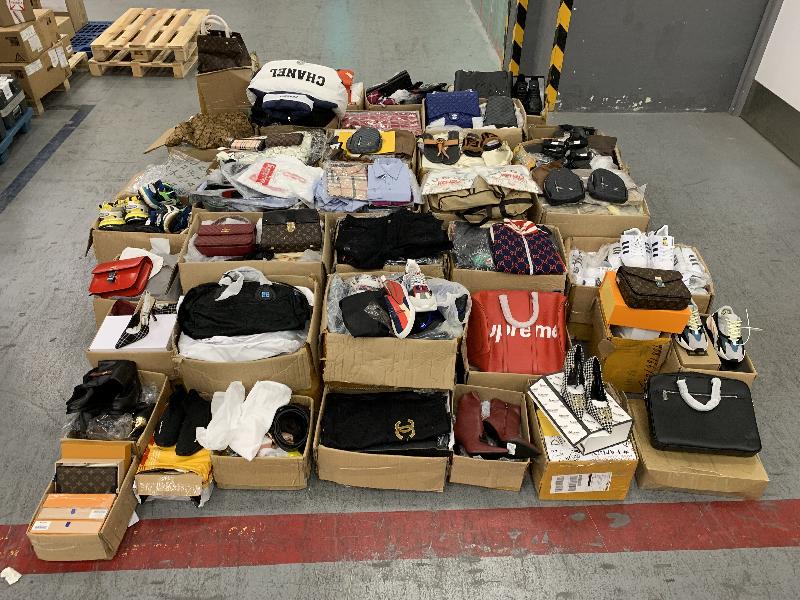
     With regard to intellectual property protection, the C&ED detected 12 cases that led to the seizure of infringing products of various kinds with an estimated value of about $700,000.

     In the protection of revenue on dutiable goods, Customs officers seized about 570 000 suspected illicit cigarettes and about 30 litres of dutiable liquor with an estimated market value of about $2.2 million and duty potential of about $1.2 million.

     Customs officers also detected a suspected smuggling case of American ginseng, with an estimated seizure value of about $200,000. In the case, more than 97 kilograms of suspected American ginseng were seized from an inbound truck. A 47-year-old male driver was arrested for suspected importation of endangered species without an import licence.

     The C&ED will continue to step up enforcement actions at all control points during the Christmas and New Year holiday periods to combat cross-boundary smuggling and drug trafficking activities.

     “Hong Kong Customs adopts a zero-tolerance approach against cross-boundary smuggling activities. Apart from strengthening deployment and carrying out stringent enforcement actions during the festive holidays, Customs officers will be equally vigilant in combating smuggling activities through risk assessment and intelligence analysis in their routine operation,” a spokesman for the C&ED reiterated.

     Online customers are reminded not to make purchases of prohibited or controlled items. Any import or export of the controlled items must be accompanied by a valid licence or permit issued by the relevant authorities. For details on import and export controls, they can visit the C&ED’s website at www.customs.gov.hk.

     Members of the public may report any suspected drug and smuggling activities to Customs’ 24-hour hotline 2545 6182, or its dedicated crime-reporting email account (crimereport@customs.gov.hk).
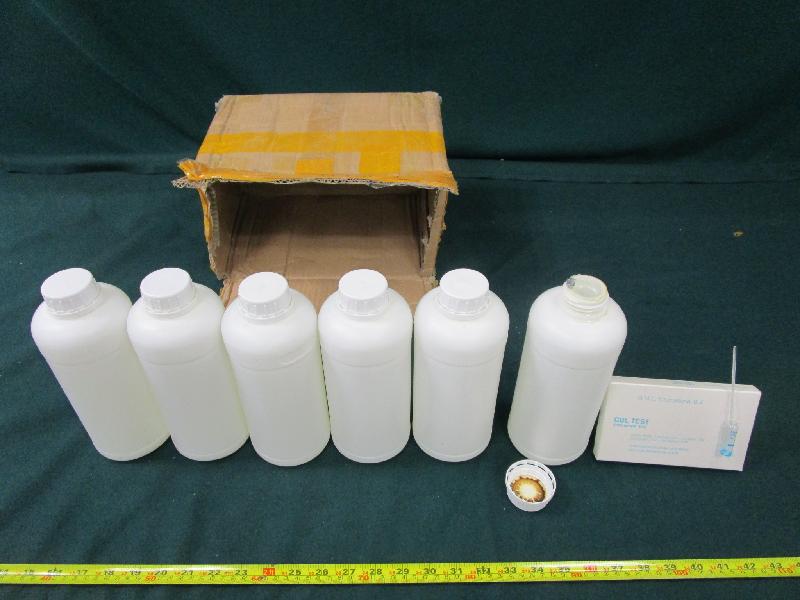

Photo  Photo  Photo  Photo  
read more

Speech by SFH at Ministerial Conference on Diabetes – Tackling Diabetes through Supportive Environments: Health Promotion & Primary Care (English only) (with photos)

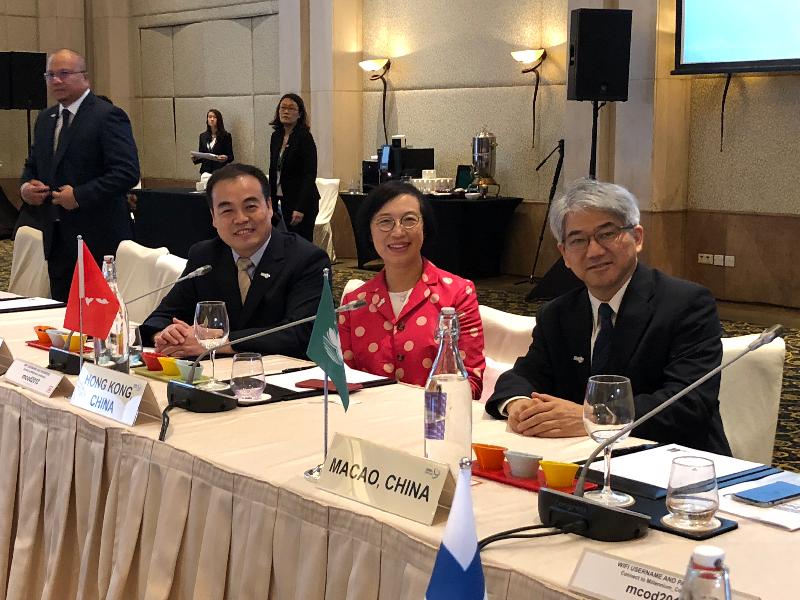
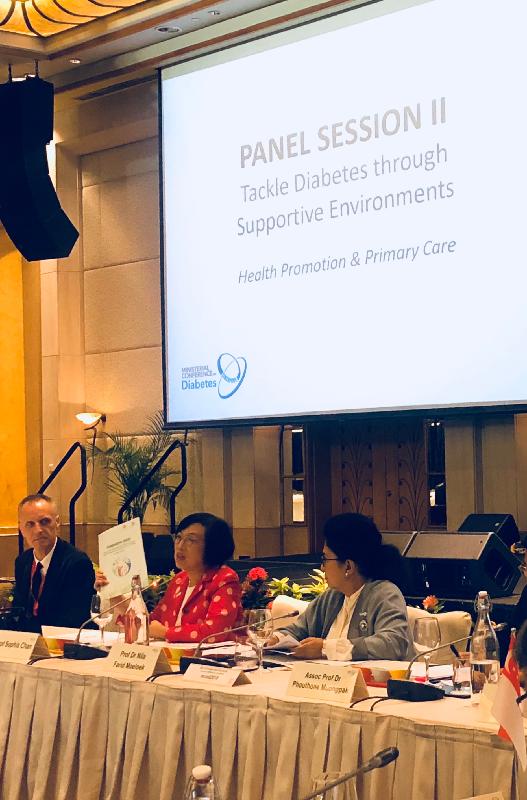
     Following is the speech by the Secretary for Food and Health, Professor Sophia Chan, at the Ministerial Conference on Diabetes – Tackling Diabetes through Supportive Environments: Health Promotion & Primary Care today (November 26) in Singapore.
 
Minister Gan (Minister for Health, Singapore, Mr Gan Kim Yong), distinguished guests, ladies and gentlemen,
 
     Good afternoon. It is my honour to attend this Conference and share with you Hong Kong’s experience on this important subject. 
 
     The Government of the Hong Kong Special Administrative Region is committed to safeguarding public health and reducing the burden of diabetes mellitus (diabetes) and other non-communicable diseases (NCDs). Driven by population ageing, and prevalence of unhealthy lifestyle, diabetes is becoming an important public health issue in Hong Kong. The latest territory-wide health survey suggests that some 8.4 per cent among those aged between 15 and 84 had diabetes, of which 50 per cent female and 57 per cent male were previously undiagnosed. We are seeing the famous “Rule of Half” here, that is, for every person known to be suffering from diabetes, at least one other person with the disease went undiagnosed and untreated. The number of diabetic patients in the Hospital Authority in 2016 is 462 000, representing an increase by 90 000 in total from 2012 to 2016, with an annual growth rate of 5.4 per cent. Patients aged 65 or above constituted more than half of the total number, and increased by an annual growth rate of 6.7 per cent during the same period.
 
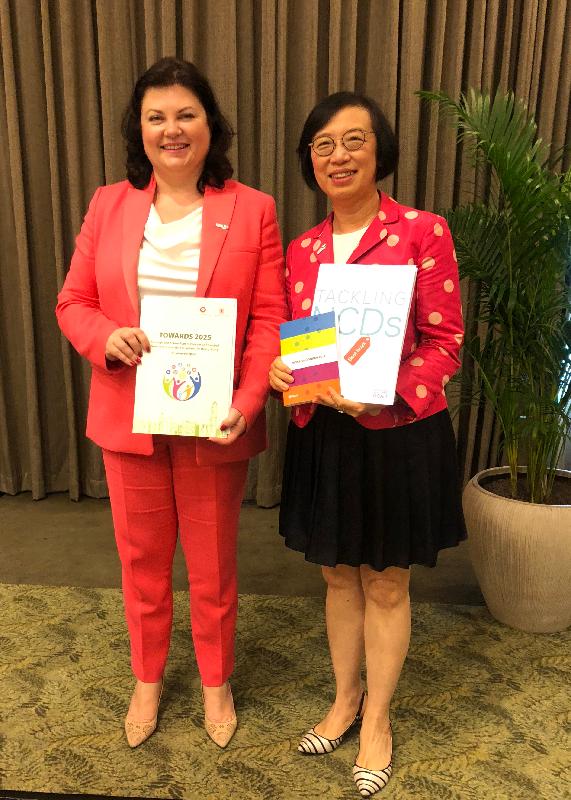
     Diabetes and other NCDs carry significant implications at both public health policy level and individual level. A high-level multidisciplinary and inter-sectoral Steering Committee on Prevention and Control of Non-communicable Diseases was set up to oversee the overall roadmap to combat NCDs. Taking reference from the World Health Organization’s Global Action Plan for the Prevention and Control of NCDs, we announced in May 2018 a strategic framework “Towards 2025: Strategy and Action Plan to Prevent and Control Non-communicable Diseases in Hong Kong”. It defines nine local targets to be achieved by 2025 and initiatives to introduce interventions throughout the course of life to help prevent occurrence and progress of NCDs. One of the targets is to halt the rise in diabetes and obesity. Other targets, such as reduction in insufficient physical activity, are also pertinent to the prevention and control of diabetes. 
 
     The risk of developing diabetes depends on a combination of host, environment and lifestyle factors. These risk factors are potentially modifiable by adopting healthy lifestyle including healthy eating. That said, given the paramount importance which Hong Kong people attach to food, the adoption of healthy eating is easier said than done in the gourmets’ paradise. The Committee on Reduction of Salt and Sugar in Food has been set up to steer and co-ordinate the work in reducing salt and sugar intake. We have been adopting a life-course and setting-based approach, with emphasis on alliance building, creation of a conducive environment, education and support, publicity, advocacy, research and evaluation. We have launched campaigns which aim to create supportive environments in schools, and target at school lunch suppliers and the catering industry. These campaigns transform schools into healthy settings for students to learn from a young age.
 
     Strengthening the healthcare system particularly at the primary care level is another area we are working on to tackle diabetes and other NCDs. An evidence-based comprehensive care approach with greater emphasis on preventive care is necessary. We are setting up the pilot District Health Centre, which is a public-private partnership and district-based initiative to raise public awareness on personal health management, enhance disease prevention and strengthen medical and rehabilitation services in the community, thereby reducing unwarranted use of hospital services. We have developed the Hong Kong Reference Framework for Preventive Care in Primary Care Settings to provide common reference to primary health care professionals so to facilitate their provision of continuing, comprehensive and evidence-based care in the community. The Reference Framework elaborates on the important aspects of diabetes management, including prevention, early identification, complication monitoring, drug treatment, patient education and empowerment, etc. At our Research Office, we have accorded priority to give grants to studies on NCDs and primary care.
 
     With our policies, efforts and substantial amount of resources on the prevention and control of diabetes and NCDs over the past decade, I am pleased to see that, overall, the risk of premature mortality from diabetes and other NCDs has been steadily decreasing over the past three decades. Yet given the increasing trend in the prevalence of diabetes and the large number of undiagnosed diabetic cases especially among the elders, we remain vigilant about the risk factors for NCDs taking a toll on our general population. I look forward to exchanging views with you in building a healthier community not only in Hong Kong, but also a healthier world for us and our next generations.
 
     Thank you.

Photo  Photo  Photo  
read more

Suspected MERS case reported

     The Centre for Health Protection (CHP) of the Department of Health today (November 26) reported a suspected case of Middle East Respiratory Syndrome (MERS), and again urged the public to pay special attention to safety during travel, taking due consideration of the health risks in the places they visit. The case is detailed below:
 

Sex Male
Age 76
Affected area involved Dubai, United Arab Emirates
High-risk exposure Nil
Hospital Princess Margaret Hospital
Condition Stable
MERS-Coronavirus preliminary test result Negative

     “Travellers to the Middle East should avoid going to farms, barns or markets with camels; avoid contact with sick persons and animals, especially camels, birds or poultry; and avoid unnecessary visits to healthcare facilities. We strongly advise travel agents organising tours to the Middle East to abstain from arranging camel rides and activities involving direct contact with camels, which are known risk factors for acquiring MERS Coronavirus (MERS-CoV),” a spokesman for the CHP said.

     Locally, the CHP’s surveillance with public and private hospitals, with practising doctors and at boundary control points is firmly in place. Inbound travellers and members of the public who recently visited the Middle East and developed fever or lower respiratory symptoms within 14 days will be classified as suspected MERS cases. They will be taken to public hospitals for isolation and management until their specimens test negative for MERS-CoV.

     Travellers to affected areas should maintain vigilance, adopt appropriate health precautions and take heed of personal, food and environmental hygiene. The public may visit the MERS pages of the CHP and its Travel Health Service, MERS statistics in affected areas, the CHP’s Facebook Page and YouTube Channel, and the World Health Organization’s latest news for more information and health advice. Tour leaders and tour guides operating overseas tours are advised to refer to the CHP’s health advice on MERS. read more

ExCo Non-official Members visit University of Hong Kong-Shenzhen Hospital (with photos)

The following is issued on behalf of the Executive Council Secretariat:
 
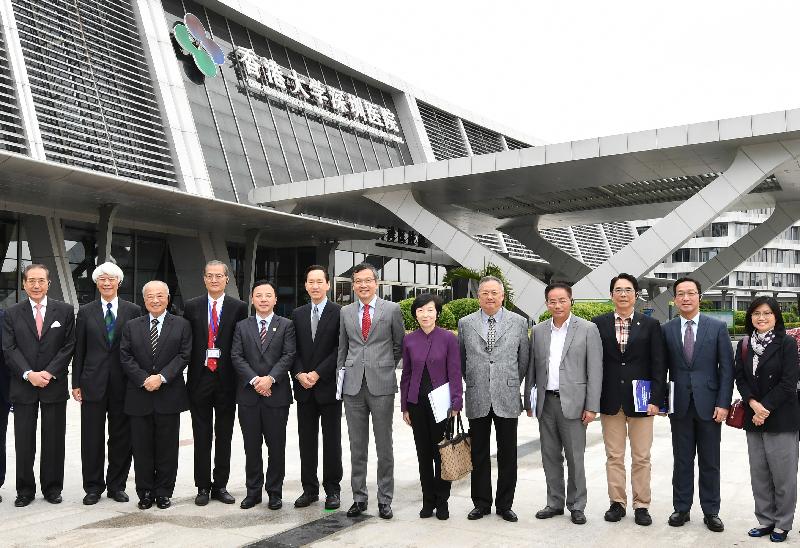
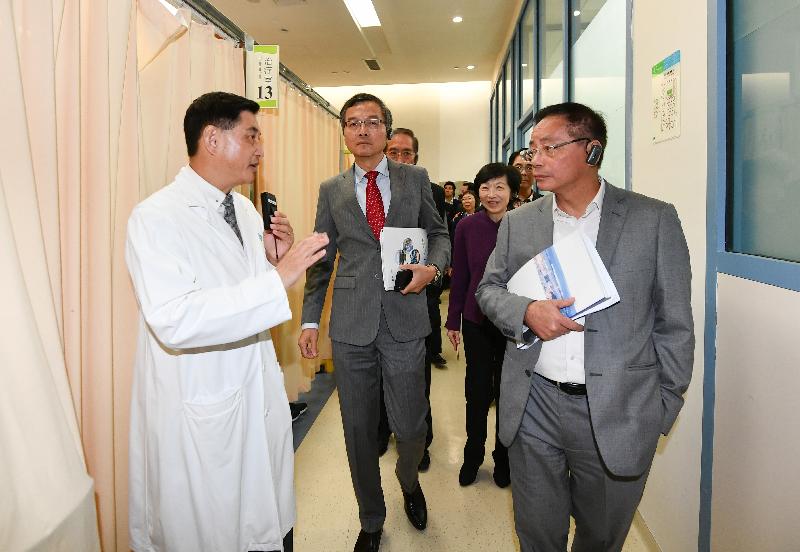
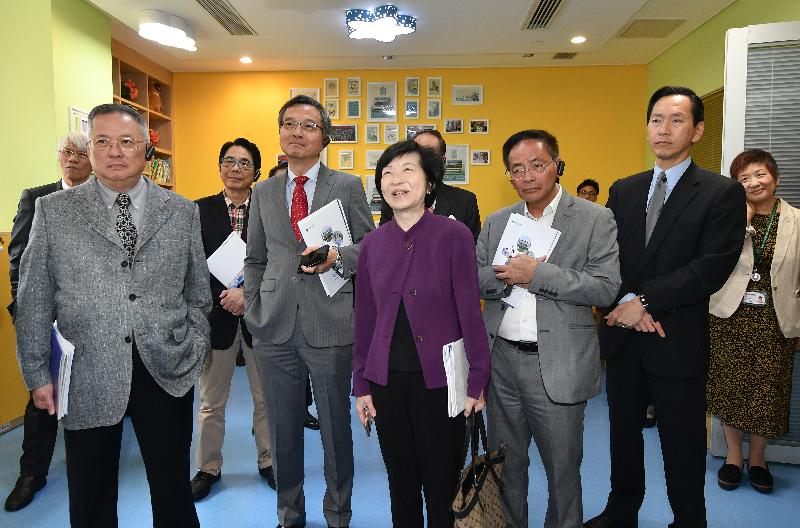
     Non-official Members of the Executive Council (ExCo Members) today (November 26) visited the University of Hong Kong-Shenzhen Hospital (HKU-SZ Hospital) to learn about the hospital’s development and medical and healthcare services provided to Hong Kong elderly people living in Shenzhen.
 
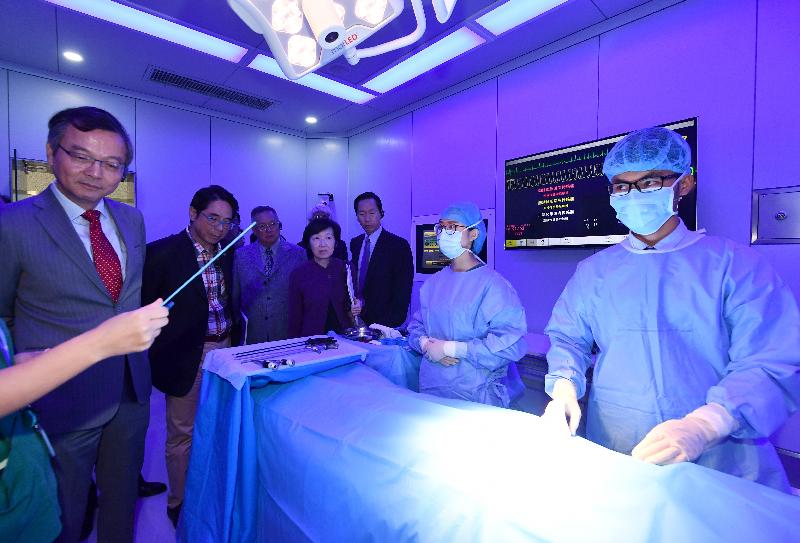
     Accompanied by the HKU-SZ Hospital Chief Executive, Professor Lo Chung-mau, the ExCo Members first toured the Clinical Skills Simulation Training Centre, which introduced the first trauma life support advanced training on the Mainland and is equipped with a simulated operation room and a simulated ward. The Centre provides training in areas including clinical skills, communication skills, emergency decision-making and crisis management for doctors, nurses and paramedical staff.
 
     The ExCo Members then proceeded to the hospital’s Smart Pharmacy, and observed the running of the automatic dispensing equipment and the medicine management system and learnt about its participation in clinical trials research on new drugs.
 
     Fully funded by the Shenzhen Municipal Government and managed by the University of Hong Kong, the HKU-SZ Hospital is a key project of Hong Kong-Shenzhen co-operation and has made important contributions to the medical development of the two places. The Hong Kong Special Administrative Region (HKSAR) Government launched the Elderly Health Care Voucher (EHV) Pilot Scheme at the HKU-SZ Hospital in 2015 to enable eligible Hong Kong elderly persons to use EHVs to pay for the fees of outpatient services provided by designated clinics/departments at the hospital. Since the launch of the Pilot Scheme, more than 3 100 eligible Hong Kong elderly persons have used EHVs at the HKU-SZ Hospital.
 
     To understand the hospital’s medical facilities for the care of both the young and the aged, the ExCo Members also called on the Paediatric Orthopaedics and Surgery Ward and the Chinese Medicine Clinic, which is the service most frequented by elderly patients using EHVs.
 
     The ExCo members acknowledged the hospital’s quality medical services through the introduction of advanced international medical technology, facilities, treatment modes and hospital management, noting that the hospital is dedicated to benefiting citizens, not only Shenzhen locals and other Mainland citizens but also people from Hong Kong. They expressed the hope that the hospital would continue to upgrade its services and facilities to cater to the medical needs of citizens of the Guangdong-Hong Kong-Macao Greater Bay Area, and contribute its expertise to medical development.
 
     Non-official Members joining the visit today were Convenor Mr Bernard Chan, Professor Arthur Li, Mr Chow Chung-kong, Mrs Fanny Law, Mr Ip Kwok-him, Mr Tommy Cheung, Mr Joseph Yam, Mr Wong Kwok-kin, Dr Lam Ching-choi and Mr Kenneth Lau.

Photo  Photo  Photo  Photo  Photo  
read more