Speech by FS at 2nd International Infrastructure and Projects Leaders Summit Gala Dinner and Centre of Excellence Awards Presentation Ceremony (English only) (with photos)

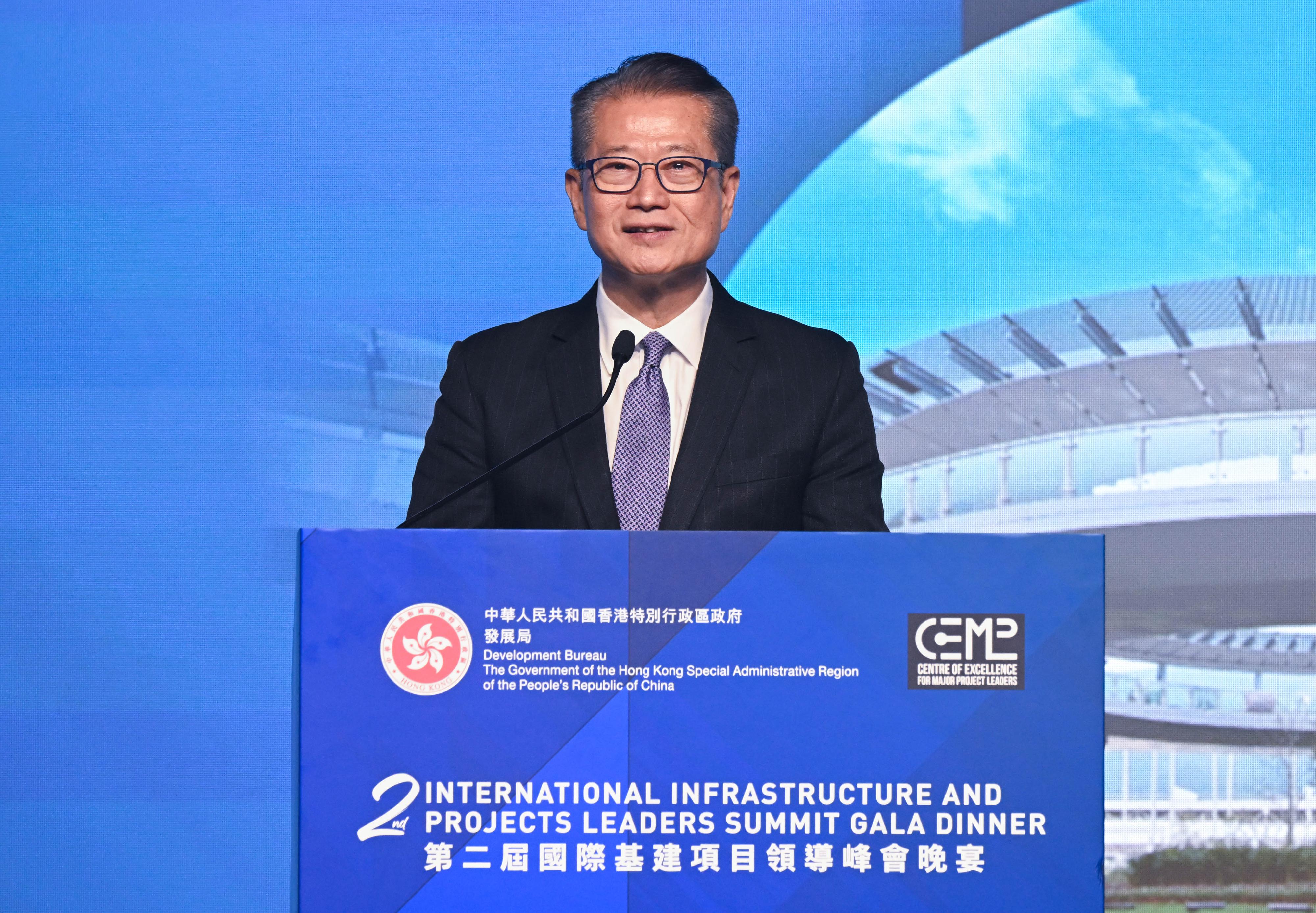
     Following is the speech by the Financial Secretary, Mr Paul Chan, at the 2nd International Infrastructure and Projects Leaders Summit Gala Dinner and Centre of Excellence Awards Presentation Ceremony today (November 20):

尊敬的劉部長 (Vice Minister of Water Resources of the People's Republic of China, Mr Liu Dongshun), Bernadette (Secretary for Development, Ms Bernadette Linn), distinguished guests, ladies and gentlemen, 

     Good evening. It is a great pleasure to join you tonight. To our friends who have come from more than 30 economies, a very warm welcome to Hong Kong. I wish you all a most enjoyable evening, and our visitors a rewarding stay in Hong Kong. Thank you.
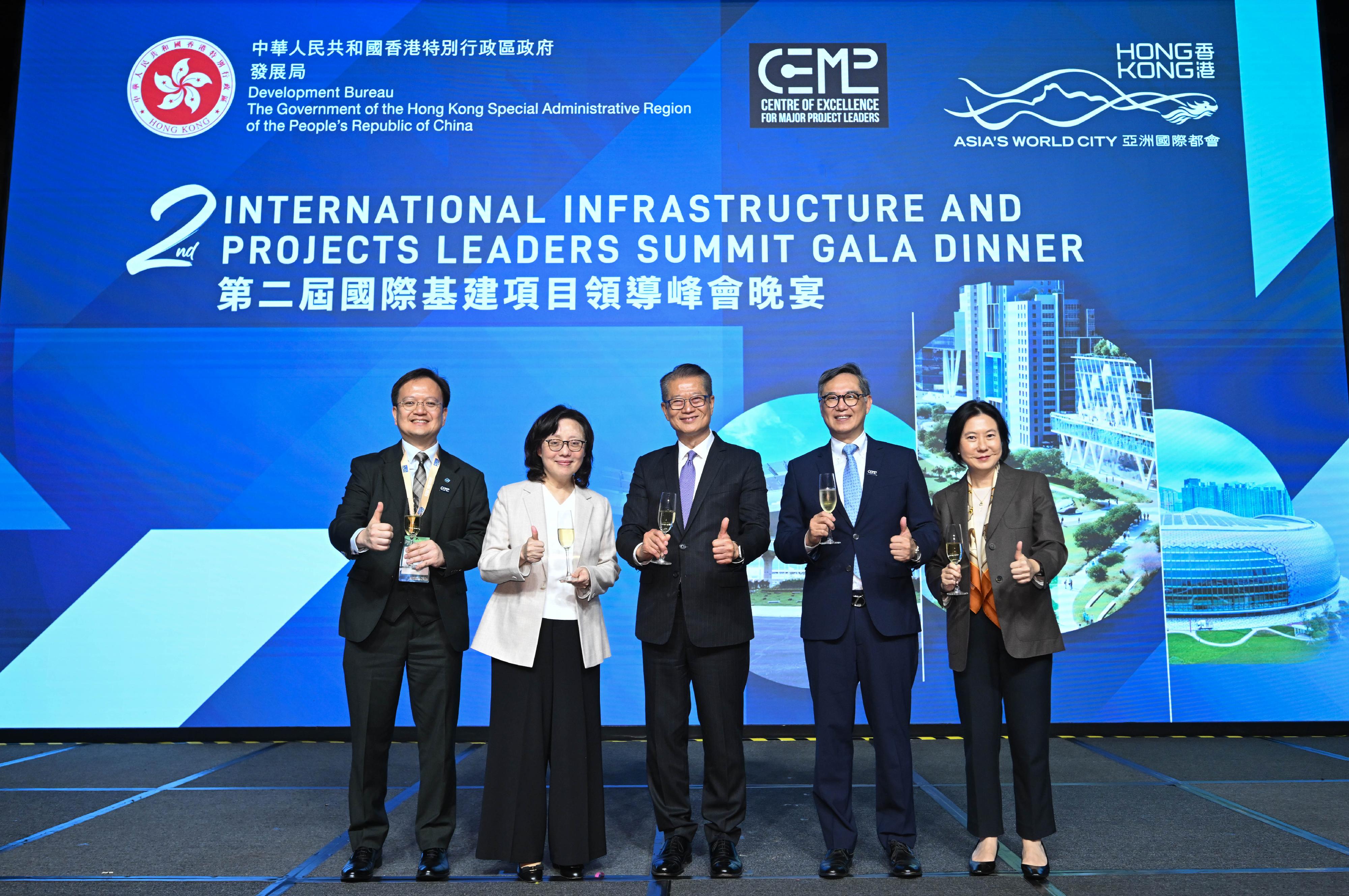
     I must admit that tonight's programme suits me well. Nothing makes a Financial Secretary happier than honouring people who have spent public money with care.

     The theme of this Summit is "From Insights to Impacts". With infrastructure, impact takes time to show. It is not measured on the day the ribbon is cut. It is measured decades later, when the railway still runs on time, when the tunnel is still safe, and when a new town has grown into a community.

     In that sense, every project is a promise that one generation makes to the next. Keeping that promise sets us two tests. One is commitment: the resolve to keep investing, and the means to pay for it. The other is value: making sure that every dollar is well spent, and that what we build is built to last.

     Both matter far beyond Hong Kong. So let me start with the wider picture, and with the first test: commitment.

     Across Asia and the Global South, the resolve is not in doubt. The means are harder to find. Ten days ago, the Asian Development Bank estimated that Southeast Asia alone needs US$ 7.1 trillion of infrastructure investment between now and 2040. At current levels of spending, governments can pay for less than half of that. The rest has to come from elsewhere. At the same time, long-term investors are looking for stable returns.

     An international financial centre can bring the two together.

     It starts with the basics. Companies that build and run infrastructure can raise capital by listing here. In the first ten months of this year, new listings in Hong Kong raised more than HKD 400 billion, the second-highest amount in the world. They can also borrow by issuing bonds. More of Asia's international bonds are arranged in Hong Kong than anywhere else, and that includes about 40 per cent of the region's green and sustainable bonds.

     Then there are more innovative tools. One is to turn infrastructure loans into securities that investors can buy. Last month, the Hong Kong Mortgage Corporation completed its fourth issue of infrastructure loan-backed securities. Behind them are loans to 32 projects in 15 countries.

     But funding is only half the story. There is also a shortage of well-prepared projects as a major obstacle to private investment. That brings me to the second test: value. A project has to be carefully planned and tightly run, with its risks clearly understood.

     Hong Kong can help on all three. We have spent decades building and running railways, tunnels, bridges and an airport in one of the densest cities in the world. Our engineers, surveyors and operators know how to see a difficult project through, and they work closely with Mainland partners who bring advanced construction technology. We are happy to share what we have learned, including what we learned the hard way.

     Then there is risk. Hong Kong has a deep insurance market, with around 160 authorised insurers, among them six of the world's ten largest. They can cover a major project from construction through to operation. And where a risk is too large for insurers alone, the capital markets can share it. The World Bank has issued catastrophe bonds here for Chile and Jamaica. When a hurricane struck Jamaica last year, the bond paid out in full, and the money helped to restore the power network.

     And when disputes arise, as disputes will, they can be settled here. Just recently, a dispute over an infrastructure project in Malaysia was resolved at the International Organization for Mediation, which is headquartered in this city.

     Capital, know-how and a steady hand on risk. None of these is unique to Hong Kong. What is rare is finding all three in one city, under a legal system that international business knows and trusts. Under Hong Kong's first Five-Year Plan, we will do more to offer these services to Belt and Road partner countries. And we look forward to working with every economy represented here tonight.

     Let me turn now to Hong Kong itself, where the same two tests apply.

     On commitment, we will keep investing, because what we build today shapes Hong Kong's future. This year, we are spending about HKD128 billion on capital works. And we plan to keep spending at a similar level for the next four years. The most important project of all is the Northern Metropolis, and it will keep us building for years to come.

     But the more we build, the more carefully we must spend. That is the second test: value. We have been bringing down construction costs, saving about HK$4 billion a year on public works.

     Value, though, has two sides: cost and quality. In recent months, a number of cases in Hong Kong have raised public concern about the quality of some construction work. That concern is understandable, and the Government takes it seriously. The Secretary for Development has set out the action being taken, including closer checks on critical site work and proposals for heavier penalties.

     Saving money must never mean lowering standards. The best value is a job done right the first time. That is what our community expects. And our contractors and partners should expect it too.

     Closer checks and heavier penalties will help. But in the end, it is people who get the job done right. No system can replace a project leader who asks the hard question early and insists on a proper answer.
     
     In this regard, we have set up the Centre of Excellence for Major Project Leaders, to train those who lead today. And for those who will lead tomorrow, we plan to expand on-the-job training for young graduates in the industry, from 3 000 places a year to 5 000, starting next year.

     Tonight's awards recognise that same commitment to people. To the winning departments and project teams, my warmest congratulations.

     Ladies and gentlemen, I said earlier that impact is measured decades after the ribbon is cut. By then, few people will remember who financed the railway, who built it, or indeed who cut the ribbon. They will simply take the train.

     And that is a good thing. It means the job was done right. It means we kept our promise to the next generation.

     It is a promise all of us here have made. Let us honour it together.

     I wish you all a most enjoyable evening, and our visitors a rewarding stay in Hong Kong. Thank you.
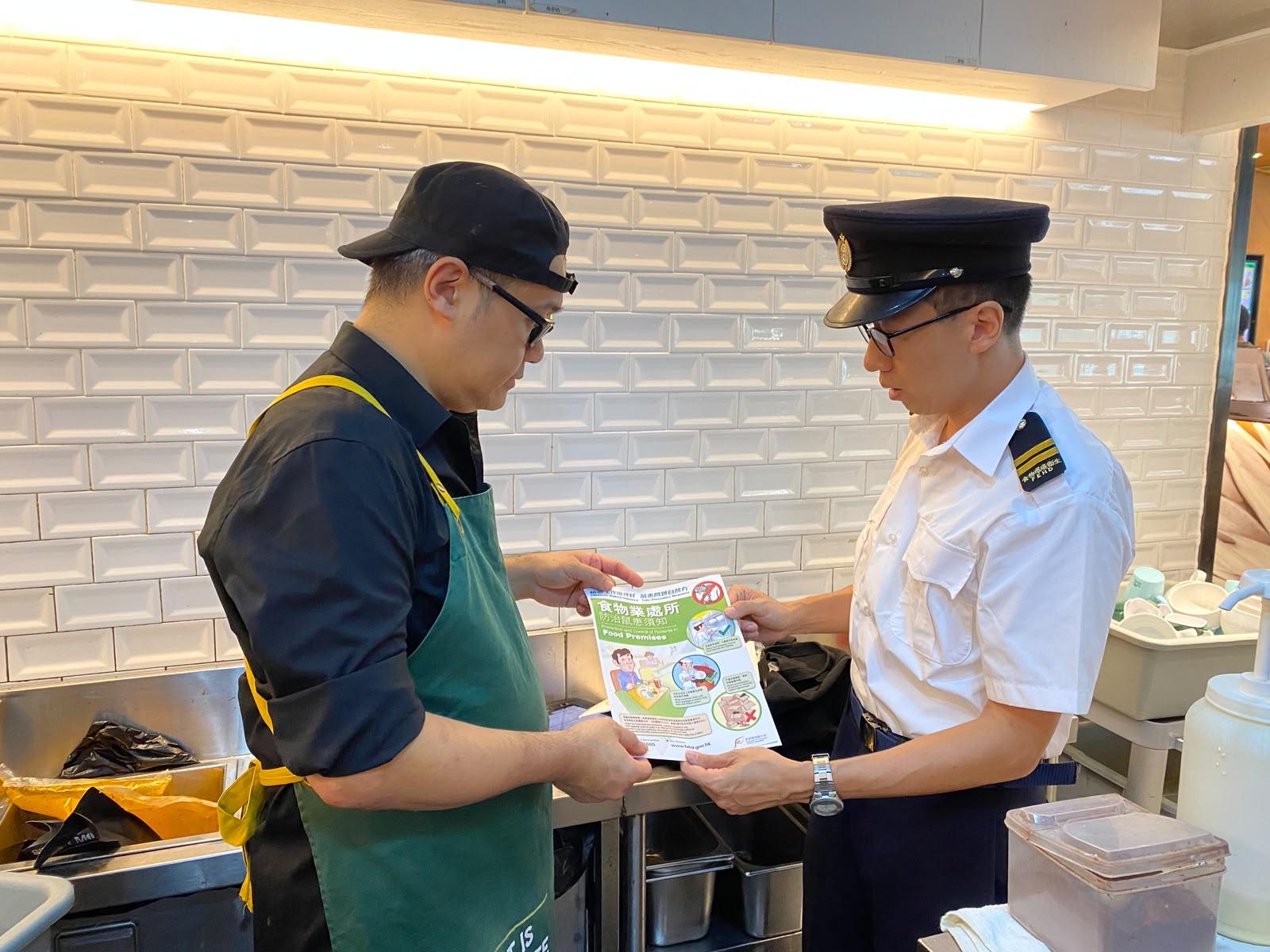
Photo  Photo  

FEHD continues to take forward “Operation Thunderbolt” and “Operation Skynet” to combat rodent infestation (with photos)

     A spokesman for the Food and Environmental Hygiene Department (FEHD) said today (November 20) that the department has continued to take forward "Operation Thunderbolt" and "Operation Skynet" across the territory, conducting special inspections and adopting targeted measures to combat rodent infestation on all fronts, with a view to tackling the problem at source and improving environmental hygiene in the community. 

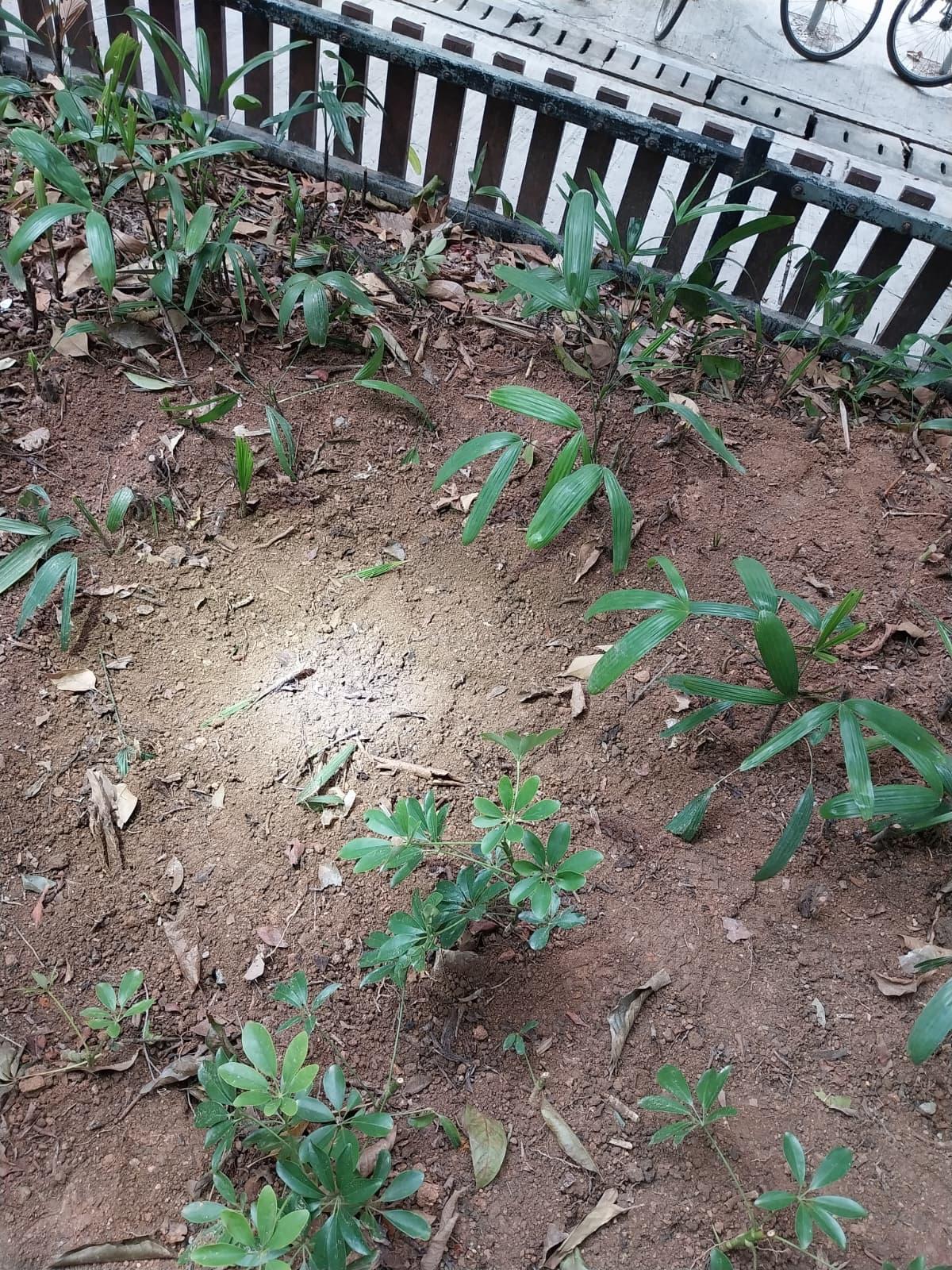
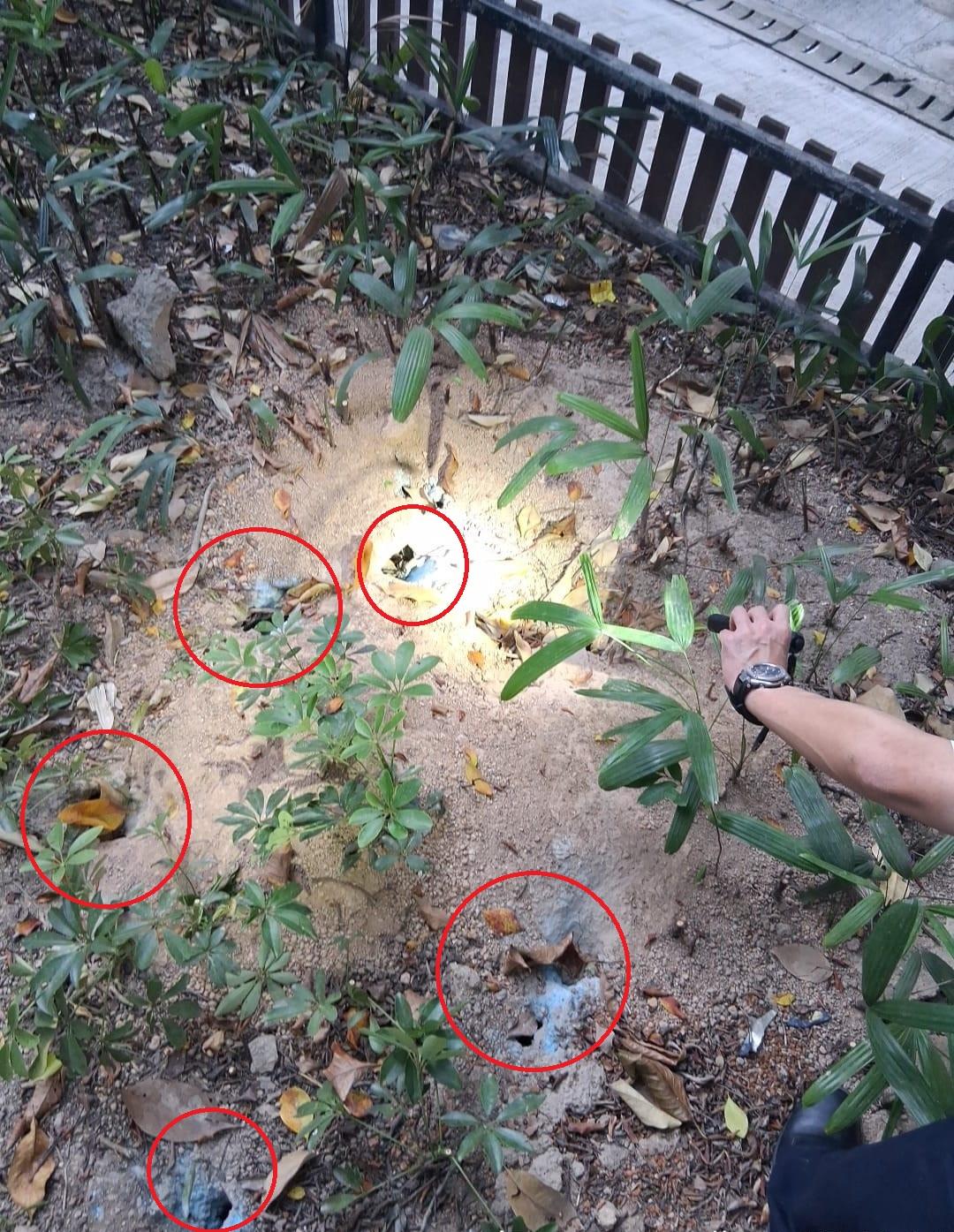
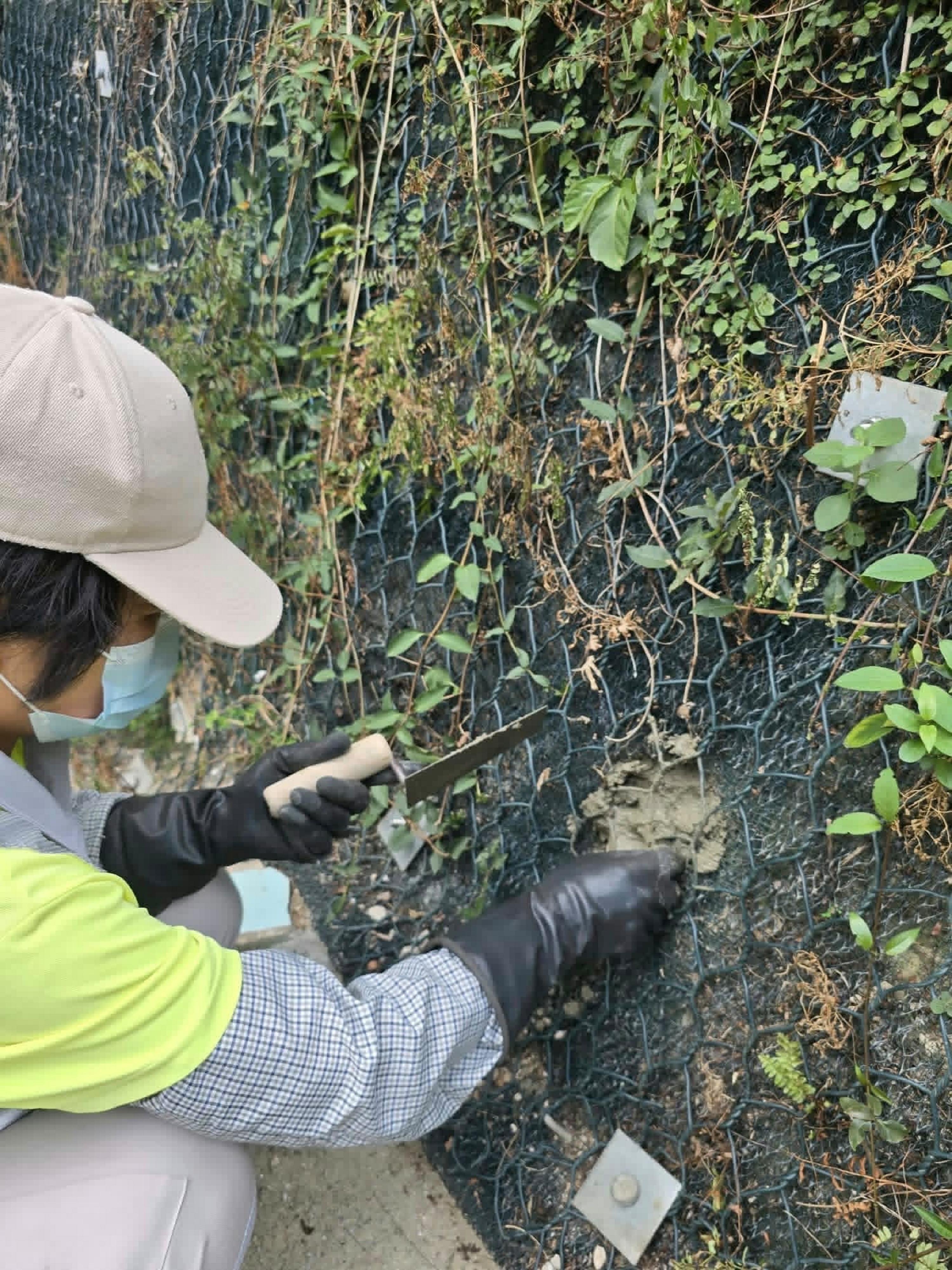
     Launched on November 4, "Operation Thunderbolt" has adopted a risk-based and targeted deployment strategy. In addition to capturing rodents where they are spotted, the FEHD has proactively searched for their nests and main harbourage places, concentrating efforts on targeted rodent control to reduce the rodent population as quickly as possible. The department has recently carried out targeted rodent control work at Station Lane Sitting-out Area in Kowloon City District and Fung Cheung Road Garden in Yuen Long District, working in collaboration with the Leisure and Cultural Services Department (LCSD) to follow up on facility repairs, environmental improvements and routine rodent prevention management through a multi-pronged approach to tackle rodent infestation at source. 

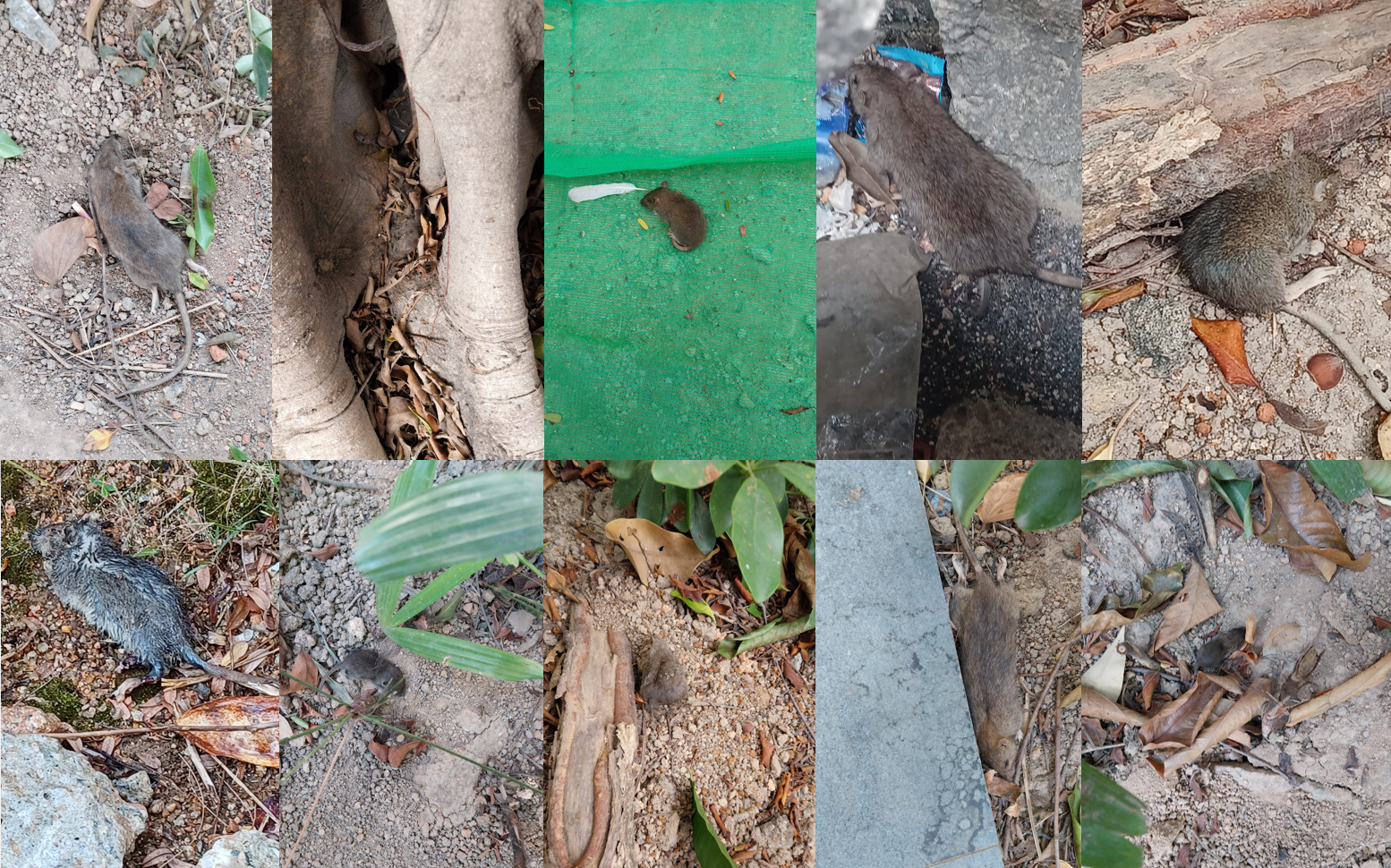
     Since the launch of the operation, the FEHD has conducted targeted inspections at 1 433 locations across the territory as of November 19, including 1 230 venues under the management of other government departments, such as parks and recreational areas. During the operation, 282 rat holes/rodent harbourage places were identified at these locations, 161 live rodents were captured and 119 dead rodents were collected, while rodent poisoning and sealing of the relevant rat holes were completed at 162 locations. It cannot be ruled out that most of the rodents may have died in rat holes or concealed locations and are therefore not fully reflected in the number of rodents found. The department's follow-up inspections found that signs of rodent activity at the locations concerned had decreased significantly. The department will continue to take forward "Operation Thunderbolt" and adopt targeted anti-rodent measures until rodent infestation is effectively brought under control or even eradicated. 

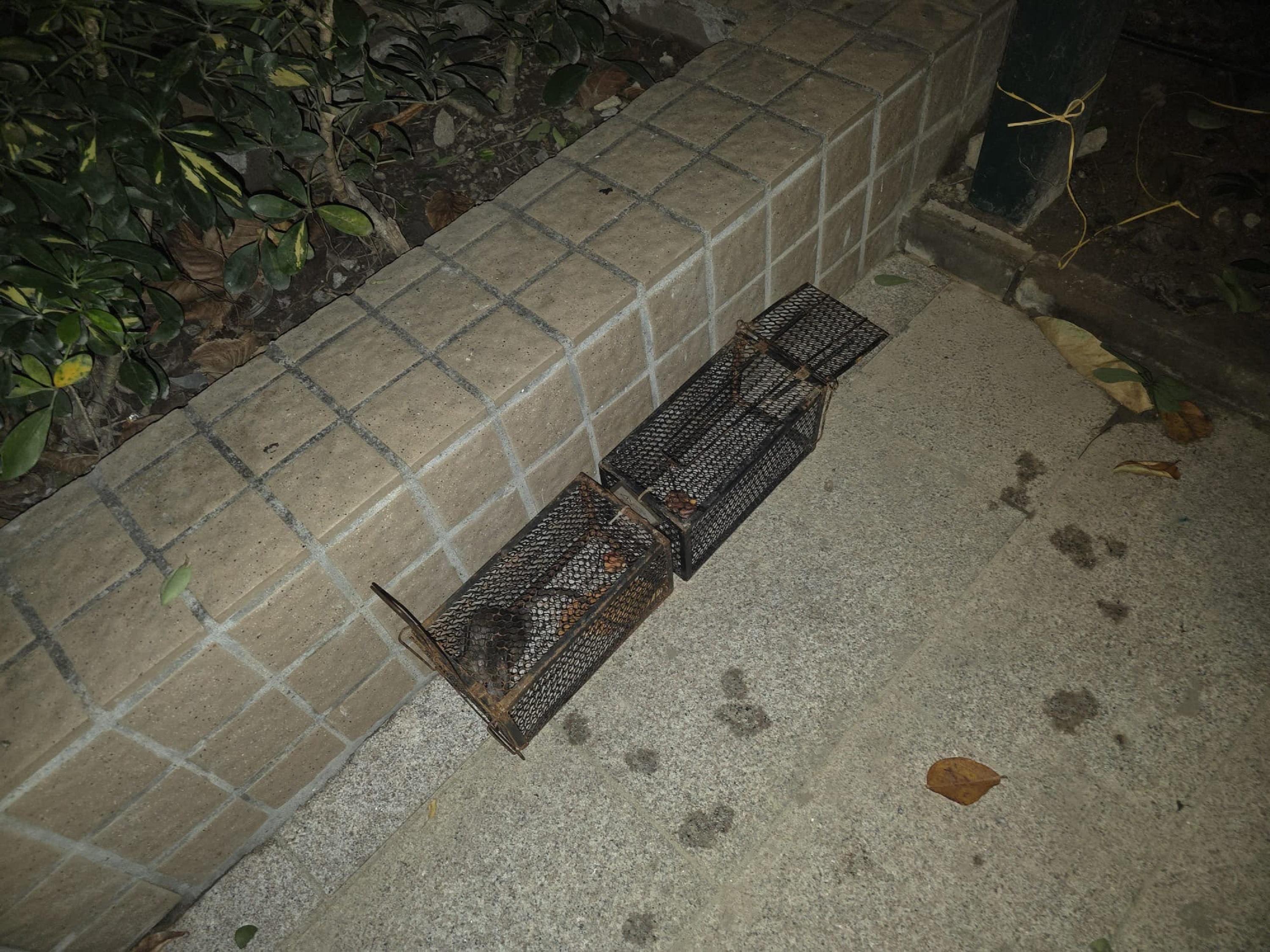
     During the operation at Station Lane Sitting-out Area, FEHD officers identified key locations for focused treatment on the basis of rodent nests, cracks at the base of flowerbed walls and refuse management issues found during inspections. They concentrated rodent control efforts by placing poison baits, setting rodent cages and deploying night-time roving rodent control teams. Meanwhile, the department has advised LCSD staff to follow up on facility repair works as soon as possible and reminded them to step up clearance of food scraps and accumulated miscellaneous articles within the sitting-out area. During the operation, FEHD officers have captured 12 live rodents and completed treatment of eight rodent nests. FEHD enforcement officers also issued two fixed penalty notices and initiated one prosecution for littering, improving environmental hygiene at the venue through both control and enforcement. 

     At Fung Cheung Road Garden, FEHD officers identified seven active rodent nests in two flowerbeds during inspections and also found food scraps at the venue. They immediately placed poison baits and provided rodent prevention advice to LCSD staff. During the operation, FEHD officers have collected 17 dead rodents and destroyed seven rodent nests. To tie in with the rodent nest treatment, LCSD staff have also cleared food scraps and accumulated miscellaneous articles at Fung Cheung Road Garden, stepped up cleansing and arranged soil tilling in the affected flowerbeds. 

    The spokesman said, "Tracking down and eliminating rodent nests requires continuous follow-up until rodent infestation is effectively controlled and eliminated. Taking the Hong Kong Cultural Centre in Tsim Sha Tsui, another targeted location in the early stage of the operation, as an example, over 100 rodents have been captured or found since the rodent control work commenced. The department will continue to conduct follow-up inspections of rodent nests and signs of rodent activity in the surrounding areas to evaluate effectiveness and adjust deployment, and remind venue managers to carry out proper cleansing, rodent prevention and maintenance to consolidate results at source. Rodent capture figures only show part of the results; sustained control of rodent infestation is the measure of overall effectiveness." 

     The FEHD has also taken forward the third phase of "Operation Skynet". The two-week special inspection and enforcement operation has been successfully concluded. During the operation, targeted efforts focused on hygiene and rodent infestation problems at food premises and restaurants in the shopping malls where those premises are located. Inspections of other high-risk areas in the shopping malls were also stepped up, with particular attention to the management of refuse collection, food waste handling and related facilities, and appropriate enforcement action was taken according to the risks involved. 

     During the third phase of "Operation Skynet", the FEHD conducted a total of 1 996 inspections at restaurants in shopping malls and at other high-risk locations, issued 62 Notices of Elimination of Vermin, 177 Notices of Requirement to Cleanse and Repair Food Premises and 12 warnings, and initiated 115 prosecutions; conducted a total of 1 369 inspections at other food premises, issued 24 Notices of Elimination of Vermin, 70 Notices of Requirement to Cleanse and Repair Food Premises and four warnings, and initiated 61 prosecutions; and issued 42 Notices of Elimination of Vermin to those responsible for property management at the shopping malls and buildings concerned. During the inspections, FEHD officers also requested the relevant persons-in-charge to optimise and expedite waste handling, implement effective rodent control measures, seal rat holes and eliminate harbourage places. 

     The spokesman emphasised that the prevention and control of rodent infestations requires the for concerted efforts of the Government, venue managers, food business operators and members of the public.  The department called on all parties to maintain environmental hygiene, properly dispose of refuse and eliminate rodents' food sources and harbourage places so as to reduce rodent infestation at source. 

Photo  Photo  Photo  Photo  Photo  Photo  Photo  

Global infrastructure leaders converge in Hong Kong to drive high-quality construction developments (with photos)

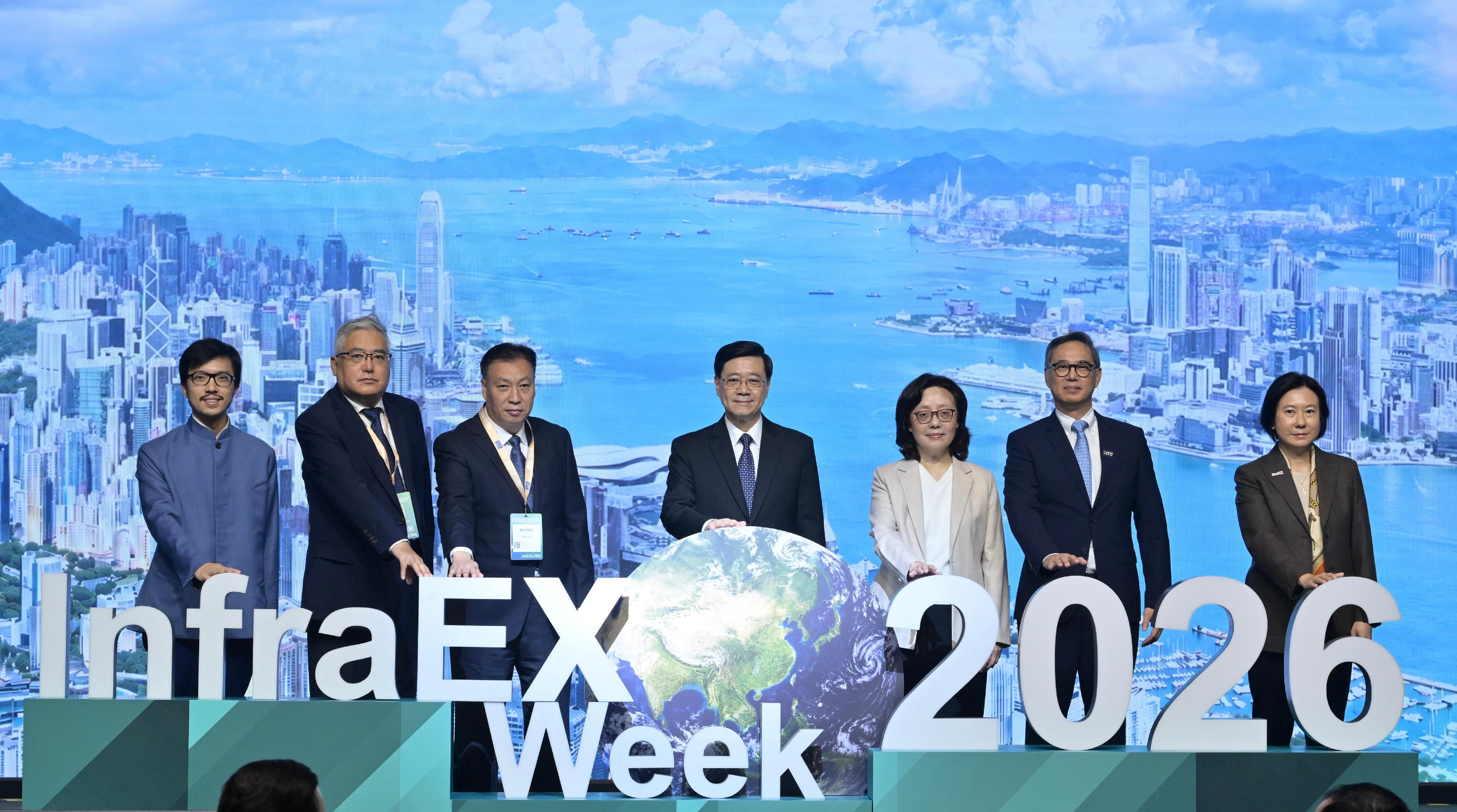
     InfraEX Week 2026, spearheaded by the Development Bureau (DEVB), opened today (November 20). It brings together three major construction events, namely its flagship opening event, the 2nd International Infrastructure and Projects Leaders Summit; the International Conference on Modular Construction 2026 and the Construction Innovation Expo 2026. The Week aims to establish a premier international exchange platform to promote sustainable development, enhance efficiency in infrastructure delivery, and accelerate the adoption of innovative technologies, serving as a key catalyst for driving the upgrading and transformation of the construction industry.
      
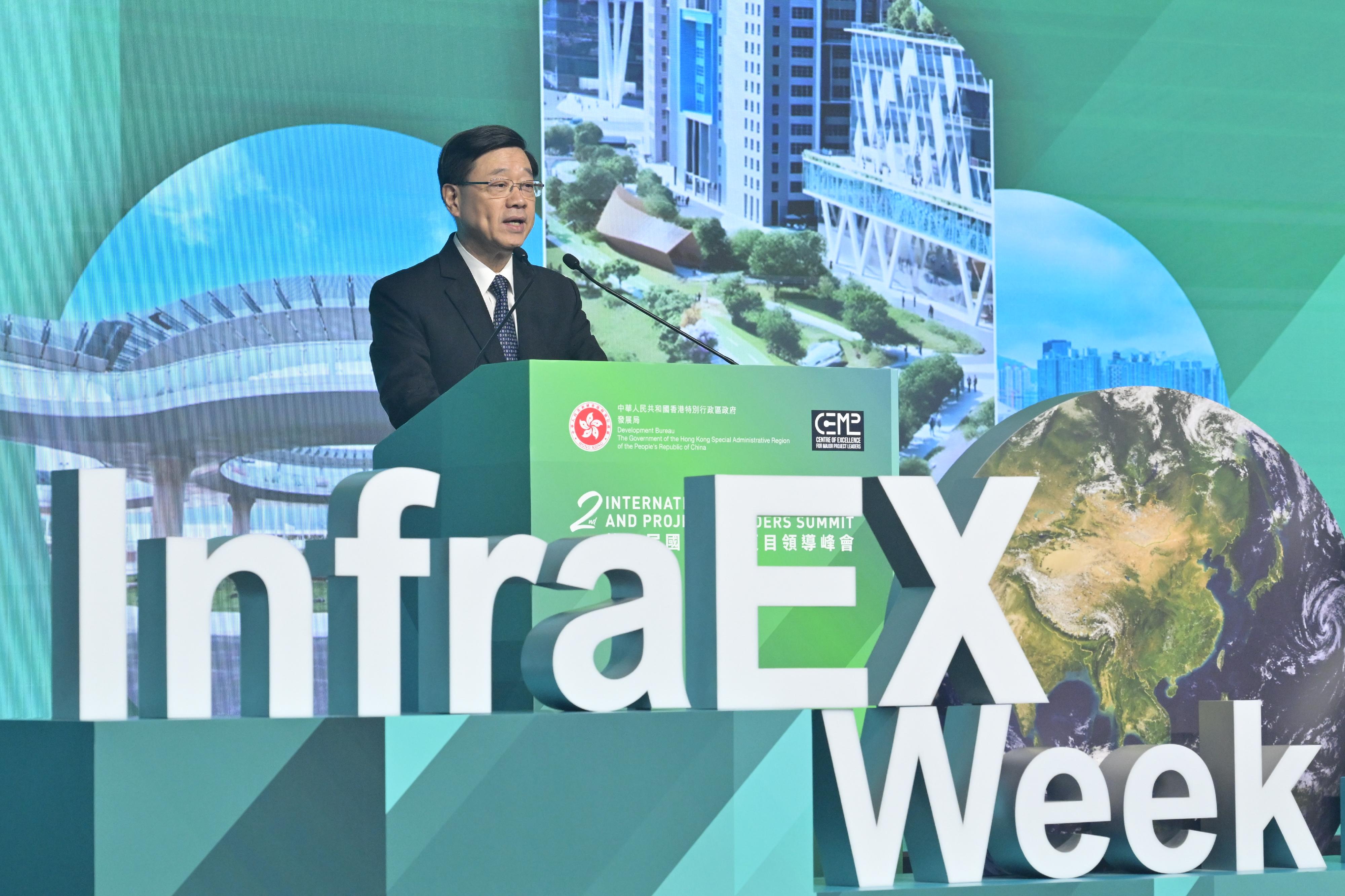
     Speaking at the grand opening ceremony of InfraEX Week 2026, the Chief Executive, Mr John Lee, said that, in a world shaped by shifting geopolitics, urgent climate challenges and rapid technological advance, ideas must be turned into projects with lasting impact through innovation, collaboration and clear strategic direction. He went on to say that Hong Kong's First Five-Year Plan provides a strategic roadmap for Hong Kong's future, giving businesses, investors and innovators strategic insight into the city's development and emerging opportunities. He cited the Northern Metropolis, which is central to the Five-Year Plan, as an example of such development and opportunities. To build the Northern Metropolis and all that it promises, he said that Hong Kong must deliver infrastructure that is truly future-ready, supported by the smart city concept, artificial intelligence, advanced engineering technologies, and innovative construction methods and materials. He stressed that, for excellence in the construction industry, collaboration is the most important factor.
      
     Mr Lee then witnessed the exchanges of a letter of intent and memoranda of understanding between the DEVB and various local and overseas institutions to foster in-depth exchanges and collaboration across regions and sectors, laying a solid foundation for more local and Mainland construction enterprises and products to "go global".
      
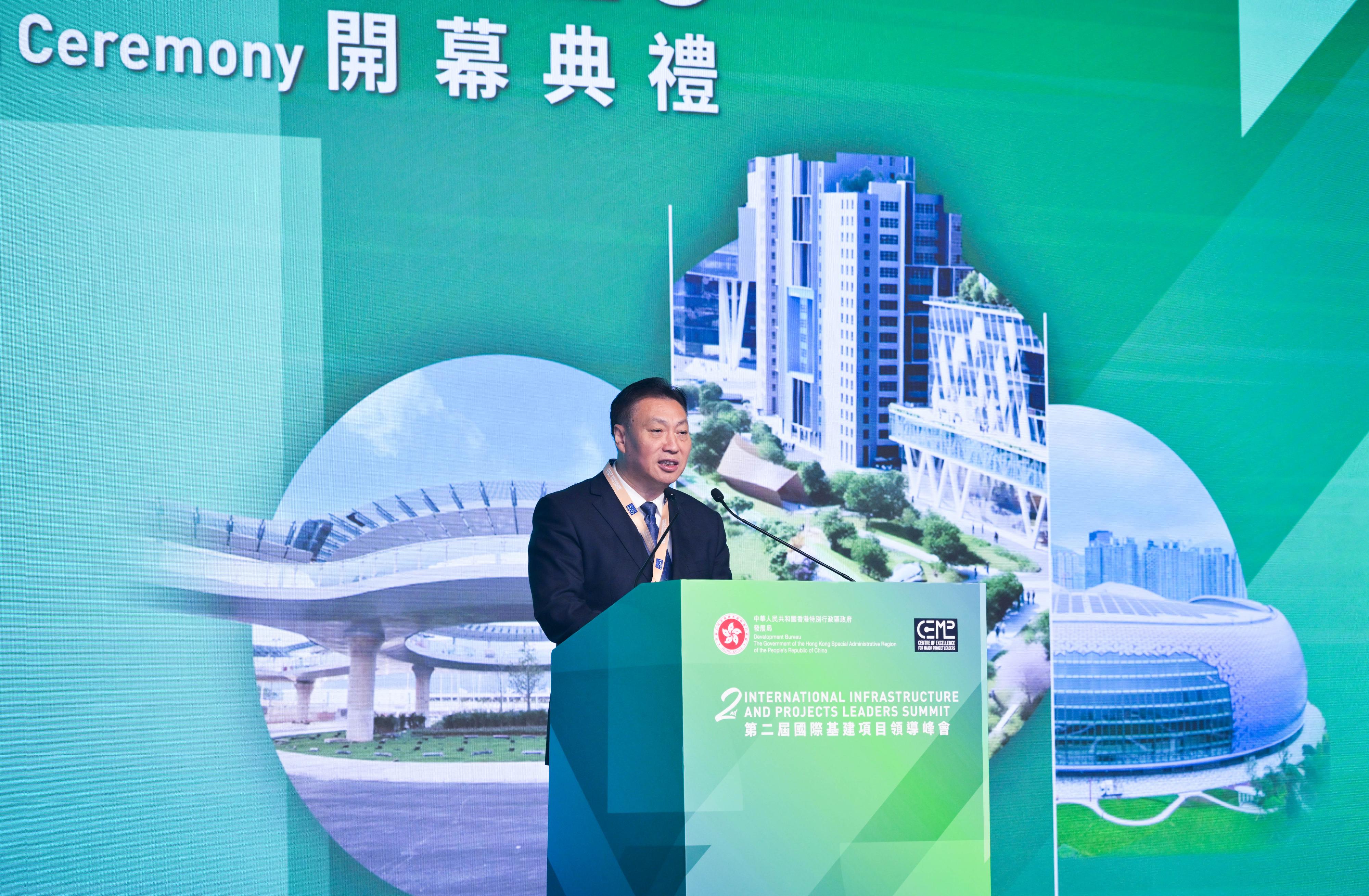
     Vice Minister of the Ministry of Water Resources Mr Liu Dongshun stated at the opening ceremony that the Hong Kong Special Administrative Region Government announced its First Five-Year Plan in September this year, setting out development goals including advancing the development of the Guangdong-Hong Kong-Macao Greater Bay Area (GBA), promoting "hard connectivity" in infrastructure, and fostering digitalisation and upgrading of infrastructure resilience, while leveraging its advantages of enjoying strong support from the motherland and being closely connected to the world to reinforce its position as an international infrastructure centre. He added that the Ministry of Water Resources will, as always, deepen exchanges and co-operation with Hong Kong for water-related affairs, providing solid water security guarantees to support the high-quality development of the GBA and safeguard the long-term prosperity and stability of Hong Kong.
      
     Held concurrently today, the 2nd International Infrastructure and Projects Leaders Summit, themed "Envisioning a Sustainable Future: From Insights to Impacts", explored strategies to address the challenges encountered by the construction industry, driving its upgrading, transformation, and high-quality development.
      
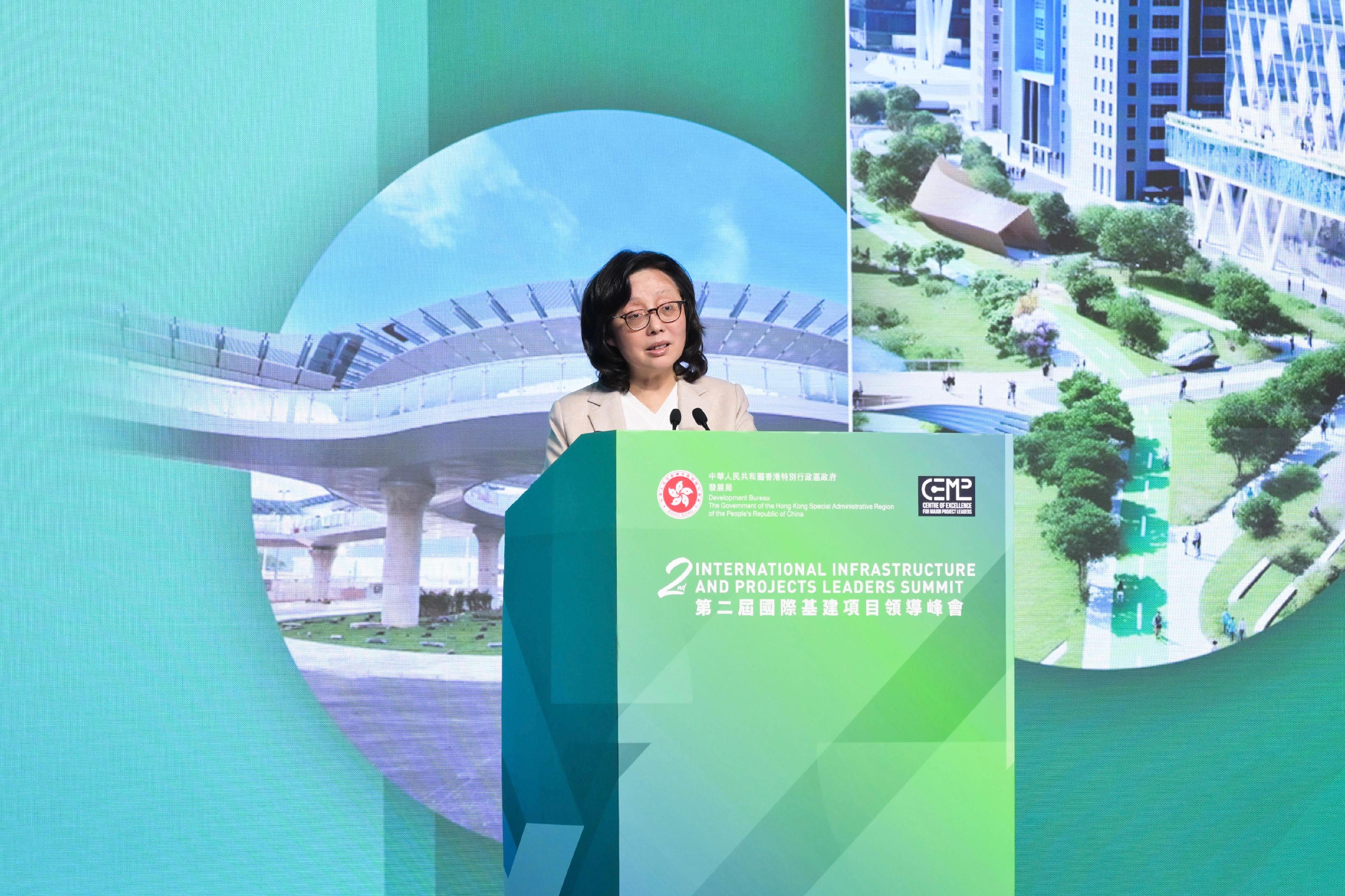
     In her welcome remarks at the luncheon of the Summit, the Secretary for Development, Ms Bernadette Linn, said that Hong Kong proactively integrates into and serves overall national development under "one country, two systems", and remains committed to fulfilling its role as a "super connector" and "super value-adder" to facilitate the internationalisation of national standards and showcase our nation's innovation and technology to the world. The Government is driving the transformation and upgrading of the construction industry towards advanced, intelligent, and high-quality development. In expediting the development of the Northern Metropolis, the Government is transforming practices across the board. Beyond streamlining the approval processes, the Government is harnessing artificial intelligence and driving the widespread adoption of advanced construction materials and technologies. In addition, she shared an update on the achievements since the first summit, including continuous improvement in international construction cost ranking. Hong Kong's construction cost ranking improved from the third most expensive globally in 2020 to the 16th this year, reflecting a significant improvement in cost control over that period.
      
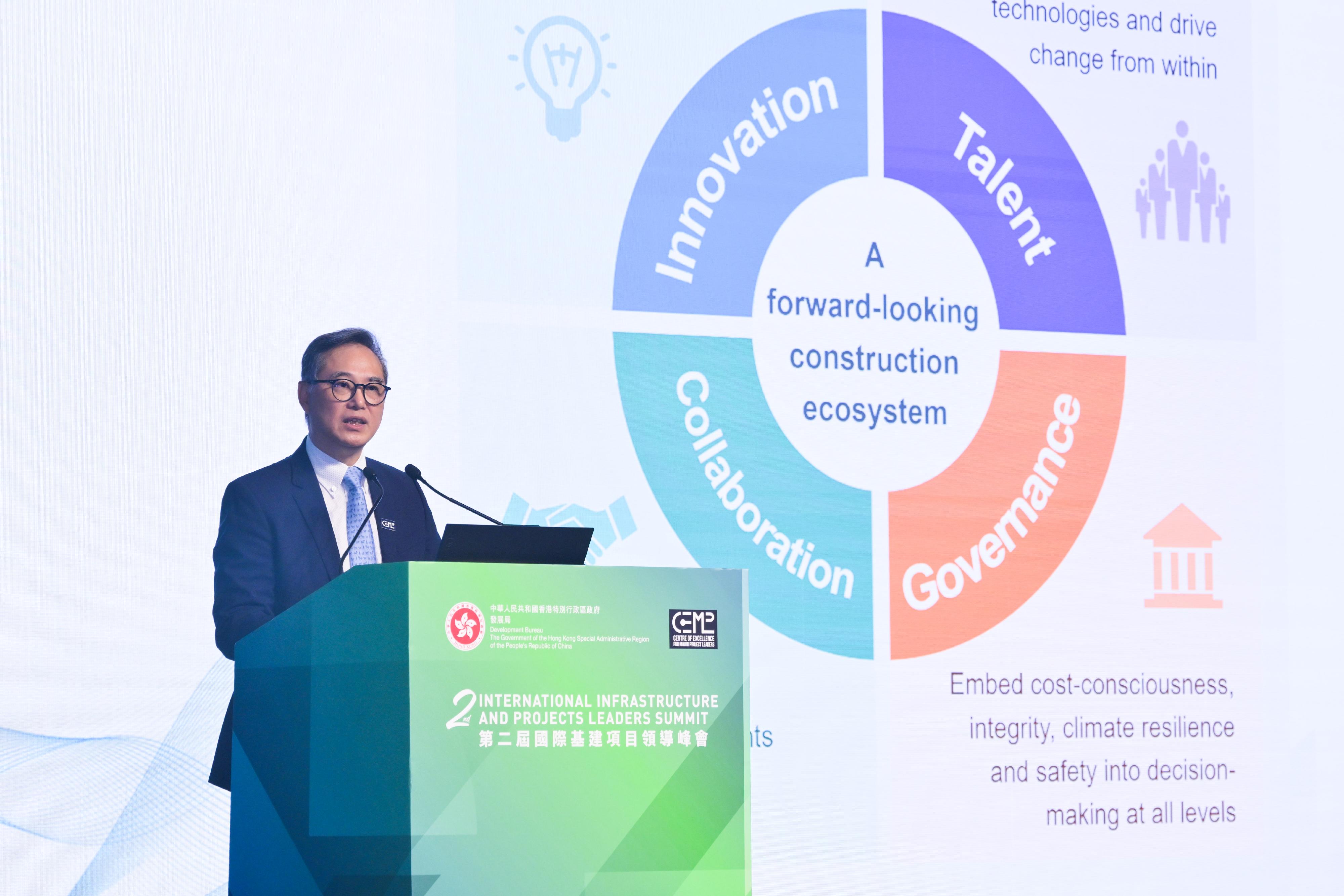
     The Permanent Secretary for Development (Works), Mr Ricky Lau, said in his keynote presentation at the Summit that the Government is expediting the development of the Northern Metropolis and various major infrastructure projects, creating numerous opportunities for the construction industry. He noted that the construction industry is facing the opportunities and challenges posed by rapid technological changes, infrastructure upgrades and climate resilience, and is transitioning from traditional project delivery models towards a more industrialised, digitalised, and tech-enabled phase. Looking ahead, the industry's transformation will be driven by three core pillars: "Innovisation", "Talentisation", and "Collaborisation", promoting innovation and technology, talent training, and collaboration of various parties, thereby enabling the industry to continue to advance.
      
     More than 800 major infrastructure project leaders and experts from over 30 countries and regions around the world attended the Summit, including senior government officials from the Mainland and overseas, as well as representatives from renowned international organisations such as the International Institute for Management Development. They shared the latest infrastructure initiatives and challenges at the presentation session and four plenary sessions, the themes of which were "Northern Metropolis: Vast Opportunities in Action", "The Global Vanguard: Innovation at Scale", "Future-ready Workforce: Orchestrating a Connected Tomorrow", and "Future-proofing Cities: Resilience as New Competitiveness".
      
     The other two key events of InfraEX Week 2026, namely the International Conference on Modular Construction 2026 co-organised by the International Association for Modular Construction and the University of Hong Kong, will be held tomorrow (November 21); while the Construction Innovation Expo 2026, co-organised by the DEVB, the Centre of Science and Technology Industrial Development of the Ministry of Housing and Urban-Rural Development, and the Construction Industry Council, will be held from November 23 to 25, showcasing cutting-edge construction innovations from around the globe. 

Photo  Photo  Photo  Photo  Photo