135/2017 : 13 December 2017 – Judgments of the General Court in Cases T-712/15, T-52/16
Download PDF read more
Download PDF read more

13 December 2017
Responding to the news that Sheffield Council Cabinet has voted unanimously to fell 41 memorial trees, Alison Teal, Green Party Councillor for the city, said:
“This week we’ve seen trees adorned with Christmas decorations brought down without notice and now the council has decided that the social historical significance and beauty of 41 memorial trees can be dismissed and disregarded. I urge the council to cease their insensitive felling of the city’s trees and restore its green heart and heritage.”
read moreLast week Glasgow became home to a new sculpture, ‘Homeless Jesus’. Designed by Canadian sculptor Timothy Schmalz, it depicts Jesus as a homeless person, sleeping on a park bench. It was brought here thanks to a local fundraising campaign and … read more
Justin Madders MP, Labour’s Shadow Health Minister, commenting on the publication of Health Education England’s workforce strategy for England to 2027, said:
“The Tories’ mismanagement of the NHS workforce has been a disaster for staff and patients and a sustainable strategy is long overdue.
“Ministers have repeatedly promised to boost staff numbers but have failed to deliver and now Health Education England has confirmed that there are thousands of vacant posts, difficulties in recruitment and a huge rise in turnover for key positions.
“Under this Government we have seen a series of failed policies with historic cuts to training places, the end of the nurses bursary and the self-defeating public sector pay cap which have all contributed to huge gaps in the NHS workforce.
“It is essential that the Government finally gets behind a long-term solution to NHS staffing problems by providing the resources the NHS needs to make this strategy work. Our NHS staff have reached breaking point and need hope that things are going to change.”
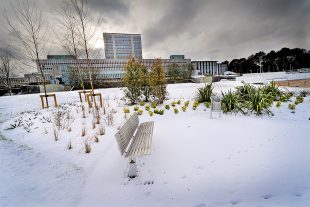
With the changing of the seasons, our natural environment outside our offices here in Swansea can look particularly striking. So it’s a good time to take stock of what we do in DVLA to look after our local environment and reduce our impact on it.
Why we look after our environment
This is really important to us in DVLA, and it’s something we’ve been actively doing for a number of years. We’re also bound by both legal and governmental commitments to reduce our environmental impacts and enhance the flora and fauna which exist on our estate.
These commitments are set out in our Strategic Plan, Sustainability Report and our Biodiversity Action Plan. I’m head of DVLA’s Sustainability Team and we’re the team responsible for ensuring the commitments are carried out. It’s not just a job to us though, it’s a passion that goes beyond just meeting these obligations. We also want to encourage other staff to share in the joy we find in nature and educate them in the importance and value of the natural world.
Our three sites are in residential and industrial locations and are relatively small (around 40 acres in all, or roughly 40 football pitches). Within these sites we have dedicated conservation areas, ponds, grassed areas and verges that we leave untouched, as well as protected ancient hedgerows. All of these are supporting an increasing number of wildlife and plant species, including otters, bats and small blue butterflies. Last year, we counted at least 12 species that are listed in Section 7 (Priority Species List) of the Environment (Wales) Act 2016.
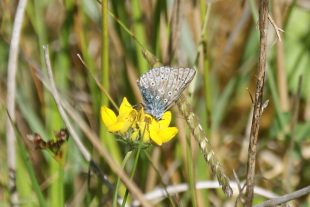
This has cost us nothing to do, has had no negative impact on the effective running of the estate and is bringing pleasure and increased knowledge to many of our staff. To help us with this work we’ve found many experts already working in DVLA who have enthusiastically shared their knowledge and expertise.
We have a chairperson of the local ornithological society, who has undertaken bird surveys and led bird walks around the estate in their own time. We also have conservation experts who help us monitor and analyse wildlife, and advise us on how we can develop our estate’s biodiversity. There’s even an avid forager who has shown us how to find food in the unlikeliest of places (including rough patches of ground!)
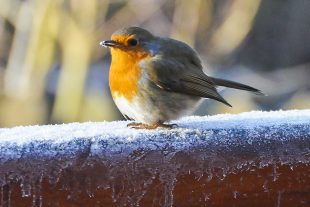
To me, the most wonderful thing I’ve seen from our work in encouraging nature to flourish is the joy that everyone gets from it. Colleagues send us lovely photos of the birds and wild flowers they’ve spotted on site. They also tell me how their lunchtime walks around the sites, looking at the natural environment we’re helping to prosper, let them take a break from the pressures of work and recharge their batteries. This just shows the difference connecting with nature can make to us every day.
Here at DVLA we’re extremely lucky to live and work in a beautiful part of the world, and we’re making the most of our little bit of that. We’re doing our bit to help people connect to nature, and I’d like to pass on the United Nations environmental challenge to us all: in this busy world, why not find a way to experience nature, breathe it in, and remember that by keeping our planet healthy, we keep ourselves healthy too.
Follow DVLA on Twitter, Facebook and LinkedIn and subscribe to our Inside DVLA blog.
read more