Press release: Poultry farm permit application drop in session
The Environment Agency is holding a public drop in session on Friday 15 September, 2pm to 7pm at:
Upton Snodsbury Village Hall
Worcestershire
The aim of the drop in is to speak to local residents and answer any questions about the environmental permit application which has been submitted to the Environment Agency by A&C Poultry to operate a free range poultry farm in Upton Snodsbury, Worcestershire.
The environmental permit application is separate from the planning application process and focuses on the technology used, how the site is to be operated, the emissions from the operation and any direct impact the site has on human health and the environment. The Environment Agency are not able to consider the suitability of the location (other than the impacts of emissions on local receptors), visual impact, the need for the facility, where the waste comes from and any infrastructure impacts such as transport, power lines and utilities, as these are part of the planning process.
Dane Broomfield, Environment Management Team Leader, said:
It is important that we obtain and consider the views of the public before we make any decision regarding the application. We would like to invite communities close to the site to forward any comments on the application as part of our consultation process. The consultation period started on 14 August 2017 and will end on 29 September 2017.
The Environment Agency will consider any issues raised, and will produce a draft decision on whether we are ‘minded to’ issue to the environmental permit. We will announce our draft decision and there will be another period of public consultation at this stage.
The Environment Agency publish partial surrenders that they issue under the Industrial Emissions Directive (IED).
This decision includes the permit and decision document for:
Operator name: Viridor Waste Management Limited
Installation name: Tatchells Landfill Site
Permit number: EPR/ZP3035PH/S007
Press release: Courts issue £177,720 in penalties to anglers
The Environment Agency revealed it prosecuted 691 people for angling offences throughout April, May and June 2017. In total, courts imposed penalties of £177,720, with the highest being £974. Some 314 offenders received penalties of over £300, ten times the price of a year’s legal fishing.
The most common offence was fishing without a valid licence, which could see offenders landing fines of up to £2,500 and a criminal conviction. Other offences included removing coarse fish contrary to national byelaws put in place to protect fish stocks. During the restricted period the Environment Agency carried out 17,589 fishing licence checks and issued 963 offence reports.
Kevin Austin, our new Deputy Director for Fisheries at the Environment Agency said:
The Environment Agency and its partners take unlicensed angling very seriously. While only a minority of anglers seek to evade the law and do not buy a licence if only 5% of anglers didn’t buy a £30 annual licence this would represent a loss of around £1.5m to the sport and to the environment.
Anyone fishing without a licence can expect to be prosecuted, fined and face having a criminal conviction. Obtaining a fishing licence is easier than ever and costs from just £30 for the year and remember that the junior licence is now free – there is no excuse.
Anyone who suspects illegal fishing to be taking place should report the matter to the Environment Agency’s incident hotline on 0800 80 70 60.
The Environment Agency consults the public on certain applications for waste operations, mining waste operations, installations, water discharge and groundwater activities. The arrangements are explained in its Public Participation Statement
These notices explain:
what the application is about
where you can visit to see the application documents
when you need to comment by
The Environment Agency will decide:
whether to grant or refuse the application
what conditions to include in the permit (if granted)
Press release: Helping north east communities be flood resilient
The Environment Agency has appointed a new team of engagement officers to help communities be more resilient to flooding in the North East.
The £280,000 a year project includes four new engagement officers spread across four areas – Northumberland, Tyne and Wear, Durham and Darlington, and Cleveland.
Funded by the Northumbria Regional Flood and Coastal Committee (NRFCC) for the next four years, the officers are working alongside partner organisations to help support communities.
It includes helping businesses and residents to understand their risk of flooding and ensuring those in flood risk areas are signed up to receive free flood warnings.
They’re also helping communities prepare themselves for flooding, such as supporting them to develop community flood plans and recruit volunteer Flood Wardens in at risk communities.
The Community Engagement Officers are working on behalf of the Environment Agency and local authority partners.
As well as supporting residents and businesses, working alongside schools will play a key role in helping future generations understand their risk.
Direct support for communities
Phil Taylor, from the Environment Agency’s Flood Resilience Team in the North East, said:
We’ve seen over the last few years alone just how devastating flooding can be for communities, so it’s positive news that Northumbria RFCC has agreed to fund these dedicated officers to provide direct support to communities.
In areas where the Environment Agency’s free Flood Warning Service is available the officers will be working to increase sign up to the service.
They’ll also be helping develop community flood plans that will detail the action each community or business can take to reduce the impact of flooding, and help them return to normal life as soon as possible should a flood happen.
And working with schools and youth groups means children can be educated about what it means to be flood resilient and ensure the messages delivered through the project have long-term impact in flood risk areas for years to come.
To find out more about your local flood risk and sign up to the Flood Warning Service Visit the gov.uk web pages
Local Information
Durham & Darlington
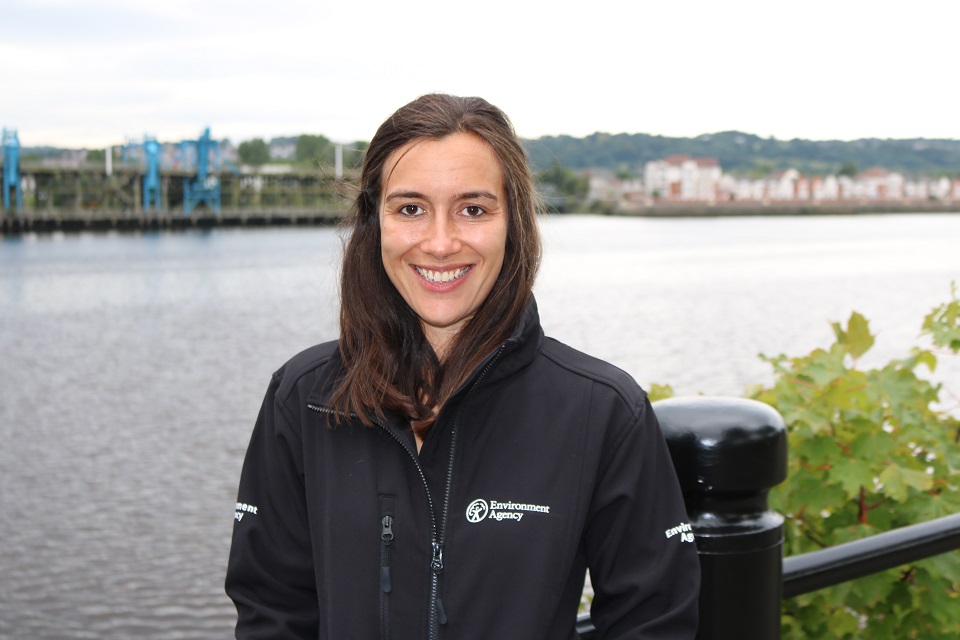
Anna Caygill is the new Durham & Darlington Community Engagement Officer. Anna is working on behalf of the Environment Agency and the Durham & Darlington Civil Contingencies Unit (CCU) to increase flood resilience in areas at risk of flooding.
There are over 4,000 properties at risk from fluvial flooding across Durham & Darlington’s constituencies, however fewer than 54% of properties are signed up to receive alerts and warnings in areas where the free Flood Warning Service is available.
There are also approximately 10,000 properties at risk from surface water flooding which can occur rapidly without warning. Anna said:
I’d like to hear about all of the local flooding issues in Durham & Darlington and work with the local community to see if they can put actions in place to make themselves more resilient.
Previous work has already led to Community Flood Plans being established in areas like Lanchester, Chester-le-Street, Hurworth, and Neasham and I’m hoping to help other communities put similar measures in place while continuing to support the existing volunteers.
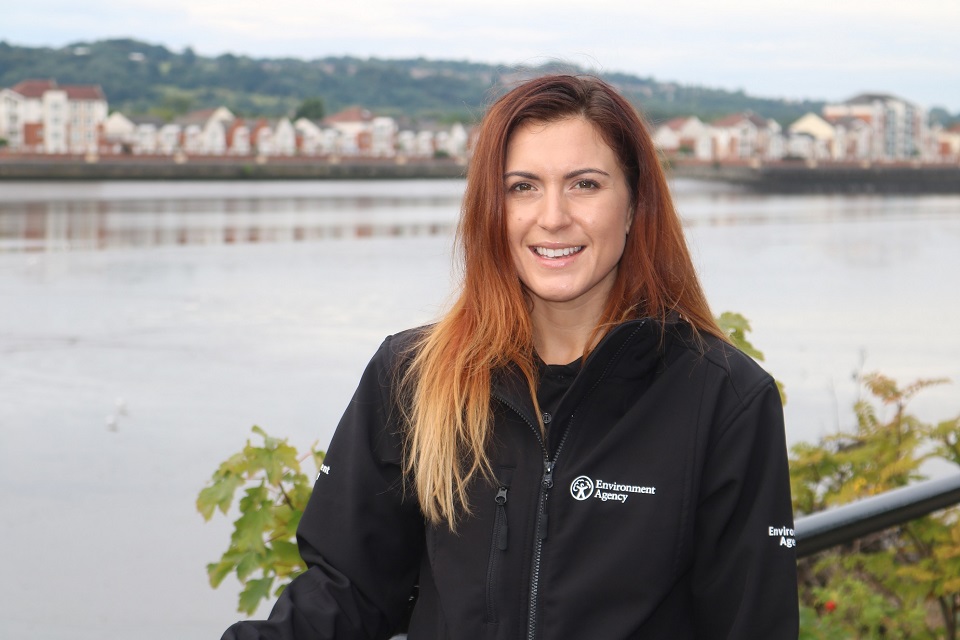
Sarah Pearce is the new Community Engagement Officer for Cleveland. Sarah is working on behalf of the Environment Agency and the Cleveland Emergency Planning Unit (CEPU) to increase flood resilience in areas at risk of flooding. Due to its location, areas of Cleveland are affected by flooding from a number of sources including coastal, river (fluvial) and surface water.
In Hartlepool 900 properties are considered to be at risk of surface water flooding, and in Middlesbrough 2,300 are considered to be at risk.
Across the four Cleveland local authority areas, there are over 6,000 properties at risk from fluvial flooding, however sign up to receive alerts and warnings in areas where the free Flood Warning Service is available is low, for example 11% in Redcar, 13% in Stockton, and just 3% on Hartlepool Headland. One of Sarah’s aims is to increase take up of the Flood Warning service. Sarah said:
Previous work across Cleveland has led to Community Flood Warden groups being set up in communities such as Skinningrove, where a flood plan has been developed to support the community in responding to flood events.
I want to help other areas set up new groups and community plans in response to flooding, as well as supporting existing groups. I’d also like to look at the potential to appoint Flood Champions in at risk communities.
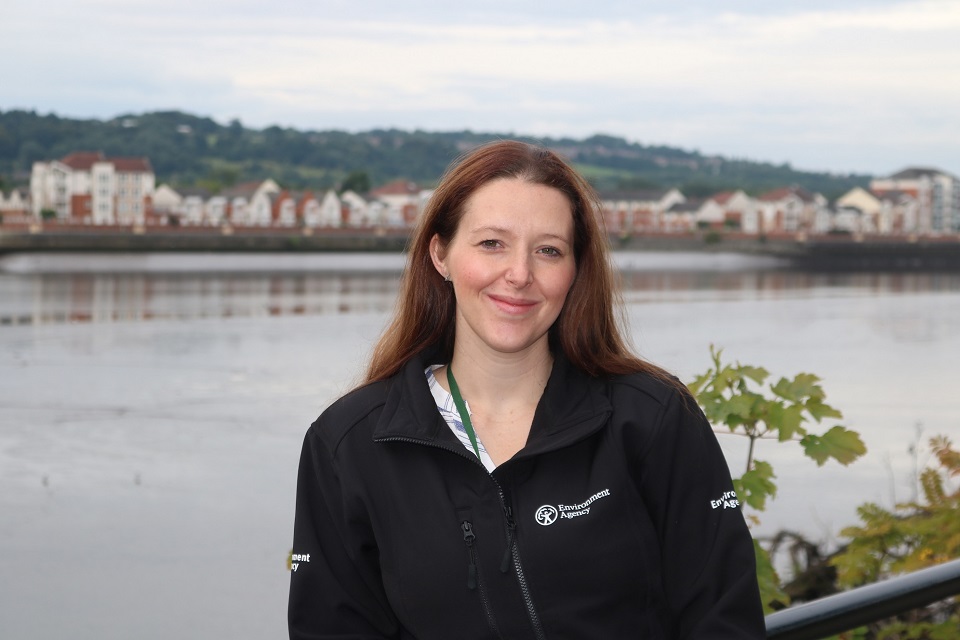
Emma Craig is the new Community Engagement Officer in Northumberland. Emma is working on behalf of the Environment Agency and Northumberland County Council to increase flood resilience in areas at risk of flooding.
Over 300 properties were flooded in Storm Desmond in 2015 but there are over 3,000 properties at risk of fluvial flooding in the county. Sign up to receive alerts and warnings in areas where the free Flood Warning Service is available is around 60%.
There are also around 17,000 properties at risk from surface water flooding. Emma said:
Many communities in Northumberland have created plans and taken action to make themselves more resilient after experiencing significant flooding during Storm Desmond.
I’ll be continuing to work in the communities which were affected as well as other areas in Northumberland that remain at risk of flooding.
Taryn Al-mashgari is the new Community Engagement Officer in Tyne & Wear. Taryn is working on behalf of the Environment Agency, Newcastle City Council, Gateshead Council, South Tyneside Council, North Tyneside Council and Sunderland City Council in communities at risk of flooding from all sources. Taryn will help communities, businesses, and schools to develop plans which will reduce the impact of a flood.
Over five years ago many communities in the Tyne & Wear region experienced serious flooding during ‘Thunder Thursday’. Surface water flooding such as this can happen with very little warning so Taryn will be aiming to get communities to take action and prepare for flooding now.
As an example, there are more than 2,800 properties at risk from surface water flooding in Sunderland and 4,100 In South Tyneside, and 1,800 in Gateshead, as well as 1,500 in Newcastle.
There are around 600 properties at risk of fluvial flooding in Tyne & Wear.
Sign up to receive alerts and warnings in areas where the free Flood Warning Service is available in Tyne & Wear is around 14%. Taryn said:
Previous work in Tyne and Wear has developed some good practice. For example a network of flood volunteers in North Tyneside provide local information to the council during periods of bad weather which helps the council direct their emergency response resources. In Gateshead a Community Flood Plan has been developed for an area prone to flooding.
I’ll be hoping to replicate this sort of community activity across other areas while continuing to support existing volunteers.