Labour Department reminds foreign domestic helpers to comply with social distancing measures

     The Labour Department (LD) today (January 8) again reminded foreign domestic helpers (FDHs) to comply with social distancing measures announced by the Government.
      
     An LD spokesman said, "According to the Prevention and Control of Disease (Prohibition on Group Gathering) Regulation (Cap. 599G) and the Prevention and Control of Disease (Wearing of Mask) Regulation (Cap. 599I), a person who participates in a prohibited group gathering of more than two persons in public places or fails to wear a mask in accordance with the requirement may be charged a fixed penalty of $5,000. This Saturday and Sunday (January 9 and 10), the LD will conduct mobile broadcasts in multiple languages for two consecutive days at popular FDH gathering places across the territory to call upon FDHs to comply with the relevant requirements, exercise self-discipline and abide by the law. On Sunday (January 10), the LD will conduct joint operations in collaboration with the Hong Kong Police Force, the Food and Environmental Hygiene Department (FEHD), the Home Affairs Department and the Leisure and Cultural Services Department (LCSD) in various places, including Central, Tamar Park in Admiralty and the footbridge near Fa Yuen Street in Mong Kok. Relevant departments will take enforcement action against those who still refuse to abide by the regulations after repeated reminders. During the New Year holidays last week, the LD, in collaboration with the Police, the FEHD, the Home Affairs Department and the LCSD, conducted joint operations in popular gathering places of FDHs. A total of 51 fixed penalty notices at $5,000 were issued during the joint operations.
      
     "We remind FDHs to strictly observe the requirements and appeal to them to avoid gatherings (including in boarding facilities), food sharing and other social activities on their rest days and stay at home for rest as far as possible to safeguard their personal health. We also encourage employers and FDHs to discuss rest day arrangements, so as to minimise the health risk of participating in social activities."
      
     At the same time, employers are reminded that they must not compel their FDHs to work on a rest day. An employer who compels his or her FDH to work on a rest day without the agreement of the FDH or fails to grant rest days to the FDH is in breach of the Employment Ordinance and is liable to prosecution and, upon conviction, to a maximum fine of $50,000.
      
     Should FDHs and their employers have any enquiries on employment matters, they may contact the LD through the dedicated FDH hotline at 2157 9537 (manned by 1823), by email to fdh-enquiry@labour.gov.hk or through the online form on the dedicated portal (www.fdh.labour.gov.hk).


Key statistics on service demand of A&E Departments and occupancy rates in public hospitals

The following is issued on behalf of the Hospital Authority:

     During the winter surge, the Hospital Authority is closely monitoring the service demand of Accident and Emergency Departments and the occupancy rates in public hospitals. Key service statistics are being issued daily for public information. Details are in the appended table.


FarmFest 2021 goes online

     The one-month FarmFest 2021 is held online from today (January 8) to February 7 to showcase a variety of local agricultural and fisheries products and gourmet food.
 
     In light of the latest developments of COVID-19, FarmFest, which is jointly organised by the FarmFest Organising Committee, the Agriculture, Fisheries and Conservation Department (AFCD), the Vegetable Marketing Organization and the Fish Marketing Organization, is held online (www.farmfesthk.com). There are over 100 local fishermen and farmers participating in the online sale, including accredited fish farmers, oyster farmers, organic farmers, accredited farmers, traditional premium vegetable farmers and hydroponic farmers. Local vegetables available at the FarmFest website will be harvested and delivered to the consumers on the same day to ensure the freshness.
 
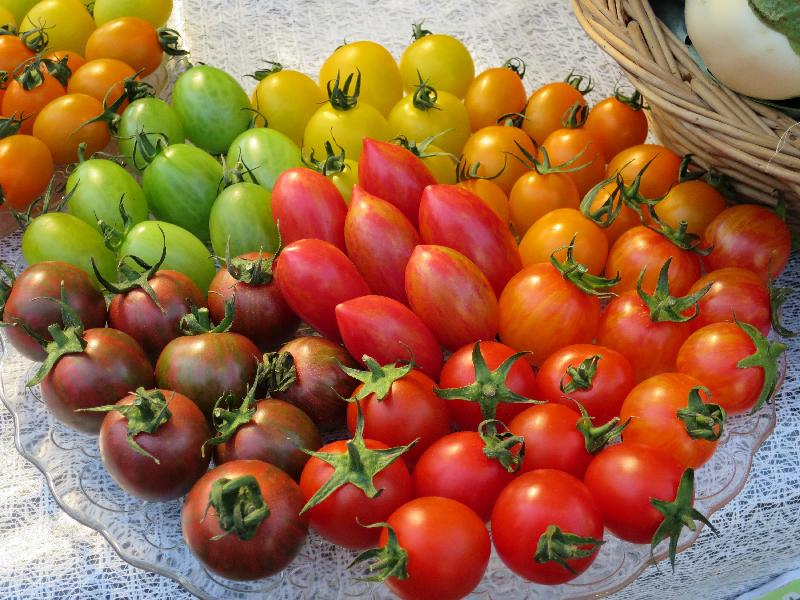
     Premium local produce is always well received by consumers. In view of the market demand, the AFCD has been actively supporting the local agricultural and fisheries sectors to use new technology to raise productivity and to enhance the quality and boost sale of local produce with a view to facilitating sustainable development of the industry. To enable consumers to learn more about the production of premium produce, online exhibitions are available at the FarmFest website. The agricultural zone features a virtual farm tour in which the characteristics and technology used in cultivation of local tomatoes, sweet potatoes and broccoli are introduced. The fisheries zone displays promotional videos and photos of technology applied in the fisheries industry, features of local fisheries products and recreational fishing.
 
      A series of short videos featuring local agricultural and fisheries industry and their products are also available at the FarmFest website. Members of the public can shop for premium local produce in the comfort of their own home while learning more about the development of the local agricultural and fisheries industry. For details of the event, please visit www.farmfesthk.com or www.facebook.com/farmfesthk.

Photo  Photo  


Employers and employees should take precautions during cold weather

Attention duty announcers, radio and TV stations:

     Please broadcast the following special announcement immediately, and repeat it at frequent intervals when the Cold Weather Warning is in force:

     The Labour Department reminds employers that as the Cold Weather Warning is in force, they should take appropriate precautions such as reminding employees who have to work outdoors or in remote areas to wear appropriately warm clothing, and make arrangements for employees to rotate from outdoor to indoor or sheltered work sites as far as possible. Employees should take note of the weather report, wear appropriately warm clothing and be mindful of their health conditions. They should notify their supervisors and seek medical help immediately if feeling unwell, such as having cold limbs and body shivering.


CHP reminds public on precautions against cold weather

     The Centre for Health Protection (CHP) of the Department of Health (DH) today (January 8) reminded the public, particularly the elderly and people with chronic illnesses, to adopt appropriate measures to protect their health in view of the cold weather.

     A spokesman for the CHP said that cold weather can easily trigger or exacerbate diseases, especially among the elderly and persons suffering from heart disease, respiratory illness or other chronic illnesses.

     "Elderly people have less insulating fat beneath their skin to keep them warm and their body temperature control mechanism may be weaker. Their body may not be able to appropriately respond to the cold weather," the spokesman said.

     Some senior persons may have decreased mobility, which can in turn slow down their ability to generate and conserve body heat. Chronic illnesses, such as hypertension, diabetes and endocrine disorders, may undermine the health of elderly people and lower their metabolic rate, subsequently causing their body to generate less heat.

     The CHP reminded the public, in particular the elderly and persons with chronic illnesses, to adopt the following preventive measures:

• Take note of the weather forecast. Wear warm clothing, including hats, scarves, gloves and socks accordingly;
• Consume sufficient food to ensure adequate calorie intake;
• Perform regular exercise to facilitate blood circulation and heat production;
• Stay in a warm environment and avoid prolonged outdoor exposure;
• Use heaters with care and maintain adequate indoor ventilation; and
• Seek medical advice if feeling unwell.
 
     In addition, the public should avoid alcoholic beverages.

     "Drinking alcohol cannot keep you warm. Alcohol accelerates the loss of body heat through dilated blood vessels, resulting in chilling instead," the spokesman said.

     "Parents should ensure that babies are sufficiently warm, but it is also important to keep babies lightly clothed to avoid overheating them," the spokesman added.

     Parents should observe the following safety measures when putting their children to bed:

• Keep the room well ventilated and with a comfortable temperature;
• Always place babies on their back to sleep. Babies usually sleep well without a pillow;
• Place babies on a firm and well-fitted mattress to sleep. Avoid soft objects and loose bedding;
• Leave their head, face and arms uncovered during sleep; and
• Let babies sleep in a cot placed in the parents' room and near their bed.

     To prevent pneumonia and respiratory tract infections, members of the public should always maintain good personal and environmental hygiene. They should adhere to the following advice:

• A surgical mask can prevent transmission of respiratory viruses from ill persons. It is essential for persons who are symptomatic (even if having mild symptoms) to wear a surgical mask;
• Wear a surgical mask when taking public transport or staying in crowded places. It is important to wear a mask properly, including performing hand hygiene before wearing and after removing a mask;
• Avoid touching your eyes, mouth and nose;
• Perform hand hygiene frequently, especially before touching the mouth, nose or eyes, after touching public installations such as handrails or doorknobs, or when hands are contaminated by respiratory secretions after coughing or sneezing;
• Maintain drainage pipes properly and regularly (about once a week) pour about half a litre of water into each drain outlet (U-trap) to ensure environmental hygiene;
• Cover all floor drain outlets when they are not in use;
• After using the toilet, put the toilet lid down before flushing to avoid spreading germs;
• Wash hands with liquid soap and water, and rub for at least 20 seconds. Then rinse with water and dry with a disposable paper towel. If hand washing facilities are not available, or when hands are not visibly soiled, performing hand hygiene with 70 to 80 per cent alcohol-based handrub is an effective alternative;
• Cover your mouth and nose with tissue paper when sneezing or coughing. Dispose of soiled tissues into a lidded rubbish bin, then wash hands thoroughly; and
• When having respiratory symptoms, wear a surgical mask, refrain from work or attending class at school, avoid going to crowded places and seek medical advice promptly.
• Receive seasonal influenza vaccination, which is recommended for all persons aged 6 months or above except those with known contraindications; and
• Persons at higher risk of getting influenza and its complications, including the elderly and children, should receive seasonal influenza vaccination early. Please see details of the vaccination programmes and scheme on the CHP’s website.

     Food-borne diseases, particularly those linked to hot pot cuisine, are also common in cold weather. The following preventive measures should be taken:

• Wash hands before handling and consuming food;
• Do not patronise unlicensed vendors or those with poor hygienic standards while selecting food;
• Wash and cook all food thoroughly;
• Vegetables should be washed thoroughly in clean running water before cooking and consumption. When appropriate, scrub vegetables with hard surfaces with a clean brush to remove dirt and substances, including pesticide residues and contaminants, from the surface and crevices;
• Shrimps should be fully cooked by cooking them until the shells turn red and the flesh turns white and opaque;
• For shellfish like scallops and geoduck, scrub the shells thoroughly and remove internal organs;
• Most hot pot ingredients should be stored in a refrigerator at 4 degrees Celsius or below, while frozen food should be stored in a freezer at -18 degrees C or below;
• Never use raw eggs as a dipping sauce for hot pot; and
• Use different sets of chopsticks to handle raw and cooked food to avoid cross-contamination.

     In addition, the public should not use charcoal as a cooking fuel in poorly ventilated areas, especially indoors, to avoid harmful exposure to carbon monoxide (CO) and prevent CO poisoning. While using other kinds of fuel, the public should also ensure adequate ventilation.

     For more health information, the public may call the DH's Health Education Hotline (2833 0111) or visit the CHP's website and Facebook Fanpage.

     The public may also call Dial-a-Weather (1878 200) or visit the website of the Hong Kong Observatory for the latest weather information and forecast, or its page on Weather Information for Senior Citizens.