SFH meets with stakeholders on improving Hong Kong’s electoral system (with photos)

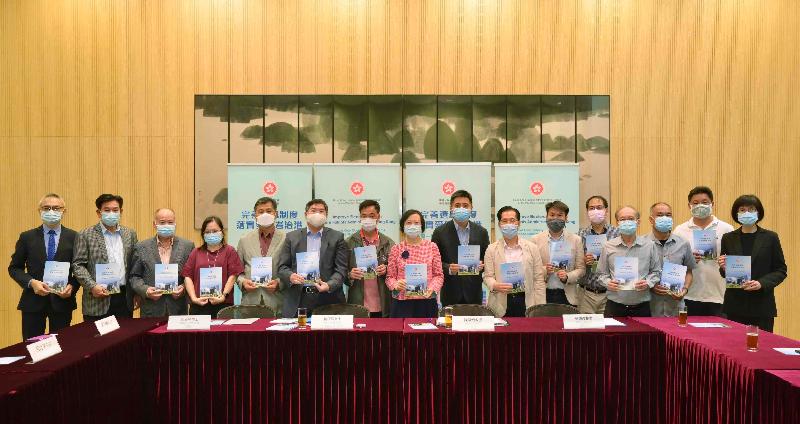
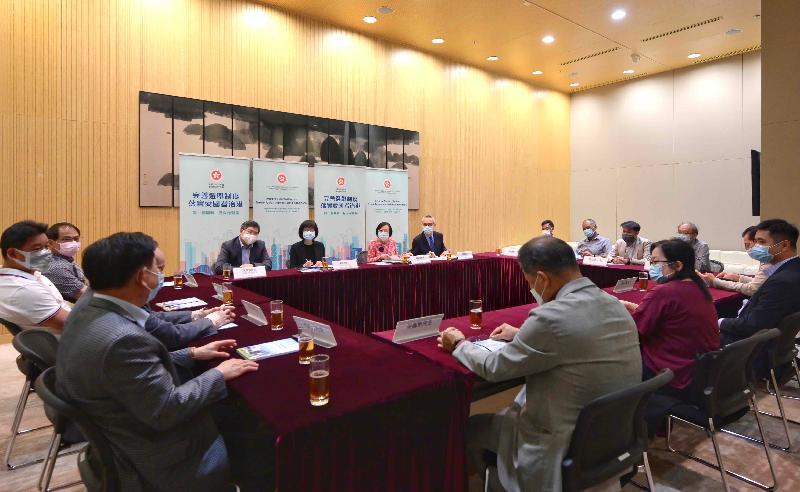
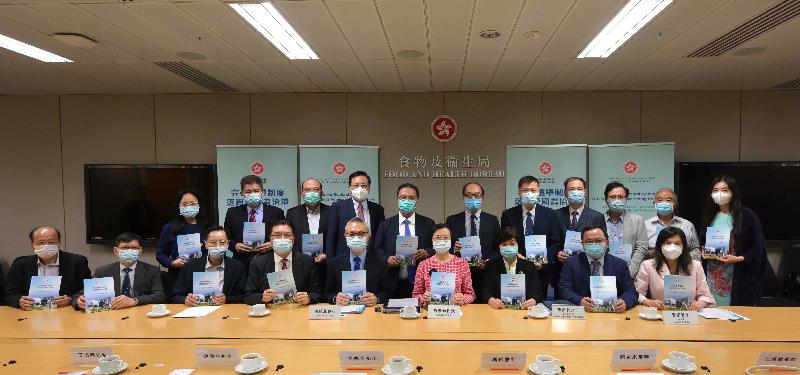
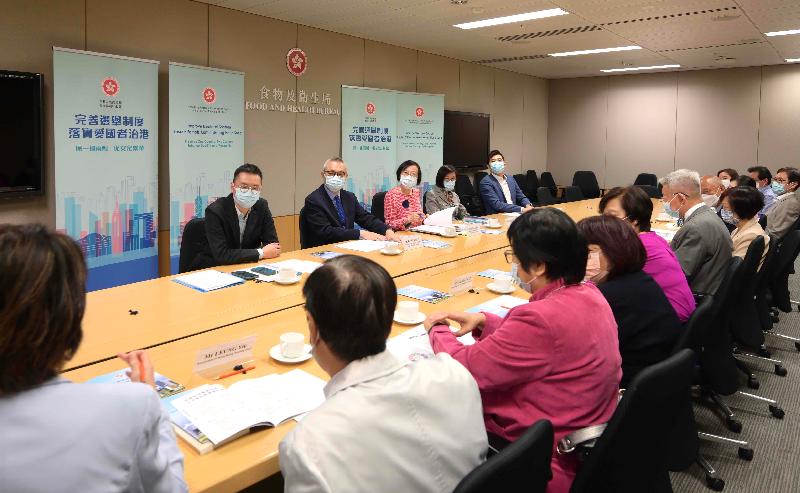
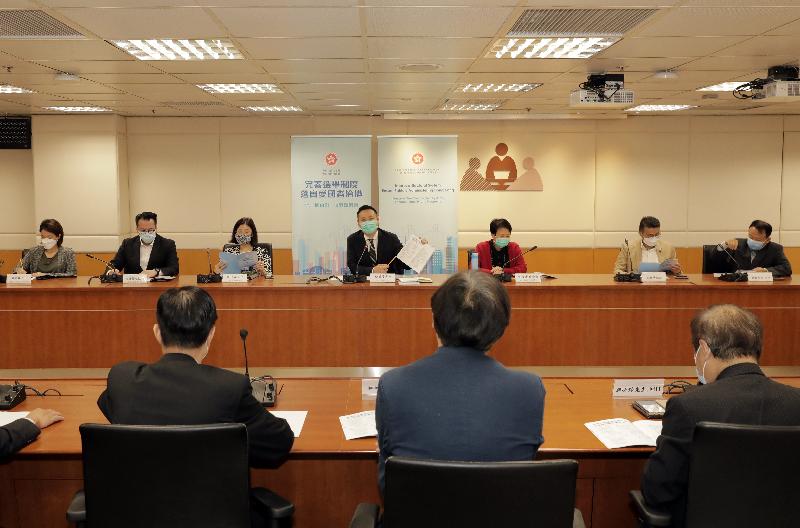
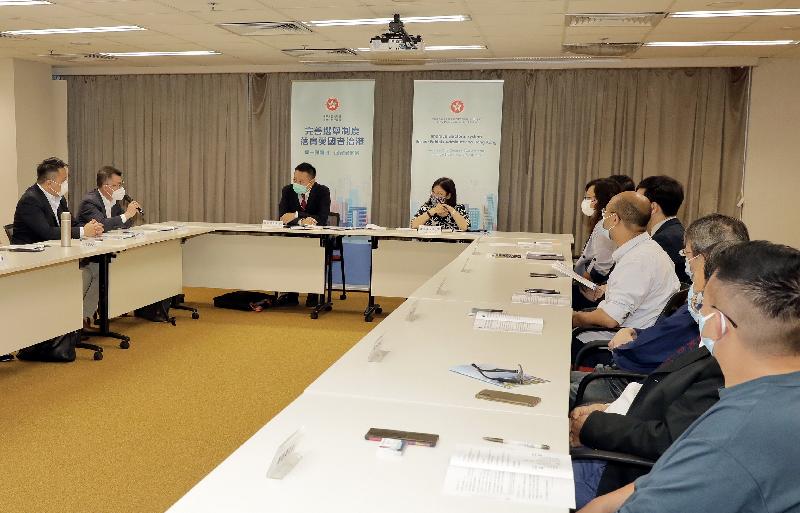
     â€‹The Secretary for Food and Health, Professor Sophia Chan, hosted four briefing sessions today (April 7) and met with stakeholders of the catering, agriculture and fisheries, Chinese medicine and health services sectors to explain the improvements to the Hong Kong Special Administrative Region's (HKSAR) electoral system, with a view to enabling the stakeholders to better understand the matter and render their support.
      
      "Social stability and good governance are essential to the HKSAR Government in focusing on economic and livelihood issues and its work for the betterment of people, thereby making Hong Kong a better place to live and work in. Last week, the Standing Committee of the National People's Congress approved the amended Annex I to the Basic Law on Method for the Selection of the Chief Executive of the Hong Kong Special Administrative Region and Annex II to the Basic Law on Method for the Formation of the Legislative Council of the Hong Kong Special Administrative Region and Its Voting Procedures with a view to improving the electoral system of the HKSAR. The amendments safeguard the constitutional order as set out by the Constitution and the Basic Law; and enhance governance of the HKSAR to assure the steadfast and successful implementation of the 'one country, two systems' principle," said Professor Chan.
      
     Professor Chan fully supports and welcomes the work in improving the electoral system of the HKSAR and materialising the political structure that ensures the implementation of "patriots administering Hong Kong". In the meantime, she will spare no effort in briefing stakeholders on the importance, necessity and legality of improving the city's electoral system so as to gain their staunch support. She appeals to the general public for their unanimous support in taking forward and accomplishing the legislative work.
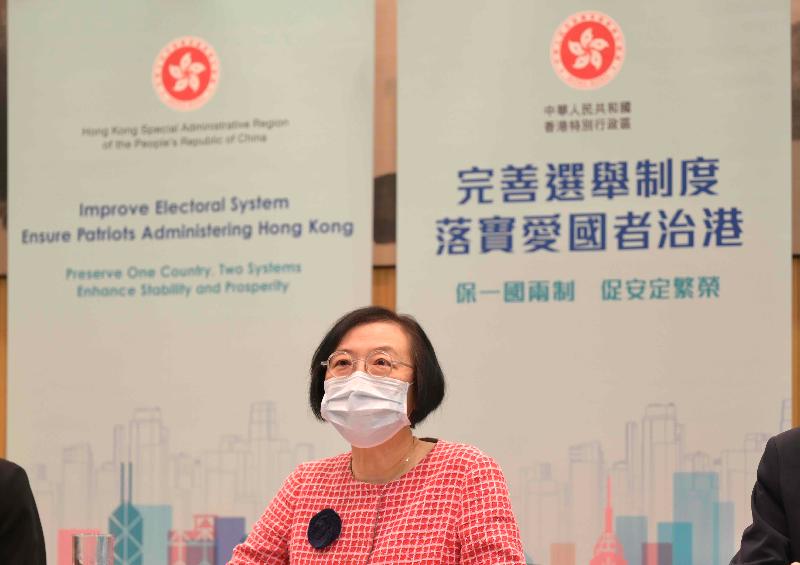
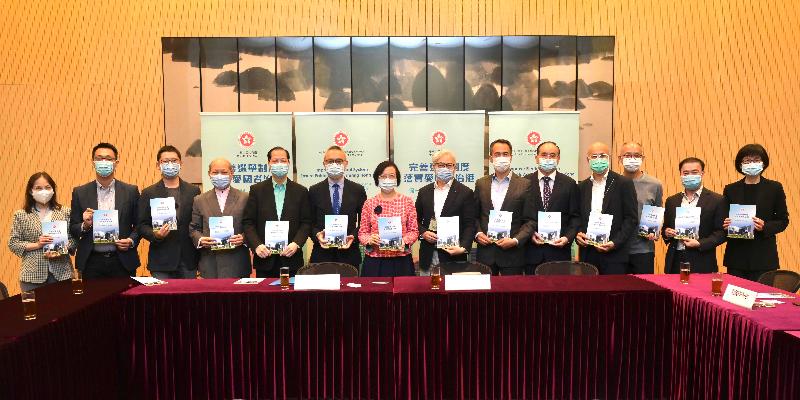
Photo  Photo  Photo  Photo  Photo  Photo  


CHP investigates suspected ciguatoxin poisoning case

     The Centre for Health Protection (CHP) of the Department of Health is today (April 7) investigating a suspected ciguatoxin poisoning case affecting two people.

     The case involves two females, aged 34 and 66 respectively, who developed symptoms of ciguatoxin poisoning including abdominal pain and diarrhoea about six to seven hours after consuming a marine fish for dinner at home on April 5. The latter patient also developed perioral numbness and attended the Accident and Emergency Department of Kwong Wah Hospital the next day. She was admitted for further management. Both patients are in a stable condition.
  
     Initial enquiries revealed that the fish consumed was bought from a fish stall in Yeung Uk Road Market, Tsuen Wan, on April 4.

     "We have informed the Food and Environmental Hygiene Department of the incident and investigations are ongoing," a spokesman for the CHP said.

     Ciguatera fish poisoning is not uncommon in tropical areas. It is mainly associated with the consumption of big coral reef fish which have accumulated the toxin in the body, particularly in internal organs, through eating small fish that consumed toxic algae in coral reef seas.
 
     A larger fish is therefore more likely to carry higher amounts of the toxin. However, it is not easy to tell from the appearance of the fish whether it contains the toxin.
 
     People affected may have symptoms of numbness of the mouth and limbs, vomiting, diarrhoea, alternating sensations of coldness and hotness, and pain in the joints and muscles.
 
     "Most people affected by ciguatoxin will recover without long-term health effects, but if excessive toxins are consumed, the circulatory and nervous systems can be affected. The toxin cannot be destroyed by cooking," the spokesman said.
 
     To prevent ciguatera fish poisoning, the public should:

• Eat less coral reef fish;
• Eat small amounts of coral reef fish at any meal and avoid having a whole fish feast in which all dishes come from the same big coral reef fish;
• Avoid eating the head, skin, intestines and roe of coral reef fish, which usually have a higher concentration of toxins;
• When eating coral reef fish, avoid consuming alcohol, peanuts or beans as they may aggravate ciguatoxin poisoning;
• Seek medical treatment immediately should symptoms of ciguatoxin fish poisoning appear; and
• Coral reef fish should be purchased from reputable and licensed seafood shops. Do not buy the fish when the source is in doubt.


SEN meets with local representatives on improving Hong Kong’s electoral system

     The Secretary for the Environment, Mr Wong Kam-sing, met with representatives of community organisations from Sham Shui Po, Tsuen Wan, Kowloon City and Sai Kung districts at four briefing sessions respectively today (April 7) to explain the improvements to the Hong Kong Special Administrative Region (HKSAR)'s electoral system. The meetings were to enable the local representatives to have a better understanding of the matter and thereby render their support.

     Mr Wong noted that the Standing Committee of the National People's Congress on March 30 approved the amended Annex I to the Basic Law on Method for the Selection of the Chief Executive of the Hong Kong Special Administrative Region and Annex II to the Basic Law on Method for the Formation of the Legislative Council of the Hong Kong Special Administrative Region and its Voting Procedures for improving the electoral system of the HKSAR. The amendments ensure "patriots administering Hong Kong" and the robust and successful implementation of "one country, two systems", safeguarding the long-term prosperity and stability of the city.

     Mr Wong said, "I hope it will bring Hong Kong back on the right track. The Government will step up efforts to improve people's livelihood and enhance environmental quality, complementing the work of our country and the world in combating climate change and protecting the environment. Meanwhile, we will also support the local green recovery by creating a green economy and employment opportunities, with a view to fostering a better environment for Hong Kong people to live and work."


Tuen Mun Hospital announces patient tested preliminarily positive for COVID-19

The following is issued on behalf of the Hospital Authority:

     The spokesperson for Tuen Mun Hospital (TMH) made the following announcement today (April 7) regarding a patient who tested preliminarily positive for COVID-19:
 
     A 70-year-old female patient was admitted to the Accident and Emergency Department of TMH before noon yesterday (April 6) due to a fall. Preliminary assessment indicated that the patient had arrhythmia. She was then transferred to the Medical and Geriatrics Ward for treatment. According to prevailing procedures, an admission screening test for COVID-19 was arranged for the patient. Her specimen tested preliminarily positive for COVID-19. The patient was immediately transferred to an isolation ward for further treatment and is in stable condition.
 
     The hospital conducted contact tracing in accordance with the prevailing infection control guidelines. Seven female patients who had stayed in the same cubicle with the patient were classified as close contacts and are required to be quarantined for 14 days. One of the female patients, aged 87, succumbed this morning due to her underlying disease. The hospital had arranged viral tests for all seven patients and all the results were negative.
 
     All staff members working in the ward concerned were equipped with appropriate personal protective equipment in accordance with infection control guidelines. No aerosol generating procedures had been performed during that period. The patient was wearing a mask all along. Therefore, none of the staff members is classified as a close contact.
 
     The hospital has conducted thorough cleaning and disinfection of the areas concerned. TMH will continue to closely monitor the health of the patients and communicate with the Centre for Health Protection on the latest situation.


SHA continues to hold briefing sessions on improvements to electoral system of Hong Kong (with photos)

     The Secretary for Home Affairs, Mr Caspar Tsui, today (April 7) held two briefing sessions and met with representatives of District Fight Crime Committees, District Fire Safety Committees and Area Committees of Kwun Tong District and Sha Tin District to brief them on the amended Annex I to the Basic Law on Method for the Selection of the Chief Executive of the Hong Kong Special Administrative Region (HKSAR) and Annex II to the Basic Law on Method for the Formation of the Legislative Council of the Hong Kong Special Administrative Region and its Voting Procedures as approved by the Standing Committee of the National People's Congress.
 
     During the briefing sessions, Mr Tsui introduced the background, basic principles and major contents of the improvements to the electoral system of the HKSAR. He said improving the electoral system of the HKSAR and implementing the "patriots administering Hong Kong" principle is conducive to the progress of the "one country, two systems" principle and can ensure the long-term prosperity and stability of Hong Kong.
 
     He called on support from the attendees for the amendments and reiterated that the Home Affairs Bureau will fully co-operate in the work of improving the electoral system and spare no effort in explaining the amendments.

Photo  Photo