CHP investigates case of invasive meningococcal infection

     The Centre for Health Protection (CHP) of the Department of Health today (February 14) is investigating a case of invasive meningococcal infection and reminds the public to avoid direct contact with droplets from carriers or infected persons and to maintain good personal and environmental hygiene at all times to minimise the risk of contracting this serious disease.
      
     The case involves a 73-year-old male with underlying diseases, who presented with high fever and decreased consciousness since February 12. He attended the Accident and Emergency Department of Kwong Wah Hospital on the same day and was admitted for treatment. His blood sample and cerebrospinal fluid specimen tested positive for Neisseria meningitidis upon laboratory testing. His clinical diagnosis was meningococcaemia and meningitis. He passed away today. Initial investigation revealed that the patient had no travel history during the incubation period. 

     Meningococcal infection is caused by a bacterium known as meningococcus. It is mainly transmitted by direct contact with respiratory secretions, including droplets from the nose and throat, of infected persons. The incubation period varies from two to 10 days and is usually three or four days. The clinical pictures among the infected may vary. Severe illness may result when the bacteria invade the bloodstream (meningococcaemia) or the membranes that envelop the brain and spinal cord (meningococcal meningitis). Meningococcaemia is characterised by a sudden onset of fever, an intense headache, purpura, shock and even death in severe cases.
 
    To prevent meningococcal infection, members of the public are advised to take the following measures:
 

  • Wash hands with liquid soap and water properly, especially when they are soiled by respiratory secretions, e.g. after sneezing, and clean hands with alcohol-based handrub when they are not visibly soiled;
  • Cover the nose and mouth when sneezing or coughing, hold the spit with a tissue, dispose of nasal and mouth discharge in a lidded rubbish bin, and wash hands immediately;
  • Avoid crowded places;
  • Avoid close contact with patients who have a fever or severe headache;
  • Consult doctors about meningococcal vaccination before travelling to high-risk areas; and
  • Seek medical advice if you become ill after returning from high-risk areas, and discuss your recent travel history with your doctor.

 
     The public may visit the CHP's website for more information on meningococcal infection.


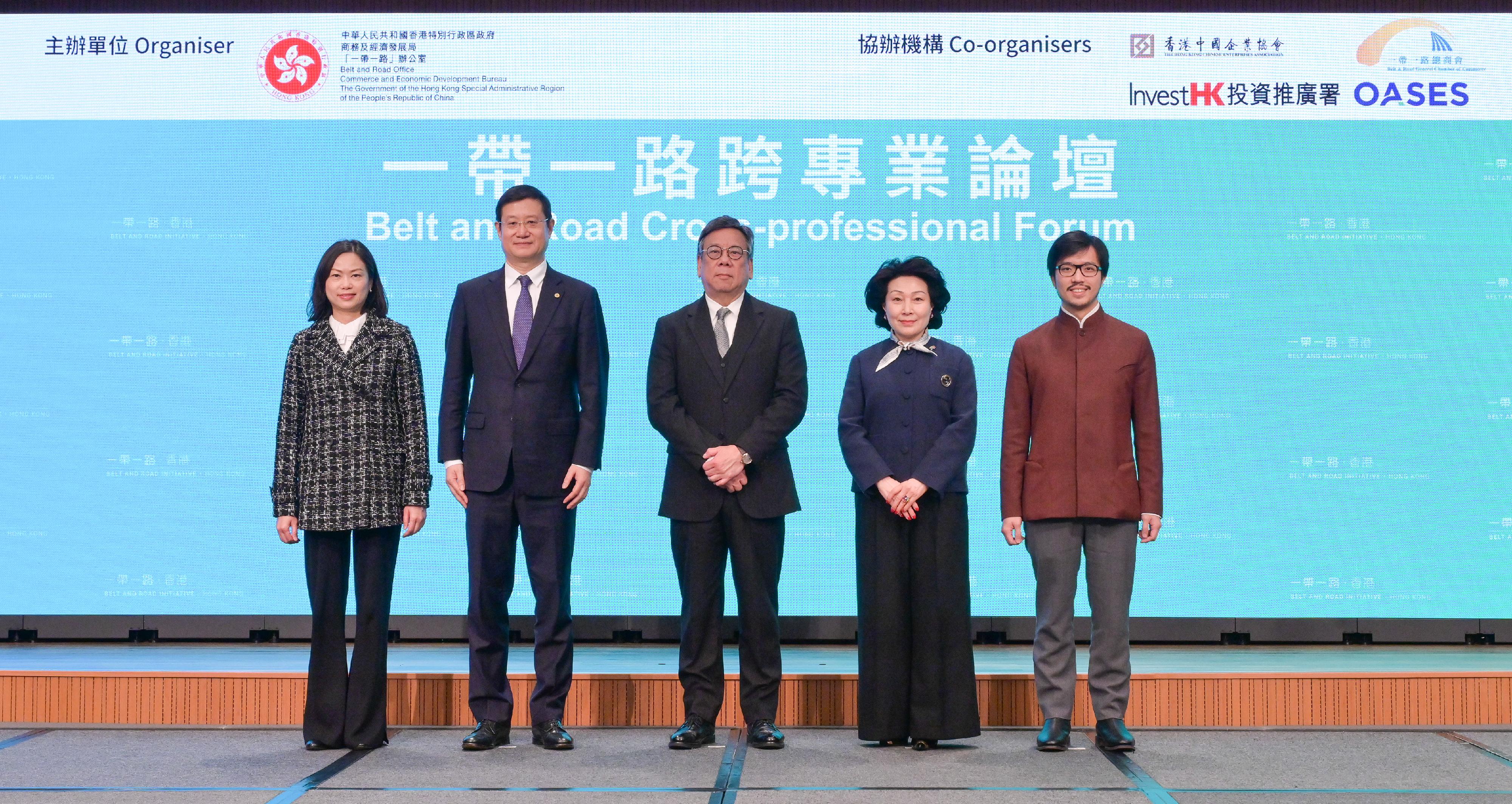
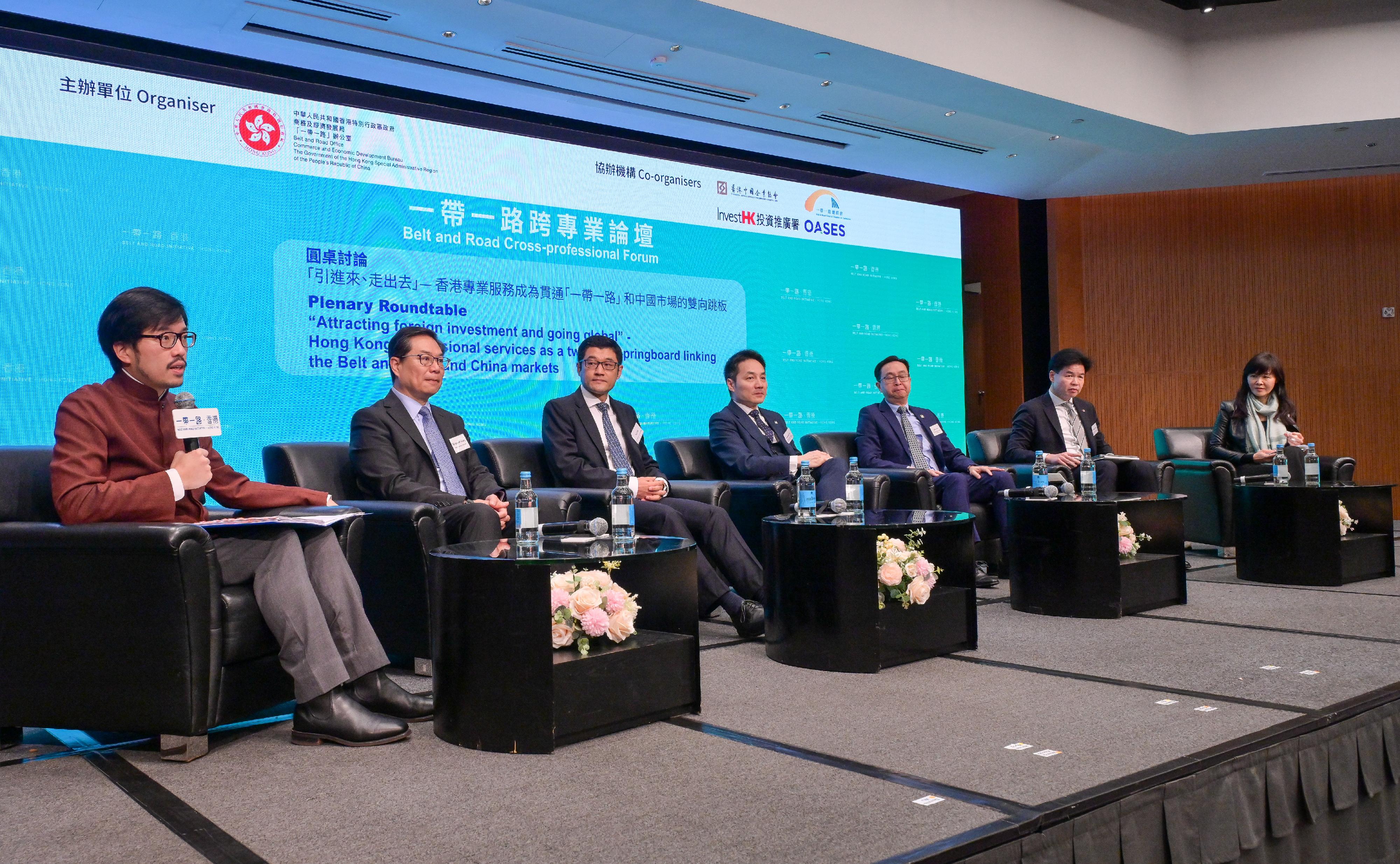
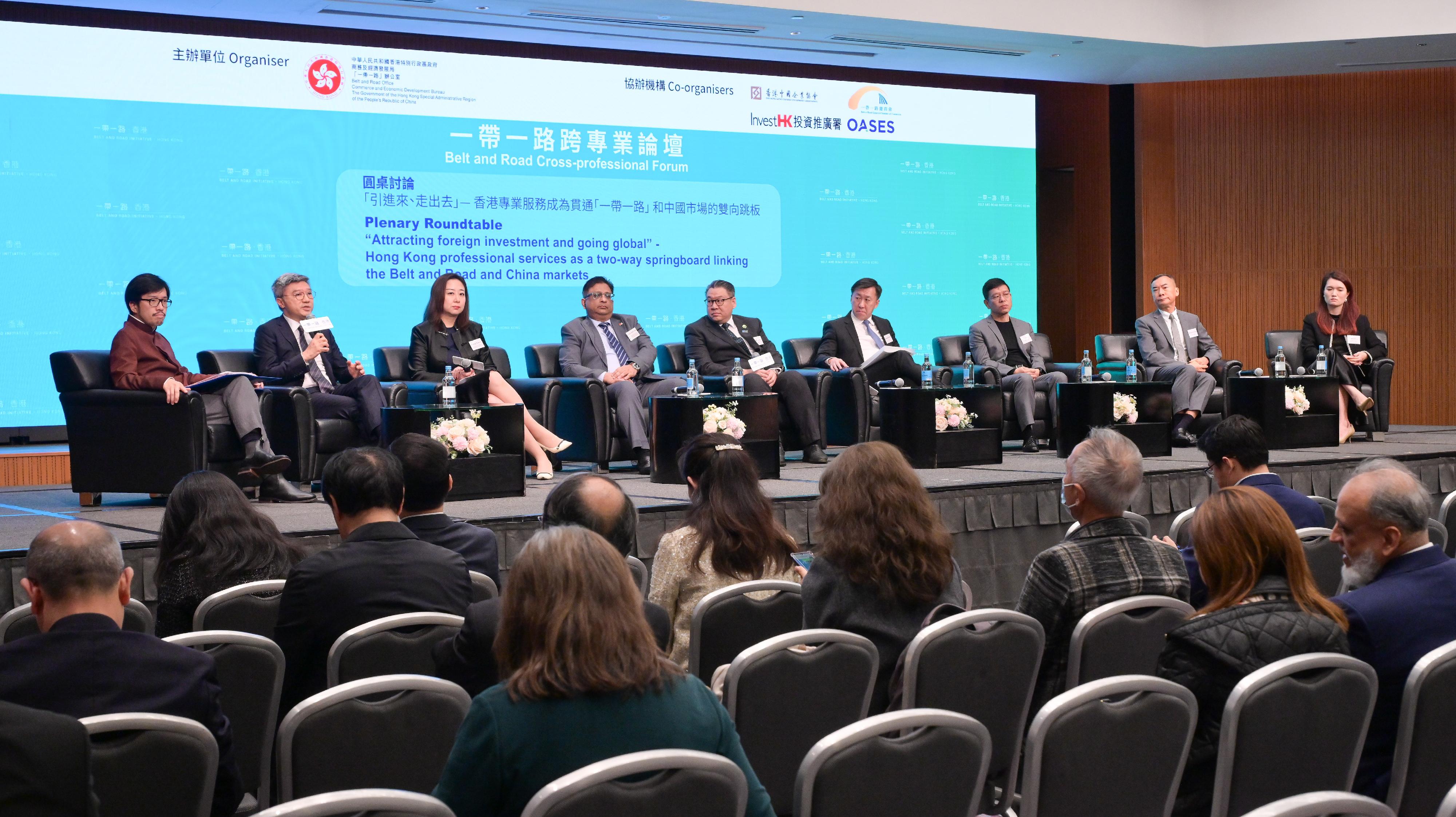
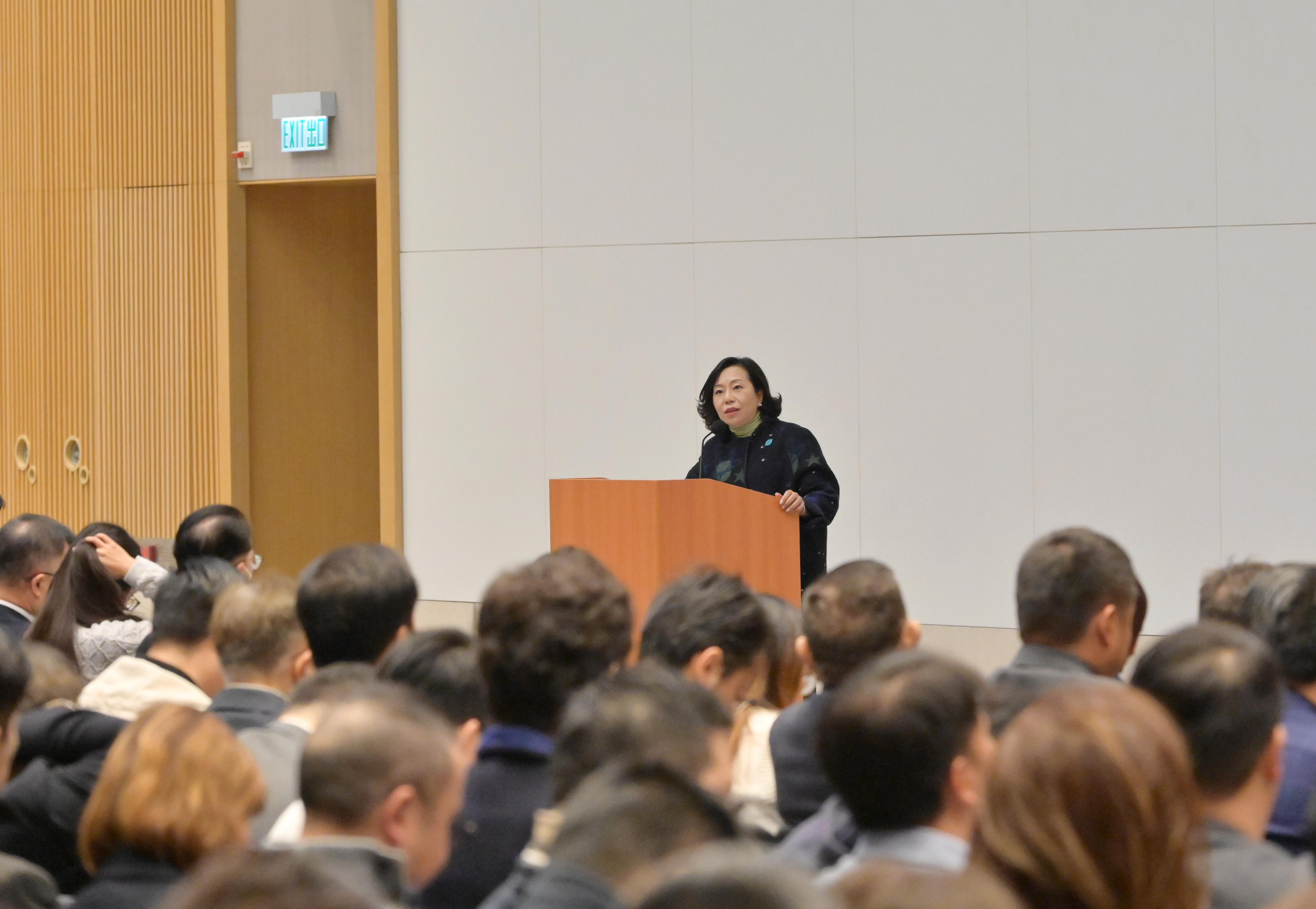
Belt and Road Cross-professional Forum supports Hong Kong professional services to partner with Mainland and overseas enterprises to open new opportunities along Belt and Road (with photos)

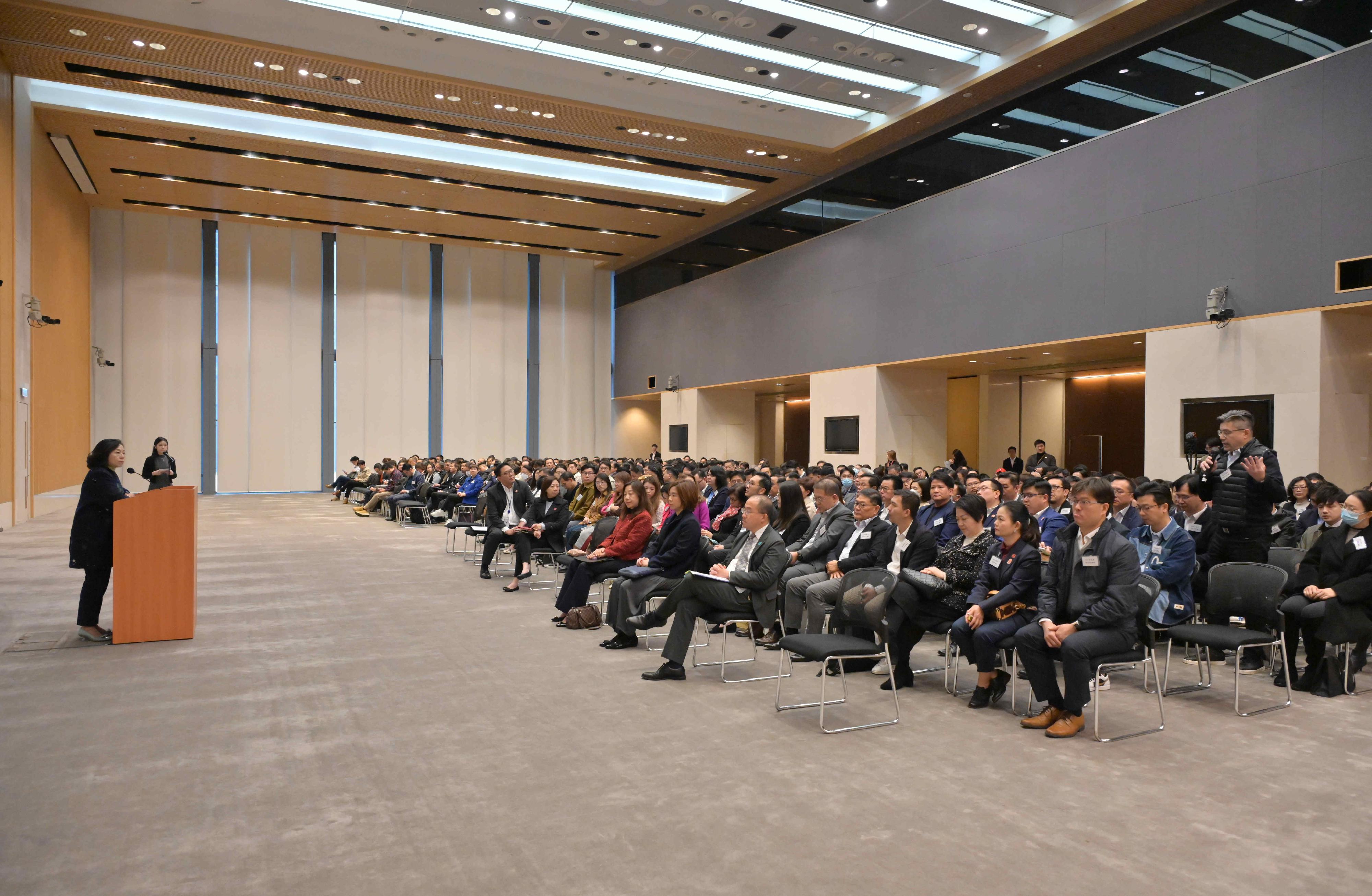
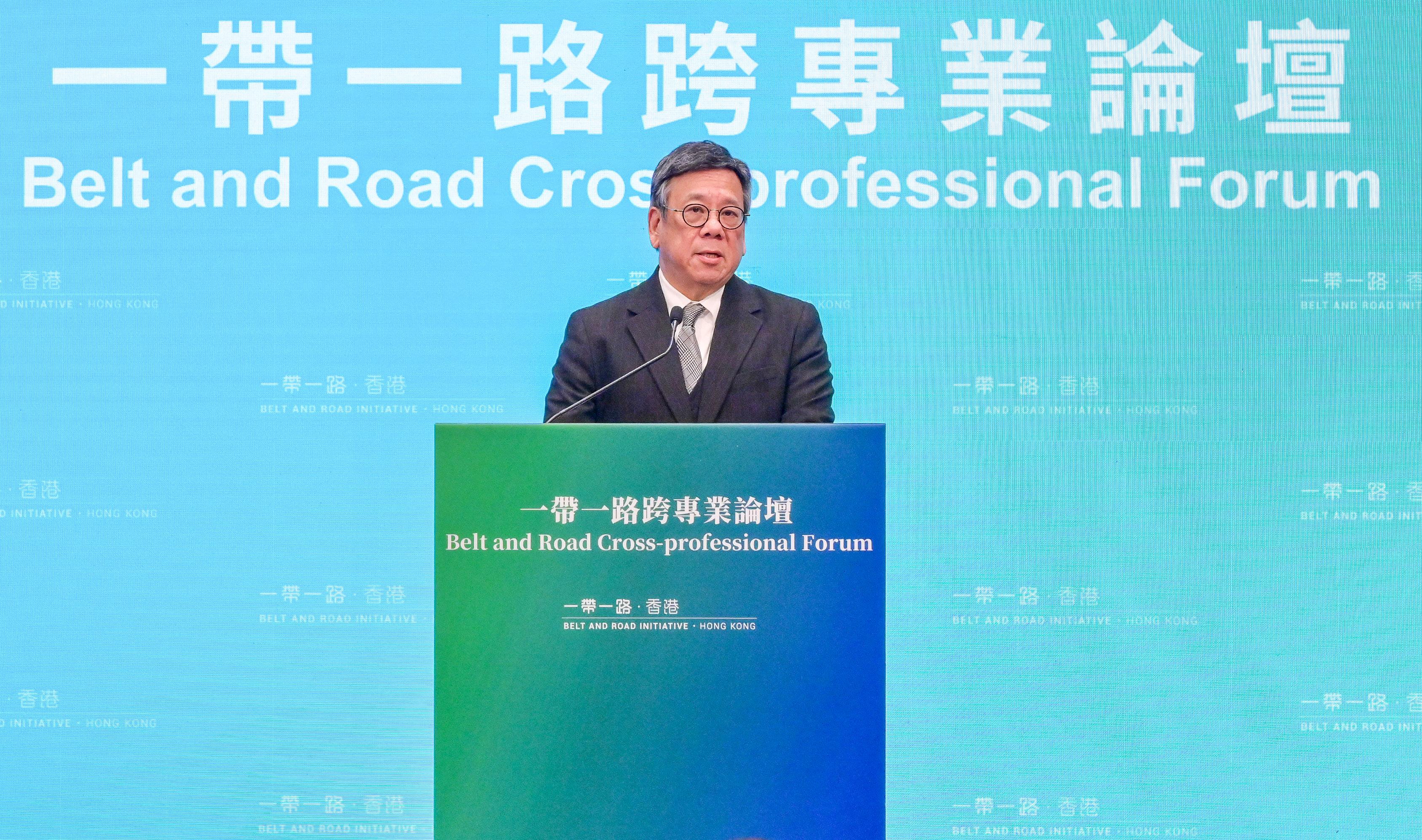
     The Belt and Road Office of the Commerce and Economic Development Bureau held the Belt and Road Cross-professional Forum (the Forum) today (February 14) to promote Hong Kong's professional services to deepen the sector's collaboration with business communities of Belt and Road countries and the Mainland. It also provided a platform for enterprises from the three sides to exchange views on collaboration projects in various areas such as multinational supply chain management and construction, with a view to jointly seizing new opportunities brought by the Belt and Road.
      
     The Forum attracted over 250 business participants from Hong Kong, the Mainland and Belt and Road countries. More than 30 experienced entrepreneurs and business leaders from the three sides spoke at various sessions, sharing with participants the latest business opportunities and market strategies under the Belt and Road Initiative, as well as on how to make good use of Hong Kong as a two-way springboard linking the Belt and Road and Mainland markets to give full play to the city's unique advantages of connecting with both the Mainland and the world, and being the functional platform for the Belt and Road Initiative. They also showcased dozens of business cases and potential projects in areas such as finance, construction and engineering, transport and logistics, legal, green technology and innovation and technology, sharing experiences with businesses in Hong Kong and exploring collaboration opportunities.
      
     The Secretary for Commerce and Economic Development, Mr Algernon Yau, said that in the face of uncertainties including geopolitical tensions and shifts in the global supply chain, the Belt and Road Initiative had proven to be a key pillar in stabilising global economic development, offering new markets and opportunities for businesses. Hong Kong would continue to be a "super connector" and a "super value-adder", strengthening its business attractions to enterprises from all over the world to capitalise on Belt and Road opportunities.
      
     Mr Yau said that Hong Kong's direct investment position into Belt and Road countries had tripled to around US$120 billion from 2013 to 2022. Adding that Hong Kong owns world-class professional services, he encouraged enterprises from the Mainland and Belt and Road countries to set up operations in the city, leveraging these high-quality professional services and complementary support to more effectively expand into target markets. He also urged Hong Kong enterprises and professional services to partner with Mainland and Belt and Road enterprises to jointly explore new business opportunities through "bringing in and going global" – on one hand partnering with Mainland enterprises to jointly venture into new markets along the Belt and Road, and on the other hand assisting enterprises from Belt and Road countries in tapping the vast Mainland market to promote the prosperous growth of the Belt and Road.
      
     Participants from Hong Kong's professional service sectors covered various areas such as finance, insurance, accounting, legal and dispute resolution, transportation and logistics, architecture and engineering, environmental protection and green development, innovation and technology, information technology, testing and certification, and management consulting. Representatives of a number of local start-ups from the Hong Kong Science and Technology Parks and Cyberport also attended.
      
     Co-organisers of the Forum included the Hong Kong Chinese Enterprises Association, the Belt and Road General Chamber of Commerce, Invest Hong Kong and the Office for Attracting Strategic Enterprises. The Forum featured thematic discussions, where representatives from Hong Kong, the Mainland and Belt and Road countries shared their strategies in expanding into the markets of Belt and Road countries and the Mainland. They also used real business cases to illustrate key factors and Hong Kong's critical roles. At the subsequent three breakout exchange sessions, Belt and Road enterprises operating in Hong Kong and Mainland enterprises covering different sectors presented their potential projects or the professional services required in future, exchanged views with Hong Kong businesses and explored collaboration opportunities together.

Photo  Photo  Photo  Photo  


Home and Youth Affairs Bureau holds training for members of District Councils (with photos)

     â€‹The Home and Youth Affairs Bureau (HYAB) held a training session for members of the District Councils (DCs) at the Central Government Offices today (February 14) to review with DC members their experiences in serving the districts in the first year of taking office and to share insights into the upcoming challenges in district governance work, so that DC members could better plan district work for the coming year.
      
     The Secretary for Home and Youth Affairs, Miss Alice Mak, expressed at the training that the Hong Kong Special Administrative Region (HKSAR) Government fully recognised the performance of the seventh-term DC members' work since they took office. The reforms to the district governance system in 2023 were an important initiative of reform and innovation by the Government. Under the new system, district governance work had been carried out with enhanced speed and efficiency in the past year. The DCs not only assisted the Government in listening to public views, understanding public sentiments and providing advice on community development but also worked with the District Services and Community Care Teams, district organisations and groups to serve the people and resolve the livelihood issues they faced. Miss Mak encouraged DC members to utilise their district networks to provide better services to the people and assist the HKSAR Government in policy implementation.
      
     Miss Mak shared with DC members the upcoming challenges in district governance work. She highlighted that the people's desires for a better life have grown with community development. She reminded DC members to continue ensuring effective communication between the Government and the people by serving as a bridge between the two and to adopt new thinking and methods to reach out to and serving more people, thereby building a better and harmonious community together.
      
     Miss Mak said that DC members are charged with the important responsibility of enhancing district governance. She had three expectations for them, namely, to carry out solid district work to continuously enhance people's sense of achievement and satisfaction; to carry out district youth work to encourage young people to participate more in community affairs and help them realise their dreams; and to continue assisting in organising community involvement activities to create a buoyant mood in the community that supports the district economy. Miss Mak emphasised the important and long-term responsibilities of DC members and expressed hope that they would be bold in innovating, dare to break new ground, press on to reach out and serve more people in innovative ways, and always be visible and helpful.
      
     The HYAB will continue to arrange different trainings and visits to enhance the DC members' capabilities in discharging their duties and improve the efficacy of district governance to deliver tangible benefits for the people.

Photo  Photo  Photo  


DH urges unvaccinated people to take immediate actions as influenza activity remains elevated

     The Controller of the Centre for Health Protection (CHP) of the Department of Health, Dr Edwin Tsui, today (February 14) reminded members of the public that the seasonal influenza activity in Hong Kong remains at a high level, and the influenza season will continue for some time. All sectors of the community should remain vigilant and enhance personal hygiene and protection measures against influenza. All persons aged 6 months and above (except those with known contraindications) who have not yet received the seasonal influenza vaccination (SIV) should act immediately to protect their health and that of their family members.

     According to the CHP's latest surveillance data, in the week ending February 8, the percentage of respiratory specimens testing positive for seasonal influenza viruses is 10.23 per cent. The influenza admission rate in public hospitals is 0.67 cases per 10 000 population, indicating that the overall influenza activity remains at a high level.
      
     "Hong Kong entered the influenza season in early January this year, and it is now the sixth week. The Influenza A (H1) virus is predominant this season, accounting for nearly 90 per cent of the subtyped influenza virus detections. In terms of severe or death cases caused by influenza, this season, as in the past, mainly affects the elderly and young children," Dr Tsui said.
      
     As of February 12, the CHP recorded 301 severe or death cases among adult patients. About 70 per cent of them have not received SIV of this season, and about 70 per cent of them have chronic diseases. Among the 186 death cases, about 90 per cent of them were aged 65 or above. For children, nine cases of severe influenza-associated complications were recorded this season. Seven (including two preschool children and five school children) of them had not received SIV of this season, and two cases had chronic diseases.
      
     "The number of severe or death cases recorded in the first five weeks of this season is higher than that of the same period last season, but similar to the 2018/19 influenza season, i.e. before the COVID-19 pandemic, which was also dominated by influenza A (H1). Based on historical data, the entire influenza season usually lasts for two to four months. Whether it will last for 28 weeks, as in the past influenza season, will depend on any change in the circulating strains of viruses, including any increase in the activities of influenza A (H3) and influenza B viruses," Dr Tsui said.
      
     He pointed out that, according to the virus analysis conducted by the CHP, the strains of influenza viruses that are circulating in Hong Kong nowadays are similar to the strains of viruses in the seasonal influenza vaccine currently available in Hong Kong, which means that the vaccine is effective in lowering the risk of serious complications or death from the infection. Data analysis also showed that the rate of serious complications in residents of residential care homes for the elderly who did not receive SIV was 2.2 times that of vaccinated residents, highlighting the protective effect of SIV.
      
     As of February 9, a total of about 1 975 100 doses of vaccines were administered under various vaccination programmes, an increase of about 8.4 per cent over the same period in the last SIV season and a record high, surpassing the total number of doses administered under various vaccination programmes in the year 2023/24 (i.e. about 1 873 000 doses).
      
     The number of schools participating in the SIV School Outreach Programme has also increased significantly this year. About 1 020 kindergartens/child care centres (97 per cent), about 640 primary schools (98 per cent) and about 490 secondary schools (98 per cent) have completed or are arranging SIV school outreach activities. This is higher than the participation rate in year 2023/24, i.e. 80 per cent of kindergartens/child care centres, 95 per cent of primary schools and 70 per cent of secondary schools.
      
     "The SIV coverage rate for children aged 6 months to under 2 years remains relatively low at about 22.5 per cent. Although slightly higher than that of the same period in the last SIV season, the coverage rate was still lower than that of other age groups of children. To enhance relevant vaccination services and boost the vaccination rate, the Government has opened the DH's Maternal and Child Health Centres (MCHCs) to all children aged 6 months to under 2 years. For the sake of the children's health, parents are advised to make appointments via the online booking system as soon as possible for children aged 6 months to under 2 years who have not yet received SIV to be vaccinated at the designated MCHCs," Dr Tsui said.
      
     He also reminded parents not to believe in alternative therapies circulating on the Internet that claim to prevent and cure influenza in infants and young children. There is no scientific evidence to support such claims. SIV is one of the most effective ways to prevent seasonal influenza and its complications, while significantly reducing the risk of hospitalisation and death from seasonal influenza for infants and young children. Children who develop symptoms of respiratory infection, even if mild, should consult a doctor as soon as possible to avoid any delay in management.
      
     For the more information, members of the public are welcome to visit the CHP's seasonal influenza and COVID-19 & Flu Express webpages.


First patient transferred point to point from Macao to Hong Kong for treatment by direct cross-boundary ambulance transfer in GBA

The following is issued on behalf of the Hospital Authority:

     The Hospital Authority (HA) announced today (February 14) that Princess Margaret Hospital (PMH) has received the third patient today under the Pilot Scheme for Direct Cross-boundary Ambulance Transfer in the Greater Bay Area (Pilot Scheme). The patient was transferred from Macao to Hong Kong for treatment by a point-to-point cross-boundary ambulance. This marks the first time since the launch of the Pilot Scheme that a patient has been transferred from Macao to Hong Kong for treatment. The HA expresses sincere gratitude to various units in Macao and Hong Kong for their proactive co-ordination and collaboration, which ensured a smooth and safe cross-border transfer process for the patient.
 
     The 79-year-old male Hong Kong resident suffers from atrial fibrillation and requires respiratory support through a ventilator due to pneumonia complications and a persistent fever. He was admitted to Centro Hospitalar Conde de São Januário in Macao for treatment. The patient's condition was slightly stabilised after treatment. After a thorough assessment of the patient's overall clinical condition and discussion with the patient and his family by the medical team, it was confirmed that the patient was fit for transferring back to Hong Kong for ongoing treatment. The point-to-point cross-boundary ambulance carrying the patient departed from Centro Hospitalar Conde de São Januário in Macao before 11am. The ambulance travelled via the Hong Kong–Zhuhai–Macao Bridge and arrived at noon at PMH, where the patient is currently receiving treatment.
 
     The spokesperson for the HA stated that upon receiving notification, PMH promptly communicated with the medical team in Macao to understand the patient's clinical situation and prepare for admitting the patient. The HA expresses heartfelt thanks to all parties involved for their substantial co-ordination and co-operation, ensuring that the patient was swiftly transported directly point to point to Hong Kong for treatment under the care of medical personnel and a relative of the patient. Without the handover of patients between ambulances at boundary control points, the direct transport not only minimises the risks posed to patients during transfers but also improves patients' chances of recovery.
 
     A study on the provision of land-based cross-boundary transfers for non-emergency and non-critically ill patients and an exploration of rolling out a pilot co-operation scheme for cross-boundary referrals of patients between designated public hospitals have been put forward in the Outline Development Plan for the Guangdong-Hong Kong-Macao Greater Bay Area (GBA). The Chief Executive also put forward in his 2023 Policy Address the initiative to explore cross-boundary ambulance transfer arrangements between hospitals in the GBA. Under the staunch support and guidance of various national ministries as well as the concerted efforts of government departments of Hong Kong, Guangdong and Macao, the Pilot Scheme was set for official launch on November 30 last year. The first and second patients were transferred point to point from Shenzhen to Hong Kong for treatment by direct cross-boundary ambulance on January 10 and January 27 this year respectively.