Appeal for information on missing man in Cheung Sha Wan (with photo)

     Police today (February 18) appealed to the public for information on a man who went missing in Cheung Sha Wan.
 
     LAU Kok-yim, aged 92, went missing after he was last seen at a hospital on Wing Hong Street, Cheung Sha Wan on February 14 night. His family made a report to Police yesterday (February 17).
 
     He is about 1.75 metres tall, 60 kilograms in weight and of thin build. He has a sharp face with yellow complexion and short white hair. He was last seen wearing a blue jacket, black trousers, black shoes and carrying a light brown bag.
 
     Anyone who knows the whereabouts of the missing man or may have seen him is urged to contact the Regional Missing Person Unit of Kowloon West on 3661 8036 or 9020 6542 or email to rmpu-kw@police.gov.hk, or contact any police station

Photo  


Year-end Population for 2024

     According to the statistics released by the Census and Statistics Department today (February 18), the provisional estimate of the Hong Kong population was 7 534 200 at end-2024, representing an increase of 6 400 or 0.1% from 7 527 900 at end-2023.
 
     The population increase between end-2023 and end-2024 was mainly attributable to a net inflow of 21 000 Hong Kong residents (i.e. inflow more than outflow) recorded during the period. Over the same period, a natural decrease (i.e. deaths surpassing births) of 14 700 was recorded, with 36 700 births and 51 400 deaths.
 
     Among the total population at end-2024, 7 267 100 were Usual Residents and 267 100 were Mobile Residents. The revised figure for the mid-year population for 2024 was 7 524 100. The number of Usual Residents was revised to 7 257 300 and the number of Mobile Residents to 266 800. The rate of change in population from mid-2023 to mid-2024 was also revised to -0.2%.
 
     Table 1 presents estimated total population as at end-2024, while Table 2 presents population figures from mid-2013 to end-2024.
 
Commentary
   
     A government spokesperson pointed out that the Hong Kong population registered an increase for the third consecutive years amid resumption of normalcy. Continuing to benefit from various measures on talent attraction and labour importation, many people moved to Hong Kong from the Mainland and other places around the world throughout 2024, resulting in an increase of 0.3% in Usual Residents as at end-2024 as compared to end-2023, and thus an increase in the overall population.
     
Further information
    
     "Usual Residents" refer to two categories of people: (1) Hong Kong Permanent Residents who have stayed in Hong Kong for at least three months during the six months before or for at least three months during the six months after the reference time-point, regardless of whether they are in Hong Kong or not at the reference time-point; and (2) Hong Kong Non-permanent Residents who are in Hong Kong at the reference time-point.
 
     For those Hong Kong Permanent Residents who are not "Usual Residents", they are classified as "Mobile Residents" if they have stayed in Hong Kong for at least one month but less than three months during the six months before or for at least one month but less than three months during the six months after the reference time-point, regardless of whether they are in Hong Kong or not at the reference time-point.
 
     Under the current practice, the latest population estimate is released on a provisional basis in each round. The revised estimate will be released six months later. In other words, while the provisional population estimate for end-2024 is released today, the corresponding revised estimate will be released in August 2025.


Unemployment and underemployment statistics for November 2024 – January 2025

     According to the latest labour force statistics (i.e. provisional figures for November 2024 – January 2025) released today (February 18) by the Census and Statistics Department (C&SD), the seasonally adjusted unemployment rate stood at 3.1% in November 2024 – January 2025, same as that in October – December 2024. The underemployment rate also remained unchanged at 1.1% in the two periods.
 
     Comparing November 2024 – January 2025 with October – December 2024, movements in the unemployment rate (not seasonally adjusted) and underemployment rate in different industry sectors varied, but the magnitudes were generally not large.
 
     Total employment decreased by around 2 300 from 3 718 900 in October – December 2024 to 3 716 600 in November 2024 – January 2025. Over the same period, the labour force also decreased by around 5 700 from 3 832 400 to 3 826 700.
 
     The number of unemployed persons (not seasonally adjusted) decreased by around 3 500 from 113 600 in October – December 2024 to 110 100 in November 2024 – January 2025. The number of underemployed persons in November 2024 – January 2025 was 43 000, about the same as that in October – December 2024 (43 500).
       
Commentary
 
     Commenting on the latest unemployment figures, the Secretary for Labour and Welfare, Mr Chris Sun, said, "The seasonally adjusted unemployment rate stayed low at 3.1% in November 2024 – January 2025, same as October – December 2024. The underemployment rate also remained unchanged at 1.1%. The labour force and total employment were at 3 826 700 and 3 716 600 respectively, declining slightly from the preceding three-month period."
 
     Compared with the preceding three-month period, the unemployment rates of various sectors showed diverse movements in November 2024 – January 2025, but the changes were not large in general.
 
     Looking ahead, Mr Sun said, "The labour market should remain largely stable in the near term, though uncertainties in the global economy would continue to pose challenges to some businesses."
 
Further information
 
     The unemployment and underemployment statistics were compiled from the findings of the continuous General Household Survey.
 
     In the survey, the definitions used in measuring unemployment and underemployment follow closely those recommended by the International Labour Organization. The employed population covers all employers, self-employed persons, employees (including full-time, part-time, casual workers, etc.) and unpaid family workers. Unemployed persons by industry (or occupation) are classified according to their previous industry (or occupation).
 
     The survey for November 2024 – January 2025 covered a sample of some 26 000 households or 68 000 persons, selected in accordance with a scientifically designed sampling scheme to represent the population of Hong Kong. Labour force statistics compiled from this sample represented the situation in the moving three-month period of November 2024 to January 2025.
 
     Data on labour force characteristics were obtained from the survey by interviewing each member aged 15 or over in the sampled households.
 
     Statistical tables on the latest labour force statistics can be downloaded at the website of the C&SD (www.censtatd.gov.hk/en/scode200.html). More detailed analysis of the labour force characteristics is given in the "Quarterly Report on General Household Survey" which is published four times a year. The latest issue of the report contains statistics for the quarter July – September 2024 while the next issue covering the quarter October – December 2024 will be available by end February 2025. Users can also browse and download this publication at the website of the C&SD (www.censtatd.gov.hk/en/EIndexbySubject.html?pcode=B1050001&scode=200).
 
     For enquiries about labour force statistics, please contact the General Household Survey Section (3) of the C&SD (Tel: 2887 5508 or email: ghs@censtatd.gov.hk).


HKMoA receives donation of over 40 precious Chinese antiquities from Ming and Qing dynasties by collector Cheung Kee-wee (with photos)

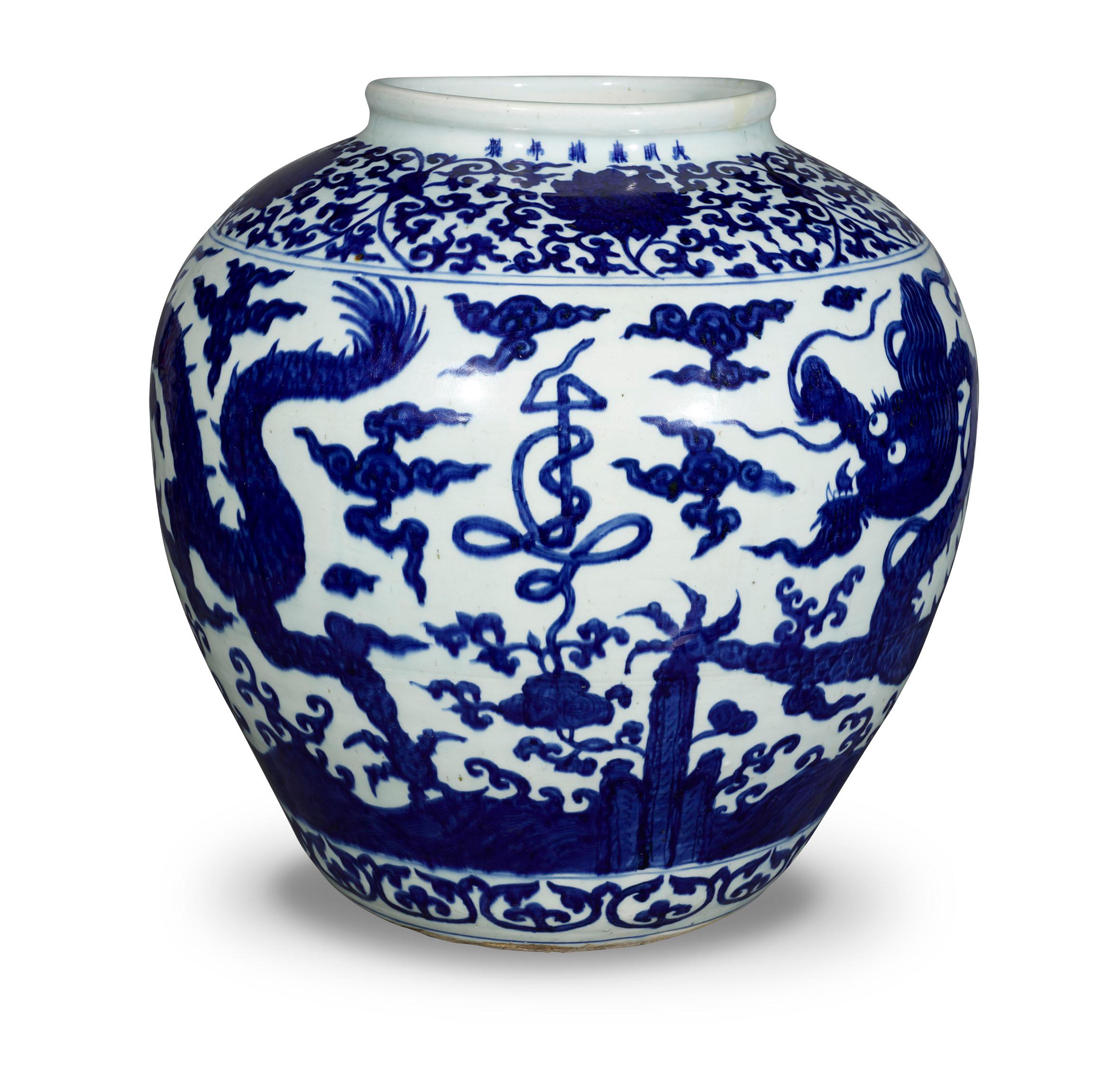
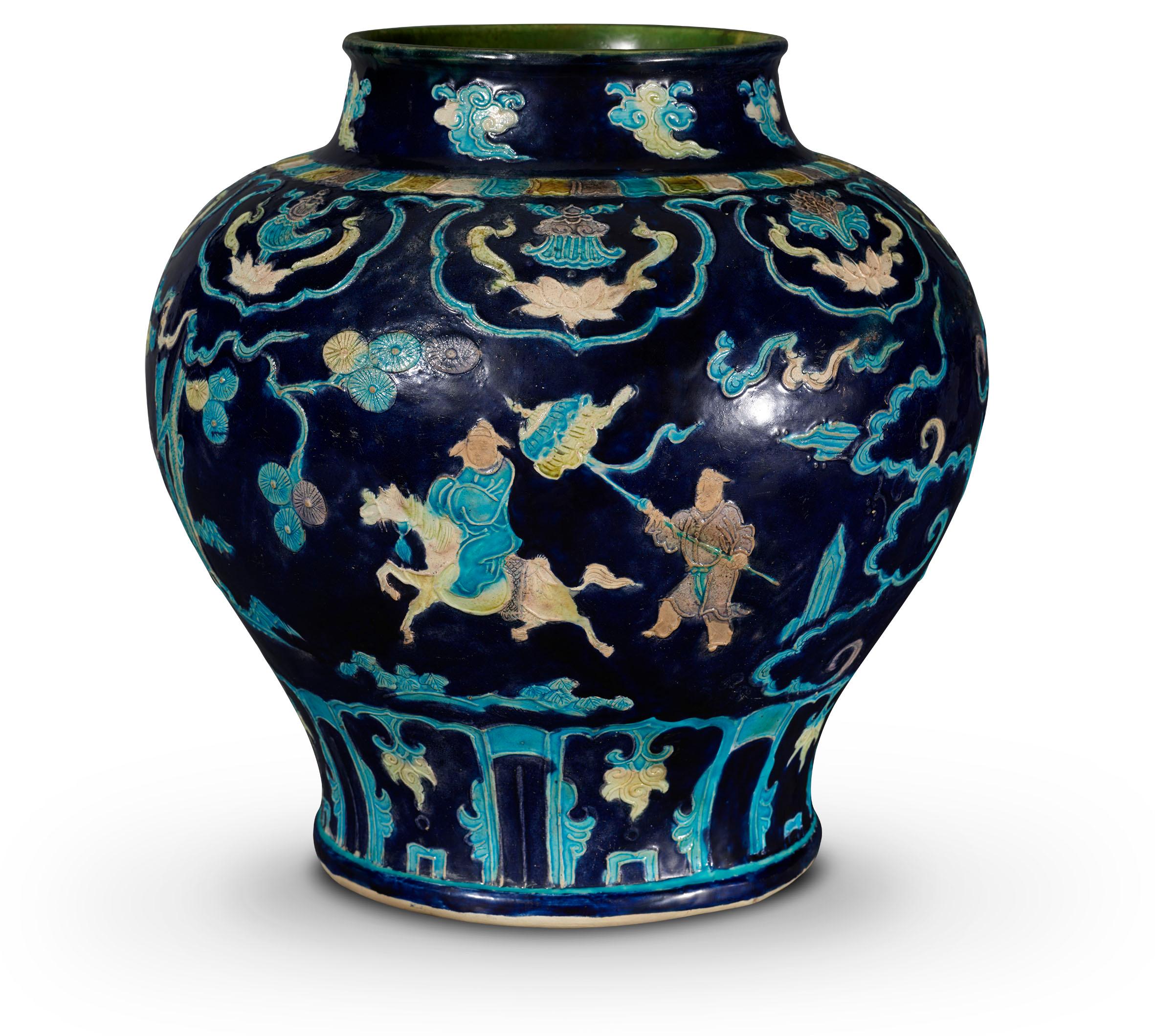
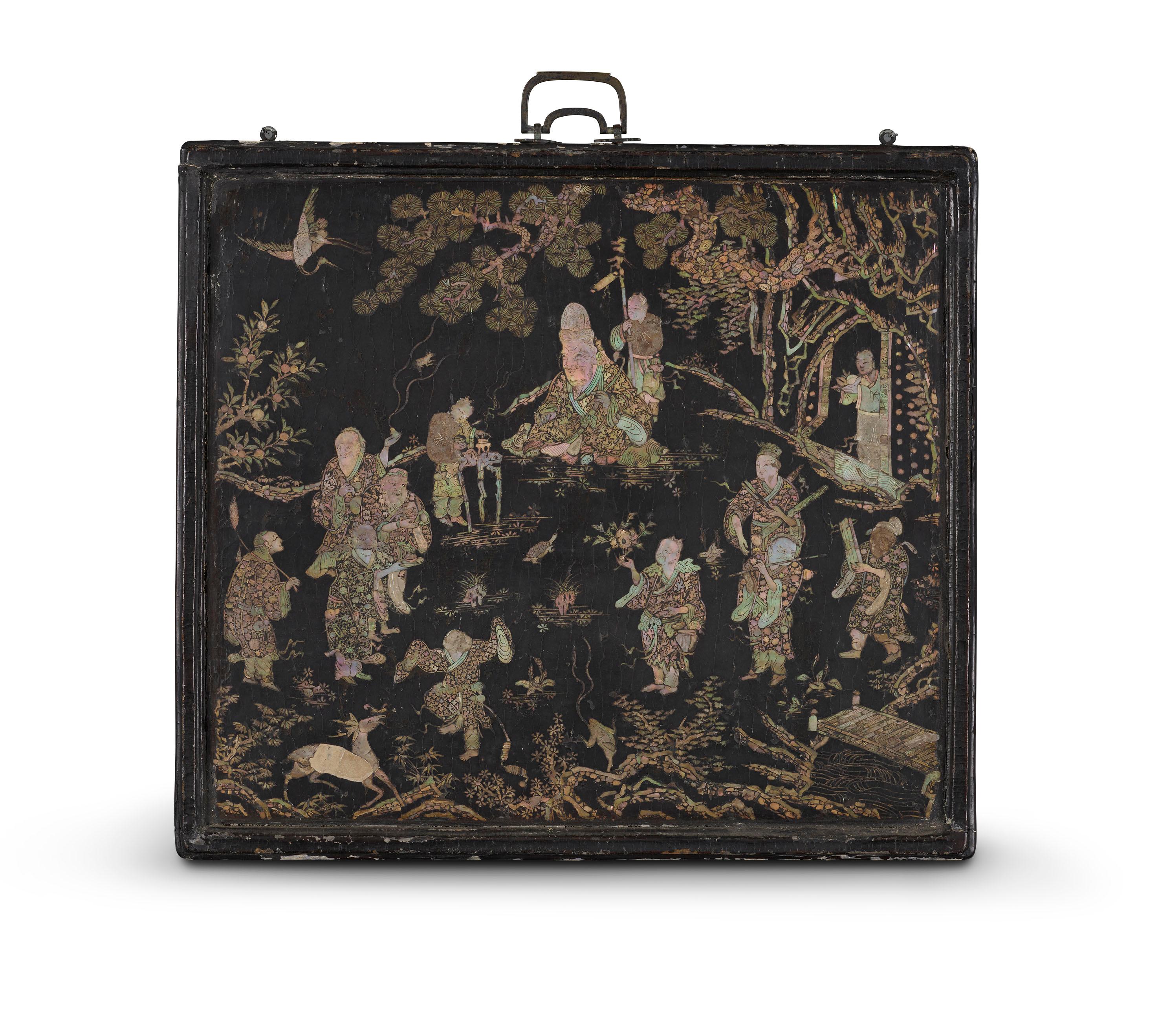
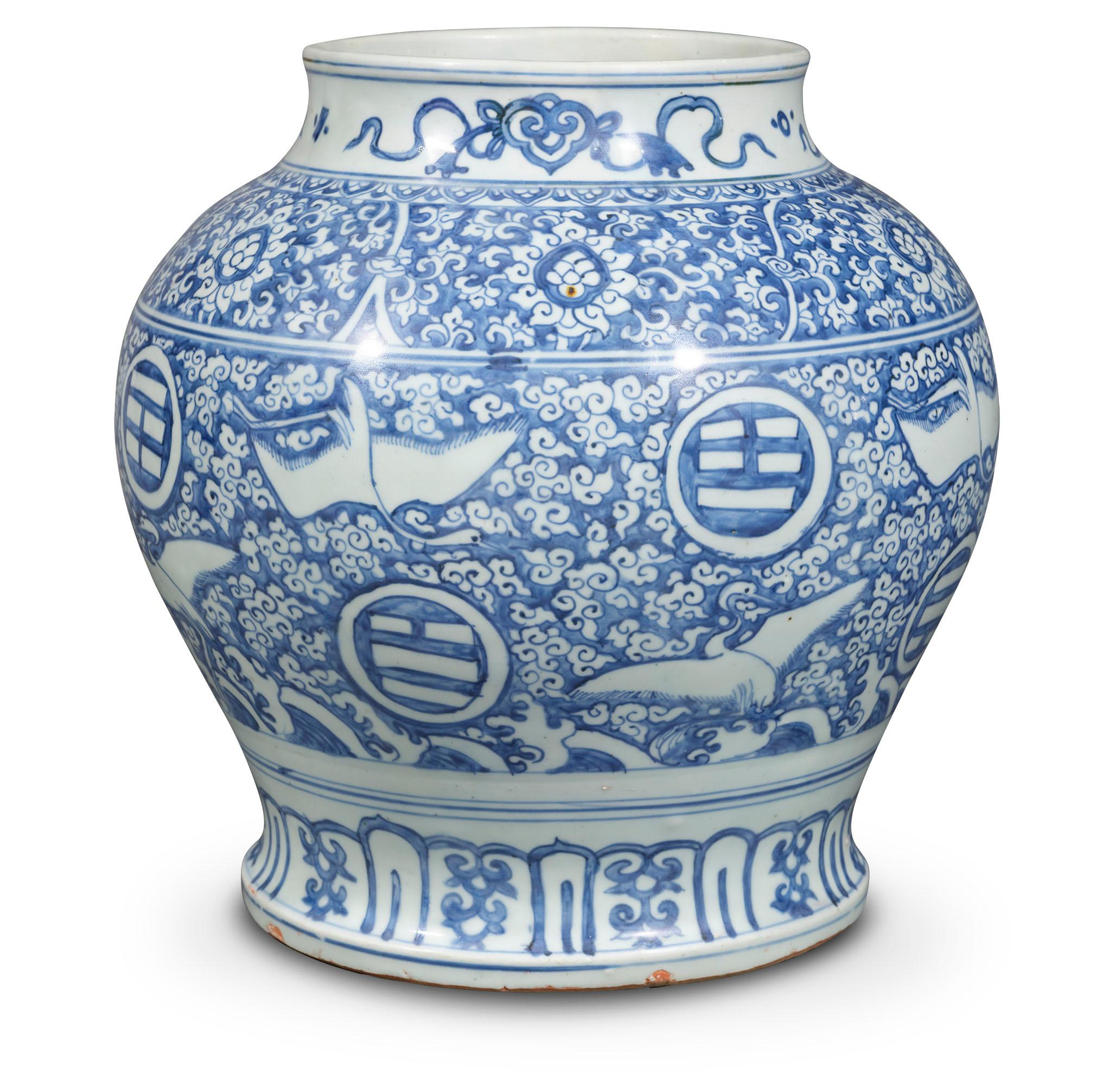
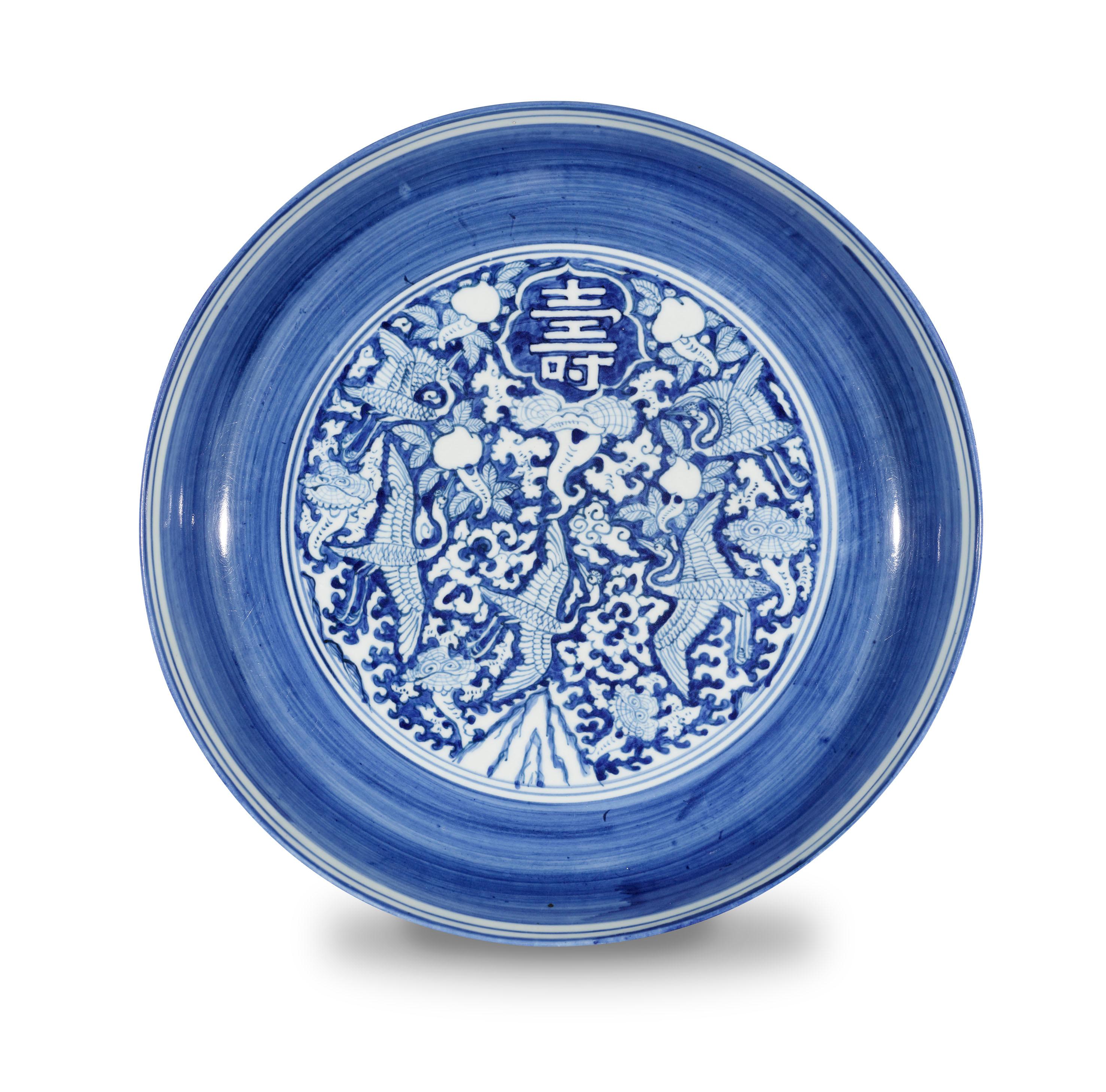
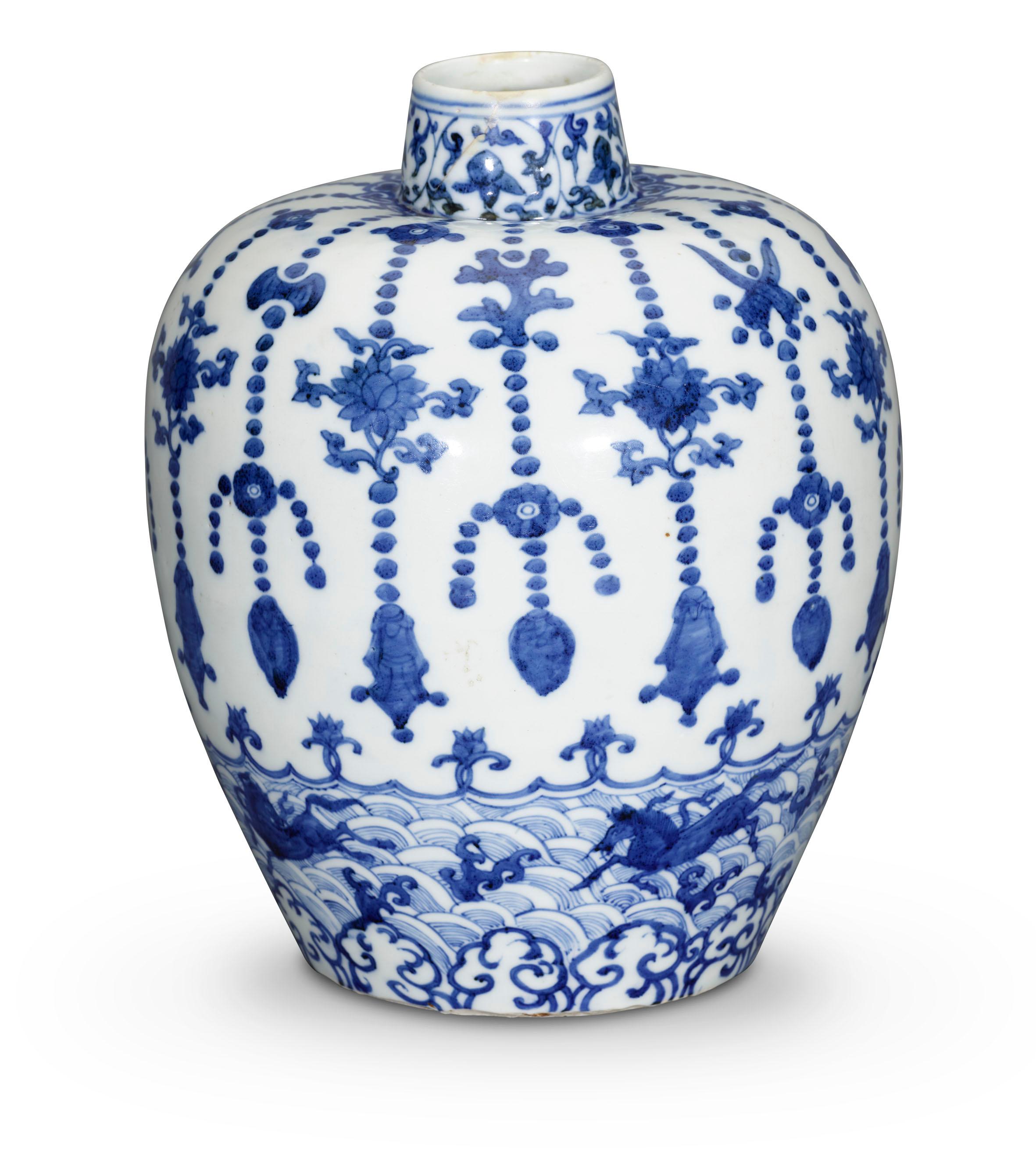
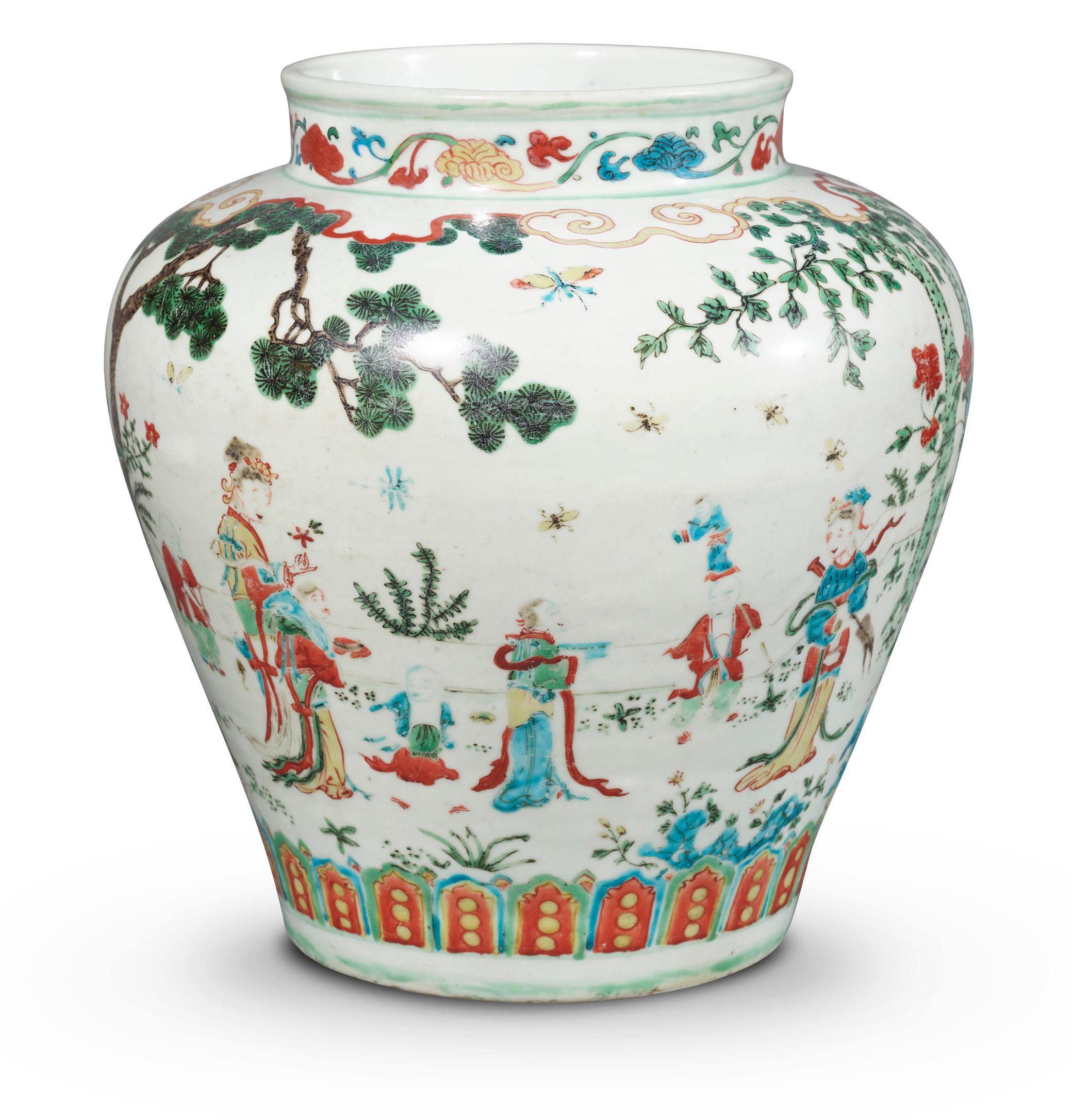
     The Hong Kong Museum of Art (HKMoA) is deeply honoured to receive another generous donation from Mr Cheung Kee-wee, renowned collector and owner of the Huaihaitang Collection. The donation comprises 46 sets of precious artefacts, including Ming and Qing imperial porcelain, Ming textiles, and Ming lacquerware and cloisonné enamel, which are remarkable for their quality and rarity. The HKMoA will make good use of these precious cultural relics to promote the essence of Chinese culture, providing more people with the opportunity to understand and appreciate the treasures of Chinese art in depth.

     Since 2018, Mr Cheung has made 16 donations to the HKMoA, totalling more than 340 Chinese artefacts and paintings. He has generously shared these cultural treasures with the public, enriching the museum's collections and providing valuable materials for the study and promotion of Chinese art. The latest donated artefacts were displayed at the "Eternal Enlightenment: the Virtual World of the Jiajing Emperor" exhibition held at the HKMoA in 2022. Among them is the jar with clouds, dragons and shou characters design in underglaze blue, which is notably large in size and difficult to fire. Between a pair of dragons in motion, a "shou" character is depicted in cursive script, the continuous single stroke of which symbolises longevity and is a common motif during the Jiajing period of the Ming dynasty. The jar exhibits a lush and dense blue tone that carries a tinge of purple, demonstrating the distinctive characteristics of porcelain from that era. These artefacts not only exemplify exquisite craftsmanship but also bear witness to the artistic characteristics and cultural landscape of the late Ming era, holding significant historical and artistic value.
      
     Mr Cheung is a renowned local art collector and Honorary University Fellow of the University of Hong Kong. He is also a Museum Expert Adviser for the Leisure and Cultural Services Department. He is passionate about Chinese art, and his private Huaihaitang Collection is well-known for its imperial porcelains from the Ming and Qing dynasties. Mr Cheung serves as the longstanding Vice Chairman of the well-known collectors' organisation, the Min Chiu Society, and possesses vast experience in art appreciation and connoisseurship. Guided by his mantra that "appreciation and research are more important than possessing and collecting", he has long been committed to promoting art and culture and has generously donated items from his collection to public and university museums, including the HKMoA, for research and public appreciation.

     Established in 1962, the HKMoA is the first public art museum in the city, now the custodian of an art collection of over 19 700 items. The rich collections span historical eras from the Neolithic Age to contemporary times, representing the artistic legacy of Hong Kong and beyond. Over the years, the museum has received multiple precious collections from collectors and artists, reflecting that the mission of the HKMoA to inherit and protect art is well recognised by them. Donations received since its expansion and reopening in 2019 include a total of 363 artworks from the Chih Lo Lou Collection of Chinese painting and calligraphy, which was built up by the late Ho Iu-kwong, a philanthropist and passionate collector, and donated by the Chih Lo Lou Art Promotion (Non-profit Making) Limited; over 450 items of the late celebrated artist Wu Guanzhong's works and personal archives from Wu and his family over the years; a precious art collection with more than 1 000 works featuring 20th-century Chinese paintings and calligraphy donated by renowned collector and photographer and master of Jingguanlou, Dr Wong Kwai-kuen; and nearly 500 pieces of Chinese snuff bottles from the Fuyun Xuan Collection donated by the late local collector Christopher Sin's wife, Josephine Sin. Last year, the museum has received a generous donation of $100 million from Wu Keyu, the son of Wu Guanzhong, for the establishment of the Wu Guanzhong Art Sponsorship, to support the promotion of Wu and related Chinese modern art.
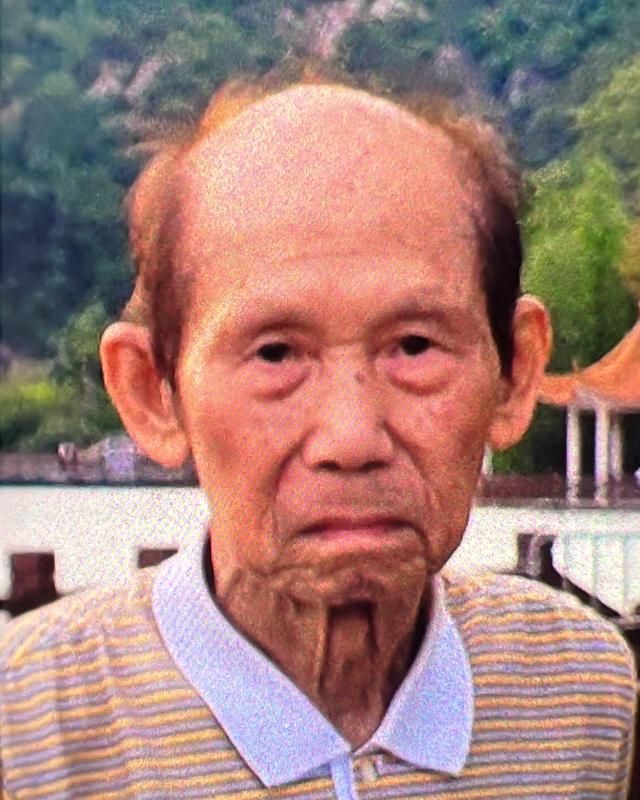
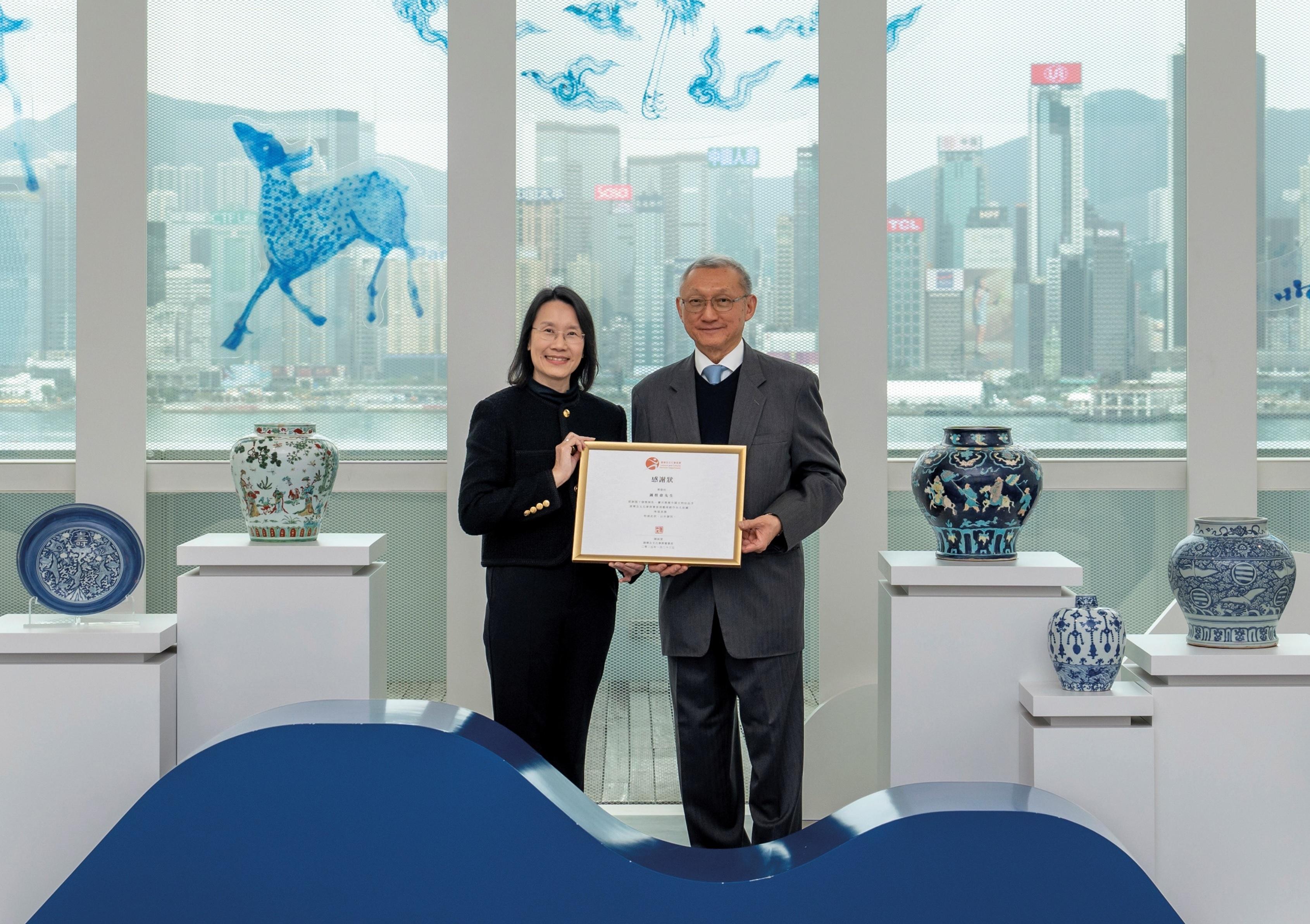
Photo  Photo  Photo  Photo  Photo  Photo  Photo  Photo  


Effective Exchange Rate Index

     The effective exchange rate index for the Hong Kong dollar on Tuesday, February 18, 2025 is 107 (up 0.3 against yesterday's index).