HK’s drinking water testing programme conducted in strict compliance with international standards

     In response to a media report about impurities found in drinking water samples from various districts, a spokesman for the Development Bureau pointed out that the tests mentioned in the report were not conducted in strict compliance with the international standards adopted by Hong Kong's drinking water testing programme.
      
     The spokesman said that, as understood, the media organisation had mainly collected samples of impurities from aerators of water taps (commonly known as strainers), and then placed the samples into water for laboratory testing. Aerators are a kind of filter accessory commonly installed at household water taps and shower heads to help block impurities. The presence of impurities in the samples is simply a result of the function of the strainer, and is not abnormal. In the past, the Water Supplies Department (WSD) had received similar inquiries, and staff members were deployed immediately to conduct onsite inspection, arrange flushing of consumers' water meter, remind consumers to cleanse the strainers, and check if there were any irregularities in water quality. If there was a suspected water quality issue, the WSD would collect drinking water samples for testing and notify consumers about the results. In fact, only a few of such cases required water sample testing in the past three years, and testing results showed that the water samples complied with Hong Kong Drinking Water Standards (HKDWS).
      
     The spokesman stressed that water quality testing must be conducted in accordance with international standards, including making reference to ISO5667 of the International Organization for Standardization (ISO) for sampling and referencing Chinese National Standard GB/T 5750 and American Public Health Association's (APHA) in testing methods and procedures. The samples tested must be drinking water samples, not those collected from strainers as arranged by the relevant media organisation. In other words, the type of samples, methods and procedures will affect the validity and representativeness of the tests.
      
     The spokesman said that, as mentioned in the report, impurities collected from the strainers include resin, plastic, and silicone. It may relate to materials peeling off from pipes or fittings of the inside service of the building. These substances are not soluble in water. If such substances are found, the inside service should be cleansed as soon as possible. Generally, regular and proper cleansing and maintenance of the inside service of the building can effectively prevent excessive sediments accumulation and reduce impurities in strainers. Drinking water supplied by the WSD undergoes strict treatment and meets HKDWS. However, materials may peel off from public or inside service pipes of buildings due to aging or water pressure, necessitating the installation of strainers at pipes. Property owners, registered agents, and management offices must carry out regular and proper maintenance of building's inside service, including cleansing sump and rooftop tanks to avoid sediments or rust accumulation, and regularly operating valves, cleansing filters, and flushing concealed water pipes to maintain good drinking water quality at the consumers' taps.
      
     To ensure the quality of drinking water in Hong Kong, the WSD runs a routine drinking water testing programme, randomly collecting water samples from over 28,000 publicly accessible consumers' taps (such as those in shopping centres, community facilities, sports venues, and government offices) for testing every year. The sampling rate is based on international standards and the water quality parameters are drawn up in accordance with World Health Organization guidelines. Moreover, the WSD randomly selects about 670 residential and non-residential water accounts each year to collect drinking water samples at their water taps and test for six metals (antimony, cadmium, chromium, copper, lead, and nickel) to ensure compliance with HKDWS. Relevant test results are regularly published on the WSD's website.
      
     The spokesman added that the WSD had requested more detailed information for follow-up with the consumer when enquiries were received from the media organisation. Such information is still awaited. The WSD will deploy staff to investigate and assist with flushing the inside service if the media organisation provides more information (including sampling locations). Water samples will also be taken for testing as needed to ensure water safety. For enquiries regarding drinking water quality, the public may call the WSD's 24-hour hotline: 2824 5000.
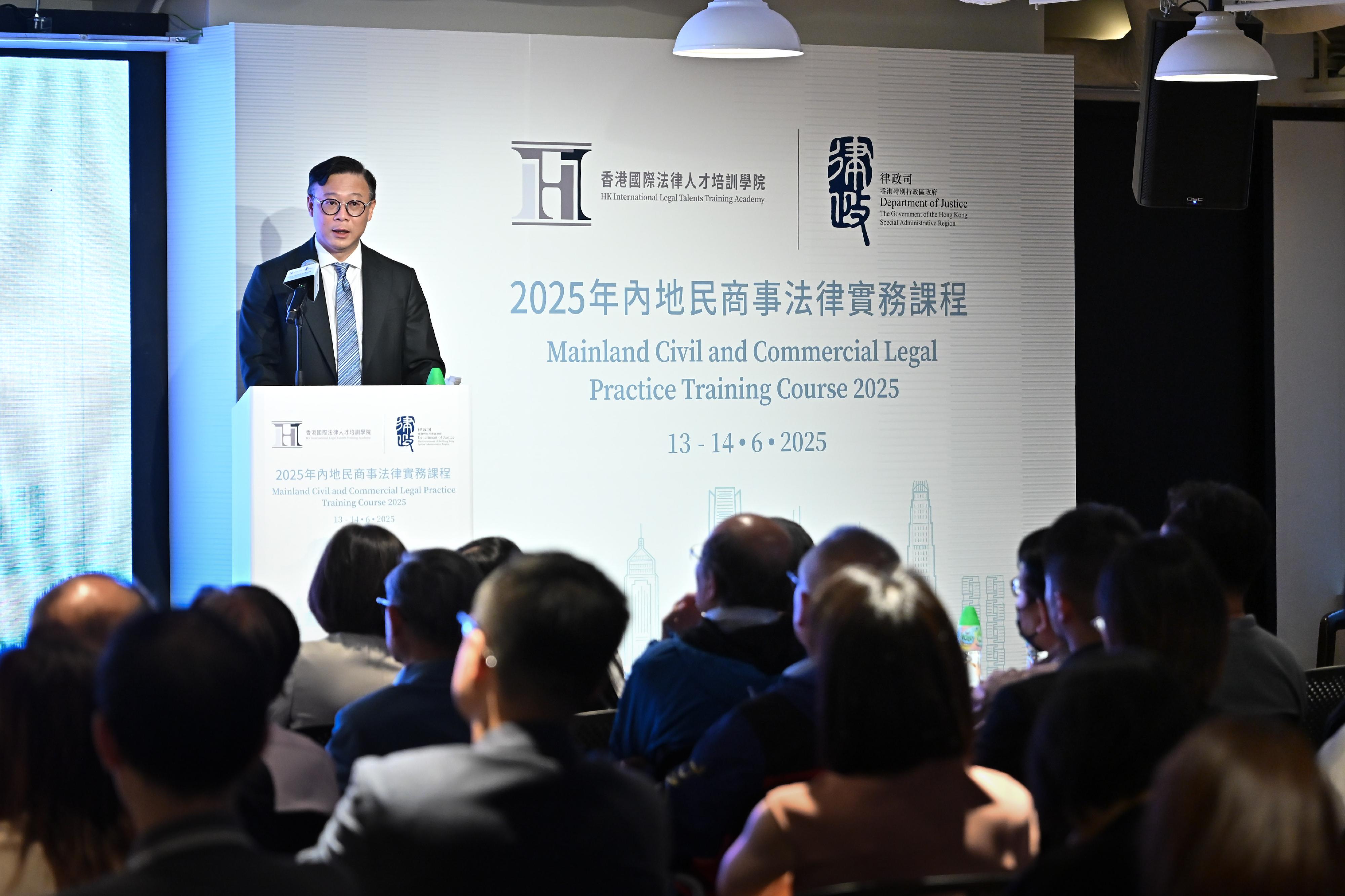
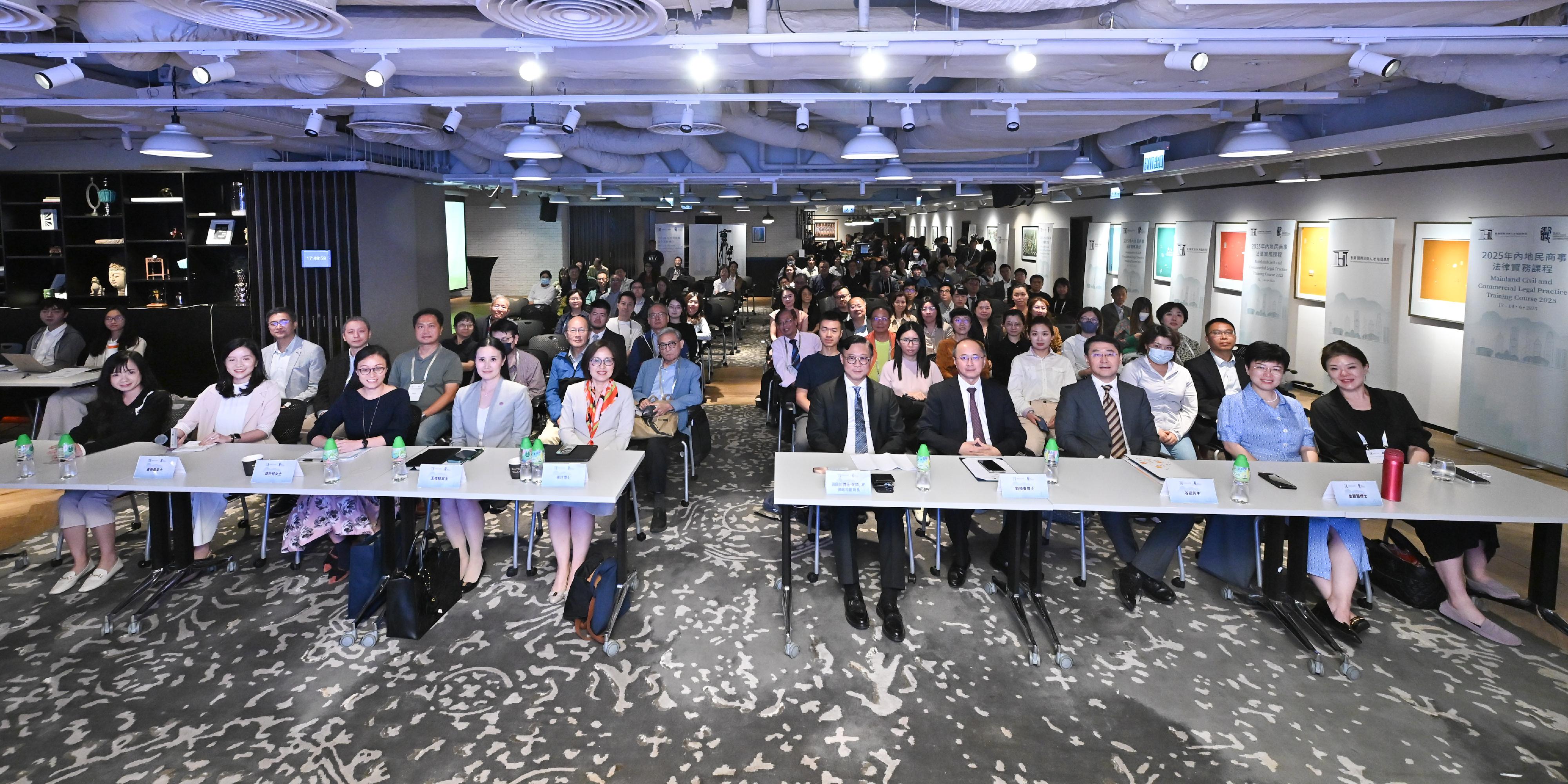
Mainland Civil and Commercial Legal Practice Training Course 2025 of Hong Kong International Legal Talents Training Academy concludes (with photos)

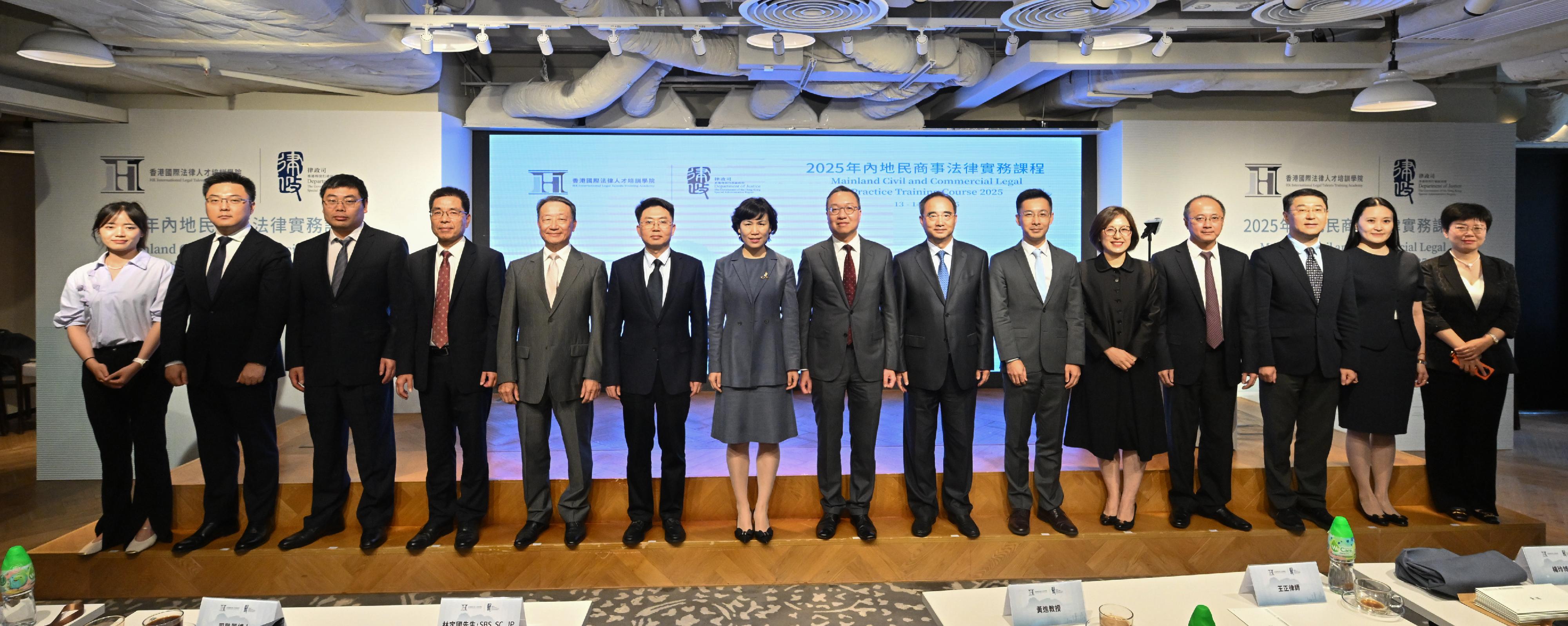
     The Mainland Civil and Commercial Legal Practice Training Course 2025, organised by the Hong Kong International Legal Talents Training Academy, concluded today (June 14). The two-day course is the first course held by the Academy specifically for the local legal sector, including barristers, solicitors, in-house counsel and dispute resolution practitioners. The course aims to deepen the local industry's understanding of the Mainland's civil and commercial laws and practical operations, and promote exchanges between Hong Kong and the Mainland's legal and dispute resolution sectors. The course attracted about 300 participants.

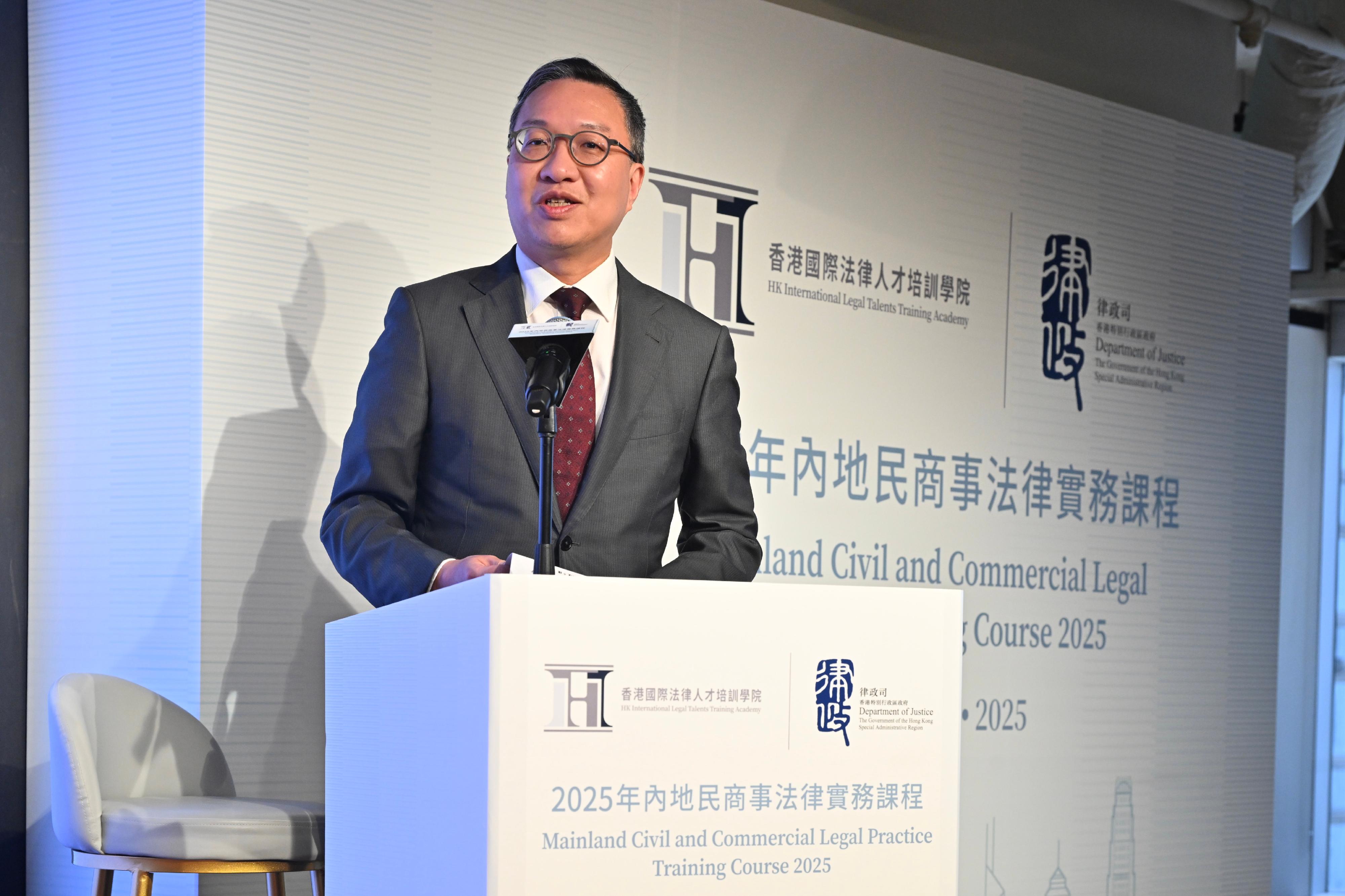
     Addressing the opening ceremony, the Secretary for Justice, Mr Paul Lam, SC, said that Hong Kong and the Mainland have become more closely connected since Hong Kong's return to the motherland, with economic and trade activities becoming increasingly frequent. While many Mainland enterprises leverage Hong Kong as an internationalised platform to go global, overseas enterprises also invest in the Mainland through Hong Kong. The Academy specially organised this course to enable the local legal industry to gain in-depth understanding of the practice of civil and commercial law on the Mainland so that they can meet the actual needs arising from growing cross-boundary business, while improving their own competitiveness and expanding the room for their career development.

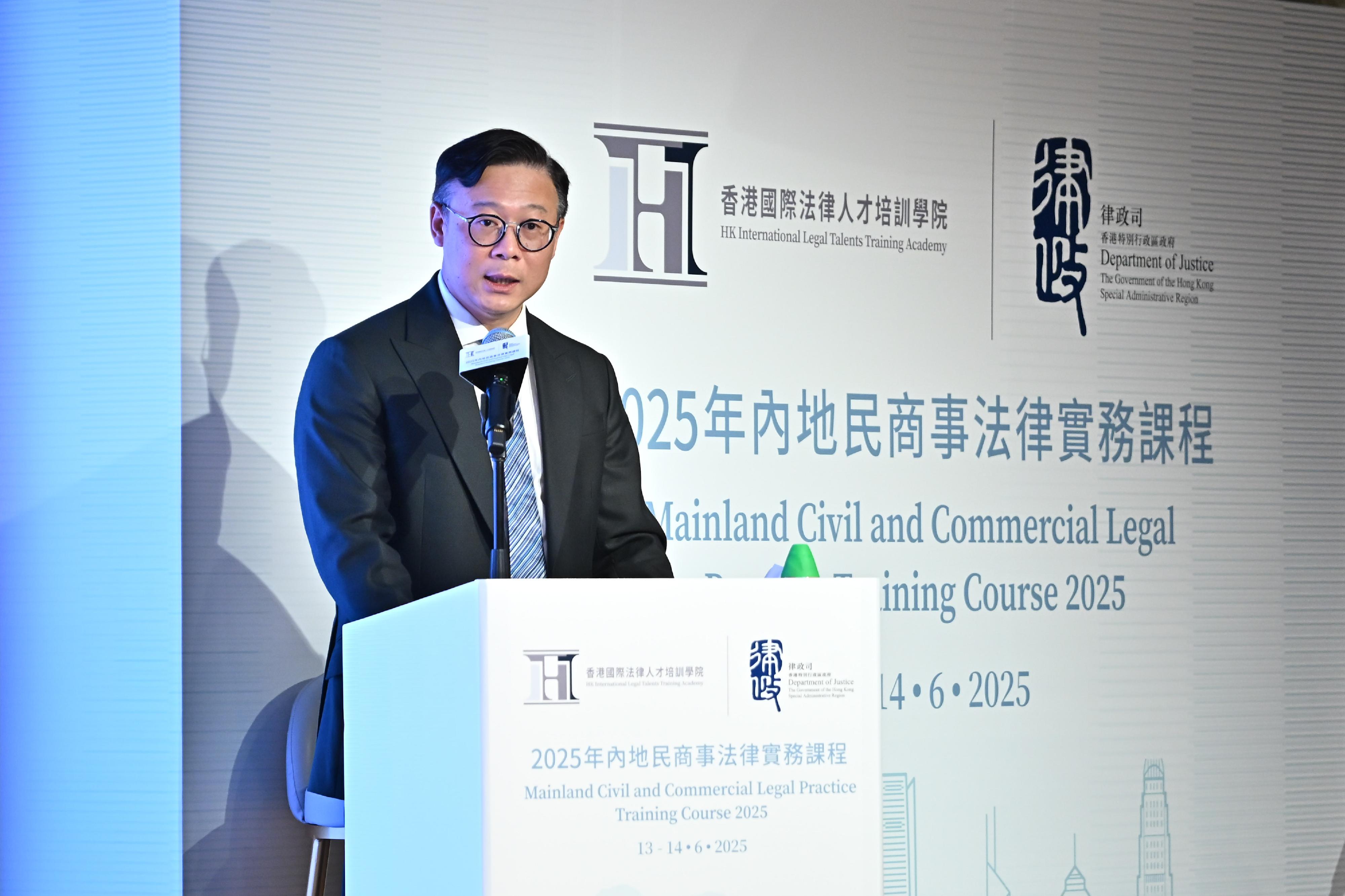
     Addressing the closing ceremony, the Deputy Secretary for Justice, Dr Cheung Kwok-kwan, said that the leading position of Hong Kong in international arbitration continues to be reinforced and enhanced. The Department of Justice is committed to promoting the city's leading position in the field of arbitration in the Greater Bay Area and in the international community, as well as providing legal services of higher quality and competitiveness to the Mainland and around the world, so as to further establish Hong Kong's position as an international legal and dispute resolution services centre in the Asia-Pacific region.
 
     The course covers various key areas of the Mainland civil and commercial legal practice. Through lectures and seminars, the course further enhances the understanding and knowledge of Hong Kong's legal and dispute resolution sectors on the practice and operation of the Mainland civil and commercial legal system, while providing a platform for exchange and co-operation between the Hong Kong and Mainland legal sectors. Speakers of the course comprise Mainland judges, academics, legal professionals, corporate representatives, arbitration practitioners and members of the Hong Kong International Legal Talents Training Expert Committee.
 
     The Academy will continue to capitalise on Hong Kong's bilingual common law system and international status and provide platforms for capacity building, knowledge and experience sharing to Hong Kong, the Mainland as well as other jurisdictions, especially the legal talent in regions along the Belt and Road Initiative, to promote the exchange of international legal talent and reinforce Hong Kong's status as a centre for international legal and dispute resolution services in the Asia‑Pacific region, in order to develop Hong Kong into a capacity-building centre.

Photo  Photo  Photo  Photo  Photo  


International Conference on Roads and Railways 2025 successfully concludes On-site visits to Central Kowloon Route and MTRCL Tung Chung Line Extension works projects (with photos)

     The International Conference on Roads and Railways 2025 co-organised by the Highways Department (HyD) and the Hong Kong Institution of Highways and Transportation already came to a successful conclusion yesterday (June 13). The two-day conference attracted over 800 participants, successfully bringing together global experts, scholars and industry leaders to share experiences and insights, and jointly lead Hong Kong's transport infrastructure development to write a new chapter.

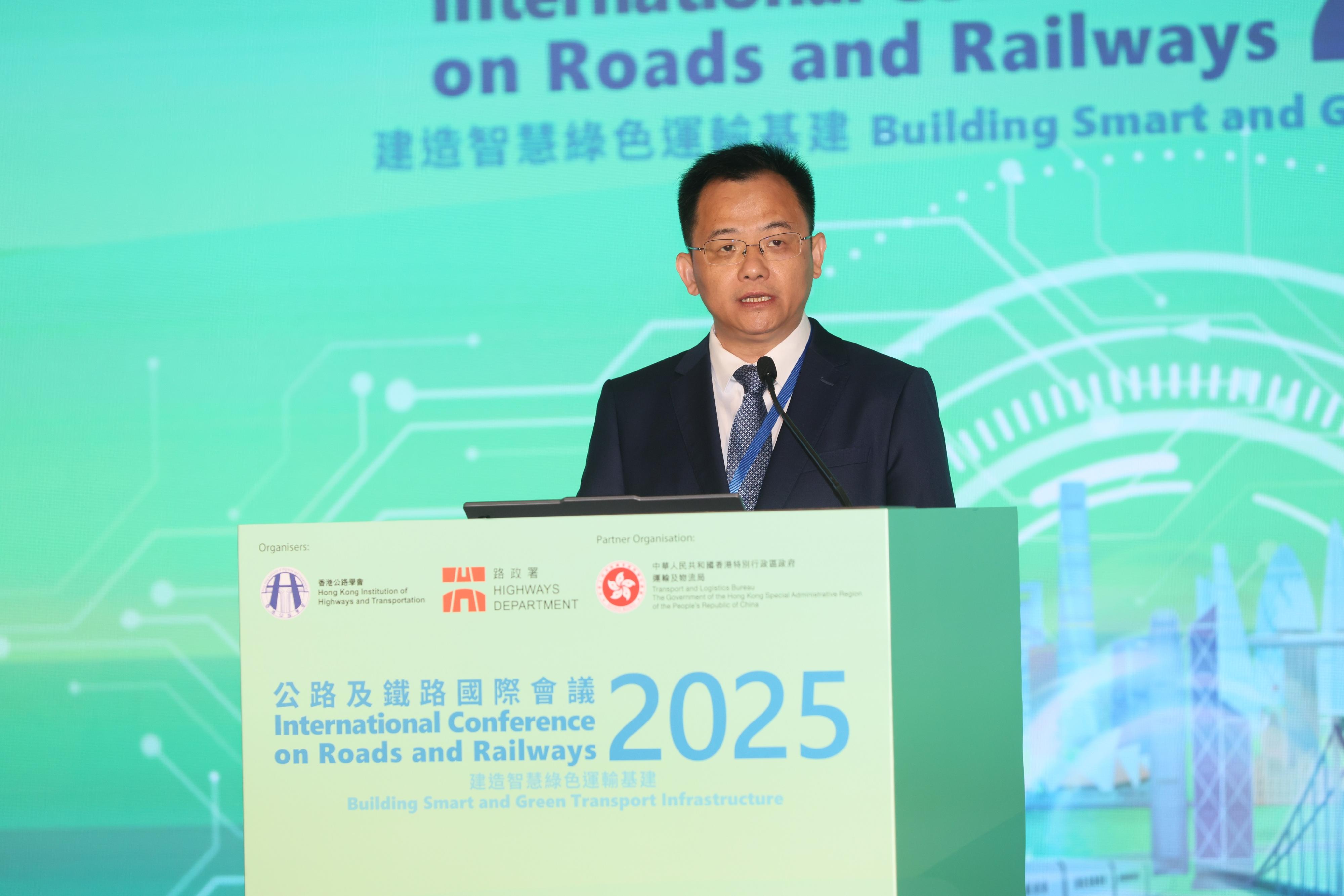
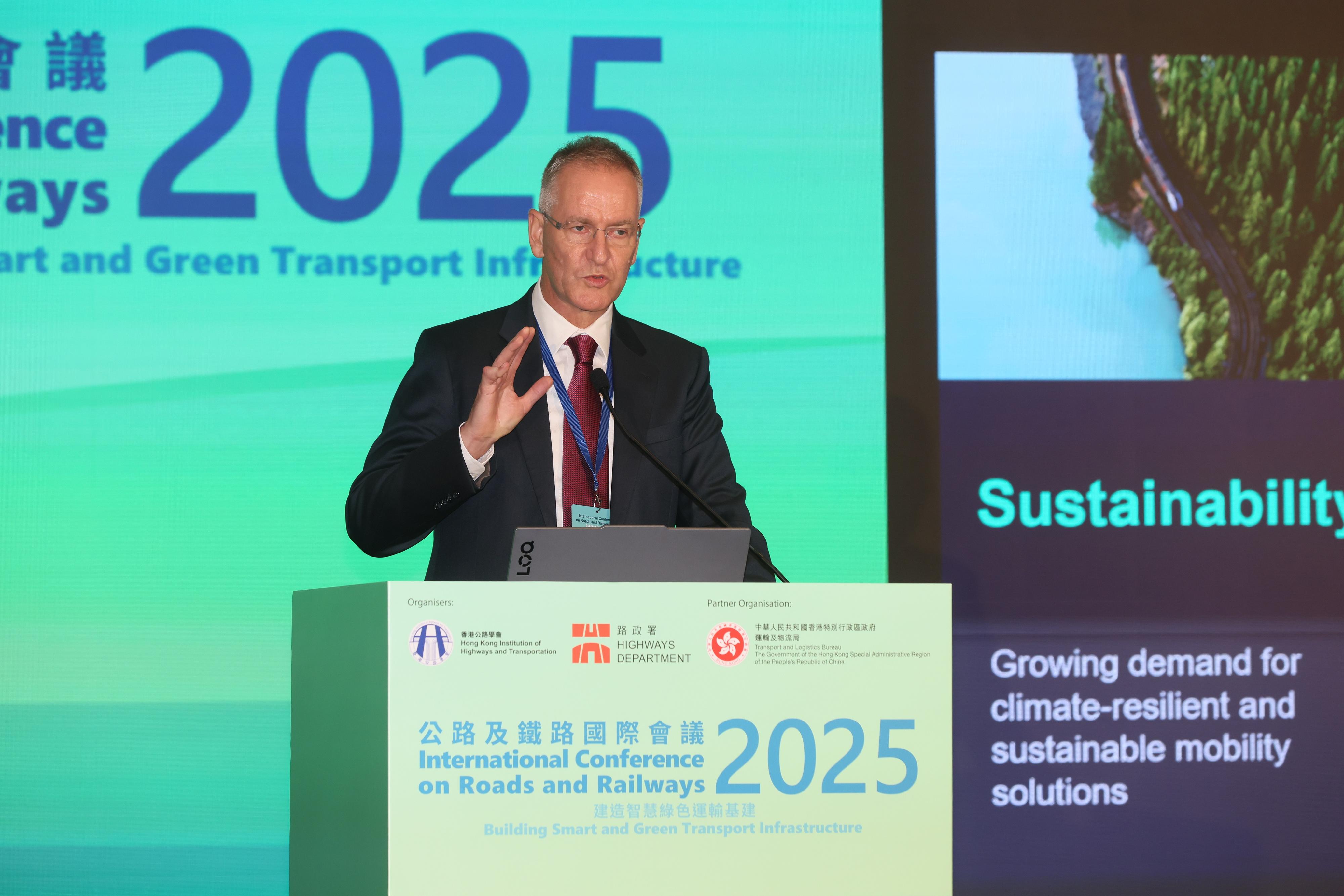
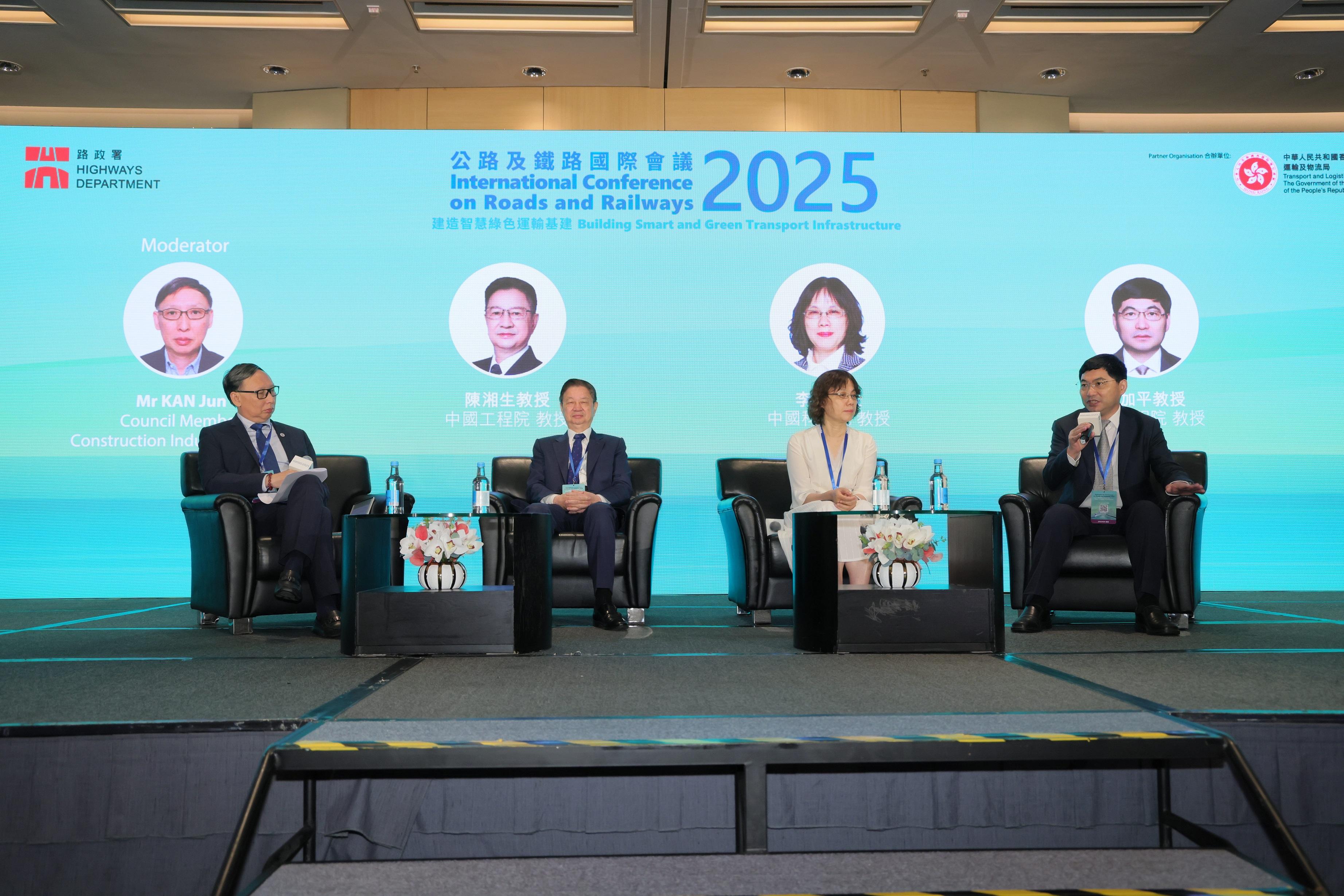
     In his opening remarks and speech on the second day of the conference, Vice President of the Research Institute of Highway of the Ministry of Transport of the People's Republic of China, Mr Wang Shuiyin, inspired the participants to think about how to put smart and green road construction into practice. The conference then focused on Smart and Green Transport Infrastructure – Planning, Design and Construction and Green Solutions for Smart Transport Infrastructure, with in-depth discussions on the topics of innovative designs, construction and material technologies, smart monitoring technologies, strategies to cope with extreme weather, etc., which provided multi-faceted solutions for the promotion of smart and green transport infrastructure. Students studying relevant engineering subjects were invited to participate in the conference. This enabled them to understand the future development of transport infrastructure, as well as the breakthroughs in innovative technologies of the engineering sector. Deputy Director of Highways, Mr Richard Ng, said in his closing remarks that the conference inspired Hong Kong to create sustainable solutions through policy innovation and technological innovation in order to respond to various challenges in the implementation of transport infrastructures, while deepening international co-operation. He also expressed his heartfelt gratitude to the guests, speakers, supporting organisations and all participants for their participation which had made the conference a success.

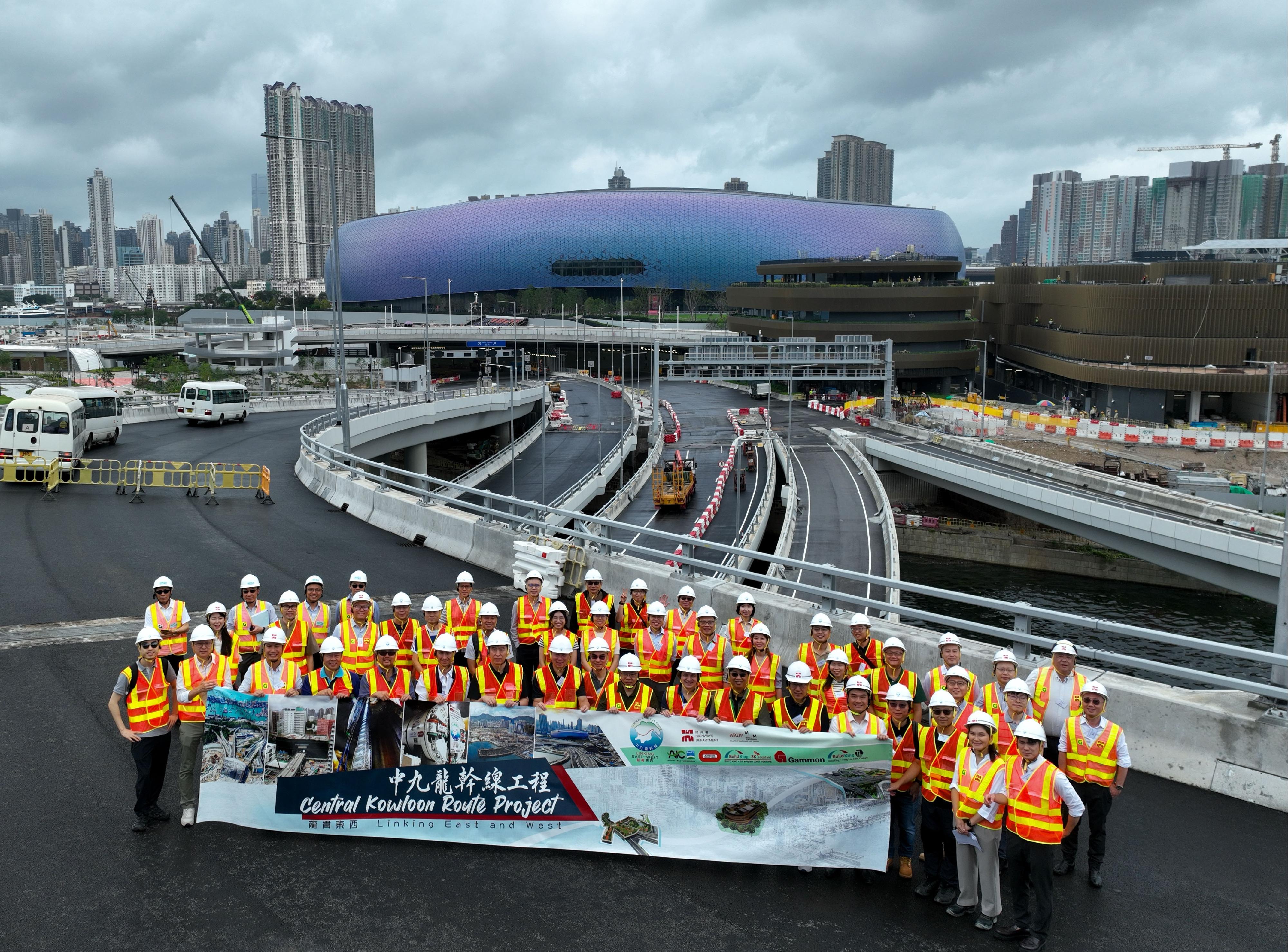
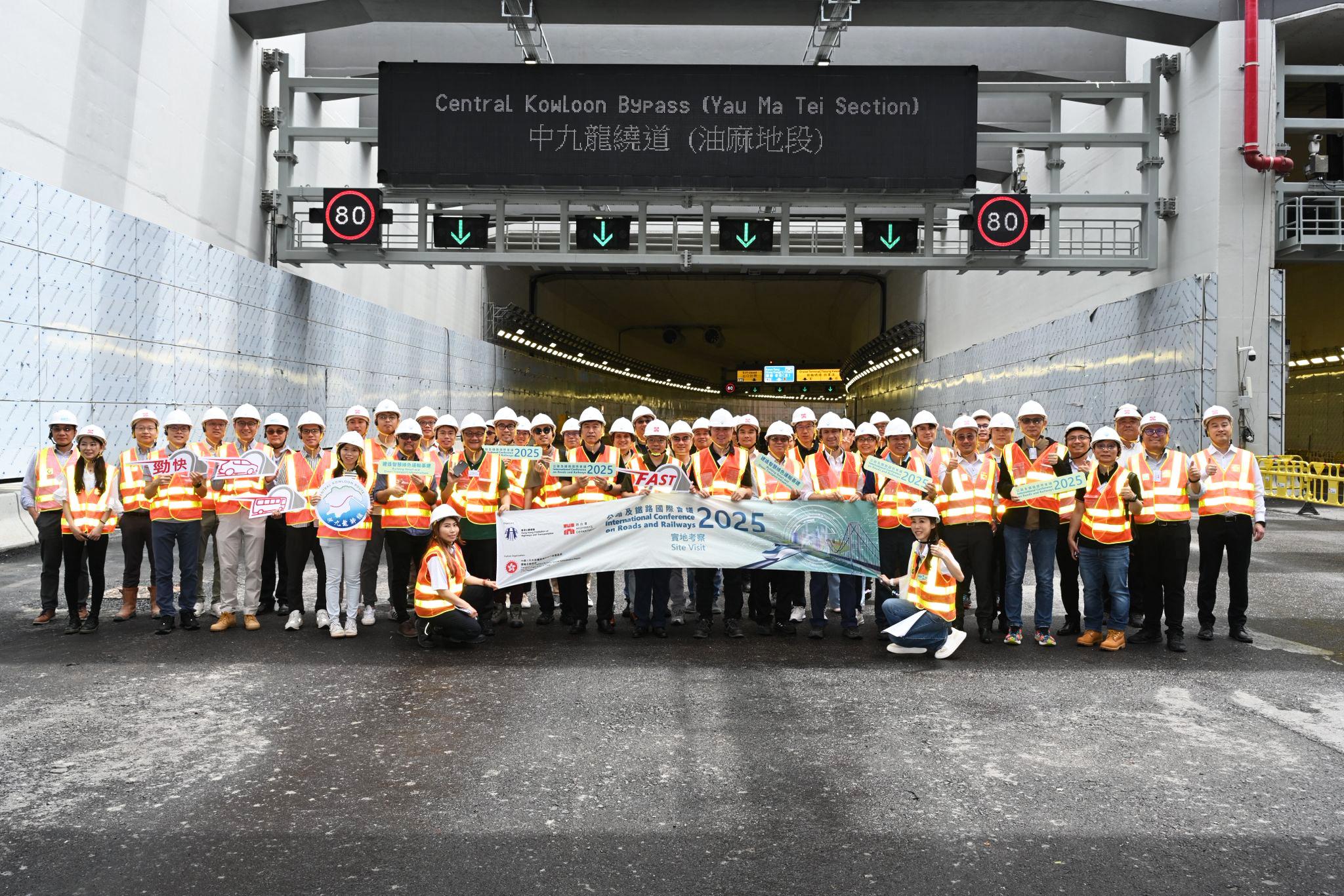
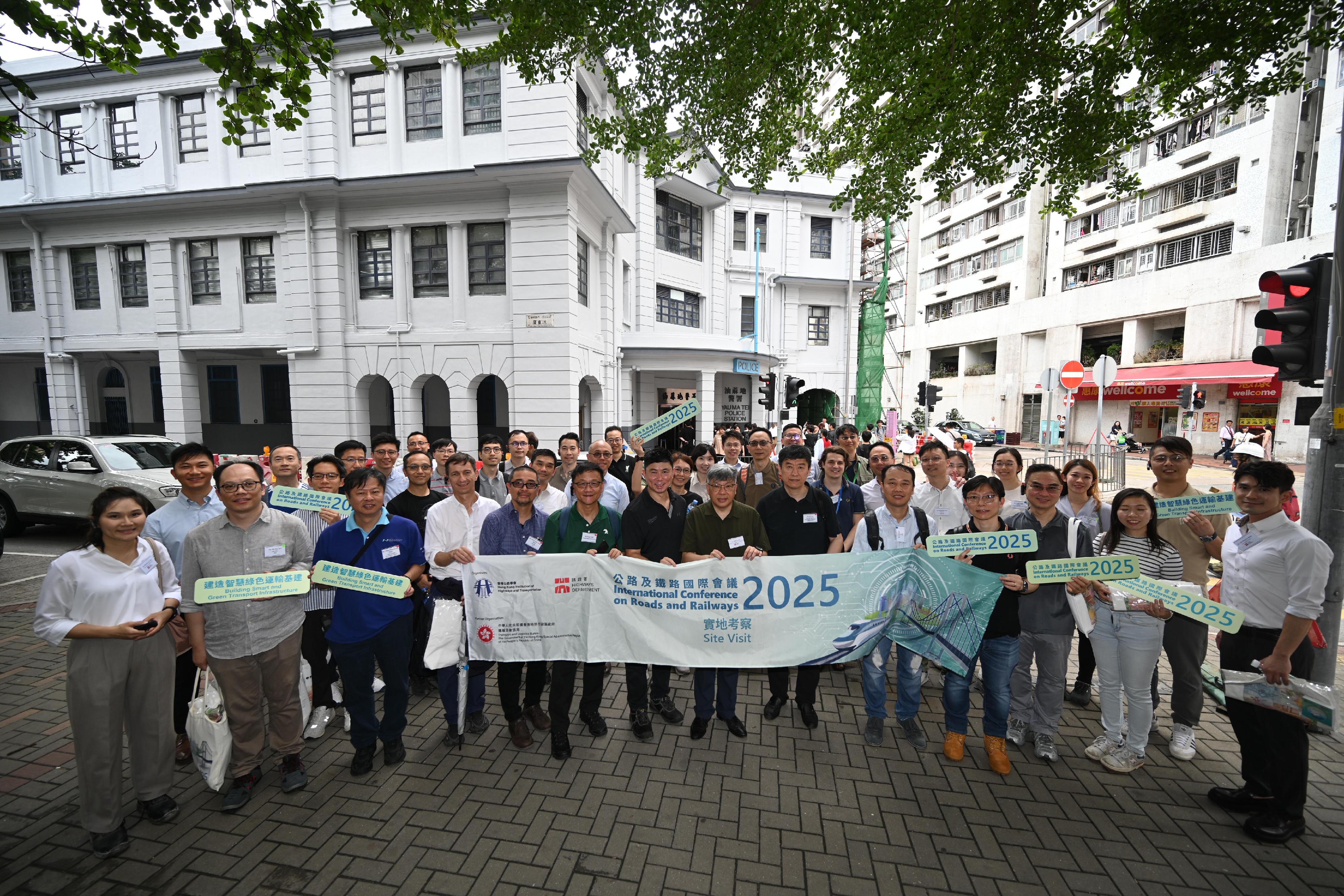
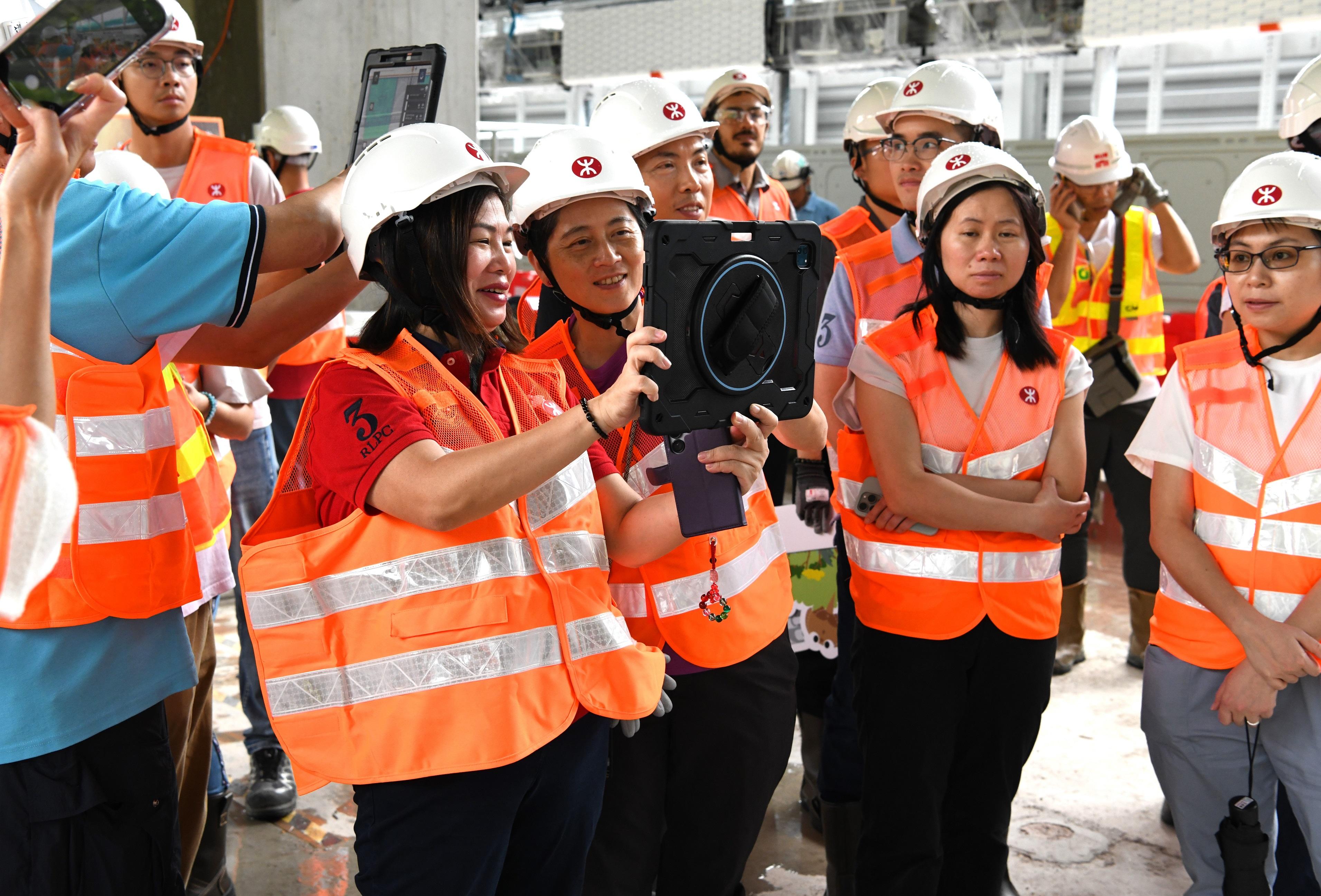
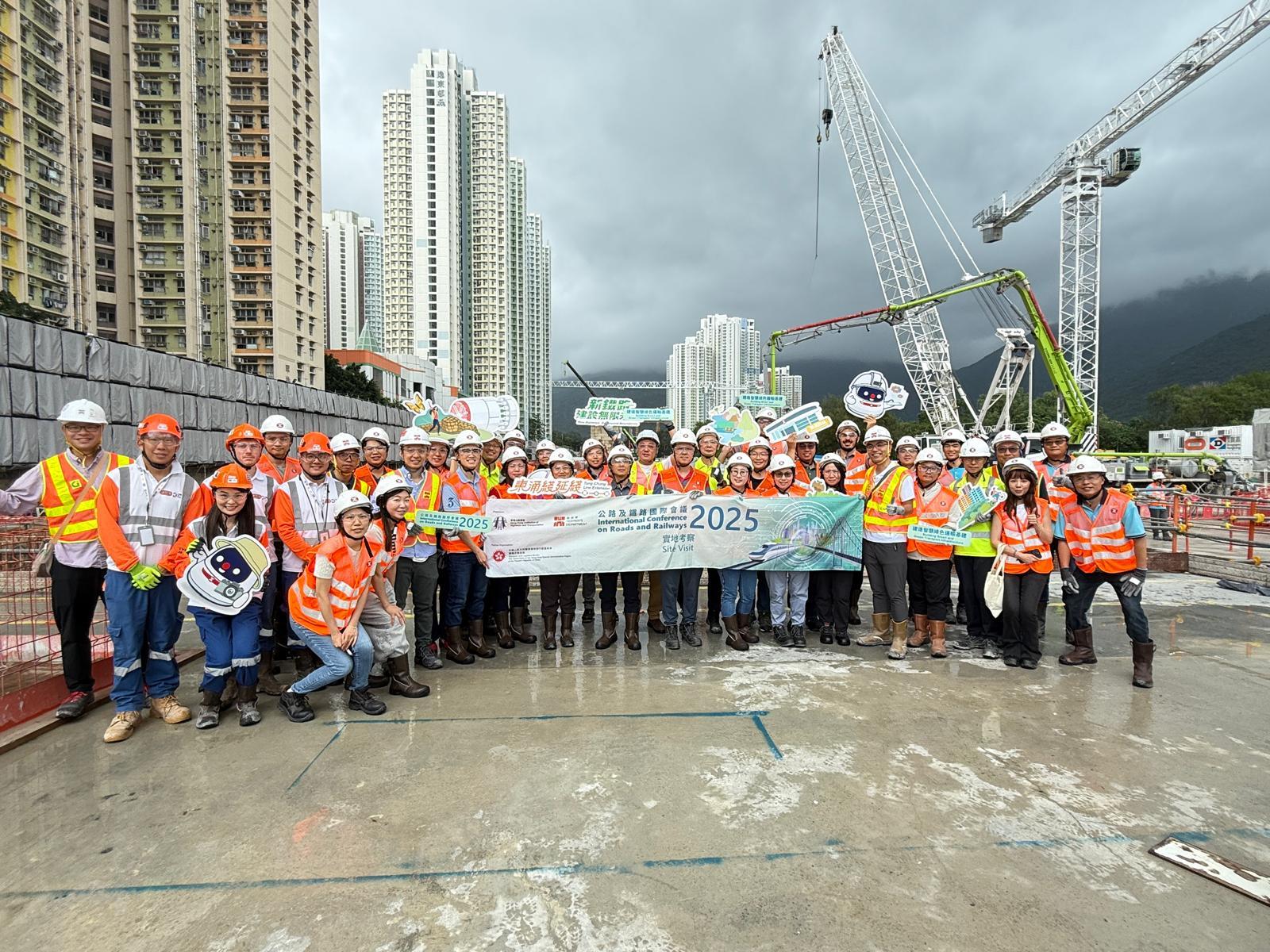
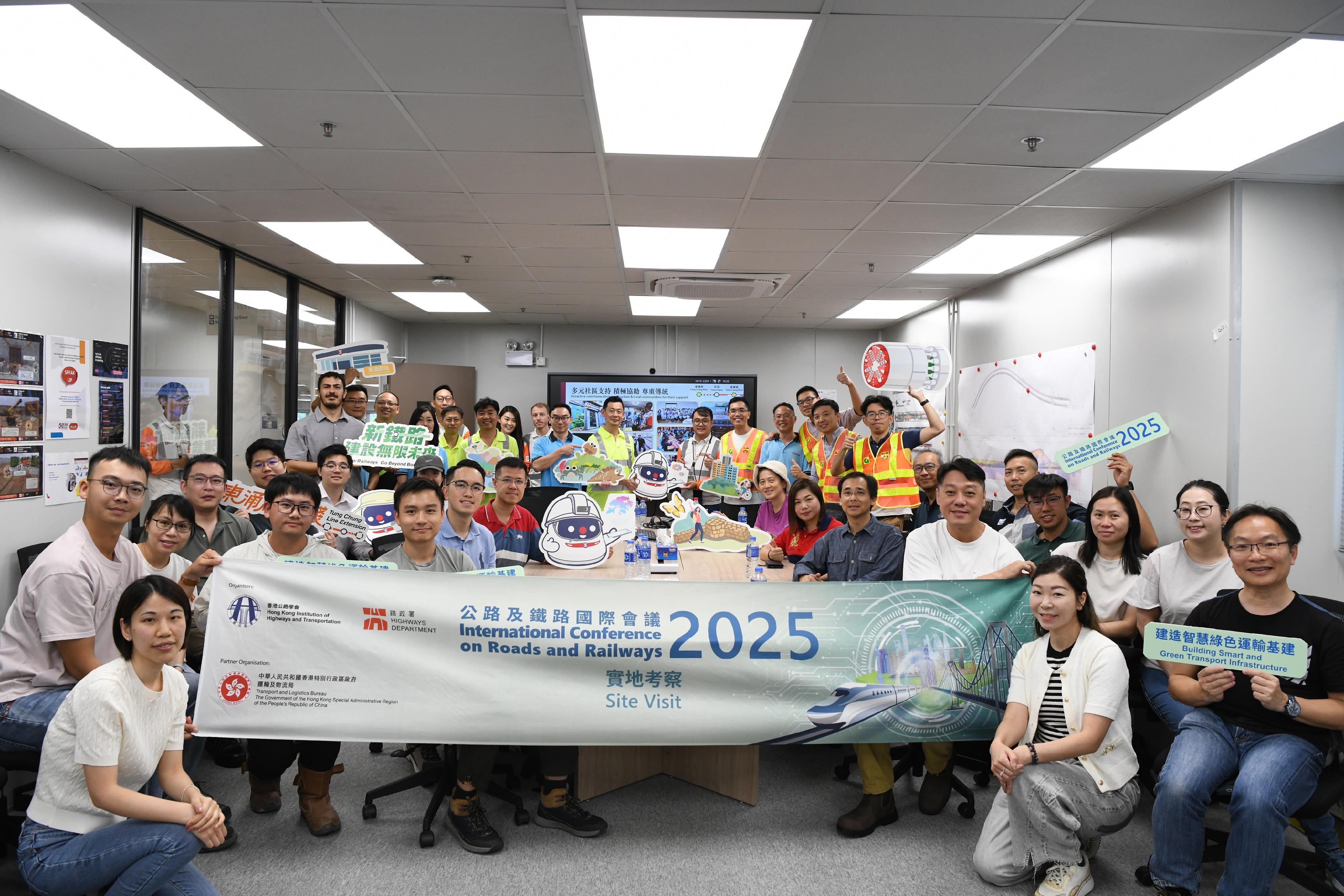
     Tied in with the theme of Building Smart and Green Transport Infrastructure, around 60 participants were arranged in two delegations to respectively visit the works sites of two major infrastructure projects, the Central Kowloon Route (CKR) and the MTR Corporation Limited (MTRCL) Tung Chung Line Extension (TUE), witnessing the achievements of Hong Kong's transport infrastructure. 

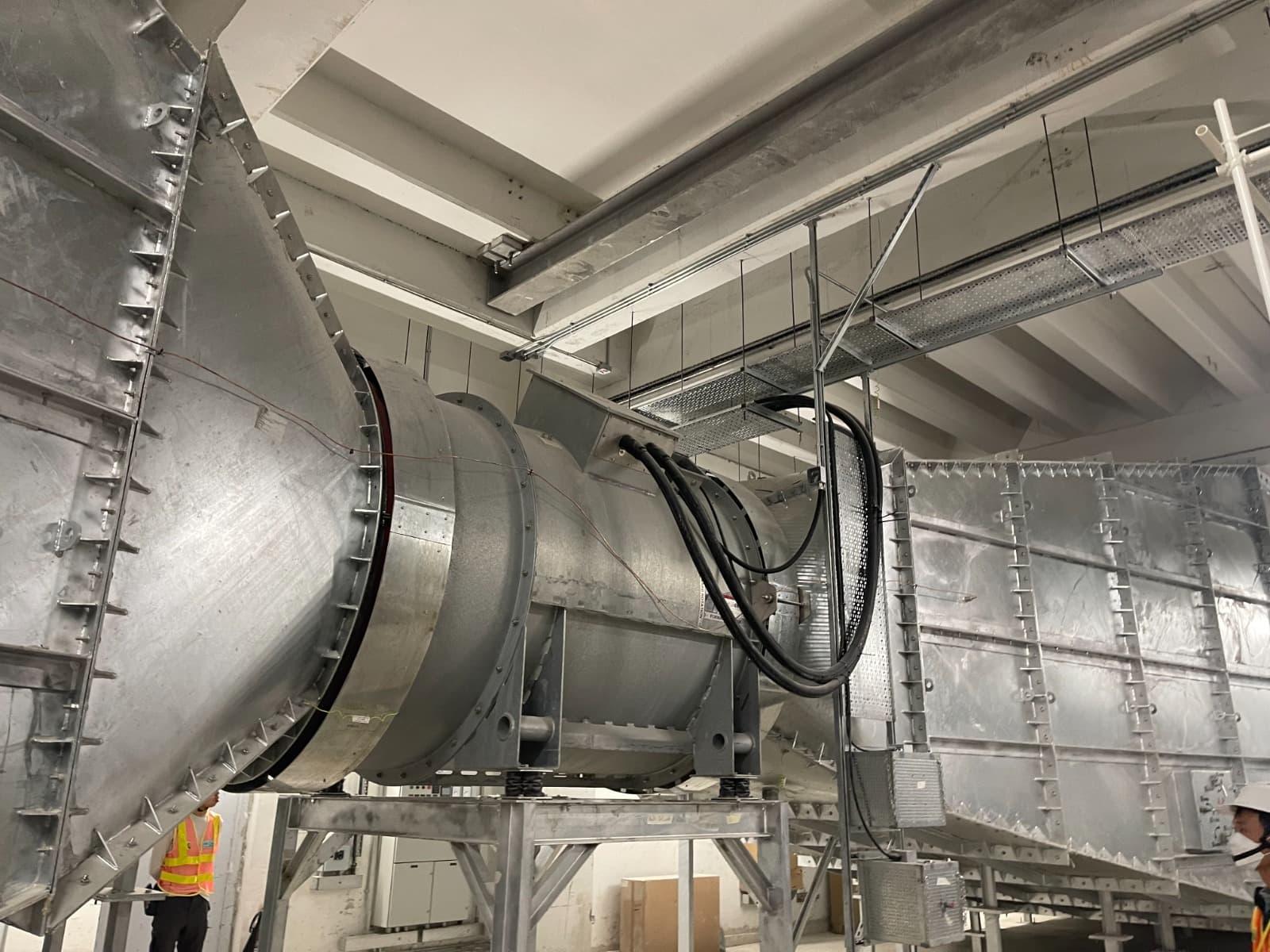
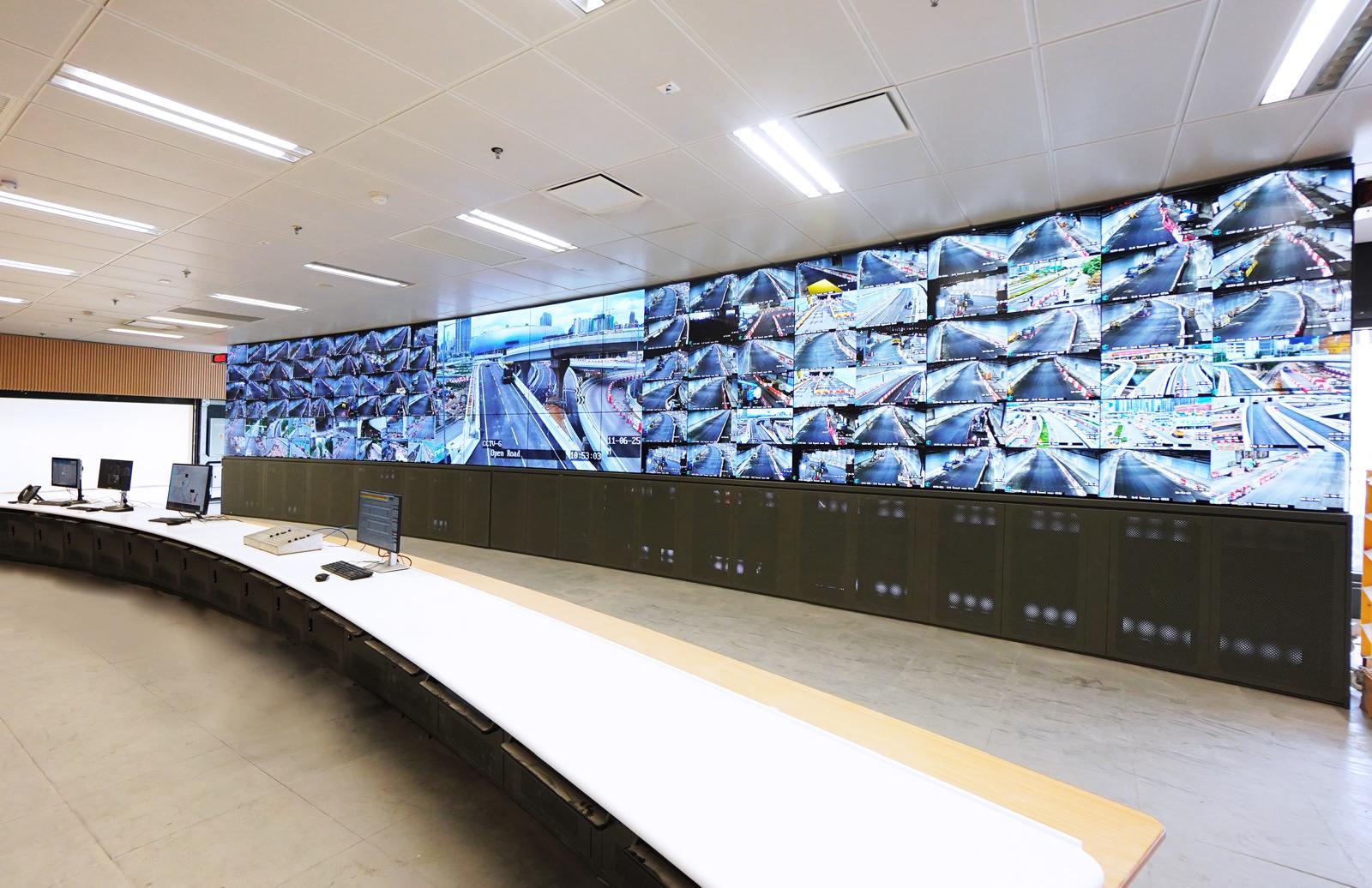
     As one of the strategic transport infrastructure projects in Hong Kong, the CKR has entered the final stage of construction works. It is expected to reach readiness for official commissioning by December this year and will be named as the Central Kowloon Bypass (Yau Ma Tei Section) by then. One of the highlights of today's visit to the CKR project is the first crossing of the Central Kowloon Bypass (Yau Ma Tei Section) mainly composed of a tunnel, which is about 4.7 kilometres long, with a tunnel of about 3.9 km in length and more than 100 metres deep underground, and three ventilation buildings located along the way at Yau Ma Tei, Ho Man Tin and Kai Tak respectively. The scale of the tunnel far exceeds that of the Central-Wanchai Bypass and is comparable to the Tai Lam Tunnel. The tunnel is equipped with a comprehensive traffic control and surveillance system, enabling the controlling officers to closely monitor the operation of the tunnel from the control room of Kai Tak Administration Building and make prompt response when necessary.
      
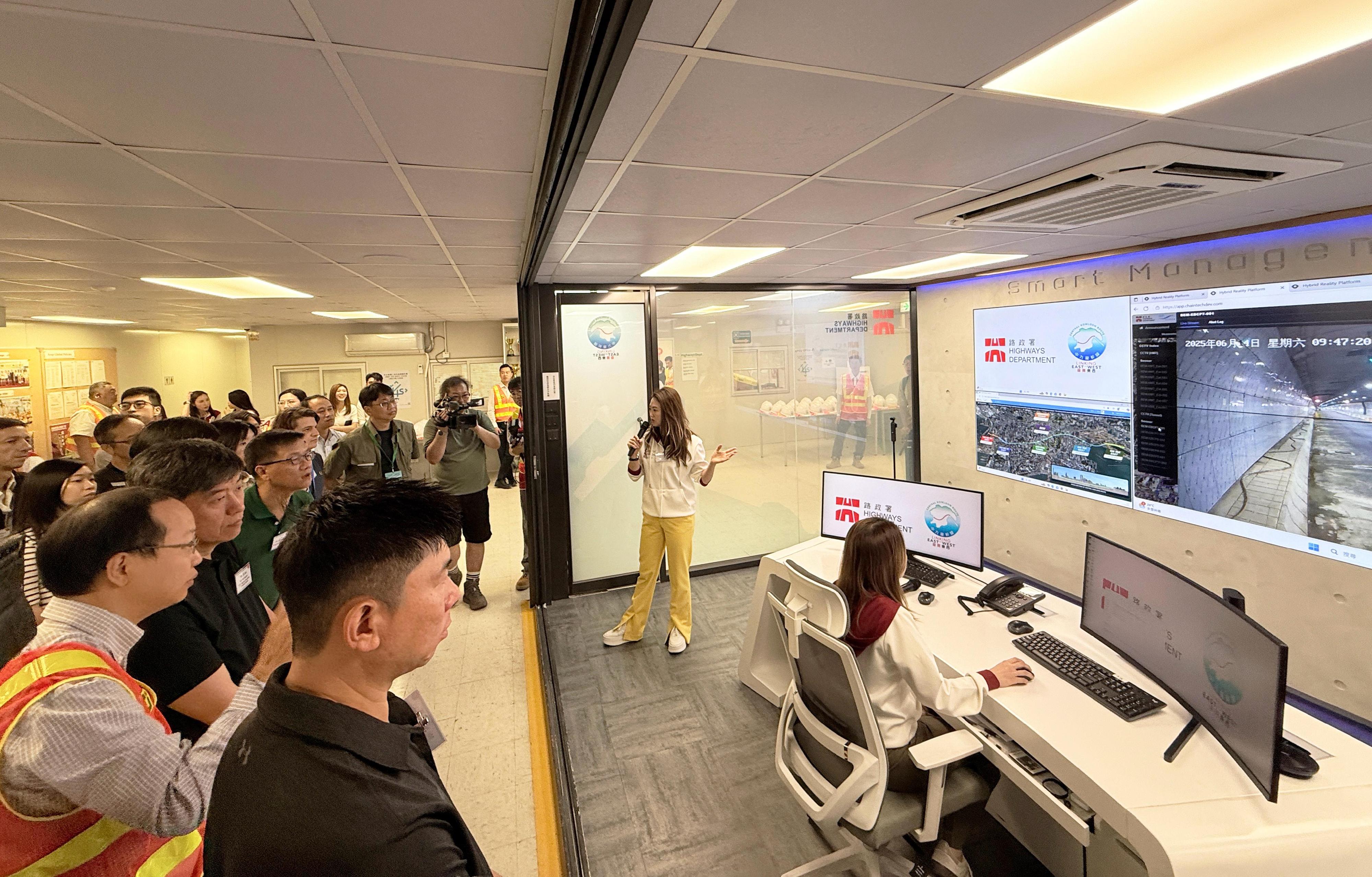
     The project team of the HyD introduced to the delegation their self-invented and multi-international award-winning Smart Site Management Hub, which effectively monitors the works progress of the entire project under different works contracts in a unified manner by integrating various data of innovative technologies, thereby enhancing site safety and construction quality. The delegation then visited the Kai Tak Interchange, Kai Tak Depressed Road and entrance of Yau Ma Tei Tunnel, as well as the works site at Kansu Street in Yau Ma Tei to understand how the project team had overcome the challenges encountered during construction, including tunnel excavation, re-provisioning of Gascoigne Road Flyover, etc in the dense urban areas. The project team also shared the people-oriented engineering philosophy of the project in striving to conserve the nearby heritages and iconic landmarks when implementing works, as well as first re-provisioning the public facilities affected, taking full account of cultural conservation and community needs. The delegation was specially arranged to visit the Former Yau Ma Tei Police Station to gain a deep understanding of the history of the century-old building and conservation engineering technology.

     Another delegation visited the MTRCL TUE project, which is composed of Tung Chung East (TCE) and Tung Chung West (TCW) Sections, amidst including the new TCE Station constructed between the existing Sunny Bay Station and Tung Chung Station, as well as an approximately 1.3-km-long extension from the existing Tung Chung Station for construction of the new TCW Station. The project is targeted for completion by 2029, and will effectively enhance Tung Chung's internal and external connectivity, and promote sustainable community development upon commissioning. The project team shared and exchanged experiences on integrating innovative technologies and infrastructure construction with the delegation, and arranged visits to the two works sites to gain a deeper understanding of the works progress.

     In addition, young members from professional bodies and organisations, including the Hong Kong Institution of Highways and Transportation, the Hong Kong Institution of Engineers, the Institution of Civil Engineers Hong Kong Association, and the University of Hong Kong Engineering Alumni Association, etc to will be arranged to visit the CKR works site next Saturday (June 21). They will have a closer look on how complex underground works were carried out in the urban areas with lots of buildings, dense population and high traffic flow under the project.

     For conference details, please visit the designated website: icrr2025.com/en/index.html.

Photo  Photo  Photo  Photo  Photo  Photo  Photo  Photo  Photo  Photo  Photo  Photo  


Flag-lowering ceremony cancelled

     As the Strong Wind Signal No. 3 is now in force, the flag-lowering ceremony to be conducted at Golden Bauhinia Square, Wan Chai at 6pm today (June 14) will be cancelled.

     If the Strong Wind Signal, No. 3 warning is cancelled and weather conditions permit by then, the flag-lowering ceremony may be resumed without further notice.


Hong Kong Customs detects drug trafficking case involving incoming passenger at airport (with photo)

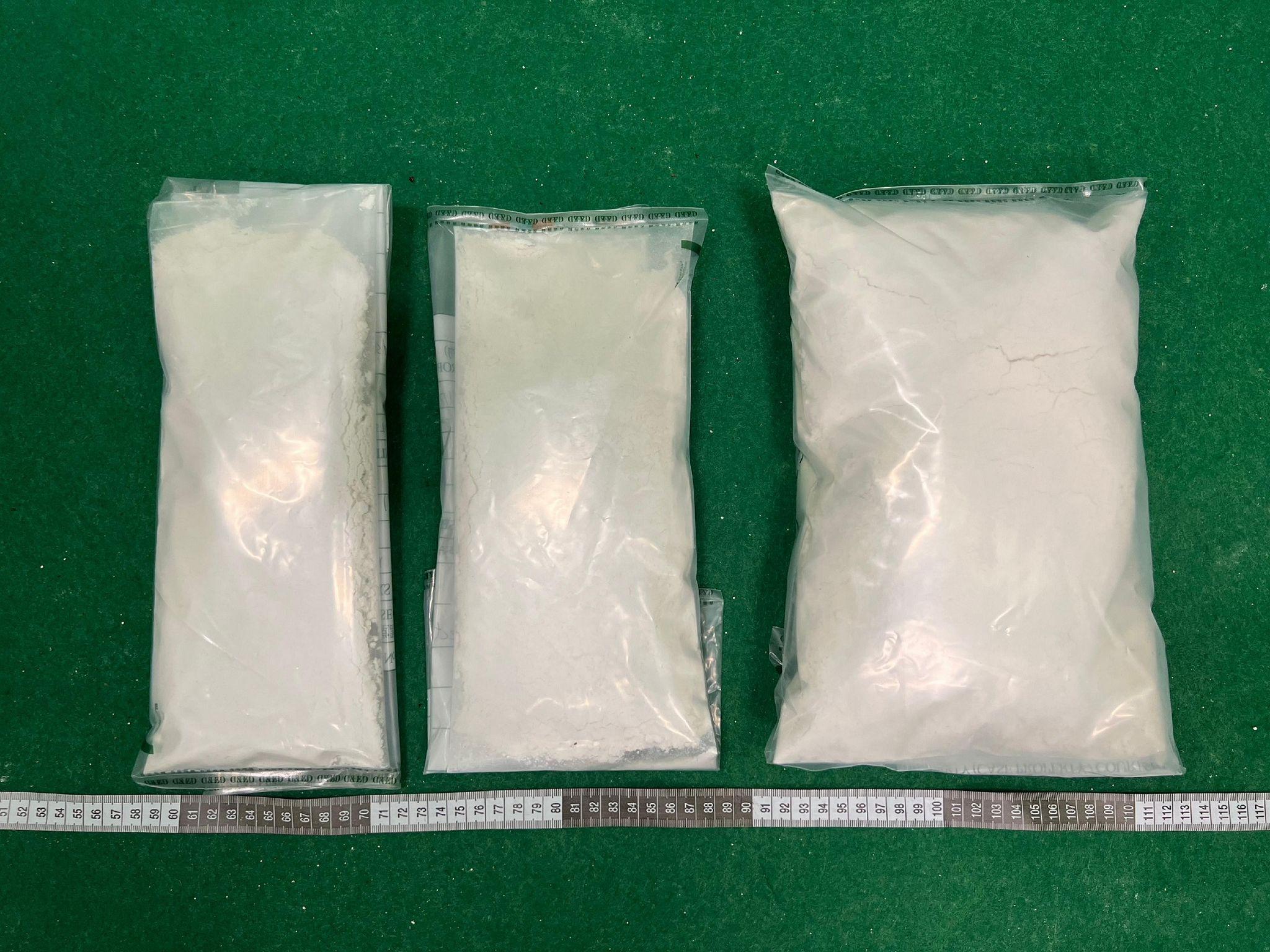
     Hong Kong Customs today (June 14) detected a drug trafficking case involving baggage concealment at Hong Kong International Airport and seized about 3 kilograms of suspected cocaine with an estimated market value of about $2.5 million.

     The case involved a 21-year-old male passenger arriving in Hong Kong from Johannesburg, South Africa, today. During customs clearance, Customs officers found the batch of suspected cocaine concealed in the false compartment of his check-in suitcase and a document bag inside the suitcase. The man was subsequently arrested. 

     An investigation is ongoing.

     Customs will continue to step up enforcement against drug trafficking activities through intelligence analysis. The department also reminds members of the public to stay alert and not to participate in drug trafficking activities for monetary return. They must not accept hiring or delegation from another party to carry controlled items into and out of Hong Kong. They are also reminded not to carry unknown items for other people.

     Customs will continue to apply a risk assessment approach and focus on selecting passengers from high-risk regions for clearance to combat transnational drug trafficking activities. 

     Under the Dangerous Drugs Ordinance, trafficking in a dangerous drug is a serious offence. The maximum penalty upon conviction is a fine of $5 million and life imprisonment.

     Members of the public may report any suspected drug trafficking activities to Customs' 24-hour hotline 182 8080 or its dedicated crime-reporting email account (crimereport@customs.gov.hk) or online form (eform.cefs.gov.hk/form/ced002).

Photo