Tax measures proposed in 2025-26 Budget

     In the Budget delivered today (February 26), the Financial Secretary proposed the following tax measures:

(1) Providing a one-off reduction of profits tax, salaries tax and tax under personal assessment for the year of assessment 2024/25 by 100 per cent, subject to a ceiling of $1,500 per case. 

     This measure will benefit 2.14 million taxpayers liable to salaries tax and tax under personal assessment and 165 400 businesses. The government revenue will be reduced by $3.1 billion.

     The proposed reduction will reduce the amount of tax payable by taxpayers for the year of assessment 2024/25. Taxpayers should still file their profits tax returns and tax returns for individuals for the year of assessment 2024/25 as usual. The government will introduce the Inland Revenue (Amendment) (Tax Concessions) Bill 2025 into the Legislative Council. Upon enactment of the relevant legislation, the Inland Revenue Department will effect the reduction in the final assessment.

     The proposed tax reduction will only be applicable to the final tax for the year of assessment 2024/25, but not to the provisional tax of the same year. Therefore, taxpayers are required to pay the provisional tax on time as stipulated in the demand notes that have been issued to them. The provisional tax paid will be applied in payment of the final tax for the year of assessment 2024/25 and provisional tax for the year of assessment 2025/26. The excess balance, if any, will be refunded.

     The proposed tax reduction is not applicable to property tax. Nevertheless, individuals with rental income, if eligible for personal assessment, may enjoy such a reduction under personal assessment.

     A taxpayer who is separately chargeable to salaries tax and profits tax can enjoy tax reduction under each of the tax types. A taxpayer having business profits or rental income may elect for personal assessment in their tax returns for the year of assessment 2024/25. The reduction will then be calculated based on the tax payable under personal assessment. It may be different from the amount of tax reduction a taxpayer would have got had he / she not elected for personal assessment. The exact amount will be assessed case by case.

(2) Raising the maximum value of properties chargeable to a stamp duty of $100 from $3 million to $4 million. 

     The new value bands will be applicable to any conveyance on sale or agreement for sale of residential or non-residential property transaction executed on or after February 26, 2025. The Government will introduce the Stamp Duty (Amendment) Bill 2025 (the Bill) into the Legislative Council to take forward the proposal. To benefit buyers of properties from the measure as soon as possible, the Chief Executive has made the Public Revenue Protection (Stamp Duty) Order 2025 under the Public Revenue Protection Ordinance (Cap. 120) to give force and effect of law to the Bill before its enactment. 

     Details of the above proposed tax measures and examples of tax calculations are available on the website of the Inland Revenue Department (www.ird.gov.hk) and can be obtained through the fax hotline 2598 6001. 


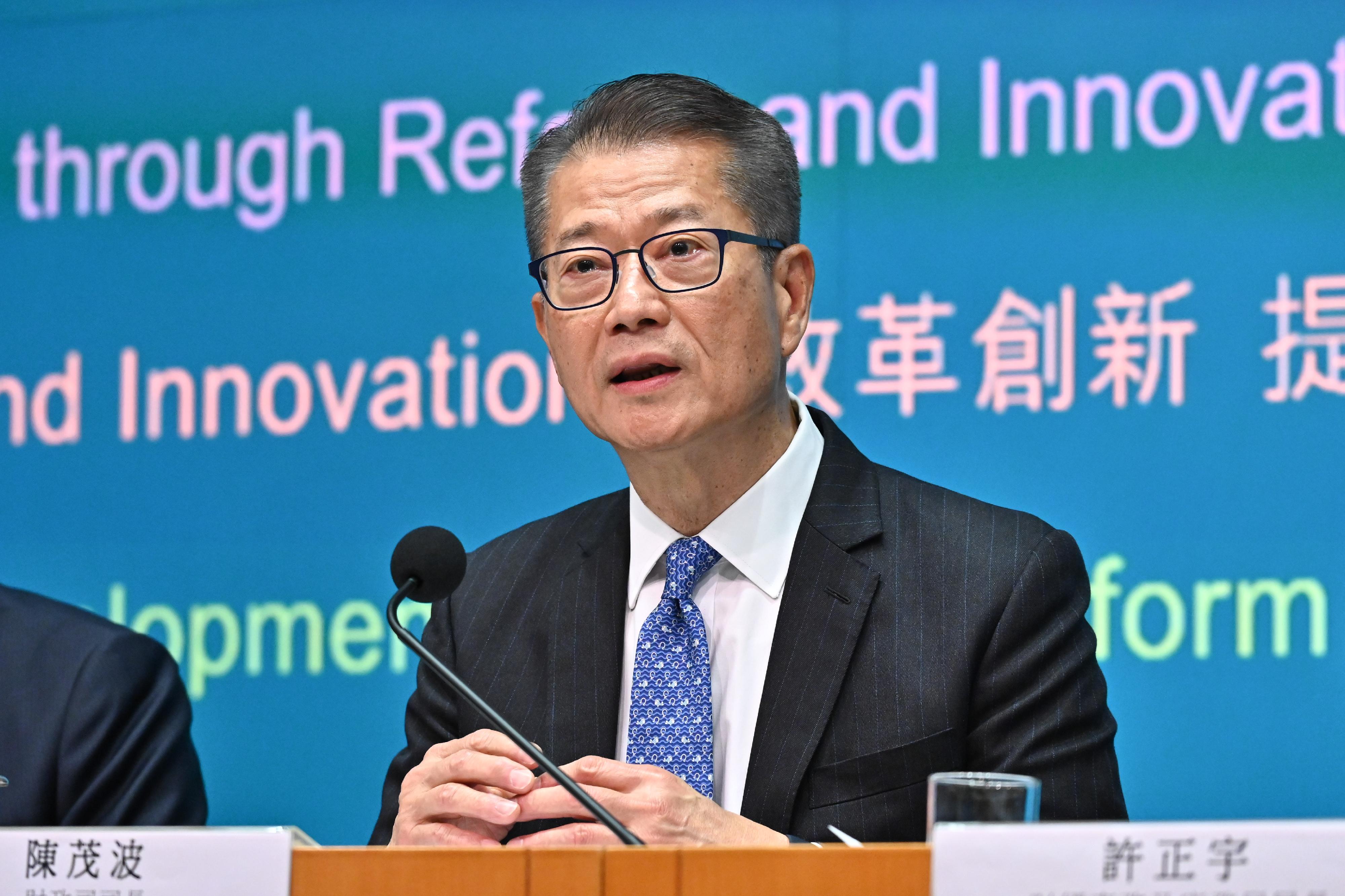
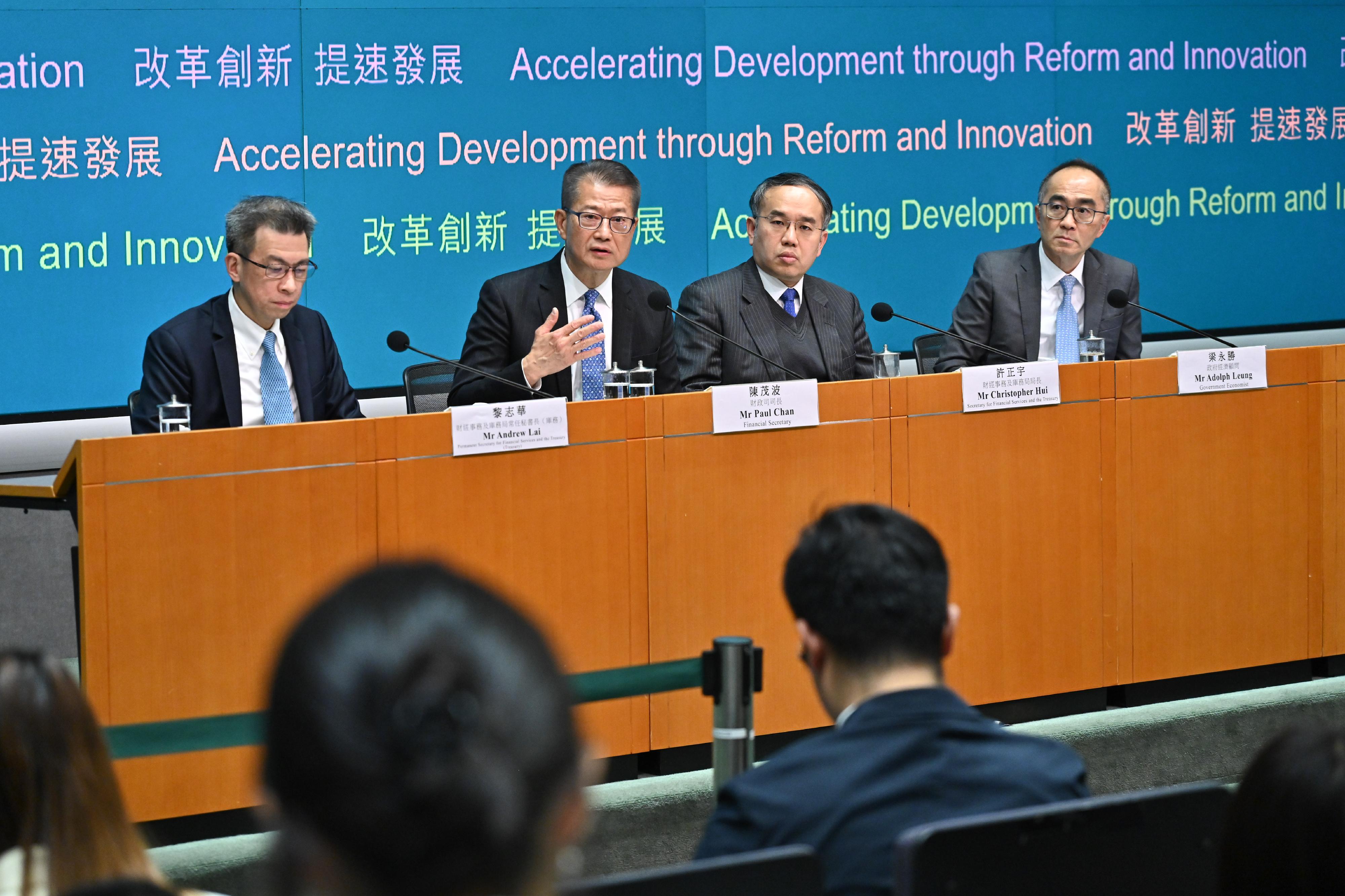
Remarks by FS at Budget press conference (with photos/video)

     Following are the remarks by the Financial Secretary, Mr Paul Chan; the Secretary for Financial Services and the Treasury, Mr Christopher Hui; the Permanent Secretary for Financial Services and the Treasury (Treasury), Mr Andrew Lai; and the Government Economist, Mr Adolph Leung, at the Budget press conference at Central Government Offices, Tamar, today (February 26):
 
Reporter: Good afternoon, Mr Chan. Some English questions. Firstly, could the Government provide further details on the legalisation of basketball betting? What is the time frame for this, and how much money would the Government expect to gain from this measure? Secondly, what is your opinion on the suggestions of some observers that the Government would need to explore new forms of revenue in the long term to solve the Government's deficit? Would it consider something like a sales tax or other forms of increasing revenue to better balance its books? Thank you.
 
Financial Secretary: Thank you. First, about basketball betting, we are aware of the fact that there is a certain degree of illegal betting activities going on, so it is better to properly regulate it. On this, we have invited the Hong Kong Jockey Club to study the matter and give a proposal to the Government for consideration. Currently, according to rough estimates, depending on the final scheme, every year, if we are going to introduce betting duty to regulate basketball betting, that will give us about HK$1.5 to HK$2 billion in terms of revenue.
    
     As to your question about the possibility of introducing a new form of tax, our guiding principle is that, in considering any revenue measures, particularly tax-related measures, we have to pay due regard to the following considerations: one is the competitiveness of Hong Kong in terms of attracting investment and talent; second, if we are to increase revenue, we try to minimise the impact on the average residents. At the moment, we have no intention to introduce any form of GST (goods and services tax) or sales tax. We think that we have put up a very credible fiscal consolidation plan. On the one hand, we increase revenue; the measures would not impair our competitiveness. And more importantly, we try to cut the expenditure growth of the Government as the major means to achieve fiscal balance. That is why in the coming few years, up to 2027-2028, cumulatively we will be able to reduce public government expenditure by about 7 per cent, and also cut the establishment. We have a plan and specific steps to move to achieve balance. Thank you.
 
Reporter: Good afternoon, some English questions from RTHK. First, how likely all the measures to make savings will help the Government's coffer to return to black? And will these measures block future development of Hong Kong? The second question, are you worried that the proposed pay freeze on civil servants will affect morale and any likelihood public services will be affected as well? Thank you.
 
Financial Secretary: I will invite Mr Andrew Lai to give you a reply.
 
Permanent Secretary for Financial Services and the Treasury (Treasury): Thank you, FS. In terms of the expenditure cut programme and the enhanced fiscal consolidation programme, we are going to reduce government expenditure 2 per cent each year in the coming three years. That will give rise to an annual saving of about $10 billion to nearly $25 billion in the coming three years. It will contribute towards our saving programme and help bureaux and departments to redeploy these resources to other more important areas, and it is one of the important measures for us to restore the balance in our operating account.
 
     And regarding your question about civil service pay, being a civil servant, I think we understand the sentiment in the community. We are willing to work hard together with the members of the public and also all sectors to promote the economic development of Hong Kong.
 
Reporter: Good afternoon. My first question is with the adjustments in monetary policy by major central banks, what influence do you think this will have on Hong Kong economy and financial markets? And my second question is, in the face of increasing uncertainty worldwide, what steps should Hong Kong take to mitigate external risks? Thank you.
 
Financial Secretary: Thank you. The central banks around the world are going to loosen their monetary policy, and so the liquidity in the market will be quickly enhanced. We are of the view that the capital market, given this more relaxed monetary situation, would see support. Of course, the capital market is influenced by a range of other factors, such as geopolitics affecting capital flow. So for us, I think the most fundamental matter is to enhance the competitiveness of our capital market, so that despite external uncertainties, we will be able to attract the best companies to come to Hong Kong for listing. And with quality companies being listed here, they will attract investments and investors from all over the world.
 
     With regard to your second question, in order to mitigate the impact of geopolitics on capital flow and investment sentiment, we need to open up new markets, as well as new investor and capital sources. Our strategy is that, on the one hand, we will continue to engage developed economies, including the United States and Europe, to solidify the relationship and to secure investments. At the same time, we need to direct our efforts to new markets like the Middle East and Southeast Asia, to attract more investors and more quality issuers to Hong Kong. That is our response. Meanwhile, companies on the Mainland are going global. In this process, we would be able to serve as the best platform for their internationalisation. We will invite Mainland companies to set up their regional or international headquarters in Hong Kong and use this platform for trade finance, supply chain management and other high value-added services. Thank you.
 
Reporter: First, how have the rising China-US (United States) tensions and the possibility of a trade war been factored into Hong Kong's growth target in the coming year, and also in the medium-range forecast? My second question is, revenue from land premiums last year is the lowest in two decades, and also for multiple years in a row it missed the estimates. With today's new estimate, is it an indication that land sales revival is unlikely, and how confident is the Government to hit that estimate? And finally, this may be the first year since 1998 that Hong Kong's Budget does not have a satisfaction rating from a reputable public poll. How will the Government assess whether the public supports the Budget?
 
Financial Secretary: Let me invite our Government Economist to respond to your first two questions.
 
Government Economist: On the issue of rising trade tension between China and the US (United States), of course it will have some sort of negative impact. But according to what we have done to adjust to the situation, like lowering our share of exports to the US, we believe that it should be manageable, and we should be able to manage the situation gradually and better and better. But at the same time, although there are some sort of rising trade tension between the two countries, there are also other favourable factors supporting the Hong Kong economy like the shifting of the global economic gravity to Asia, particularly to China. And the Central Government has now introduced a number of measures to support both the long-term growth and also the short-term growth. In the short run, they have a more proactive fiscal policy and also a more accommodative monetary policy. In the long run, it is rigorously promoting the growth of new quality productive force and developing high-quality growth. And these will all support Hong Kong's economic growth in the medium term from the demand side. And on the supply side, over the past few years, we have been doing a lot to expand our productive capacity, enhance our competitiveness and also develop new growth areas. And these efforts are all bearing fruit and will gradually contribute to Hong Kong's economic growth in the coming years.
 
Financial Secretary: Yes, we have introduced a fiscal consolidation programme in this Budget. So on the one hand, we try our best to diversify and grow our economy. But at the same time, it is a belt-tightening Budget, and so the community would contribute to this effort. We are trying to do the best we can in minimising the impact on our people. And I hope they will understand.
 
     As to the land premium, we have been adopting a very conservative estimate. The land revenue for this year and the following year are based on the land sale programme, which have taken into account the market condition at the moment. As to the land income for the following three years, meaning for the rest of the medium-term period, on the basis of gradually increasing to about some 2 per cent of our GDP (Gross Domestic Product), and this percentage, compared with our historical average, which is about 3.3 per cent, is very conservative. But we do think that at the current economic situation, it would be responsible on the part of the Government to adopt a relatively conservative estimate about land income in the Budget that would be giving the market more confidence in the sense that, despite perhaps a slower rebound in the property market, overall, the financial position of the Government remains robust and strong. Thank you.
 
(Please also refer to the Chinese portion of the remarks.)
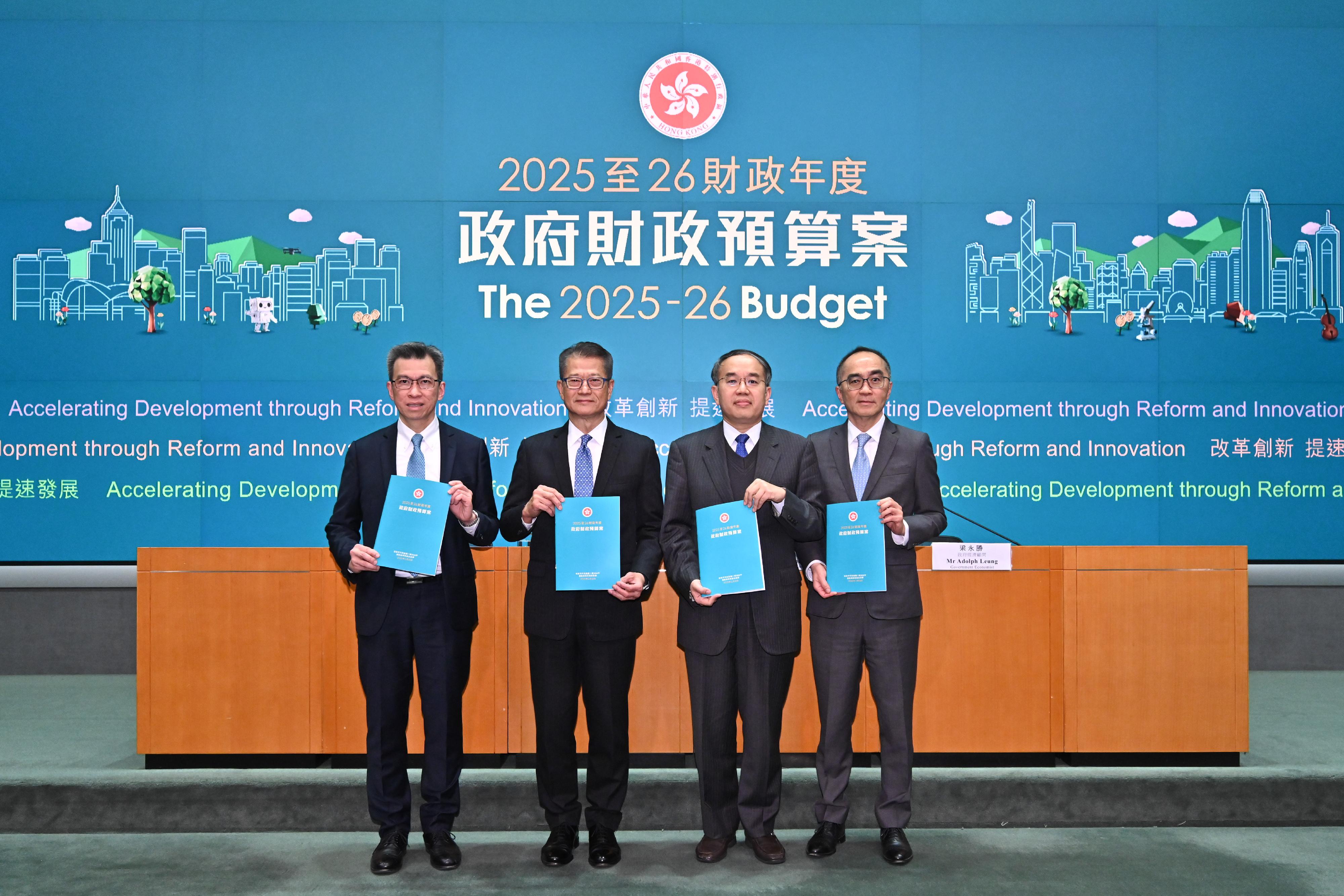
Photo  Photo  Photo  


Raising the maximum value of properties chargeable to the $100 stamp duty to $4 million

     The Government has published in the Gazette today (February 26) the Public Revenue Protection (Stamp Duty) Order 2025 (the Order) made by the Chief Executive to give force and effect of law to the Stamp Duty (Amendment) Bill 2025 (the Bill) before the Bill becomes law. The Bill, which will be published in the Gazette on February 28, implements the adjustment to the value bands of the Ad Valorem Stamp Duty (AVD) proposed in the 2025-26 Budget. The Order and the Bill will be introduced into the Legislative Council on March 19.

     The 2025-26 Budget announced that the maximum value of properties chargeable to $100 stamp duty would be raised from $3 million to $4 million with immediate effect from February 26, 2025, with a view to easing the burden of buyers of residential and non-residential properties at lower values.

     An instrument for the sale and purchase or transfer of a residential or non-residential property is subject to AVD based on the sales price or value of consideration, whichever is higher. The lowest AVD rate is $100, which applied to a property with a sales price or value of consideration of $3 million or below. After the adjustment, the AVD payable for a property with a sales price or value of consideration up to $4 million will be $100. Taking into account marginal relief, it is estimated that about 15 per cent of property transactions will benefit from the adjustment. The government revenue will be reduced by about $400 million per year. The adjusted value bands are at Annex. The new value bands apply to instruments executed on or after February 26, 2025.


Director-General of Office for Attracting Strategic Enterprises Concludes Visit to Hangzhou and Shenzhen (with photos)

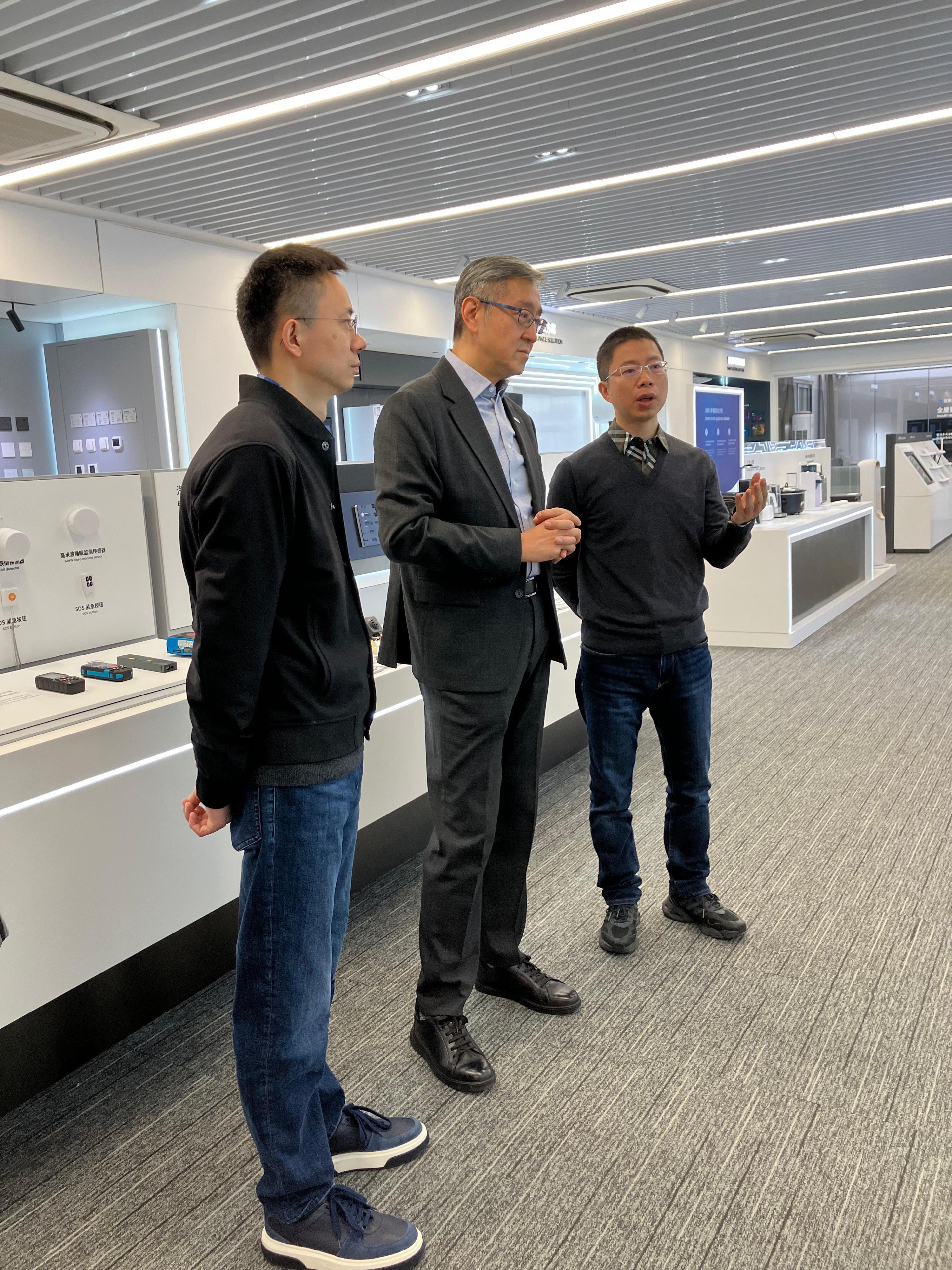
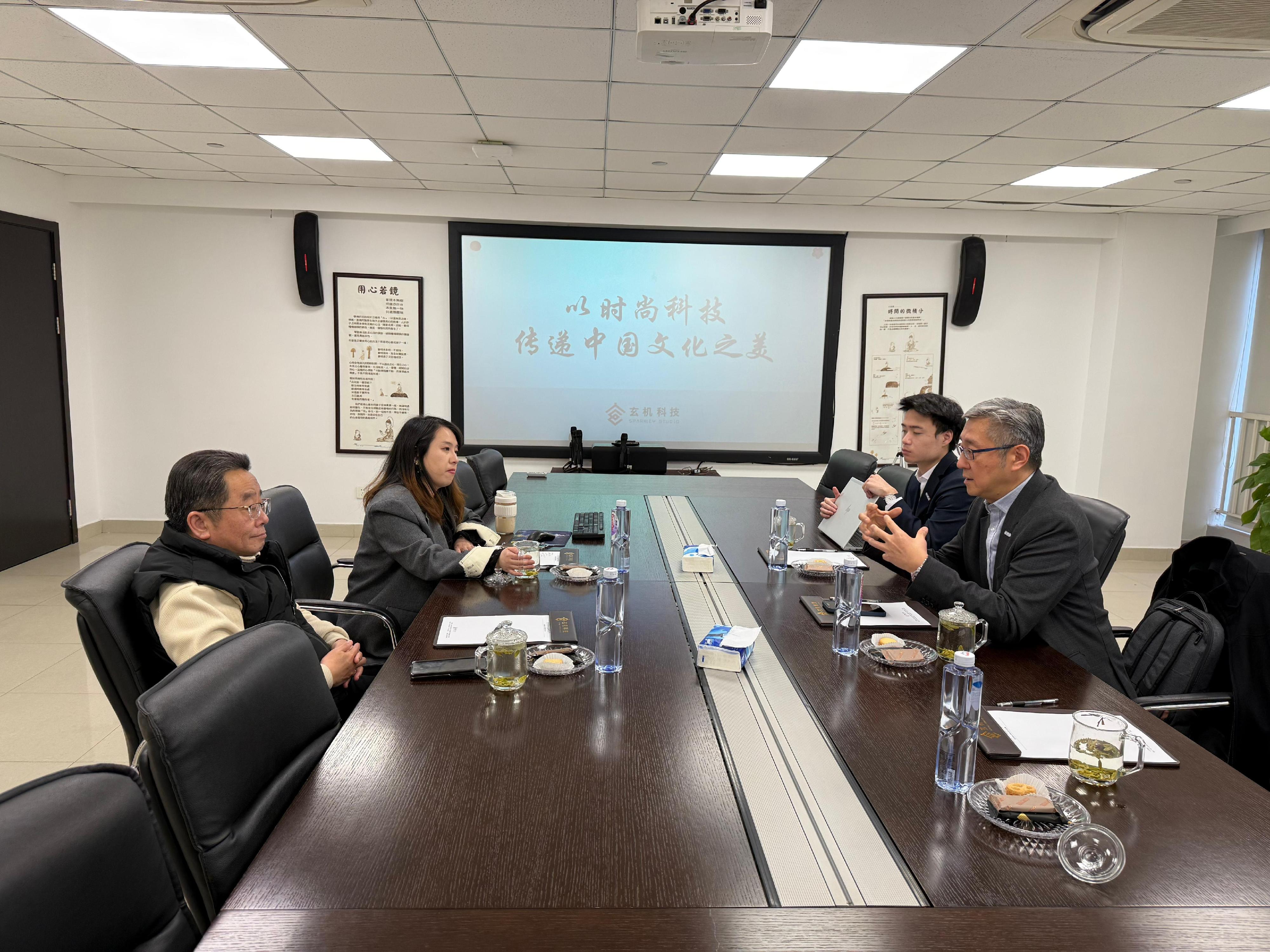
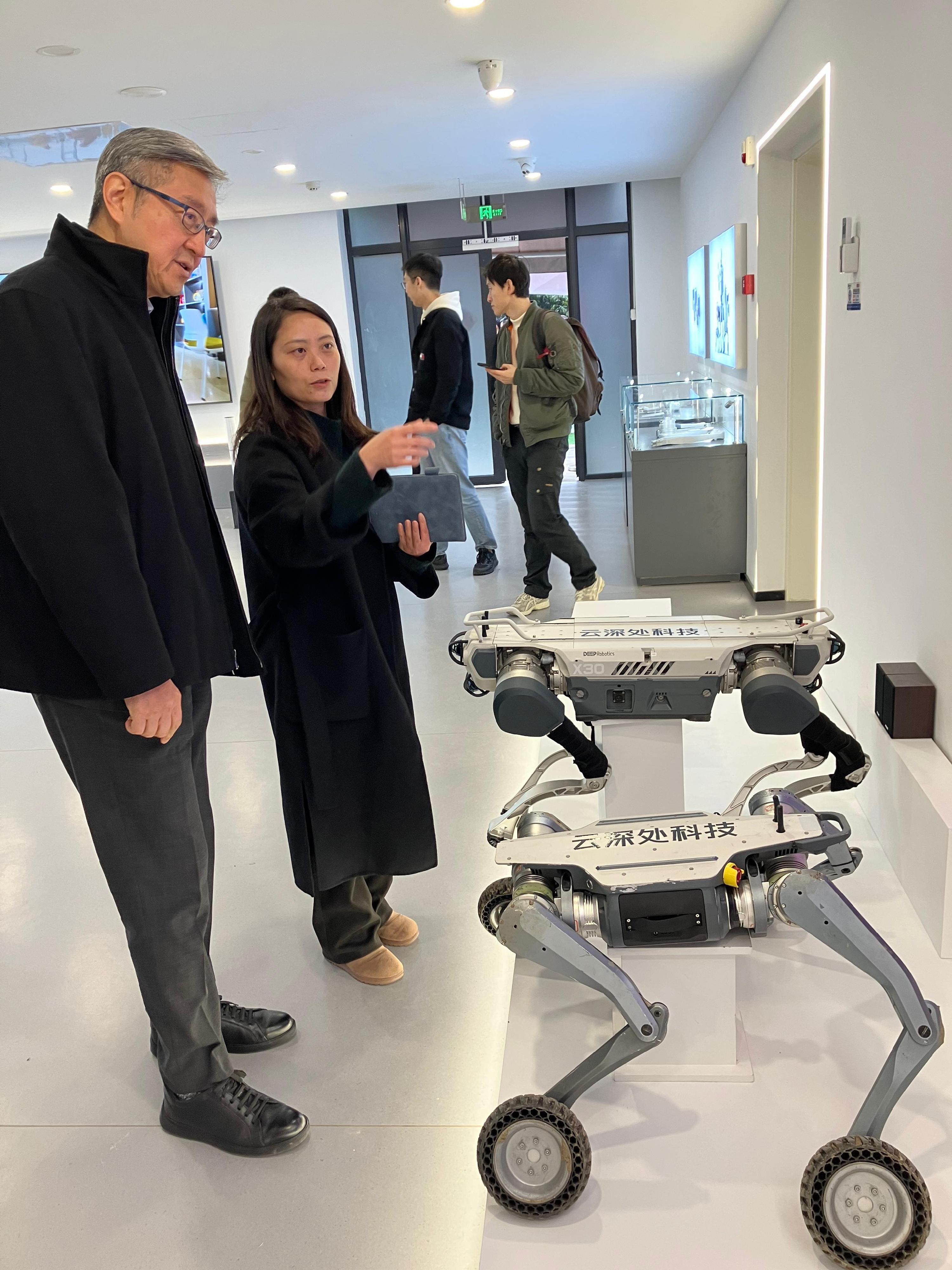
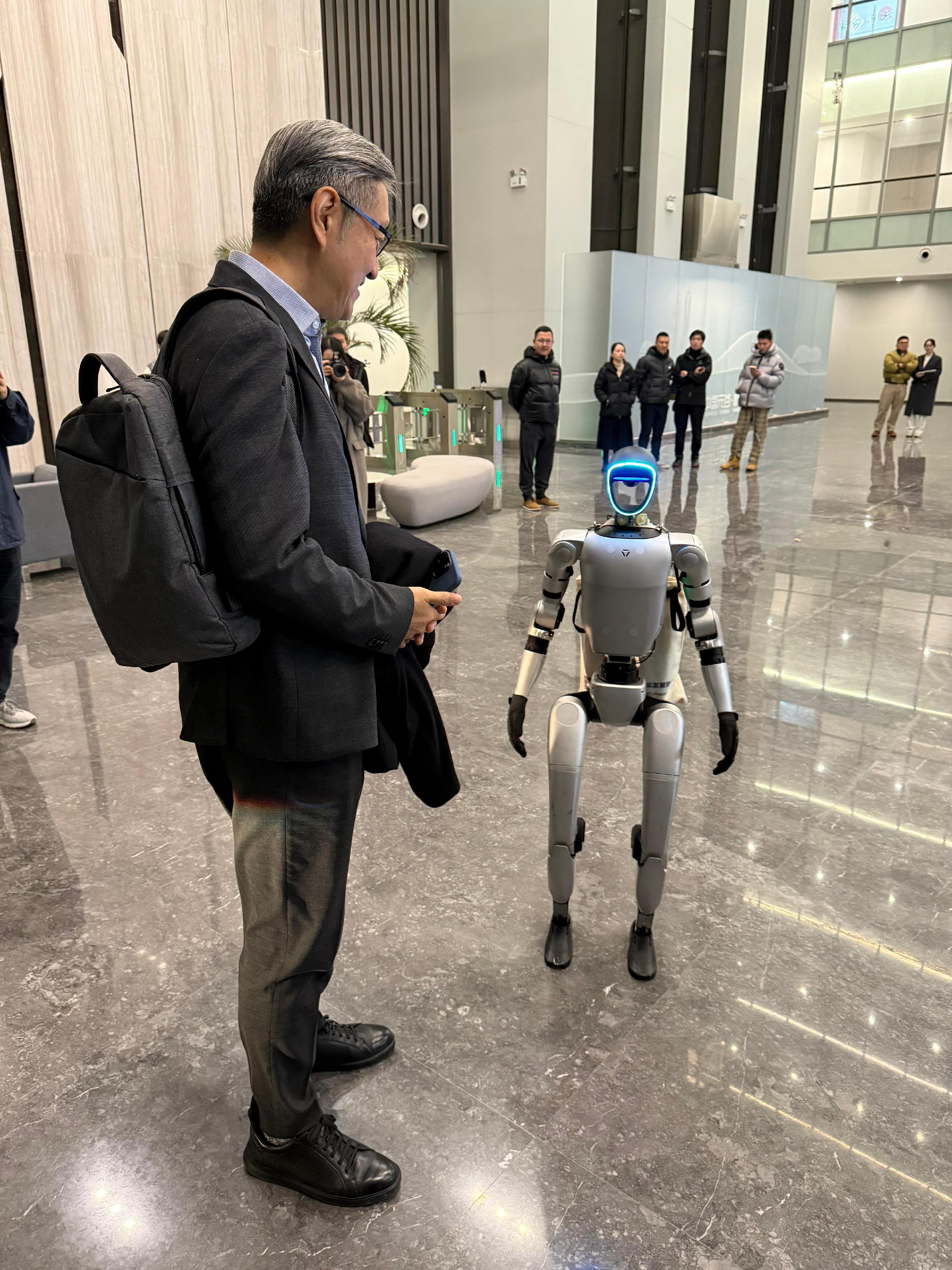
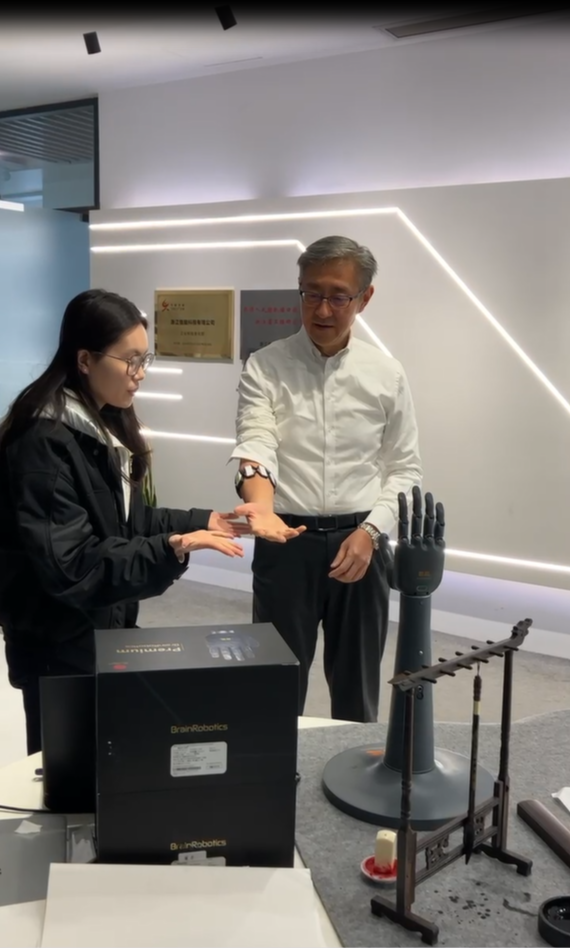
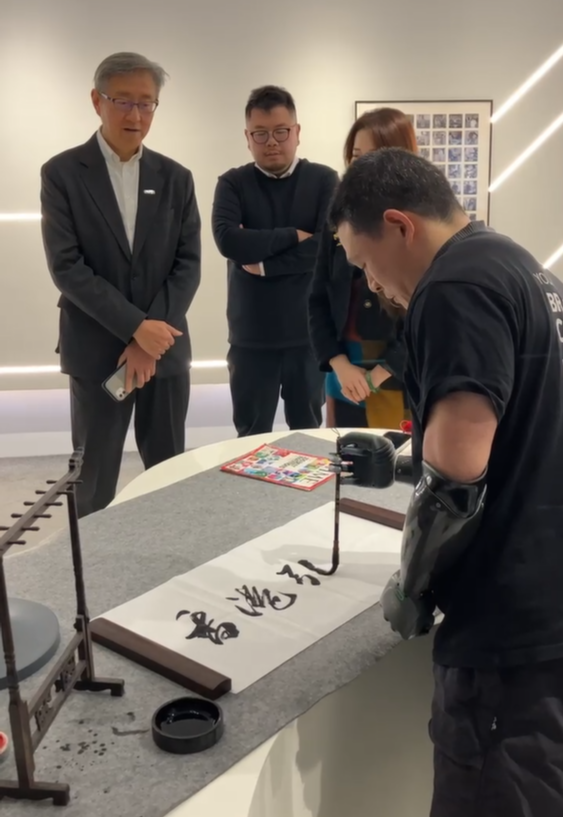
     The Director-General of Office for Attracting Strategic Enterprises (OASES), Mr Peter Yan, today (February 26) concluded his visit to Hangzhou and Shenzhen. The visit was aimed to foster collaboration and communication between Hong Kong with the enterprises in innovation and technology (I&T) sector in the two cities, and attract potential strategic enterprises to establish their presence in Hong Kong.

     Hangzhou has been actively developing I&T sector, as well as the cultural and creative sector that integrated I&T over recent years. Several enterprises have rapidly emerged as influential leaders in these fields. In addition to the recently globally-discussed large language model AI enterprises, these leading companies also include tech-driven creative enterprises, which have produced globally successful online games and animated films based on Chinese mythology, creating a new wave of enthusiasm.
     
     During the trip to Hangzhou, Mr Yan visited these leading enterprises and met with their founders and representatives. They discussed development trends in the industries of AI, tech-driven creative, robotics and spatial intelligence. They also explored on how enterprises in these industries could utilise Hong Kong as a base to expedite and enhance their efforts to expand overseas business. Mr Yan mentioned Hong Kong's various advantages, including the Government's commitment to I&T development, and its talent pool. As a global city, Hong Kong aligns with international standards and practices, thereby positioning itself as a connector and value-adder for mainland companies seeking to expand overseas. Strengthening cooperation between Hong Kong and I&T enterprises in Hangzhou is expected to facilitate industrial upgrading and technological innovation.
     
     The Financial Secretary, Mr Paul Chan, mentioned today (February 26) in his 2025-26 Budget that in addition to the current four strategic sectors, including AI and data science, life and health technology, advanced manufacturing and new energy technology, and financial technology, the OASES will strategically attract to Hong Kong more cultural and creative enterprises that integrate I&T into their work. By leveraging Hong Kong's unique advantage as a convergence point of eastern and western cultures, these creative technology enterprises will be able to go globalised, thereby infusing the local creative industry with more technological innovation and fostering its robust development.

     â€‹Mr Yan also visited the Hanggang Technology Building, known as "China's Silicon Valley," to gain further insights into Hangzhou's technology development.

     During his visit to Shenzhen, Mr Yan visited a local AI enterprise to understand the role of AI and data science in smart city development. He also discussed with them their intentions and plans for setting up or expanding business in Hong Kong.

     Mr Yan concluded his official visit to Shenzhen this evening and returned to Hong Kong.

Photo  Photo  Photo  Photo  Photo  Photo  


SCS briefs civil servants on Budget

     Following the delivery of the 2025-26 Budget by the Financial Secretary, the Secretary for the Civil Service, Mrs Ingrid Yeung, wrote to all civil servants on policy initiatives relating to the civil service in the Budget today (February 26).
      
     The Budget proposed a reinforced fiscal consolidation programme and strictly controlling government expenditure. In her letter to civil service colleagues, Mrs Yeung wrote, "I believe that colleagues will appreciate that the fiscal consolidation programme as a whole is essential to the development of Hong Kong. In fact, under all circumstances, government departments should strive to enhance efficiency and contain their establishment by reviewing work priorities, reallocating internal resources, streamlining procedures and leveraging technology".
      
     She hoped that colleagues will keep up their good work, daring to break new ground with an innovative mindset, further embracing technology and making better use of human resources to enhance efficiency and effectiveness.
      
     In addition, Mrs Yeung also met with representatives from the civil service central consultative councils and civil service staff unions.
      
     During the meeting, Mrs Yeung told the attendees that civil servants, playing a pivotal role in policy implementation, should understand, appreciate and actively support the Government's governing tenets and measures, dedicating themselves to building a vibrant economy, seeking development opportunities and improving people's livelihoods, as well as promoting the high-quality development of Hong Kong. Mrs Yeung noticed that quite many civil servants expressed understanding of the decision to freeze pay and reduce establishment as well as their support for the Government's direction of reforming its mode of work and applying technology. She was confident that the civil service would strive for excellence and overcome the challenges ahead, so as to bring the efficiency and effectiveness of the SARG to new heights.