LCSD steps up enforcement actions on anti-epidemic regulations (with photos)

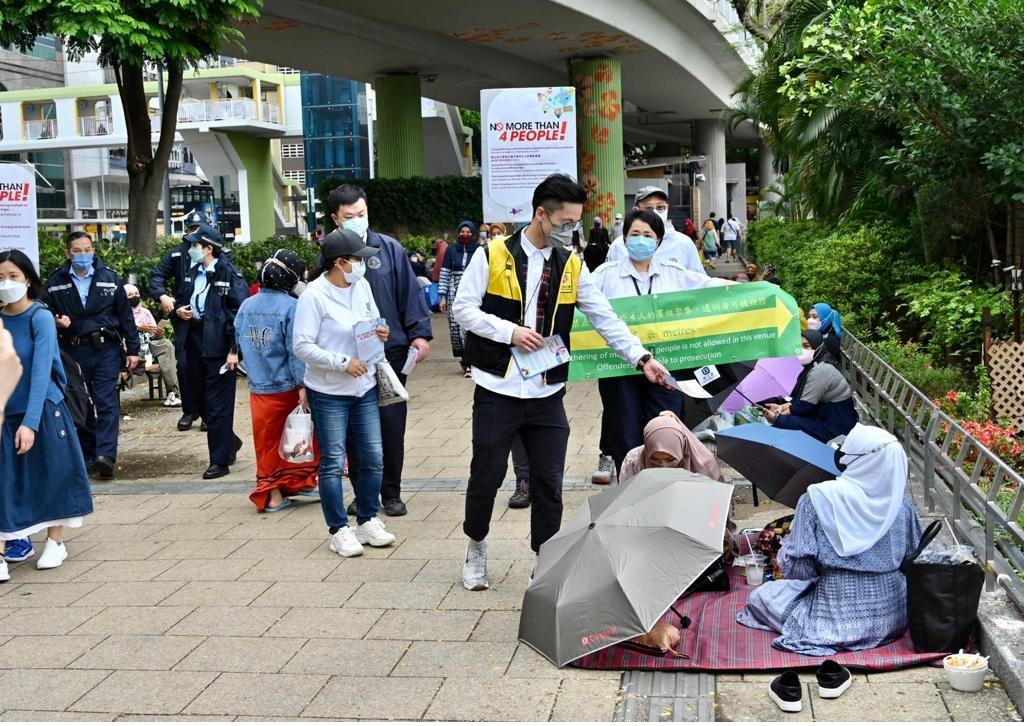
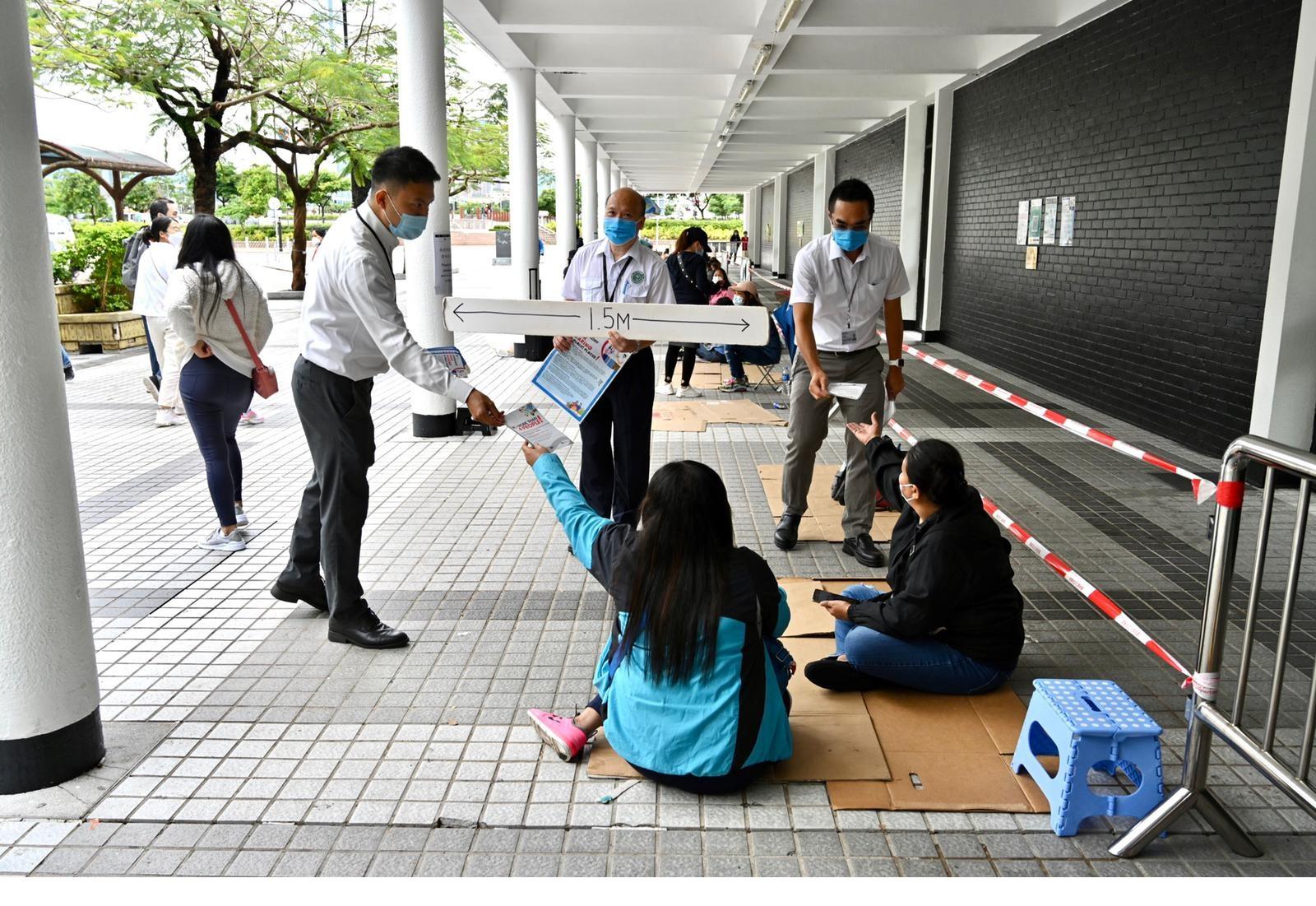
     To ensure members of the public comply with the relevant regulations on group gatherings and wearing of masks, the Leisure and Cultural Services Department (LCSD) stepped up patrols at its venues in collaboration with relevant departments during the Labour Day holiday and asked venue users to abide by the rules. Repeated offenders are prosecuted after verbal warnings are ignored.

      As at 4pm today (May 2), over 1 450 times verbal advice were given out during about 6 160 patrols of venues by the LCSD staff since May 1. In the same period, fixed penalty notices were issued to 15 persons either breaching the Prevention and Control of Disease (Prohibition on Group Gathering) Regulation (Cap. 599G) on prohibition of group gatherings of more than four persons in a public place, or the Prevention and Control of Disease (Wearing of Mask) Regulation (Cap. 599I) on mandatory mask-wearing requirement in specified public places.

       Promotional leaflets as well as venue broadcast and notices were used to urge the public to raise awareness of epidemic prevention and comply with the various anti-epidemic regulations and restrictions during patrols of venues by the LCSD staff.

      The LCSD spokesman asks members of the public to stay vigilant and comply with the relevant regulations on prevention and control of disease in a concerted and persistent manner. He reminds the public that according to the Cap. 599G, the relevant restriction on the number of persons currently allowed per group gathering in a public place is four. In addition, according to the Cap. 599I, a person must wear a mask at all times when the person is entering or present in a specified public place. Any person failing to comply with the above relevant Regulations may be subject to a fixed penalty at $5,000.

     Enforcement actions will be taken by the LCSD when irregularities are found at venues under its management.
 

Photo  Photo  


Service resumption of General Out-patient Clinics of Hospital Authority

The following is issued on behalf of the Hospital Authority:    

     The spokesman of Hospital Authority (HA) today (May 2) announced that the HA will resume the services of 10 General Out-patient Clinics (GOPCs) which were fully or partially suspended earlier, to facilitate needy citizens to seek medical consultation.
      
     "The HA has been closely monitoring the epidemic situation and has adjusted our services in accordance to the epidemic development. Taking into consideration of the service demand for GOPC services and the recent development of epidemic situation, the HA will resume the services of GOPC by phases." the HA spokesman said.
      
     The HA has announced earlier on the suspension of a part of GOPC services to concentrate manpower and resources to support the services of HA Designated Clinics for COVID-19 confirmed cases in order to provide appropriate treatment for confirmed patients in the community presenting with relatively mild symptoms of infection requiring medical consultation. 10 GOPCs with services fully or partially suspended earlier (see Annex) will resume service with effect from May 3. The HA will communicate the service resumption arrangement to the public and patients through different channels, including the display of notices at prominent places of the clinics, public media announcement, the publicity of the service arrangement via HA website and to contact individual patients requiring follow-up, to ensure that the members of public and the patients are informed of the relevant service arrangement.
      
     "The existing 23 HA designated clinics will continue to provide service and support for the confirmed patients in the community especially high risk patients (including the elderly aged 70 or above, children aged 5 or below, women at 28 or more weeks of pregnancy, and immunocompromised patients). In addition, in response to the school resumption of face-to-face class arrangement by phases, the government will adopt a series of measures including the enhancement of anti-epidemic measures in schools. To dovetail the school resumption of face-to-face class arrangement, designate clinics reserve a certain portion of quotas to confirmed patients who are primary school and kindergarten students. The aforementioned patients/their carers can make an appointment with a designated clinic by calling the "Care Booking Line" of the selected designated clinic during the booking and service hours."
      
     The HA will continue closely monitor the epidemic situation and service needs, especially the situation after the school resumption of face-to-face class arrangement and to adjust our services (including the services of designated clinics and GOPCs) in response to the epidemic situation and to provide appropriate treatment to needy patients.


Update on supplies from Mainland

     The Task Force of Supplies from the Mainland led by the Transport and Housing Bureau (THB) has been working closely with the Guangdong Provincial Government and the Shenzhen Municipal People's Government to explore various means to stabilise the supply of goods from the Mainland to Hong Kong. In addition to road transport arrangements, transportation of goods by water and railway is already in service.
 
     A spokesperson for the THB said that the "Sea Express" water transportation service from the Mainland to Hong Kong has been fully launched and its capacity is rising to increase the supplies of fresh food, other daily necessities and manufacturing materials. The current supply of fresh food from the Mainland is stable.
 
     Currently, there are three water transportation routes between Hong Kong and Shenzhen, namely (1) from Shenzhen Yantian International Container Terminals to Hong Kong Kwai Tsing Container Terminals (KTCT); (2) from Shenzhen DaChan Bay Terminals to KTCT; and (3) from China Merchants Port (South China) Management Center (Shenzhen Mawan, Shekou and Chiwan Container Terminals) to Hong Kong River Trade Terminal and elsewhere. Together with the water transportation routes from other cities in Guangdong Province, including the routes from Guangzhou Lianhuashan Port, Nansha Port, Huadu Port, Zhongshan Huangpu Port and Zhuhai Doumen Port to different terminals in Hong Kong, the water transport capacity amounts to tens of thousands of tonnes daily.
 
     The spokesperson said today (May 2) that Shenzhen operated 69 cargo vessel trips and transported around 7 000 twenty-foot equivalent units (TEUs) of cross-boundary supplies by water yesterday (May 1), equivalent to about 28 740 tonnes of goods, of which around 10 TEUs (about 70 tonnes) were fresh food and around 6 990 TEUs (about 28 670 tonnes) were non-fresh food, according to information from the Mainland authorities.
 
     Since the launch of services from the three ports in Shenzhen since February 18 to yesterday, a total of around 288 040 TEUs of cross-boundary supplies have been transported, equivalent to about 1 525 250 tonnes of goods, of which around 1 550 TEUs (about 13 380 tonnes) were fresh food and around 286 490 TEUs (about 1 511 870 tonnes) were non-fresh food.
 
     To further ensure a stable goods supply to Hong Kong through land transport, a trial run of cargo transfer was conducted by the THB at a yard situated on Kam Pok Road, San Tin, Yuen Long, and it was completed smoothly. The THB will continue to work with the Mainland authorities to fully take forward cargo transfer arrangements on the Hong Kong side. It is a contingency measure in response to the latest epidemic situation in the city so as to reduce the risk of epidemic transmission in both the Mainland and Hong Kong, ensuring both smooth cross-boundary land transport and a stable goods supply to Hong Kong.
 
     Meanwhile, to avoid a spillover of the epidemic, the Transport Department (TD) has arranged for dedicated staff to conduct rapid antigen tests for cross-boundary goods vehicle drivers at various land boundary control points (BCPs) from February 28 onwards. Only drivers with a negative result are allowed to enter the Mainland. In order to further improve the accuracy of the tests, the TD has already switched to use rapid nucleic acid tests at the BCPs. Starting from April 21, the sampling method for rapid nucleic acid tests has been further changed to nasopharyngeal swabs. A total of 1 041 rapid nucleic acid tests were conducted yesterday in which six drivers preliminarily tested positive. The TD has passed the cases to the Department of Health for follow-up.
 
     The THB will closely monitor the situation and co-operate with the Mainland authorities to facilitate and implement various measures to ensure a stable goods supply to Hong Kong, with a view to complementing the supply through road, water and railway transport, enhancing capacity and efficiency as well as optimising the flow of cross-boundary supplies.


Government makes “restriction-testing declaration” and issues compulsory testing notice in respect of specified “restricted area” in Block 4, Serenity Place, Tseung Kwan O

     The Government today (May 2) exercised the power under the Prevention and Control of Disease (Compulsory Testing for Certain Persons) Regulation (Cap. 599J) to make a "restriction-testing declaration" (declaration) effective from 4pm, under which people (hereafter referred to as "persons subject to compulsory testing") within the specified "restricted area" in Tseung Kwan O (i.e. Block 4, Serenity Place, Tseung Kwan O, see Annex) are required to stay in their premises and undergo compulsory testing. Persons subject to compulsory testing are required to stay in their premises until all such persons identified in the "restricted area" have undergone testing and the test results are mostly ascertained. The Government aims at finishing this exercise at around 11am tomorrow (May 3). The operation may be extended depending on test results.

     A Government spokesman said, "Under Cap. 599J, the Government can, according to the needs of infection control, make a 'restriction-testing declaration'. Having reviewed a basket of factors, including the viral load in sewage, the information of relevant positive cases, other circumstantial factors, and conducted a risk assessment, the Government decided to make a 'restriction-testing declaration' for the relevant area."

     The Government will set up temporary specimen collection stations at the "restricted area" and request persons subject to compulsory testing to undergo testing before 9pm today. Arrangements will be made for persons subject to compulsory testing to undergo a nucleic acid test at specimen collection stations where dedicated staff will collect samples through combined nasal and throat swabs. Persons subject to compulsory testing must stay at their place of residence until all test results are ascertained to avoid cross-infection risk. The Government will arrange for door-to-door specimen collection for people with impaired mobility. All persons in the "restricted area" who have tested positive in the past three months, including positive cases identified either by nucleic acid tests recorded by the Department of Health (DH) or by rapid antigen tests that have been self-declared to the DH, are not required to undergo testing in this compulsory testing exercise.

     The Government spokesman said, "We understand that this exercise will cause inconvenience to the public. The Government has made arrangements to carry out testing for all persons present in the 'restricted area' as soon as possible. The aim is to strive to complete testing of all identified persons subject to compulsory testing and confirm the results, and finish the exercise at around 11am tomorrow. The Government will make a public announcement when the declaration expires officially. In the cases in which employees are unable to go to work because of the declaration, the Government hopes their employers can exercise discretion and not deduct the salaries or benefits of the employees."

     If staying in the "restricted area" will cause unreasonable hardship to individuals who are not residents in the area when the declaration takes effect, government officers may exercise discretion and allow that person to leave the area after considering the individual circumstances. That person must have followed the instructions to undergo testing and leave his/her personal information for contact purposes.

     According to the compulsory testing notice to be issued today, any persons other than those specified above who had been present at the above building for more than two hours from April 26 to May 2, 2022, even if they were not present in the "restricted area" at the time when the declaration took effect, must undergo compulsory testing on or before May 4, 2022. As a mutant strain is involved, for prudence's sake, vaccinated persons and persons who have recently been tested are also required to undergo testing.

     For the 2022 Hong Kong Diploma of Secondary Education (HKDSE) candidates who are within the "restricted area" and need to sit the HKDSE examination on the following day, or examination personnel who need to take up invigilation duties for HKDSE on the following day, the Government appeals to them to go to the temporary specimen collection stations setup within the "restricted area" before 7pm today and present to the prescribed officer the relevant documents (including the identification documents and HKDSE admission forms, or a certification letter issued by the school of the examination personnel) proving their identities. These HKDSE candidates and examination personnel will be given priority testing with a view to enabling them to obtain test results on the following day as early as possible. The priority testing arrangement also applies to the family members who live together with these HKDSE candidates and examination personnel, so as to identify those HKDSE candidates and examination personnel who have become close contacts of confirmed cases for making quarantine arrangement.

     If any HKDSE candidate or examination personnel needs to leave the "restricted area" for the examination centre before the declaration is revoked, he/she can make a request to the prescribed officers within the "restricted area". The prescribed officer may allow the candidate or the examination personnel to leave the "restricted area" after verifying his/her testing result(s) and recording the relevant information. For the safety of all candidates and examination personnel, only those candidates and examination personnel who have obtained negative test results will be allowed to enter the examination hall. For details, please read the relevant information issued by the Hong Kong Examinations and Assessment Authority earlier www.hkeaa.edu.hk/DocLibrary/HKDSE/PPT_2022DSE_compulsory_testing_arrangements_eng.pdf.

     The Government appeals to persons subject to compulsory testing for their full co-operation by registering and undergoing testing, and waiting for the results patiently at home. The Government will strictly follow up on whether the persons concerned have complied with the compulsory testing notices and "restriction-testing declaration". Any person who fails to comply with the compulsory testing notices commits an offence and may be fined a fixed penalty of $10,000. The person would also be issued with a compulsory testing order requiring him or her to undergo testing within a specified time frame. Failure to comply with the compulsory testing order or the "restriction-testing declaration" is an offence and the offender would be liable to a fine at level 5 ($50,000) and imprisonment for six months.

Hong Kong Customs detects suspected smuggling case involving about $160 million (with photos)

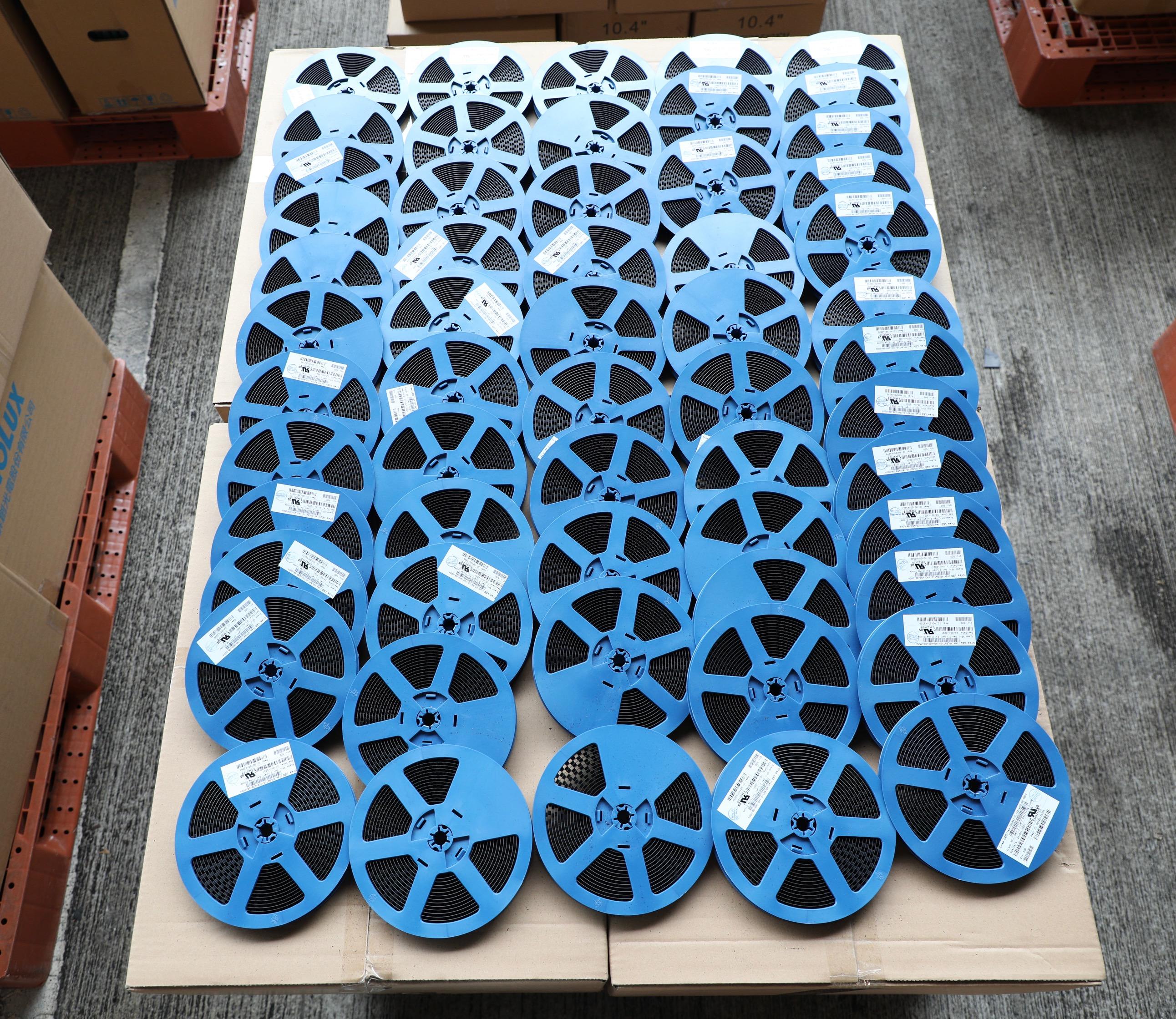
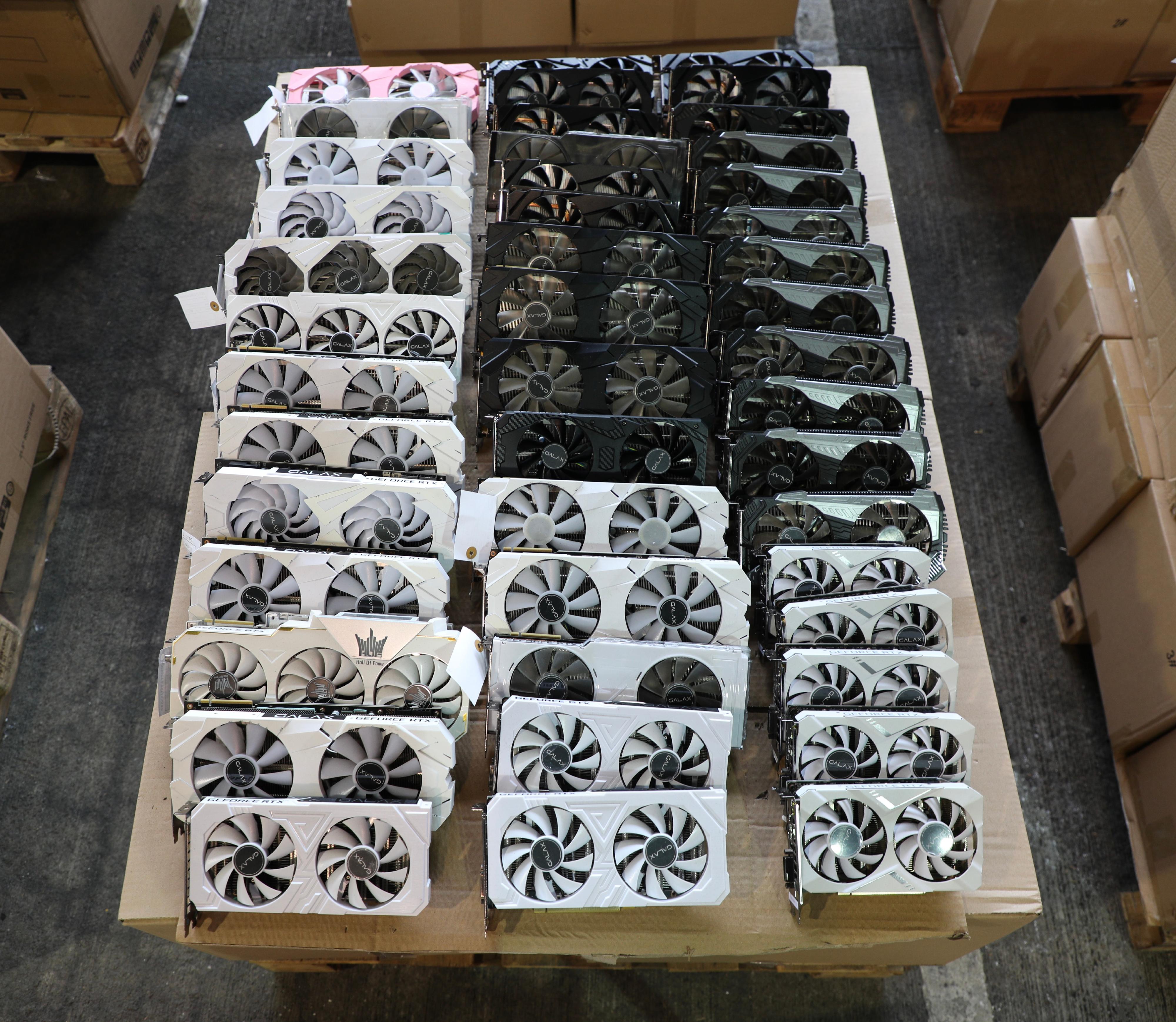
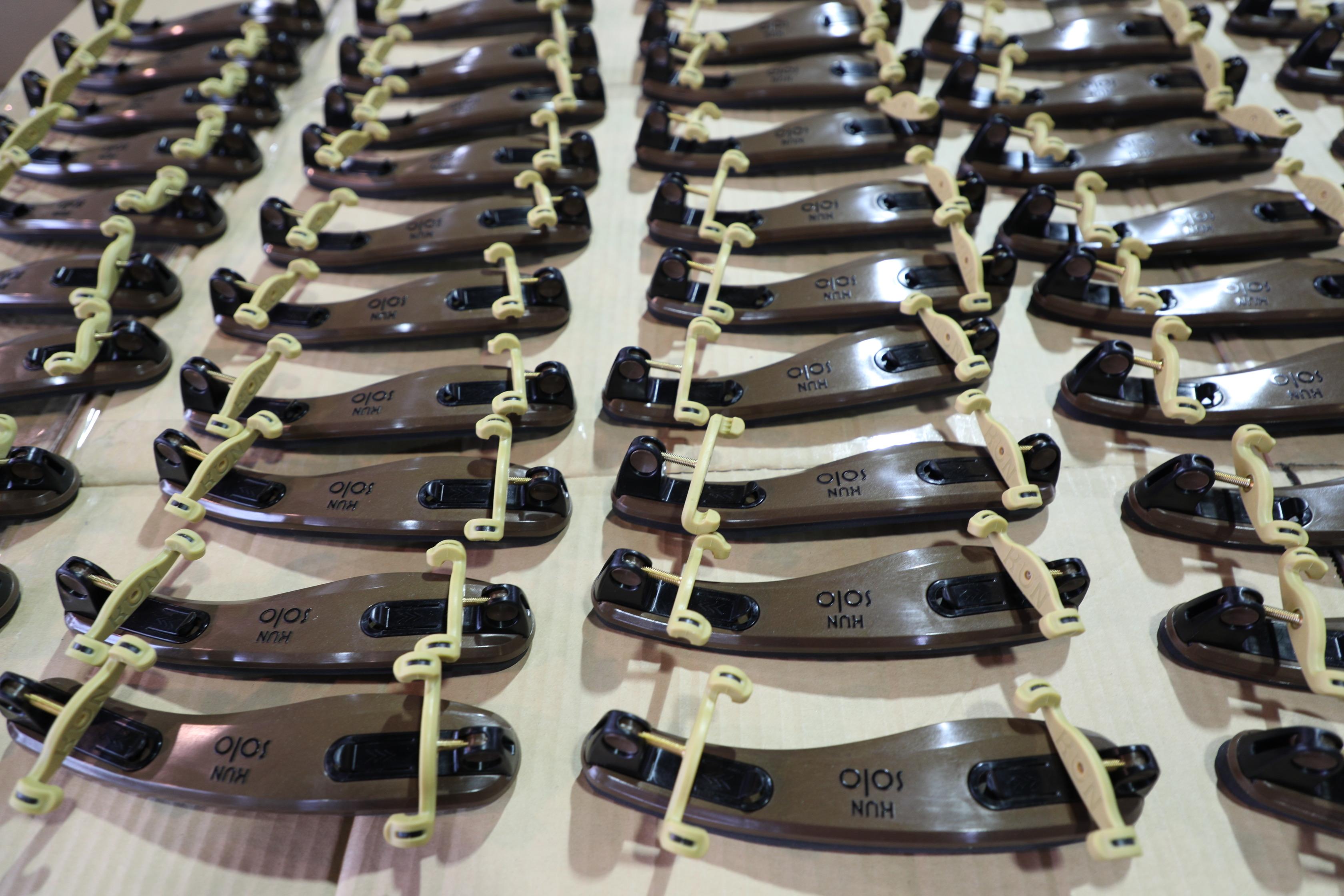
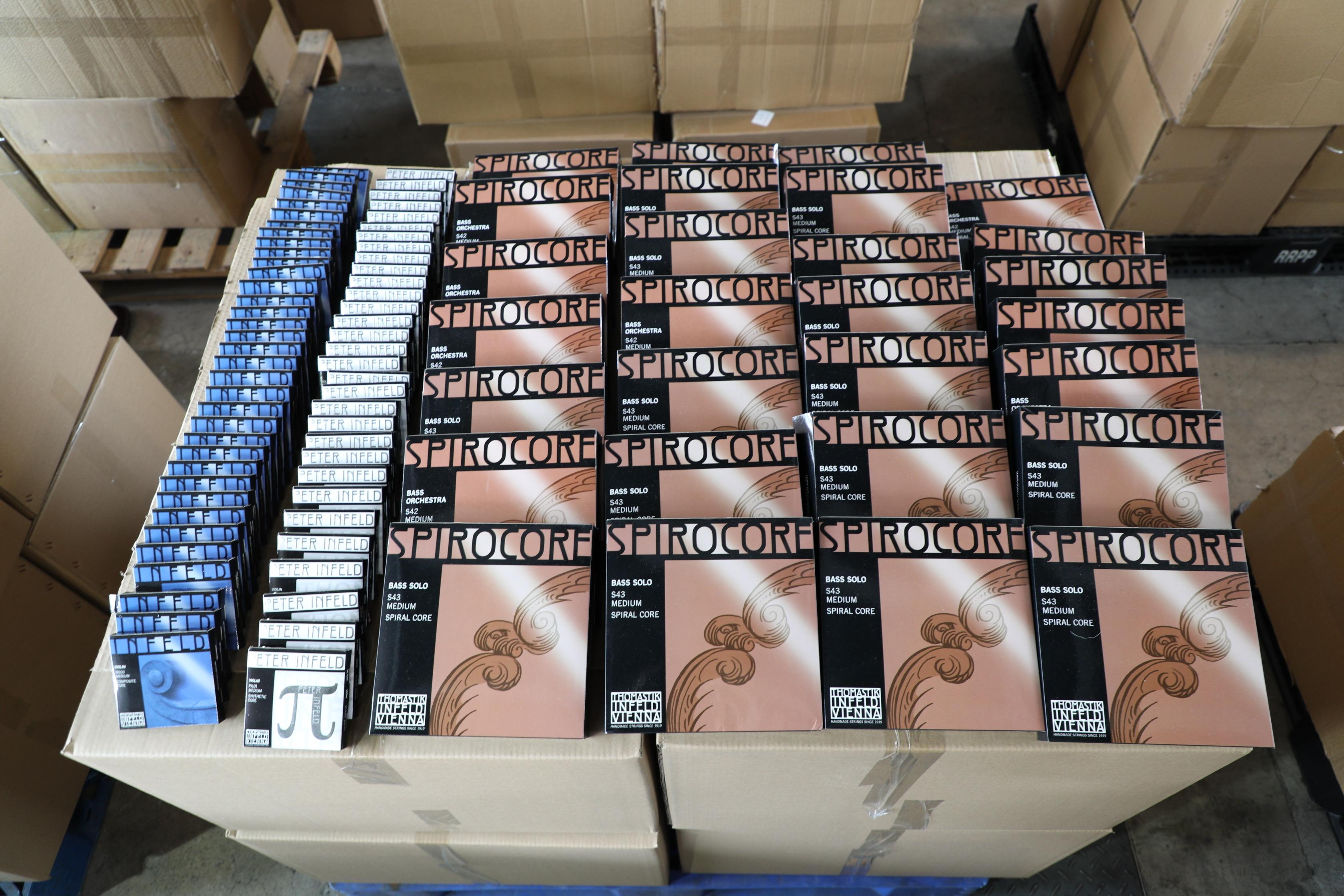
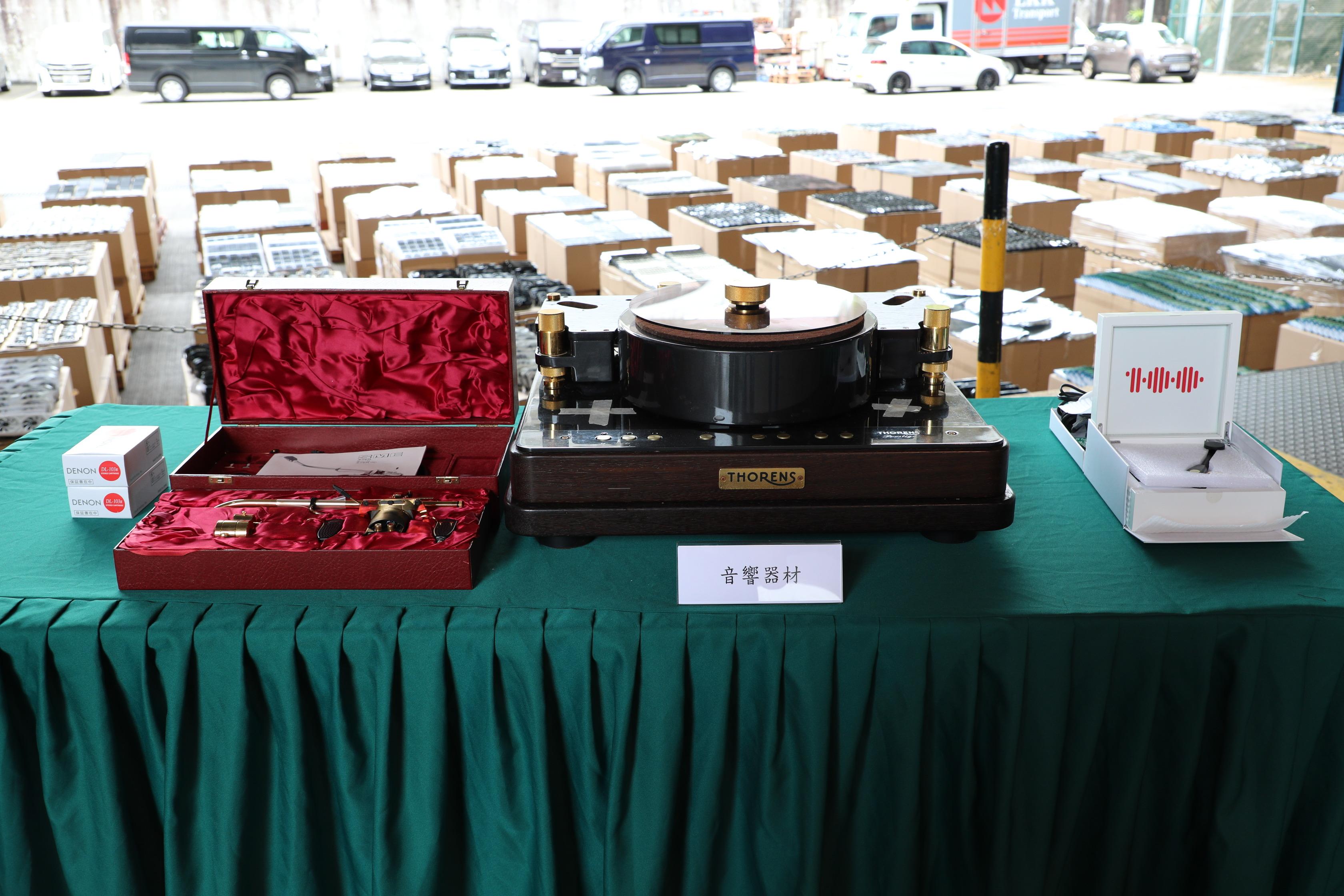
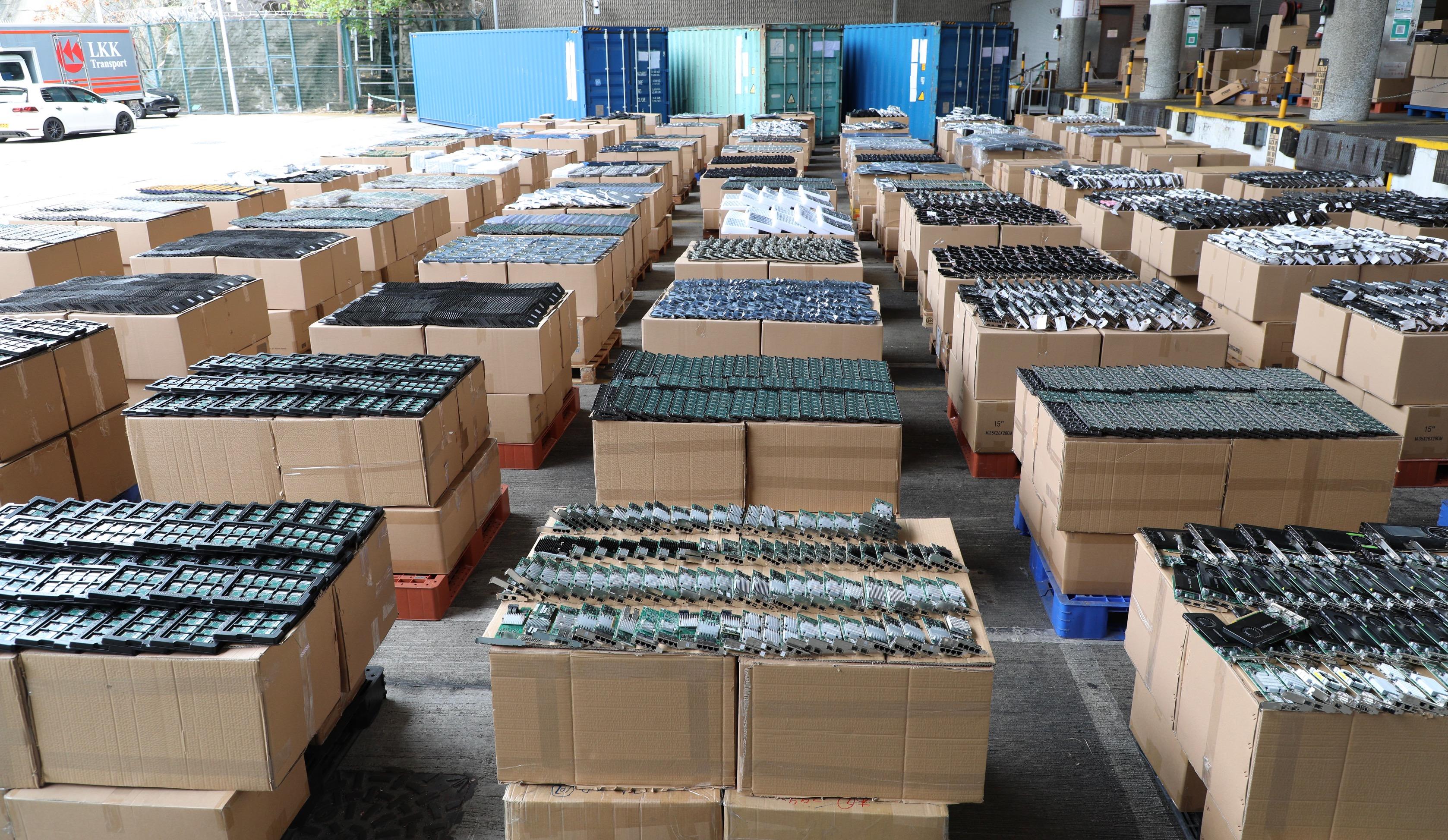
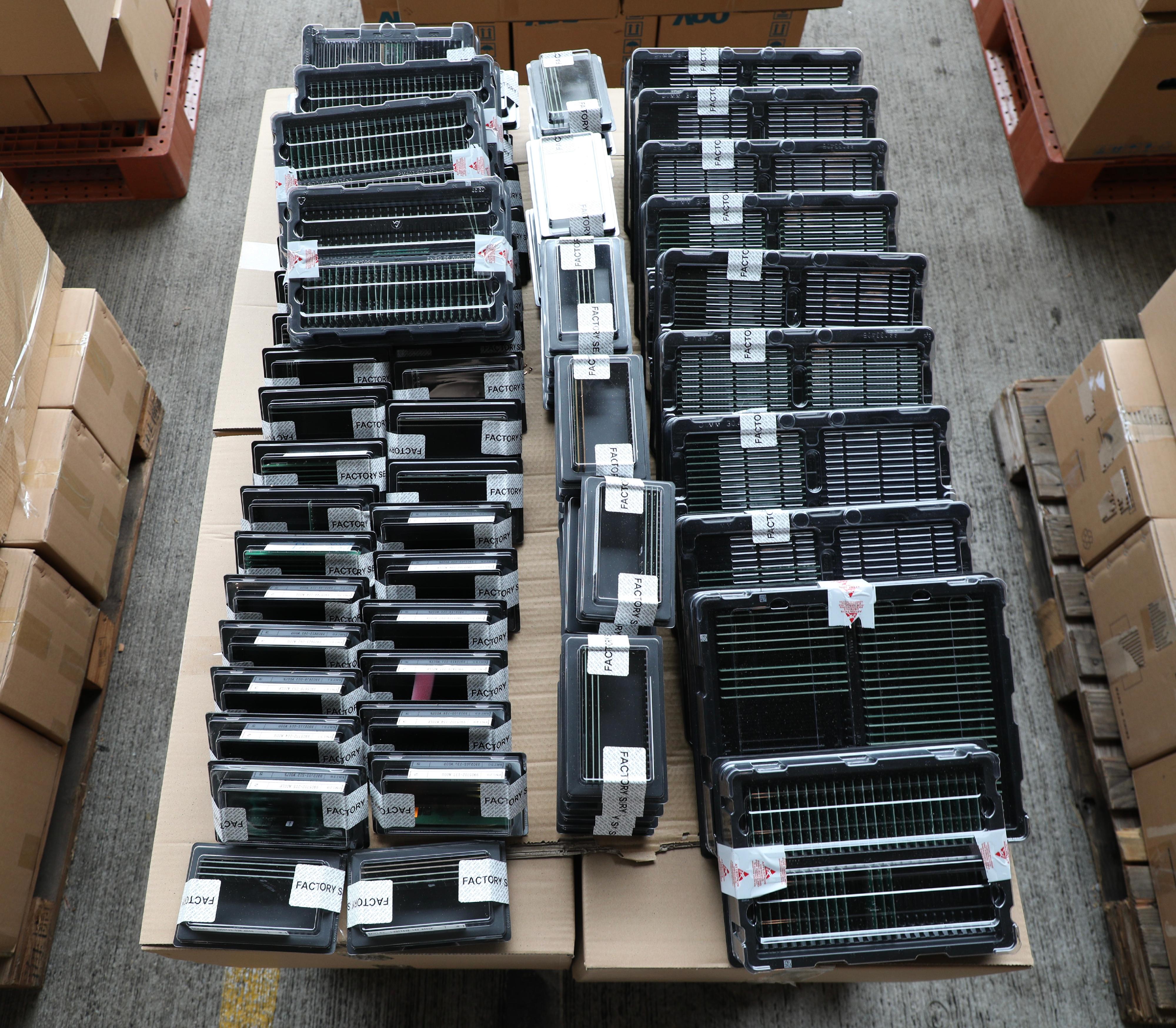
     â€‹Hong Kong Customs detected a suspected smuggling case using a river trade vessel in the western waters of Hong Kong on April 21. A large batch of suspected smuggled goods with an estimated market value of about $160 million was seized, including assorted electronic products, musical instrument accessories and audio equipment. 

     Customs officers conducted an operation against sea smuggling in the western waters of Hong Kong in the evening of that day and intercepted a river trade vessel heading towards Mainland waters. After inspection, the officers found the batch of suspected smuggled goods, including solid-state drives, integrated circuits, memory cards, musical instrument accessories and audio equipment in three of the containers on board the vessel.

     After a follow-up investigation, Customs officers the next day arrested a 69-year-old woman suspected to be connected with the case and detained the three containers involved.

     An investigation is ongoing. The arrested woman has been released on bail pending further investigation, and further arrests are not ruled out.

     Given that the epidemic is gradually subsiding and sea freight has been resuming as normal, it has been noticed by Customs that criminals have taken the opportunity to use river trade vessels to conduct smuggling activities. They also declared that low-valued items were being carried in order to evade detection by law enforcement officers. 

     Customs stresses that it will keep up its enforcement action and will continue to fiercely combat sea smuggling activities by actively pursuing risk-management and intelligence-based enforcement strategies, along with mounting targeted anti-smuggling operations at suitable times to land a solid blow against relevant activities.

     Smuggling is a serious offence. Under the Import and Export Ordinance, any person found guilty of importing or exporting unmanifested cargo is liable to a maximum fine of $2 million and imprisonment for seven years.

     Members of the public may report any suspected smuggling activities to Customs' 24-hour hotline 2545 6182 or its dedicated crime-reporting email account (crimereport@customs.gov.hk).

Photo  Photo  Photo  Photo  Photo  Photo  Photo  Photo  Photo