FS meets Director-General of WTO (with photo)

     The Financial Secretary, Mr Paul Chan, had a breakfast meeting this morning (December 10) with the Director-General of the World Trade Organization (WTO), Dr Ngozi Okonjo-Iweala. Dr Okonjo-Iweala had visited the Mainland to attend the seventh "1+6" Roundtable on December 8 and 9, and transited via Hong Kong today.
      
     During the meeting with Dr Okonjo-Iweala, Mr Chan expressed his warmest congratulations to the successful conclusion of the seventh "1+6" Roudtable. He said that the Roundtable had made valuable contributions to building an open world economy and boosting global economic recovery and growth. Mr Chan also congrauted Dr Okonjo-Iweala on securing multilaterally-negotiated outcomes at the Twelfth WTO Ministerial Conference in June this year.
      
     Mr Chan said that while the global economy is weathering various challenges, Hong Kong, China (HKC), as a founding member of the WTO, has for years been a firm supporter of a rules-based multilateral trading system with WTO at the core. HKC has been actively promoting and forging free trade. Mr Chan pointed out that HKC supports the reform of the WTO in the right direction, including the restoration of a fully and well-functioning dispute settlement system as soon as possible.
      
     Mr Chan also explained to Dr Okonjo-Iweala the latest economic and trade developments in Hong Kong, and that Hong Kong is stepping towards normalcy. The Hong Kong Special Administrative Region Government will further deepen its role as an international financial centre, trading centre, aviation hub, shipping centre, etc., thus making more and greater contributions to forging a better connections between the country and the world, as well as promoting common and inclusive development. 
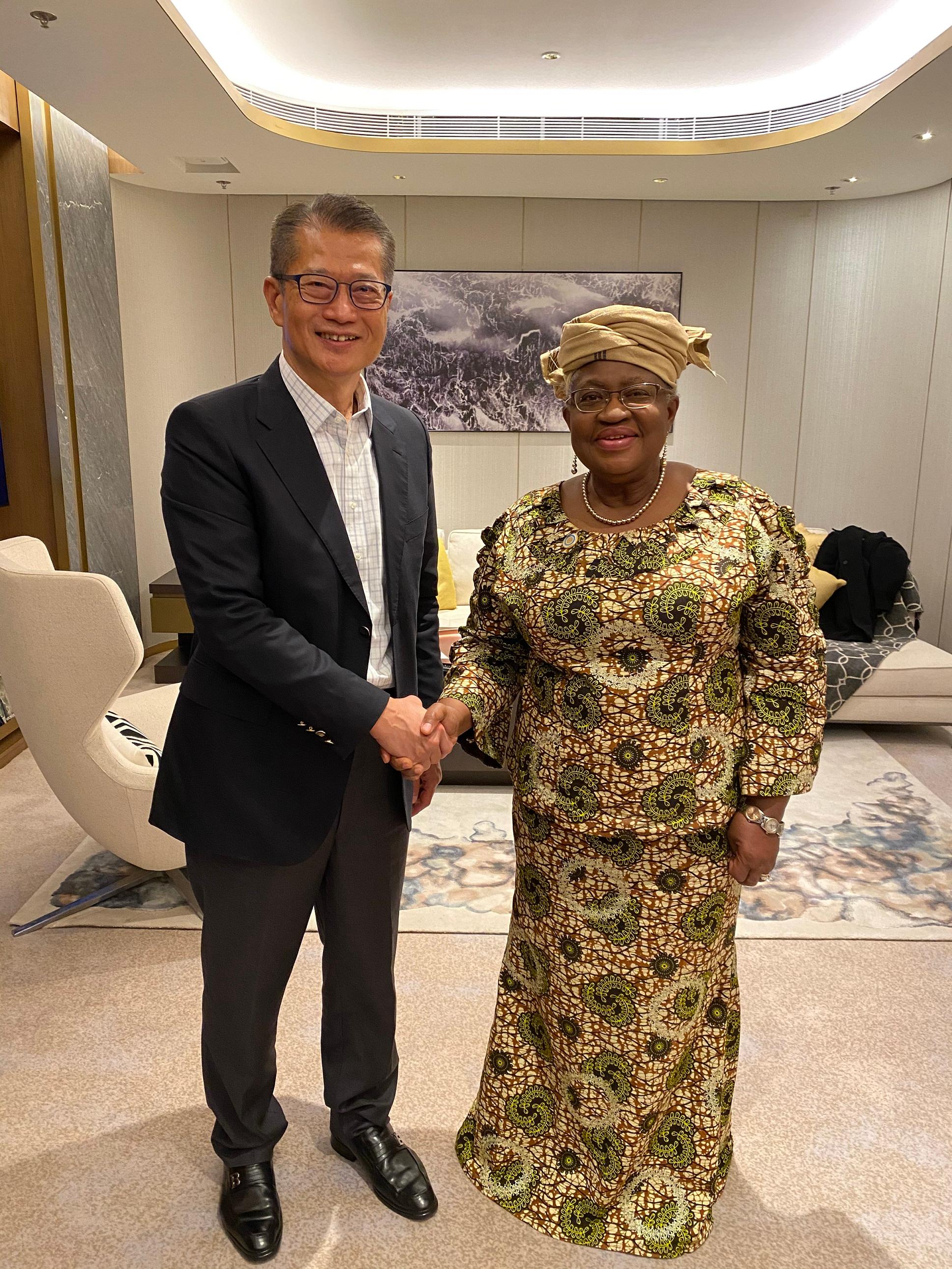
Photo  


Results of Reef Check 2022 announced (with photos)

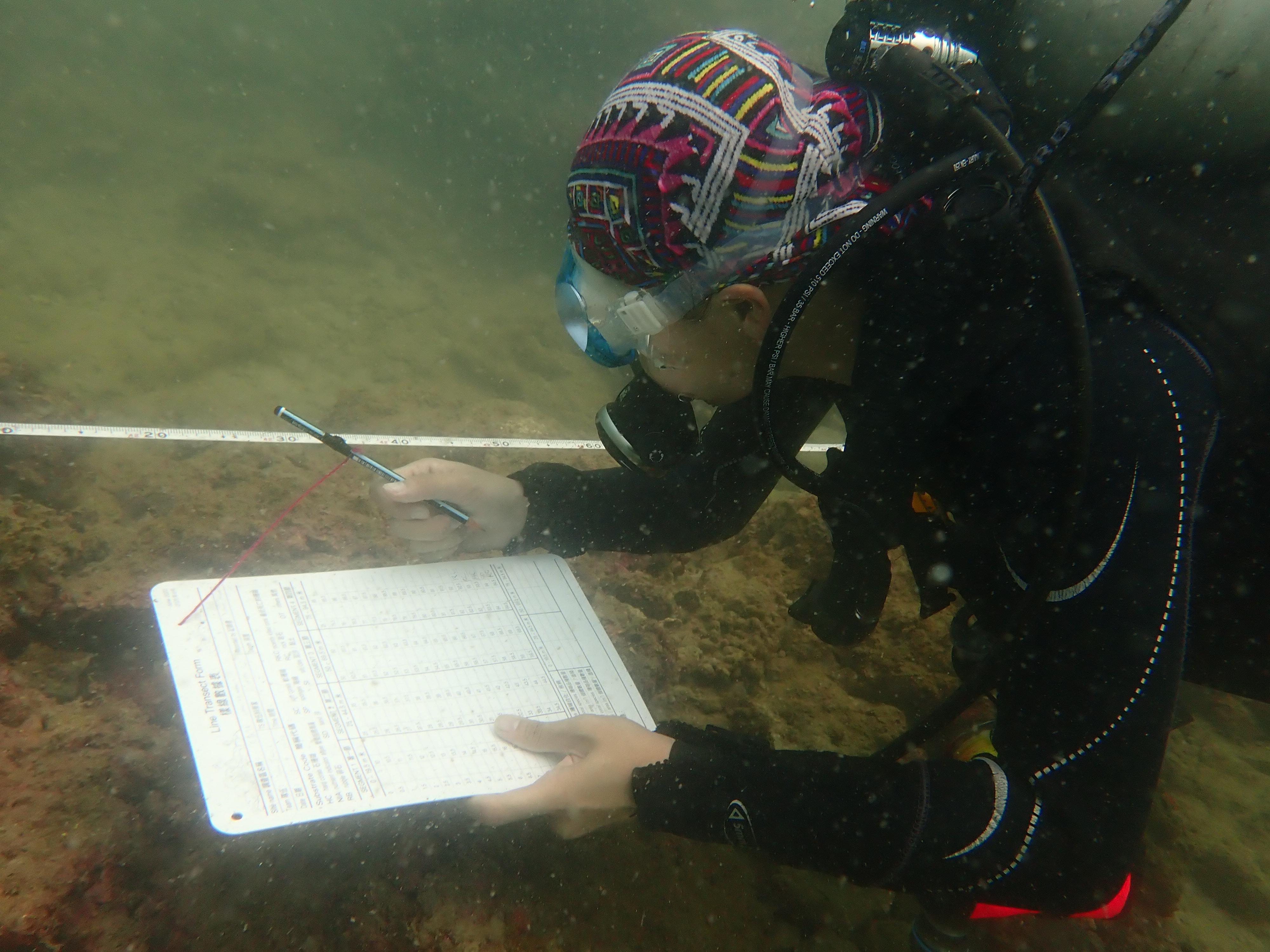
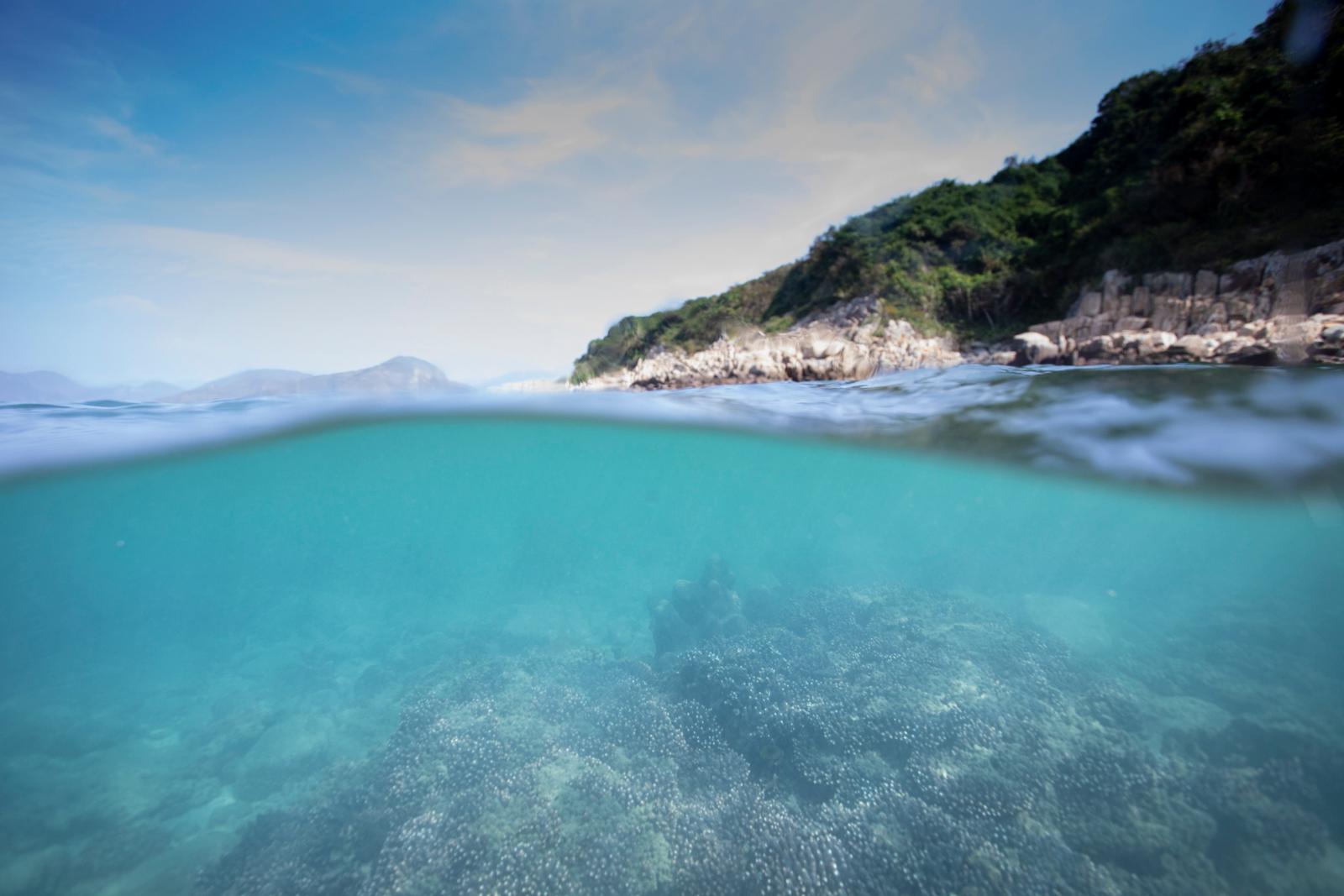
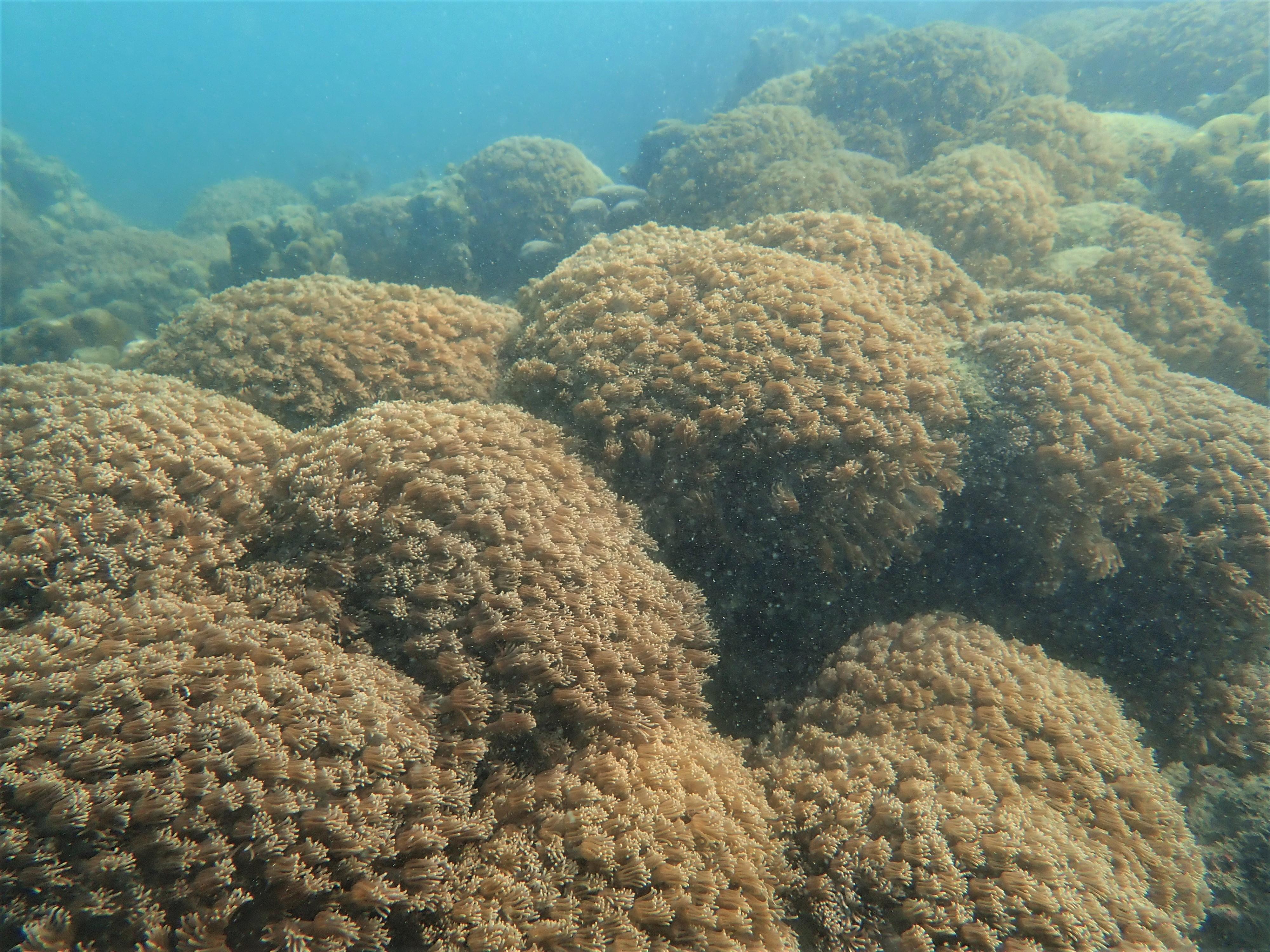
     â€‹The Agriculture, Fisheries and Conservation Department (AFCD) announced today (December 10) that the results of this year's Hong Kong Reef Check showed that local corals are generally in a healthy condition and that the species diversity remains on the high side.
      
     The Hong Kong Reef Check 2022, a five-month exercise that started this June, covered a wide range of areas including a number of sites of ecological importance as well as the best coral-growing sites known in the eastern part of Hong Kong waters, extending from Tung Ping Chau in the north to the Ninepin Group in the south. Among the 33 survey sites, nine were within marine parks, including Hoi Ha Wan Marine Park, Yan Chau Tong Marine Park and Tung Ping Chau Marine Park.
      
     A variation in coral coverage, ranging from 8.8 per cent to 74.3 per cent, was recorded among the survey sites. Fifteen sites recorded over 50 per cent of coral coverage, including five sites within marine parks. Among all sites, Sharp Island North recorded the highest coral coverage of 74.3 per cent.
      
     An AFCD spokesman said, "Coral bleaching was observed this summer at 13 survey sites and caused concern. The AFCD formed an expert team with Hong Kong Baptist University and the Chinese University of Hong Kong to follow up on the coral bleaching situation. The expert team observed that corals at most of the coral bleaching sites had largely recovered subsequent to the drop in seawater temperature in November. The AFCD will continue to work with local coral experts and closely monitor the recovery progress of the corals."
      
     Voluntary dive teams of the Reef Check also assessed the condition of corals at 19 sites using the Coral Watch tool. By measuring the colour intensity of the coral using a specially designed Coral Health Monitoring Chart, the health condition of corals can be determined. The deeper the colour, the healthier the corals. The average health index of the sites was 4.06, which was similar to last year's figure (4.15). However, the average health index is well above the general average value (3), indicating that the corals are generally in a healthy condition.
      
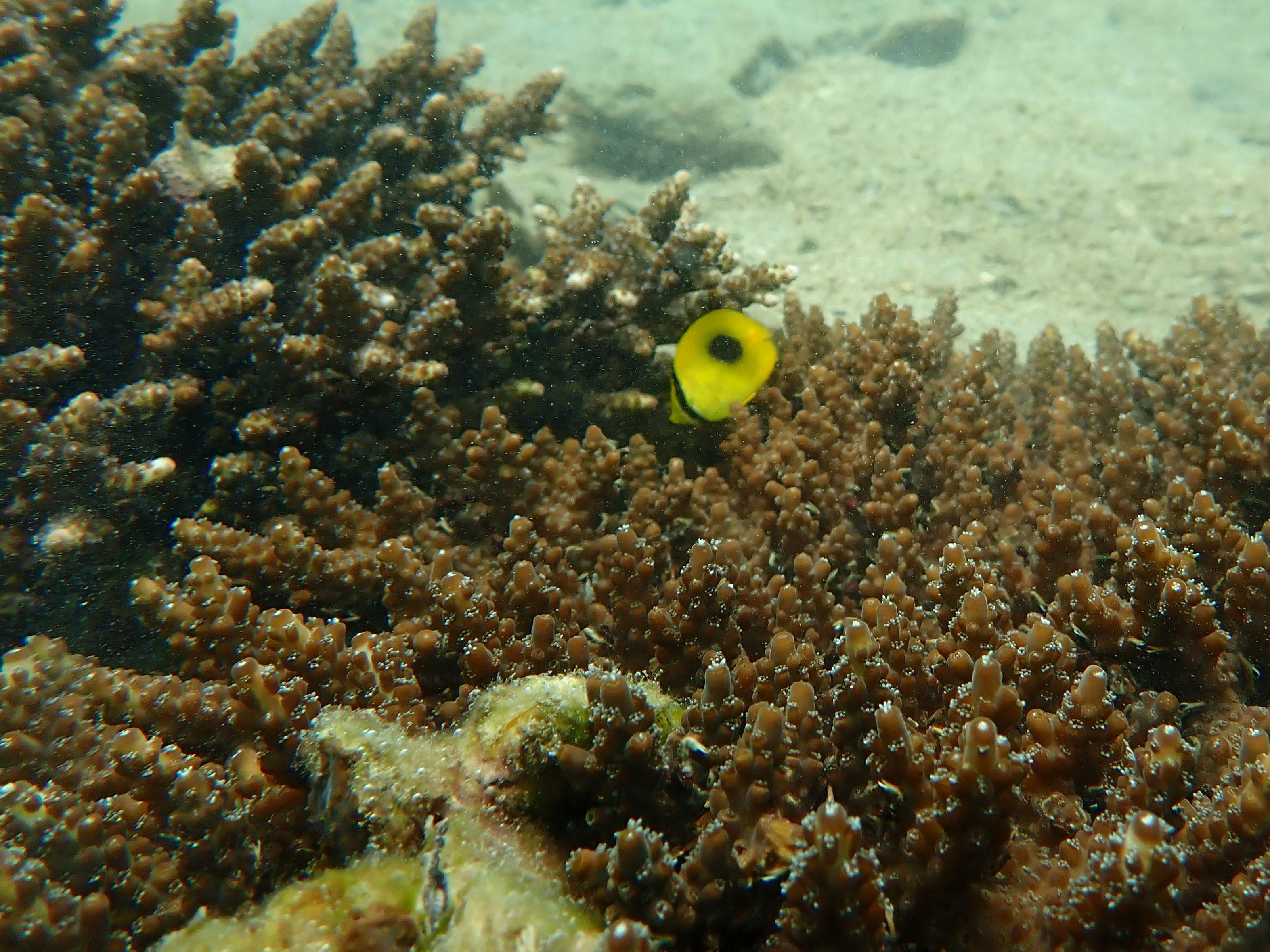
     The Hong Kong Reef Check's survey method and data collection follow international standards. Reef Check divers recorded coral coverage and health status as well as other indicator species (including 20 species of fish and invertebrates). All the 20 assigned indicator species were recorded in the survey sites, with wrasses, groupers, butterfly fish, sea urchins, sea cucumbers and cowries found in abundance. A majority of the survey sites were found to have a high diversity of species. Most of the groupers, wrasses, sweetlips and snappers were found in survey sites at Port Shelter in Sai Kung and in north-eastern waters including Yan Chau Tong Marine Park and Tung Ping Chau Marine Park.
      
     No signs of destructive fishing practices were observed at any sites. Abandoned nets were found at nine sites but their impact was minor. The AFCD will arrange for a contractor to remove the nets.
      
     The Hong Kong Reef Check is part of a global programme to promote the sustainable management of coral reefs. The Hong Kong Reef Check aims to raise public awareness of the ecological importance of corals and the need for coral conservation, and to provide updated information on local corals for conservation and management. The Hong Kong Reef Check Foundation held the first Reef Check in 1997. The AFCD has collaborated with the Foundation in conducting the survey since 2000, with growing attention and support from the public. This year, 108 dive teams involving over 800 volunteer divers took part in the exercise, representing about 20-fold the number in 1997. The AFCD awarded souvenirs and certificates to the Reef Check teams and participating scientists to recognise their contribution.
      
     Coral reefs are highly productive systems, which support a high diversity of marine life. For the sake of coral conservation in Hong Kong, the AFCD continues to implement a series of measures and programmes. Key measures include designation of marine parks and marine reserves for conservation of the marine environment and protection of corals, organisation of a range of education and publicity activities to enhance public understanding of the importance of protecting the marine environment and coral communities. The measures also include a yearly Reef Check and studies to monitor the status of coral communities of Hong Kong and provide information for sound and adaptive management, installation of mooring and coral marker buoys to reduce coral damage caused by boating and recreational activities, and maintenance of a database to record the diversity and unique features of local corals.

Photo  Photo  Photo  Photo  


Government conducts enforcement action on compulsory testing notice at building in Kowloon Bay

     â€‹The Rating and Valuation Department, together with the Sau Mau Ping Police District and the Department of Health, conducted an enforcement operation today (December 10) at a building in Kowloon Bay, which was included in a compulsory testing notice earlier. The operation commenced at around 9am and ended at around noon today.

     Starting from around 9am today, staff arranged by the Government stationed at the entrances/exits of Block 5, Richland Gardens, Kowloon Bay, to verify the testing certifications of persons subject to compulsory testing so as to confirm whether they had undergone testing in compliance with the requirement of the compulsory testing notice. Persons subject to compulsory testing had to present the SMS notification containing the results of COVID-19 tests or relevant proof, to prove that they had followed the requirement pursuant to the compulsory testing notice and completed the test within the specified period.

     During the operation, 239 persons were checked. Among them, nine persons were found to have failed to comply with the compulsory testing notice. They were subsequently issued compulsory testing orders, requiring them to undergo testing within a specified period. Fixed penalty notices of $10,000 each were also issued to five of them.

     The Government expresses gratitude to most persons subject to compulsory testing who complied with the compulsory testing notices for their co-operation to fight the virus together. A Government spokesman reminded that any person who fails to comply with the compulsory testing notice commits an offence and may be fined a fixed penalty of $10,000. The Government will also issue the person concerned a compulsory testing order requiring him or her to undergo testing within a specified time frame. Failure to comply with the compulsory testing order is an offence, and the offender would be liable to a fine at level 5 ($50,000) and an imprisonment for six months. The spokesman reiterated that the Government will continue to enforce the law strictly.

     Also, the Government understands that the enforcement process may cause inconvenience to some residents, and appeals for understanding. Gratitude is also extended to members of the public and relevant organisations for their support and co-operation.


Special announcement on fire in Yau Ma Tei

Attention TV and radio duty announcers:
 
     Please broadcast the following special announcement as soon as possible, and repeat it at suitable intervals:
 
     A fire broke out at 43P-S Dundas Street in Yau Ma Tei at 11.11am today (December 10). The Fire Services Department is conducting a firefighting operation.

     Members of the public who are being affected by the smoke and an unusual odour carried by the wind are advised to close their doors and windows and stay calm.


Transcript of remarks by SDEV at media session

     Following is the transcript of remarks by the Secretary for Development, Ms Bernadette Linn, at a media session after attending a radio programme today (December 10):

Reporter: Could you just briefly explain why you think the streamlined procedures will not undermine the functions of LegCo?
 
Secretary for Development: I truly believe that our streamlined proposals will not pre-empt the power of the Legislative Council (LegCo) in terms of whether or not we should proceed with a particular development project. This is because experience tells us that by the time we approach the LegCo Finance Committee for funding to proceed with the works, by that stage, which is rather a final stage, normally the concerns of the LegCo members will be on technical details, like whether we have sufficient facilities to support the new population, whether the timing of the whole construction schedule is reasonable, and whether we have done our best to respond to the concerns of the local residents affected. These are normally the concerns. And normally, if LegCo members really do not want the government to proceed with a certain development project requiring resumption, they will actually voice out their concerns years before we proceed to that stage of seeking funding approval. For example, if we are going to propose that we are going to develop a new town called Yuen Long South, then a few years before we seek the funding approval for works, we would have gone to the LegCo Development Panel to share with LegCo members our initial idea of the development parameters and how we propose to use the land. And secondly, often we also need their approval for funding for us to proceed with a detailed study when we are talking about a large-scale project. So by the time we approach them on the study, if they really do not want us to proceed, they would already have voiced out their concerns. And most importantly, when we talk about resumption, we have a block vote, that is a vote of funds which the Finance Committee approves each year, for us to deal with compensation, we use that fund to pay out compensation to those affected. And Finance Committee will ask questions on what sort of projects, what sort of resumption projects we have in mind for the next year, so at that point we will also be accountable for what we are going to do, and LegCo members will certainly voice out their objections if they see problems of our proceeding.
 
(Please also refer to the Chinese portion of the transcript.)