CHP follows up on case of human infection of rat Hepatitis E virus (with photos)

     The Centre for Health Protection (CHP) of the Department of Health today (May 12) said that it is investigating an earlier case of human infection of rat Hepatitis E virus (HEV) and urged members of the public again to be vigilant against Hepatitis E infection and to strictly observe good personal, food and environmental hygiene.
 
     In response to the case of human infection of rat HEV as announced by the CHP on May 10, the personnel from the CHP and the Pest Control Advisory Section of the Food and Environmental Hygiene Department (FEHD) today visited the place where the patient lives (Tsz Ching Estate, Wong Tai Sin) and the building where he works at (On Tat Industrial Building, San Po Kong) for environmental investigations.

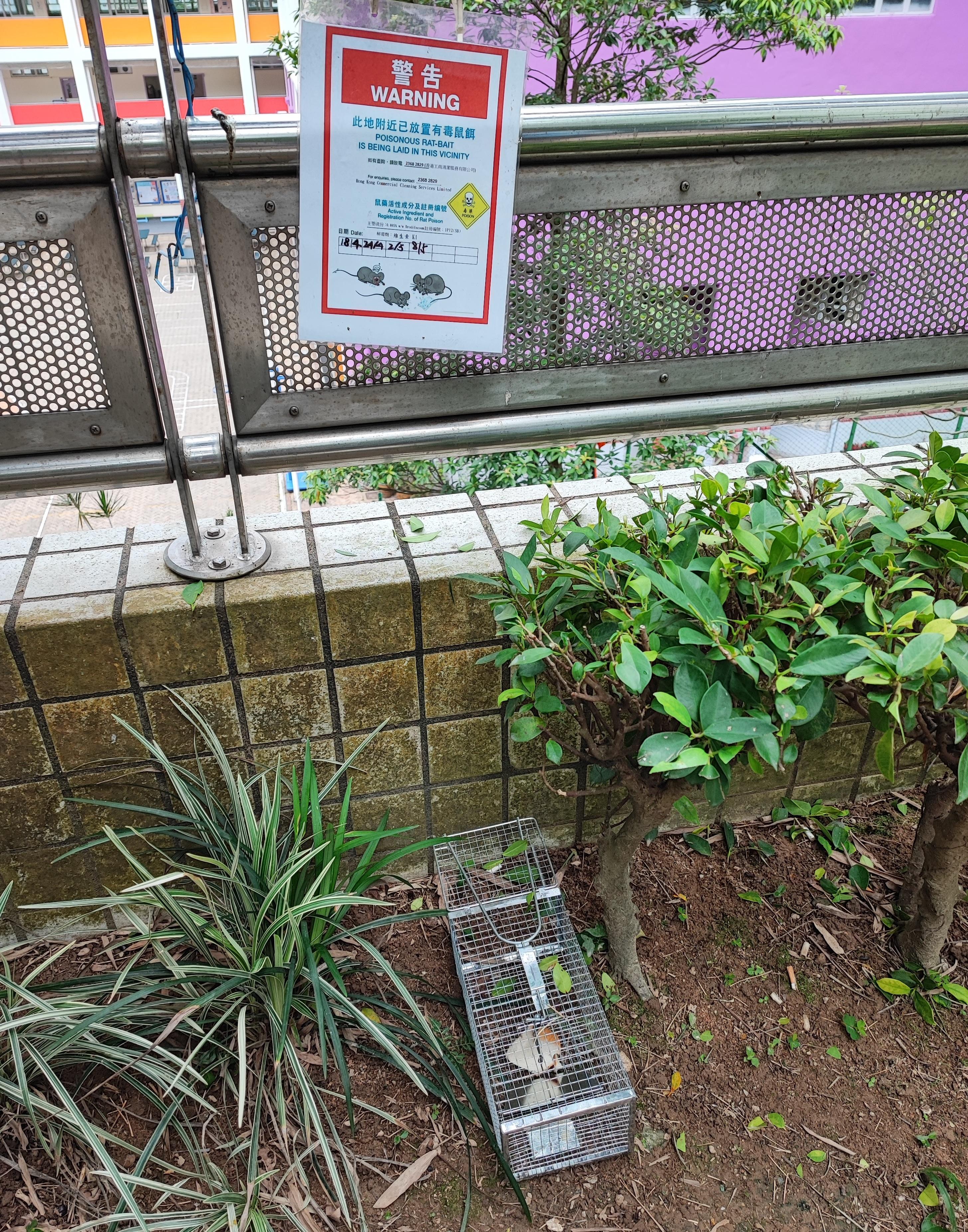
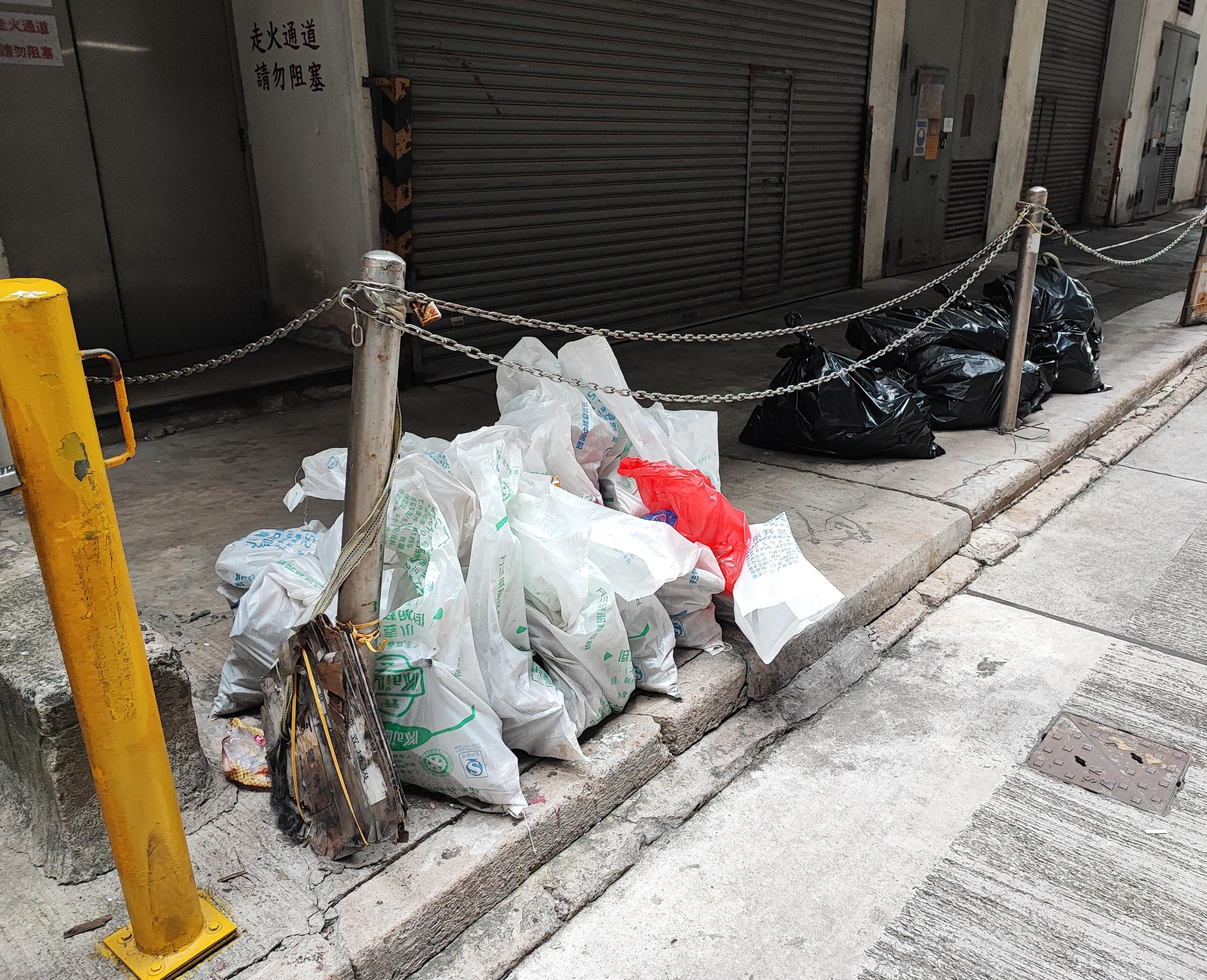
     The personnel conducted a site visit to the places concerned to inspect the rodent infestation and environmental hygiene. Accompanied by staff of the Housing Department (HD), the personnel from the CHP and FEHD found some traces of rodents and possible hiding places for rodents in Tsz Ching Estate. The HD has set up rodent traps at the estate immediately in order to further investigate whether the rodents carry HEV. Separately, personnel from the CHP and FEHD also identified significant rodent infestation when they conducted the site visit at On Tat Industrial Building where rubbish are piled up at the rear lane with unsatisfactory environmental hygiene.
 
     The personnel has immediately requested the property management staff to improve the environmental hygiene, and has disseminated rodent control guidelines and management rules as well as provided professional opinions on rodent control to them.
 
     The CHP will continue its surveillance of HEV, including conducting testing on human and rat HEVs in clinical specimens. The FEHD, HD and property management staff of relevant places will continue to strengthen rodent control measures for enhanced effectiveness on anti-rodent.
 
     The HEV is transmitted mainly through the faecal-oral route. However, the exact mode of transmission of rat HEV to humans is still unknown. According to literature, possible routes of transmission include ingestion of food or water contaminated by rodents or their excreta, direct contact with rodents or exposure to environments or objects contaminated by rodents or their excreta.
 
     To prevent Hepatitis E and rat HEV infection, members of the public should maintain good personal, food and environmental hygiene. For example, they should wash hands thoroughly before eating, store food properly or in the refrigerator, not leave food at room temperature for a long time, and use 1:99 diluted household bleach for general household cleaning and disinfection. High-risk individuals, such as elderly persons with a major underlying illness (especially those who have undergone organ transplantation), pregnant women, patients with chronic liver disease and patients with Glucose-6-Phosphate Dehydrogenase Deficiency (also known as G6PD Deficiency), who are infected with HEV may develop a serious illness, so they should exercise extra caution.
 
     In general, rodents (such as rats) can transmit multiple diseases to humans directly and indirectly. The public are advised to adopt the following measures:
 

  • Eliminate sources of food and nesting places for rodents in the living environment. Store food in covered containers and handle pet food properly to prevent it from becoming food for rodents;
  • Store all refuse and food remnants in dustbins with well-fitted covers. Dustbins must be emptied at least once a day;
  • Keep premises, especially refuse rooms and stairways, clean. Avoid accumulation of articles; and
  • Inspect all flower beds and pavements for rodent infestation regularly.
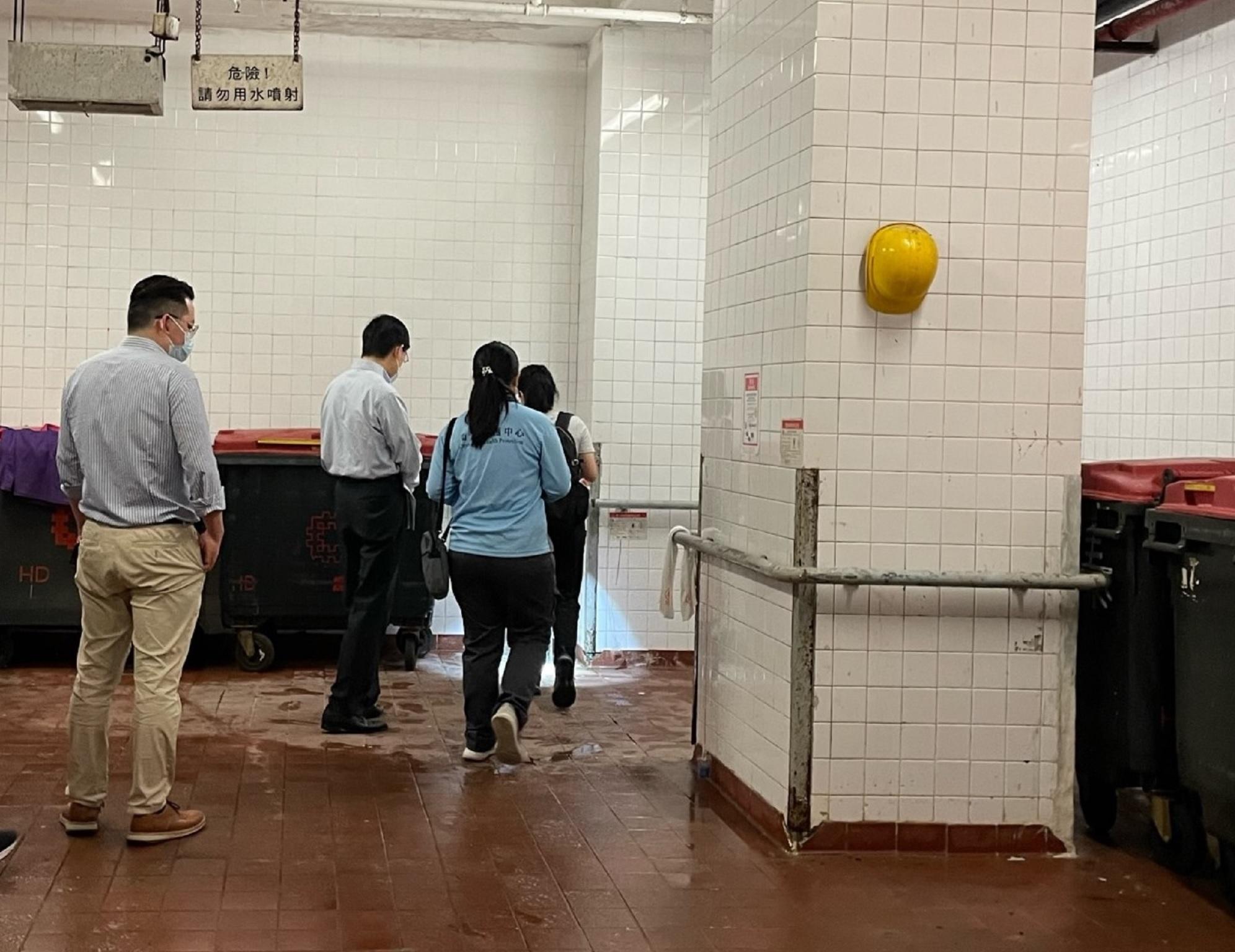
Photo  Photo  Photo  


Pamela Youde Child Assessment Centre (Kwun Tong) to suspend service

     The Department of Health today (May 12) said that due to urgent repair works to be conducted at Pamela Youde Child Assessment Centre (Kwun Tong), which is located at G/F and 3/F, Pamela Youde Polyclinic, 79 Cha Kwo Ling Road, Kwun Tong, the service of the centre will be suspended starting from May 15 until further notice. Those who have made appointments will be informed of their new appointments after the service adjustment.


SITI visits Chongqing (with photos)

     The Secretary for Innovation, Technology and Industry, Professor Sun Dong, continued his visit in Chongqing today (May 12), after accompanying the Chief Executive, Mr John Lee, to attend the High-Level Meeting cum First Plenary Session of the Hong Kong/Chongqing Co-operation Conference yesterday.

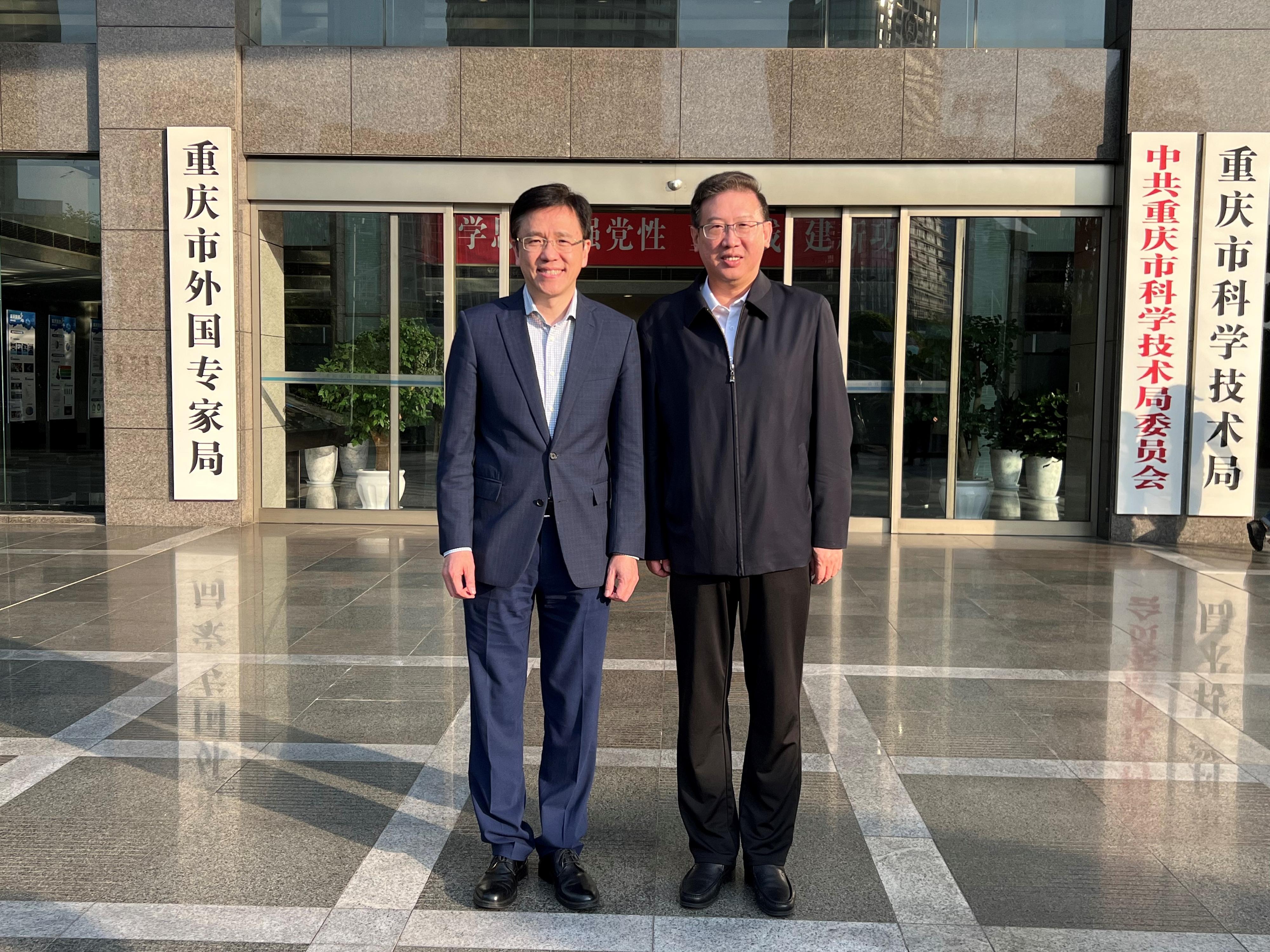
     Professor Sun visited the Chongqing Municipal Science and Technology Bureau (the Bureau) and met with the Bureau's Director, Mr Ming Ju, to exchange views on fostering co-operation in innovation and technology (I&T) between Hong Kong and Chongqing, and promoting the implementation of the "Co-operation Memorandum on Innovation and Technology between Hong Kong and Chongqing" in areas including research and development, transformation and realisation of I&T outcomes, innovation and entrepreneurship of scientific and technological talents, exchange of talents and technologies, and academic exchanges between the two places.

     He believes that the signing of the Co-operation Memorandum at the Hong Kong/Chongqing Co-operation Conference yesterday will lay a good foundation for further co-operation and exchanges in the I&T field between the two places. He also strongly hoped that the I&T co-operation between the two places could reach new heights.

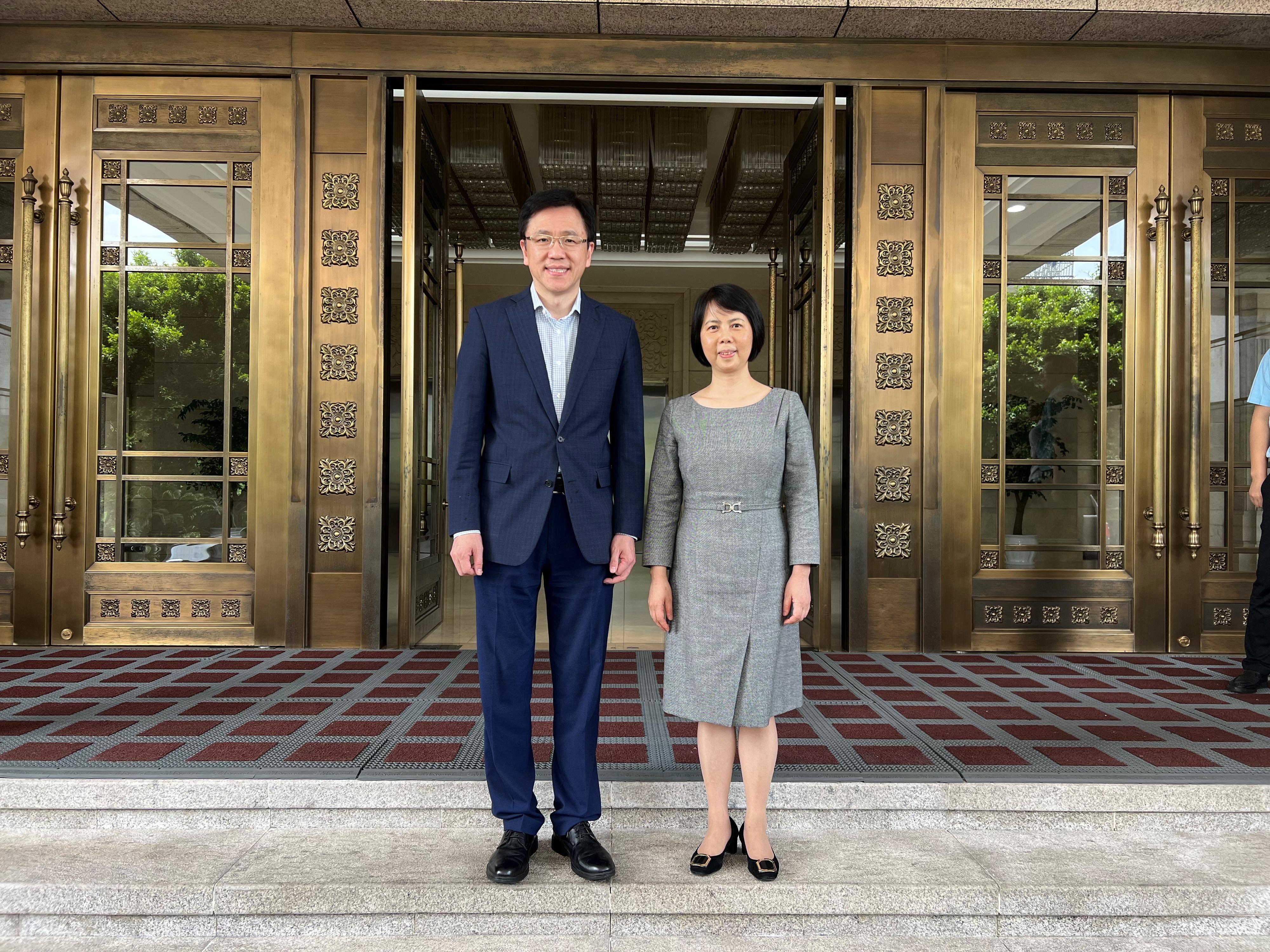
     On the same day, Professor Sun visited the State-owned Assets Supervision and Administration Commission of Chongqing Municipal People's Government and met with the Commission's Party Member and Deputy Director General, Ms Chen Yan. Professor Sun briefed the Commission on the layout and the latest policies of the I&T industry in Hong Kong. He also learned about the transformation and upgrading of local traditional industries driven by innovation. The two sides also discussed on promoting co-operation and exchanges between the technology industries of Chongqing and Hong Kong. Professor Sun encouraged Mainland enterprises to make good use of Hong Kong's international platform to expand into overseas markets.

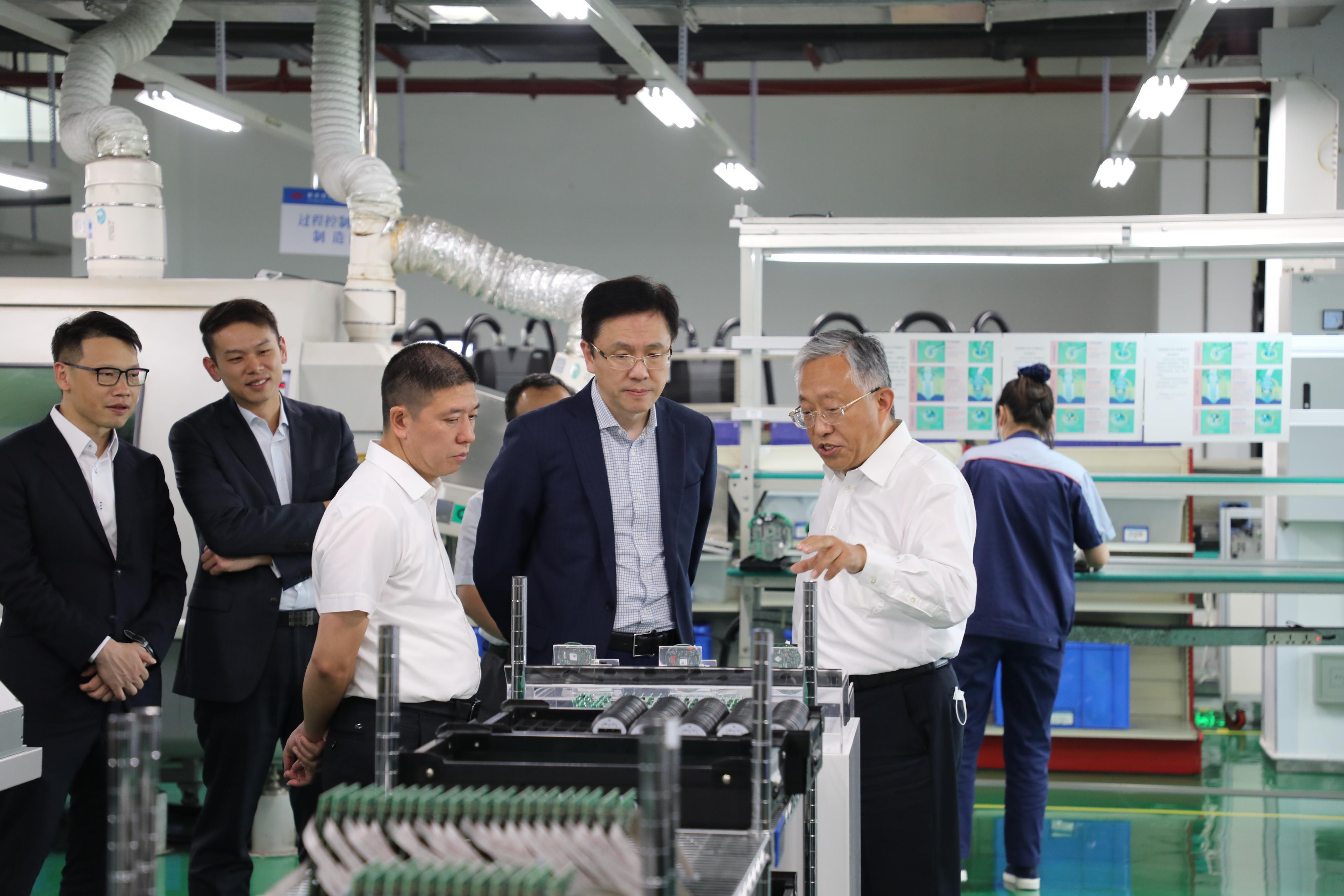
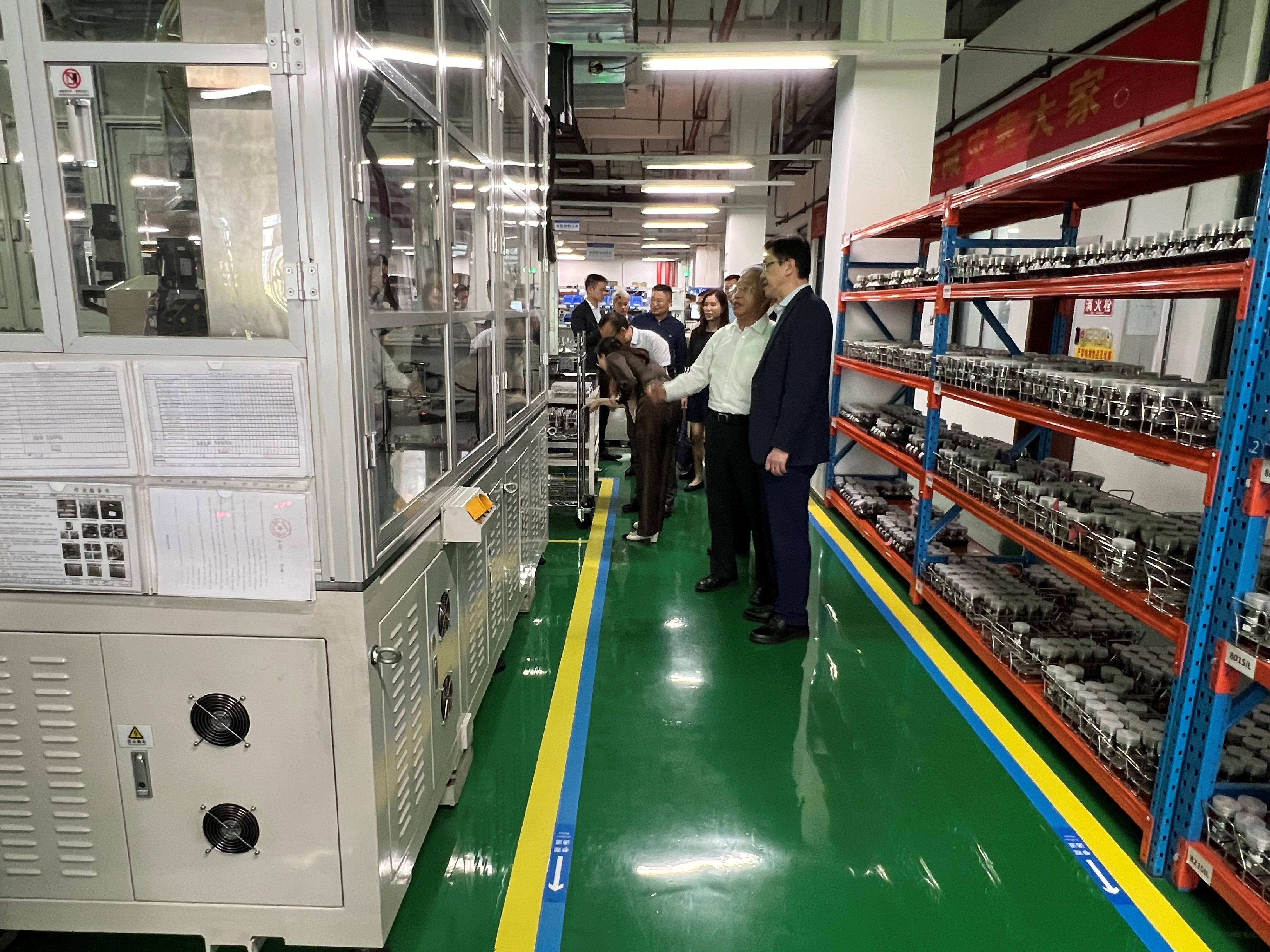
     Professor Sun then toured the smart production lines of the Chongqing Silian Measure & Control Technology Company Limited, which specialises in the design, development and large-scale production of industrial automation instruments and control devices as well as electronic functional materials and devices.
 
     Professor Sun will conclude his visit and return to Hong Kong tomorrow.

Photo  Photo  Photo  Photo  


Speech by FS at Rotary Club of Kowloon 75th Anniversary Gala Dinner (English only) (with photo)

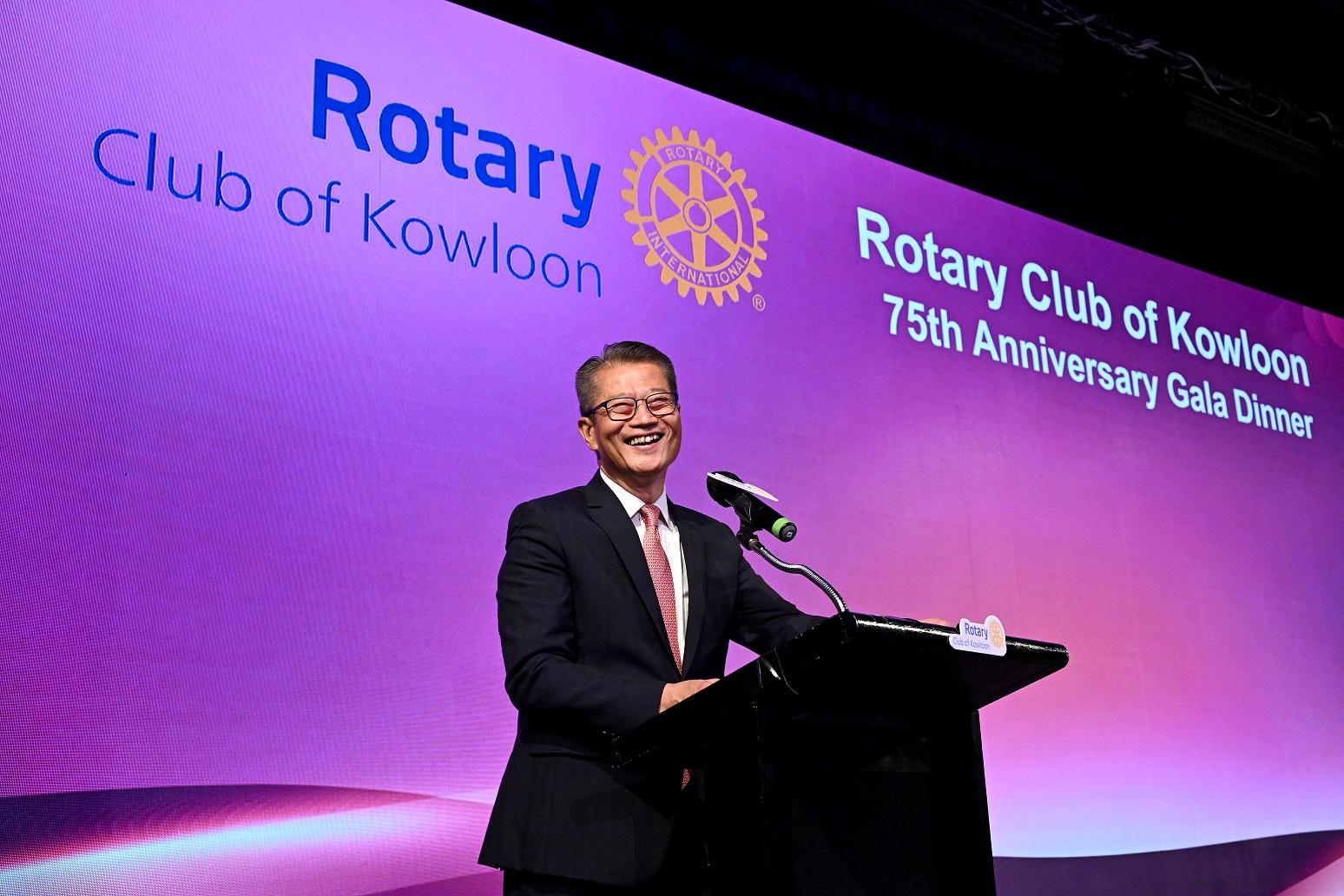
     Following is the speech by the Financial Secretary, Mr Paul Chan, at the Rotary Club of Kowloon Annual Ball "Empowering Youth, Building the Future" and the Rotary Club's celebration of its 75th anniversary today (May 12):
 
President Ganz (President of Rotary Club of Kowloon, Mr Martin Ganz), President-Elect Brauner (President-Elect of Rotary Club of Kowloon, Mr Jens-Peter Pe Brauner), past Presidents of the Rotary Club of Kowloon, District Governor Lee (District Governor of Rotary District 3450, Mr Norman Lee), Incoming District Governor Li (Incoming District Governor of Rotary District 3450, Mr Andy Li), fellow Rotarians, ladies and gentlemen,
 
     Good evening. I am delighted to be here for the Annual Ball of the Rotary Club of Kowloon. I am, after all, a proud ex-Rotarian, and this is my mother club. Tonight, we are here, as well, to mark the Club's 75th anniversary. Now that's a milestone worth celebrating!
 
     I have fond memories of my time at the Club and the great fellowship it gave me. I had the honour of serving as a President of the Club and am well aware of its commitment to Hong Kong and the dedication of its members. Of each and every one of you.
 
     The Rotary Club is a welcome force for good, empowering individuals and communities in Hong Kong and around the world. We are part of a global family of more than 34 000 Rotary Clubs. They make a difference in nearly every country in the world, united by their dedication to the Rotary motto: Service Above Self.
 
     If tonight's occasion looks back on a memorable past, it also looks, with a clear focus, at the future. That's made abundantly evident in this evening's theme: "Empowering Youth, Building the Future". Yes, the next generation is shaping our city and its communities, and helping to remake the world.
 
     I had the privilege recently of meeting a number of young people, and hearing some of their cheering stories. Let me share a few of them with you now.
 
     At this year's World Economic Forum in Davos, Switzerland, I met an entrepreneur from Hong Kong, a young lady passionate about contributing to the global transition to carbon neutrality. She had founded a company in Science Park helping to restore coral reefs in our oceans, using 3D printing to build underwater racks. Her approach, I'm pleased to say, is working – and working well. Her company has already expanded into the Middle East.
 
     In March, during a visit to the Vocational Training Council, I had the pleasure of learning from students majoring in fashion design, art tech and makeup. It was a hands-on tutorial led by talented young Hong Kong men and women. Alongside their creativity and fashion flair, they demonstrated extraordinary technical skills and attention to detail. I came away confident that our creative industries are in excellent hands.
 
     Not long ago, I challenged myself to learn skateboarding, with the help of an elite young skateboarder named Chun. Several young "seniors" – somewhere between 9 and 12 years old – also had a hand in my "board" education.
 
     Despite their young age, they were already skilful skateboarders. One had even won an award at an international boarding competition. They told me they did have fallen, and got injured, especially at the beginning. But they stayed with it; never gave up. And that had made all the difference.
 
     At the "Happy Hong Kong" Gourmet Marketplace, I met six university students who got their first taste of business selling Hong Kong-style egg waffles. These young entrepreneurs were particularly eager. I'm told they tested their waffles more than 1 000 times before feeling confident enough to sell them. When you've tasted success – when you've got something that finally works – you don't count the broken eggs along the way.
 
     Every one of these young people I was fortunate to meet had much in common. They were energetic and passionate, totally committed to being the best they could be, whatever it was they were doing, making, creating and becoming. Hong Kong is full of bright, ambitious and promising young people. They are our future, which is why we will continue to believe in, and invest in, our youth and their dreams. As President Xi has reminded us, "Hong Kong will prosper only when its young people thrive."
 
     The Government's Youth Development Blueprint, released last December, reflects our youth approach. We're determined to inspire, support and embrace them, while enabling them to shape their own future. 
 
     Economically, we want to create an environment that encourages the development of our youth's potential. Hong Kong has enjoyed significant success in the financial services sector. It contributes about 21 per cent of our GDP (Gross Domestic Product), yet employs only about seven to eight per cent of our workforce. I recognise the need to diversify Hong Kong's industry structure. We need to provide more quality career opportunities for our young people. That's why we are focusing on innovation and technology (I&T), confident that it will boost opportunities in the years to come.

     We're seeing promising progress in our start-ups. Last year, the number of I&T start-ups in Hong Kong reached 4 000. That's up more than 50 per cent over 2018.

     In my Budget this year, as in previous years, I allocated resources to support youth development. We have, for example, set aside funding to support vocational education, the creative industries, urban sports and more. We want to expand the choices available to our youth, to give them wide-ranging opportunities to flourish.
 
     Our future is closely linked with the Greater Bay Area, which is why we launched funding schemes in support of youth internships, exchanges and entrepreneurship in the Greater Bay Area. We also work with non-profit organisations and Mainland authorities to help our youth overcome the challenges of adjusting to a new environment.
 
     Ladies and gentlemen, the 75th anniversary of the Rotary Club of Kowloon is not just a celebration of past achievements but a call to action for the future. I am very much grateful to you, to all Rotarians, for your tireless efforts for Hong Kong, and our youth. Let us continue to work together with a clear purpose and passion: to nurture, inspire, and empower our young people.
 
     Once again, my congratulations on your 75th anniversary. I'm confident that the Club's future – your future – will be filled with accomplishments, that you will continue to make meaningful contributions to our community, to building a prosperous, caring and inclusive Hong Kong. I wish all of you a happy, healthy and fulfilling life.
 
     Thank you.

Photo  


S for S visits Shenzhen control points (with photos)

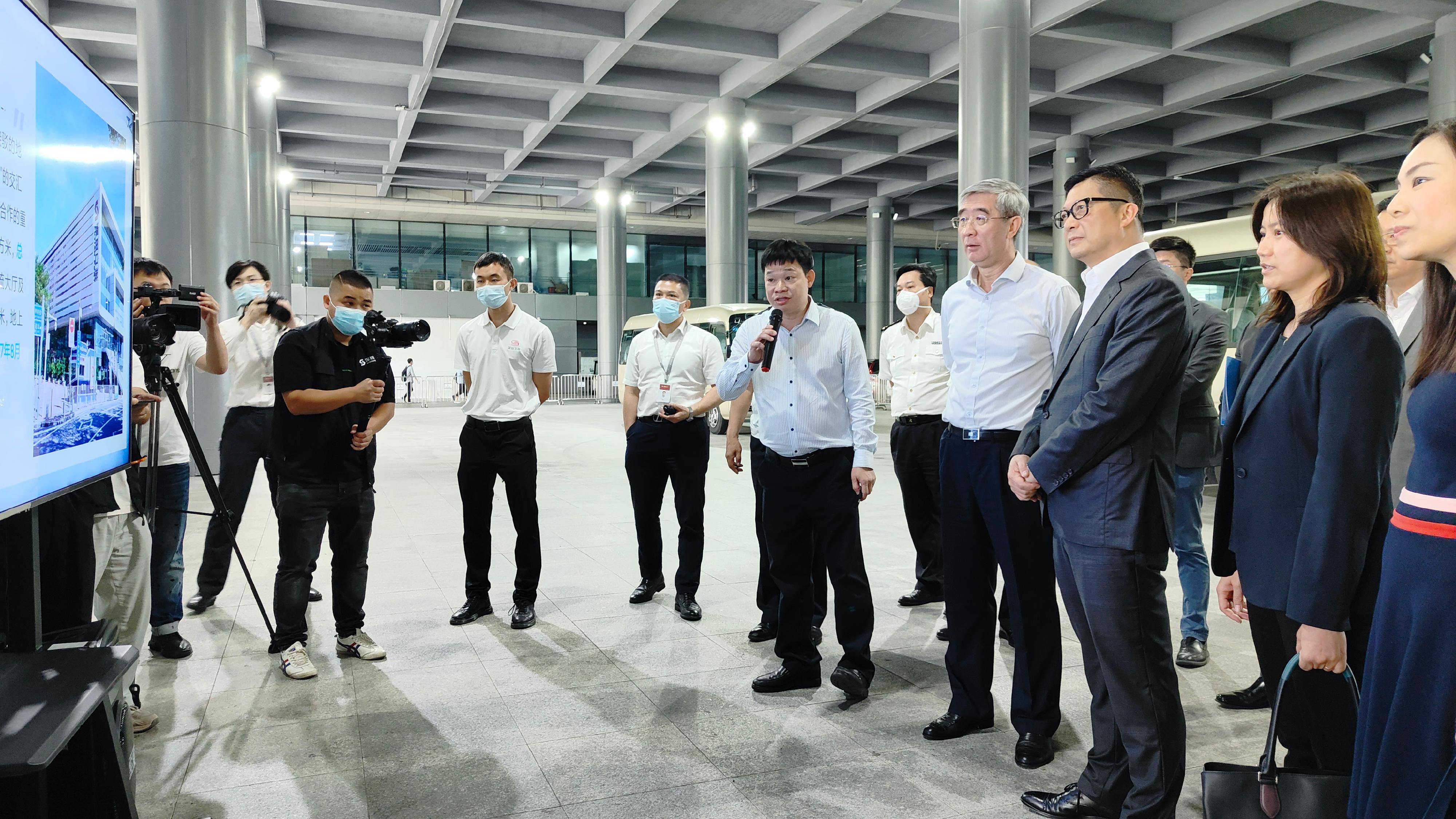
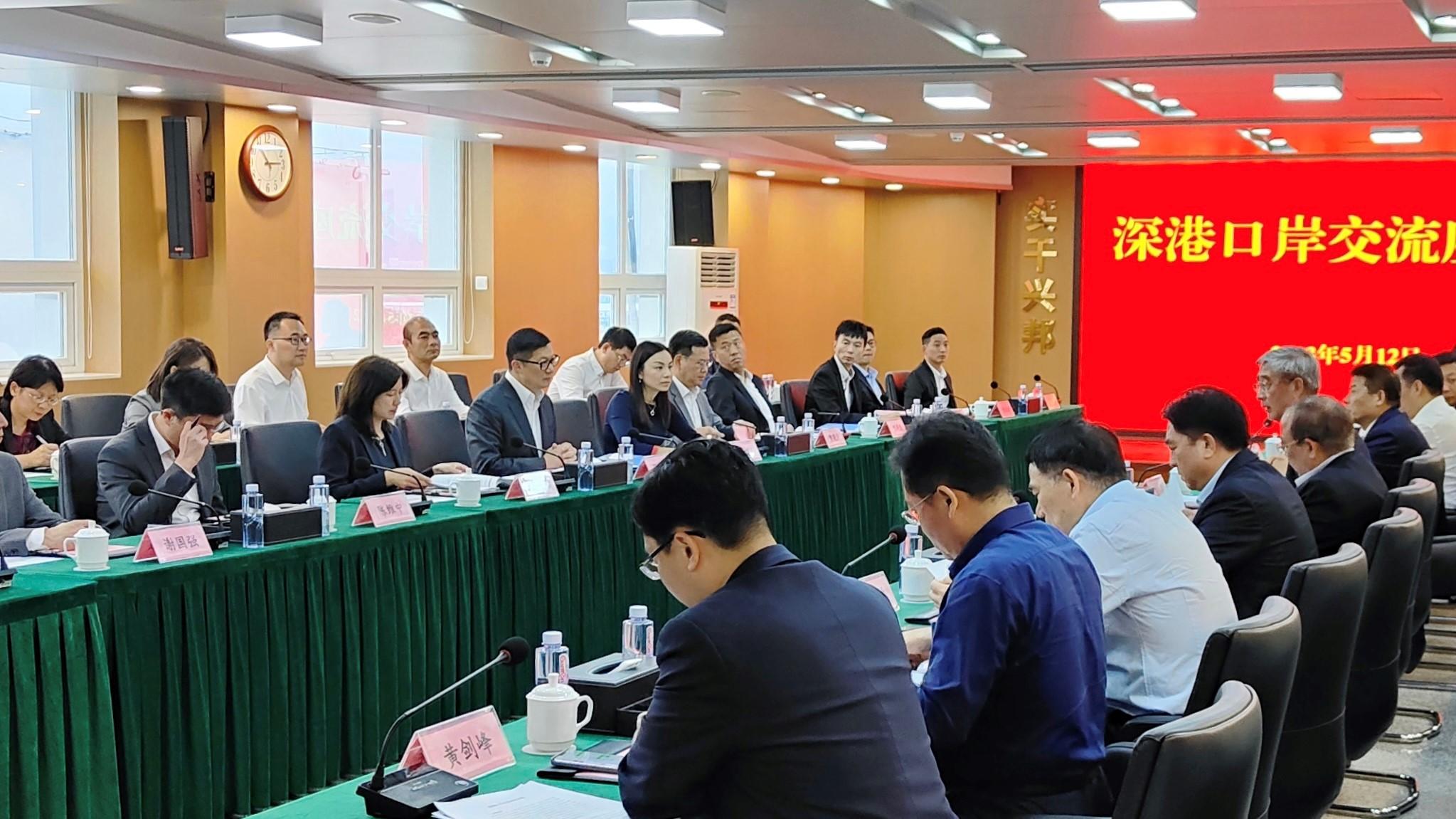
     The Secretary for Security, Mr Tang Ping-keung, departed for Shenzhen to visit the Futian Control Point and the Lo Wu Control Point today (May 12). He also attended a seminar held by the Office of Port of Entry and Exit of the Shenzhen Municipal People's Government to exchange views with the Shenzhen counterparts on taking forward the planning and development of land boundary control points.

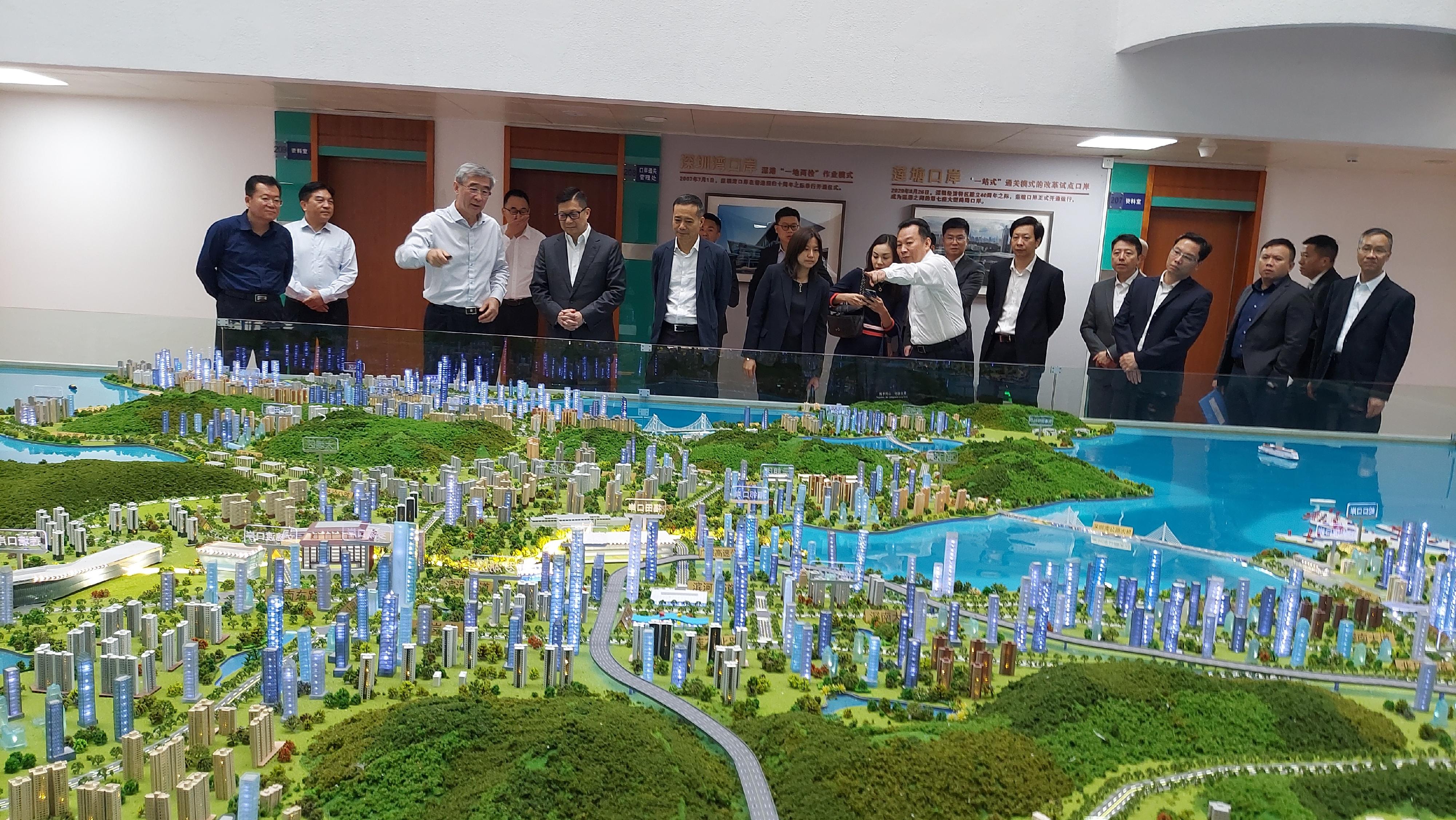
     In the afternoon, Mr Tang, accompanied by the Chief of the Office of Port of Entry and Exit of the Shenzhen Municipal People's Government, Mr Wang Gang, visited the Futian Control Point and the Lo Wu Control Point to learn about the operation of control points after the full resumption of cross-boundary travel and was briefed on their management, infrastructure and development plans. 

     Mr Tang attended the seminar held by the Office of Port of Entry and Exit of the Shenzhen Municipal People's Government to learn about the overall planning of Shenzhen ports. He also exchanged views with the Shenzhen side on the planning and development of various land boundary control points to explore ways to boost co-ordination between the two sides to implement initiatives on control point enhancements. 

     Mr Tang said that the visits were comprehensive, enhancing exchanges between personnel from both sides and allowing him to observe the smooth operation of the control points after the resumption of normal travel between Hong Kong and the Mainland. He said that the Security Bureau (SB) will work closely with Shenzhen through the task force for collaboration on planning and development of Hong Kong-Shenzhen control points co-chaired by both sides to take forward the planning and development of land boundary control points.

     In addition to personnel from the SB, representatives from the Constitutional and Mainland Affairs Bureau, the Immigration Department, the Customs and Excise Department, the Hong Kong Police Force and the Architectural Services Department also participated in the activities today.

Photo  Photo  Photo