CFS reminds public to keep an eye on food safety risks in summer (with photo)

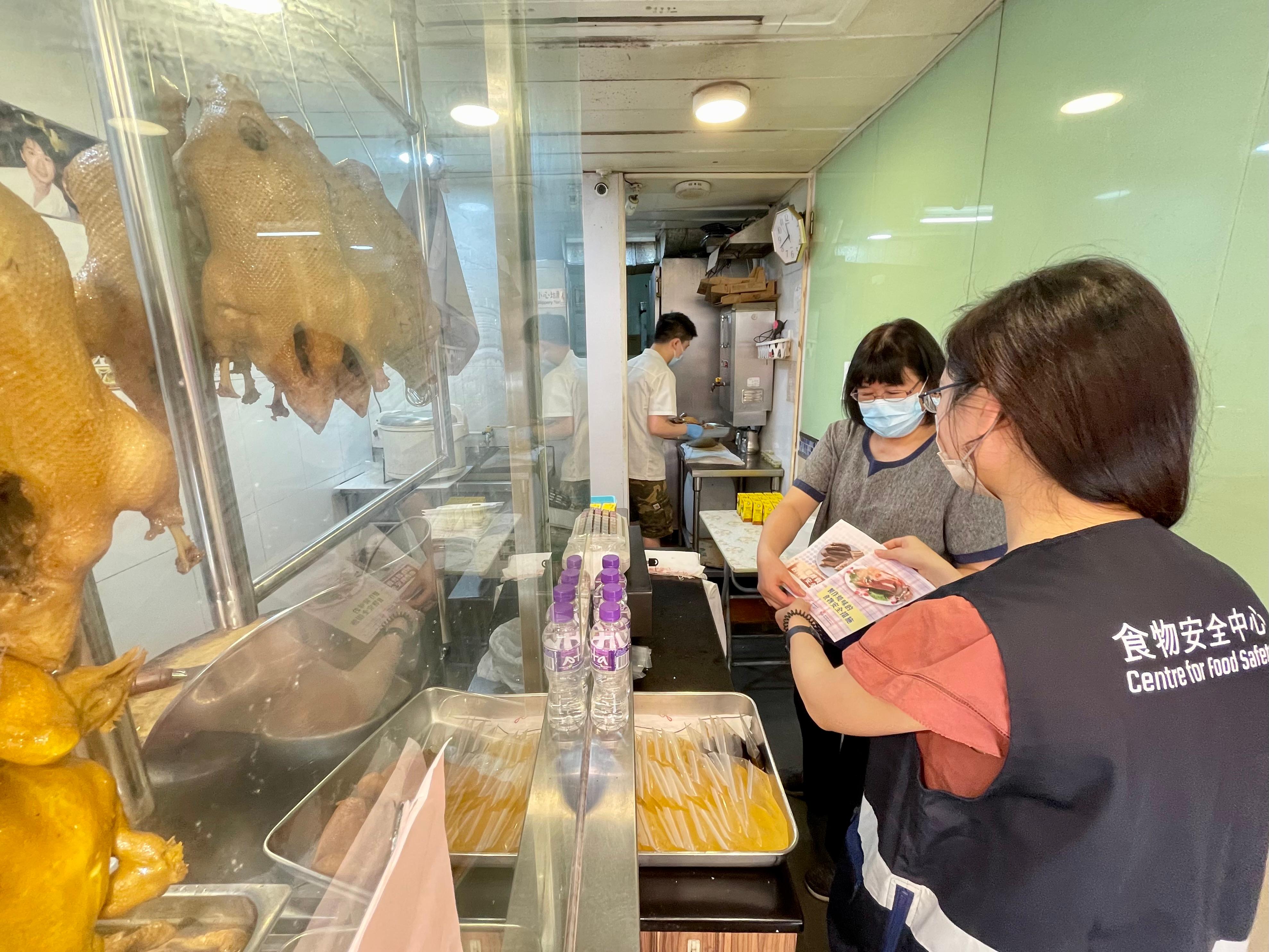
     The Centre for Food Safety (CFS) of the Food and Environmental Hygiene Department (FEHD) today (May 30) said that summer is a high-risk season for foodborne diseases caused by bacteria since the warm weather is conducive to the rapid growth of bacteria. The average temperature in Hong Kong is projected to be higher this year as the climate continues to warm. To this end, the CFS reminded members of the public and food businesses to pay special attention to food safety during the summer. Furthermore, as like last year, the CFS has already commenced the Summer Food Surveillance Programme this month, conducting targeted food surveillance projects and collecting samples for microbiological tests.

     Most disease-causing bacteria thrive and reproduce quickly between 4 degrees Celsius and 60 degrees C, which is known as the temperature danger zone. Food contaminated with harmful bacteria can rapidly proliferate to dangerous levels at ambient temperatures, causing food to deteriorate quickly. High-risk foods, including ready-to-eat foods that do not require further cooking such as siu mei and lo mei, cooked rice and pasta; and raw or undercooked foods, such as oyster and sashimi, must be handled with care and should not be kept at room temperature for a prolonged period of time. To prevent bacteria growth, prepared food must be refrigerated at or below 4 degrees C or over 60 degrees C unless consumed immediately.

     If the food cannot be kept in the above temperature range, the two-hour/four-hour rule must be followed. That is, if prepared food is kept at room temperature for less than two hours, it can be refrigerated for later use; if cooked food has been held at room temperature for more than four hours, it should be discarded. If the food needs to be chilled for storage after cooking, a two-stage cooling method can be used: cool the temperature of food from 60 degrees C to 20 degrees C in two hours, then from 20 degrees C to 4 degrees C in four hours to reduce the duration that food remains in the temperature danger zone. 

     The spokesman said, "Members of the public should not consume food to determine if it is safe or not, since the flavour or smell of the food does not always go bad even when bacteria that can cause food poisoning are at harmful levels. If in doubt, the public should throw the food away."

     The spokesman reminded members of the public in particular that raw or undercooked foods are high-risk foods as there is not any, or inadequate, heat treatment to eliminate the micro-organisms present that can pose risks to human health. Raw or undercooked foods are also associated with the risk of contracting antimicrobial resistance (AMR) micro-organisms. Although these AMR microorganisms may not cause acute illnesses, they may transfer their antibiotic resistance genes to other bacteria inside the human body, therefore affecting the effectiveness of the future use of antibiotics when needed. Susceptible populations such as pregnant women, young children, the elderly and people with weakened immunity (i.e. people with chronic diseases or those on antibiotics treatment, antacid and long-term steroids or drugs given to prevent transplant rejection, etc) are of higher risk of being infected or having complications if they consume raw or undercooked foods due to their health status. They should therefore avoid eating raw and undercooked foods.

     Members of the public and food businesses should pay attention to food safety, especially in summer, and observe the following "Five Keys to Food Safety" in order to reduce the risk of foodborne diseases:

  • choose (choose safe raw materials);
  • clean (keep hands and utensils clean);
  • separate (separate raw and cooked food);
  • cook (cook thoroughly); and
  • safe temperature (keep food at a safe temperature).

     Members of the public are also reminded to dine out in licensed and hygienic restaurants. Food premises selling sushi and sashimi or other high-risk food require a special permit. The public should patronise only those with relevant licences or permits issued by the FEHD. For more information on food safety, please visit the CFS's "Safe Food for All" thematic webpage (www.cfs.gov.hk/safefood).
Photo  


Hong Kong Customs and FSD conduct joint counter-terrorism exercise (with photos)

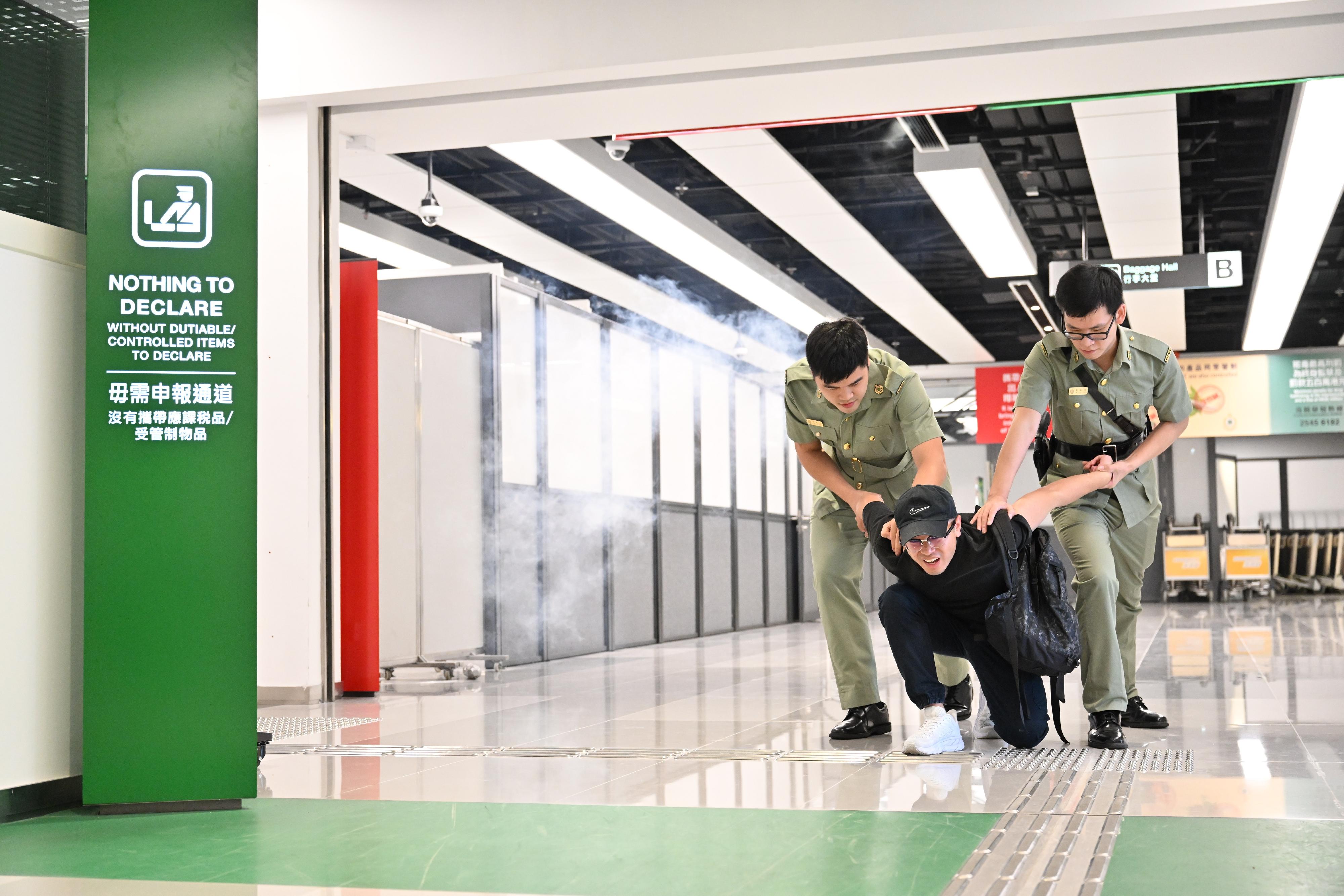
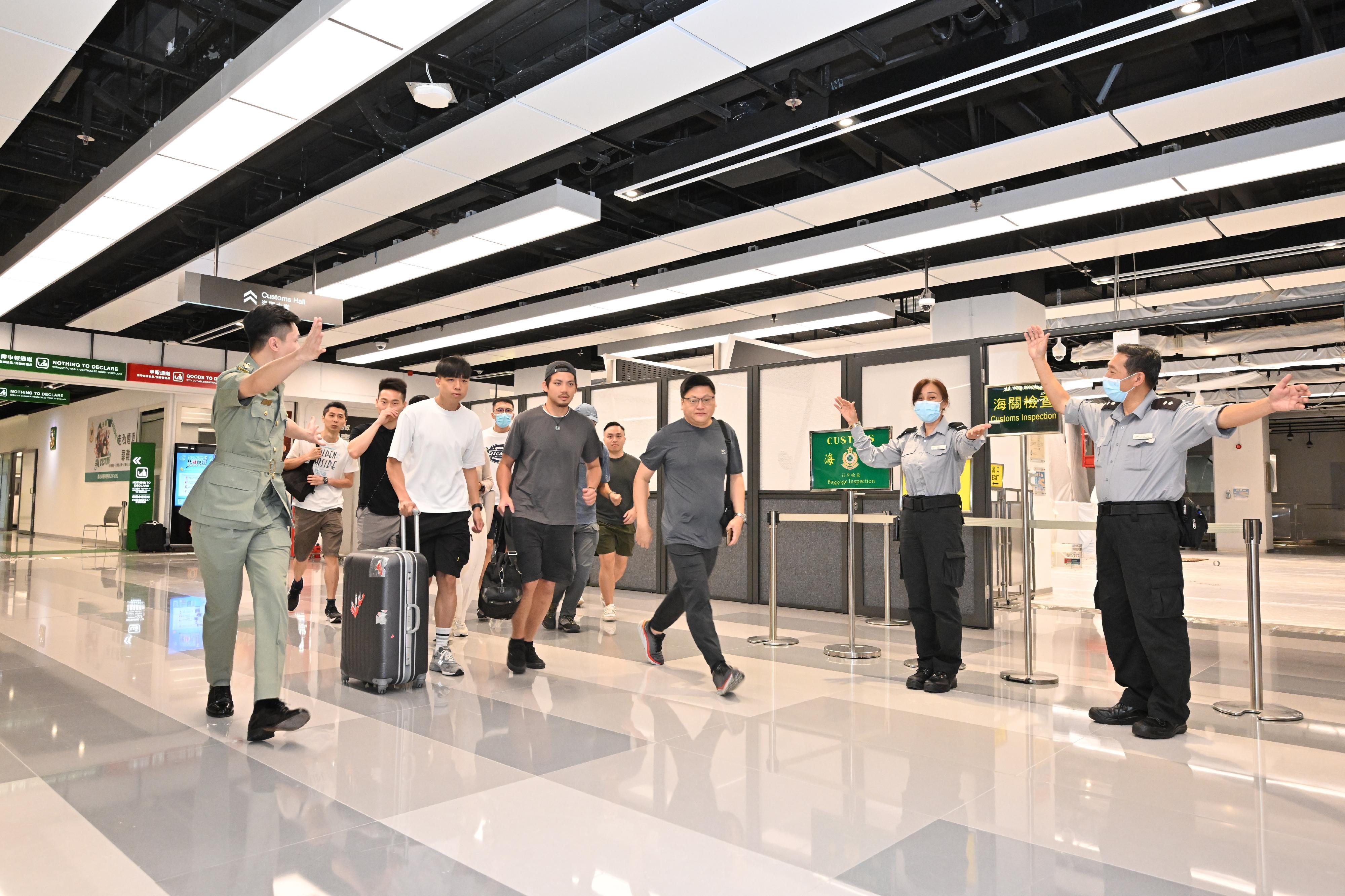
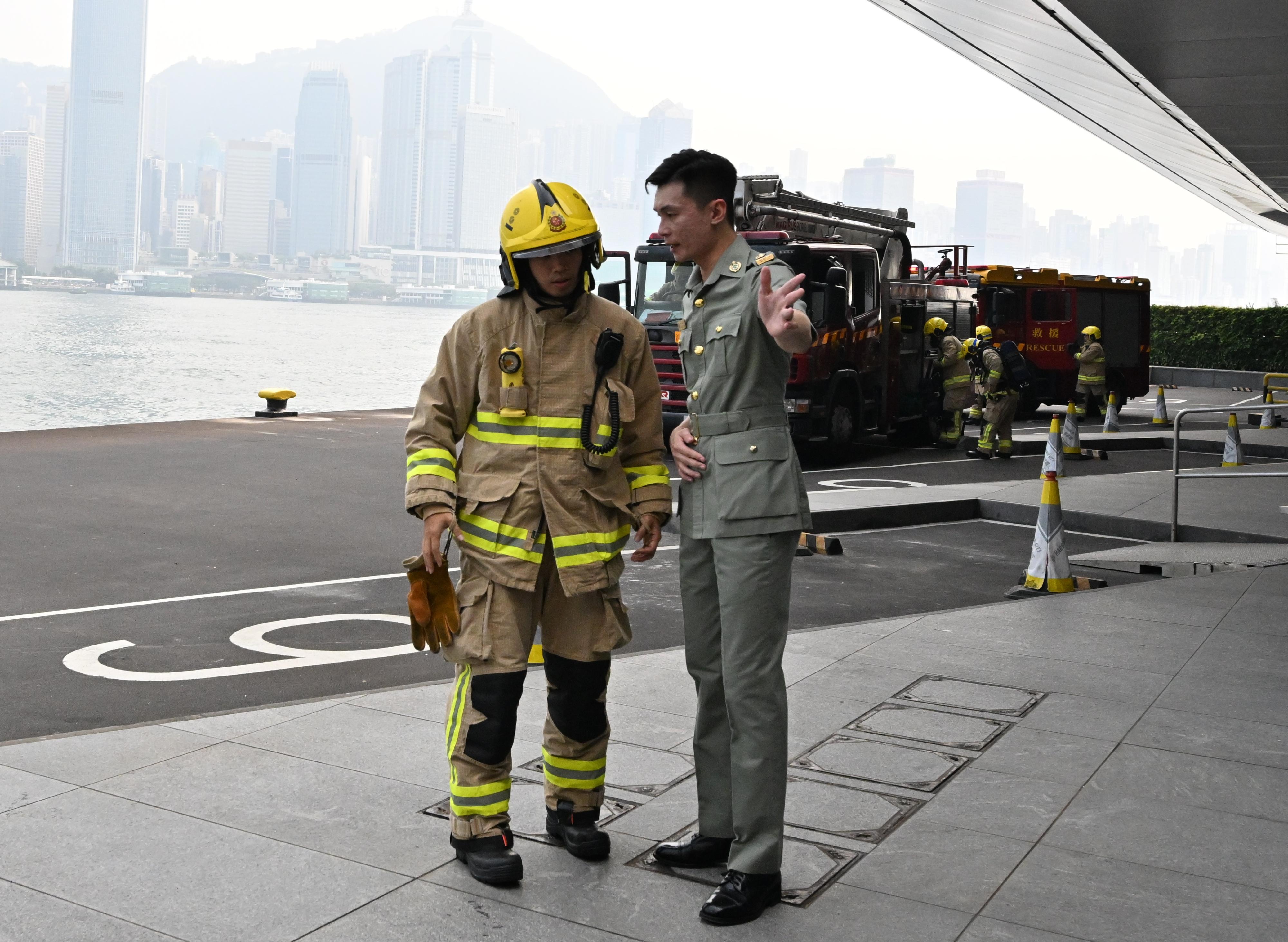
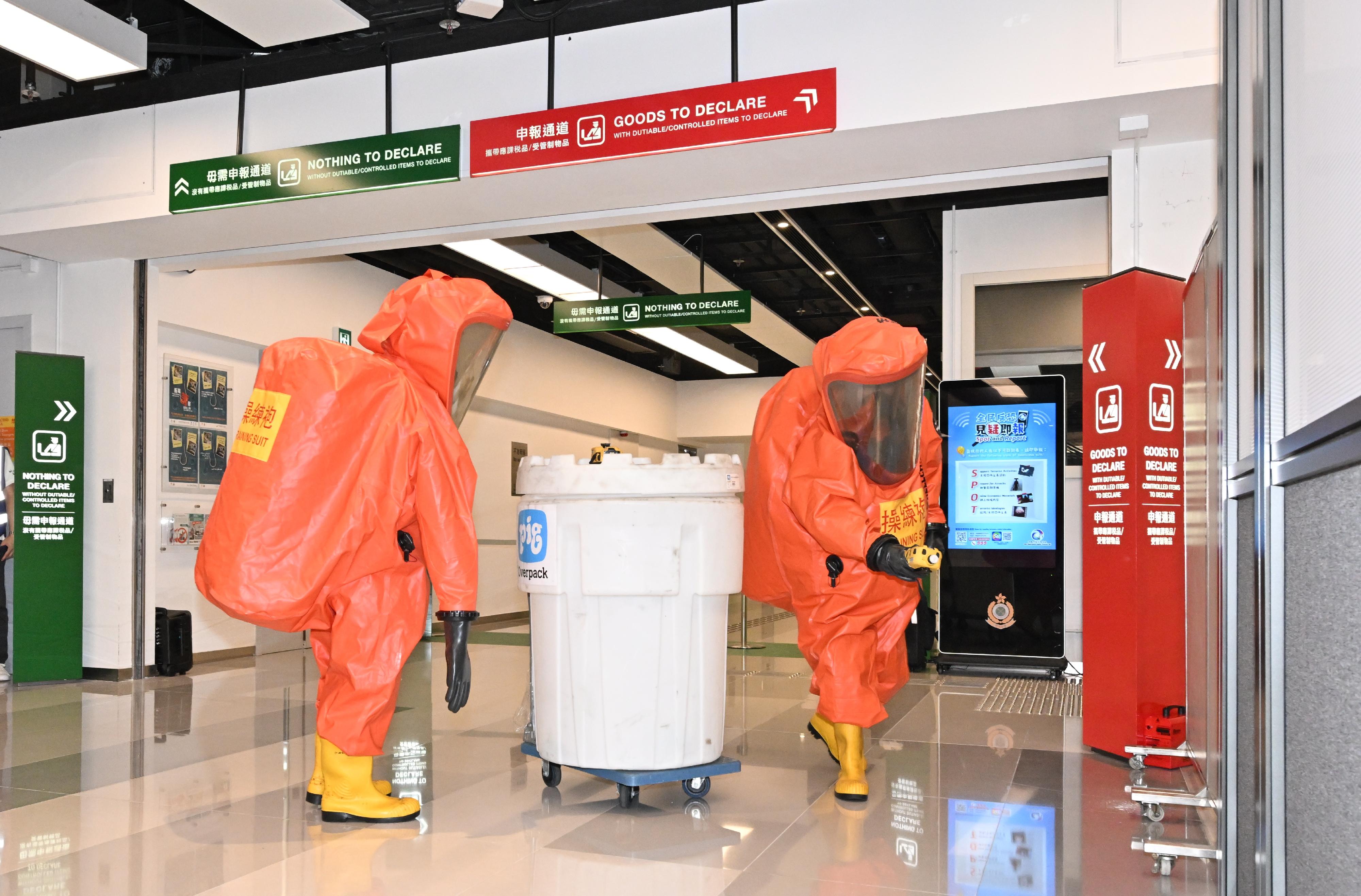
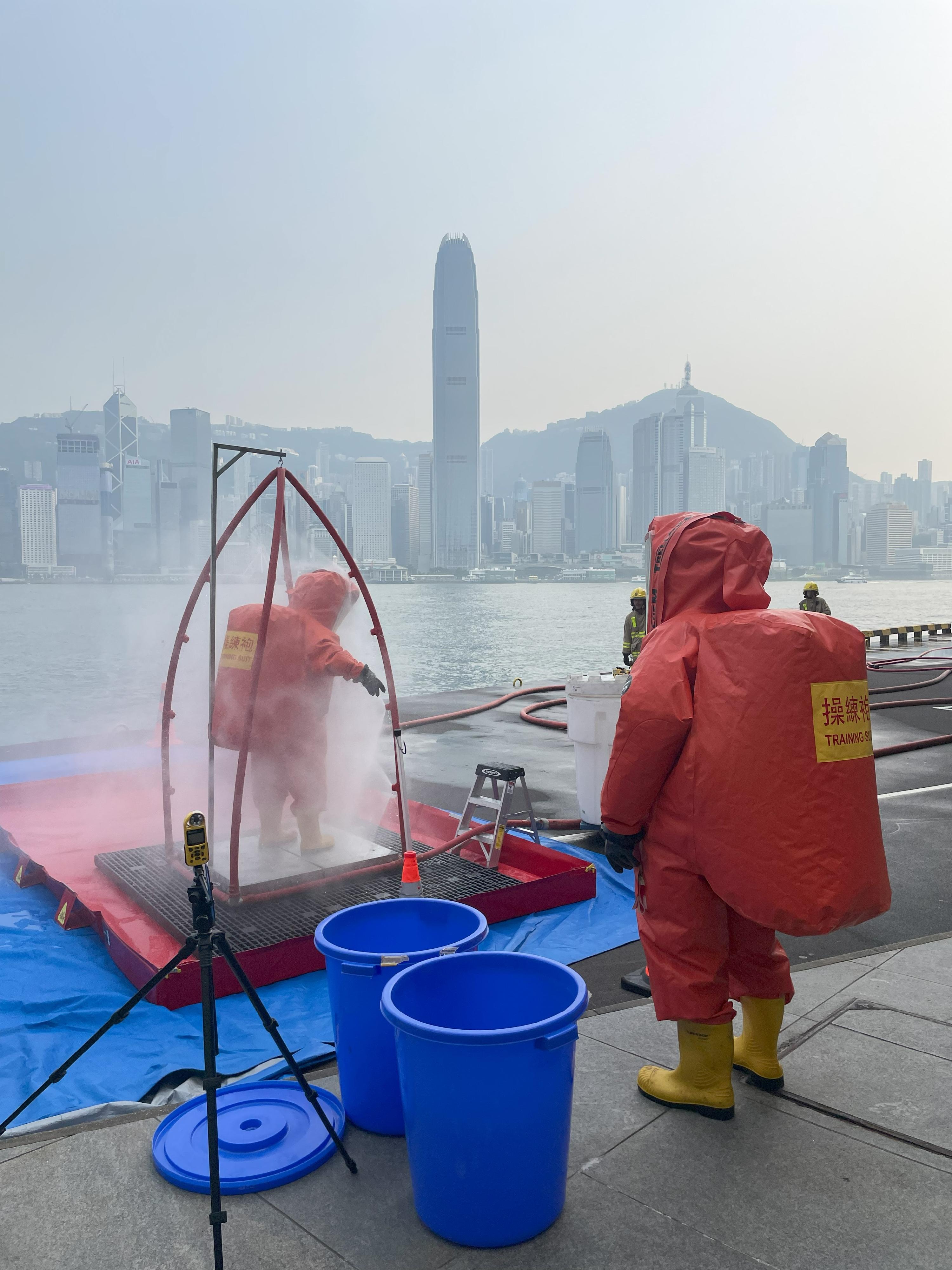
     â€‹Hong Kong Customs and the Fire Services Department (FSD) co-organised a counter-terrorism exercise codenamed "GATEKEEPER II" this afternoon (May 30) at the Ocean Terminal. 

     About 100 officers from Customs and the FSD participated in the exercise, which comprised two scenarios. The first scenario simulated the identification of a passenger suspected to be related to terrorist activities during Customs clearance at the Passenger Arrival Hall of the Ocean Terminal. Customs officers immediately informed the Inter-departmental Counter Terrorism Unit for follow-up action.  

     The second scenario simulated a biochemical attack attempted by a radical at the Ocean Terminal. Customs officers subdued the attacker and activated the contingency response plan as well as informed on-duty security guards of the Ocean Terminal immediately. People at the scene were evacuated in an orderly and safe manner. FSD officers responded swiftly to the scene upon being summoned to mount a rescue operation and handle the hazardous material.

     Customs and the FSD hope to raise frontline officers' awareness of counter-terrorism and their capability to handle counter-terrorism intelligence through conducting regular exercises. It can enhance the co-ordination and communication between the two departments in case of terrorist attacks so that the lives and property of the public will be better protected.

     Moreover, the management staff and security guards of the Ocean Terminal were specially invited to participate in the counter-terrorism exercise this time. This not only can strengthen the co-operation between government departments and stakeholders, but also strengthen the response capability of each person in the event of terrorist incidents. 

Photo  Photo  Photo  Photo  Photo  Photo  


SJ begins visit programme in Beijing (with photos)

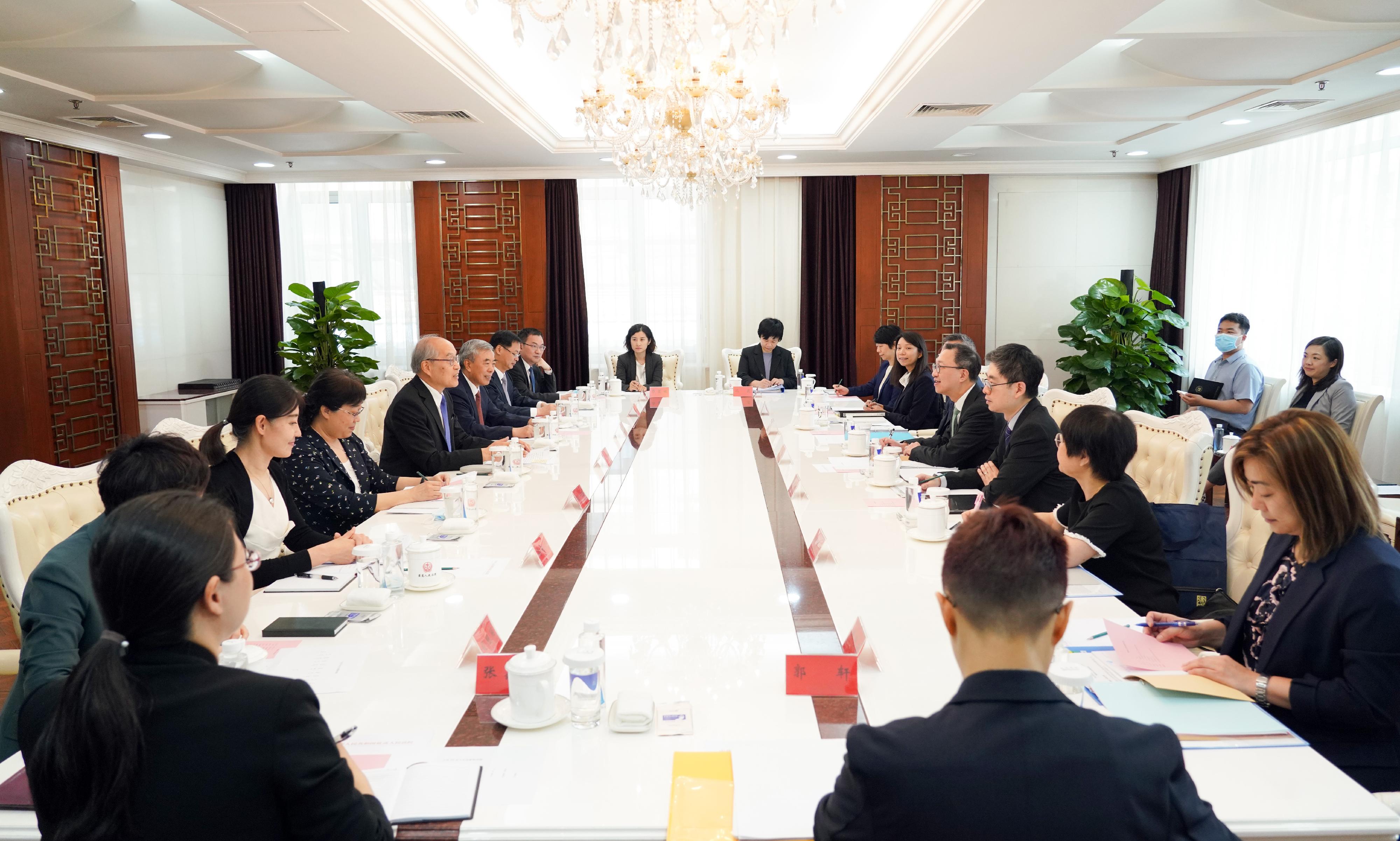
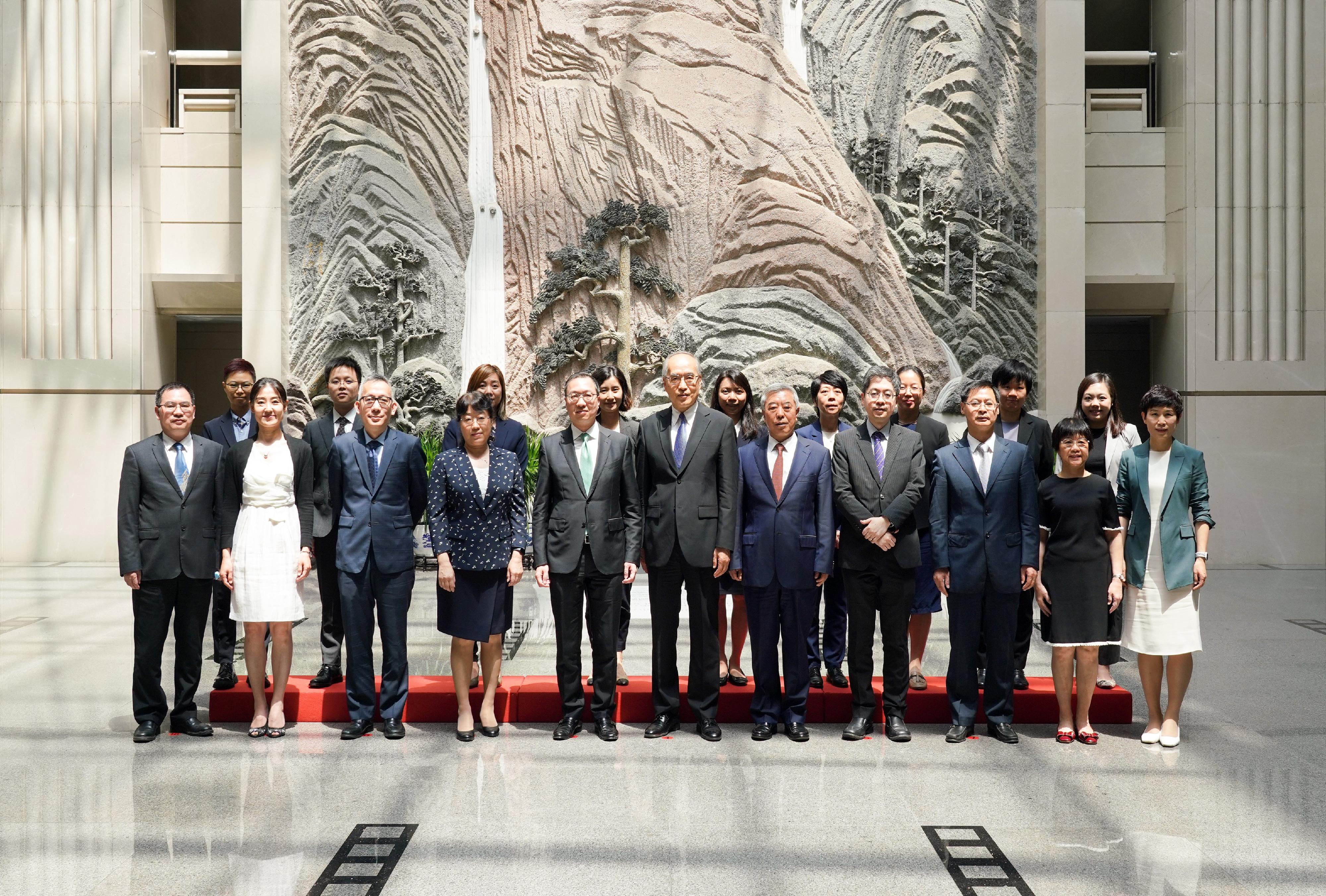
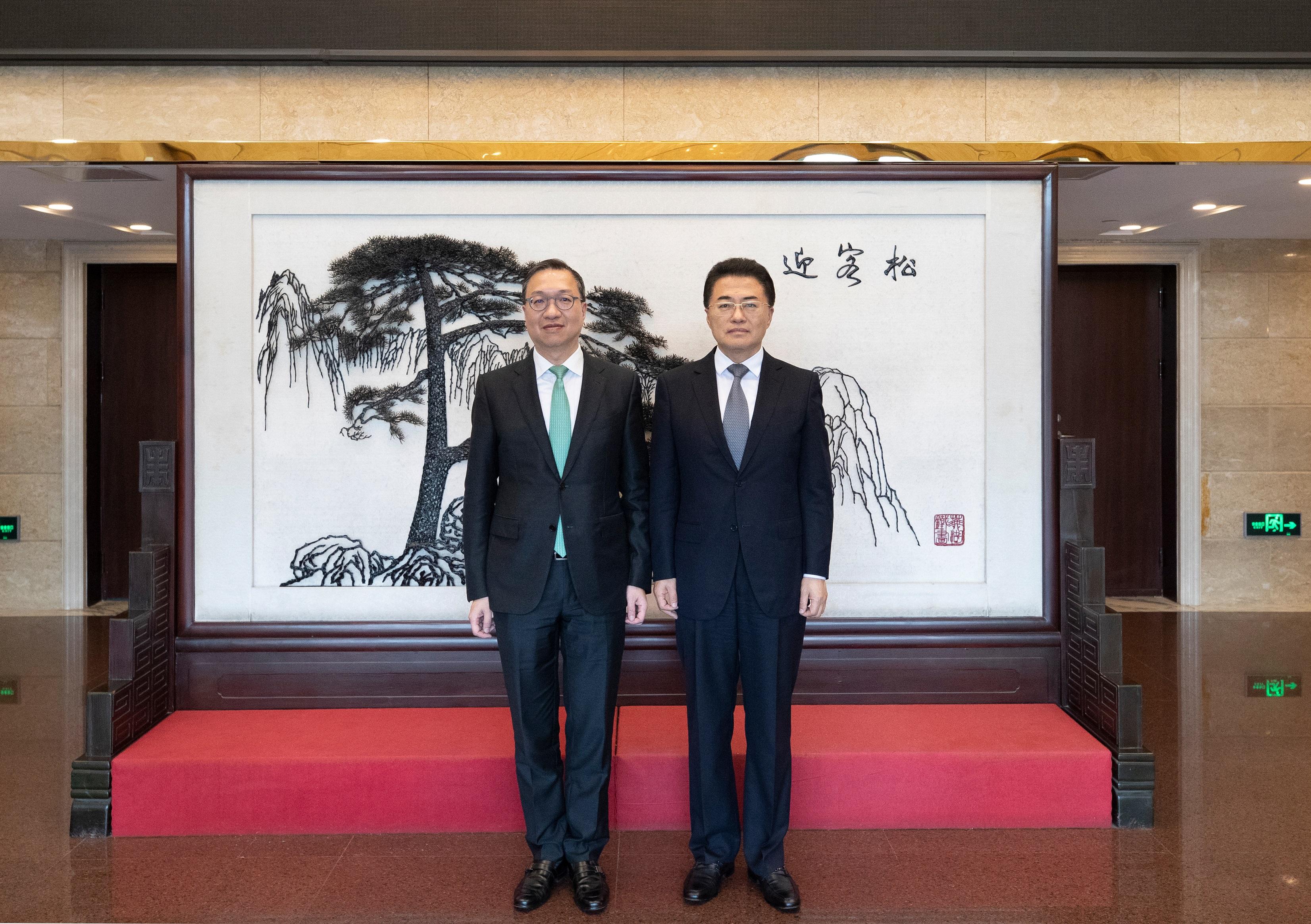
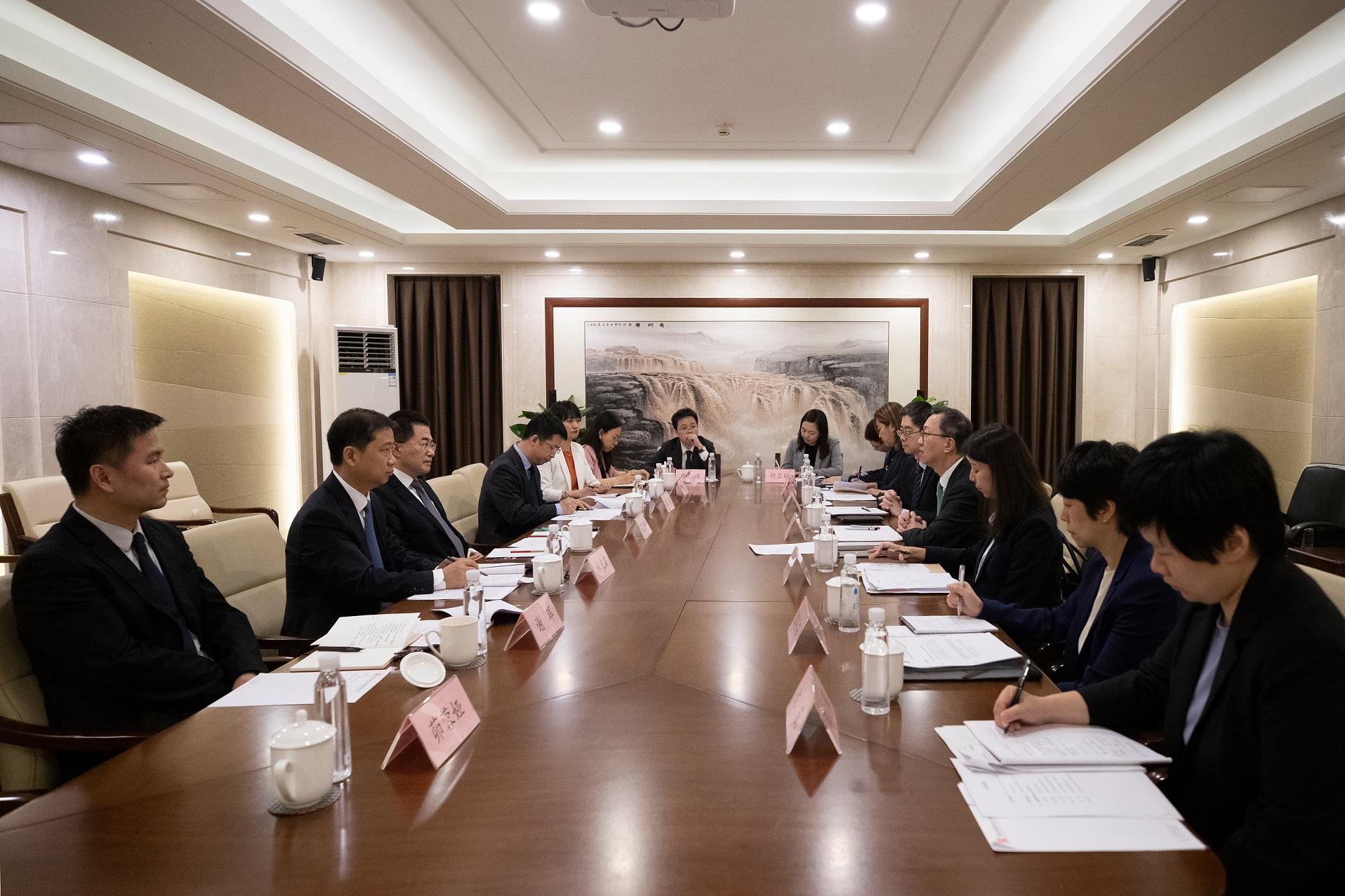
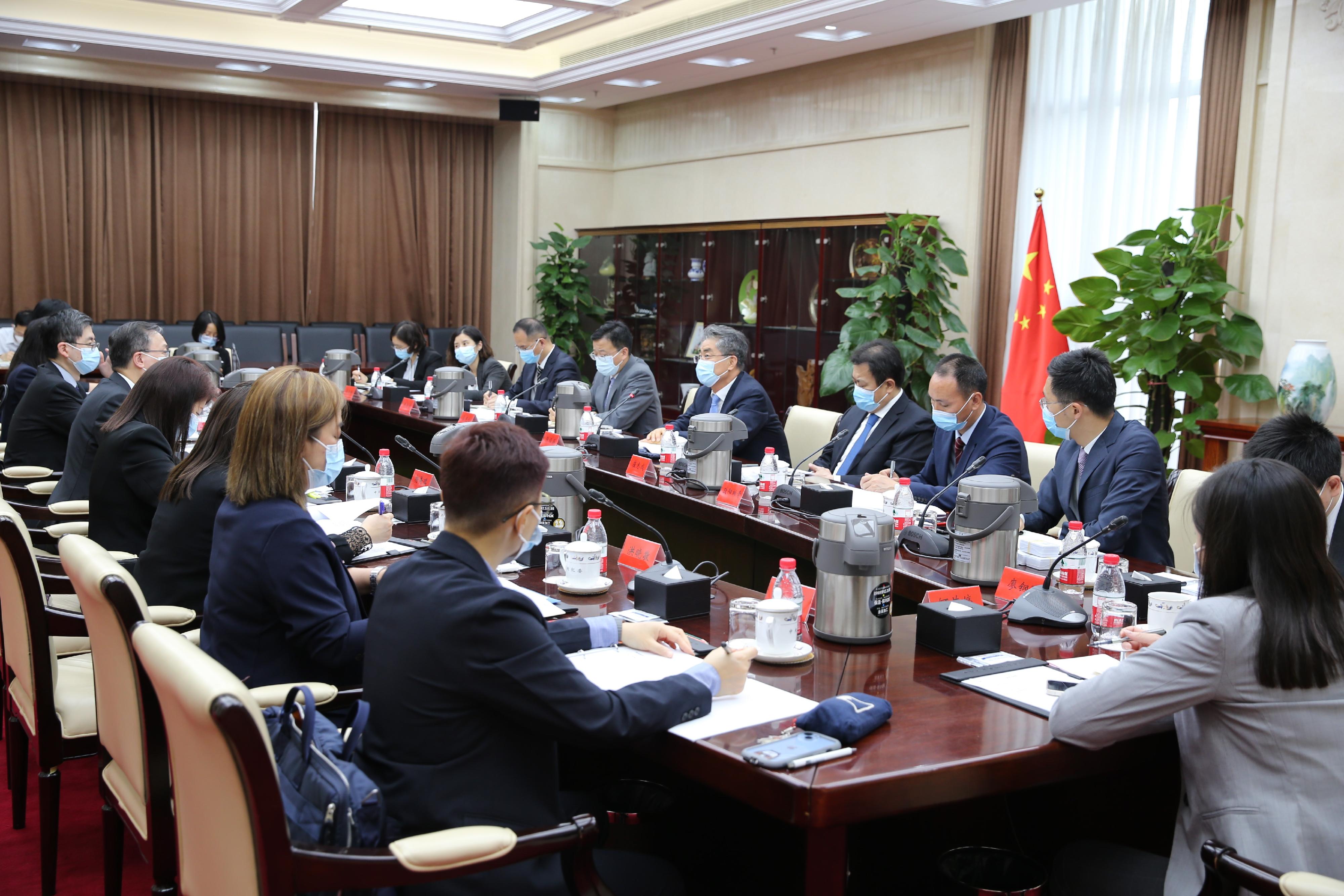
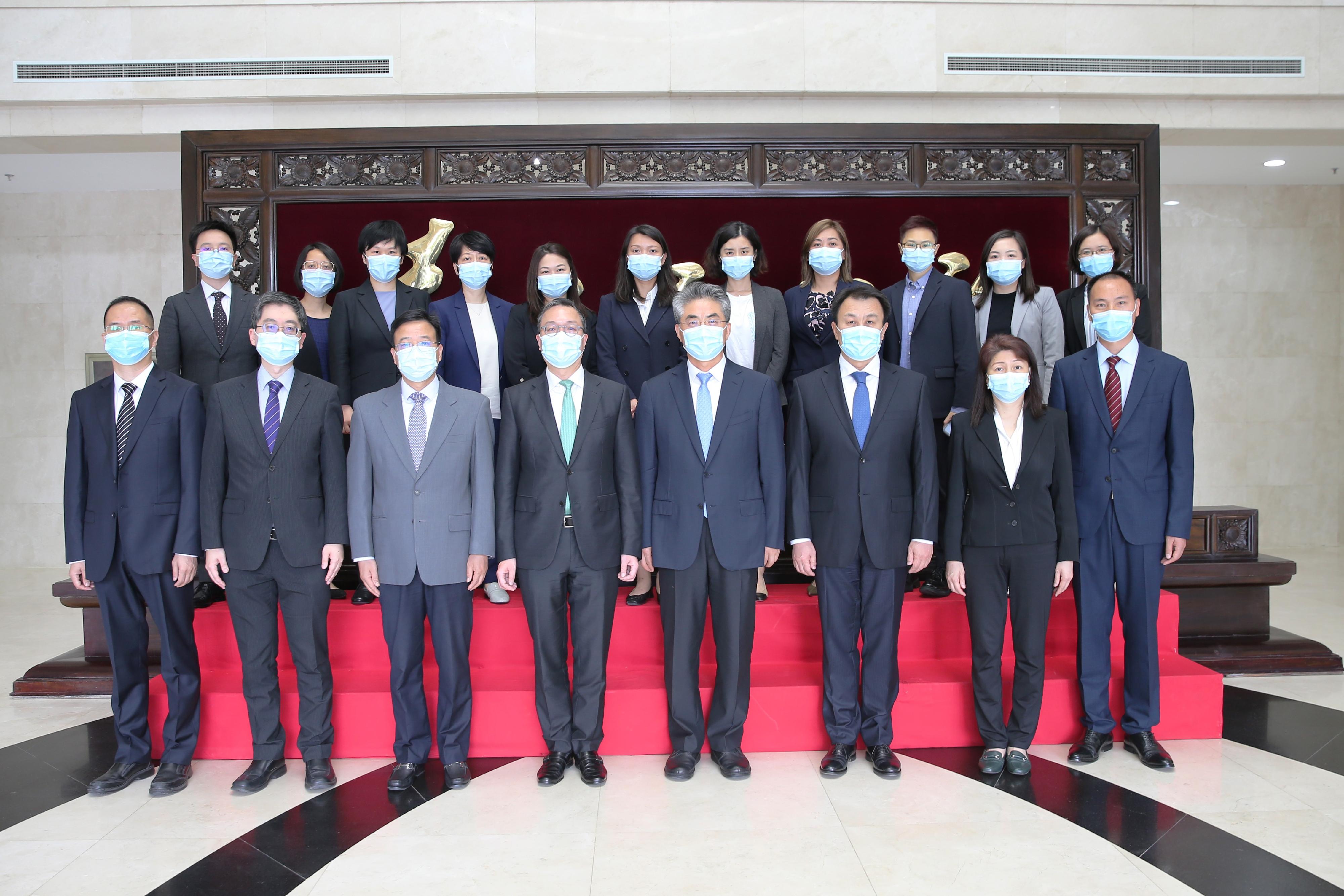
     The Secretary for Justice, Mr Paul Lam, SC, started the first day of his visit to Beijing yesterday (May 29) and called on the Supreme People's Court, the State-owned Assets Supervision and Administration Commission of the State Council and the National Supervisory Commission. He continued his visit in Beijing today (May 30) to call on the Supreme People's Procuratorate and the National Development and Reform Commission to exchange views with senior officials of the ministries and authorities on issues of mutual interest.

     Mr Lam and the officials in his entourage called on the Supreme People's Procuratorate in the morning to meet with the Procurator-General, Mr Ying Yong, to discuss the strengthening of legal exchanges and co-operation between Hong Kong and the Mainland, as well as the implementation of the Record of Meeting of the Supreme People's Procuratorate and the Department of Justice of the Government of the Hong Kong Special Administrative Region on Exchanges and Cooperation on Legal Matters, so as to strengthen the training for the staff of both sides, and to share their work experiences. Other important issues have also been examined at the meeting.

     In the afternoon, Mr Lam met with Deputy Director of the National Development and Reform Commission Mr Cong Liang to discuss and exchange views on topics including advancing Hong Kong's status as a centre for international legal and dispute resolution services in the Asia-Pacific region, participating in and contributing to the country's Belt and Road Initiative work plan, and developing Hong Kong into a training base for the country's talent in the practice of foreign-related legal affairs.

     Yesterday morning, Mr Lam called on the Supreme People's Court and met with its President, Mr Zhang Jun, to have an in-depth discussion on topics including enhancing mutual legal assistance between the Mainland and Hong Kong, deepening the legal systems' connectivity within the Guangdong-Hong Kong-Macao Greater Bay Area and promoting the nurturing of the country's talent in the practice of foreign-related legal affairs, and to consider concrete implementation work.

     On the afternoon of the same day, Mr Lam visited the State-owned Assets Supervision and Administration Commission of the State Council and met with its Vice Chairman Mr Weng Jieming to explore implementing measures to better utilise the advantages of Hong Kong's common law system and setting up exchange mechanisms, with a view to enabling the state-owned enterprises to have a better understanding of Hong Kong's legal system and dispute resolution services. In addition, both sides also discussed ways to contribute to the country's cultivation of a team of foreign-related legal talent.

     Mr Lam then met with Deputy Director of the National Supervisory Commission Mr Zhang Fuhai to explore further strengthening the legal exchange, co-operation and staff training between the two places on important issues including anti-corruption and anti-money laundering.

     Mr Lam will continue the third day of his visit in Beijing tomorrow.

Photo  Photo  Photo  Photo  Photo  Photo  


TAC’s response to Executive Council’s decision to approve franchised bus operators’ fare increases

​The following is issued on behalf of the Transport Advisory Committee:
      
     In response to the Executive Council's decision to approve fare increase applications from franchised bus operators today (May 30), the Chairman of the Transport Advisory Committee (TAC), Professor Stephen Cheung, said the TAC appreciated that the Government has handled the fare increase applications from franchised bus operators in a prudent manner as it has always been, taking into account a basket of factors before arriving at the decision.

     Professor Cheung said, "The TAC welcomes the Government's exercising its gatekeeper role, setting the rates of fare increase to a relatively mild level to minimise the impact on the public while maintaining the financial sustainability of the franchised bus operators. The TAC also agrees that the Government should continue to adopt a multipronged approach to encourage and assist franchised bus operators in raising revenue and reducing expenditure, and continue its efforts in enhancing bus service networks to improve operational efficiency, and assist operators to further expand sources of non-fare box revenue, so as to alleviate the pressure for fare increases."

     "Maintaining safe, efficient and quality franchised bus services is vital to the economy and people's livelihood. The TAC acknowledges that it is essential to ensure that the franchised bus operators have the financial capability and incentive to continue making investments in enhancing bus safety, providing quality public bus services, keeping in line with the Government's environmental policy, etc," Professor Cheung continued. 


Public hospitals response level stands down to Alert

The following is issued on behalf of the Hospital Authority:

     The Hospital Authority (HA) announced today (May 30) that public hospitals will stand down the response level from Emergency Response Level to Alert Response Level with immediate effect to dovetail with the Government's decision to stand down the response level from Emergency to Alert under the Preparedness and Response Plan for Novel Infectious Disease of Public Health Significance, in view of the latest situation of COVID-19.
     
     Under the Alert Response Level, members of the public are reminded that the following measures will be implemented in public hospitals and clinics:
 

  • Visiting arrangements in public hospitals resumed earlier will persist: visiting hours will be not more than four hours per day and not more than two visitors per visit for all acute wards; and not more than six hours per day and not more than two visitors for all convalescent and rehabilitation wards. Please refer to the notice posted in respective wards for details;
  • Patients, visitors and staff members are required to wear surgical masks in the patient care areas of public hospitals and clinics;
  • Patients, visitors and staff members are required to maintain personal and environmental hygiene at all times, and pay special attention to hand hygiene; and
  • All volunteer services and clinical attachment resumed earlier in public hospitals will continue.

 
     In addition, the Special Chinese Medicine Programme for COVID-19 In-patients provided at the North Lantau Hospital Hong Kong Infection Control Centre will be suspended.
 
     The HA spokesman said, "Posters and notices will be displayed in public hospitals and clinics to remind members of the public of the standing down of the response level and the corresponding revised arrangements. The triage assessment for fever patients with respiratory symptoms will remain unchanged and continue at Accident and Emergency Departments and General Outpatient Clinics."
 
     "In close collaboration with the Centre for Health Protection, we will stay vigilant to monitor the latest developments of different infectious diseases and the need to update measures. We will continue to keep the public and healthcare professionals informed of the latest situation and provide relevant information," the spokesman added.