Update on cluster of Candida auris cases in Princess Margaret Hospital

The following is issued on behalf of the Hospital Authority:

     Regarding an earlier announcement on Candida auris carrier cases, the spokesperson for Princess Margaret Hospital made the following update today (March 14):

     Following a contact tracing investigation, one more male patient, aged 85, in a medicine and geriatrics ward in Princess Margaret Hospital, was identified as a carrier of Candida auris without signs of infection. The patient is now being treated in isolation, and is in stable condition.

     The ward concerned has adopted the following enhanced infection control measures:
 

  1. enhanced patient and environmental screening procedures;
  2. applied stringent contact precautions and enhanced hand hygiene of staff and patients; and
  3. commenced a thorough cleaning and disinfection of the ward concerned.

     The hospital has reported the case to the Hospital Authority Head Office and the Centre for Health Protection for follow up and will continue to closely monitor the situation.


Effective Exchange Rate Index

     The effective exchange rate index for the Hong Kong dollar on Friday, March 14, 2025 is 106.4 (up 0.1 against yesterday's index).


Grading of beach water quality released

     The Environmental Protection Department (EPD) today (March 14) released the latest grading of water quality for 10 gazetted beaches that are open for swimming.
 
     Nine beaches were rated as Good (Grade 1), and one as Fair (Grade 2).
 
Grade 1 beaches are:          

Big Wave Bay Beach Lido Beach
Casam Beach Repulse Bay Beach
Clear Water Bay Second Beach Silver Mine Bay Beach
Deep Water Bay Beach Stanley Main Beach
Golden Beach  

 
Grade 2 beach is:

Silverstrand Beach  

 
     Compared with the grading released last week, there was no change in the grading for these beaches.
 
     Under the present grading system, beaches are classified into four grades, namely Good (Grade 1), Fair (Grade 2), Poor (Grade 3) and Very Poor (Grade 4), according to the level of E. coli in the water. Grades are calculated on the basis of the geometric mean of the E. coli counts on the five most recent sampling occasions.
 
     While the ratings represent the general water quality at the beaches, an EPD spokesman reminded members of the public that water quality could be temporarily affected during and after periods of heavy rain. Bathers should avoid swimming at beaches for up to three days after a tropical cyclone or heavy rainfall.
 
     A summary of beach grades is published weekly before the weekend. The latest beach grades based on the most current data may be obtained from the EPD's website on Beach Water Quality (www.epd.gov.hk/epd/beach) or the beach hotline, 2511 6666.  Members of the public can also obtain the latest daily water quality forecast information for all beaches that are open for swimming through the EPD's dedicated webpage on the beach water quality forecast (www.epd.gov.hk/en/BWQForecast).


Inspection of aquatic products imported from Japan

     In response to the Japanese Government's plan to discharge nuclear-contaminated water at the Fukushima Nuclear Power Station, the Director of Food and Environmental Hygiene issued a Food Safety Order which prohibits all aquatic products, sea salt and seaweeds originating from the 10 metropolis/prefectures, namely Tokyo, Fukushima, Ibaraki, Miyagi, Chiba, Gunma, Tochigi, Niigata, Nagano and Saitama, from being imported into and supplied in Hong Kong.
 
     For other Japanese aquatic products, sea salt and seaweeds that are not prohibited from being imported into Hong Kong, the Centre for Food Safety (CFS) of the Food and Environmental Hygiene Department will conduct comprehensive radiological tests to verify that the radiation levels of these products do not exceed the guideline levels before they are allowed to be supplied in the market.
 
     As the discharge of nuclear-contaminated water is unprecedented and will continue for 30 years or more, the Government will closely monitor and step up the testing arrangements. Should anomalies be detected, the Government does not preclude further tightening the scope of the import ban.
 
     From noon on March 13 to noon today (March 14), the CFS conducted tests on the radiological levels of 198 food samples imported from Japan, which were of the "aquatic and related products, seaweeds and sea salt" category. No sample was found to have exceeded the safety limit. Details can be found on the CFS's thematic website titled "Control Measures on Foods Imported from Japan" (www.cfs.gov.hk/english/programme/programme_rafs/programme_rafs_fc_01_30_Nuclear_Event_and_Food_Safety.html).

     In parallel, the Agriculture, Fisheries and Conservation Department (AFCD) has also tested 50 samples of local catch for radiological levels. All the samples passed the tests. Details can be found on the AFCD's website (www.afcd.gov.hk/english/fisheries/Radiological_testing/Radiological_Test.html).
 
     The Hong Kong Observatory (HKO) has also enhanced the environmental monitoring of the local waters. No anomaly has been detected so far. For details, please refer to the HKO's website
(www.hko.gov.hk/en/radiation/monitoring/seawater.html).
 
     From August 24, 2023, to noon today, the CFS and the AFCD have conducted tests on the radiological levels of 122 441 samples of food imported from Japan (including 80 325 samples of aquatic and related products, seaweeds and sea salt) and 28 228 samples of local catch respectively. All the samples passed the tests.
Hong Kong Space Museum to launch new dome show “T. REX” (with photos)

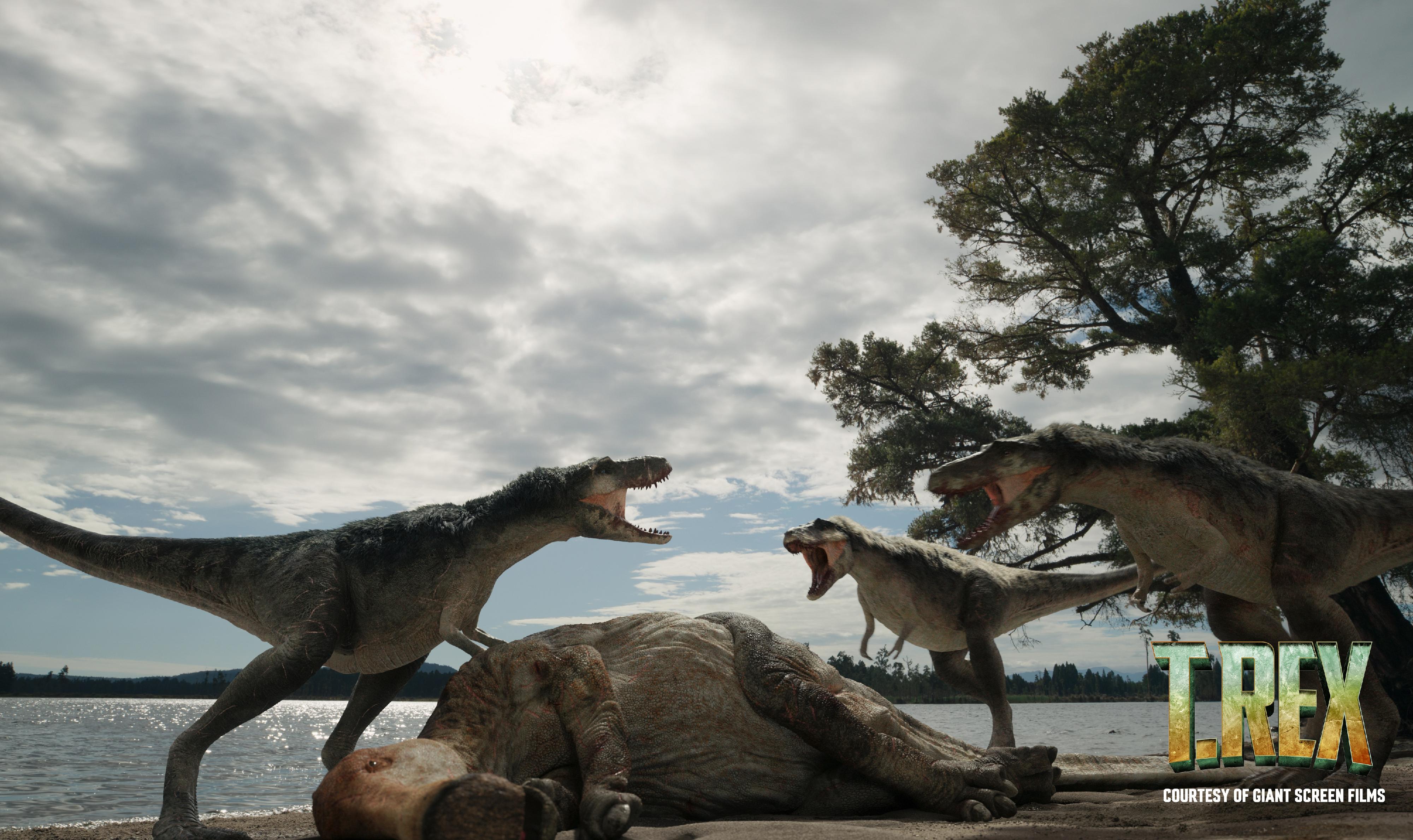
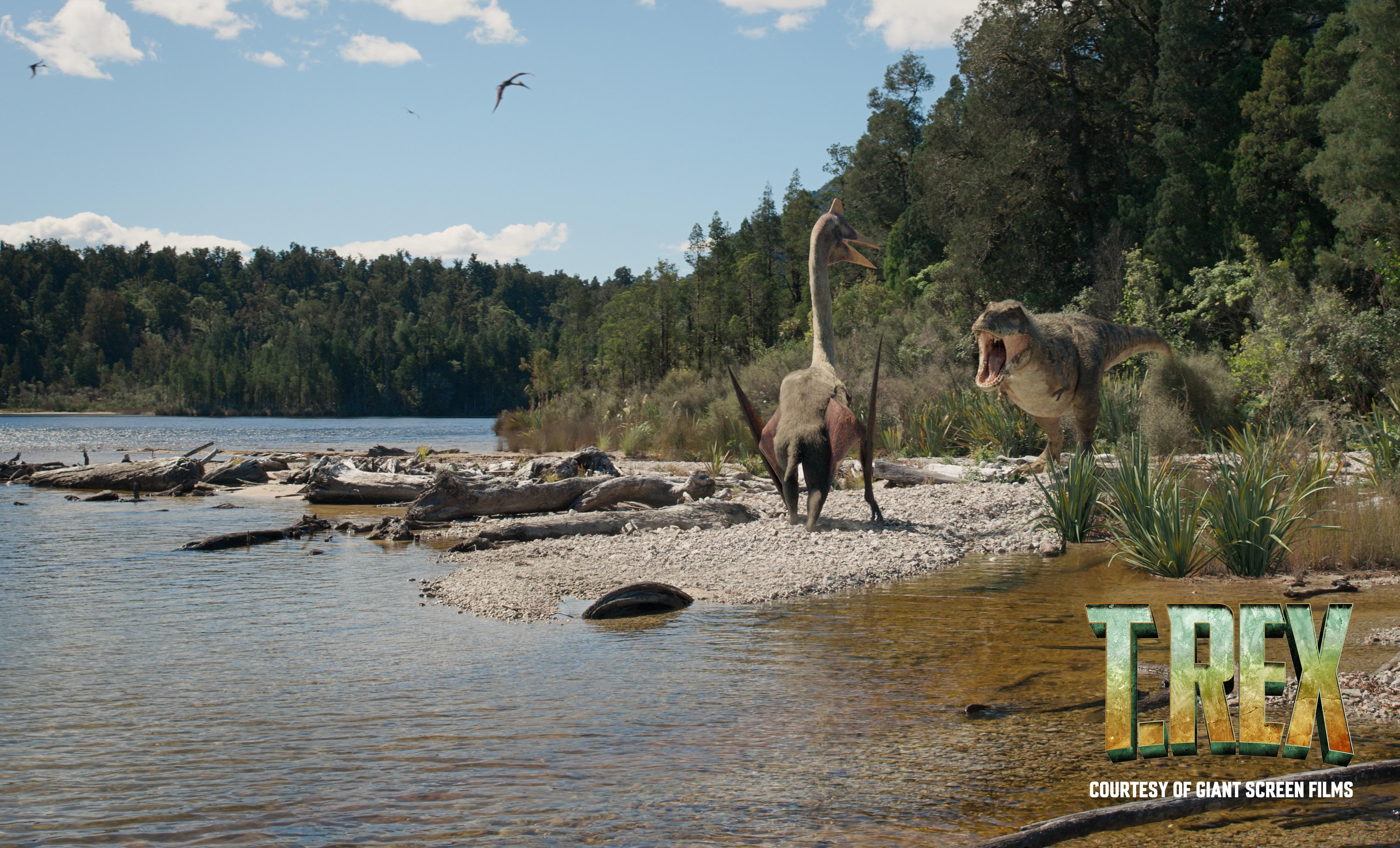
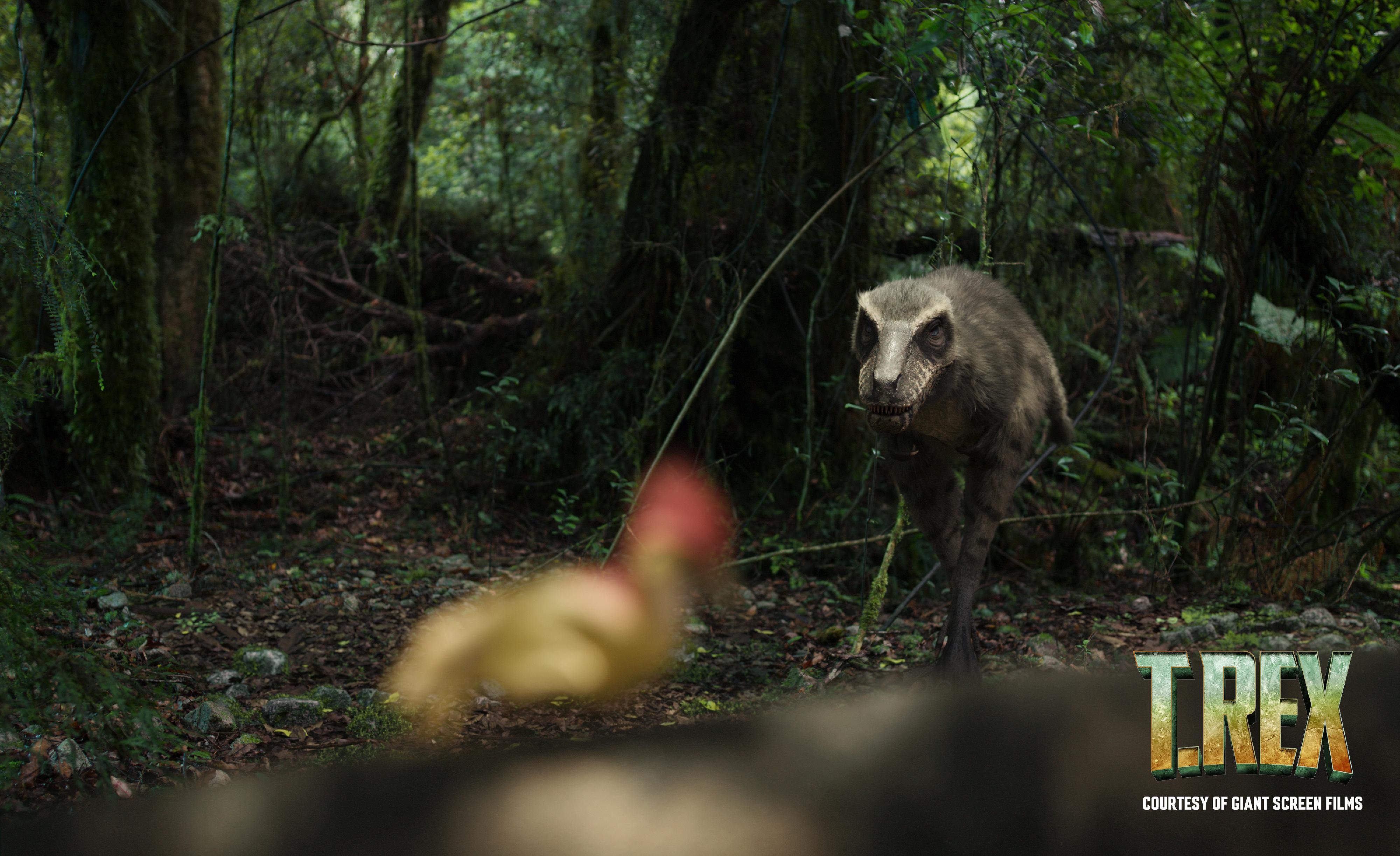
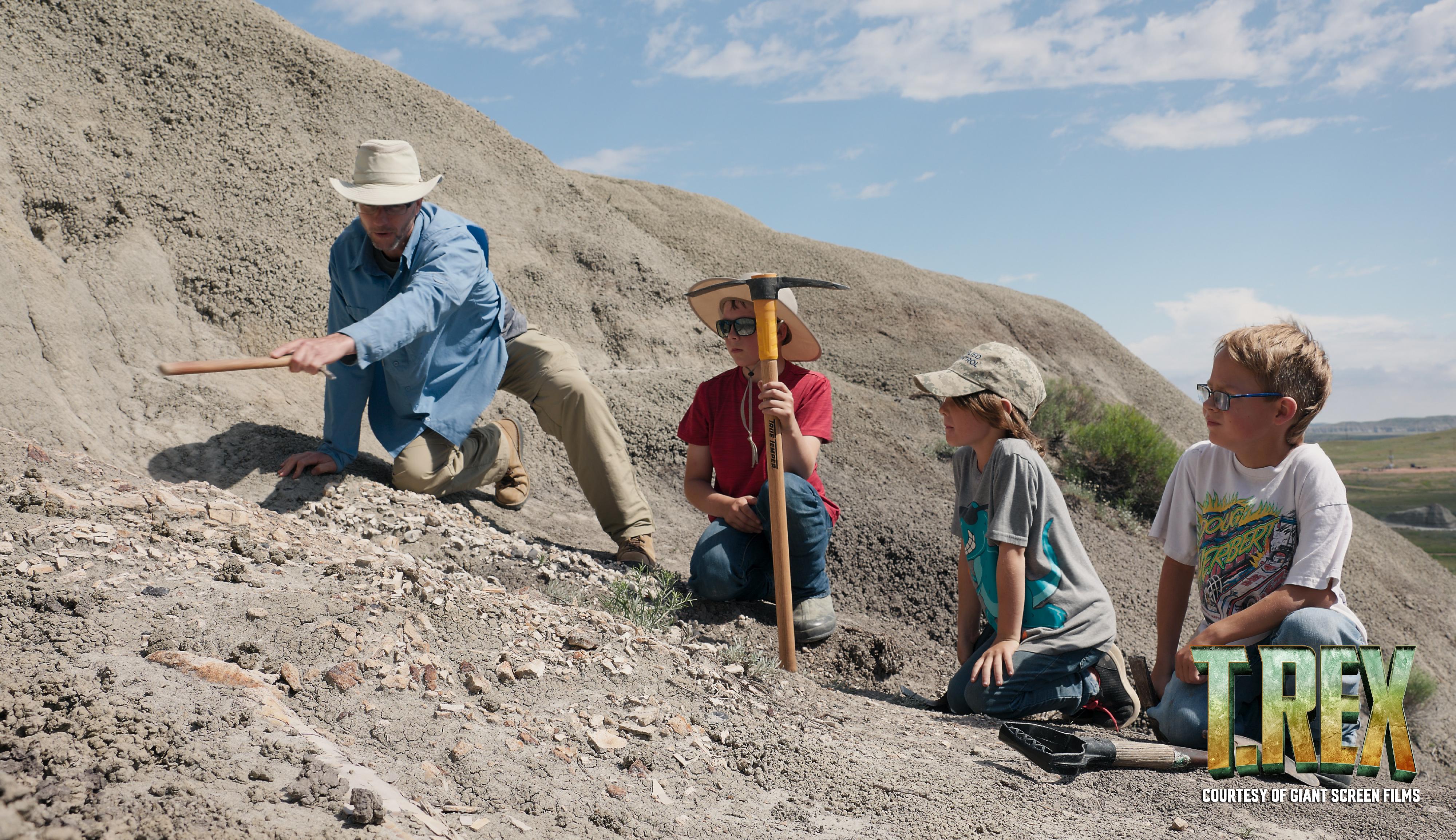
     The Hong Kong Space Museum will launch a new dome show, "T. REX", at its Space Theatre from tomorrow (March 15). Combining the latest scientific discoveries with computer-generated imagery, the show will take audiences back in time to the Cretaceous period 67 million years ago to explore how the T. rex become the ultimate ruler in an era when giants ruled the Earth.
      
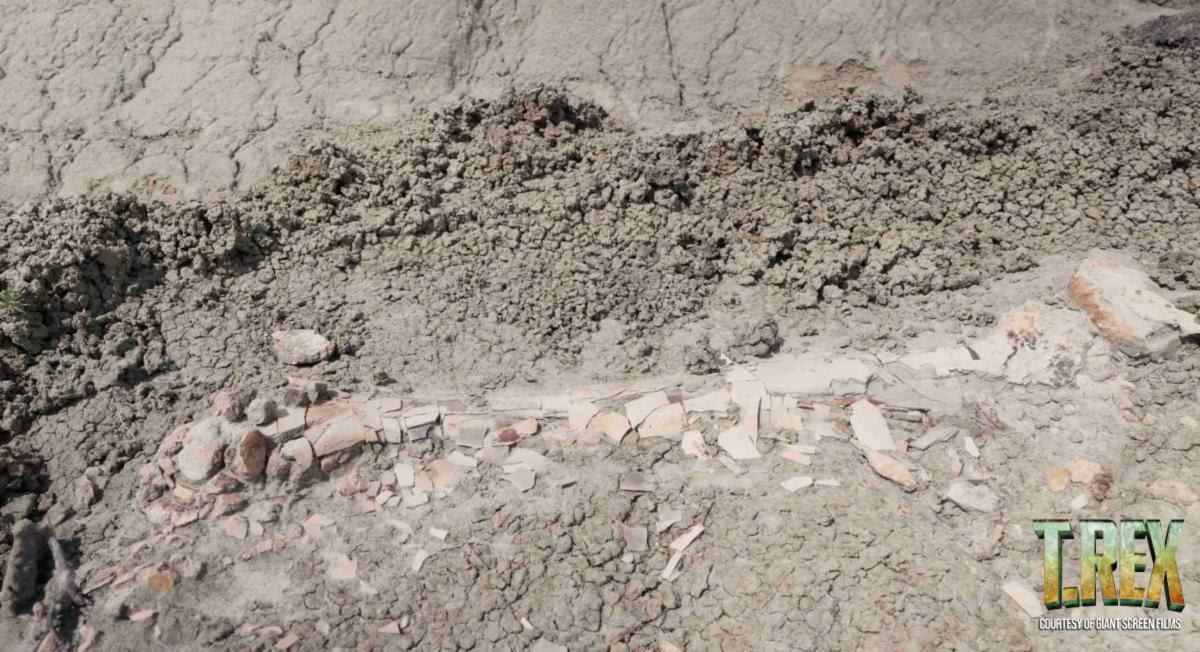
     The show will take audiences to follow palaeontologist Dr Tyler Lyson and his palaeontological team to the Hell Creek Formation in Montana, the United States, where three children made the unexpected discovery of T. rex fossils. The show will also recreate the challenges in a T. rex's life from a timid newborn dinosaur to an apex predator. Newborn T. rexes grow from the size of a domestic cat to nearly human-sized at an astonishing rate in the first year, and hone their hunting skills through playful activities as they prepare for future survival. Juvenile T. rexes were able to hunt medium-sized prey like the Edmontosaurus. The show is filled with thrilling scenes, including a T. rex defending against threats from powerful rivals such as the Quetzalcoatlus to protect its young, an epic life-and-death battle against a Triceratops, and the fierce conflicts among siblings during pack hunting.
      
     The 42-minute show will be screened until December 14. Screening times are 5pm on weekdays and 11am, 3.30pm and 8pm on weekends and public holidays respectively. Tickets priced at $30 (front stalls) and $40 (stalls) are now available at the Hong Kong Space Museum Box Office and URBTIX (www.urbtix.hk). For details of the show, please visit hk.space.museum/en/web/spm/shows/dome-show/trex.html, or call 2721 0226 for enquiries.
          
     The Hong Kong Space Museum, located at 10 Salisbury Road, Tsim Sha Tsui, Kowloon, is closed on Tuesdays (except public holidays).

Photo  Photo  Photo  Photo  Photo