Commissioner of Customs and Excise leads delegation to visit Belgium and France and attend Customs Co-operation Council Sessions of WCO (with photos)

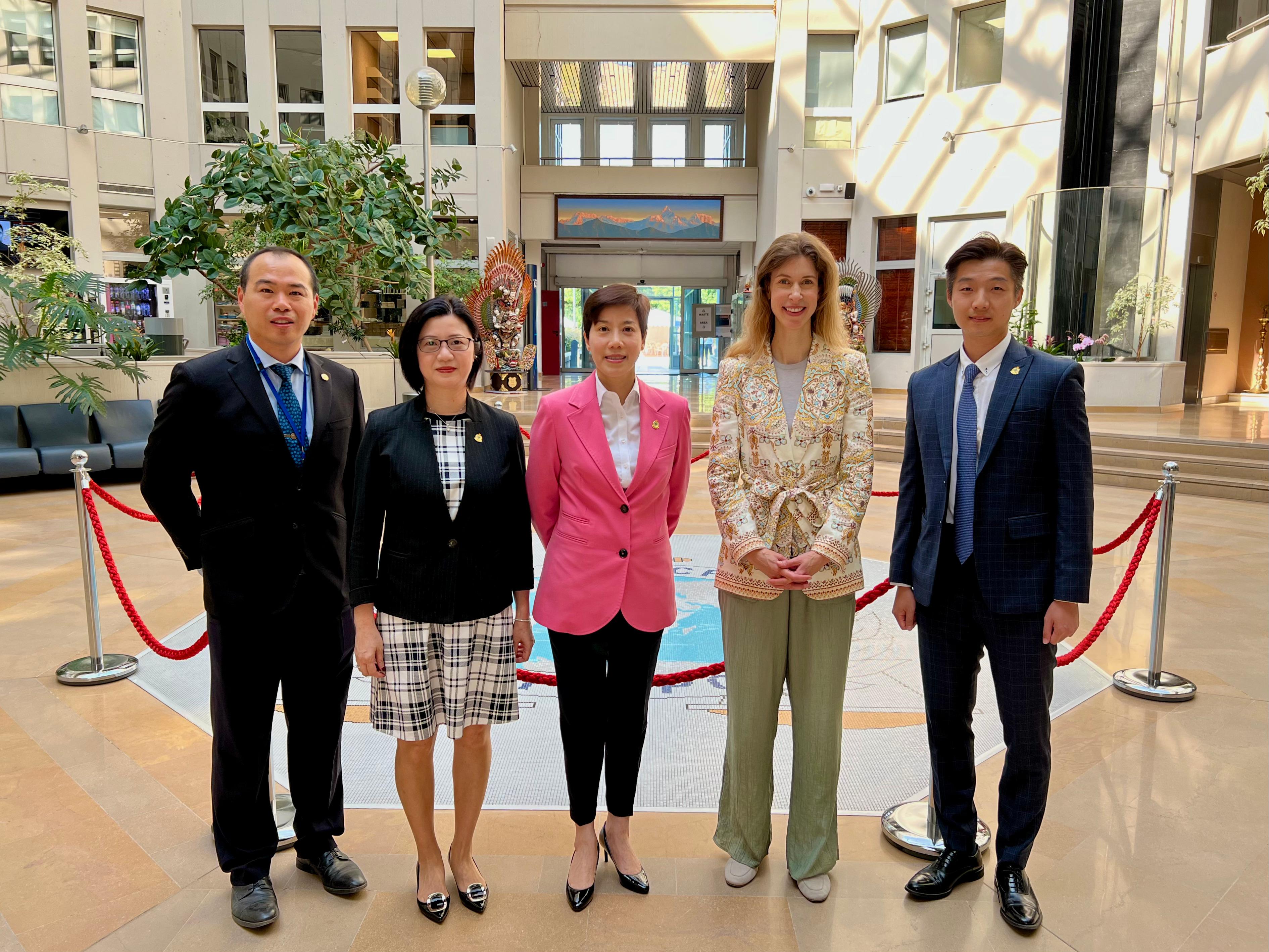
     â€‹The Commissioner of Customs and Excise, Ms Louise Ho, from June 21 to 26 led a delegation to visit Brussels, Belgium, and Lyon, France, and attended the 141st/142nd Customs Co-operation Council (CCC) Sessions of the World Customs Organization (WCO) in Brussels. 
      
     The CCC Sessions is an annual high-level WCO meeting assembling heads and senior officials from 185 Customs administrations around the world. It provides a pivotal platform for Customs representatives to discuss and convene a broad spectrum of issues, such as e-commerce, data exchange, Green Customs, gender equality and diversity.
      
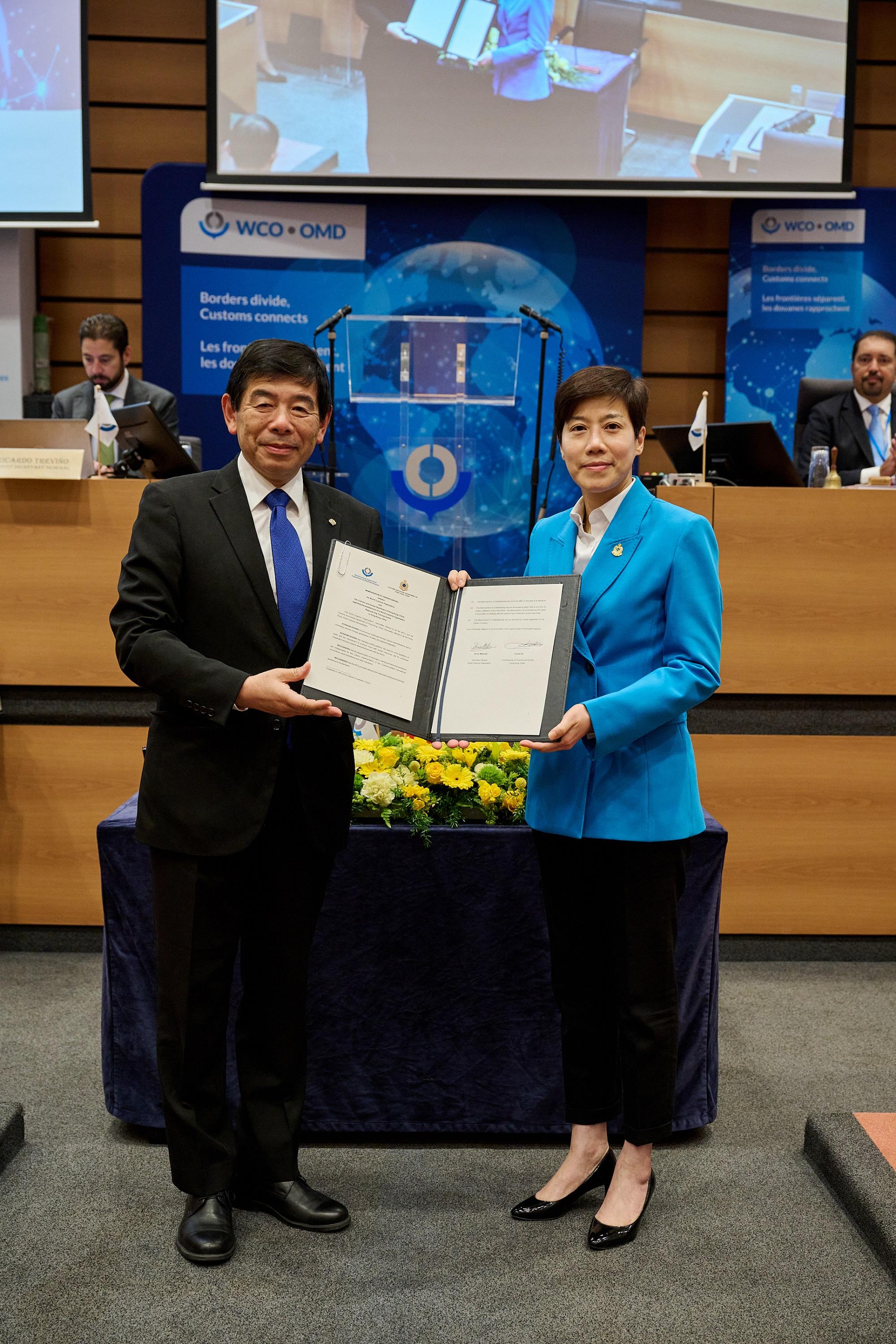
     During the Sessions, Ms Ho signed the Memorandum of Understanding with the Secretary-General of the WCO, Dr Kunio Mikuriya, to confirm the establishment of a WCO Regional Dog Training Centre in Hong Kong, signifying a momentous step forward for Hong Kong Customs in leading canine training in the Asia-Pacific region. At the signing ceremony, Ms Ho said that as a pioneer in global customs canine training and law enforcement affairs centre, Hong Kong Customs is preparing at full steam for the WCO 6th Global Canine Forum to be held in March next year. This will be the first time for Hong Kong to host such major international event, and esteemed canine experts all over the world will be invited to participate.   ã€€
      
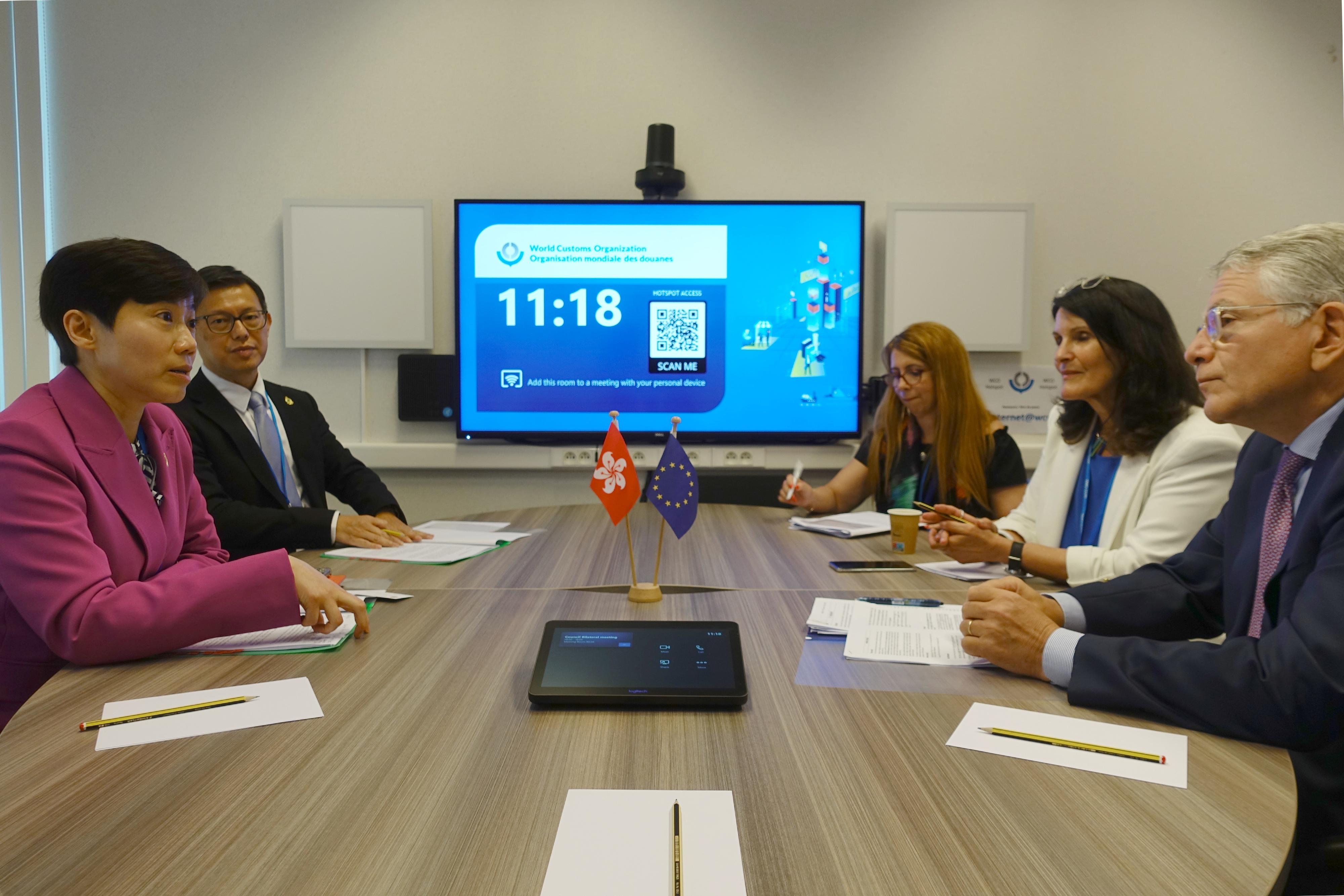
     On June 22 and 23, Ms Ho took the opportunity to meet with the Chairman of the General Authority of Customs of Qatar, Mr Ahmed bin Abdullah Al Jamal, and the Director-General of the Directorate-General for Taxation and Customs Union of the European Commission, Mr Gerassimos Thomas, respectively, to discuss closer collaboration and explore more co-operation opportunities. Also, Ms Ho had in-depth exchanges with the Minister of the General Administration of Customs of the People's Republic of China, Mr Yu Jianhua, and the Director-General of Macao Customs Service, Mr Vong Man-chong, on co-operation between the Mainland Customs, Hong Kong Customs and Macao Customs.
      
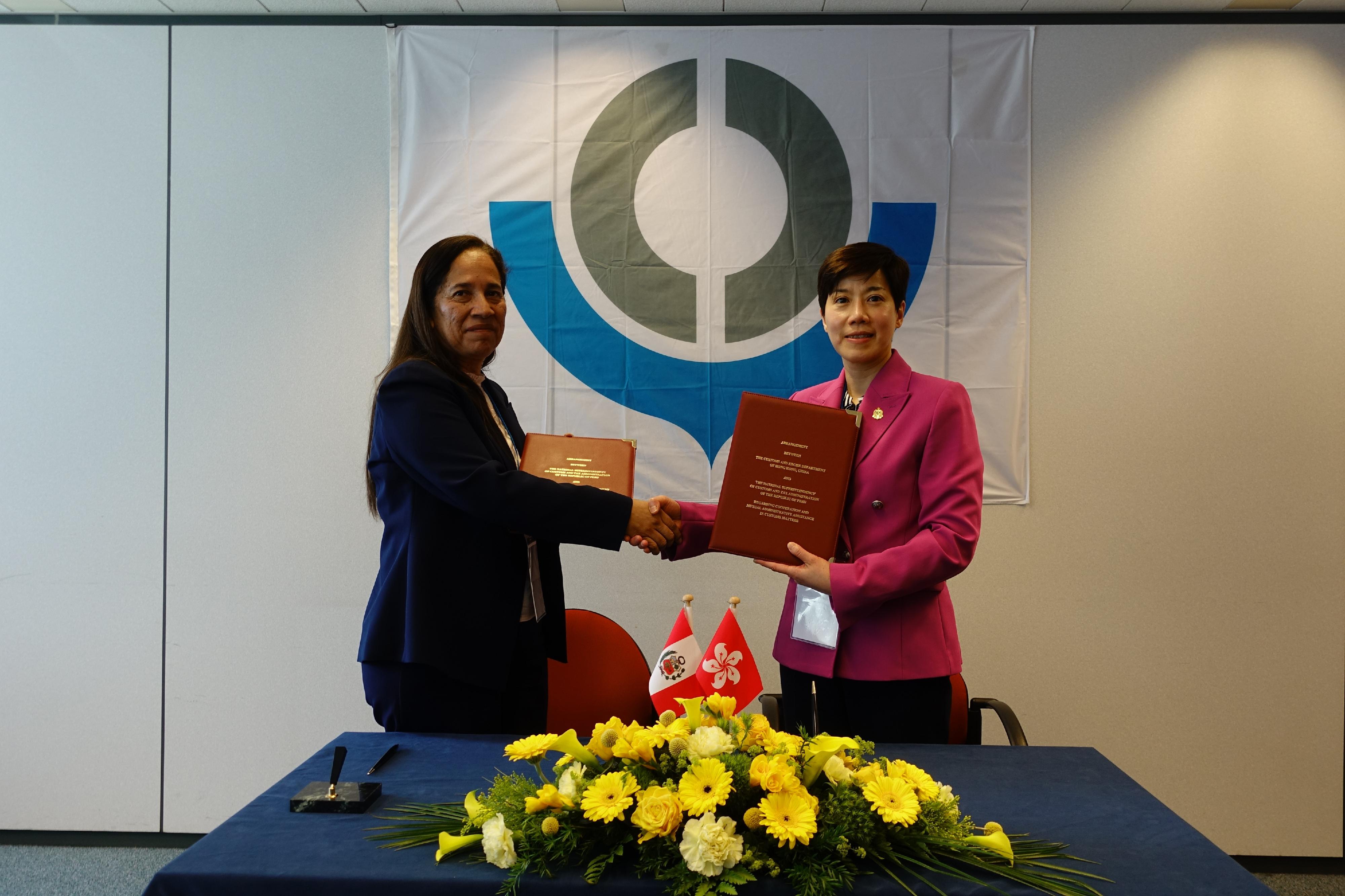
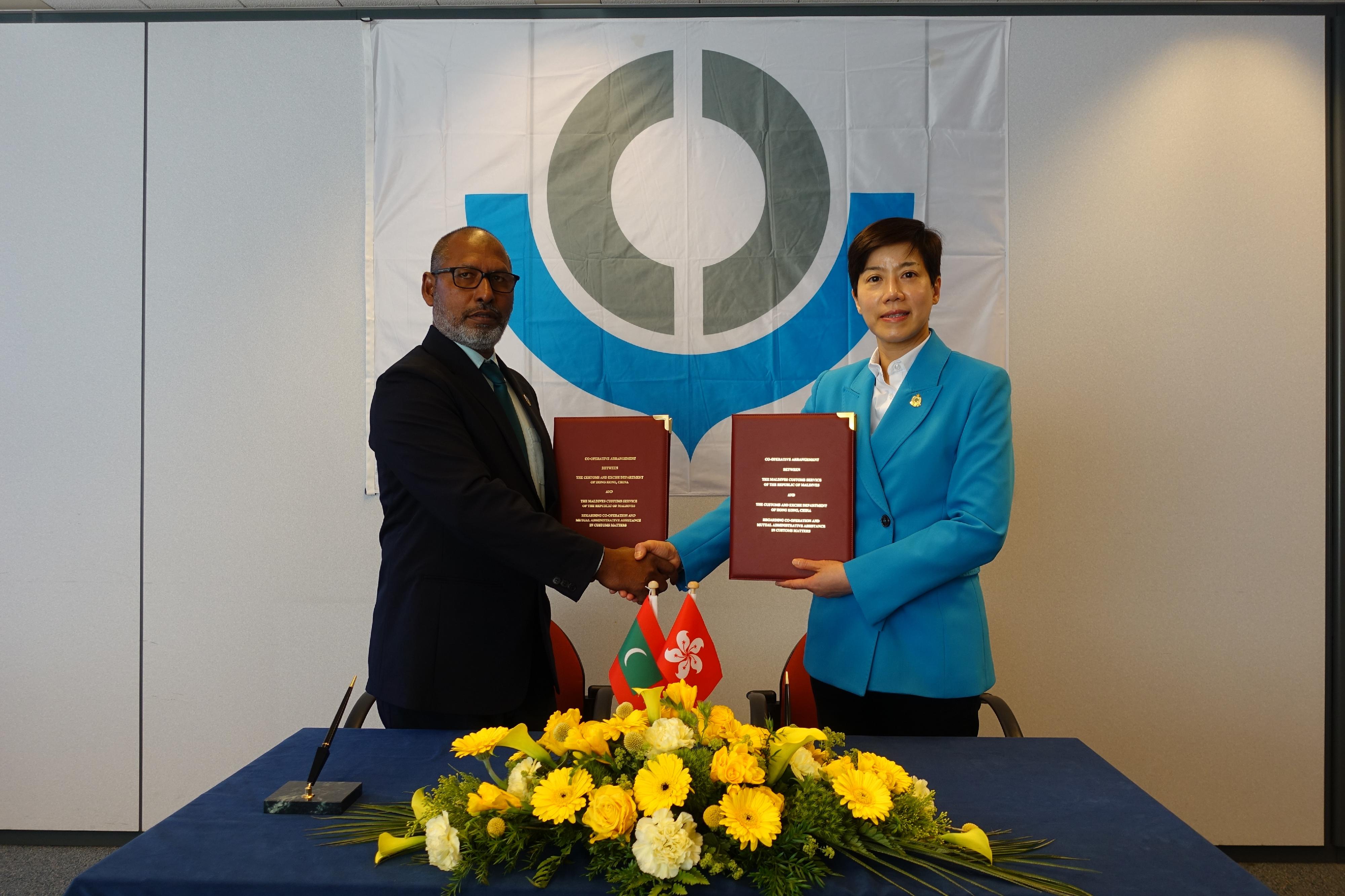
     In addition, Ms Ho signed Customs Co-operative Arrangements with the Deputy National Superintendent of Customs of the National Superintendency of Customs and Tax Administration of the Republic of Peru, Ms Martha Elba Garamendi Espinoza, and the Commissioner General of the Maldives Customs Service of the Republic of Maldives, Mr Abdulla Shareef, on June 23 and 24 respectively, with the aim to strengthen intelligence exchanges and information sharing, crack down cross-boundary customs crimes, and facilitate trade.
      
     Currently, Hong Kong Customs has established 31 similar co-operative instruments with the General Administration of Customs of the People's Republic of China and 30 overseas Customs administrations.
      
     After the Sessions, Ms Ho today (June 26) paid a courtesy call on the Director of Organized and Emerging Crime Directorate of INTERPOL, Ms Ilana De Wild, in Lyon, France. She commended that INTERPOL has been making impressive strides in combating international crimes and pledged that the two sides will maintain close co-operation to fight against cross-boundary crimes.
      
     Ms Ho concluded her visit and departed for Hong Kong in the afternoon on the same day.
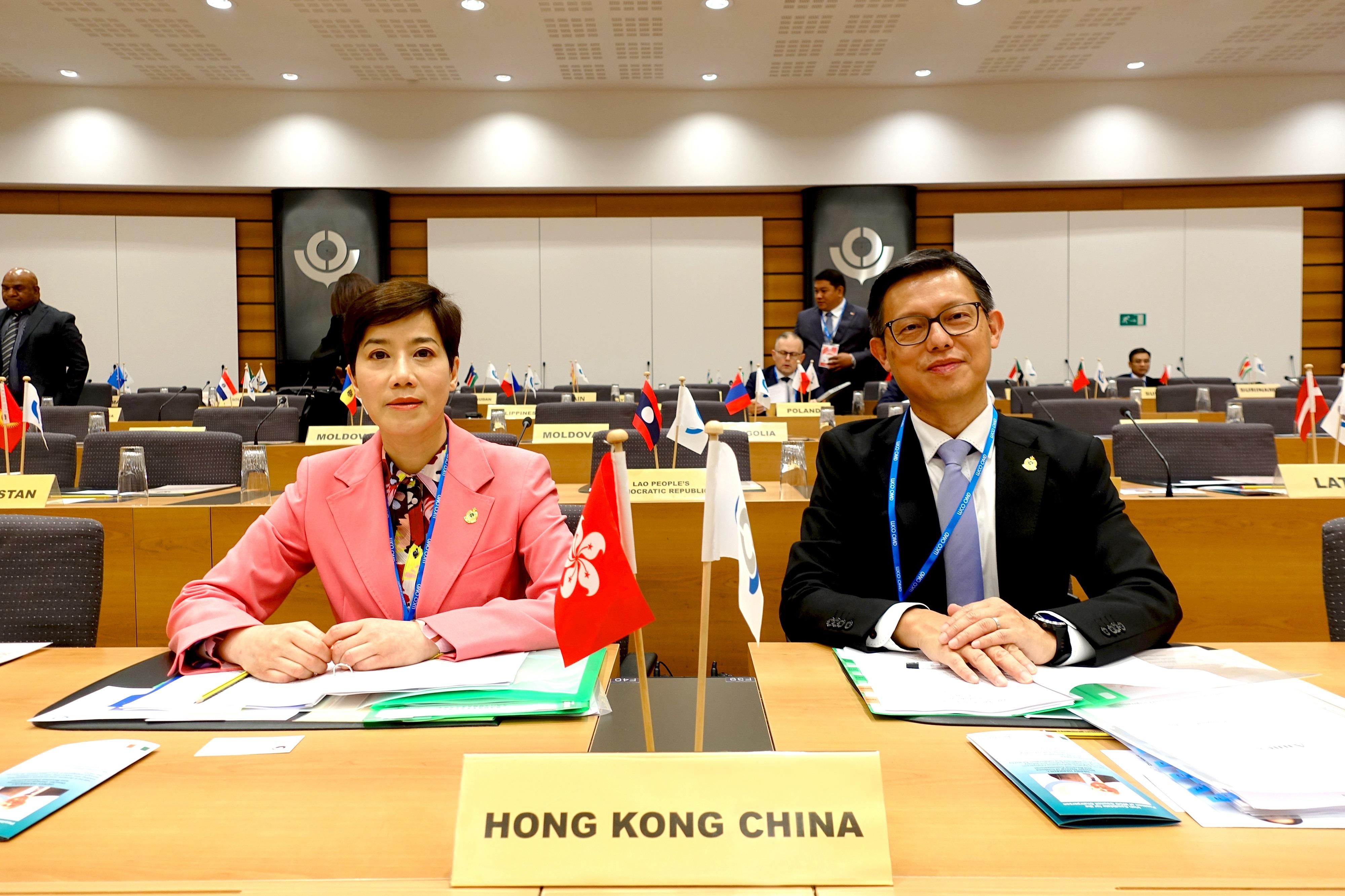
Photo  Photo  Photo  Photo  Photo  Photo  Photo  


CSD organises information sharing session on tertiary education programmes for young persons in custody (with photos)

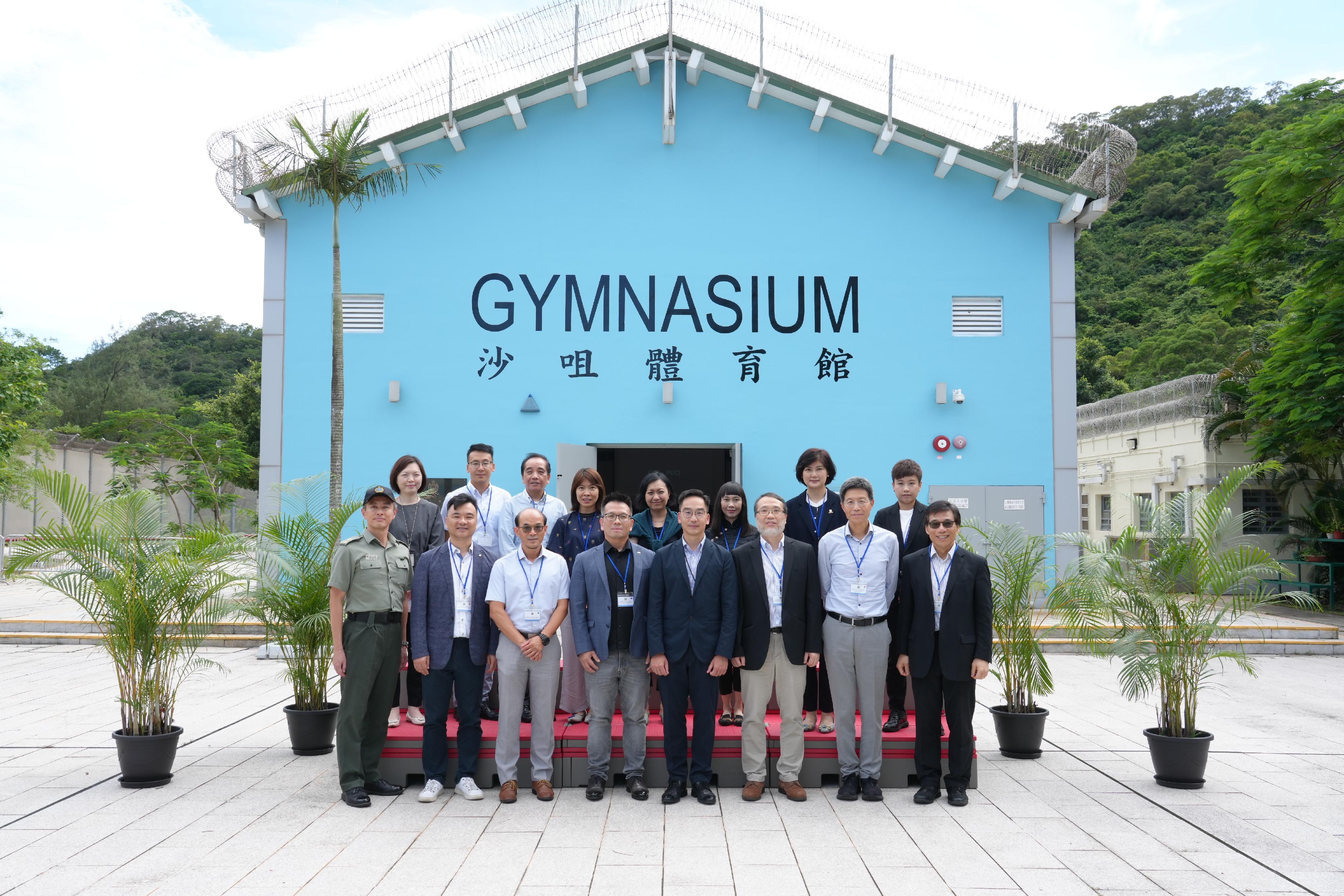
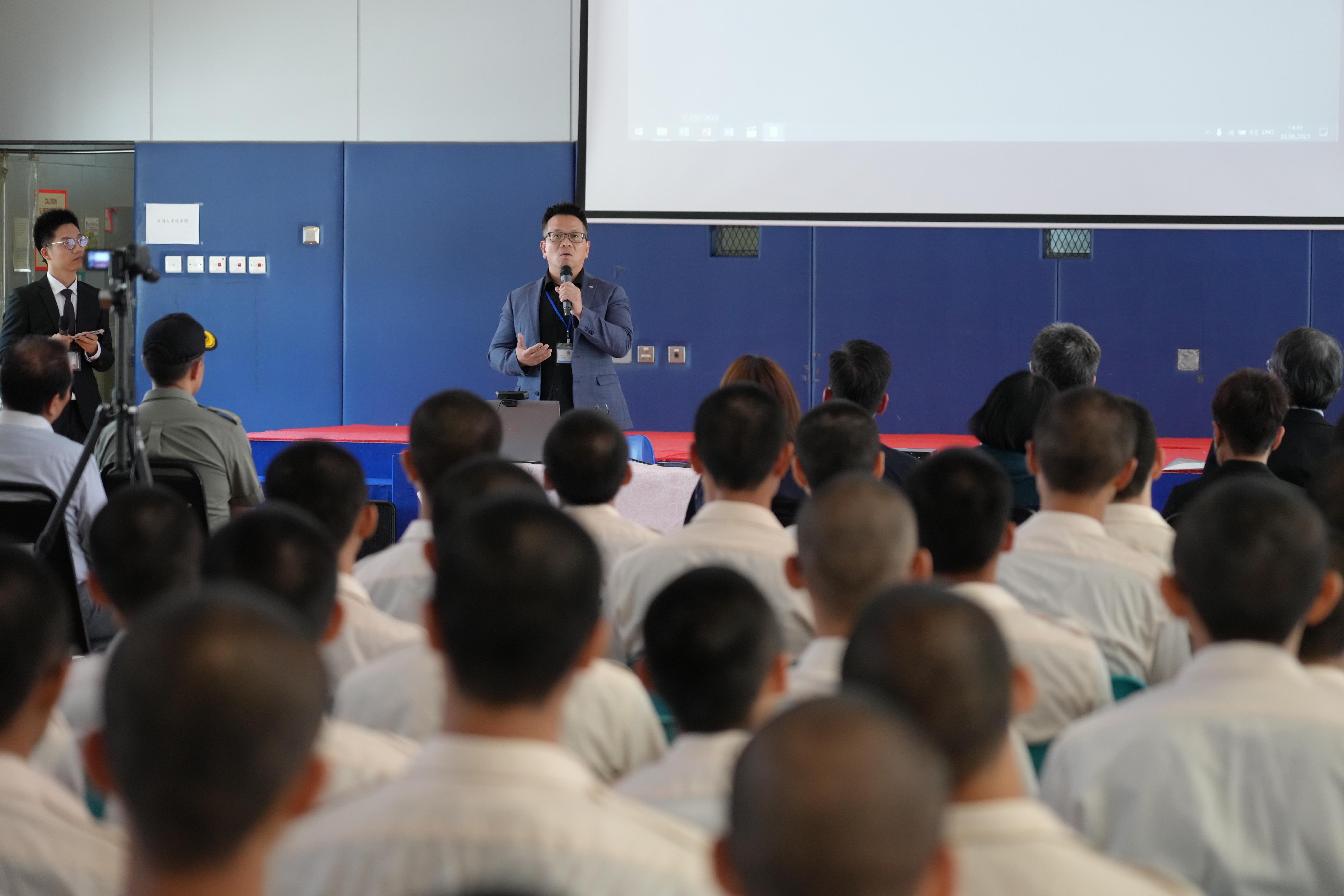
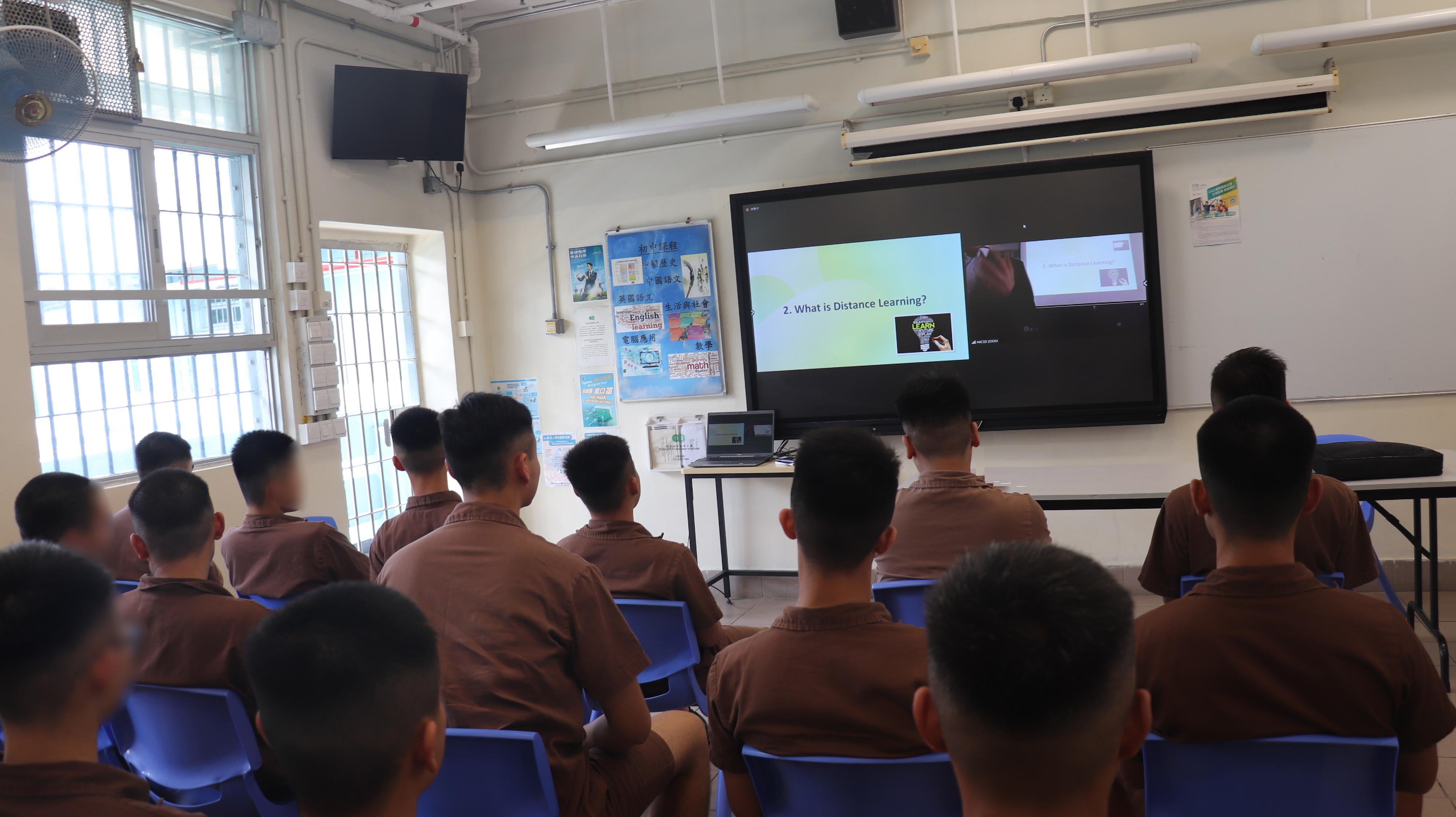
     The Correctional Services Department (CSD) organised an information sharing session on tertiary education programmes for young persons in custody (PICs) at Sha Tsui Correctional Institution today (June 26). Representatives of the Hong Kong Metropolitan University (HKMU) and eight University Grants Committee (UGC)-funded universities were invited to provide information on distance learning programmes offered by the HKMU for young PICs as well as to help them understand the tertiary education programmes and arrangements for continuing their studies while in custody. The briefing session was also broadcast live to Pik Uk Correctional Institution, allowing the young PICs of that institution to participate simultaneously.

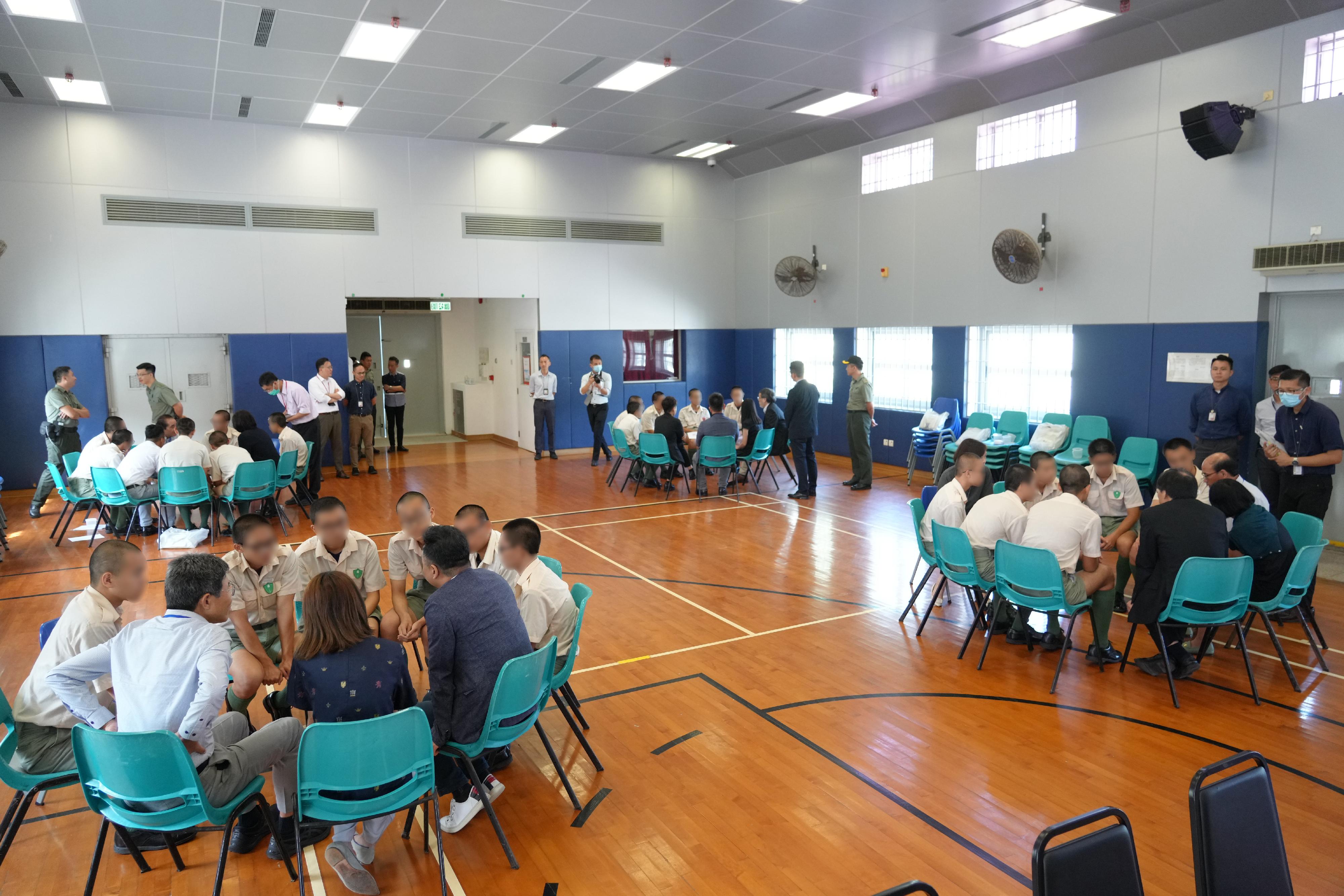
     More than 100 young PICs participated in the sharing session. During the session, in addition to a briefing by the HKMU on the characteristics of distance learning programmes and the structure of degree programmes, the CSD also specially arranged for representatives of various universities to conduct group discussions with young PICs to provide them with learning suggestions.

     The CSD hopes, through the event, to provide clearer learning directions for young PICs who aspire to continue their studies, while at the same time let the PICs feel the support of the community, including various universities, so as to strengthen their determination to pursue university education.

     The CSD has been committed to providing appropriate rehabilitation programmes for PICs and encouraging them to continue their education. Earlier, the CSD signed a Memorandum of Understanding with the HKMU and eight UGC-funded universities respectively to strengthen co-operation with a view to providing more comprehensive support for PICs to further their studies, including providing bursaries for distance learning and arranging credit transfers for PICs in need to help them continue their studies at respective universities after release.

Photo  Photo  Photo  Photo  


CHP investigates outbreak of upper respiratory tract infection at primary school

     The Centre for Health Protection (CHP) of the Department of Health is today (June 26) investigating an outbreak of upper respiratory tract infection (URTI) at a primary school in Kowloon Tong, and appeals to members of the public and staff of institutions to stay alert and maintain strict personal and environmental hygiene.

     The outbreak involves 26 pupils, comprising 14 boys and 12 girls aged 6 to 11. They developed symptoms since June 11. Twenty of them sought medical attention, and none required hospitalisation. All of them are in stable condition.

     The CHP has provided preventive advice against URTI to the primary school, such as advising the school to arrange cleaning and disinfection, to open windows where appropriate for better ventilation and to separate affected students from other students, etc. The school has been placed under medical surveillance.

     The public should maintain good personal and environmental hygiene against influenza and other respiratory illnesses, and note the following:
 

  • Receive seasonal influenza vaccination for personal protection;
  • Surgical masks can prevent transmission of respiratory viruses from ill persons. It is essential for persons who are symptomatic (even if having mild symptoms) to wear a surgical mask;
  • For high-risk persons (e.g. persons with underlying medical conditions or persons who are immunocompromised), wear a surgical mask when taking public transport or staying in crowded places. It is important to wear a mask properly, including performing hand hygiene before wearing and after removing a mask;
  • Avoid touching one's eyes, mouth and nose;
  • Wash hands with liquid soap and water properly whenever possibly contaminated;
  • When hands are not visibly soiled, clean them with 70 to 80 per cent alcohol-based handrub;
  • Cover the nose and mouth with tissue paper when sneezing or coughing. Dispose of soiled tissue paper properly into a lidded rubbish bin, and wash hands thoroughly afterwards;
  • Maintain good indoor ventilation;
  • When having respiratory symptoms, wear a surgical mask, refrain from work or attending classes at school, avoid going to crowded places and seek medical advice promptly; and
  • Maintain a balanced diet, exercise regularly, take adequate rest, do not smoke and avoid overstress.

     Members of the public, particularly children, the elderly and those with chronic diseases, should consult a doctor promptly if they develop symptoms of respiratory tract infection.


Update on cases of Legionnaires’ disease

     The Centre for Health Protection (CHP) of the Department of Health today (June 26) reported the latest number of cases of Legionnaires' disease (LD), and stressed the importance of using and maintaining properly designed man-made water systems, adding that susceptible groups should strictly observe relevant precautions.

     From June 18 to 24, three LD cases were reported:
 

  1. A male patient, aged 74 with underlying illnesses, who lives in Kapok House, Kwong Yuen Estate, Sha Tin. It was classified as a community-acquired case;
  2. A female patient, aged 65 with underlying illnesses, who lives in Wah Hing House, Wah Fu (II) Estate, Southern District. She had a travel history during the incubation period; and
  3. A male patient, aged 54 with underlying illnesses, who lives in East South Building, Wan Chai. He had a travel history during the incubation period.

     "Epidemiological investigations are ongoing to identify potential sources of infection, high-risk exposure and clusters, if any," a spokesman for the CHP said.

     As of June 24, 36 LD cases had been reported this year. In 2022 and 2021, there were 80 and 69 cases respectively.

     "Men, people aged over 50, smokers, alcoholics and persons with weakened immunity are more susceptible to LD. Some situations may also increase the risk of infection, including poor maintenance of water systems leading to stagnant water; living in areas with old water systems, cooling towers or fountains; using electric water heaters, whirlpools and spas or hot water spring spas; and recent stays in hotels or vessels," the spokesman said.

     Legionellae are found in various environmental settings and grow well in warm water (20 to 45 degrees Celsius). They can be found in aqueous environments such as water tanks, hot and cold water systems, cooling towers, whirlpools and spas, water fountains and home apparatus that support breathing. People may become infected when they breathe in contaminated droplets (aerosols) and mist generated by artificial water systems, or when handling garden soil, compost and potting mixes.

     Immunocompromised persons should:
 

  • Use sterile or boiled water for drinking, tooth brushing and mouth rinsing;
  • Avoid using humidifiers, or other mist- or aerosol-generating devices. A shower may also generate small aerosols; and
  • If using humidifiers, or other mist- or aerosol-generating devices, fill the water tank with only sterile or cooled freshly boiled water, and not water directly from the tap. Also, clean and maintain humidifiers/devices regularly according to manufacturers' instructions. Never leave stagnant water in a humidifier/device. Empty the water tank, wipe all surfaces dry, and change the water daily. 

     The public should observe the health advice below:
 

  • Observe personal hygiene;
  • Do not smoke and avoid alcohol consumption;
  • Strainers in water taps and shower heads should be inspected, cleaned, descaled and disinfected regularly or at a frequency recommended by the manufacturer;
  • If a fresh-water plumbing system is properly maintained, it is not necessary to install domestic water filters. Use of water filters is not encouraged as clogging occurs easily, which can promote growth of micro-organisms. In case water filters are used, the pore size should be 0.2 micrometres (µm) and the filter needs to be changed periodically according to the manufacturer's recommendations;
  • Drain and clean water tanks of buildings at least quarterly;
  • Drain or purge for at least one minute infrequently used water outlets (e.g. water taps, shower heads and hot water outlets) and stagnant points of the pipework weekly or before use;
  • Seek and follow doctors' professional advice regarding the use and maintenance of home respiratory devices and use only sterile water (not distilled or tap water) to clean and fill the reservoir. Clean and maintain the device regularly according to the manufacturer's instructions. After cleaning/disinfection, rinse the device with sterile water, cooled freshly boiled water or water filtered with 0.2 µm filters. Never leave stagnant water in the device. Empty the water tank, keep all surfaces dry, and change the water daily; and
  • When handling garden soil, compost and potting mixes: 
  1. Wear gloves and a face mask;
  2. Water gardens and compost gently using low pressure;
  3. Open composted potting mixes slowly and make sure the opening is directed away from the face;
  4. Wet the soil to reduce dust when potting plants; and
  5. Avoid working in poorly ventilated places such as enclosed greenhouses.

     â€‹The public may visit the CHP's LD page, the Code of Practice for Prevention of LD and the Housekeeping Guidelines for Cold and Hot Water Systems for Building Management of the Prevention of LD Committee, and the CHP's risk-based strategy for prevention and control of LD.


Sheung Shui Swimming Pool temporarily closed

Attention TV/radio announcers:

Please broadcast the following as soon as possible and repeat it at regular intervals:

     Here is an item of interest to swimmers.

     The Leisure and Cultural Services Department announced today (June 26) that Sheung Shui Swimming Pool in the North District has been temporarily closed for cleaning and superchlorination following the discovery of a small amount of faeces in the pool.

     It will be reopened at 8.45pm today.

     The department appeals to swimmers to be considerate and to keep the swimming pools clean. They are advised not to swim after a full meal and should use the toilet facilities if necessary before swimming.