MD announcement (2)

Attention duty announcers, radio and TV stations:

Please broadcast the following as soon as possible and repeat it at suitable intervals:

     The Marine Department today (March 14) reminded masters, coxswains and persons-in-charge of vessels navigating in Hong Kong waters to proceed at a safe speed and exercise extreme caution because restricted visibility of less than 2 nautical miles has been reported.

     Appropriate sound signals shall be made when underway or at anchor. All vessels must comply with the International Regulations for Preventing Collision at Sea.

     Also, when radar is used without the benefit of adequate plotting facilities, the information obtained from the equipment is rather limited and should be construed accordingly.

     Visibility reports are broadcast by the Vessel Traffic Centre (VTC) on VHF channels 02, 12, 14, 63 and 67.

     In the event of an accident, a report shall be made immediately to the VTC at Tel: 2233 7801.


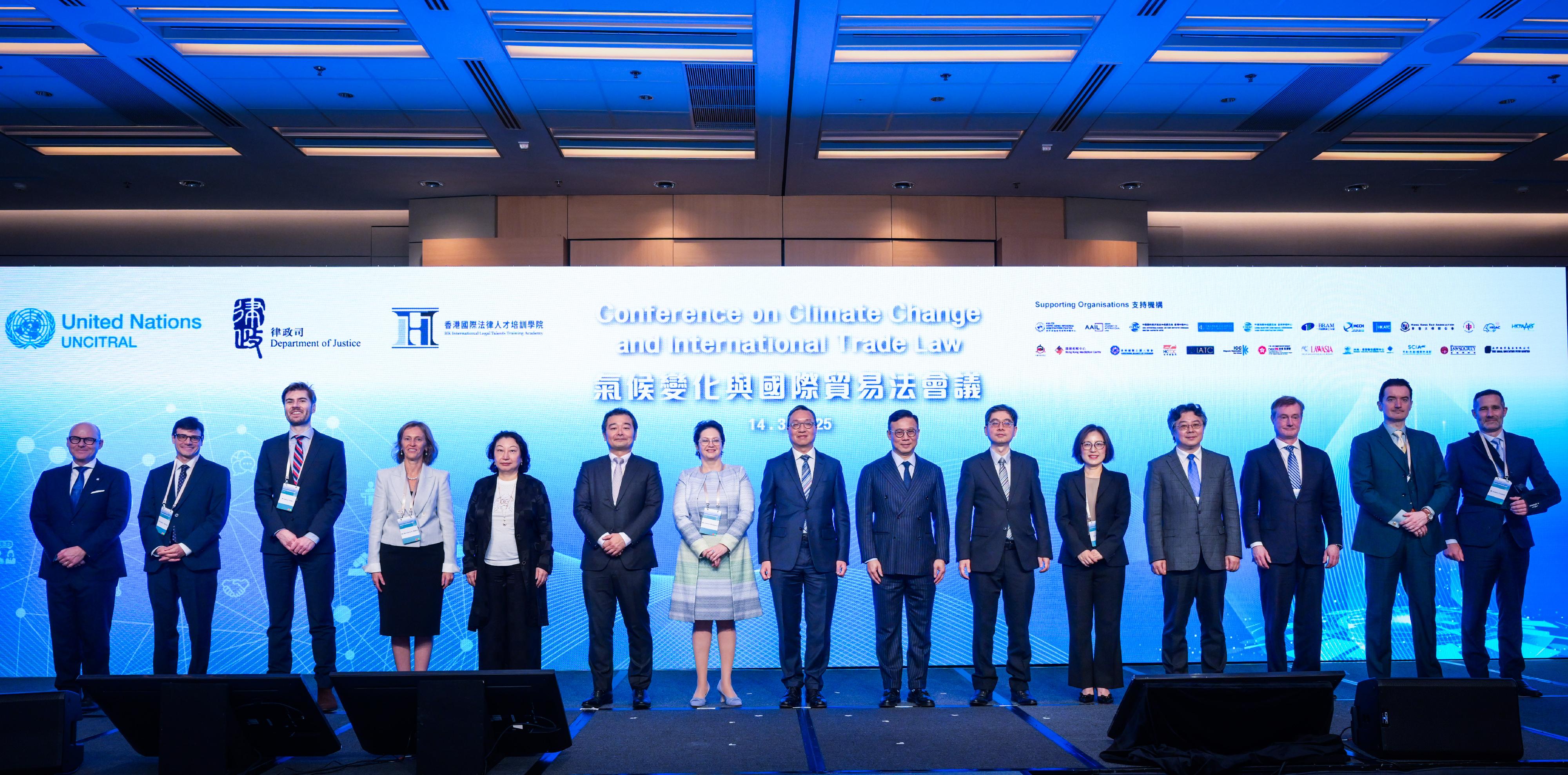
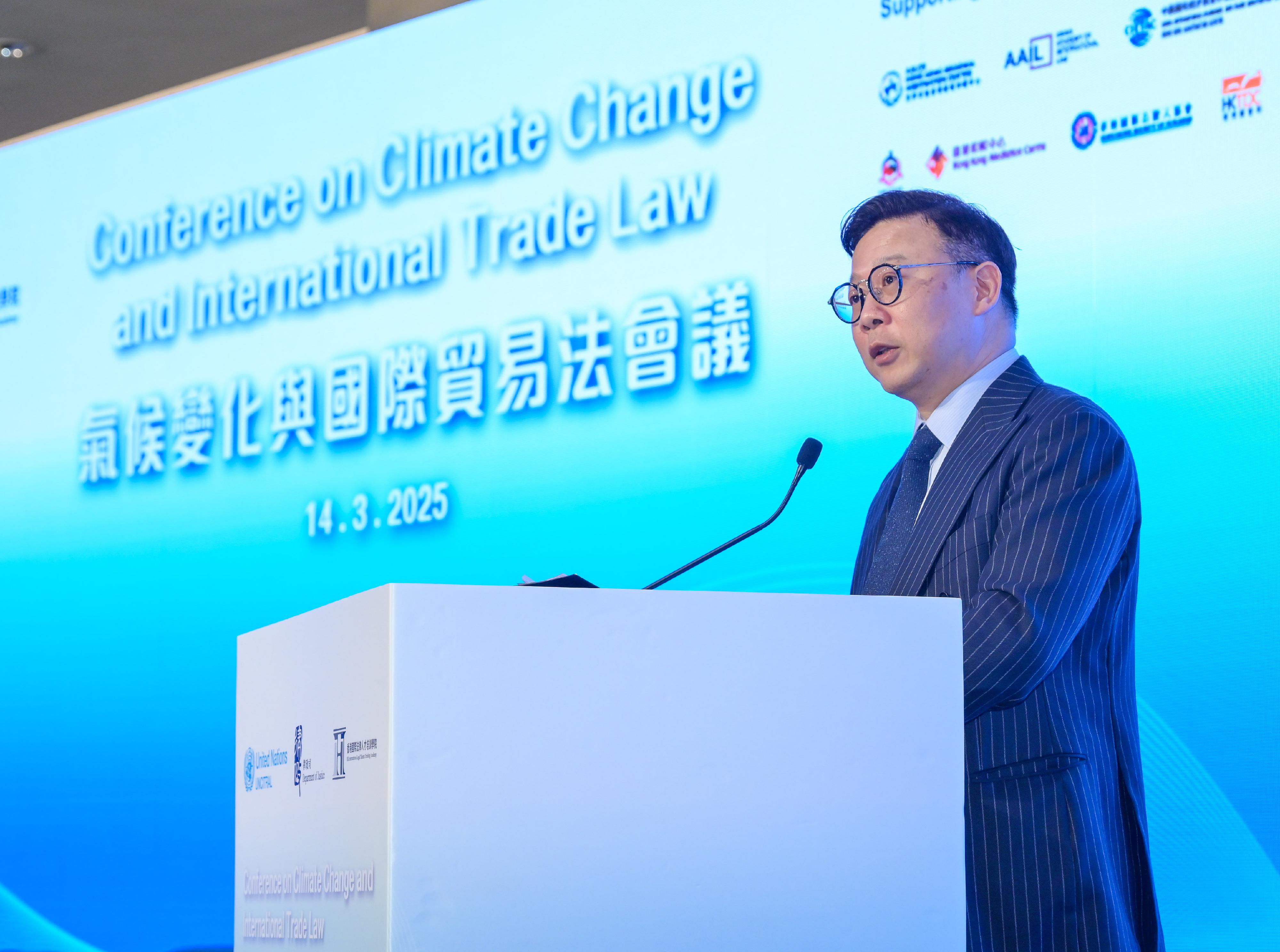
Conference on Climate Change and International Trade Law held in Hong Kong today (with photos)

     The Conference on Climate Change and International Trade Law was held in hybrid format in Hong Kong today (March 14). The Conference was jointly organised by the United Nations Commission on International Trade Law (UNCITRAL) and the Hong Kong International Legal Talents Training Academy of the Department of Justice (DoJ), discussing how the international trade law can effectively support the achievement of climate action goals set by the international community. The Conference attracted about 600 registrations from around 70 jurisdictions in Asia-Pacific, the Middle East, Latin America, Europe and Africa.

     The Secretary for Justice, Mr Paul Lam, SC; the Secretary of UNCITRAL, Ms Anna Joubin-Bret; and the Deputy Director General, Department of Treaty and Law of the Ministry of Commerce, Mr Tian Ya, gave opening remarks at the Conference. The Director-General of the Department of Treaty and Law of the Ministry of Foreign Affairs, member of the International Law Commission, Mr Ma Xinmin, also gave a keynote address, with prominent speakers from around the world joining the panel discussions. Participants from diverse backgrounds and sectors, including academics, judges, officials, legal and dispute resolution professionals, as well as other professionals and representatives from international organisations, shared their insights on a variety of topics on climate change and international trade law.

     In his welcome remarks, Mr Lam thanked UNCITRAL for its strong support and fruitful collaboration with the DoJ over the years, adding that the Conference also marked the first event co-organised by the Hong Kong Legal Talents Training Academy and UNCITRAL. He said that the various local climate change initiatives have demonstrated Hong Kong's status as an international financial centre as well as a green and sustainable finance hub. He further mentioned that the wide spectrum of issues discussed in the Conference illustrated how international trade law can effectively support the achievement of climate action goals set by the international community.

     In his closing remarks, the Deputy Secretary for Justice, Dr Cheung Kwok-kwan, said the Conference highlighted the importance of concerted efforts to address the challenges of climate change to international trade. In addition to harnessing the use of international law instruments and sharing of experience and collaboration at the international level, capacity building that enables people to be better acquainted with the issues and equipped with instruments to address them is also of critical importance. In this regard, this Conference was an exemplary capacity-building initiative.

     â€‹The Hong Kong International Legal Talents Training Academy will continue to work with UNCITRAL on capacity building in different areas and is planning to co-organise the 6th UNCITRAL Asia Pacific Judicial Summit in Hong Kong later this year.

Photo  Photo  Photo  


Speech by DSJ at Conference on Climate Change and International Trade Law (English only)(with photo)

     Following are the closing remarks by the Deputy Secretary for Justice, Dr Cheung kwok-kwan, at the Conference on Climate Change and International Trade today (March 14):

Esteemed speakers, distinguished guests, ladies and gentlemen, 

     Good afternoon. It is my honour to stand before you today as we draw to a close this significant Conference on Climate Change and International Trade Law, co-organised by the United Nations Commission on International Trade Law (UNCITRAL), the Department of Justice of the Hong Kong Special Administrative Region and the Hong Kong International Legal Talents Training Academy.

     Today's Conference has been nothing short of inspiring, and it has been so due to the wealth of knowledge and expertise that has been shared throughout the day. Over the course of this intensive and productive day, we have navigated complex issues, and engaged in thought-provoking discussions. From the key takeaways from the UNCITRAL Colloquiums to the intricacies of sustainable supply chains, and from the potential impacts of climate change on insolvency to the vital mechanisms for dispute prevention and settlement, we have explored a complex and multifaceted landscape. I trust that the discussions we have had today will serve as a catalyst for continued dialogues and collaborations among legal experts, policymakers, and stakeholders in addressing the critical issues of climate change and international trade.

     Before moving to the summary of each Panel, I would like to first express my heartfelt gratitude to each and every one of our speakers, moderators, and attendees. The depth and quality of the presentations have been truly commendable, shedding light on how UNCITRAL instruments and international trade law can effectively support the achievement of climate action goals. Your contributions have been invaluable, and the insights shared will undoubtedly resonate far beyond the walls of this conference hall. 

     As we reflect on today's Conference, it is clear that our work here is far from over. Today's discussions have underscored the urgent need for a paradigm shift in how we approach climate change and international trade. The conclusions and recommendations from this Conference will be presented to UNCITRAL at its 58th session later this year.

Main takeaways

     Our Conference began with the inspiring keynote address of Mr Ma Xinmin, the Director-General of the Department of Treaty and Law of the Ministry of Foreign Affairs of the People's Republic of China and a distinguished member of the International Law Commission, discussing the State Obligations and Responsibilities under the Paris Agreement: Implications for International Trade Law, followed by an overview of the main takeaways from the UNCITRAL Colloquium last year in our first panel. This session provided a crucial foundation for our discussions, highlighting the significant work being done at the international level to address the intersection of climate change and trade law. There were discussions surrounding the legal nature of verified carbon credits from the perspective of a multilateral development bank, and also from the perspective of China being an UNCITRAL member state. 

     Panel 2 explored the complexities of greening supply chains, covering both commercial goods and public procurement. Building on an overview of international standards including the OECD (Organisation for Economic Co-operation and Development) guidelines, the panel examined sustainability risks in the supply chains of critical minerals and natural resources essential for the energy transition. Discussions covered due diligence approaches to mitigate these risks, as well as the role of CISG (United Nations Convention on Contracts for the International Sale of Goods), EBRD (European Bank for Reconstruction and Development) and CSDDD (Corporate Sustainability Due Diligence Directive) in achieving sustainable supply chains and combating climate change or contributing to sustainability efforts.

     In our third panel, the experts focused on novel climate change aspects including mitigation, adaptation and resilience arising from the 2015 Paris Agreement. The discussion began with the intersection of climate change and insolvency law agendas, taxonomy of climate-linked insolvency risks, with analysis on practical examples illustrating how relevant issues could arise. While insolvency alone cannot resolve climate challenges, the panel raised some practical questions for consideration.

     The final panel on dispute prevention and settlement looked into some practical examples of climate change and discussed the characteristics of climate change disputes, with reference to value and challenges of applying UNCITRAL dispute resolution instruments for resolving climate change disputes. Some useful suggestions on the way forward were also explored. 

Conclusion

     Ladies and gentlemen, the issues surrounding climate change and international trade are interlinked and not straight-forward, but the fruitful and insightful discussions today have given us a clearer understanding of where we are and possible directions ahead. The Conference also highlighted the importance of concerted efforts and the need for international co-operation, given that climate change is a global issue, which poses rising challenges to international trade that no single body can address alone. By harnessing the use of various international law instruments, sharing of experience and collaboration at the international level, we can work together to address the challenges to international trade caused by climate change and build a more resilient and environmentally responsible global economy. In this connection, capacity building is also of critical importance so that people will be better acquainted with the issues and equipped with the skills or instruments to address the issues. This Conference is an exemplary capacity-building initiative in this regard, and our Hong Kong International Legal Talents Training Academy will continue to work on capacity building in different areas of international concerns or interests.  

     Before I officially close this Conference, I would like to extend a final word of thanks to our co-organiser UNCITRAL, for their efforts and supports. I would also like to thank our supporting organisations, and all those who worked tirelessly behind the scenes to make this Conference a success. On behalf of the Department of Justice of the Hong Kong Special Administrative Region, I look forward to collaborating with you all in our future events and activities.

     Once again, thank you very much for your engagement and participation in this Conference. I hope you leave here feeling inspired, empowered, and ready to help create a better future for all. To those of you travelling from abroad, I wish you safe travels home. Have a nice weekend. Thank you very much. 
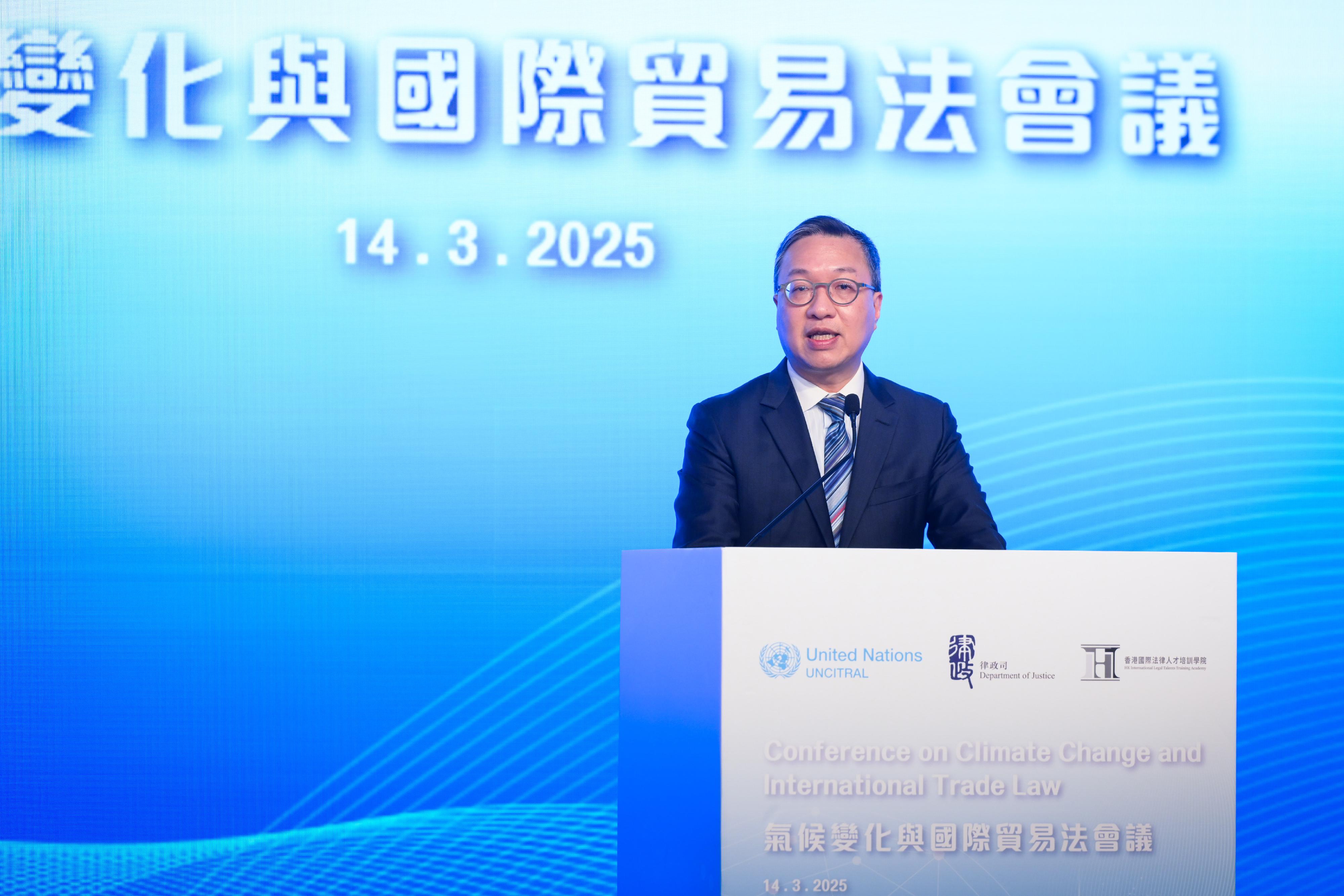
Photo  


CHP reminds public to take precautions against measles during travel

     In view of the recent increase in measles cases in many overseas countries, the Centre for Health Protection (CHP) of the Department of Health (DH) today (March 14) reminded the public to ensure that they have completed two doses of measles vaccination before travelling abroad to reduce the risk of infection.
      
     According to the latest information released by the World Health Organization, over 127 000 measles cases (including at least 38 deaths) were reported in Europe and Central Asia last year, double the number of cases reported for 2023 and the highest number since 1997. Children under 5 accounted for more than 40 per cent of the cases, as childhood measles vaccination coverage remained suboptimal in some countries. The European Centre for Disease Prevention and Control also reported that the majority of paediatric cases have never been vaccinated against measles. In the ongoing measles outbreaks in North America, the United States and Canada have each recorded more than 200 cases so far this year, with cases mainly affecting children who were unvaccinated or had unknown vaccination status. In neighboring areas, measles outbreaks continued to occur from time to time in the past year in Southeast Asian countries including Vietnam, Thailand, and the Philippines.
         
     Hong Kong has recorded one imported measles case so far this year. The patient travelled to Vietnam during the incubation period. No other cases were identified.
      
     The Controller of the Centre for Health Protection of the DH, Dr Edwin Tsui, reiterated that vaccination is the most safe and effective preventive measure against measles. Healthy people in general can enjoy long-term, even lifelong protection after receiving measles vaccination as recommended. Two doses of measles-containing vaccine can confer protection of up to 97 per cent.
      
     "The measles situation outside Hong Kong reflects the risk of outbreak due to inadequate vaccination coverage. Under the Hong Kong Childhood Immunisation Programme, the overall immunisation coverage in Hong Kong has been maintained at a very high level through the immunisation services provided by the DH's Maternal and Child Health Centres and the School Immunisation Teams. As evidenced by the findings on vaccination coverage of primary school students and the territory-wide immunisation surveys conducted regularly by the DH, the two-dose measles vaccination coverage has remained consistently high, well above 95 per cent, and the local seroprevalence rates of measles virus antibodies reflect that most of the people in Hong Kong are immune to measles. On the whole, the risk of a large-scale outbreak in Hong Kong is low. However, as a city with a high volume of international travel, Hong Kong still faces the potential risk of measles importation. Locally, a small number of people who have not completed a measles vaccination (such as non-local born people including new immigrants, foreign domestic helpers, overseas employees and people coming to Hong Kong for further studies) are still at risk of being infected and spreading measles to other people who do not have immunity against measles, such as children under 1 year old who have not yet received the first dose of measles vaccine," he said.
      
     Dr Tsui added that people born before 1967 could be considered to have acquired immunity to measles through natural infection, as measles was endemic in many parts of the world and in Hong Kong at that time. He urged people born in or after 1967 who have not yet completed the two doses of measles vaccination or whose measles vaccination history is unknown, to consult their family doctors as soon as possible to complete the vaccination and ensure adequate protection against measles. For those who plan to travel to measles-endemic areas, they should check their vaccination records and medical history as early as possible. If they have not been diagnosed with measles through laboratory tests and have never received two doses of measles vaccine or are not sure if they have received measles vaccine, they should consult a doctor at least two weeks prior to their trip for vaccination.
      
     The incubation period of measles (i.e. the time from infection to the onset of illness) is seven to 21 days. Symptoms include fever, skin rash, cough, runny nose and red eyes. When such symptoms appear, people should wear surgical masks, stay home from work or school, avoid crowded places and contact with unvaccinated people, especially those with weak immune systems, pregnant women and children under 1 year old. Those who suspect they are infected should consult their doctors as soon as possible and inform healthcare workers of their history of exposure to measles.
      
     For more information on measles, members of the public may visit the CHP's thematic webpage. For those who are planning to travel, they may also refer to the DH's Travel Health Service's webpage for information on measles outbreaks in places outside Hong Kong.


Update on latest MERS situation in Saudi Arabia

     In response to the World Health Organization (WHO)'s report on four new cases of Middle East Respiratory Syndrome (MERS) in Saudi Arabia, the Centre for Health Protection (CHP) of the Department of Health (DH) today (March 14) appealed to the public to be vigilant and to take appropriate protective measures when visiting affected regions.

     According to the WHO, the new cases involved four males aged between 27 and 78 with underlying health conditions. Two of them have passed away. Of the four cases, one was found to have indirect contact with dromedary camels and their raw milk.
      
     Two of the abovementioned cases were found to be epidemiologically linked to exposures in the same healthcare facility. After the first case was confirmed on November 11, 2024, an additional case was revealed through contact tracing, which was suspected to be infected in that healthcare facility.
      
     The WHO maintains its overall risk assessment of MERS in Saudi Arabia and expects that more cases of MERS will be reported in the Middle East or other countries where the virus is circulating in dromedaries. According to the latest information, 2 618 cases of MERS (including 945 deaths) have been notified by the WHO since 2012, and Saudi Arabia has notified 2 209 cases (including the above patients).
      
     The CHP will maintain close communication with the WHO and relevant health authorities to monitor the activity and trends of MERS.
      
     Among the reported cases in the Middle East, most of the patients had been in contact with dromedary camels, consumed camel milk, or had contact with patients who had been diagnosed with MERS. Travellers to the region should avoid visiting farms, barns or markets where there are dromedary camels, as well as contact with patients and animals, especially dromedary camels.
      
     The CHP also recommends travel agents organising tours to the Middle East to refrain from arranging for visitors to ride dromedary camels or to participate in any activities involving direct contact with dromedary camels, which are known risk factors for acquiring MERS-CoV.
      
     Scientific evidence shows that dromedary camels are reservoirs for MERS-CoV. Dromedary camels infected with MERS-CoV may not show any signs of infection. Infected animals may shed MERS-CoV through their nasal and eye discharge and faeces, and potentially in their milk and urine. The virus can also be found in the raw offal and meat of infected animals. Therefore, the best preventive measure is to maintain good personal hygiene and avoid the above risk factors.
         
     The public may visit the MERS page of the CHP and its Travel Health Service to learn more about MERS statistics in affected areas. The public should also refer to the CHP's Facebook page and YouTube channel and the WHO's latest news for more information and health advice. Tour leaders and tour guides operating overseas tours are advised to refer to the CHP's health advice on MERS