Fraudulent website and internet banking login screen related to Bank of China (Hong Kong) Limited

The following is issued on behalf of the Hong Kong Monetary Authority:

     The Hong Kong Monetary Authority (HKMA) wishes to alert members of the public to a press release issued by Bank of China (Hong Kong) Limited relating to a fraudulent website and an internet banking login screen, which have been reported to the HKMA. A hyperlink to the press release is available on the HKMA website.
      
     The HKMA wishes to remind the public that banks will not send SMS or emails with embedded hyperlinks which direct them to the banks' websites to carry out transactions. They will not ask customers for sensitive personal information, such as login passwords or one-time password, by phone, email or SMS (including via embedded hyperlinks).
      
     Anyone who has provided his or her personal information, or who has conducted any financial transactions, through or in response to the website or login screen concerned, should contact the bank using the contact information provided in the press release, and report the matter to the Police by contacting the Crime Wing Information Centre of the Hong Kong Police Force at 2860 5012.


Fraudulent websites and internet banking login screens related to Shanghai Commercial Bank Limited

The following is issued on behalf of the Hong Kong Monetary Authority:

     The Hong Kong Monetary Authority (HKMA) wishes to alert members of the public to a press release issued by Shanghai Commercial Bank Limited relating to fraudulent websites and internet banking login screens, which have been reported to the HKMA. A hyperlink to the press release is available on the HKMA website.
 
     The HKMA wishes to remind the public that banks will not send SMS or emails with embedded hyperlinks which direct them to the banks' websites to carry out transactions. They will not ask customers for sensitive personal information, such as login passwords or one-time password, by phone, email or SMS (including via embedded hyperlinks).

     Anyone who has provided his or her personal information, or who has conducted any financial transactions, through or in response to the websites or login screens concerned, should contact the bank using the contact information provided in the press release, and report the matter to the Police by contacting the Crime Wing Information Centre of the Hong Kong Police Force at 2860 5012.


More than 400 volunteers take part in Green Recycling Day activities in support of Hong Kong Flower Show (with photos)

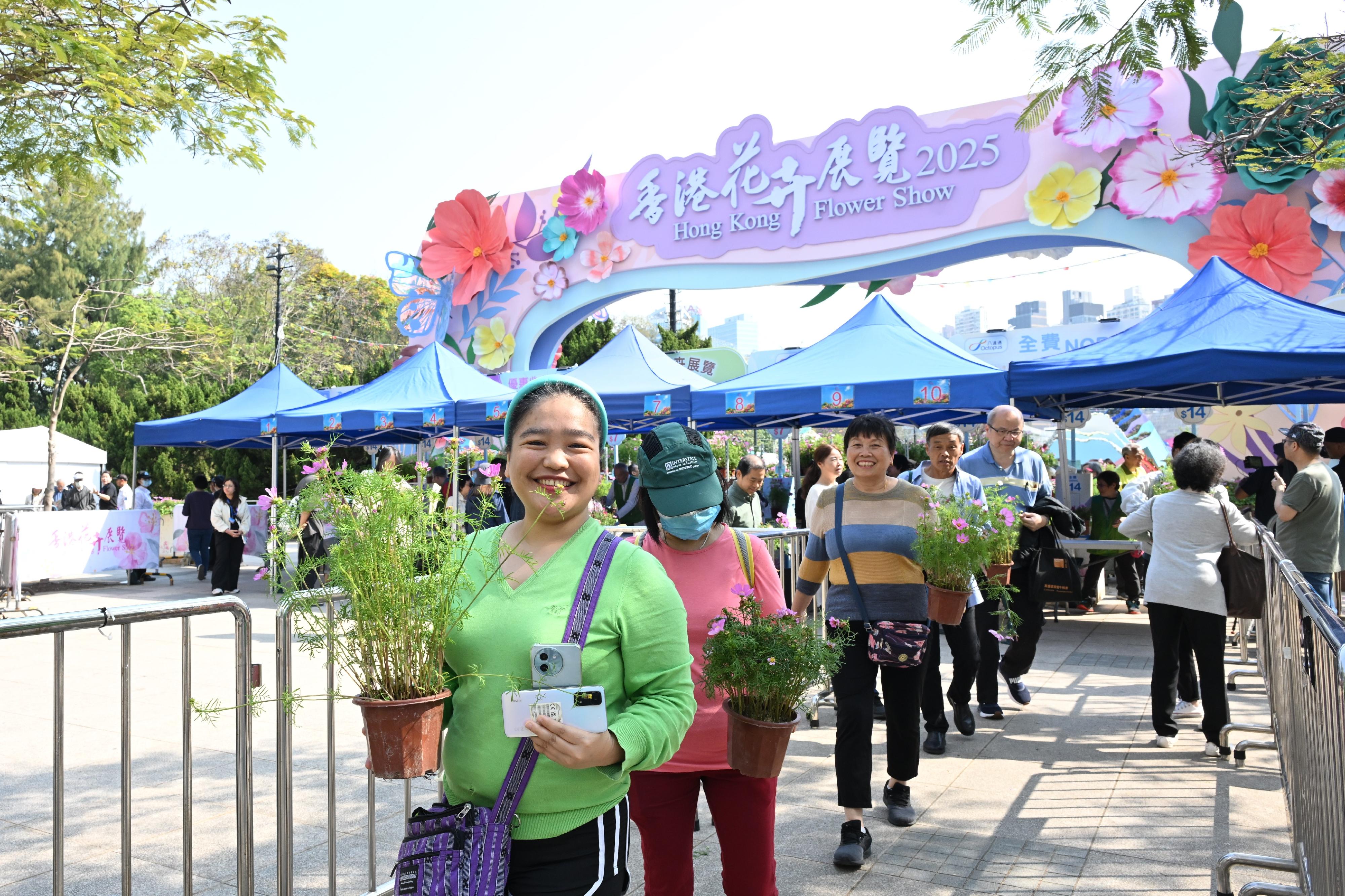
     The Leisure and Cultural Services Department (LCSD) is once again holding Green Recycling Day (GRD) activities upon the conclusion of the 10-day Hong Kong Flower Show. The GRD activities were held today (March 24) and will continue tomorrow (March 25) at Victoria Park to reinforce green measures and reduce waste, demonstrating the department's commitment to environmental protection at its large-scale events.
 
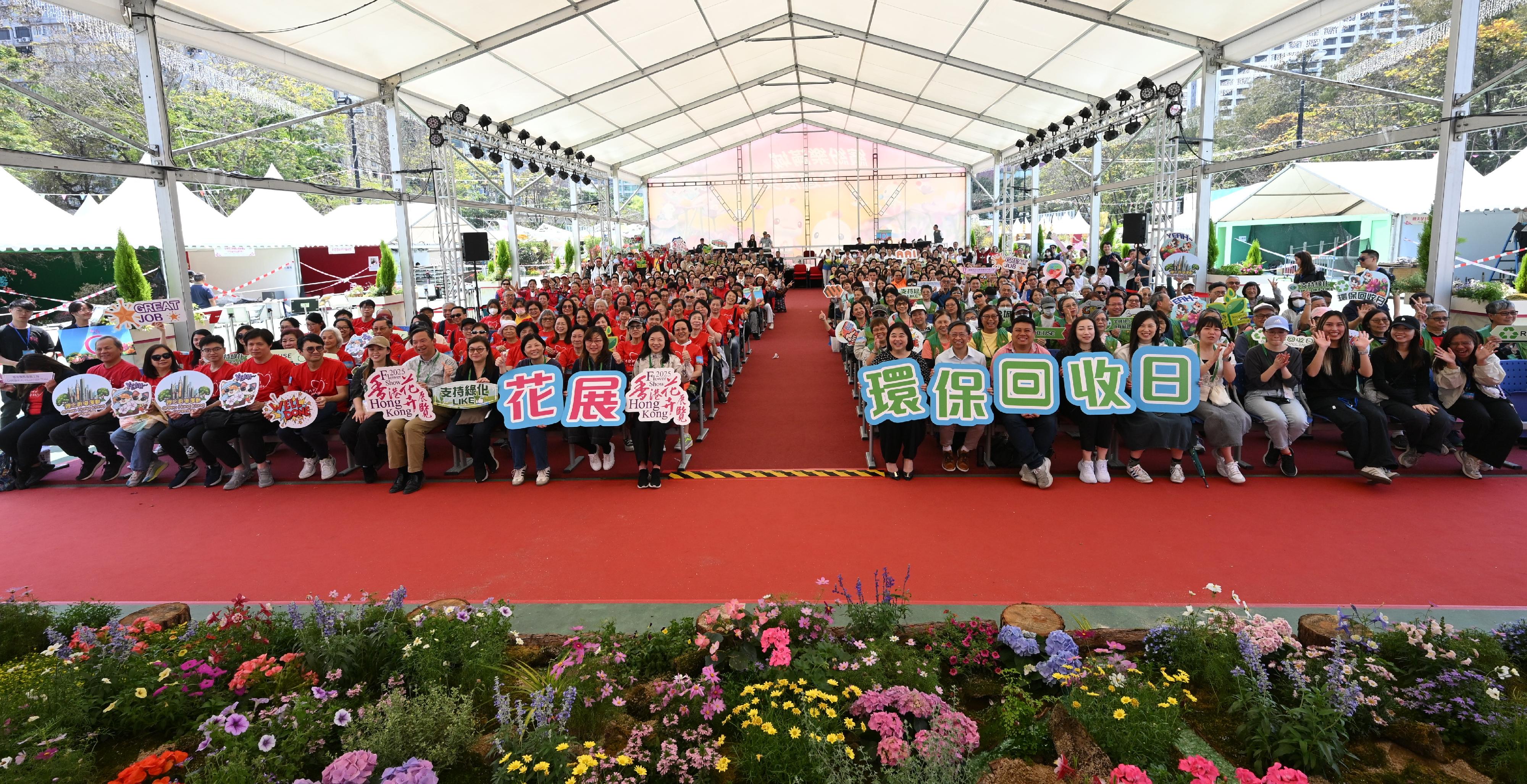
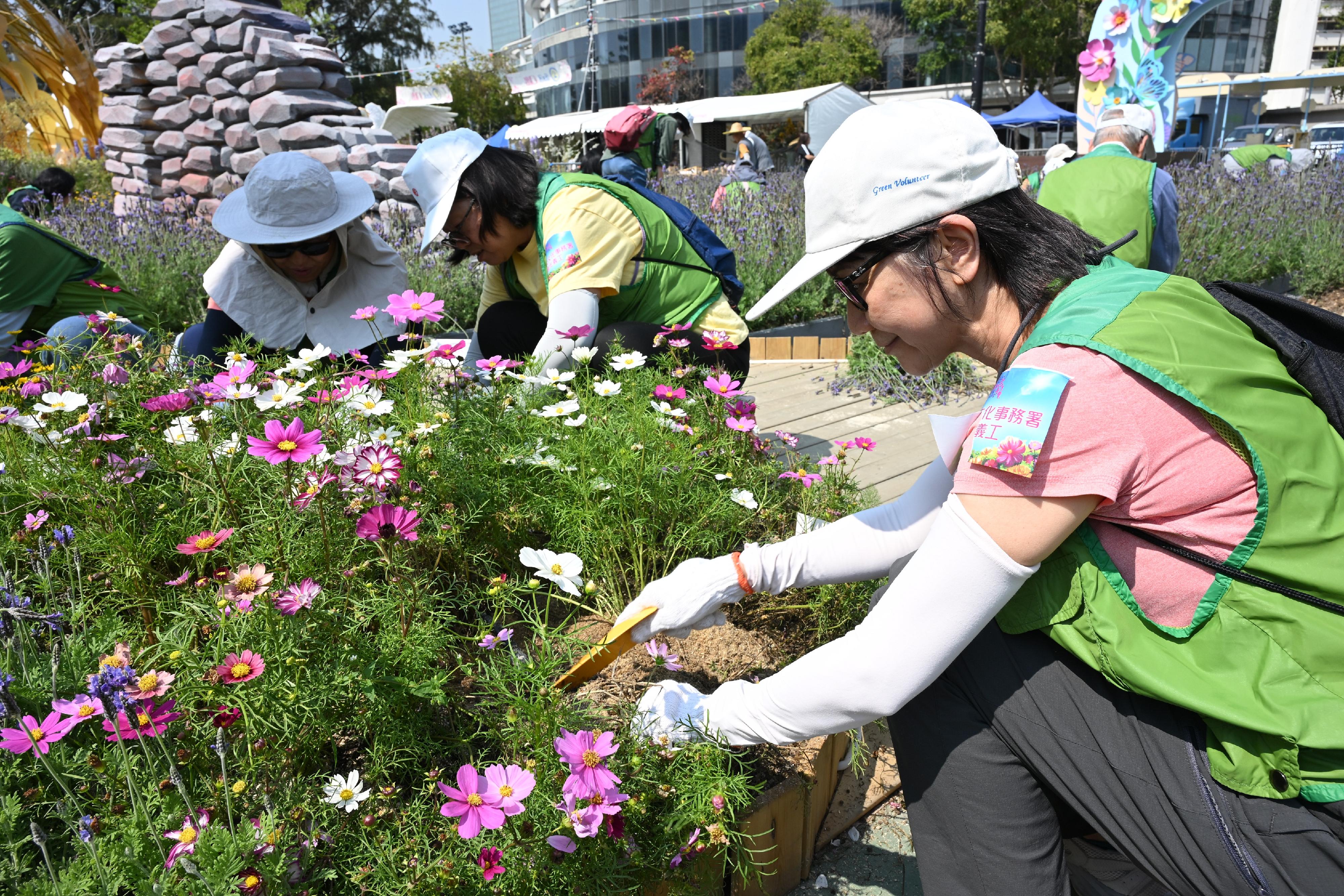
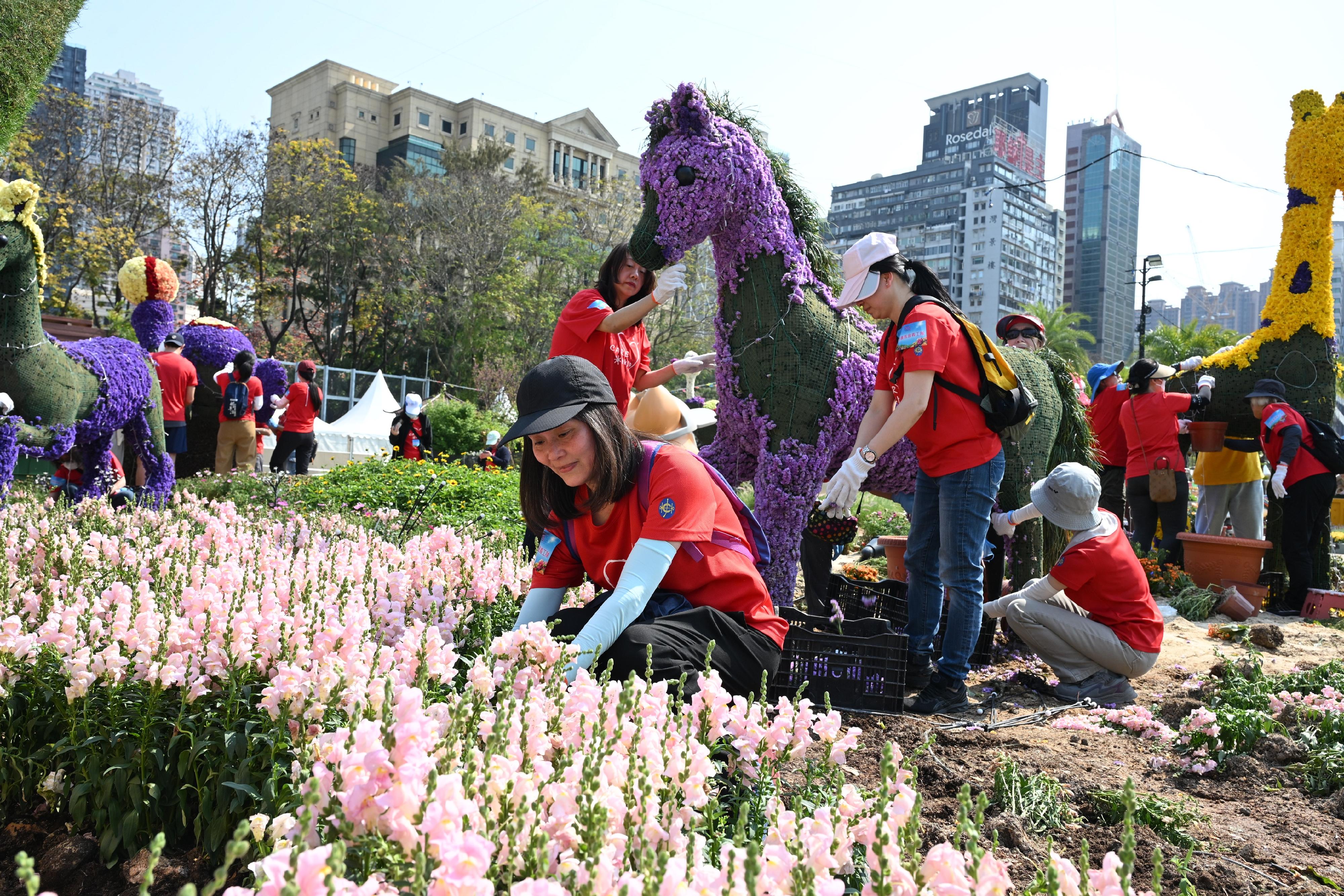
     More than 400 volunteers, in support of the Hong Kong Flower Show, assisted in separating and collecting reusable and recyclable materials at the showground for waste reduction today. These volunteers came from the Hong Kong Jockey Club, corporates, local organisations and the Home and Youth Affairs Bureau's youth network Youth Link. There were also LCSD staff volunteers, as well as those recruited under the department's Green Volunteer Scheme.
 
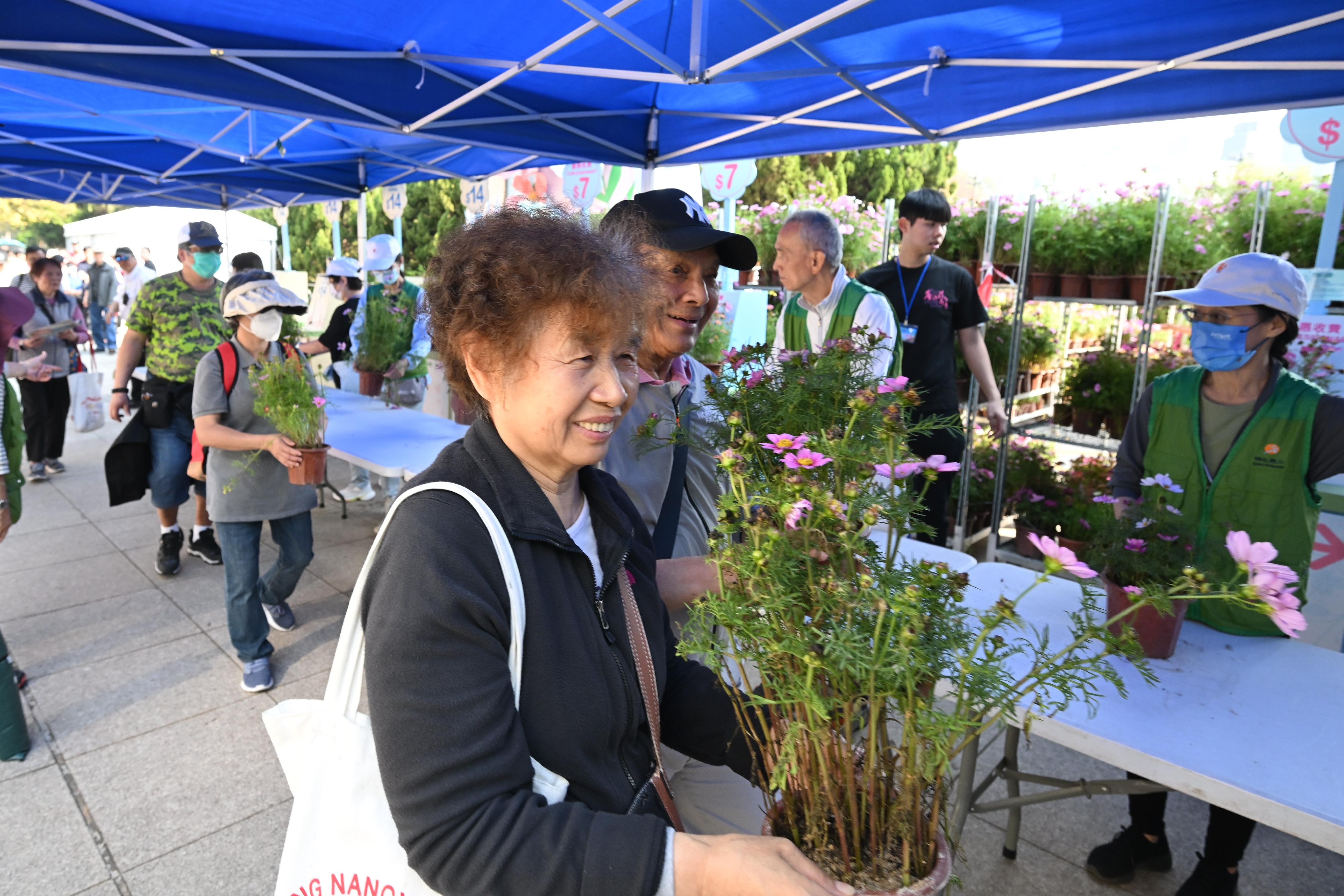
     In addition, around 3 500 pots of flowers in good condition and suitable for replanting were distributed to the public at the park's Sugar Street entrance today.
 
     Some flowers suitable for replanting were also distributed to schools, environmental groups and non-governmental organisations via the "Give the Flowers a New Home!" Jockey Club Flower Replanting Scheme to encourage greening in the community. This year, over 10 000 potted plants were distributed to more than 80 organisations.
 
     Meanwhile, some landscape displays will be relocated to designated parks in the 18 districts, enabling members of the public to appreciate the gorgeous landscape designs, as well as boosting the colour of the parks.
 
     As in previous years, the LCSD has implemented various green measures at different stages of the flower show, encouraging all stakeholders including exhibitors, contractors, volunteers and members of the public to apply the 3R principles, namely "Reduce, Reuse and Recycle".
 
     During the preparation phase, stakeholders were provided with guidelines on waste reduction. Exhibitors were encouraged to use recyclable or reusable materials in their display designs. While cleaning up the exhibits, they were reminded to collect reusable materials and separate the leftover materials properly before delivering them to recycling spots set up at the showground.
 
     During the show period, visitors were encouraged to bring their own water bottles and reusable shopping bags. QR codes were displayed at the showground for visitors to download the location map and information on the theme flower, landscape displays and more. A free tableware rental service was also provided to reduce the use of disposable plastic tableware, as part of the effort to reduce waste. Recyclables collection points were also set up to facilitate the collection of carton boxes, plastic flower pots and other plastics, soil, metals, wooden planks and more. Collection points for wilted flowers were also available for collecting so that they can be delivered to the Animal Waste Composting Plant in Ngau Tam Mei to be recycled into useful organic compost.
 
     The LCSD hopes to gather community power through implementing various green measures to achieve the goal of a "Green Flower Show for All".

Photo  Photo  Photo  Photo  Photo  


DH announces latest situation of Legionnaires’ Disease cases

     The Centre for Health Protection (CHP) of the Department of Health today (March 24) reported the latest number of cases of Legionnaires' disease (LD), and reminded the public of the importance of using and maintaining properly designed man-made water systems, adding that susceptible groups should strictly observe relevant precautions.

     From March 16 to 22, the CHP recorded one imported LD case, involving a 63-year-old male patient with underlying illnesses, who travelled on a cruise and visited Indonesia, the Philippines as well as Taiwan during the incubation period.
     
     The CHP is conducting epidemiological investigations to identify potential sources of infection, high-risk exposure and clusters, if any.

     As of March 22, 34 LD cases had been recorded this year. In 2024 and 2023, there were 135 and 121 LD cases respectively.

     Men, people aged over 50, smokers, alcoholics and persons with weakened immunity are more susceptible to LD. Some situations may also increase the risk of infection, including poor maintenance of water systems; living in areas with old water systems, cooling towers or fountains; using electric water heaters, whirlpools and spas or hot water spring spas; and recent stays in hotels or vessels.

     Legionellae are found in various environmental settings and grow well in warm water (20 to 45 degrees Celsius). They can be found in aqueous environments such as water tanks, hot and cold water systems, cooling towers, whirlpools and spas, water fountains and home apparatus that support breathing. People may become infected when they breathe in contaminated droplets (aerosols) and mist generated by artificial water systems, or when handling garden soil, compost and potting mixes.

     Immunocompromised persons should:
 

  • Use sterile or boiled water for drinking, tooth brushing and mouth rinsing;
  • Avoid using humidifiers, or other mist- or aerosol-generating devices; and
  • If using humidifiers, or other mist- or aerosol-generating devices, fill the water tank with only sterile or cooled freshly boiled water, and not water directly from the tap. Also, clean and maintain humidifiers/devices regularly according to manufacturers' instructions. Never leave stagnant water in a humidifier/device. Empty the water tank, wipe all surfaces dry, and change the water daily. 

     
     The public should observe the health advice below:
 

  • Observe personal hygiene;
  • Do not smoke and avoid alcohol consumption;
  • Strainers in water taps and shower heads should be inspected, cleaned, descaled and disinfected regularly or at a frequency recommended by the manufacturer;
  • If a fresh-water plumbing system is properly maintained, it is not necessary to install domestic water filters. Use of water filters is not encouraged as clogging occurs easily, which can promote growth of micro-organisms. In case water filters are used, the pore size should be 0.2 micrometres (µm) and the filter needs to be changed periodically according to the manufacturer's recommendations;
  • Drain and clean water tanks of buildings at least quarterly;
  • Drain or purge for at least one minute infrequently used water outlets (e.g. water taps, shower heads and hot water outlets) and stagnant points of the pipework weekly or before use;
  • Seek and follow doctors' professional advice regarding the use and maintenance of home respiratory devices and use only sterile water (not distilled or tap water) to clean and fill the reservoir. Clean and maintain the device regularly according to the manufacturer's instructions. After cleaning/disinfection, rinse the device with sterile water, cooled freshly boiled water or water filtered with 0.2 µm filters. Never leave stagnant water in the device. Empty the water tank, keep all surfaces dry, and change the water daily; and
  • When handling garden soil, compost and potting mixes: 
  1. Wear gloves and a face mask;
  2. Water gardens and compost gently using low pressure;
  3. Open composted potting mixes slowly and make sure the opening is directed away from the face;
  4. Wet the soil to reduce dust when potting plants; and
  5. Avoid working in poorly ventilated places such as enclosed greenhouses.

     â€‹â€‹The public may visit the CHP's LD page, the Code of Practice for Prevention of LD and the Housekeeping Guidelines for Cold and Hot Water Systems for Building Management of the Prevention of LD Committee, and the CHP's risk-based strategy for prevention and control of LD.


Survey results of 2024 Annual Earnings and Hours Survey released

Monthly wage
 
     According to the statistics released today (March 24) by the Census and Statistics Department (C&SD), the median monthly wage of employees in Hong Kong in May – June 2024 was $20,500. This was 3.6% higher than the median of $19,800 in May – June 2023.
      
     The change in monthly wage in 2024 when compared with 2023 is useful in reflecting the change in take-home pay of employees between these two years.
      
     In May – June 2024, the 10th, 25th, 75th and 90th percentile monthly wages of Hong Kong employees were $10,700, $14,800, $32,000 and $50,000 respectively. They were 3.1%, 3.6%, 2.8% and 3.1% higher than the corresponding figures in May – June 2023 respectively (Table 1).
      
     As shown in Table 2, increase in median monthly wage was observed for both male and female employees and for all age groups, educational attainments, occupational groups and industry sections.
 
Hourly wage
 
     The median hourly wage of employees in Hong Kong in May – June 2024 was $82.9, 3.5% higher than the median of $80.1 in May – June 2023. The 5th, 10th, 25th, 75th and 90th percentile hourly wages were $46.1, $49.3, $59.2, $131.5 and $209.3 respectively. The overall hourly wage distribution of employees is shown in Table 3. The number of employees analysed by selected hourly wage level is shown in Table 4.
      
     In May – June 2024, the median hourly wage of male employees was $93.3 while that of female employees was $73.2. Analysed by age group, the median hourly wage of employees at age 35 – 44 was the highest ($97.2), followed by employees at age 25 – 34 ($86.7) and at age 45 – 54 ($83.9). The median hourly wages of employees of different sexes, age groups, educational attainments, occupational groups and industry sections are given in Table 5.
 
Further information
 
     The above wage statistics were compiled based on the data obtained from the 2024 Annual Earnings and Hours Survey (AEHS). The purpose of the survey is to provide comprehensive data on the level and distribution of wages, employment details and demographic profile of employees in Hong Kong. These statistics are useful for studies on labour-related topics by the private sector and the Government. They also provide important inputs for analyses related to the Statutory Minimum Wage. A sample of about 10 000 business undertakings was selected for the survey.
      
     Wage(s) is defined to include basic wage, commission and tips not of gratuitous nature, guaranteed bonuses and allowances, and overtime allowance paid to an employee in the survey period. It does not cover bonuses and allowances of gratuitous nature, end of year payment and payments in kind. Number of working hours is the sum of contractual/agreed working hours (including meal breaks if they are regarded as working hours according to the employment contract or agreement with the employer) and overtime hours worked at the direction of employers.
      
     By arranging the hourly wages of all employees from the smallest to the largest value, the median hourly wage is the hourly wage of the employee who ranks in the middle of all the employees concerned. In other words, the median hourly wage is the hourly wage value that delineates the lowest 50% of all the employees concerned.
      
     Percentile hourly wage figures are useful in discerning the distribution of hourly wage of employees. The pth percentile hourly wage is the hourly wage value which delineates the lowest p% of all the employees concerned, where p can be any integer value from 1 to 99. For instance, the 10th percentile hourly wage is the hourly wage value that delineates the lowest 10% of the employees. The 25th percentile, 50th percentile and 75th percentile hourly wages are also known as the lower quartile, median and upper quartile hourly wages respectively.
      
     The median and percentile monthly wage figures are derived similarly as the median and percentile hourly wage figures.
      
     Regarding the survey coverage, the AEHS covers all business undertakings irrespective of their employment sizes and industries, except those engaged in agriculture, forestry and fishing activities. All employees of business undertakings falling within the scope of the survey who are under the coverage of the Minimum Wage Ordinance (MWO) are included in the survey. Government employees as well as student interns, work experience students and live-in domestic workers as exempted by the MWO are excluded. As it is necessary to derive the hourly wage of employees from their monthly wages and hours of work, those employees with zero working hours in the survey reference period are also excluded.
      
     Details of the wage statistics compiled from the 2024 AEHS and the survey methodology are given in the 2024 Report on Annual Earnings and Hours Survey. Users can browse and download the publication at the website of the C&SD (www.censtatd.gov.hk/en/EIndexbySubject.html?pcode=B1050014&scode=210).
      
     Enquiries concerning the survey results of the AEHS can be directed to the Wages and Labour Costs Statistics Section (2) of the C&SD at 3105 2369.