SED attends APAIE 2025 Conference and Exhibition (with photos)

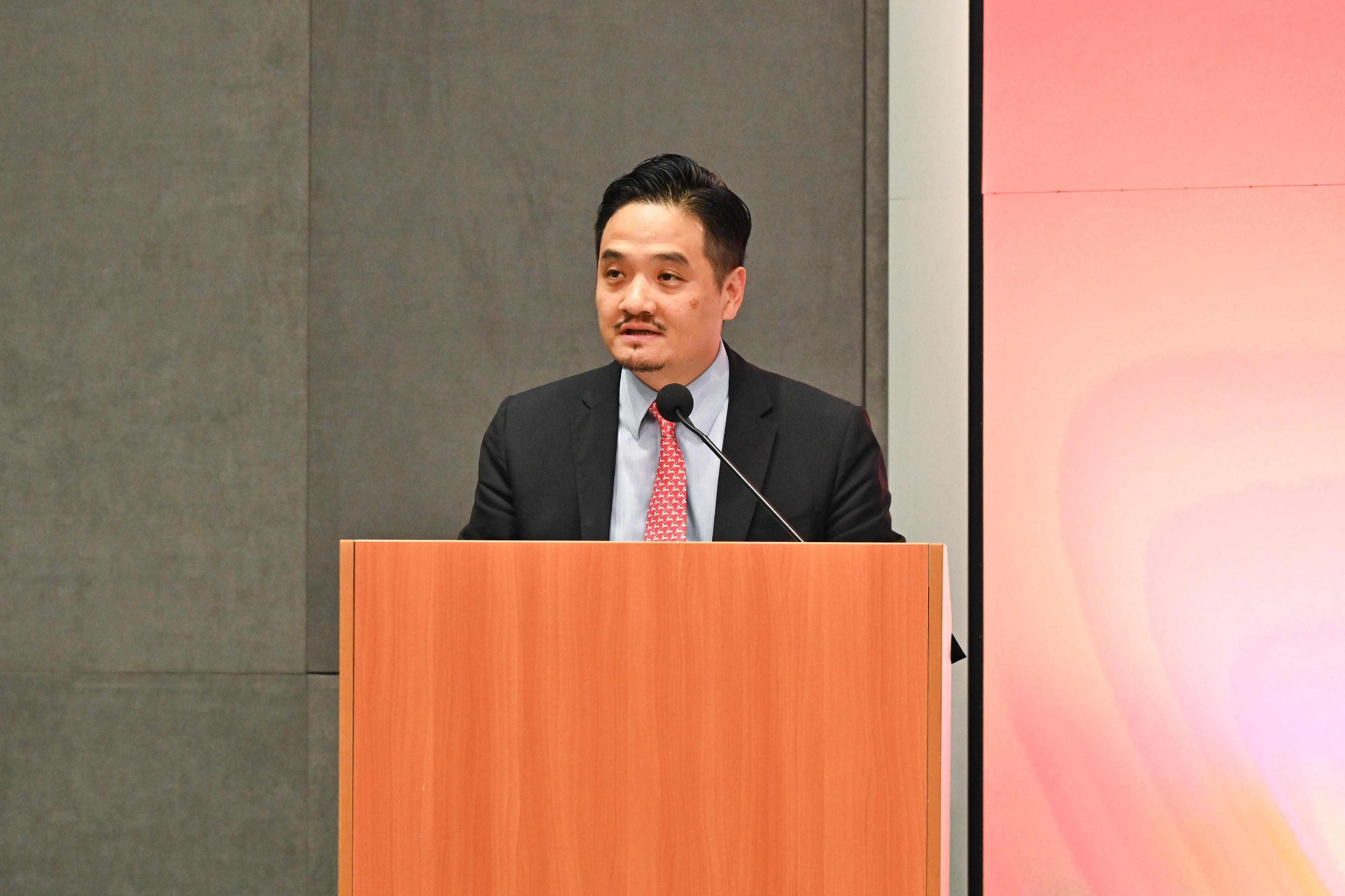
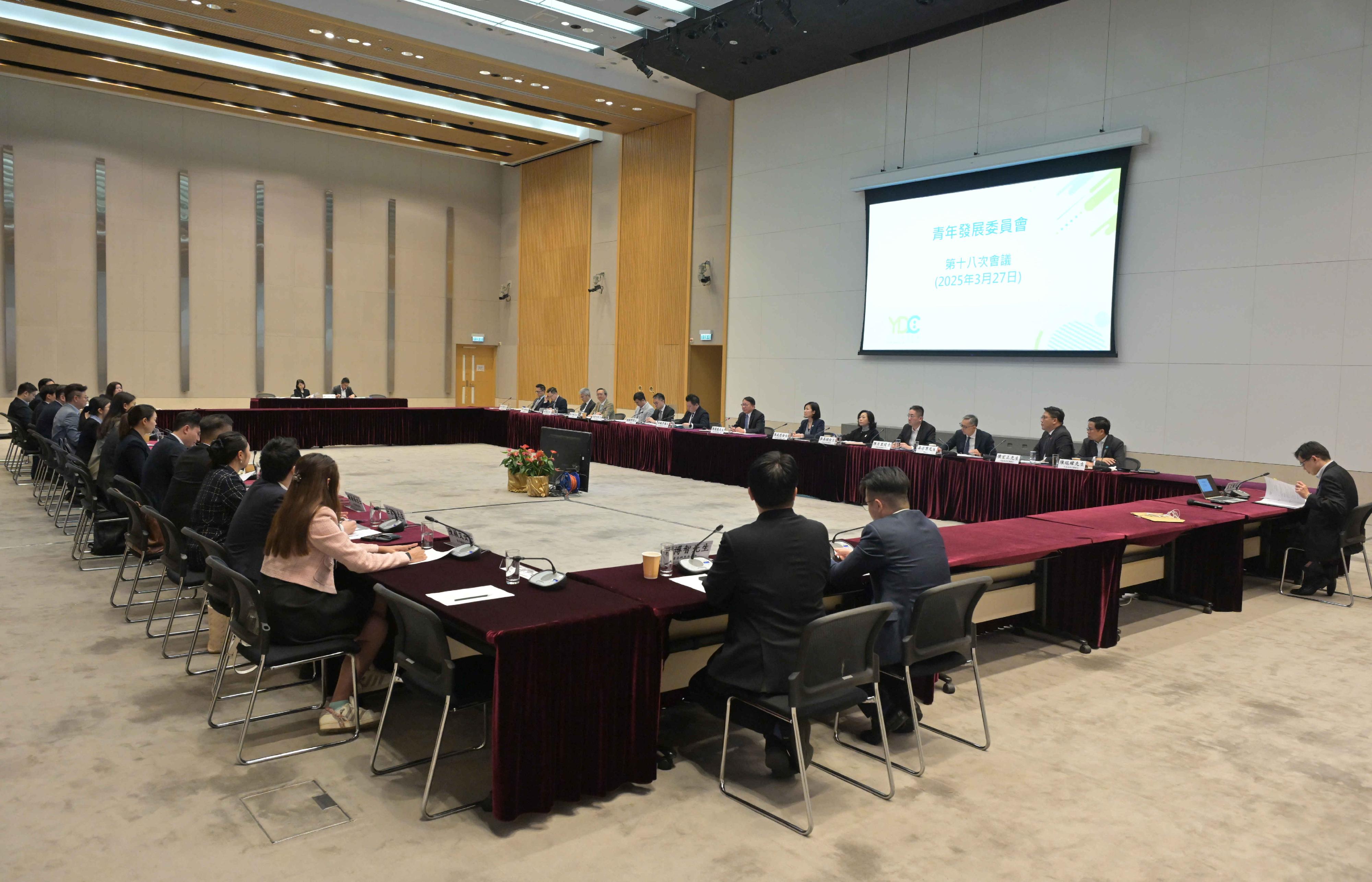
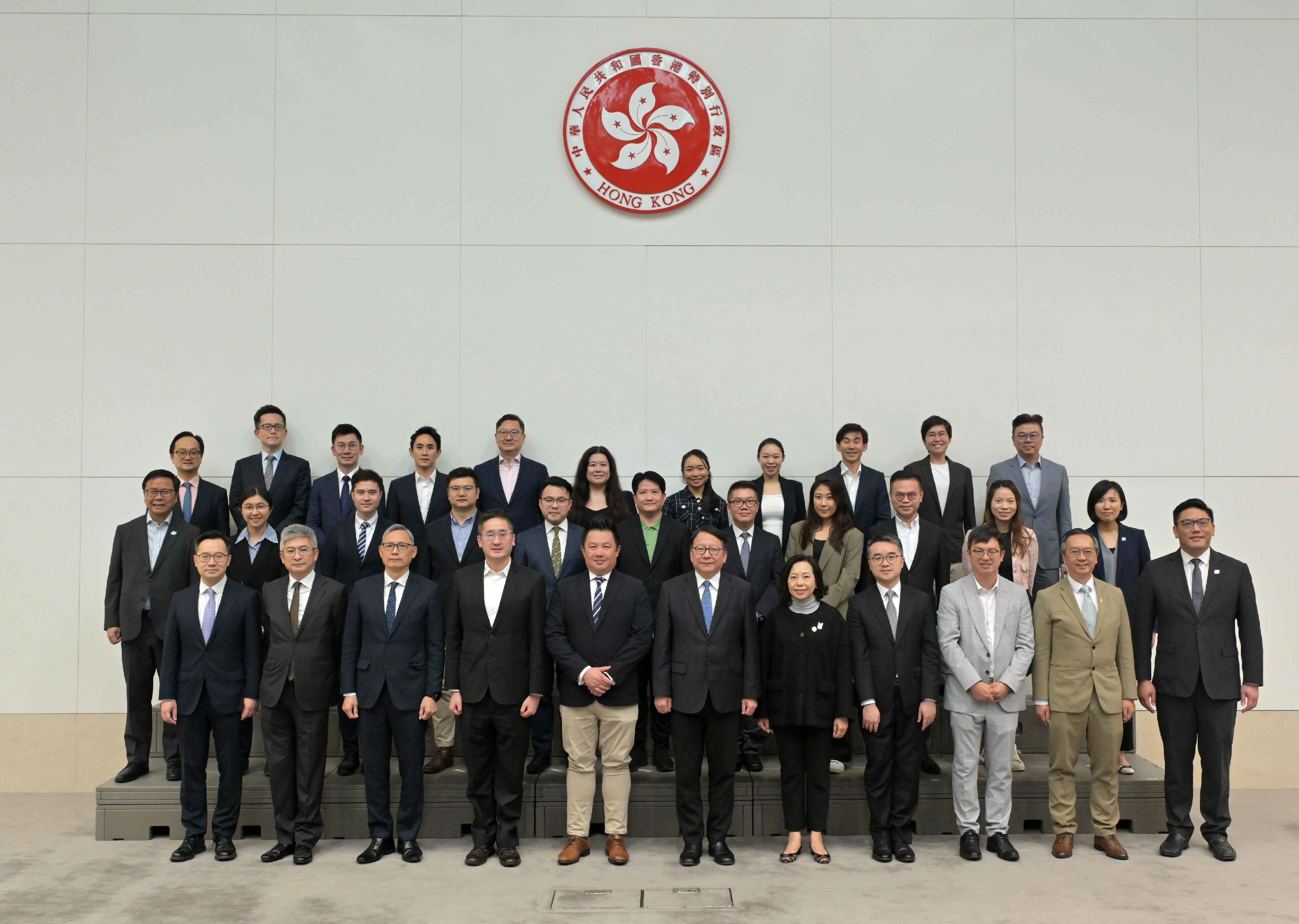
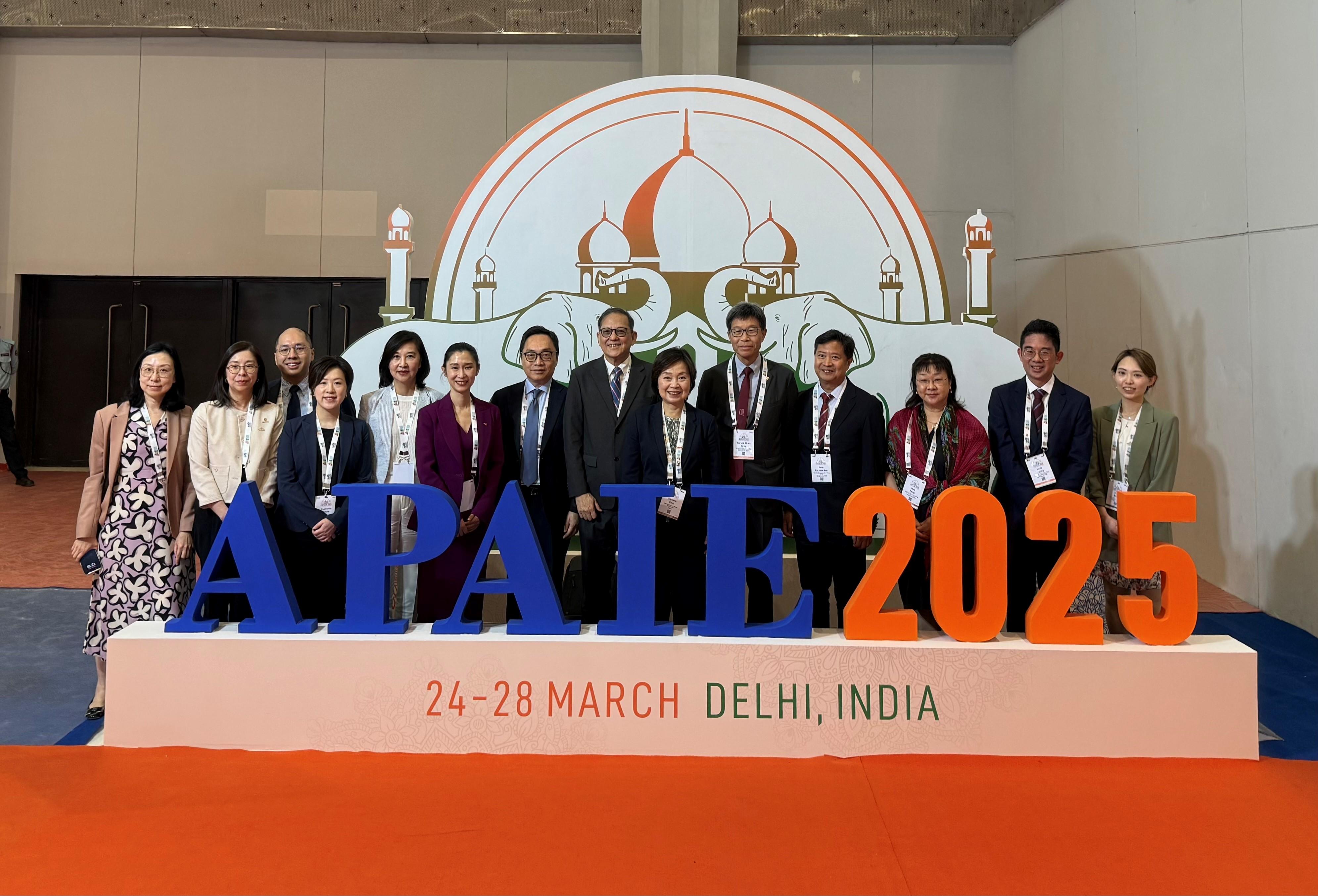
     The Secretary for Education, Dr Choi Yuk-lin, attended the Asia-Pacific Association for International Education (APAIE) 2025 Conference and Exhibition in Delhi, India, on March 27 (Delhi time) and received the APAIE flag from the President of the APAIE, Professor Venky Shankararaman, officially announcing that the next APAIE Conference and Exhibition will be held in Hong Kong.
 
     In her speech at the closing ceremony of the Conference, Dr Choi said that Hong Kong, as Asia's world city, offers a unique confluence of global connectivity, world-class infrastructure and rich cultural experiences for all APAIE Conference participants. Dr Choi also noted that the Guangdong-Hong Kong-Macao Greater Bay Area (GBA) forms a world-class innovation hub, providing vast opportunities for academic collaborations. She sincerely invited overseas partners to attend the APAIE Conference next year in Hong Kong to build connections in teaching and research collaboration with representatives from the city and around the globe. 
 
     The APAIE Conference and Exhibition is the largest education conference in Asia-Pacific region. The conference in 2026 will be held from February 23 to 27 by the Chinese University of Hong Kong with support from the other University Grants Committee (UGC)-funded universities. The conference will gather leaders and representatives from the higher education sector worldwide in Hong Kong and offer local post-secondary institutions an opportunity to further enhance co-operation and exchanges with their counterparts around the world. Coinciding with the 2025 ranking of the world's most international universities published by the Times Higher Education last week, in which four UGC-funded universities claimed all top four spots, the holding of the next APAIE Conference and Exhibition in Hong Kong highlights the city's image as an international hub for post-secondary education.
 
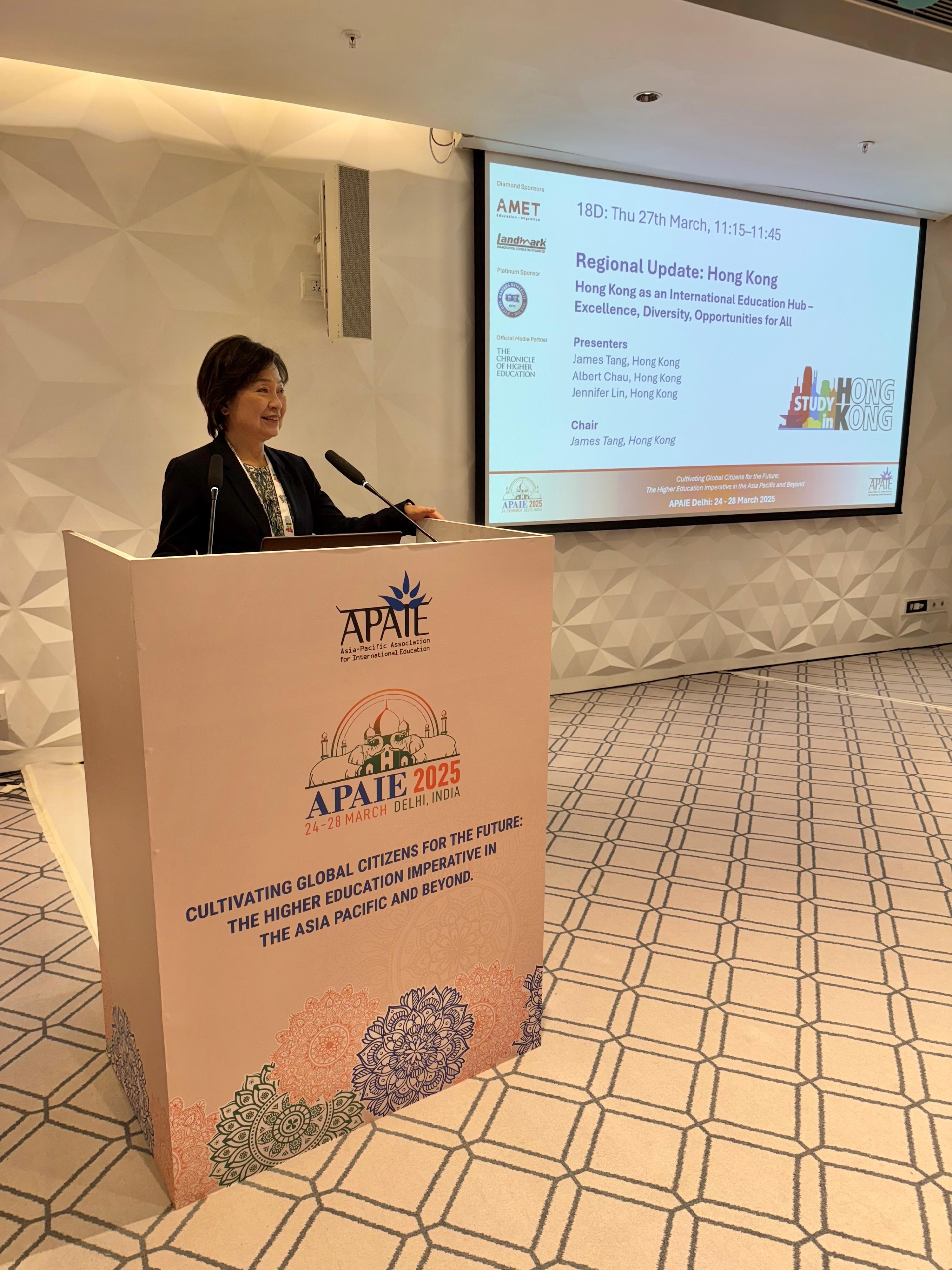
     At the Conference this year, Dr Choi also delivered a speech under the theme "Study in Hong Kong". She said that Hong Kong is renowned for its vibrancy, high quality of life and safety, making it an exceptional study destination. With Hong Kong's aspirations to become an international hub for post-secondary education, as well as its pursuit of excellence in teaching and research, five publicly funded universities of Hong Kong rank among the world's top 100.
 
     The Secretary-General of the UGC, Professor James Tang, also spoke at a seminar of the Conference to elaborate on Hong Kong’s edges in higher education, among which, around one in every four students and around 70 per cent of academic staff of UGC-funded universities come from outside Hong Kong. The institutions have also signed over 2 600 student exchange agreements with their counterparts worldwide, underscoring their achievement in enhancing diversity in higher education and strengthening collaboration with institutions from other places.
 
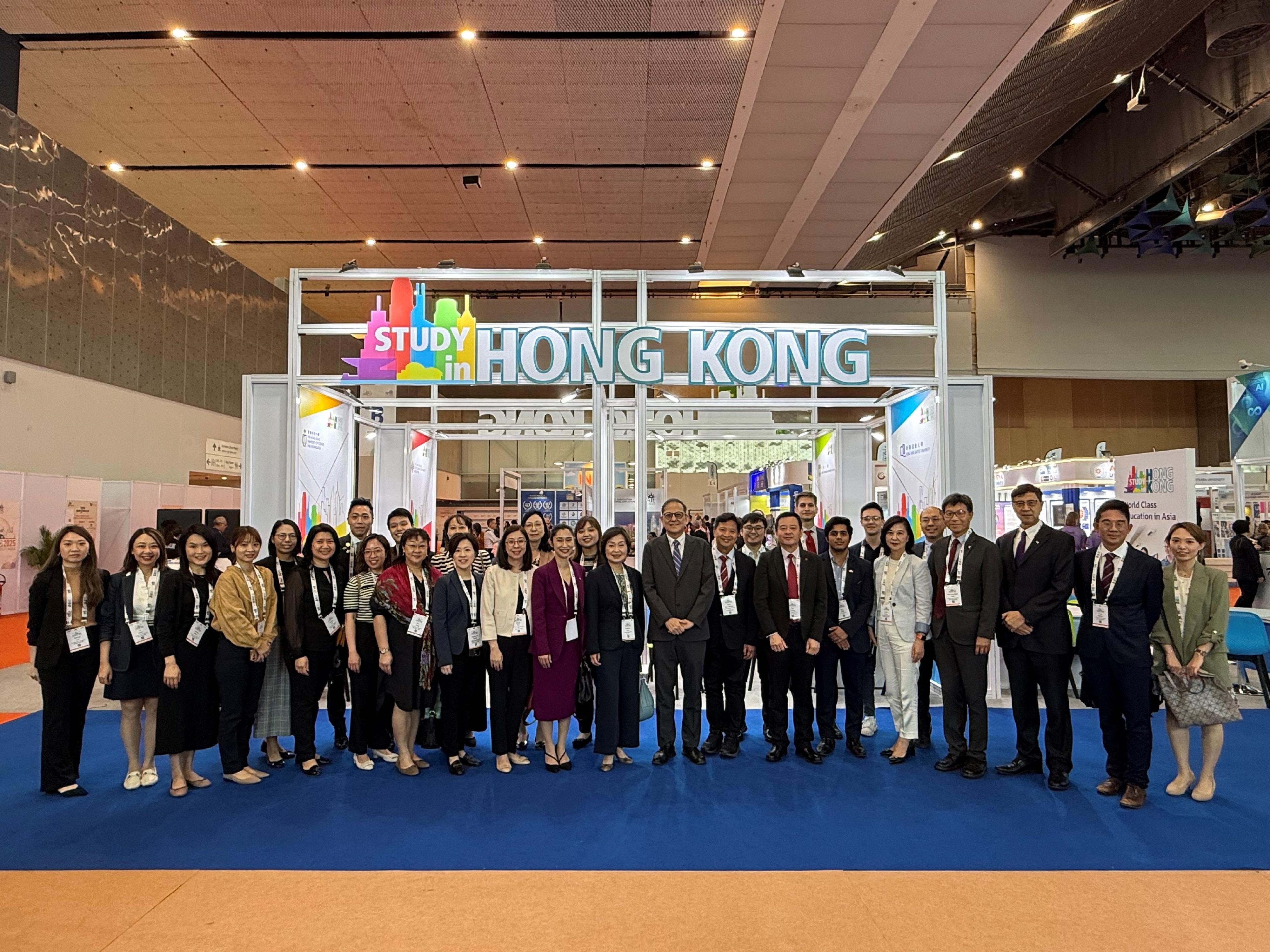
     Dr Choi visited the Hong Kong Pavilion, which was set up by the Heads of Universities Committee Standing Committee on Internationalisation and funded by the UGC, to learn about the proactive work of the UGC-funded universities in expanding their international network as well as their promotion for recruiting students from more places to undertake further studies and exchanges in Hong Kong. In addition, she toured various booths at the Exhibition and exchanged views with representatives from different countries and regions on the development and promotion of post-secondary education.
 
     On March 28 (Delhi time), Dr Choi will pay a courtesy call on the Chinese Ambassador to India, Mr Xu Feihong, to introduce Hong Kong's latest education policy. She will then conclude the visit and return to Hong Kong.

Photo  Photo  Photo  Photo  Photo  


CEPU and Chinese Association of Hong Kong and Macao Studies co-organise seminar on “two sessions” (with photos)

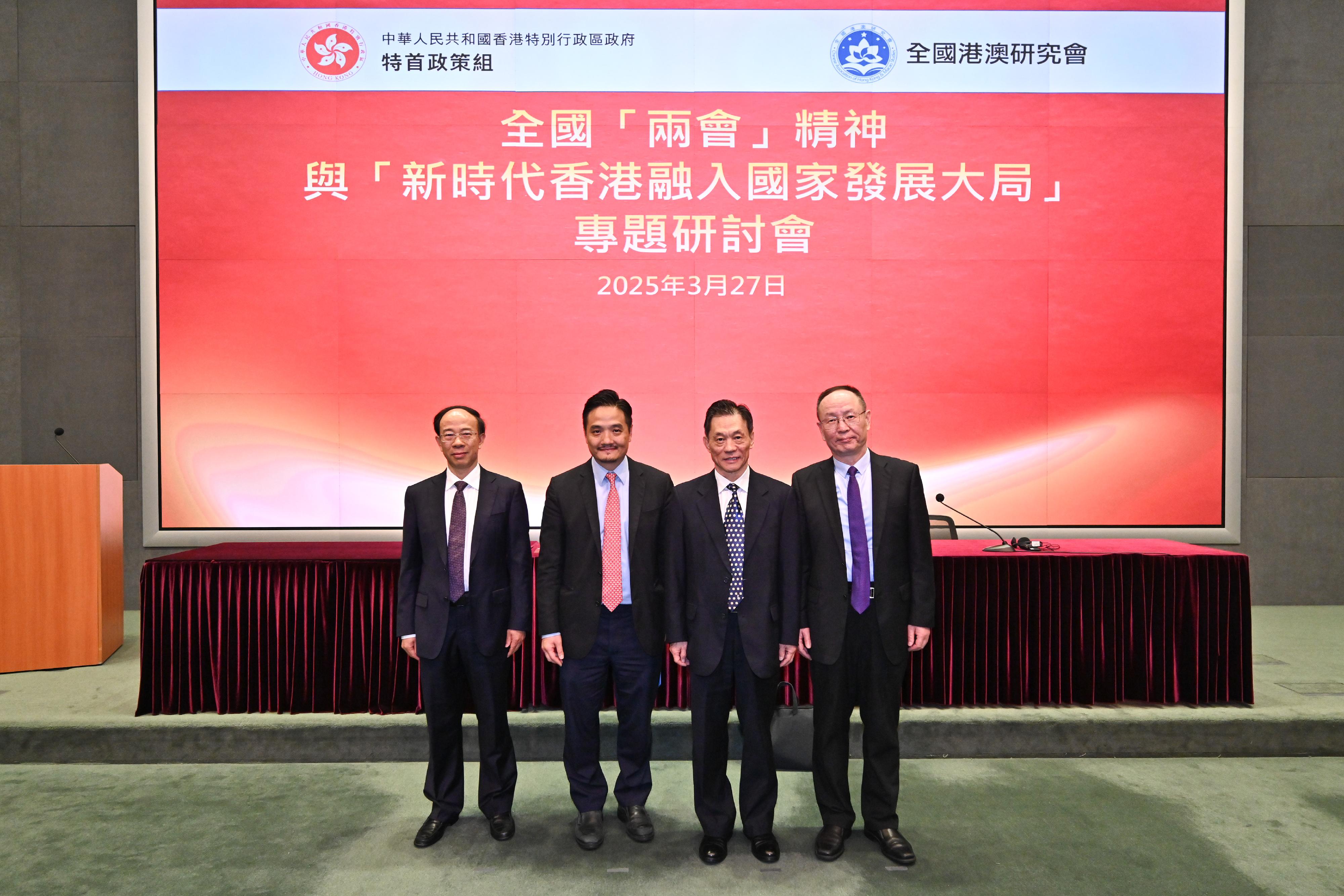
     The third session of the 14th National People's Congress and the third session of the 14th National Committee of the Chinese People's Political Consultative Conference (CPPCC) ("two sessions") were successfully held in March this year. The Chief Executive's Policy Unit (CEPU) and the Chinese Association of Hong Kong and Macao Studies (CAHKMS) today (March 27) co-organised a seminar titled "The Spirit of 'Two Sessions' and Hong Kong's Integration into National Development in the New Era". The event facilitated in-depth exchanges and interactive discussions on the key takeaways of this year's "two sessions" and their implications for Hong Kong's future development.

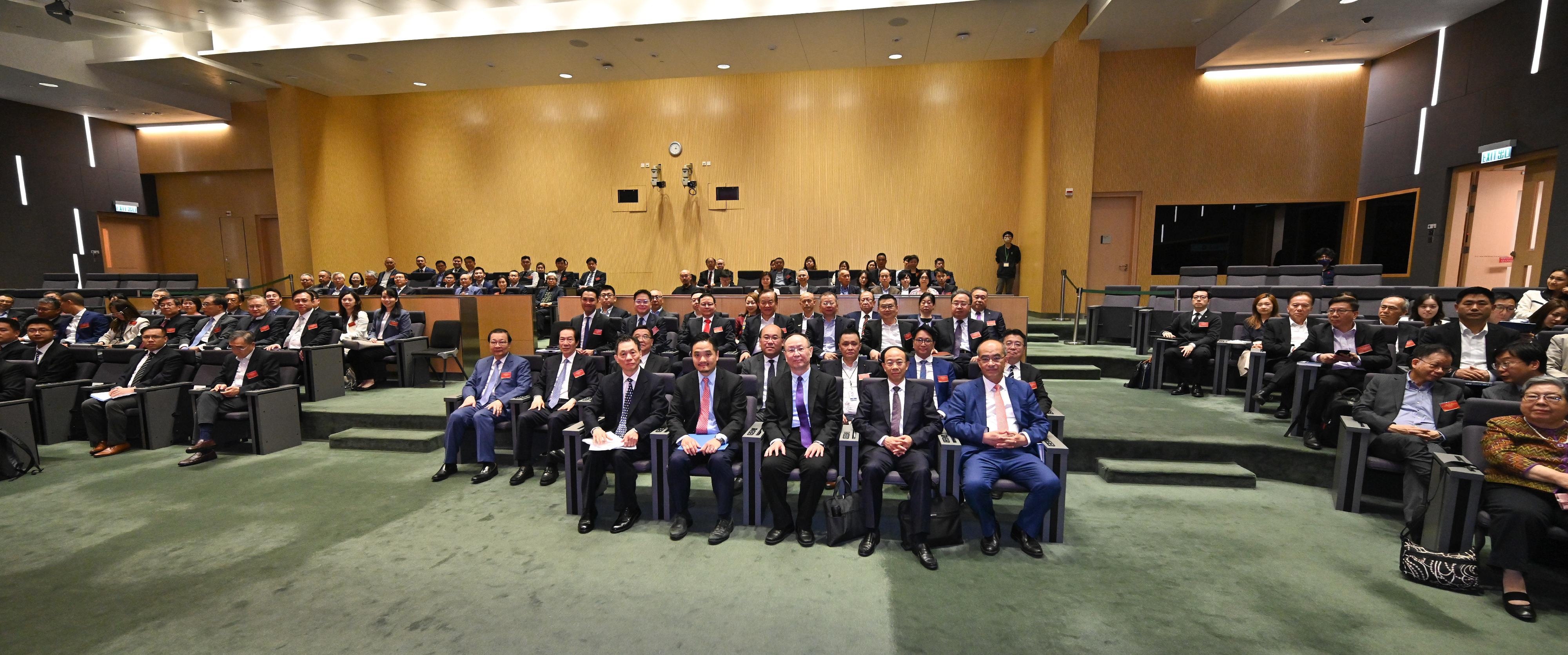
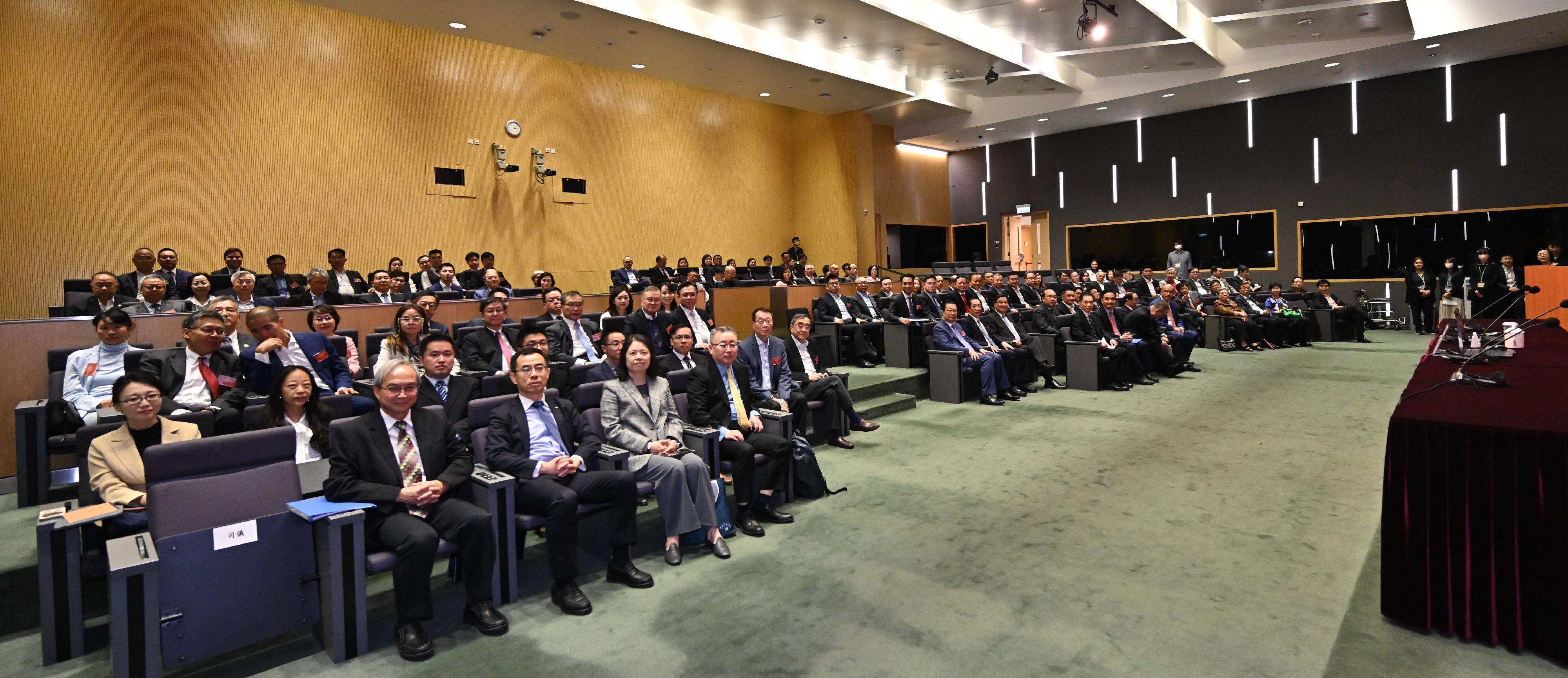
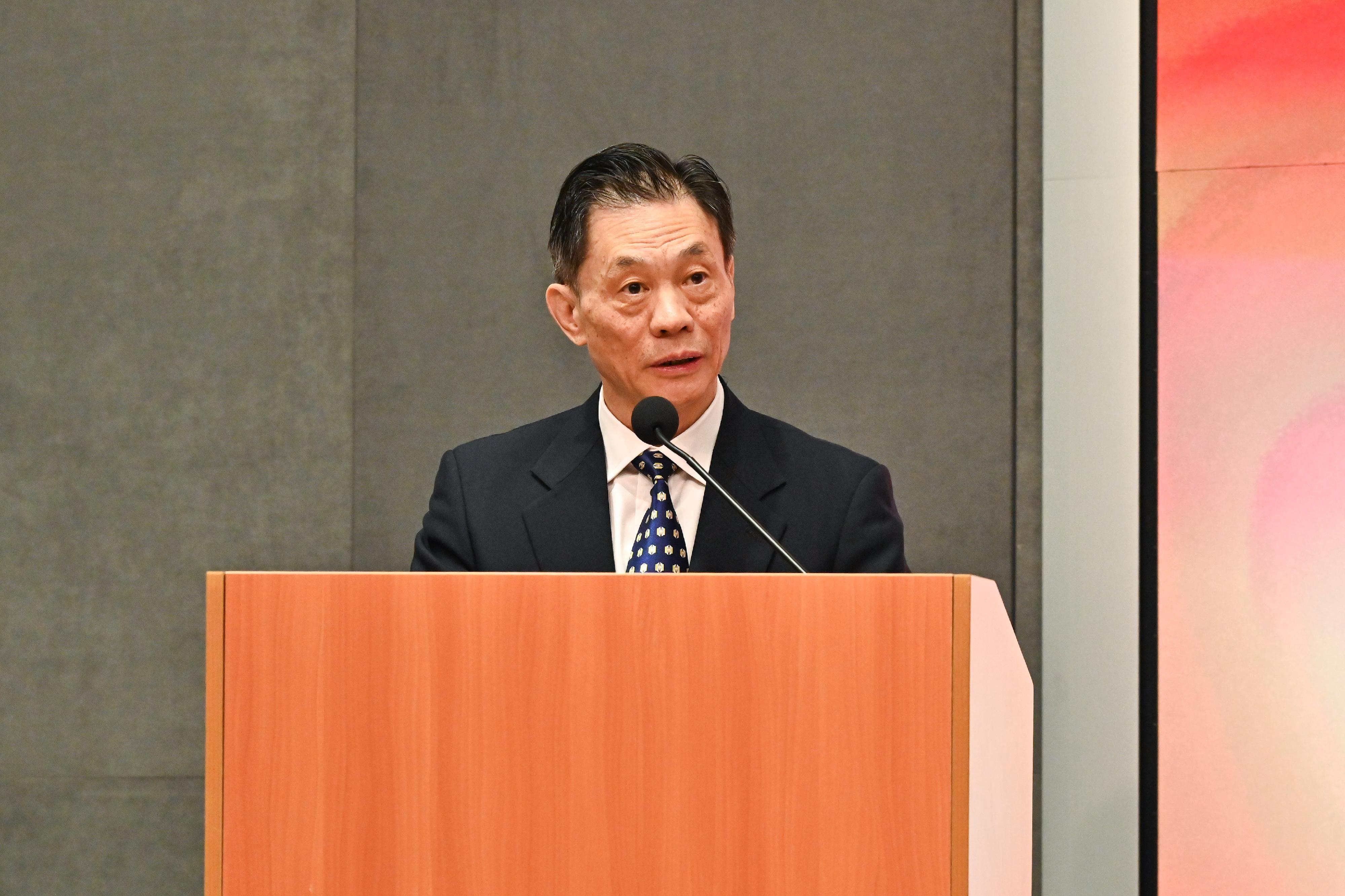
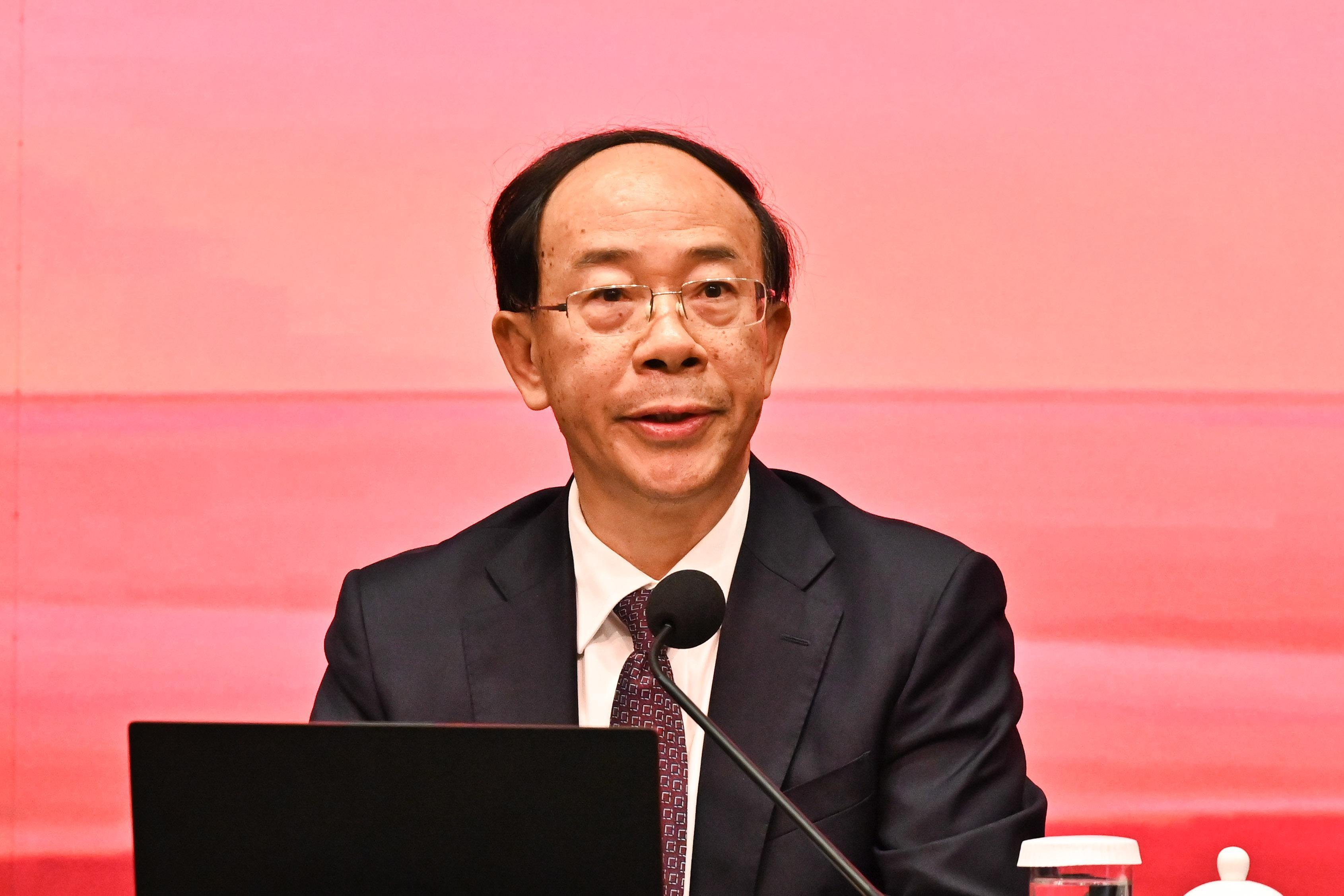
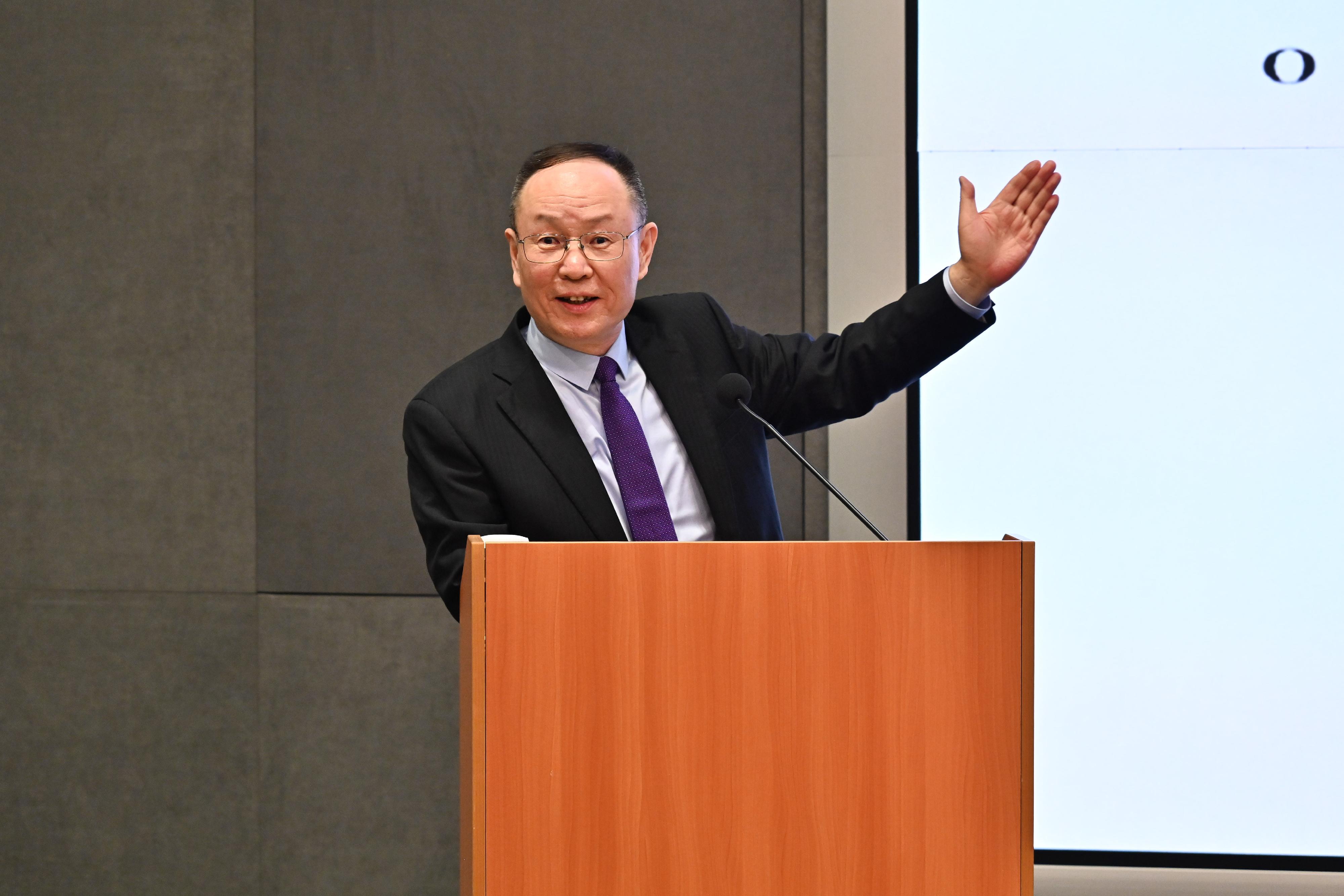
     The President of the CAHKMS, Dr Deng Zhonghua, delivered the opening address, while Vice Chairman of the China Center for International Economic Exchanges Dr Wang Yiming and Deputy Director of the CPPCC Economic Affairs Committee Dr Yin Yanlin served as keynote speakers. The Head of the CEPU, Dr Stephen Wong, gave the closing remarks. Nearly 120 representatives from various sectors attended the seminar, including members of local think tanks, research institutes of universities, professional organisations, chambers of commerce, CEPU Expert Group, as well as vice presidents, council members and advisors of the CAHKMS. During the Q&A session, participants actively engaged with the speakers, and they had in-depth and lively exchanges and discussions.

     Dr Wong said, "I am very grateful to the CAHKMS, especially President Deng Zhonghua, for facilitating this collaboration between the CEPU and the Association, allowing us to collectively study the spirit of the 'two sessions' from a research and think-tank perspective. I also extend my sincere gratitude to Dr Wang Yiming and Dr Yin Yanlin for their insightful presentations on macroeconomics and industrial development respectively."

     "This year marks the conclusion of the national 14th Five-Year Plan and the commencement of preparation for the 15th Five-Year Plan. The CEPU will continue to strengthen our research efforts, incorporating the spirit of the 'two sessions' into our work to support the Hong Kong Special Administrative Region (HKSAR) Government in leveraging the institutional advantages of 'one country, two systems', enhancing Hong Kong's role as a bridge connecting domestic and global markets, and uniting society to further deepen reforms comprehensively," he added.

     Established in December 2022, the CEPU serves as an in-house research unit of the HKSAR Government, tasked with enhancing the Government's capabilities in research and advocacy on long-term and strategic issues, thereby providing the Chief Executive with multifaceted perspectives and basis for research. The CAHKMS, established in December 2013, is a national civil academic organisation under the administration of the Hong Kong and Macao Work Office of the Communist Party of China Central Committee. It aims to organise and co-ordinate research on the theory and practice of "one country, two systems", strengthen academic exchanges and co-operation among Hong Kong, Macao, and the Mainland in relevant fields, and perform the functions as a civil think tank.

Photo  Photo  Photo  Photo  Photo  Photo  Photo  


DH investigates illegal online sale of slimming products containing controlled drug ingredients (with photo)

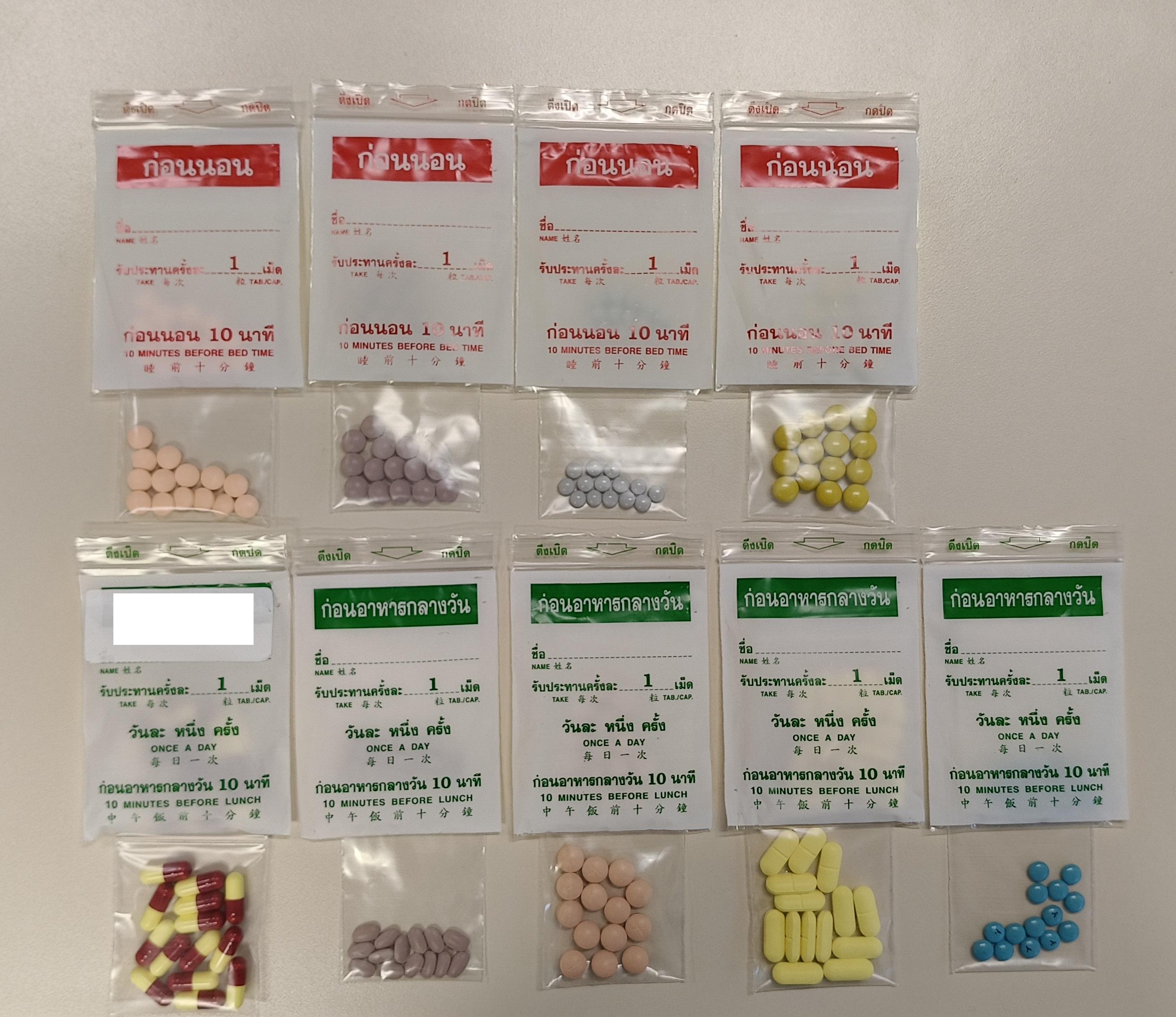
     The Department of Health (DH) today (March 27) is investigating a case of illegal sale of slimming products containing undeclared controlled drug ingredients on the Internet and urged the public not to buy or consume the products concerned (see photo).

     Acting upon intelligence, the DH purchased on a social media platform some slimming products, reportedly obtained from overseas, for analysis. The laboratory test results revealed that the samples of some products contained frusemide, metformin and thyroxine. All of them are Part 1 poisons under the Pharmacy and Poisons Ordinance (Cap. 138) (PPO).

     The packages of the products concerned have Thai, Chinese and English characters, and are suspected to be unregistered pharmaceutical products. The DH will continue to follow up and investigate the case.

     Frusemide is used for the treatment of heart diseases and its side effects include low blood pressure and electrolyte imbalance. Metformin is used for the treatment of diabetes mellitus and its side effects include nausea and diarrhoea. Thyroxine is used for the treatment of hypothyroidism and its side effects include arrhythmia and hypertension. Medicines containing these ingredients should be used under a doctor's directions and be supplied on the premises of an Authorized Seller of Poisons (i.e. pharmacy) under the supervision of a registered pharmacist upon a doctor's prescription.

     According to the PPO, all pharmaceutical products must be registered with the Pharmacy and Poisons Board of Hong Kong before they can be sold in the market. Illegal sale or possession of unregistered pharmaceutical products or Part 1 poisons are criminal offences. The maximum penalty for each offence upon conviction is a fine of $100,000 and two years' imprisonment.

     The DH strongly urged members of the public not to buy or consume products of doubtful composition or from unknown sources. All registered pharmaceutical products should carry a Hong Kong registration number on the package in the format of "HK-XXXXX". The safety, quality and efficacy of unregistered pharmaceutical products are not guaranteed.

     People who have purchased the products concerned should stop consuming them immediately and consult healthcare professionals if in doubt or if they feel unwell after consumption. They may submit the products to the Drug Office of the DH at Room 1804-06, 18/F, Wing On Kowloon Centre, 345 Nathan Road, Kowloon, during office hours for disposal.

     Weight control should be achieved through a balanced diet and appropriate exercise. The public should consult healthcare professionals before consuming any medication for weight control. They may visit the website of the Drug Office of the DH for "Health message on overweight problem and slimming products" and "Slimming products with undeclared Western drug ingredients" for information.

Photo  


DH reminds public to remain vigilant and take precautions against other respiratory infections even though influenza season is over

     â€‹The Centre for Health Protection (CHP) of the Department of Health (DH) today (March 27) announced that the winter influenza season, which started in early January 2025, has come to an end. The relatively low number of severe and death cases this season is believed to be the result of the concerted and comprehensive efforts of various stakeholders in the community and the public to increase the seasonal influenza vaccination (SIV) rate. On the other hand, the CHP anticipates the activity of other respiratory infectious diseases, including COVID-19, to become more active as Hong Kong enters spring and summer. Members of the public are reminded to remain vigilant, and high risk groups should receive COVID-19 vaccine as soon as possible to minimise the risk of serious complications and death after infection.
      
Influenza season is over
___________________
      
     "The CHP has been closely monitoring the local seasonal influenza activity through a series of indicators. Since the start of the winter influenza season in early January this year, the seasonal influenza activity in Hong Kong has continued to increase and remained at the highest level from late January to early February and then gradually declined. According to surveillance data as of March 22, the percentage of respiratory specimens testing positive for seasonal influenza viruses was 2.3 per cent, and the public hospital admission rate related to influenza was 0.12 per 10 000 population. Both dropped below the baseline levels. The weekly number of influenza-like illness outbreaks in schools and institutions also dropped from more than 20 in January to February to an average of 12 in the last two weeks. As various indicators suggest that the influenza virus is at a low activity level, the CHP assesses that the influenza season is over," the Controller of the CHP, Dr Edwin Tsui said.

     He noted that the current influenza season lasted for about 11 weeks, about the same length as in the past. Since only one influenza virus strain, i.e. influenza A (H1), predominated during the period, the influenza season was not prolonged due to a shift in virus strains.

     "As in the past, severe or death cases related to seasonal influenza continued to affect primarily the elderly and children. Compared to the 2018/19 influenza season prior to the COVID-19 pandemic, which was also dominated by influenza A (H1), the 488 severe cases involving adults recorded this season was about 20 per cent lower than the 2018/19 influenza season, when 601 cases were recorded. For children, 10 cases of severe influenza-associated complications were recorded this season (without deaths), which was nearly 60 per cent lower than 24 cases (including one death) recorded in the 2018/19 influenza season. We believe that this is the result of the general public's willingness to receive the seasonal flu vaccine," Dr Tsui said.

     With the concerted efforts of all sectors of the community (including the medical sector, schools, parents and residential care homes), as of March 23 this year, a total of about 2.07 million doses of vaccine were administered under various SIV programmes in the year 2024/25, representing an increase of about 12.2 per cent over the same period of the last influenza vaccination season and exceeding the total number of doses (about 1.87 million doses) administered last season, which is a record high. The coverage rates exceeded 50 per cent in most age groups, ranging from 51.3 per cent to 73.8 per cent. The coverage rates increased in all relevant age groups compared with the same period last season. The Hospital Authority (HA) also actively dovetails with the Seasonal Influenza Vaccination Programme of the Government in providing free influenza vaccination to eligible persons under the programme at its general and specialist out-patient clinics. As of March 23 this year, the HA has administered a total of about 580 000 doses of vaccine to the above-mentioned persons, representing an increase of about 18.4 per cent compared with the previous influenza vaccination season. In addition, to better protect patients, staff and their families, approximately 60 500 HA staff have received seasonal influenza vaccines. This number also increased by 11.8 per cent compared with the previous season.

     The number of schools participating in the SIV School Outreach Programme has also increased significantly this year. About 1 020 kindergartens/child care centres (97 per cent), about 640 primary schools (98 per cent) and about 490 secondary schools (98 per cent) have completed or will conduct SIV school outreach activities, which is higher than the participation rates in year 2023/24 (80 per cent of kindergartens/child care centres, 95 per cent of primary schools and 70 per cent of secondary schools).

2025/26 Seasonal Influenza Vaccination Scheme
_______________________________________

     "On March 21, 2025, the Scientific Committee on Vaccine Preventable Diseases (SCVPD) under the CHP issued recommendations on the seasonal influenza vaccines to be used and the priority groups for receiving vaccination for the upcoming 2025/26 influenza season in Hong Kong, after reviewing the scientific evidence, local data, the latest World Health Organization recommendations and overseas practices. The Government is proactively planning for the 2025/26 SIV Programmes, including liaising with vaccine suppliers on the availability of vaccines for the upcoming season in preparation for vaccine procurement, planning for the provision of nasal live-attenuated influenza vaccines to all schools, and allowing all schools to choose between injectable inactivated influenza vaccine and nasal live-attenuated influenza vaccine at the same or different outreach vaccination activities, in order to provide further facilitation and encourage all schools to participate in the SIV School Outreach Programme in the coming season," Dr Tsui added.

     Regarding the 2025/26 SIV Programmes, the Government will also explore the feasibility of procuring some influenza vaccines for participating private doctors participating in the Vaccination Subsidy Scheme and is obtaining information from suppliers about the market supply situation. An announcement will be made at an appropriate time.

     "The SIV coverage rates for children aged 6 months to under 2 years and people aged between 50 and 64 remained relatively low at about 26.8 per cent and 25.3 per cent respectively. Although slightly higher than that of the same period last season, it was still lower than that of other age groups. Targeting these two age groups with relatively lower vaccination rates, the Government will strengthen targeted publicity in the coming season and enhance collaboration with family doctors to encourage their clients in the community to receive seasonal influenza vaccines to safeguard the health of the public," Dr Tsui added.

Prevention of other respiratory infectious diseases
________________________________________

     Although the winter influenza season is over, members of the public should not overlook the presence of those respiratory pathogens that will become more active in spring and summer, including rhinovirus/enterovirus, respiratory syncytial virus, human metapneumovirus and summer influenza season.

     Furthermore, there has been a recent increase in the activity of COVID-19 in the local community. In the past three weeks, the load of SARS-CoV-2 virus from sewage surveillance, the percentage of specimens tested positive and the average consultation rate of COVID-19 cases in general out-patient clinics have continued to rise from low levels. As of March 22, the viral load per capita of SARS-CoV-2 virus was around 260 000 copy/litre, which was significantly higher than the previous week ending March 15, when it was 85 000 copy/litre.

      "The public should maintain good personal, hand and environmental hygiene. Furthermore, high-risk persons should receive COVID-19 booster doses at appropriate times to lower the risks of serious illness and death. Genetic analysis has shown that the most predominant circulating strains in Hong Kong are still JN.1 and its descendant lineages, and the vaccines currently used in Hong Kong can effectively prevent the related variant," Dr Tsui said.

     "Scientific data shows that timely booster doses of COVID-19 vaccine for high-risk persons help lower the risk of severe illness and death. Members of the public who have not received the initial dose of the COVID-19 vaccine (including infants and children) should get vaccinated as soon as possible. Those at high risk (particularly the elderly and persons with underlying comorbidities) should receive a booster dose as soon as possible for effective prevention against COVID-19," he added.

     Dr Tsui reminded members of the public that anyone with symptoms of a respiratory infection, even if the symptoms are mild, should wear a surgical mask and seek medical advice promptly to lower the risk of spreading the disease to high-risk persons.

     Members of the public may refer to the CHP's COVID-19 & Flu Express, Seasonal Influenza Webpage, COVID-19 Vaccination Programme Webpage, and Vaccination Schemes Webpage, for the latest information.
Youth Development Commission convenes 18th meeting (with photos)

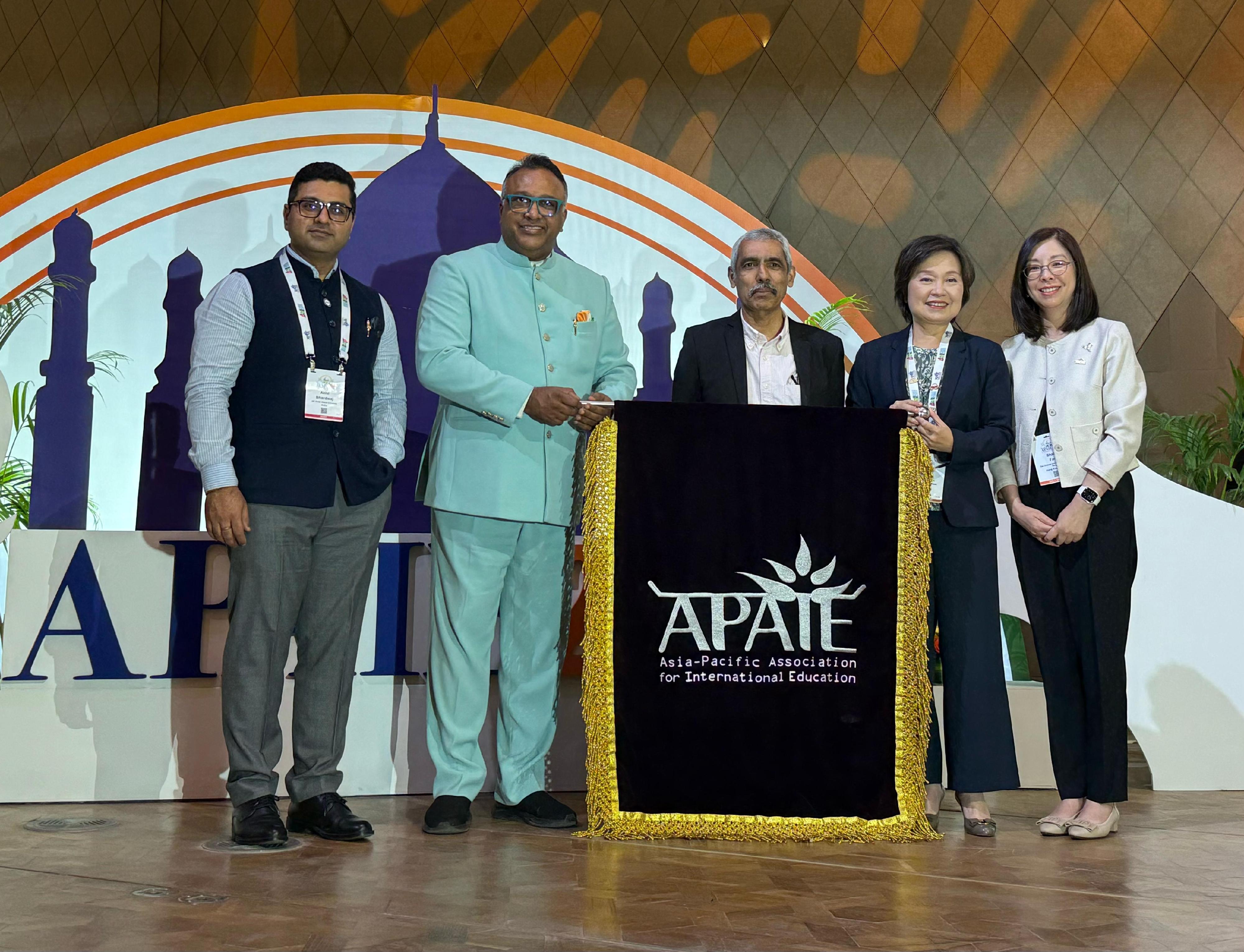
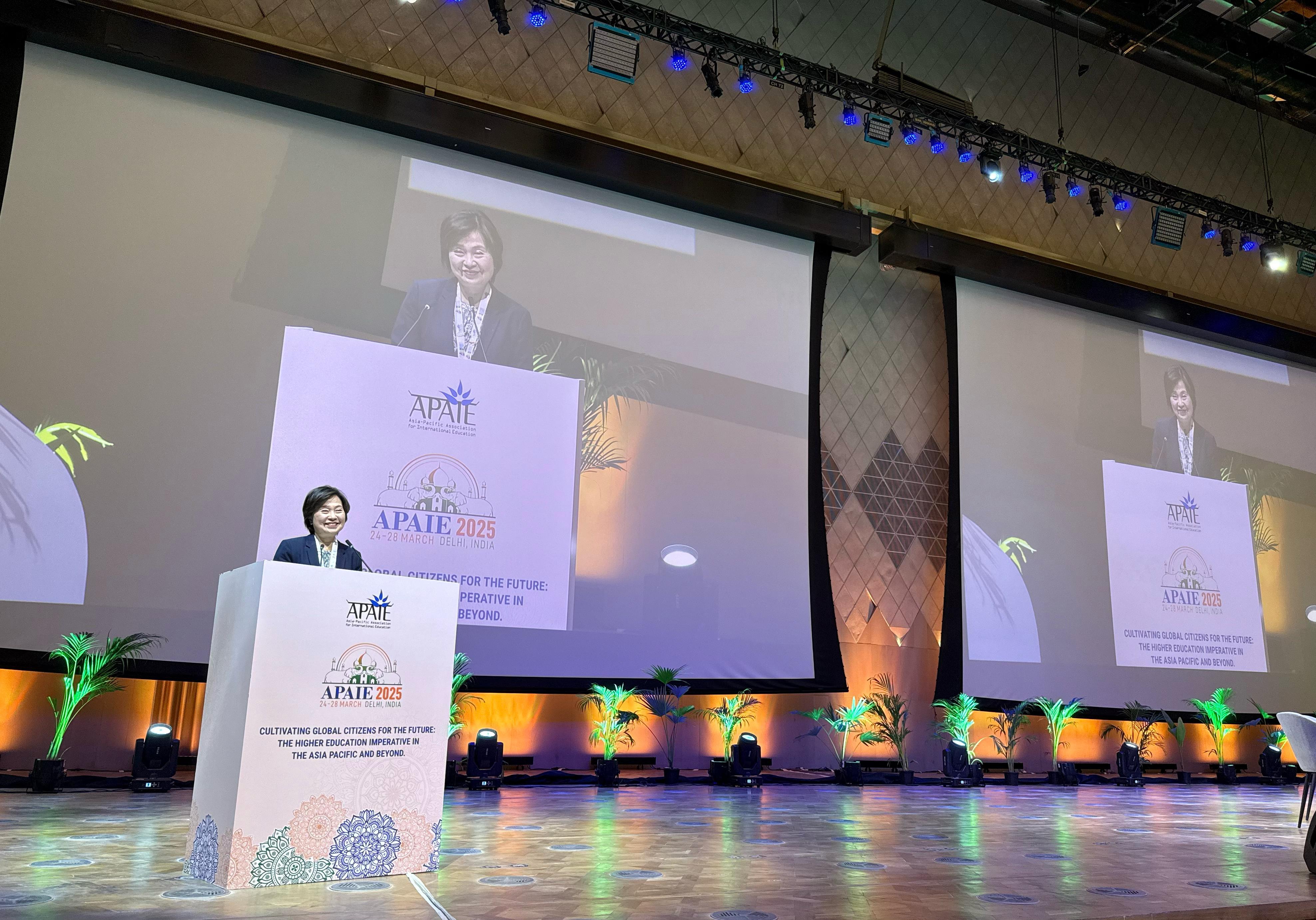
     The Chief Secretary for Administration, Mr Chan Kwok-ki, chaired the 18th meeting of the Youth Development Commission (YDC) today (March 27).
          
     At the meeting, members were briefed by government representatives on the latest implementation progress of the Youth Development Blueprint since its release in December 2022. Members were pleased to note that bureaux and departments have been promoting youth development work at full steam in accordance with the guiding principles as stated in the Blueprint. Apart from implementing some 160 specific actions set out in the Blueprint and nearly 60 measures that were introduced in 2023, various policy bureaux have also introduced over 30 youth-related new measures in the past year in response to the latest social situation and needs of young people. This ensures that the Blueprint is progressing with the times and can continue to respond to the changing needs of young people.
         
     At the meeting, the Home and Youth Affairs Bureau (HYAB) also reported on the latest developments of the Youth Link, which was established in September 2023. Members appreciated that the HYAB would continue to organise or provide a variety of activities for Youth Link members, covering youth dialogue sessions, exchange visits to the Mainland, participation in international affairs, volunteer services, special visits, etc, offering them opportunities to develop diverse talents and contribute to the community, and at the same time strengthening their communication and mutual trust with the Government. The Youth Link currently has over 18 000 youth members, effectively linking up participants of various government youth development programmes.
      
     Mr Chan said, "Over the past two years, the Government has been implementing and actively updating the Blueprint measures on an ongoing basis. This clearly demonstrates the Government's commitment and determination to promoting long-term youth development. I extend my gratitude to all members for their active participation in the implementation and promotion of the Blueprint, as well as their collaboration with bureaux and departments to transform the vision of the Blueprint into reality – creating a fostering environment where our young people can flourish and unleash their full potential."

Photo  Photo