Remarks by SJ and S for S after joint meeting of Panel on Security and Panel on Administration of Justice and Legal Services

     Following are the remarks by the Secretary for Justice, Mr Paul Lam, SC, and the Secretary for Security, Mr Tang Ping-keung, at a media session after attending a joint meeting of the Panel on Security and the Panel on Administration of Justice and Legal Services this afternoon (May 12):
      
Reporter: The first question is regarding the timing of the Security Law. It was passed five years ago, and the (Article) 55 had never been used. Why does the Government choose this time to push this subsidiary bill? Is it related to ongoing trade wars or ongoing or future court cases regarding the Security Law? The second question was asked before. It's about the time frame of the bill. It was mentioned that it will be done as soon as possible, but is there an exact time frame for the whole bill? And are there any future arrangements to plug the current loophole in the Security Law?
      
Secretary for Justice: Your first question concerned why we pick this point of time to make subsidiary legislation pursuant to the Safeguarding National Security Ordinance. I think the answer is twofold. Firstly, as a matter of principle, it's very important for us to bear in mind that the Hong Kong SAR (Special Administrative Region) is under a constitutional duty to refine and perfect our national security legal system as well as its enforcement mechanism. And it has to be emphasised that this is a continuing duty. And in the light of the nature of this duty, it goes without saying that this important duty ought to be discharged as soon as possible.
      
     The second point is that as a matter of practice, there's no doubt whatsoever that in the light of the very complicated geopolitical situation in the world, and having regard to actual hostile actions taken by some foreign countries against China and also Hong Kong, there's plainly a need to ensure that our national security legal system will be perfected and will be put in place so that we can be in a position to address all present and potential national security risks in an effective and proper manner.
      
     As to exactly when the subsidiary legislation will come into existence, as we said, we will do so, in particular after hearing opinions and advice raised by members of the Legislative Council. We will try to complete our task as soon as possible. We will definitely let the public know once in a position to do so. And lastly, as to your last point, since we are under a continuing duty to refine and perfect our national security legal system, it must mean that we have to review the legal regime continuously. So in future, whenever we see the need to do so, we will definitely consider the possibility of making subsidiary legislation or to improve our system by whatever means within the boundary of the law.
      
(Please also refer to the Chinese portion of the remarks.) 


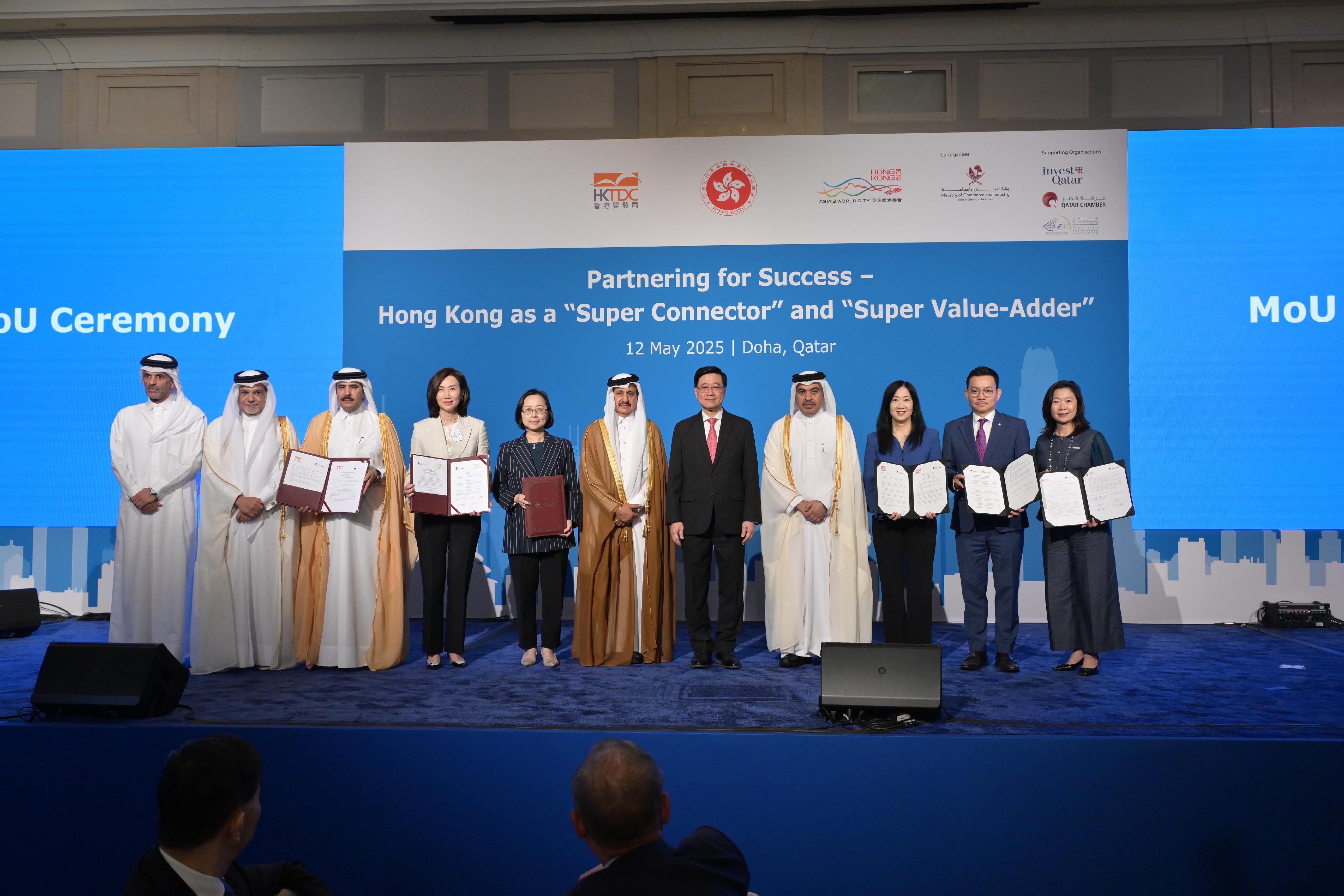
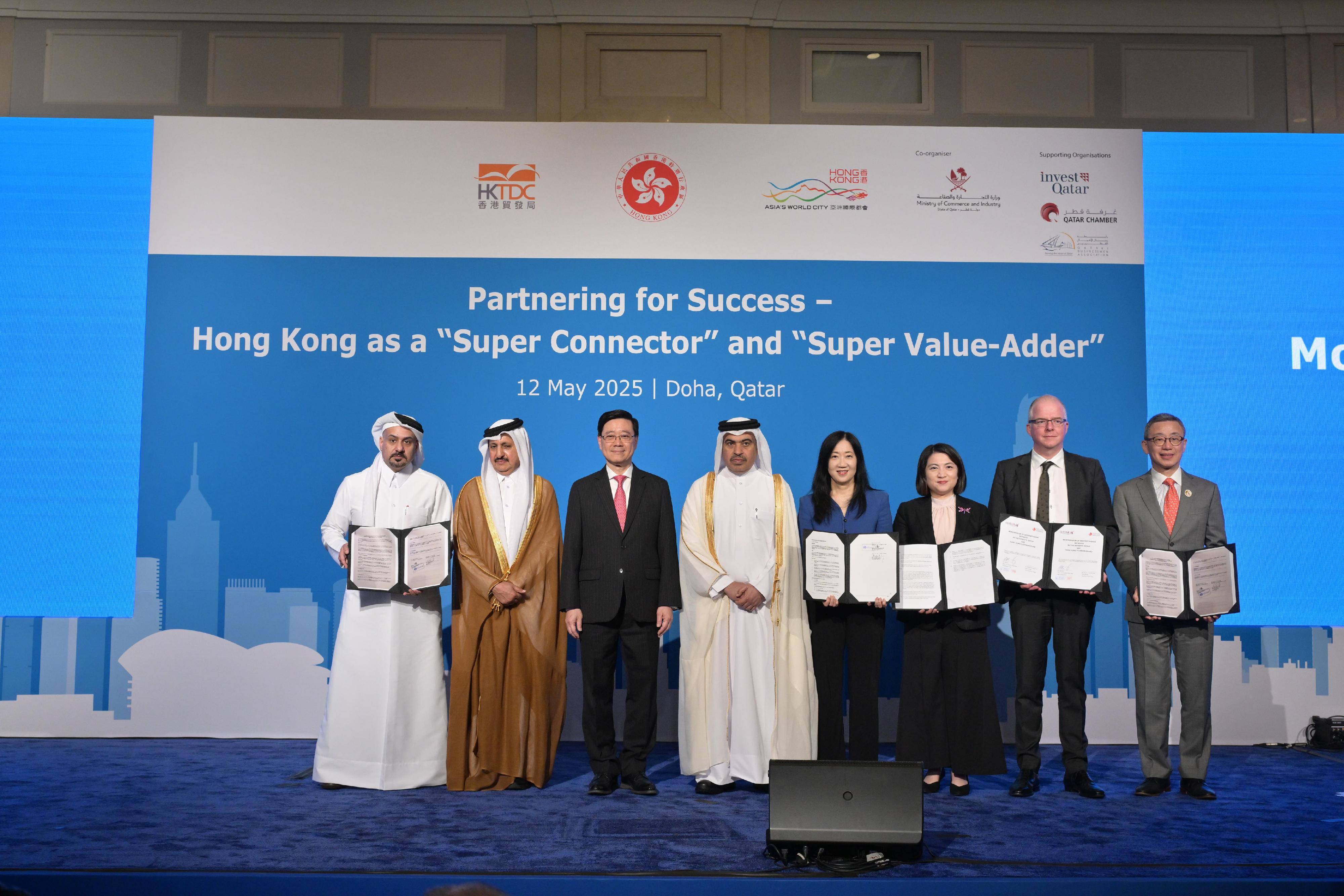
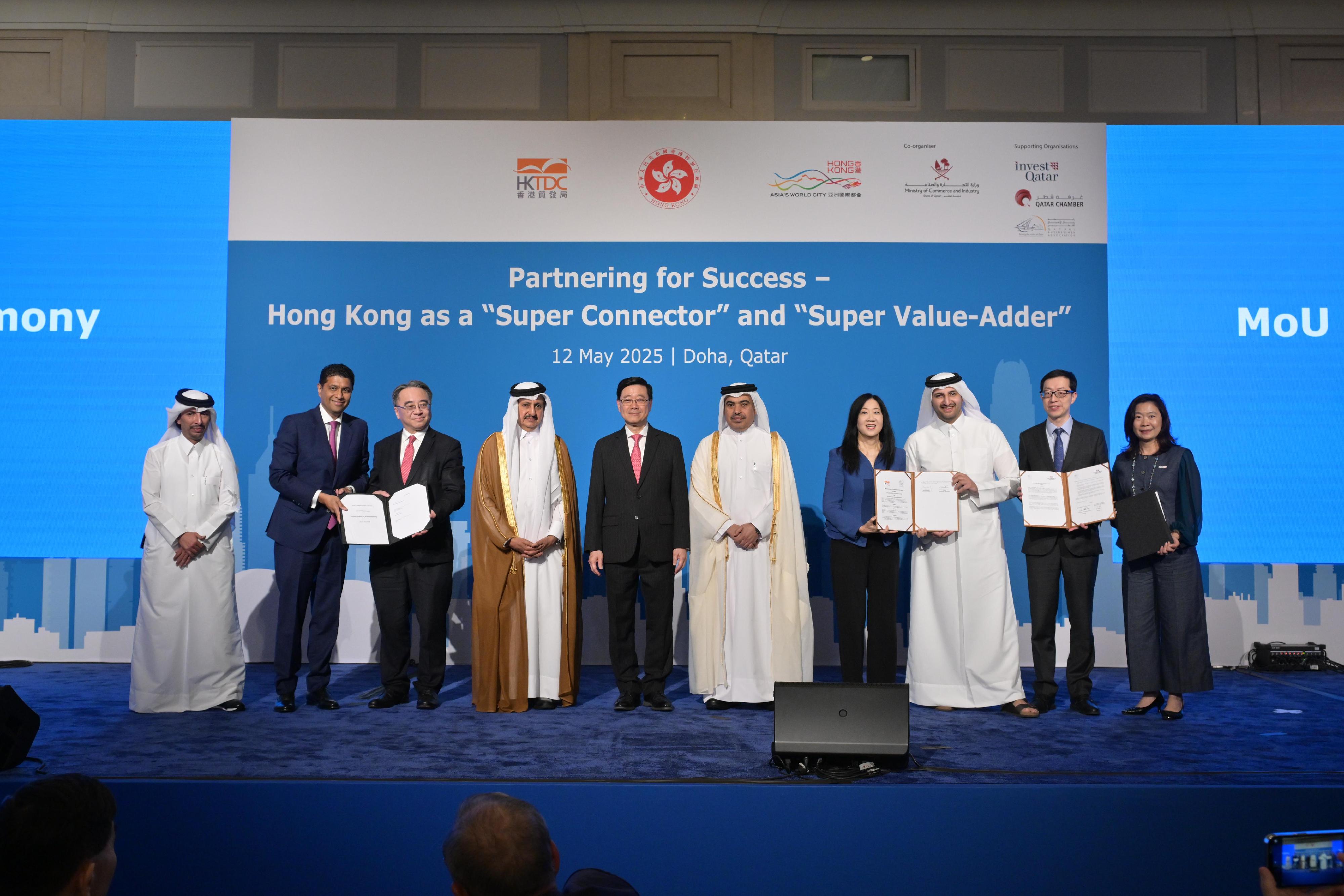
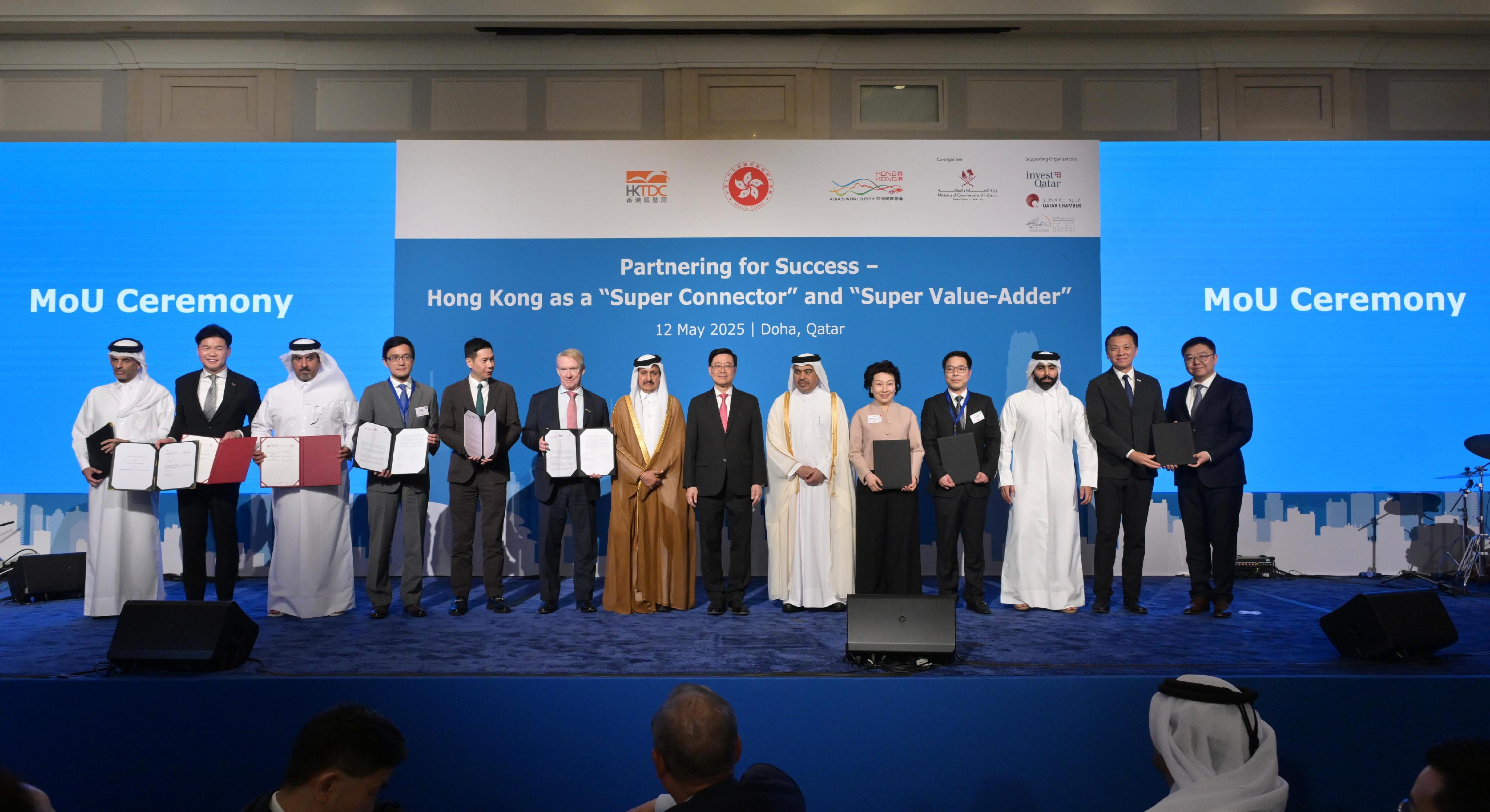
Speech by CE at “Partnering for Success – Hong Kong as a ‘Super Connector’ and ‘Super Value-adder'” High-level Business Luncheon in Qatar (English only) (with photos/video)

     Following is the speech by the Chief Executive, Mr John Lee, at the "Partnering for Success – Hong Kong as a 'Super Connector' and 'Super Value-adder'" High-level Business Luncheon in Qatar today (May 12):

Honourable Ambassador Cao Xiaolin (Ambassador Extraordinary and Plenipotentiary of the People's Republic of China to the State of Qatar), Your Excellency Ali bin Ahmed Al Kuwari (Minister of Finance of Qatar), Your Excellency Mohammed (Undersecretary of the Ministry of Commerce and Industry of Qatar, Mr Mohammed bin Hassan Al-Malki), Your Excellency Sheikh Khalifa (Chairman of Qatar Chamber of Commerce and Industry, Sheikh Khalifa bin Jassim bin Mohammed Al Thani), Your Excellency Sheikh Ali (Chief Executive Officer of Investment Promotion Agency Qatar, Sheikh Ali Alwaleed Al Thani), Your Excellency Sheikh Faisal (Chairman of the Qatari Businessmen Association, Sheikh Faisal bin Qassim Al Thani), distinguished guests, ladies and gentlemen, friends from Qatar, 

     As-salamu alaykum. Good afternoon. I'm delighted to be here with you, in the dynamic and beautiful Qatar and its capital, the fabulous city of Doha, where the future is fast-rising.

     With me here is a high-level business delegation, comprising over 50 business and professional leaders – more than 30 senior business leaders and professionals from Hong Kong, and over 20 entrepreneurs and top executives from Mainland Chinese companies, coming from seven provinces and municipalities across our country.

     This is the first time a Chief Executive of the Hong Kong Special Administrative Region (HKSAR) has led delegates from both Hong Kong and Mainland China on a business mission. And I'm pleased that we're making our first stop here, in the vibrant country of Qatar.

     The delegation brings with them expertise and experience in green development and innovation and technology, including advanced manufacturing, artificial intelligence, and new energy and materials. That and more – together with Hong Kong's wealth of experience in finance, infrastructure, transport and logistics, as well as global business operations and deal-making. With our different expertise and networks, we will synergise and achieve complementarity, in our professional services provided to a world of trade partners.

     Our delegates are here, among you today, eager to explore business and investment opportunities with Qatar. Here to create long-term opportunities for co-operation among Hong Kong, Mainland China and Qatar.

     Yesterday, I had the honour of meeting His Highness Sheikh Tamim bin Hamad Al Thani, Amir of the State of Qatar, as well as His Excellency Sheikh Mohammed bin Abdulrahman Al Thani, Prime Minister and Minister of Foreign Affairs. To both, I expressed our sincere gratitude for Qatar's welcome hospitality to me and to my delegation. I also reaffirmed our commitment to strengthening co-operation in trade, finance, technology, people-to-people exchange, and more.

     Qatar, as we're all aware, is one of the world's biggest gas and liquefied natural gas exporters. While already a thriving economy, Qatar is devoted to diversifying its industries, embracing digital transformation, increasing investments in technology, innovation and artificial intelligence, while ensuring environmental sustainability. This wide-ranging diversification, under Qatar's National Vision 2030, is as ambitious as it is inspirational to a world of investors. That very much includes this delegation.

     China is Qatar's largest trade partner. Last year, bilateral trade surpassed US$24 billion. More than trade in energy, the two countries are also co-operating in infrastructure, finance and technology. And I can tell you that our Mainland delegates are keen to build on these good relations, to pursue more collaborations, in greater diversity, with you.

     Like our country China, Hong Kong is devoted to furthering co-operation with Qatar. Hong Kong's merchandise trade with Qatar totalled US$1.6 billion last year. It has grown, on average, 2.6 per cent a year from 2020 to 2024. That makes Qatar our third-largest trading partner in the Middle East.

     We may be separated by more than 6 000 kilometres and dissimilar cultures and histories, but I see more similarities than differences between us.

     Qatar has a population of 3 million and a land area of 11 000 square kilometres, while Hong Kong has a population of 7.5 million and a land area of under 1 100 square kilometres. Compared to many of our neighbouring economies, we may be modest in size and population. But we share an outsized ambition and commitment to transcending geographical constraints, to building economies not by scale, but through insight, innovation and sustainability.

     Like Qatar, a country transforming desert sand into business and digital hubs, Hong Kong evolved from a fishing village into an international financial, shipping and trade centre built on innovation, and the inspiration to look to the world for opportunities. 

     That's clear in the growing and diversifying ties between us – thanks to business and investment visits, co-operative agreements, and wide-ranging events and exchanges.

     Just last year, the Financial Services Development Council of Hong Kong and the Qatar Financial Centre Authority signed an MOU (Memorandum of Understanding) to strengthen co-operation between our respective financial and fintech sectors.

     Hong Kong companies have, throughout the past few decades, made their mark in Qatar and invested in a diverse range of industries, from banking and hospitality to healthcare and professional services. 

     As for co-operation with the Gulf Cooperation Council (GCC), which counts six countries in the region including Qatar, Hong Kong companies are engaged in key projects covering such areas as green transportation, no-electricity cooling technology, marine reef restoration and other areas.

     Late last year, we welcomed the launch of additional non-stop passenger flight services between Hong Kong and the Middle East, by Hong Kong carrier Cathay Pacific Airways, to meet rising business demand between us. Direct flights, of course, connect Qatar and Hong Kong via Qatar Airways.

     And we are looking into the establishment of a second Hong Kong Economic and Trade Office in the GCC, because Hong Kong has much to offer Qatar and the Middle East.

     One of the world's top three global financial centres and the world's largest offshore Renminbi business centre, Hong Kong is the world's freest economy.

     Free trade is one of our key competitive advantages – the lifeblood of our success for nearly two centuries now. We are a free port, and we will continue to be a free port. In spite of challenges from mounting protectionism and geopolitical shifts, Hong Kong believes in multilateralism. We believe in free and open trade with all our partners.

     Beyond trade, we are using our strengths in professional services to develop into a green finance hub. Last year, the total green and sustainable debt issued in Hong Kong exceeded US$84 billion. With a total issuance volume of over US$43 billion and a market share of 45 per cent, Hong Kong leads the regional league table in arranging international green and sustainable bonds in Asia last year, for the seventh consecutive year. 

     Hong Kong is also fast-growing as an international innovation and technology centre. As the only Asian city to count as many as five universities in the world's top 100, Hong Kong nurtures and attracts world-renowned researchers and scientists in our institutions. And we are integrating Hong Kong's research excellence with Mainland China's advanced manufacturing and innovative technology to commercialise our research outcome.

     The World Intellectual Property Organization's Global Innovation Index has ranked the Shenzhen-Hong Kong-Guangzhou cluster second, globally, for five consecutive years. Along with Shenzhen, Guangzhou and eight other cities in southern China, Hong Kong is part of the Guangdong-Hong Kong-Macao Greater Bay Area. The cluster city development counts a population of over 87 million, and a combined GDP that closely rivals the world's 10th largest economy.

     It's a testament to our "one country, two systems" governing principle at work.

     Under it, the Hong Kong Special Administrative Region has its own legal, legislative and judicial systems. Our legal system is a common law system. We have our own currency. There is no capital and foreign exchange controls. People and information, like goods and capital, flow freely in Hong Kong.

     Hong Kong's economy is inextricably tied to our common law system and a judiciary that exercises its powers independently, as many of the world's key financial centres do. We boast a simple and low tax regime and a world-class regulatory environment. That gives international companies and investors the confidence they need to do business, in Hong Kong and throughout China.

     The principle also gives Hong Kong connectivity to both Mainland China and the international world. It gives Hong Kong unparalleled access to the markets of China and its wide-ranging opportunities, including the Belt and Road Initiative. And in our connectivity with the world, we emphasise the importance of diversity.

     Diversity, yes, is critical to long-term prosperity, which is why I'm delighted to note that Hong Kong and Qatar are boosting collaboration in a variety of areas.

     As will be announced in a moment, we are coming together on 35 concrete deliverables, through MOUs and other agreements, during my visit here.  

     They cover a broad range of co-operation areas, from trade and the economy to investment promotion, financial services, construction, the arts, tourism and innovation and technology. They lay a solid foundation for long-term collaboration between our economies and our peoples. 

     In addition, Hong Kong and Qatar have substantially concluded the negotiations on an Investment Promotion and Protection Agreement. We will also commence negotiations on the mutual recognition of our respective Authorized Economic Operator Programmes. In addition, Hong Kong and Qatar have made considerable progress in reaching understanding on the substantive contents on an MOU for legal co-operation. Together, they will boost our trade ties and enhance our customs clearance efficiency, creating smoother, more convenient links for our companies. 

     With our Investment Agreement negotiations under way, Hong Kong's network of Investment Agreements and Comprehensive Avoidance of Double Taxation Agreements will potentially cover most of the GCC countries. More than expanding our trade ties, I believe, it could advance our continuing discussions with the GCC on the prospects of a free trade agreement. Hong Kong champions free trade, and looks very much forward to the support of Qatar. 

     To bring Hong Kong and Qatar together, I am pleased to announce that with immediate effect, holders of the Hong Kong SAR passport can enjoy visa-free entry into Qatar, for 30 days. Thank you, Qatar! Nationals of Qatar can also visit Hong Kong visa-free. These initiatives will make it much easier to create partnerships, do business and enjoy life together.

     We have been working on that, ladies and gentlemen. I'm pleased to say that Hong Kong is now more Muslim-friendly than ever. Over 170 Hong Kong eateries have been halal-certified – that's up 70 per cent from last year. They include high-end Chinese restaurants and Hong Kong-style noodle shops, as well as places that serve Arab cuisine. Over 60 hotels, attractions, and convention and exhibition venues are also halal-recognised.

     There are far-reaching opportunities, too, in post-secondary educational co-operation. And I welcome Qatari youth to join the more than 4 000 students from Belt and Road countries studying in Hong Kong's internationally renowned universities. We make it easy for them, through our Belt and Road Scholarship and other university funding programmes.  

     I also see great promise in cultural co-operation. Hong Kong and Qatar are both emerging as major international arts and culture destinations.

     Next month, Qatar's Museum of Islamic Art will bring its major Islamic art exhibition to Hong Kong, showcasing the art of imperial carpets, at the Hong Kong Palace Museum. And M+, our global museum of contemporary visual culture, takes its critically acclaimed exhibition on renowned Chinese-born architect I.M. Pei to Qatar Museums Gallery, beginning this November. The Museum of Islamic Art, let me add, was designed by I.M. Pei, who also designed Hong Kong's celebrated Bank of China Tower.

     Ladies and gentlemen, as both our economies diversify, co-operation becomes our greatest multiplier. Uniting Qatar's transformative drive, Mainland China's expertise, and Hong Kong's connectivity will help us realise a future of diverse and boundless opportunities. Let's work together. Let's partner for success.

     My thanks to our Economic and Trade Office in the Middle East and the Hong Kong Trade Development Council, for organising today's welcome gathering. The same goes to the Ministry of Commerce & Industry of Qatar as co-organiser, and to Invest Qatar, the Qatar Chamber of Commerce & Industry and the Qatari Businessmen Association for kindly supporting us on this memorable occasion.

     Ladies and gentlemen, I know you will enjoy today's special gathering and the brilliant people all around, and about you. Enjoy, as well, the music performance by Hong Kong's very own TroVessional, a trailblazing ensemble that reimagines traditional music with modernity. Enjoy! I hope to see you all soon in Hong Kong. 

     Thank you!
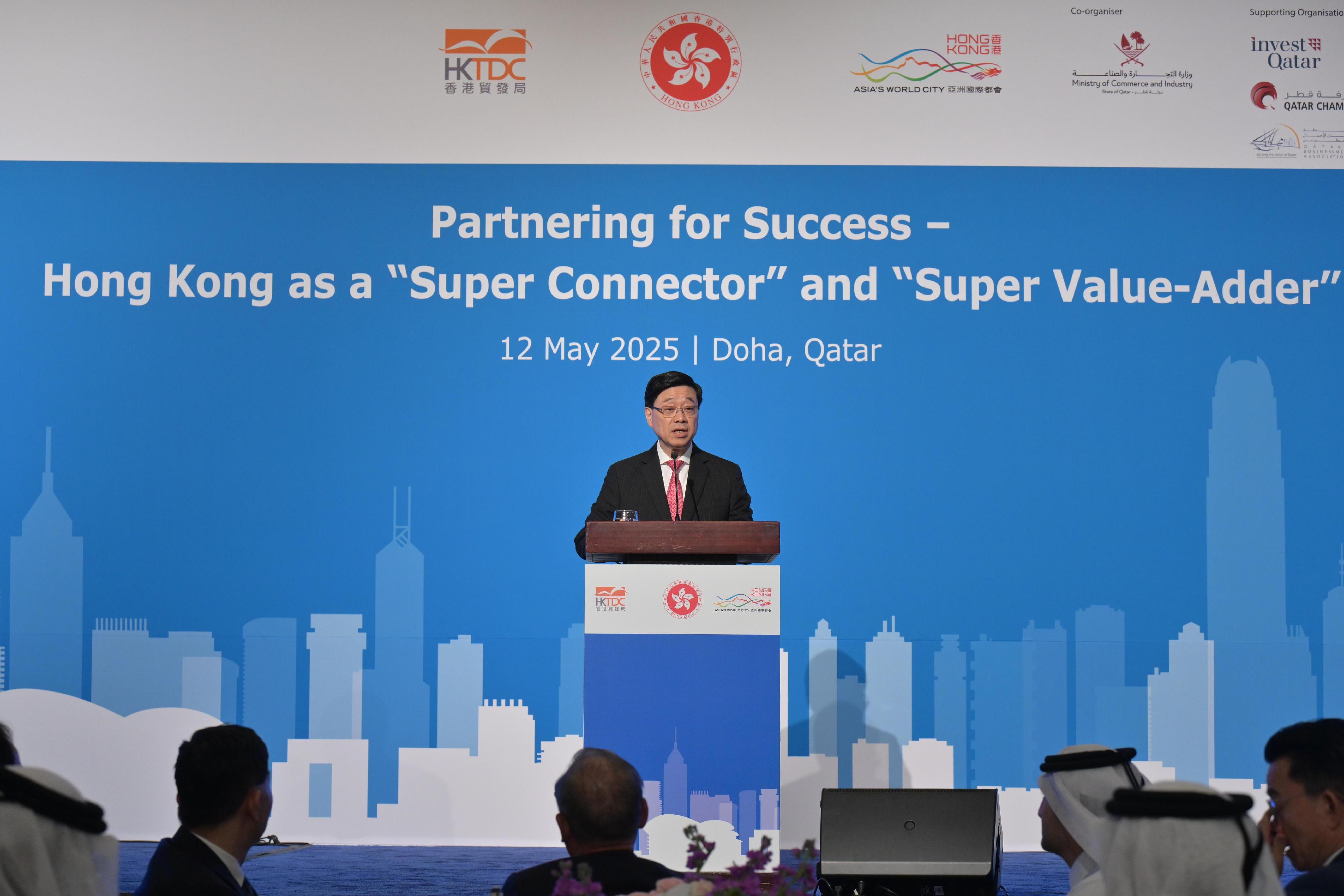
Photo  Photo  Photo  Photo  Photo  


Government launches public consultation on updating Hong Kong Biodiversity Strategy and Action Plan

     The Government today (May 12) commences a public consultation on updating Hong Kong's Biodiversity Strategy and Action Plan (BSAP). The two-month consultation period will end on July 11.
 
     The Government is committed to conserving Hong Kong's natural heritage, safeguarding biodiversity and achieving sustainable development. To complement the country's implementation of the United Nations' Convention on Biological Diversity, the Government launched the first phase of the BSAP in 2016, proposing a total of 67 specific measures in four main areas. With the concerted efforts of various sectors of the community, stakeholders and the Government, the first phase of the BSAP has achieved fruitful outcomes.

     A spokesman for the Agriculture, Fisheries and Conservation Department (AFCD) said, "Biodiversity is an integral part of our daily lives and is intricately linked to the prosperity of our city and the well-being and quality of life of our citizens. Hong Kong has extraordinary biodiversity relative to a city of its size. To strike a balance between meeting development needs and conserving biodiversity, all sectors of the community should work together to ensure sustainable development."

     To update the strategic areas and actions for the next phase of the BSAP, the Government launched a public consultation today to gather views from various sectors of the community. Taking into account the latest global and national biodiversity initiatives, including the Kunming-Montreal Global Biodiversity Framework and the China National Biodiversity Conservation Strategy and Action Plan (2023-2030), local circumstances and conditions, and views received during the consultation period, the Government will complete updating the BSAP later this year to step up the work on biodiversity conservation and sustainable development, and to support the latest global and national initiatives.
 
     The consultation document proposes four strategic areas:
 
(1) Nature conservation: Building on years of dedicated efforts and the implementation of the first phase of the BSAP, the Government has already implemented numerous conservation measures. The Government proposes to continue implementing nature conservation measures to ensure the preservation of healthy ecosystems, for example, by exploring the implementation of area-based conservation measures, restoring degraded or declining habitats, and strengthening the protection of species of concern;

(2) Deepening mainstreaming: The first phase of the BSAP has raised the awareness of biodiversity across society. The Government proposes to further promote the adoption of biodiversity-friendly practices across all sectors of society, for example, through mobilising resources to support the sustainable use and conservation of natural resources, encouraging various sectors to leverage biodiversity opportunities, supporting communities to develop stewardship responsibilities towards nature, etc, with a view to building a prosperous city that coexists harmoniously with nature;

(3) Capacity building: The Government has continued to invest in biodiversity-related knowledge products and research projects, including the establishment of the Hong Kong Biodiversity Information Hub and setting up various funding schemes. The Government proposes to continue to strategically invest resources in promoting research and nurturing talent, for example, by enabling innovative and high-quality research, promoting knowledge transfer and talent development, strengthening institutions to support capacity building, etc, for enhancing individual and collective capacities and empowering everyone to actively contribute to the conservation of biodiversity; and

(4) Collaborative partnering: Hong Kong has a unique set of strengths, including international talent, a diverse cultural environment and close connections with international networks. The Government proposes to foster a culture of collaboration to extend the benefits of nature conservation to broader communities, for example, by jointly taking actions with cross-boundary and international partners, promoting exchange of experience and information on various fronts, encouraging cross-disciplinary collaborations, etc.

     The consultation document can be downloaded from the AFCD's website (www.afcd.gov.hk/english/conservation/Con_hkbsap/updating_bs
ap/updating_bsap.html
). Members of the public can send in their views on or before July 11 by email (bsap@afcd.gov.hk), by post (Biodiversity Conservation Division, AFCD, 5/F, Cheung Sha Wan Government Offices, 303 Cheung Sha Wan Road, Kowloon, Hong Kong), or by fax (2314 2802).
 
     The Government will also invite organisations from relevant sectors during the consultation period to attend the consultation sessions to collect views.


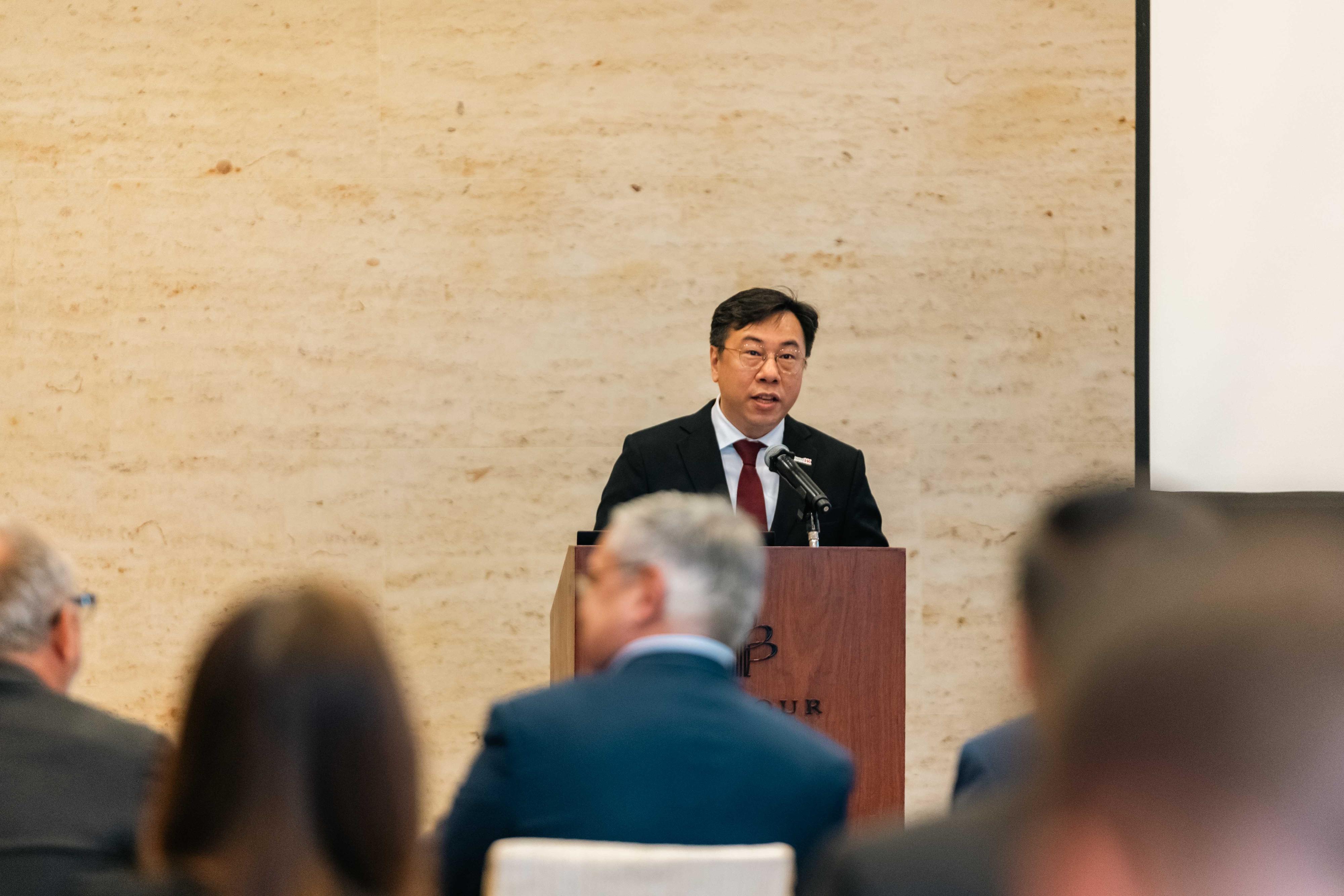
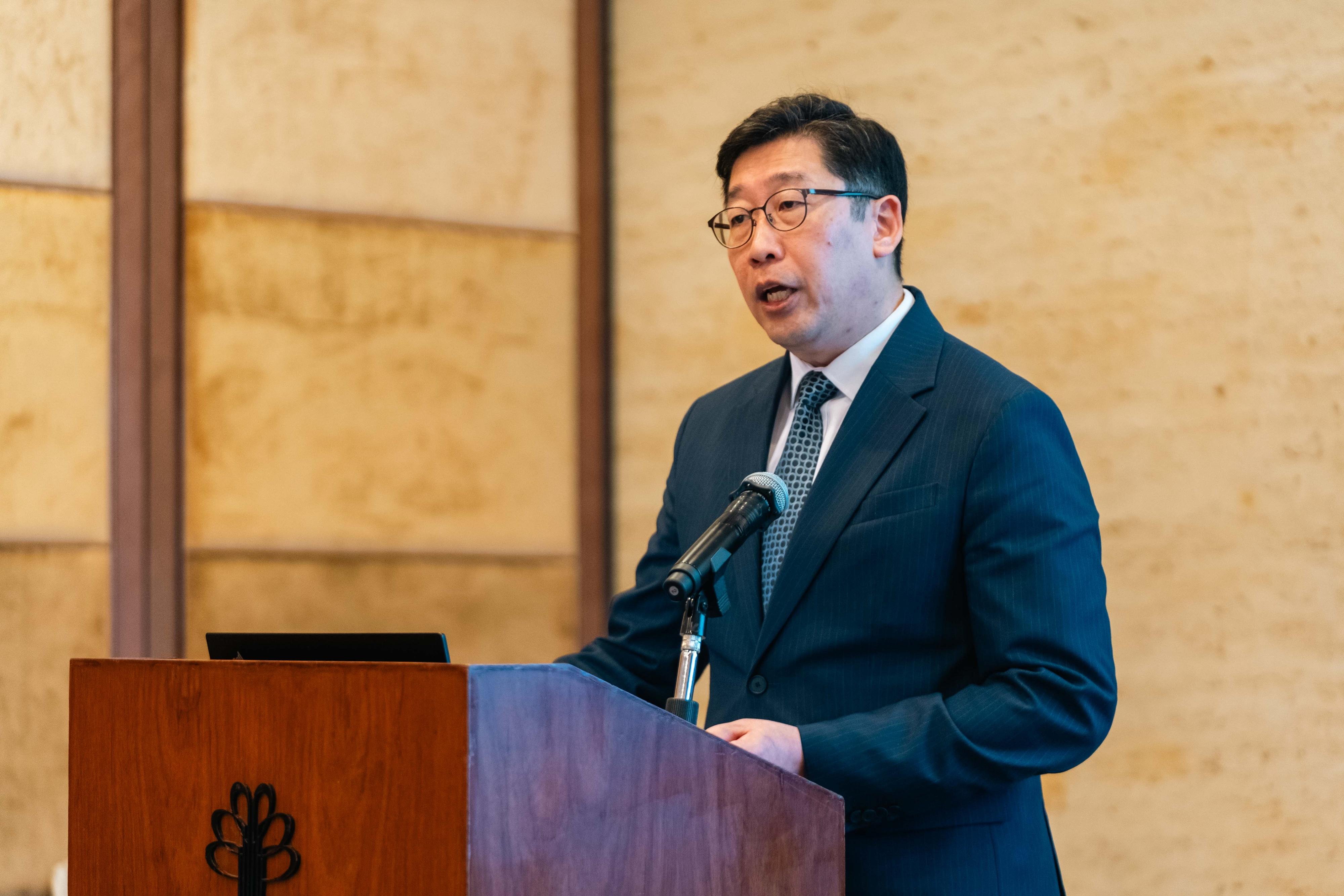
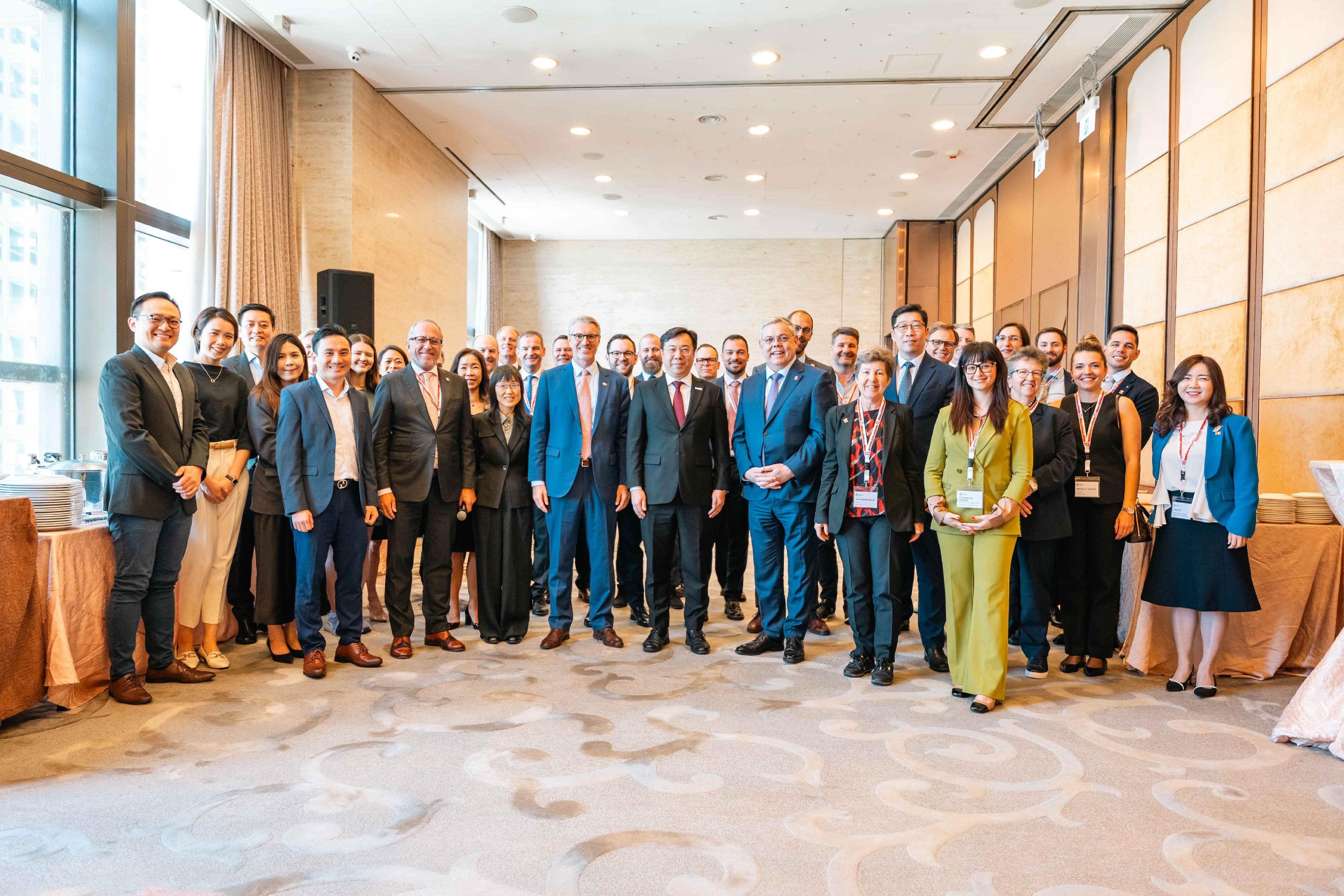
Swiss delegation begins China visit in Hong Kong to deepen digital innovation ties (with photos)

     A Swiss delegation comprising over 25 representatives from academia and the private sector arrived in Hong Kong on May 10 to commence a week-long visit across Hong Kong, Shenzhen, and Shanghai. The mission aims to foster international partnerships, enhance bilateral exchanges, and gain in-depth insights into the Greater China innovation ecosystem. This visit also coincides with the 75th anniversary of diplomatic relations between China and Switzerland, symbolising a shared commitment to further collaboration in technology, education, trade, and sustainable development.
 
     The delegation's first stop in Hong Kong featured a thematic seminar titled "Hong Kong – Gateway to China and Asia" organised by Alliance Digital Security Switzerland ADSS, focusing on digital transformation in the age of AI, cybersecurity, and cross-border investment. The event was officiated by representatives from both Swiss and Hong Kong governments and business communities, including the Consul-General of Switzerland in Hong Kong, the Alliance Digital Security Switzerland ADSS, and the Swiss Chamber of Commerce in Hong Kong.
 
     In his opening address, the Acting Director-General of Investment Promotion at Invest Hong Kong (InvestHK), Mr Arnold Lau, highlighted Hong Kong's strategic advantages as a launchpad for global tech companies.
 
     "Switzerland is one of Hong Kong's most promising partners in Europe. Its strengths in life sciences, deep tech, fintech, education, and creative industries align closely with Hong Kong's innovation priorities," he remarked. "Hong Kong is embracing new opportunities for international business, driven by robust digital and regulatory advancements. The recent passage of a new cybersecurity law strengthens the protection of critical infrastructure, giving companies greater confidence to operate in a secure environment. Additionally, the launch of the GBA Standard Contract for cross-boundary data flow enables businesses to transfer personal data safely and efficiently within the Greater Bay Area, promoting seamless collaboration and digital service delivery across borders. These developments position Hong Kong as a trusted, future-ready hub for digital innovation, offering tremendous opportunities for Swiss and global companies."
 
     The President of the Alliance Digital Security Switzerland ADSS and member of the Foreign Affairs Committee of the Swiss Parliament, Mr Franz Grüter, said, "We are in Hong Kong not only to showcase Switzerland's excellence in digital innovation, cybersecurity, and education, but more importantly, to establish robust and sustainable partnerships. As a bridge between international markets and Mainland China, Hong Kong holds immense strategic value for Swiss businesses. Our collaboration will drive shared growth in the digital economy."
 
     The Deputy Commissioner (Digital Infrastructure) at the Digital Policy Office (DPO), Mr Daniel Cheung, shared Hong Kong's digital policies and strategies on digital infrastructure and AI ecosystem development during his keynote address. He said, "In the digital age, governance models must evolve in tandem. As a global digital hub, Hong Kong is making advances not only in technology but also in policy innovation. We are actively promoting data interoperability, process re-engineering, and the adoption of AI and other cutting-edge technologies to deliver more efficient and user-friendly digital services."
 
     The seminar also featured a panel discussion moderated by the Head of Information and Communications Technology at InvestHK, Miss Wendy Chow. Experts from Thales, Swire Coca-Cola, and the Hong Kong-Shenzhen Innovation and Technology Park explored cybersecurity challenges in the era of artificial intelligence.
     ​
     InvestHK will continue to collaborate closely with the Consulate General of Switzerland in Hong Kong, the Swiss Chamber of Commerce in Hong Kong, and Swiss enterprises to support their business establishment and expansion in the region. It will also strengthen partnerships with the DPO, the Hong Kong-Shenzhen Innovation and Technology Park, and other departments to drive the development of the local innovation and technology ecosystem. Through cross-sector and interdepartmental co-operation and continuously strengthening international exchange and collaboration, InvestHK is committed to enhancing enterprise support, promoting technology adoption, and reinforcing the city's status as a leading international innovation hub and smart city.

Photo  Photo  Photo  


CHP investigates two cases of severe paediatric COVID-19 infection

     The Centre for Health Protection (CHP) of the Department of Health today (May 12) received reports of two cases of severe paediatric COVID-19 infection and reminded the public the overall activity of COVID-19 in the local community has continued to rise. High-risk individuals should receive a COVID-19 vaccination as soon as possible and receive booster doses at appropriate times to minimise the risk of serious complications and death after infection.

     The first case involves a 17-month-old girl with good past health, who developed fever and cough since May 9. She attended Queen Mary Hospital yesterday (May 11) and was admitted to the paediatric intensive care unit for treatment. Her respiratory specimen tested positive for the SARS-CoV-2 virus, adenovirus and rhinovirus upon laboratory testing. The clinical diagnosis was COVID-19, adenovirus and rhinovirus co-infection complicated with croup. She remains hospitalised and is in critical condition.

     A preliminary investigation revealed that the 17-month-old patient had not received COVID-19 vaccine and had no travel history during the incubation period. Two of her household contacts were symptomatic and tested positive for COVID-19 by rapid antigen tests. Both of them had recovered.

     The second case involves a 13-year-old girl with underlying illness, who developed shortness of breath on May 9. She attended Queen Mary Hospital on the same day and was admitted to the paediatric intensive care unit for treatment. Her respiratory specimen tested positive for the SARS-CoV-2 virus upon laboratory testing. The clinical diagnosis was COVID-19 infection complicated with pneumonia. She remains hospitalised and is in serious condition.

     A preliminary investigation revealed that the 13-year-old patient had completed the initial doses of the COVID-19 vaccine and had no travel history during the incubation period. Two of her household contacts had presented with respiratory symptoms and tested positive for COVID-19 by rapid antigen tests.

     The overall activity of COVID-19 in the local community has continued to rise since mid-March of this year. According to the latest surveillance data as of the week ending May 3, the viral load of the SARS-CoV-2 virus from sewage surveillance, the test positivity rate and the average consultation rate of COVID-19 cases in general out-patient clinics have continued to rise over the past four weeks. In particular, the percentage of respiratory samples testing positive for the SARS-CoV-2 virus increased to 11.42 per cent from 5.09 per cent four weeks ago (the week of March 30 to April 5), a record high in the past year. The viral load per capita of the SARS-CoV-2 virus was around 690,000 copy/litre, significantly increased from 370,000 copy/litre four weeks ago. Furthermore, sewage surveillance data showed an increasing trend in the local prevalence of XDV. As XDV is a JN.1-related variant, the COVID-19 vaccines currently used in Hong Kong are still effective in preventing it. Latest information does not suggest XDV will cause a more severe disease than JN.1.

    The CHP reminded the public who have not received the initial dose of the COVID-19 vaccine (including infants and children) that they should get vaccinated as soon as possible. Those at high risk (particularly the elderly and persons with underlying comorbidities) should receive a booster dose as soon as possible for effective prevention against COVID-19 to minimise the risk of serious complications and death after infection.

     Apart from vaccination, in order to prevent COVID-19, influenza, and other respiratory illnesses as well as transmission in the community, the public should maintain strict personal and environmental hygiene at all times and note the following:
      

  • Patients can wear surgical masks to prevent transmission of respiratory viruses. Therefore, it is essential for persons who are symptomatic (even if having mild symptoms) to wear a surgical mask;
  • High-risk persons (e.g. persons with underlying medical conditions or persons who are immunocompromised) should wear surgical masks when visiting public places. The general public should also wear a surgical mask when taking public transport or staying in crowded places. It is important to wear a mask properly, including performing hand hygiene before wearing and after removing a mask;
  • Avoid touching one's eyes, mouth and nose;
  • Practise hand hygiene frequently, wash hands with liquid soap and water properly whenever possibly contaminated;
  • When hands are not visibly soiled, clean them with 70 to 80 per cent alcohol-based handrub;
  • Cover the mouth and nose with tissue paper when sneezing or coughing. Dispose of soiled tissue paper properly into a lidded rubbish bin, and wash hands thoroughly afterwards;
  • Maintain good indoor ventilation;
  • Avoid sharing personal items;
  • When having respiratory symptoms, wear a surgical mask, consider refraining from going to work or school, avoid going to crowded places and seek medical advice promptly; and
  • Maintain a balanced diet, perform physical activity regularly, take adequate rest, do not smoke and avoid overstress.

     For more information on the COVID-19 Vaccination Programme and the latest recommendations on vaccine use, please refer to the CHP's website.