Candidate Eligibility Review Committee announces 36 registrations of ex-officio members of Election Committee valid

     The Candidate Eligibility Review Committee (CERC) published a notice in the Gazette today (May 13) to declare that 36 registrations of ex-officio members of the Election Committee (EC) are valid.
      
     In accordance with section 5J of the Schedule to the Chief Executive Election Ordinance (Cap. 569), a person holding a specified office under Part 2A of the Schedule may register as an ex-officio member of the EC. If the specified person is not eligible to be registered as an ex-officio member or is the holder of more than one specified office, he/she may designate another person who is holding an office in a relevant body in relation to the specified office to be registered as an ex-officio member.
      
     The Registration and Electoral Office has received 36 registrations of ex-officio members. After review, the CERC has determined that these 36 registrations are valid. The subsectors and specified offices involved are listed below:
 

Subsector Specified Office
Architectural, surveying, planning and landscape
  • The President of The Hong Kong Institute of Surveyors
  • The President of The Hong Kong Institute of Planners
  • The Chairman of the Hong Kong Housing Society
  • The Chairman of the Antiquities Advisory Board
  • The Chairman of the Harbourfront Commission
  • The Chairman of the Land and Development Advisory Committee
Education
  • The Vice-Chancellor of The University of Hong Kong
  • The Vice-Chancellor of The Chinese University of Hong Kong
  • The President of the City University of Hong Kong
  • The President of The Education University of Hong Kong
  • The President of Lingnan University
  • The office specified by the Po Leung Kuk
  • The office specified by the Tung Wah Group of Hospitals
Engineering
  • The Chairman of the Board of the Airport Authority
  • The Chairman of the Transport Advisory Committee
  • The Chairman of the Electrical Safety Advisory Committee
  • The Chairman of the Gas Safety Advisory Committee
  • The Chairman of the Energy Advisory Committee
  • The Chairman of the Advisory Committee on the Appearance of Bridges and Associated Structures
  • The Chairperson of the Drinking Water Safety Advisory Committee
Medical and health services
  • The Chairman of the Medical Council of Hong Kong
  • The President of the Hong Kong Academy of Medicine
  • The Chairman of the Midwives Council of Hong Kong
  • The Chairman of the Chiropractors Council
  • The Dean of Faculty of Medicine of The Chinese University of Hong Kong
  • The Commissioner of the Auxiliary Medical Service
Social welfare
  • The Chairperson of the Executive Committee of the Hong Kong Council of Social Service
  • The Chairperson of the Social Workers Registration Board
  • The Chairman of the Council of the Institute of Social Service Development
  • The Chairman of the Board of Directors of the Tung Wah Group of Hospitals
  • The Chairman of the Board of Directors of the Po Leung Kuk
  • The Chairman of the Board of Directors of the Yan Chai Hospital
  • The Chairman of the Board of Directors of Pok Oi Hospital
  • The Chairperson of the Board of Directors of Yan Oi Tong Limited
  • The Chairman of the Executive Committee of The Lok Sin Tong Benevolent Society Kowloon
  • The Chairperson of the Board of Directors of Social Workers Across Borders Limited

 
     The CERC is chaired by the Chief Secretary for Administration, Mr Chan Kwok-ki, with three official members (the Secretary for Constitutional and Mainland Affairs, Mr Erick Tsang Kwok-wai; the Secretary for Security, Mr Tang Ping-keung; and the Secretary for Home and Youth Affairs, Miss Alice Mak Mei-kuen) and three non-official members (Miss Elsie Leung Oi-sie, Mrs Rita Fan Hsu Lai-tai and Professor Lawrence Lau Juen-yee). In accordance with Annex I to the Basic Law, the CERC is responsible for reviewing and confirming the eligibility of candidates for the membership of the EC (including ex-officio members). The CERC decides whether such persons comply with the legal requirements and conditions of upholding the Basic Law of the Hong Kong Special Administrative Region (HKSAR) of the People's Republic of China (PRC) and bearing allegiance to the HKSAR of the PRC.


Cash Allowance Trial Scheme to be concluded on June 30

     The Government announced today (May 13) that the Cash Allowance Trial Scheme (CATS) will be concluded on June 30, 2025. The Housing Department (HD) will notify eligible applicant households who are currently receiving cash allowance individually and make the last disbursement of the allowance on June 30.
 
     For Public Rental Housing (PRH) General Applicant (GA) households who will have waited for PRH for more than three years in June 2025, the Cash Allowance Office (CAO) of the HD will issue a notification letter and the Application Form for Cash Allowance to them in late May. Eligible households who wish to apply for the cash allowance for the month of June 2025 should submit the completed application form, together with the required document(s), on or before the deadline as specified in the notification letter. Late applications will not be processed.
 
     If the cash allowance disbursement of an applicant household has been suspended and the household's eligibility is reaffirmed upon review after termination of the CATS, the CAO will reimburse the cash allowance during the suspended period (if applicable) to the household.
 
     The Government launched the three-year CATS in late June 2021 to provide cash allowance to eligible PRH GA households, and it was later announced that the Scheme would be extended for one year until the end of June 2025 in the 2024-25 Budget. For enquiries, please email to enquiry@cashallowance.gov.hk or call the hotline on 3105 3333.


CAS exercise for responding to severe weather conditions concludes smoothly (with photos)

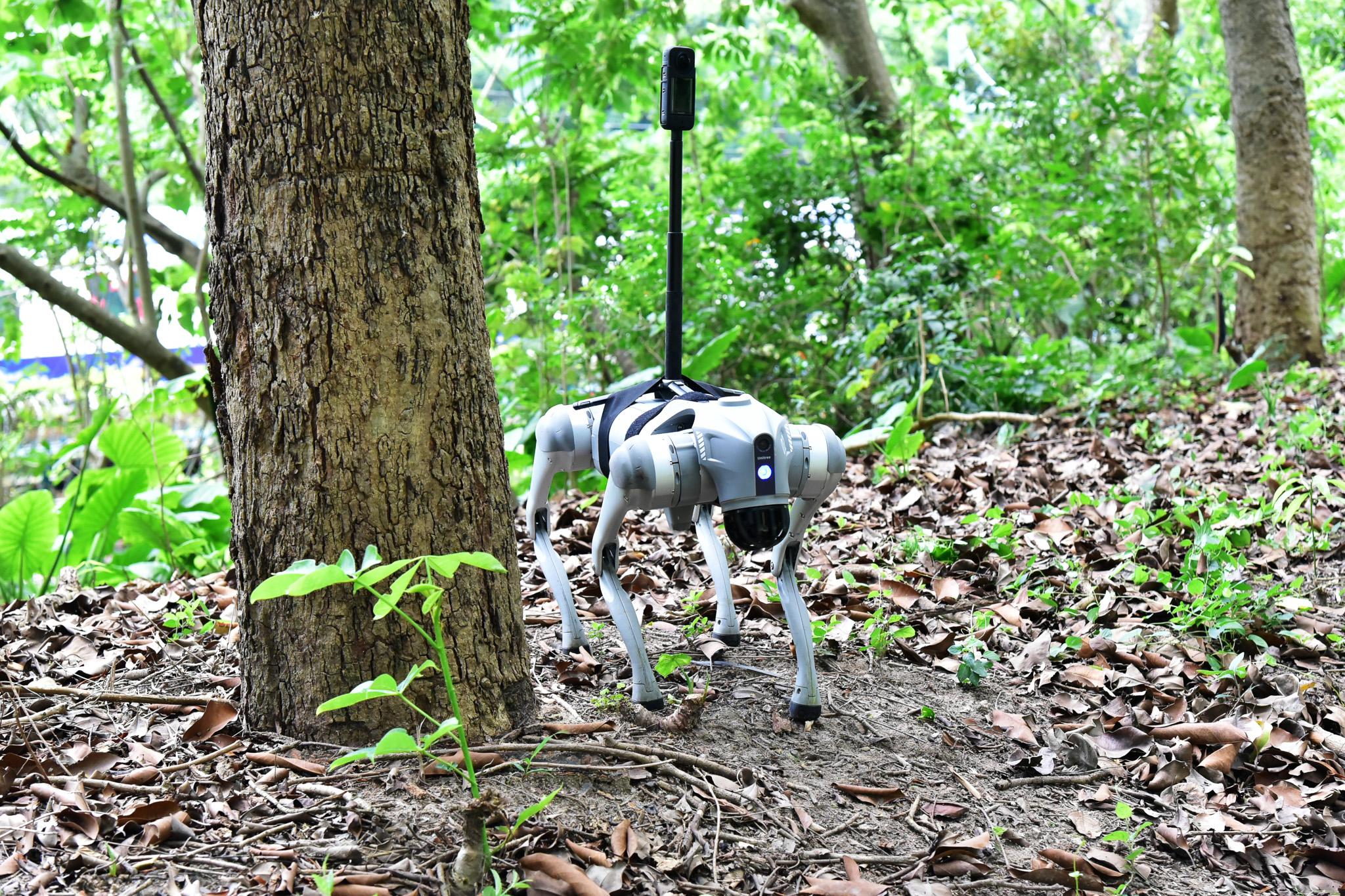
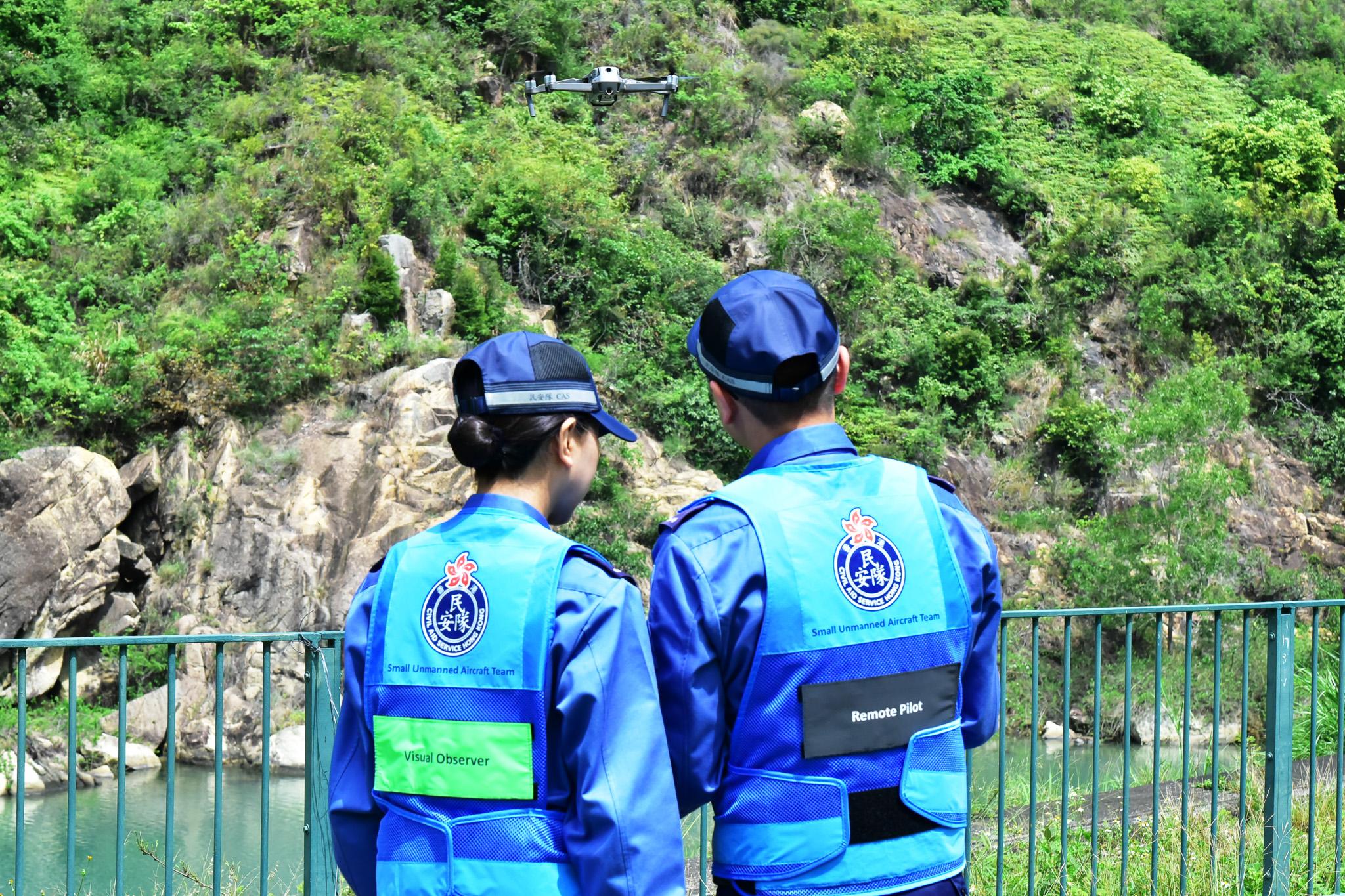
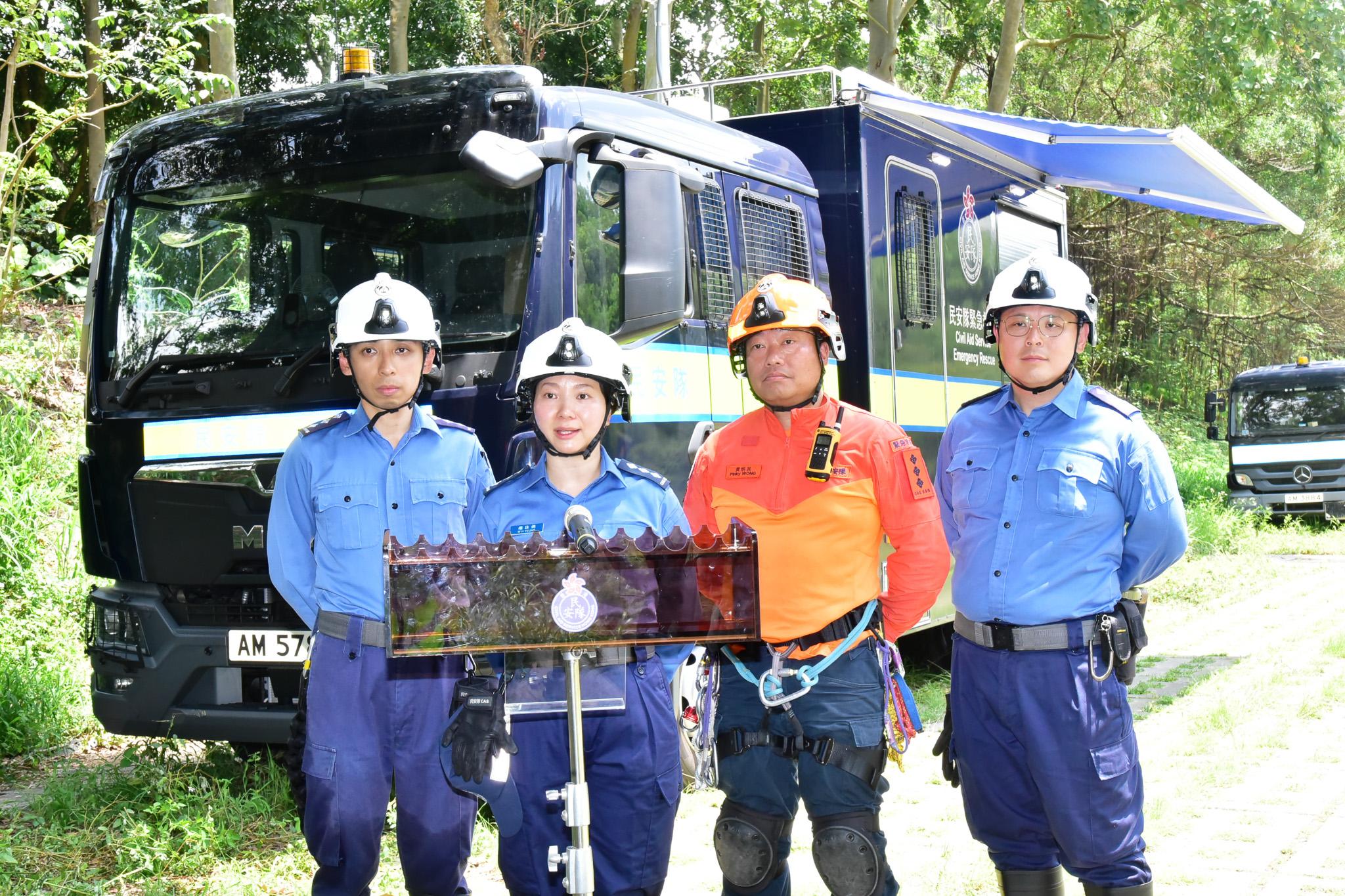
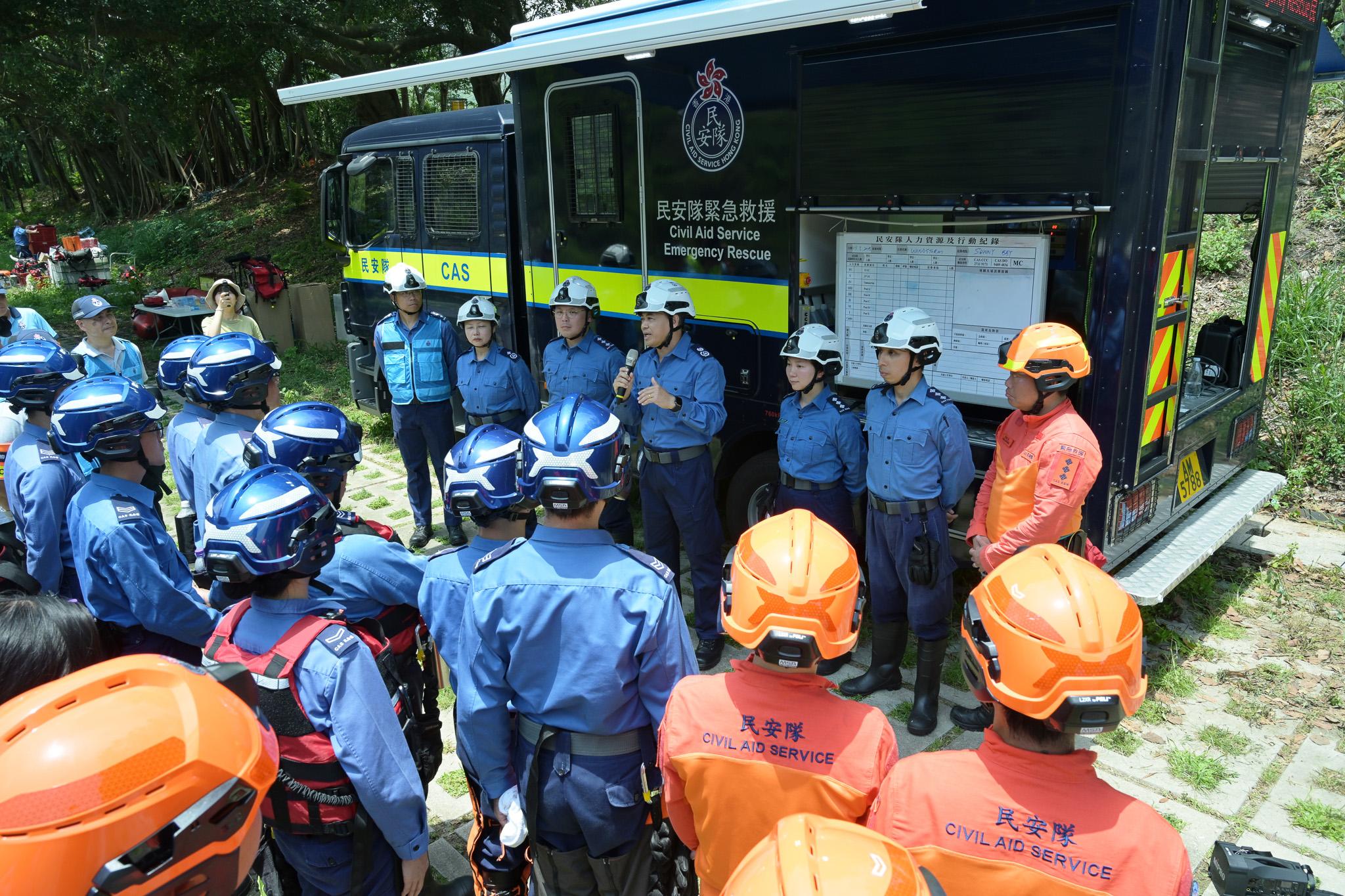
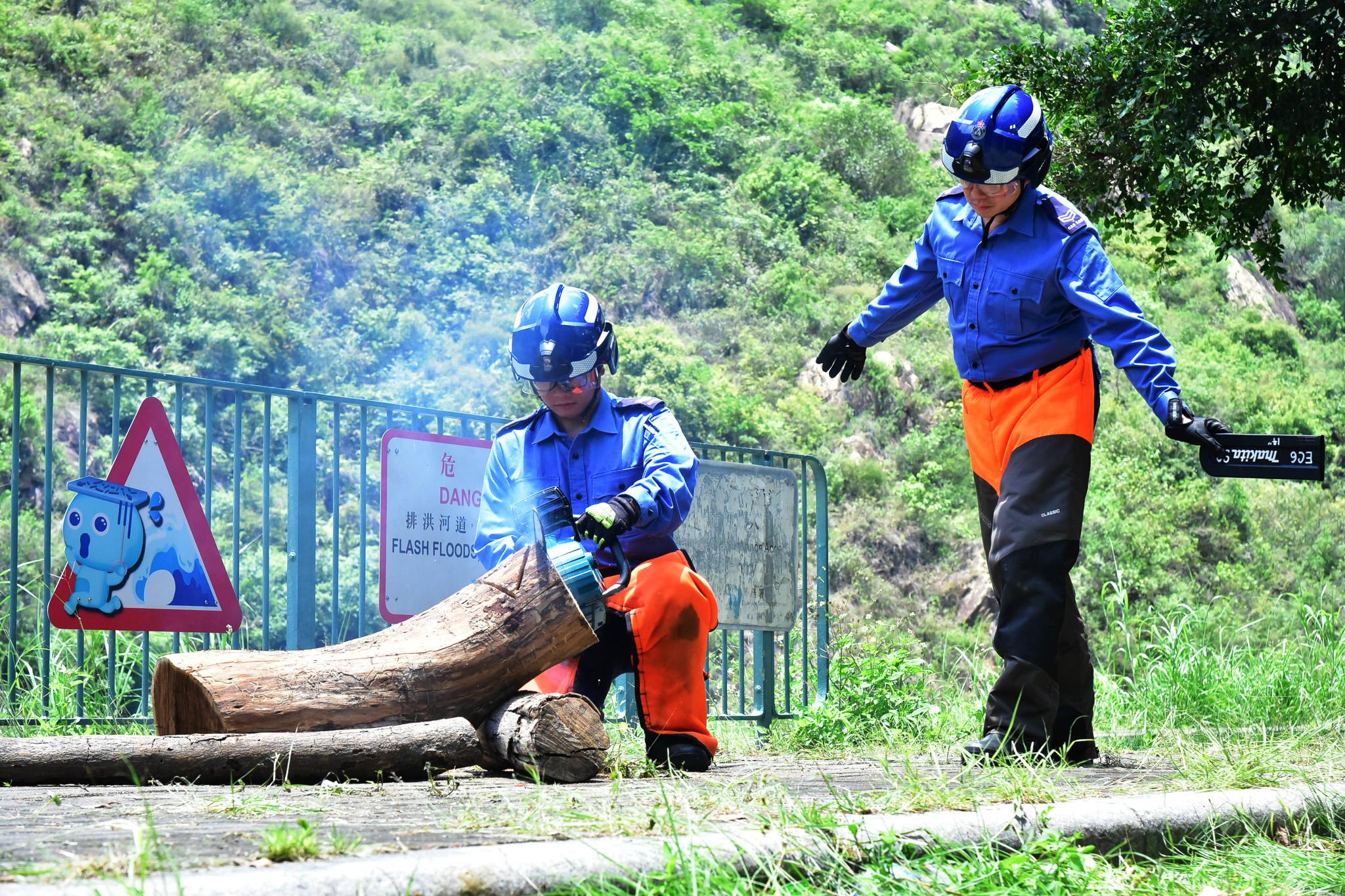
     The Civil Aid Service (CAS) organised an exercise codenamed "WINDSTORM", at Wan Tuk Creek on Lantau Island today (May 13) to enhance its communication, co-ordination, contingency planning and mobilisation capabilities for severe weather and other emergencies, bolstering command control and operational efficiency of the CAS in handling emergency incidents.
 
     The exercise simulated various scenarios, including residents trapped by floods, fallen trees blocking roads and handling casualties. During the exercise, CAS rescue teams swiftly established an emergency command system, set up casualty collection stations and utilised rescue technologies such as drones, robotic dogs and remote-controlled lifebuoys to conduct rescue operations, ensuring that actions were carried out effectively and rapidly.
 
     Approximately 100 officers and members participated in the exercise, which enhanced the awareness and handling capabilities of the personnel and improved co-ordination and communication among the units in responding to emergencies.
 
     In addition, to strengthen the response to extreme weather conditions, the CAS will add one more flood rescue team this year. Training for responding to floods and rescue operations will also be enhanced.

Photo  Photo  Photo  Photo  Photo  Photo  Photo  Photo  Photo  Photo  Photo  


Making of subsidiary legislation under Safeguarding National Security Ordinance

     The Acting Chief Executive in Council today (May 13) approved the making of the Safeguarding National Security (Office for Safeguarding National Security of the Central People's Government in the Hong Kong Special Administrative Region) Regulation (the Regulation) under section 110 of the Safeguarding National Security Ordinance (SNSO) and the making of the Safeguarding National Security (Declaration of Prohibited Places) Order (the Order) by the Acting Chief Executive under section 42 of the SNSO, to provide for specific details in respect of the provisions in Chapter V of the Law of the People's Republic of China on Safeguarding National Security in the Hong Kong Special Administrative Region (HKNSL) concerning the mandate of the Office for Safeguarding National Security of the Central People's Government in the Hong Kong Special Administrative Region (OSNS), in order to fulfil the Hong Kong Special Administrative Region (HKSAR)'s constitutional duty to further improve the legal system and enforcement mechanisms for safeguarding national security. Both pieces of subsidiary legislation were gazetted on the same day and came into effect immediately.

     National security is within the purview of the Central Authorities. Article 48 of the HKNSL provides that the Central People's Government (CPG) shall establish in the HKSAR the OSNS, which shall perform its mandate for safeguarding national security in accordance with the law. Chapter V of the HKNSL provides for the mandate of the OSNS, including overseeing, guiding, co-ordinating with, and providing support to the HKSAR in the performance of its duties for safeguarding national security. Also, the OSNS shall, upon approval by the CPG, exercise jurisdiction over a case concerning an offence endangering national security under the HKNSL in a circumstance specified in Article 55 of the HKNSL. According to Article 61 of the HKNSL, the relevant departments of the HKSAR Government shall provide necessary facilitation and support to the OSNS in performing its mandate in accordance with the HKNSL, and shall stop any act obstructing the performance of such mandate and hold those who commit such act liable in accordance with the law. The HKSAR Government must perform its constitutional duty to enact local legislation for the better carrying into effect of the relevant provisions of the HKNSL.

     The four major areas of the subsidiary legislation are: 

     First, Article 49 of the HKNSL provides that the mandate of the OSNS includes overseeing and guiding the HKSAR in the performance of its duties for safeguarding national security, demonstrating the overarching responsibility of the Central Authorities for national security affairs relating to the HKSAR. The subsidiary legislation clearly outlines the Committee for Safeguarding National Security of the Hong Kong Special Administrative Region (CSNS) making an overall plan for, and co-ordinating, the implementation of the opinions provided by the OSNS on the OSNS's oversight and guidance, and the CSNS Secretariat's assistance in giving effect thereto, for the better carrying into effect of the relevant provisions of the HKNSL.

     Second, Article 55 of the HKNSL provides that the OSNS shall, upon approval by the CPG, exercise jurisdiction over a case concerning the four types of offences endangering national security under the HKNSL (namely secession, subversion, terrorist activities and collusion with a foreign country or with external elements to endanger national security), under any of the three specified special circumstances, i.e. (1) the case is complex due to the involvement of a foreign country or external elements, thus making it difficult for the HKSAR to exercise jurisdiction over the case; (2) a serious situation occurs where the Government of the Hong Kong Special Administrative Region (HKSAR Government) is unable to effectively enforce the HKNSL; or (3) a major imminent threat to national security has occurred. Those circumstances target a very small number of endangering national security cases that are of a serious and egregious nature and involve a significant impact. For this purpose, the subsidiary legislation provides for the implementation details, including requirements on public servants to provide all necessary and reasonable assistance to the OSNS in a timely manner; any person must comply with legal instrument issued by the OSNS under Article 57 of the HKNSL; and the provision of immunity from civil liability for complying with the OSNS's legal instrument. Furthermore, the subsidiary legislation provides for relevant offences, including offences for failing to comply with legal instrument, providing false or misleading information, and disclosing information on the OSNS's investigation. The relevant offences are based on similar offences that already exist and are common in the legislation of Hong Kong.  

     Third, the subsidiary legislation provides for specific details in respect of the provisions of the HKNSL regarding protection in respect of the OSNS and its staff in the performance of its mandate, including requirements on the HKSAR Government and any public servant to provide, in accordance with the law and in a timely manner, all necessary and reasonable assistance, facilitation, support, backing and protection; admissibility of an identification document or a document of certification created or issued by the OSNS to be in evidence in legal proceedings; making the acts of wilfully resisting or obstructing the OSNS in the performance of a duty, impersonating a staff member of the OSNS, or forging documents of the OSNS, an offence; and the obligation of any person to keep confidential the work-related information in connection with the OSNS.

     Fourth, the premises where the OSNS performs its mandate are declared as prohibited places. The subsidiary legislation clearly sets out the detailed addresses of the prohibited places and the clear coordinates of the points that can be linked to clearly define the entire prohibited area. The relevant prohibited places are all premises solely occupied by the OSNS to perform its mandate and do not involve private residences. The declaration will not cause any unreasonable impact on the surrounding community.

     An HKSAR Government spokesperson said, "Against the increasingly turbulent global geopolitical landscape, national security risks to which the HKSAR is exposed can arise all of a sudden. Therefore, the HKSAR Government must perform its constitutional duty to continue to improve the legal system and enforcement mechanisms for safeguarding national security and to formulate comprehensive measures for safeguarding national security, including the making of subsidiary legislation for the provisions of the HKNSL concerning the OSNS's mandate in order to better implement the mechanisms for safeguarding national security, and prevent and tackle in a timely manner national security risks that may arise unexpectedly.

     "The two pieces of subsidiary legislation are essential from the perspective of protection in respect of the OSNS's effective performance of its mandate under the requirements of the HKNSL. The subsidiary legislation will go through the negative vetting procedure at the Legislative Council. The HKSAR Government will make every effort for the early completion of the scrutiny with a view to effectively safeguarding national security as soon as possible – the earlier the better.

     "The subsidiary legislation made under the SNSO only aims to provide for specific details in respect of the provisions of the HKNSL concerning the mandate of the OSNS at the local law level. The subsidiary legislation will not affect the lives of the general public, nor will the normal operation of any institution and organisation be affected. The places designated as prohibited places do not involve private residences and will not cause any unreasonable impact on the surrounding community."




Civil service unites in call for voter registration (with photo)

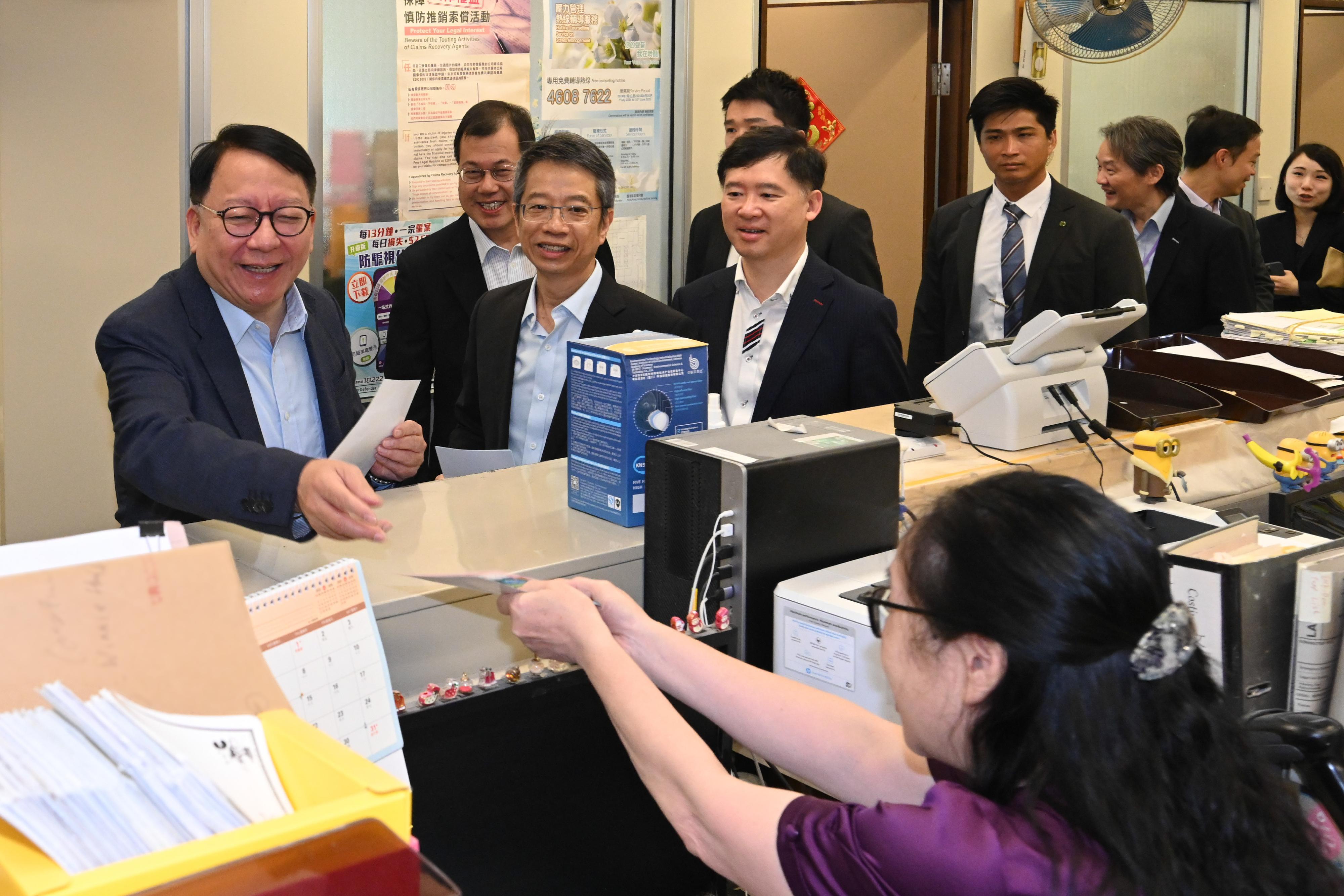
     â€‹The Chief Secretary for Administration, Mr Chan Kwok-ki, together with representatives from the four civil service central consultative councils, jointly visited several floors of the Queensway Government Offices today (May 13) to appeal to colleagues to actively register as voters and to cast their votes in the Legislative Council (LegCo) General Election to be held on December 7 this year to fulfil their civic responsibility.

     The Acting Secretary for Constitutional and Mainland Affairs, Mr Clement Woo, and the Permanent Secretary for the Civil Service, Mr Clement Leung, were also present to appeal to colleagues to actively register as voters. They also distributed leaflets on voter registration and updates of particulars to visitors of the building to convey the message.

     Mr Chan said, "As the backbone of the Hong Kong Special Administrative Region Government, civil servants bear the responsibility of implementing and supporting the administration in accordance with the law. Today, together with the representatives from the four civil service central consultative councils, I visited colleagues in different government departments to appeal to those who are eligible but have not yet registered as voters to actively do so, and to remind those who have already registered as voters to check the accuracy of their registration details through the online system and submit an application to update their details in a timely manner if necessary, to ensure their voting rights are not affected. We also appeal to our colleagues to convey this message to their families and friends to get well prepared for the LegCo General Election to be held at the end of this year and to vote enthusiastically to fulfil their civic duties and elect patriotic, capable, and dedicated legislators devoted to serving the people, Hong Kong and our country."

     The 2025 Voter Registration Campaign is under way. Eligible persons/bodies who have not yet registered as voters are advised to submit registration applications to the Registration and Electoral Office (REO) as early as possible on or before the statutory deadline of June 2. Registered voters who have any change in their residential address or other registration particulars should also submit applications for change of particulars to the REO on or before June 2. Both applications for new registration and change of particulars can be submitted through the "iAM Smart" app, or by email, mail or fax with the completed specified forms. For details, please visit the Voter Registration website (vr.gov.hk).

Photo  Photo  Photo  Photo  Photo  Photo  Photo  Photo