LCQ19: Support for commodities trading

     Following is a question by the Hon Frankie Yick and a written reply by the Acting Secretary for Financial Services and the Treasury, Mr Joseph Chan, in the Legislative Council today (May 14):
 
Question:
 
     In January of this year, the London Metal Exchange (LME), a subsidiary of the Hong Kong Exchanges and Clearing Limited, announced that it would include Hong Kong as an approved delivery point within its global warehousing network and accept applications from warehouse operators for approval. Last month, LME announced that it had approved applications to establish four LME-licensed warehouse facilities in Hong Kong. Furthermore, it has been reported that other warehouse operators are applying to become approved warehouses for the storage of LME-registered brands of metals. In this connection, will the Government inform this Council:
 
(1) whether it knows the following information about the four warehouses that have been approved by LME and those that are applying to become approved warehouses: (i) locations, (ii) storage capacities, and (iii) the timing of formal commencement of service; whether the authorities have estimated the number of warehouses and storage capacity needed to develop Hong Kong as a metal delivery point, and what the respective differences are as compared to the current supply and capacity of warehouses;
 
(2) as it has been reported that, to encourage more warehouse operators to apply to become approved warehouses of LME, the Government has stated that it will provide assistance on technical matters as appropriate, whether it knows the requirements for becoming an approved warehouse of LME; what assistance the Government has provided to address technical issues faced by warehouse operators; and
 
(3) regarding the creation of a commodity trading ecosystem, apart from developing approved warehouses, what further measures the Government has put in place to facilitate the robust development of local commodities trading-related services, so as to consolidate Hong Kong's position as an international financial, shipping and trade centre?
 
Reply:
 
President,
 
     Our country is the world's largest consumer of industrial metals. Developing relevant commodity trading will drive the development of a financial, shipping and trade centre in Hong Kong. The Chief Executive's 2024 Policy Address proposes the creation of a commodity trading ecosystem which can be a starting point for attracting relevant enterprises to establish a presence in Hong Kong, turning our city into an operation centre for international commodity trading, storage and delivery, shipping and logistics, risk management, and more.
 
     In consultation with the Hong Kong Exchanges and Clearing Limited (HKEX), the reply to the three parts of the question is as follows:
 
(1) and (2) The London Metal Exchange (LME), a wholly-owned subsidiary of the HKEX, included Hong Kong as an approved delivery point within its global warehousing network in January this year, and began accepting applications from warehouse operators to become approved warehouses. The LME announced the approval of the first four approved warehouses to be established in Hong Kong in April this year. The total storage area and types of metal that can be stored in each warehouse are set out in the table below.
 

Warehouse location Total storage area (square metre) Types of metal that can be stored
Cheung Sha Wan 500 aluminium alloy, primary aluminium, copper, nickel, lead, tin and zinc
500
Tsing Yi 4 100 aluminium alloy, lead, tin and zinc
Yuen Long 4 062 aluminium alloy, primary aluminium, copper, nickel, lead, tin and zinc

 
     The LME-approved warehouses are required to comply with relevant technical requirements, such as loading standards for metals. The four warehouse facilities have passed LME's initial inspection and are compliant with relevant standards in terms of transportation and logistics. Preparations including system connections are underway, and the facilities are expected to commence operations gradually as soon as July this year.
 
     Before making the decision to include Hong Kong as an approved delivery point, the LME had assessed the feasibility of establishing warehouse facilities in Hong Kong, including the sustainability of business operations, cost, technical requirements, etc. In selecting suitable sites for the warehouses, the operators had to hold in-depth discussions with the relevant warehousing industry players and landowners, which mainly involved the circumstances of individual facilities (such as loading capacity and infrastructure requirements) and other business considerations. In the course of discussion, technical issues involving planning permissions, lease conditions, etc. were identified. The Financial Services and the Treasury Bureau (FSTB) in collaboration with relevant bureaux and departments has been maintaining communication with relevant industry players, and held meetings to provide relevant information and guidance.
 
     The LME has indicated that there are other operators applying to become approved warehouses, and it is expected that more warehouses will be approved subsequently. Based on the implementation of the relevant market mechanism, the development of metal delivery destinations and warehouses will be determined by market supply and demand. There is no specific quantitative target.
 
(3) In terms of base metals, besides facilitating the LME to establish approved warehouses in Hong Kong, to attract more trading and delivery, the HKEX will host LME Asia Week in May this year, inviting international and Mainland metal manufacturers, traders, buyers and sellers to participate in in-depth discussions and exchanges on industry topics, including the introduction of the latest LME approved delivery points, including Hong Kong.
 
     In terms of financial trading of other types of commodity, the Chief Executive's 2024 Policy Address proposes to use gold as an entry point to develop the relevant commodity ecosystem. Specifically, it is the Government's goal to promote the development of world-class gold storage facilities, thereby attracting more investors and users from different economies, including the Middle East and Southeast Asia, to store gold in Hong Kong. On the basis of increased storage, we expect increased demand for associated support services in insurance, testing and certification, logistics, etc, while in parallel expanding related transactions including collateral, loan and hedging, hence creating a comprehensive ecosystem in a progressive manner. This will drive all-round multi-currency trading, clearing and delivery, as well as the development of the regulatory system, covering transactions using offshore Renminbi (RMB), thereby establishing a holistic gold trading centre with an industry chain. The FSTB established the Working Group on Promoting Gold Market Development (Working Group) in December 2024, comprising leaders of the financial industry, representatives of regulatory bodies and market participants, to comprehensively review all aspects relating to financial transactions of gold. The Working Group will formulate a plan this year to enhance storage facilities, optimise trading and regulatory mechanisms, expand exchange products, and conduct market promotion.
 
     At the same time, the Qianhai Mercantile Exchange, a subsidiary of the HKEX, operates our country's only offshore spot trading platform for soybeans, thereby laying the foundation for the expansion of RMB-denominated commodity products, channeling off-shore RMB liquidity to the commodities market, promoting RMB internationalisation, attracting relevant traders to expand their business in Hong Kong, and establishing an ecosystem for the commodity.




New round of Cleaner Production Partnership Programme invites applications

     The Environmental Protection Department (EPD) started inviting applications for funding support under the new round of the Cleaner Production Partnership Programme today (May 14) and expected to receive applications until June 30, 2027. The Programme will help expedite green transformation and the upgrade of traditional industries to achieve energy saving, emission reduction as well as reduction in consumption and carbon emissions, thereby improving the quality of the environment in the region and dovetailing with the high-quality national development.

     The new round of the Programme will focus on new cleaner production technologies by providing funding support to Hong Kong-owned factories to carry out New Cleaner Production Technology Projects (NCPTP). In addition to continuing to encourage the implementation of cleaner production to reduce pollutant emissions, factories will also be encouraged to try out new technologies to achieve green transformation.

     An EPD spokesperson said, "We will provide in particular a higher funding ceiling as an incentive for applications adopting new cleaner production technologies with local research and development participation. Hong Kong-owned factories are encouraged to adopt new cleaner production technologies developed by Hong Kong or jointly by Hong Kong and Guangdong organisations to provide a demonstration platform for practical application of these technologies, which would be conducive to these technologies in entering the Mainland market. The Government funding support for each NCPTP will be capped at $650,000. If the project for application involves the adoption of technologies developed by Hong Kong or jointly by Hong Kong and Guangdong organisations, the Government funding ceiling for the project will be increased to $750,000. The Government will fund 50 per cent of the project cost, subject to the funding ceilings."

     Hong Kong-owned factories interested in joining the Programme may visit the website (www.cleanerproduction.hk/en) for details and download application forms. Enquiries can also be made by calling the implementation agent of the Programme, the Hong Kong Productivity Council, at 2788 5588. 

     In 2008, the EPD launched the Programme in collaboration with the then Economic and Information Commission of Guangdong Province (now the Department of Industry and Information Technology of Guangdong Province). Four rounds of the Programme have been launched so far with over $600 million devoted. The Programme has achieved remarkable results in improving the environmental quality in the region.

     In light of the successful experience of the Programme, to further deepen the co-operation between Hong Kong and Guangdong in jointly promoting comprehensive green transformation, the Chief Executive proposed in the 2024 Policy Address to inject $100 million to launch a new round of the Programme to expedite green transformation, renovation and the upgrading of Hong Kong-owned factories in Hong Kong and Guangdong Province, bringing Hong Kong closer to its carbon-neutrality targets.


HKTE brings together nearly 50 enterprises at Global Online Career Fair to attract global talent

     A spokesman for Hong Kong Talent Engage (HKTE) said today (May 14) that HKTE continues to proactively connect enterprises with global talent for direct job matching and facilitate global talent's pursuit of development in Hong Kong. HKTE held a two-day Global Online Career Fair last week (May 7 and 8), featuring nearly 50 renowned Hong Kong enterprises that offered over 700 quality job vacancies across sectors such as accounting, finance, consultancy services, legal compliance and engineering. The event aimed to attract talent from the Mainland and overseas who were interested in pursuing development in Hong Kong.

     The online career fair recorded over 26 000 visits in two days, with about 3 000 curricula vitae received. To facilitate connection between talent and enterprises, a one-to-one online meeting session was set up specifically at the career fair, resulting in about 4 800 direct dialogues between talent and enterprises. Participating enterprises expressed that about half of these dialogues would be taken forward.

     According to participating accounting firms, they learned through the online career fair that many international professionals were interested in coming to Hong Kong. The event effectively linked global talent with enterprises in Hong Kong, thereby enabling direct engagement, enhancing talent's understanding of the structure and recruitment process of Hong Kong enterprises, and enhancing participating talent's experience.

     Participating talent came from over 12 countries or regions, such as the Mainland, Singapore, India, the United Kingdom, Australia, the United States, Malaysia, France and Canada, with 62 per cent of them holding master's degrees.

     The HKTE spokesman said that following the career fair held in Malaysia in April in collaboration with renowned enterprises in the Guangdong-Hong Kong-Macao Greater Bay Area, HKTE organised the online career fair to enable talent on the Mainland and overseas to exchange views directly with enterprises prior to relocation to Hong Kong, gain insights into Hong Kong's job market, and reinforce their confidence in pursuing development in Hong Kong. HKTE will continue organising online career fairs tailored to different regions worldwide and professions, as well as local career programmes, to help talent secure employment in Hong Kong and create impetus for the long-term development of the city.


LCQ3: Electric vehicle charging facilities

     Following is a question by the Hon Jimmy Ng and a reply by the Secretary for Environment and Ecology, Mr Tse Chin-wan, in the Legislative Council today (May 14):
 
Question:
 
     It is learnt that the demand for electric vehicle (EV) charging facilities has continued to increase in recent years, and the Government will launch the Fast Charger Incentive Scheme (the Incentive Scheme) to subsidise the installation of fast charging facilities by the private sector. Furthermore, the community also hopes that more fast charging facilities can be provided in government premises. In this connection, will the Government inform this Council:
 
(1) given that the Government is retrofitting charging facilities for about 7 000 additional parking spaces in government premises, of the progress of the relevant works and the number of quick chargers to be retrofitted; whether it will launch a new scheme to install quick chargers in government premises; if so, of the details; if not, the reasons for that;
 
(2) given that the EV-charging at Home Subsidy Scheme (EHSS), which subsidises the installation of EV charging facilities in car parks of private housing estates, has ceased to accept applications since the end of 2023, whether the Government will make further funding injection to re-launch the EHSS; if so, of the details; if not, the reasons for that; and
 
(3) whether it will increase the amount of subsidy under the Incentive Scheme to encourage commercial organisations to install fast charging facilities in districts where there are fewer EV chargers, so that chargers will be more evenly distributed among the 18 districts across the territory; if so, of the details; if not, the reasons for that?
 
Reply:
 
President,
 
     To improve air quality and reduce carbon emissions, the Government is committed to promoting the use of electric vehicles (EV). In recent years, Hong Kong has achieved remarkable results in the popularisation of EV. The number of EV was eightfold from about 14 000 five years ago to about 110 000 at the end of last year. Currently, about seven out of every 10 newly registered private cars are electric private cars (e-PC), and the growth rate is among the highest in the world.
 
     Charging network is very important in promoting the popularisation of EV. It would be most convenient for e-PC and light vehicles to be charged at the car owners' residence, workplace, or frequently visited parking spaces. Due to their longer parking time, fast charging is not necessary. As for commercial EV, such as electric taxis, a quick or even fast charging network is necessary. As of March 2025, Hong Kong had nearly 100 000 parking spaces equipped with charging infrastructure. There are 11 180 public charging facilities, of which about 2 000 are quick or fast charging facilities. We will continue to adopt a multi-pronged approach to increase charging facilities, including converting conventional petrol filling stations (PFS) into fast charging stations or retrofitting PFS with fast charging facilities.
 
     My responses to the Hon Jimmy Ng's three questions are as follows:
 
(1) The Chief Executive's 2022 Policy Address proposed to provide charging facilities in 7 000 additional parking spaces in government premises. As of March 2025, 4 158 chargers have been installed. Relevant departments have reviewed the progress of the remaining works, and the target can be achieved by the end of 2025.
 
     The Government adding EV charging facilities in its car parks mainly to facilitate charging of EV parked there. Vehicles parked in car parks generally have a longer time to charge. The cost of fast chargers is much higher than that of medium chargers. To make optimal use of resources, the EV charging facilities currently added to government car parks are mainly medium chargers. Among the 4 158 chargers, there are 27 quick or fast chargers which are mainly used as pure charging spaces rather than parking spaces.
 
(2) The EV-charging at Home Subsidy Scheme (EHSS) was launched in October 2020 with two phases, with a total funding subsidy of $3.5 billion. The Environmental Protection Department completed the vetting of all applications in the first quarter of 2024, with a total of 724 applications approved. As of the end of April 2025, 42 020 parking spaces have completed the installation of EV charging infrastructure. It is expected that the number of parking spaces with installation works completed will increase to about 77 000 by the end of this year. Through the EHSS and by the end of the 2027-28 financial year, EV charging infrastructure will be installed in about 140 000 parking spaces in the carparks of existing private residential buildings or housing estates.
 
     In order to prepare for the large-scale use of EV in the future, the Government began as early as in 2011 to encourage the installation of EV charging infrastructure in parking spaces in newly built private housing estates by tightening the exemption for calculating the gross floor area of ​​buildings. To date, more than 93 700 relevant parking spaces have been approved. Together with the EHSS, it is estimated that more than 200 000 private building parking spaces will be equipped with charging infrastructure by mid-2027. As the number of EV increases, there are already services in the market to provide installation of EV charging facilities in housing estates, so there is no need to inject funds to extend the EHSS.
 
(3) There are currently 169 PFS distributed across the territories in Hong Kong, with the number in each district varying significantly. For example, there are 26 PFS in Yuen Long, the number of which is about nine times of that of Tsuen Wan of three PFS only. Hong Kong is not a large place, and today's fuel vehicles can refuel across regions with no difficulties. For EV users, it is more practical to increase the number of charging facilities as soon as possible. Therefore, the Government's strategy at this stage is to make the most use of the market in installing fast charging facilities as soon as possible, improve the convenience of EV users, and at the same time promote market competition to keep the price of EV charging at a reasonable level.
 
     In this regard, the Environment and Ecology Bureau has set up an interdepartmental working group to co-ordinate and resolve difficulties encountered by various parties in setting up charging facilities, with a view to expanding Hong Kong's EV charging network as soon as possible. In addition, to help EV drivers find the most convenient location to charge their vehicles, we will provide real-time information on public charging facilities through various mobile applications.
 
     The Chief Executive's 2024 Policy Address announced that the Government will earmark $300 million for a fast charging facility incentive scheme, with the target of providing 3 000 fast chargers to support some 160 000 EV additionally. It is expected that all fast chargers will be put into service gradually from 2026 to the end of 2028.
 
     We consulted the Panel on Environmental Affairs of the Legislative Council on the scheme on January 20 this year, and further optimised the scheme in response to Members' views, including simplifying the application procedures to reduce administrative costs and shorten approval time. Under the scheme, each newly installed fast charger can receive a subsidy of $100,000, and each applicant can receive a maximum subsidy of $20 million, or subsidy for a maximum of 200 chargers. The applicants are required to arrange land and electricity supply on their own and bear the relevant costs. Subsidised fast chargers must provide electronic payment options and adopt an energy-based fee-charging mode. In addition, subsidised organisations are required to provide real-time information on the usage of relevant chargers and charging fees, and purchase public liability insurance, etc. We are now finalising the implementation details of the scheme and expect to launch and start accepting applications starting from next month.
 
     Thank you, President.


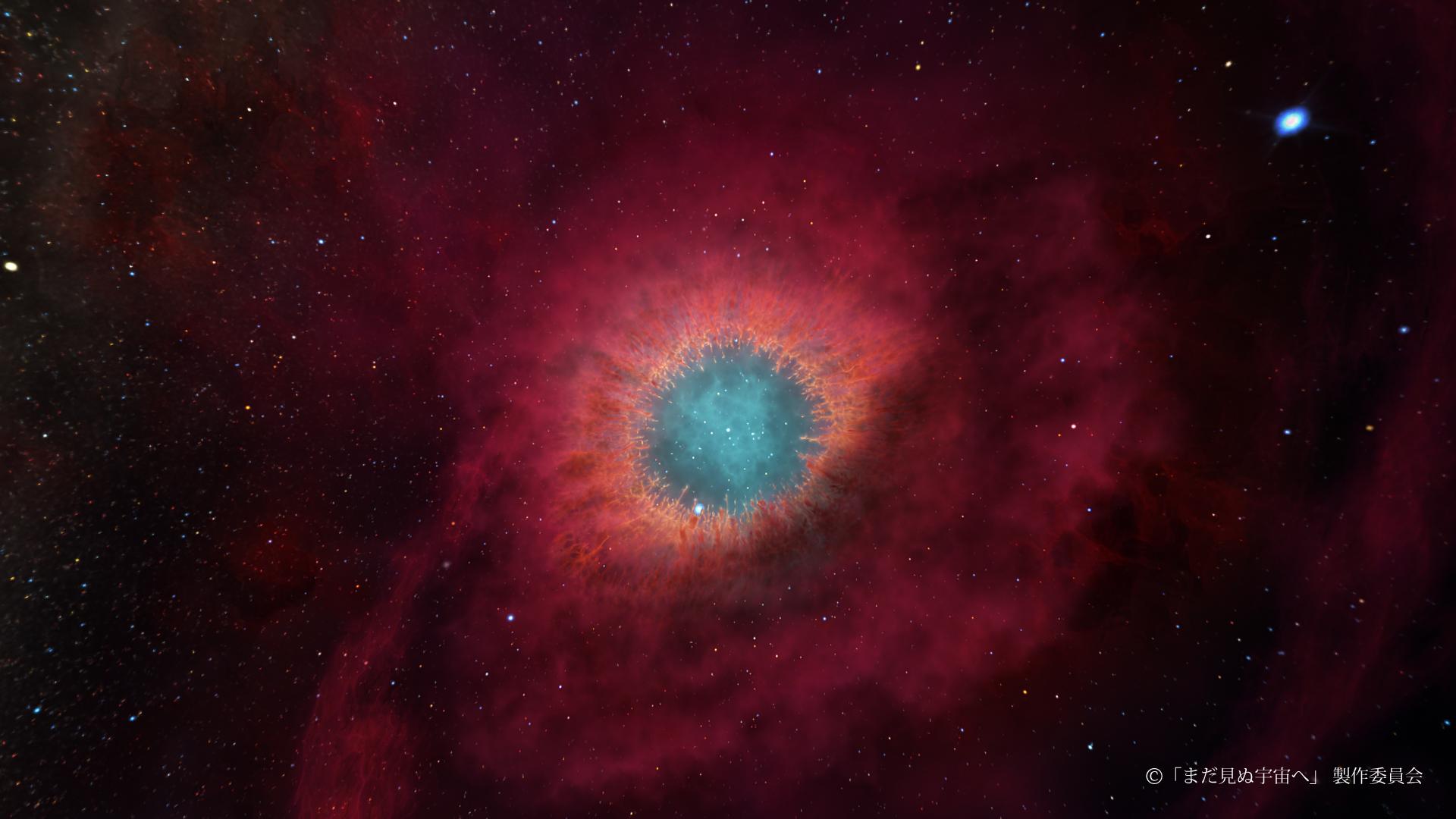
Hong Kong Space Museum to launch new sky show “STARMAP to the Unseen Universe” (with photos)

     The Hong Kong Space Museum will launch a new sky show, "STARMAP to the Unseen Universe", at its Space Theatre from tomorrow (May 15), leading audiences on a journey and traversing 13.8 billion years of cosmic history in search of the universe's origin from the Earth.

     The Milky Way Galaxy is a galaxy composed of hundreds of billions of stars. The sun is one of the stars within this massive galaxy. The show will take audiences on an adventure beyond the boundaries of the solar system, explore the spiral arms of the Milky Way, and witness the birth and death of stars. The show will also reveal the all-consuming power of a black hole and showcase the process of the collision and merging of galaxies into a larger galaxy. Audiences can also closely admire the luminous members of the Pleiades star cluster in the constellation Taurus and the Orion Nebula.

     The 28-minute show will be screened until November 14. Screening times are 3.30pm and 8pm on weekdays, and 2pm and 6.30pm on weekends and public holidays respectively. Tickets priced at $30 (front stalls) and $40 (stalls) are now available at the Hong Kong Space Museum Box Office and URBTIX (www.urbtix.hk). For details of the show, please visit hk.space.museum/en/web/spm/shows/sky-show/starmap.html, or call 2721 0226 for enquiries.

     The Hong Kong Space Museum, located at 10 Salisbury Road, Tsim Sha Tsui, Kowloon, is closed on Tuesdays (except public holidays).

Photo  Photo  Photo  Photo  Photo  Photo