Registration for LCSD’s ICH Highlight Tours starts on May 16 (with photos)

     The Intangible Cultural Heritage Office (ICHO) of the Leisure and Cultural Services Department (LCSD) will launch the first Hong Kong ICH Month in June with the theme of ICH Around Town, presenting a series of rich and diversified activities. The highlight programme, ICH Highlight Tours, recommends six handpicked districts, bringing the public to explore Intangible Cultural Heritage (ICH)-related traditional craftsmanship or other items and to feel the richness and diversity of ICH. Registration for the field trips will start on Friday (May 16). Admission is free.
      
     There will be a total of 15 field trips for the ICH Highlight Tours, which will visit Yau Tsim Mong, Tsuen Wan, Tai Po, Sha Tin, Eastern District, and Islands District respectively. With 20 participants per tour, the tour, conducted in Cantonese, will run for approximately two hours. Members of the public can register through the ICHO website (www.icho.hk/en/web/icho/hk_ich_month_2025_tours.html), from 10.30am on May 16 to 6.30pm on May 17. Each applicant can only register for a maximum of two persons in the same tour. In case of excess applications, all quotas will be allocated by ballot. Successful applicants will receive a confirmation email by May 23.
      
     The dates and relevant ICH items of the field trips include:
      
Islands District – Tai O (May 31, two tours in total)
Salted Fish Making Technique, Shrimp Paste Blocks and Shrimp Paste Making Technique and Fishing Net Plaiting Technique, etc, and enjoying Tai O Dragon Boat Water Parade.
      
Tai Po District (June 1 and 7, three tours in total)
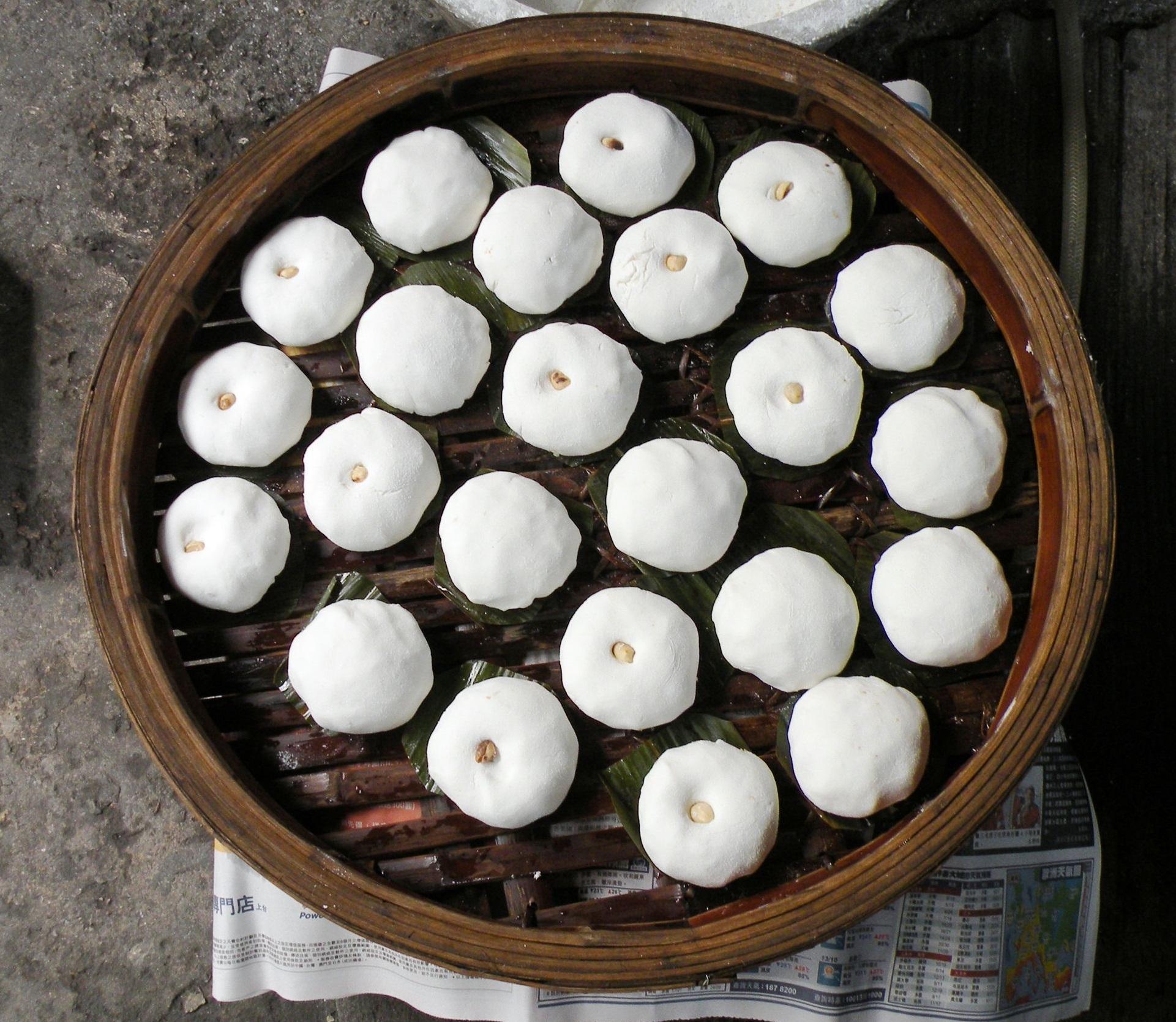
Soybean Product Making Technique, Cha Kwo (Steamed Sticky Rice Dumpling) Making Technique and Noodles Making Technique, etc.
      
Yau Tsim Mong District (June 7 and 8, three tours in total)
Steamer Making Technique, Wood Carving Technique and Mahjong Tile Making Technique, etc.
      
Tsuen Wan District (June 15, two tours in total)
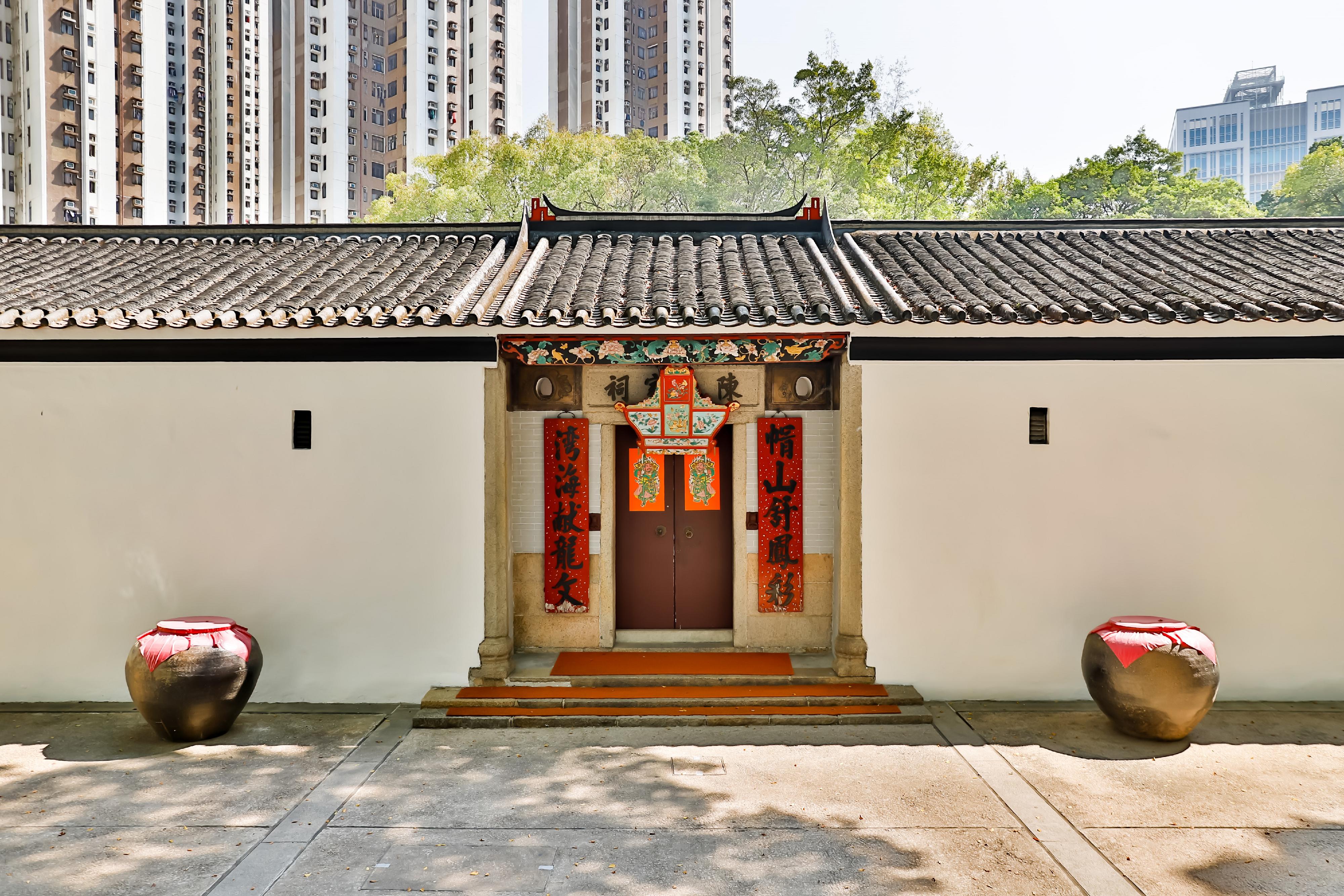
Unicorn Dance, Traditional Architectuer Presrvation Technique and Melon Seed Making Technique, etc.
      
Sha Tin District (June 21, two tours in total)
Lion Dance, Patterned Band Weaving Technique and Paper Crafting Technique, etc.
      
Eastern District (June 28 and 29, three tours in total)
Wooden Boat Building Technique, Noodles Making Technique and Hung Gar Kuen Style, etc.
      
     Moreover, the ICHO collaborates with the Hong Kong Tourism Board in organising ICH Highlight Tours at Yau Tsim Mong District for tourists. Details will be announced later.
      
     Hong Kong ICH Month 2025 is presented by the Culture, Sports and Tourism Bureau and organised by the ICHO of the LCSD, with ICH June as a strategic partner. Highlight activates also include carnivals or fun days in various districts across Hong Kong on several weekends and Sundays in June, an exhibition, a seminar, talks and workshops, which welcome members of the public and tourists to join. For details of the programmes, please visit the website www.icho.hk/en/web/icho/hk_ich_month_2025.html.

Photo  Photo  Photo  Photo  Photo  Photo  


LCQ14: Treatment and prevention of breast cancer

     Following is a question by the Hon Nixie Lam and a written reply by the Secretary for Health, Professor Lo Chung-mau, in the Legislative Council today (May 14):

Question:

     According to government information, breast cancer is the most common cancer among females in Hong Kong, and new cases of breast cancer accounted for 28.6 per cent of all new cancer cases among females in 2022. Among them, HER2 (i.e. human epidermal growth factor receptor 2) low-expression metastatic breast cancer (HER2-low breast cancer) poses a great threat to the lives of patients as it is highly malignant and prone to relapse and metastasis. It is learnt that with advancement in medical technology, the classification of testing results of HER2 has been updated from two (i.e. "positive" and 'negative') to three categories (i.e. with the addition of "low-expression") in the medical guidelines of various places so as to provide precision treatment for patients with HER2 breast cancer. However, there are views pointing out that the existing HER2 testing reports of the Hospital Authority (HA) have not indicated the category of low-expression, nor has HA provided the relevant education to patients, rendering them unable to know their actual condition in a timely manner and thereby missing the golden period of early treatment. In this connection, will the Government inform this Council:

(1) whether it knows if HA will expeditiously review the classification of the existing HER2 testing reports to clearly indicate the testing result of low expression of HER2, while at the same time providing the relevant patient education, so as to ensure that they fully understand the clinical findings, thereby expeditiously receiving the appropriate treatment protocol; if HA will, of the timetable; if not, the reasons for that;

(2) whether it knows if HA will consider including drugs targeting HER2-low breast cancer into the safety net for application by patients suffering from that cancer and streamlining the vetting and approval process, so as to enhance the efficiency of vetting and approval of safety net drugs; if HA will, of the timetable; if not, the reasons for that; and

(3) whether the Government has currently formulated public education programmes for different groups of people to raise their awareness of breast cancer screening, including whether it has provided systematic online information and promoted on social media platforms; if so, of the details; if not, the reasons for that?

Reply:

President,

     The Government attaches great importance to cancer prevention and control work. In 2001, the Government established the Cancer Coordinating Committee to formulate strategies on cancer prevention and control, and to steer the direction of work covering cancer prevention and screening, surveillance, research and treatment, etc.

     The Government promulgated the Hong Kong Cancer Strategy (Cancer Strategy) in 2019 with a view to reducing the cancer burden of the local population and improving the quality of life and survivorship of cancer patients through setting work priorities and directions. The directions laid down in the Cancer Strategy include reducing risk factors leading to cancer and providing evidence-based screening, seeking early detection and diagnosis, offering timely and effective treatment, strengthening survivorship support to cancer survivors, providing palliative and end-of-life care, investing in technology, enhancing the collaboration among relevant bureaux, government departments, the Hospital Authority (HA), community organisations and civil society, as well as enhancing surveillance and research capabilities. The goal is to better prevent and control various cancers through these directions.

     As for breast cancer screening, based on the recommendations of the Cancer Expert Working Group on Cancer Prevention and Screening under the Cancer Coordinating Committee, the Government adopts a risk-based approach for breast cancer screening and launched the Phase I of the Breast Cancer Screening Pilot Programme (BCSPP) in 2021. In collaboration with non-governmental organisations through a public-private partnership, the Government is now preparing for the Phase II of the BCSPP to provide subsidised breast cancer screening services to women being categorised as high risk of developing breast cancer (viz. carriers of certain germline mutations and/or presence of strong family history of breast cancer/ovarian cancer). The Phase II programme is expected to be launched around the second quarter of 2025. Relevant details will be announced in due course. 

     The reply, in consultation with the Department of Health (DH), the Primary Healthcare Commission (PHC Commission) and the HA, to the question raised by the Hon Nixie Lam is as follows:

(1) According to the data from the Hong Kong Cancer Registry, there were a total of 5 182 new cases of female breast cancer in 2022, of which 1 002 were Human Epidermal Growth Factor Receptor 2 (HER2) positive cases.

     At present, the HER2 test performed by the HA consists of immunochemistry (IHC) and genetic testing (in situ hybridisation (ISH)). IHC testing results are scored as follows:

(i) 0 (no staining, or ≤10 per cent of tumor cells show faint or weak membrane staining);
(ii) 1+ (>10 per cent of tumor cells show faint/barely visible incomplete membrane staining);
(iii) 2+ (>10 per cent of tumor cells show weak to moderate complete membrane staining (circumferential staining), or ≤10 per cent of tumor cells show strong complete membrane staining); or
(iv) 3+ (>10 per cent of tumor cells show strong complete membrane staining).

     HER2 immunostaining scores of 0 and 1+ are interpreted as negative for HER2 testing, a score of 2+ as inconclusive, and a score of 3+ as positive. If the HER2 test result is inconclusive (i.e. the immunostaining score is 2+), the hospital will further perform HER2 gene in situ hybridisation testing for the patient to confirm whether there is an amplification of the HER2 gene. If the relevant test shows amplification, the patient's HER2 test result will be classified as positive; whereas if there is no amplification, it will be classified as negative.

     "HER2 low-expression" mentioned in the question refers to patients with a HER2 immunostaining score of IHC 1+ or a score of IHC 2+ with no amplification shown in in situ hybridisation testing. The HER2 Interpretation Guidelines (a set of international guidelines) were updated in September 2023. Although the new guidelines do not officially classify "HER2 low-expression" as a separate category, it is recommended that an annotation describing the result of "HER2 low-expression" (i.e. IHC 1+ or IHC 2+/ISH with no amplification) be included in the test report to enable physicians to better identify patients who may be suitable for a specific targeted therapy. The "multidisciplinary teams" for breast cancer at the oncology centres of the HA, consisting of oncologists, pathologists, radiologists, advanced practice nurses, etc, are discussing the implementation arrangements for the updated guidelines and will reach a consensus as soon as possible to implement the major updates under the Interpretation Guidelines in a gradual manner, while planning to add annotations to the test reports to explain the results of "HER2 low-expression". Currently, clinicians will determine, based on the test reports, whether patients are IHC 1+ or IHC 2+ with no ISH gene amplification, thereby providing patients with optimal follow-up.

(2) As the major provider of publicly-funded public healthcare services, the HA attaches great importance to providing optimal treatment for all patients (including cancer patients) while ensuring patients have equitable access to cost-effective drugs of proven safety and efficacy under the highly subsidised public healthcare system.

     The HA has a mechanism in place to regularly evaluate new drugs as well as to review existing drugs on the HA Drug Formulary (HADF) and the coverage of the safety net (including the Samaritan Fund and Community Care Fund Medical Assistance Programmes). In assessing applications for new drugs to be included in the HADF and the coverage of the safety net, the HA follows an evidence-based approach, having regard to the safety, efficacy and cost-effectiveness, etc, of the drugs and other relevant considerations, including international recommendations and practices as well as views of professionals and patient groups, etc.

     The HA will pay close attention to the latest scientific and clinical evidence of drugs suitable for treatment of various types of cancer (including "HER2 low -expression" breast cancer), with a view to providing cost-effective drugs of proven safety and efficacy as well as continuous optimal care to patients.

     To shorten the lead time for introducing suitable new drugs to the HADF, the HA has simplified the application process for inclusion of new drugs in the HADF since the end of 2024. Clinicians and pharmaceutical companies can submit new drug applications directly to the Drug Advisory Committee. The frequency of prioritisation exercise for including new drugs in the safety net will also increase from twice a year to four times a year. With the implementation of the above new mechanisms, the HA has been actively optimising the procedures for introducing new drugs into the HADF, with the objective of reducing the time required for introducing new drugs with proven efficacy into the HADF or the coverage of the safety net by half, from the original 10 months to five months; and from 18 months to nine months respectively, so as to enable patients to have access to new drugs as soon as possible, and to obtain the subsidies under the safety net to alleviate the burden of drug expenses.

     Besides, the Government and the HA will press ahead with the implementation of the fees and charges reform for public healthcare announced at the end of March this year, which aims to guide the public to make optimal use of healthcare resources through three aspects, namely reforming the subsidisation structure, reducing wastage and abuse, and enhancing healthcare protection. It also seeks to strengthen the healthcare protection on all fronts for patients who are "poor, acute, serious, critical". Such measures include enhancing the protection in terms of drugs and medical devices for critically ill patients (including cancer patients) through accelerating the introduction of more effective innovative drugs and medical devices to the HADF and the coverage of the safety net, with a view to ensuring that the limited healthcare resources can be directed in a more targeted manner to assist those patients most in need. This will thereby enhance the sustainability of the healthcare system and enable it to serve as a safety net for all.

(3) The DH has all along been promoting a healthy lifestyle, including avoidance of smoking and alcohol, healthy diet, regular physical activity and maintenance of a healthy body weight, as the primary strategy for preventing cancer and common non-communicable diseases.

     The DH has all along attached importance to the public education of women's cancer (including breast cancer) and has been promoting breast cancer prevention and screening through various channels and media such as television, radio, websites, printed materials, newspapers, social media, online publicity and media interviews. Educational leaflets have been produced in many ethnic minority languages by the DH for ethnic minorities to comprehend the health information on breast cancer prevention and screening. In addition, the Cancer Online Resource Hub was launched in 2020 to provide the public with accurate and reliable health information relating to cancer.

     Meanwhile, the District Health Centres (DHCs)/District Health Centre Expresses (DHCEs) under the PHC Commission in all districts across the city are actively assisting members of the public in formulating individualised Life Course Preventive Care Plan based on factors such as one's gender, age and family history. Life Course Preventive Care Plan is an evidence-based comprehensive health strategy that emphasises on prevention and personalised needs and provides guidance on the health needs of citizens across different stages of life. DHCs/DHCEs may also provide members of the public with information related to breast cancer prevention and other women health education services according to their needs. 

     Starting from January 24, 2025, women's health services under the DH have been progressively integrated into the district health network of the PHC Commission, with the service points named Women Wellness Satellites (WWS). DHCs/DHCEs will identify women in need through basic health assessment and individual counselling, and arrange for them to receive women's health services at WWSs. WWSs will offer health assessment and counselling tailored to women's health conditions, breast cancer and cervical cancer screenings according to individual needs, as well as health education activities including talks on breast cancer prevention.


DH continues to follow up on suspected closure of private healthcare facilities

     Regarding the suspected closure of certain private healthcare facilities, the Department of Health (DH) today (May 14) appealed to members of the public who have received laboratory or diagnostic radiology services through the private healthcare facilities in question, and cannot obtain and follow up on the laboratory test reports through their doctors, to contact the DH's telephone hotline for appropriate follow-up action.
      
     As announced on May 2, the Government set up an inter-departmental dedicated team to follow up on the incident. The team comprises representatives from the Security Bureau, the Commerce and Economic Development Bureau, the Hong Kong Customs and Excise Department, the Hong Kong Police Force, the DH and the Consumer Council.
      
     The DH has set up a telephone hotline, email and a WhatsApp account since May 3 for public enquiries on related issues. As at 5pm today, a total of 149 enquiries were received. Most of the enquiries were related to vaccines for children or other age groups. One enquiry about laboratory services has been received.

Laboratory reports
———————

     After learning that the private health care facilities in question had used the laboratory services of a local private hospital for laboratory services, the DH also took the initiative to contact the private hospital and offer assistance in delivering 11 laboratory reports to the referring doctor so that the cases of relevant members of the public could be followed up appropriately.
      
     For the sake of prudence, the DH is also reaching out to local registered professionals operating medical laboratories and radiological imaging services, inviting them to contact the DH for assistance if they are unable to deliver any laboratory reports to referring doctors from the private healthcare facilities in question.
      
     Anyone who has received laboratory or diagnostic radiological imaging services through the private healthcare facilities in question and has not yet been able to obtain the report from their doctor may call the DH hotline (2125 1188), which operates from 9am to 5pm daily, or send an email to dhhelpdesk_2501@dh.gov.hk or WhatsApp messages to 6170 8006 for assistance.
      
Childhood immunisation
—————————

     All 29 Maternal and Child Health Centres (MCHCs) under the DH provide vaccination services for infants and young children from birth to 5 years of age under the Hong Kong Childhood Immunisation Programme (HKCIP). Parents of the affected infants and young children in the above age group, whether Hong Kong residents or not, may make appointments at the nearest MCHCs of the DH (see Annex) for timely completion of the vaccines included in the HKCIP based on scientific evidence. The vaccination is free of charge for eligible persons and payable by non-eligible persons. As of yesterday, the MCHCs of the DH have provided support to 54 parents of affected infants and young children including health advice to parents or arranging vaccinations for their children at MCHCs.

     For other vaccines that are not included in the HKCIP based on scientific evidence, the Primary Healthcare Commission (PHC Commission) has engaged with family doctors and healthcare facilities. Currently, there is a stable supply of relevant vaccines in the private sector, and the service providers are ready to provide vaccination services to people in need. To this end, the PHC Commission has reminded family doctors listed in the Primary Care Directory (PCD) to update their practice information, particularly on the provision of vaccination services, to enable citizens in need to identify suitable family doctors. Members of the public can search for the practice information of relevant family doctors by selecting immunisation (including various vaccines for children) under "Services Provision" in the PCD (apps.pcdirectory.gov.hk/Public/EN/AdvancedSearch?ProfID=RMP). They are advised to contact the relevant family doctors in advance to confirm service details, fees and other relevant matters before making vaccination arrangements.
     
Public enquiries
——————

     The DH has provided appropriate health information and vaccination-related professional advice to meet the different needs of the enquirers. The DH has also assisted parents in need in arranging for their children to receive vaccinations at the DH's MCHCs and advised them on how to receive vaccines not included in the HKCIP according to scientific evidence or vaccines for other age groups.
      
     The DH has compiled a series of Frequently Asked Questions from recently received enquiries and uploaded them to the DH's website for public reference.
      
     The DH will continue to join hands with other members of the inter-departmental dedicated team to follow up on the incident and take appropriate actions, with a view to handling all cases as soon as possible and provide assistance to those affected by the incident.


Grade 1 historic building Haw Par Mansion guided tour features new virtual reality exhibition

     The Haw Par Mansion guided tour will include a new attraction, the "Virtual Reality: The 'Ten Courts of Hell' of Tiger Balm Garden" exhibition, starting from May 16. In addition to touring the private garden and most of the interior of the Mansion, members of the public who join the tour can also explore the former "Ten Courts of Hell" of the Tiger Balm Garden using virtual reality devices.
      
     Co-organised by the Antiquities and Monuments Office (AMO) of the Development Bureau (DEVB), the Hang Seng University of Hong Kong and the Hong Kong Chu Hai College, the "Virtual Reality: The 'Ten Courts of Hell' of Tiger Balm Garden" exhibition is sponsored by the Aw Boon Haw Foundation and with venue support from the Commissioner for Heritage's Office of the DEVB.
      
     Premised on a virtual reality metaverse platform developed by the Hang Seng University of Hong Kong and the Hong Kong Chu Hai College, the exhibition focuses on reconstructing the former "Ten Courts of Hell" of the Tiger Balm Garden. Participants wearing virtual reality headsets can explore details of the murals of the "Ten Courts of Hell" and learn about the historical and cultural contexts through an interactive interface. There will also be display boards introducing the "Ten Courts of Hell" and videos of the project.
      
     The guided tours of the Haw Par Mansion are free of charge and conducted in Cantonese from Fridays to Sundays and on public holidays (except for the first three days of Lunar New Year). Four sessions will be held per day, and each session can accommodate 24 participants. Docents will guide participants through the private garden and the Mansion's interior, introducing its history, architectural features and heritage value, followed by the "Virtual Reality: The 'Ten Courts of Hell' of Tiger Balm Garden" exhibition. The public can enrol in the guided tours through the AMO's website (www.amo.gov.hk/en/visitor-centre/docent-services/public/haw-par-mansion/index.html). For enquiries, please call the AMO on 2208 4406 or 2208 4407 during office hours.
      
     Located at No. 15A, Tai Hang Road, Hong Kong, the Haw Par Mansion was the residence of Mr Aw Boon Haw, an overseas Chinese merchant. It was accorded Grade 1 historic building status in 2009.


SED presents Hong Kong’s education strengths at 7th APEC Education Ministerial Meeting (with photos)

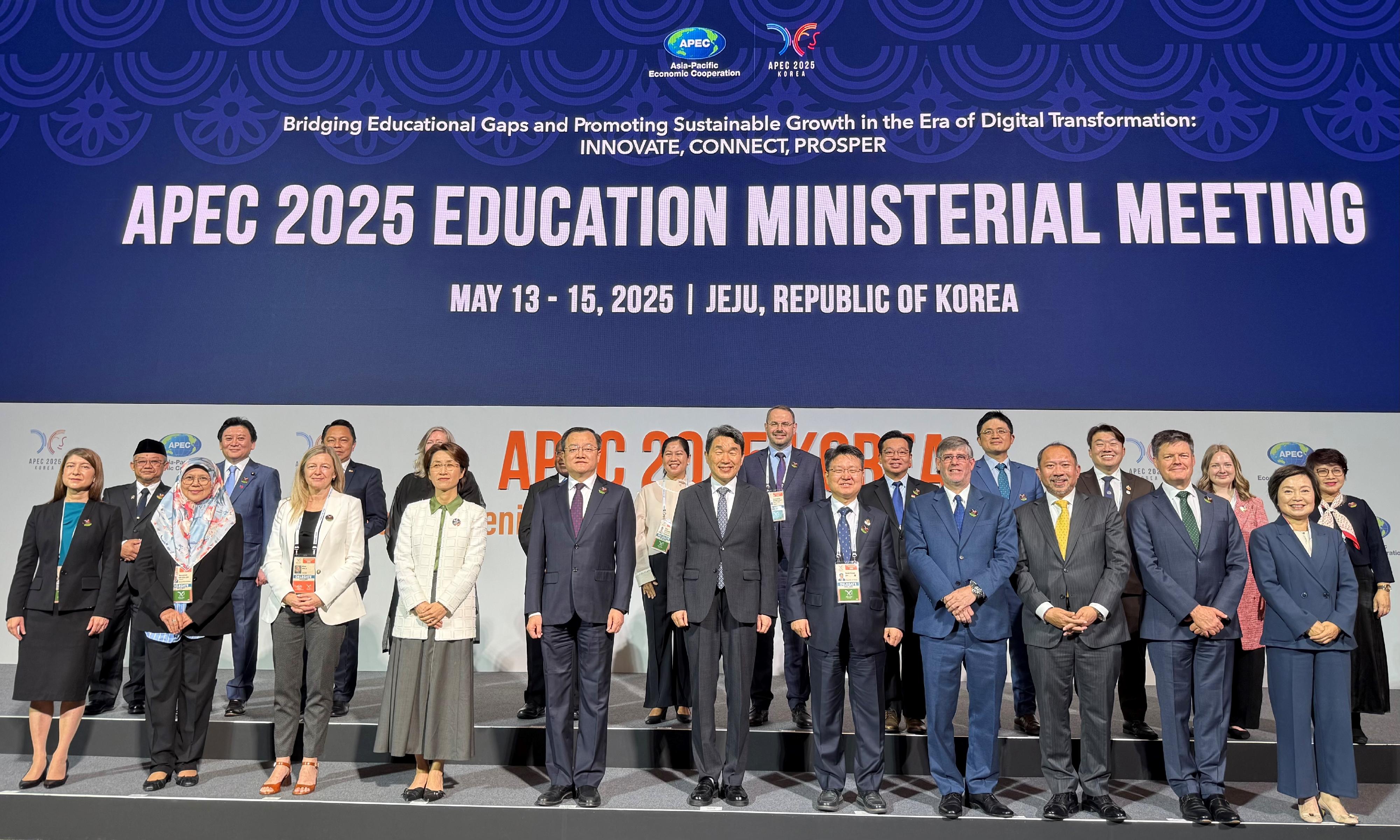
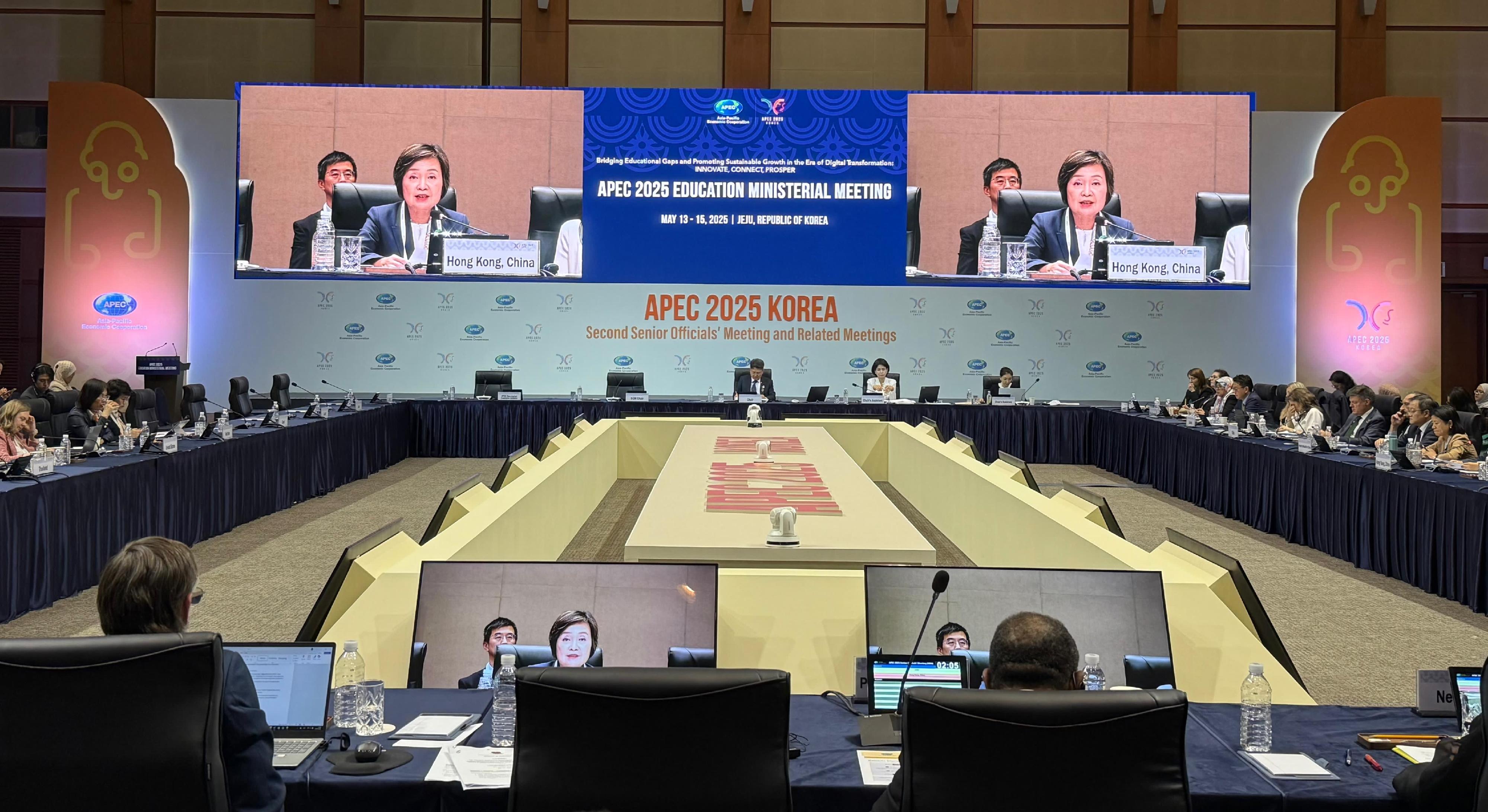
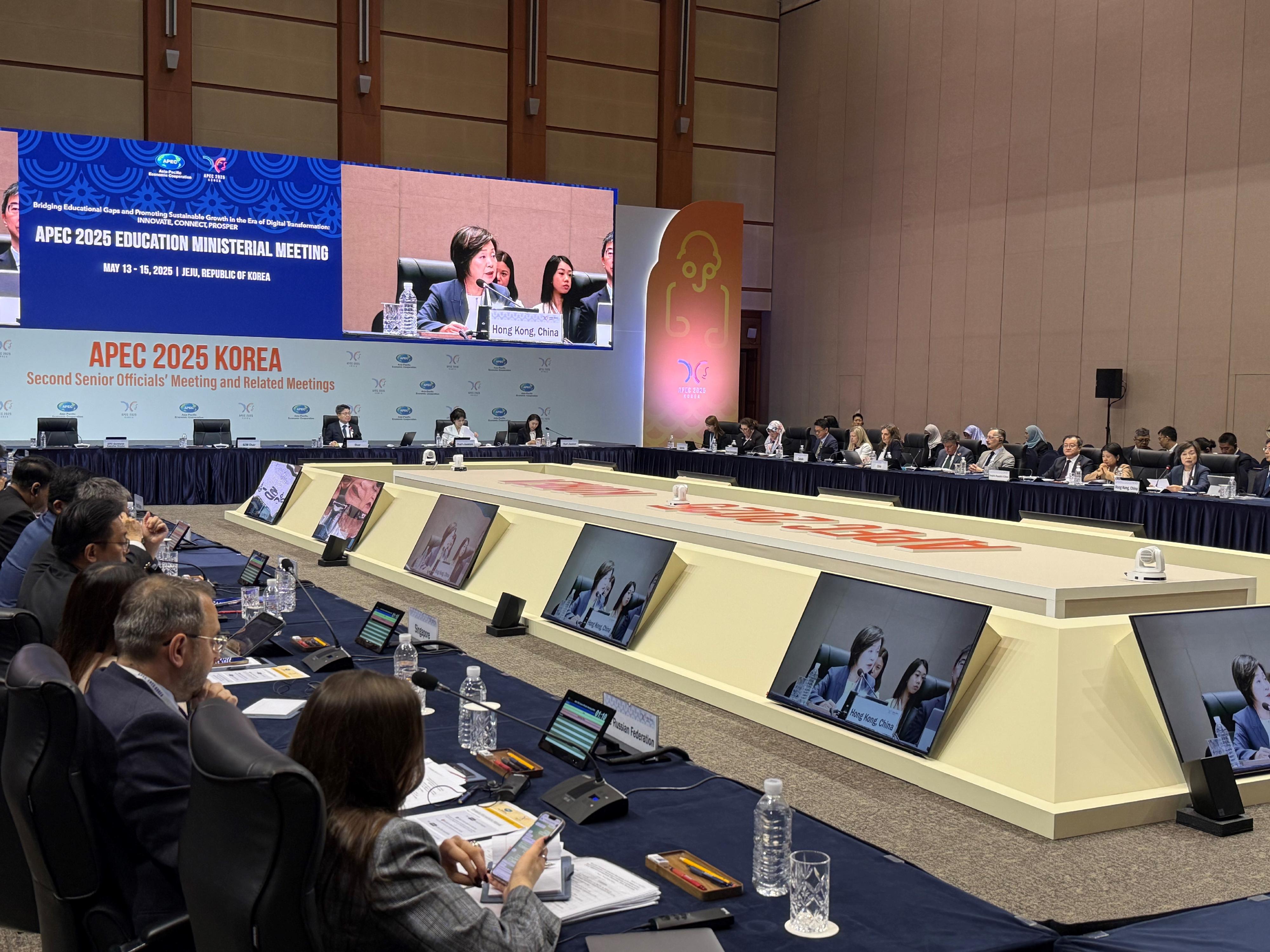
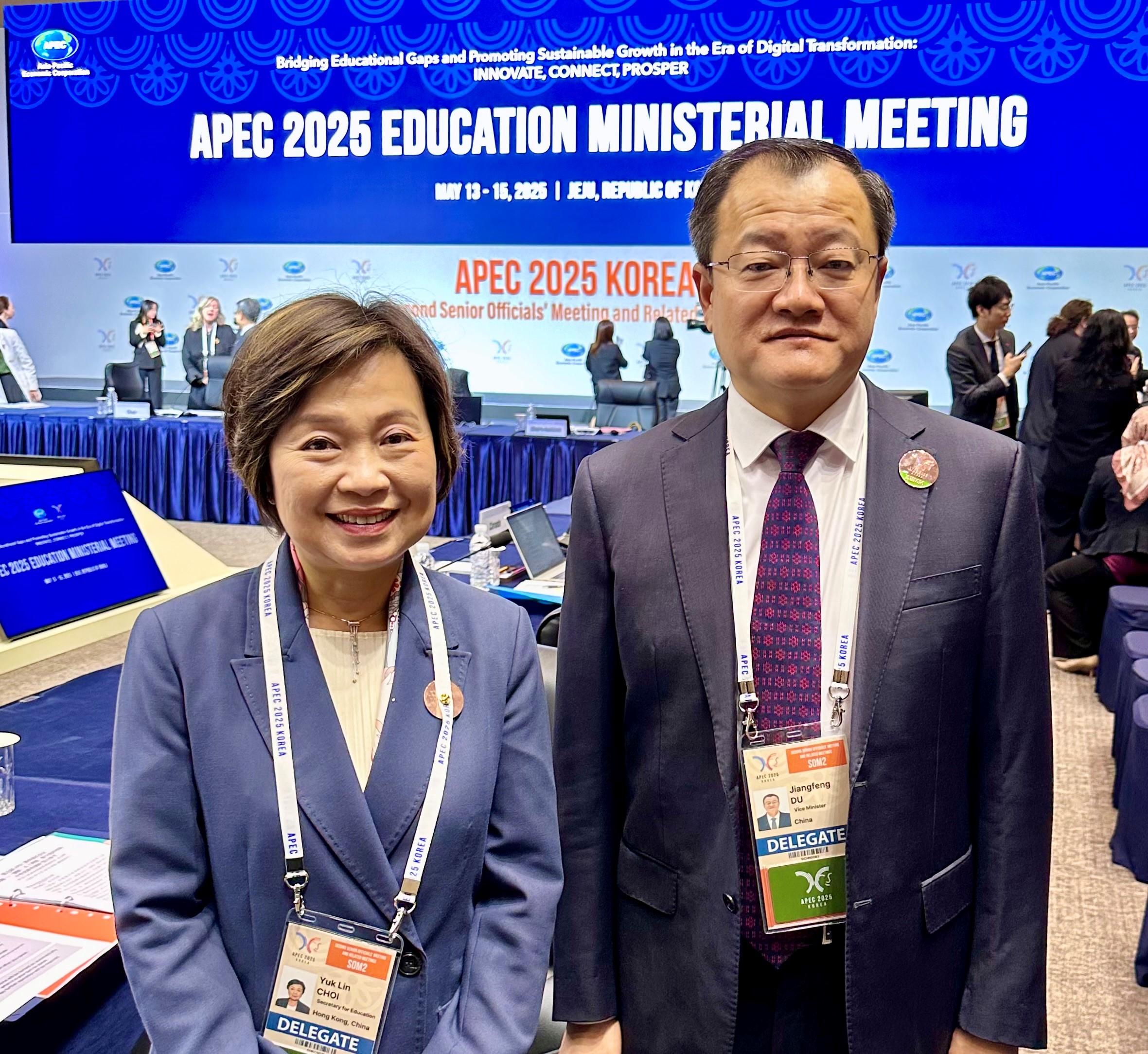
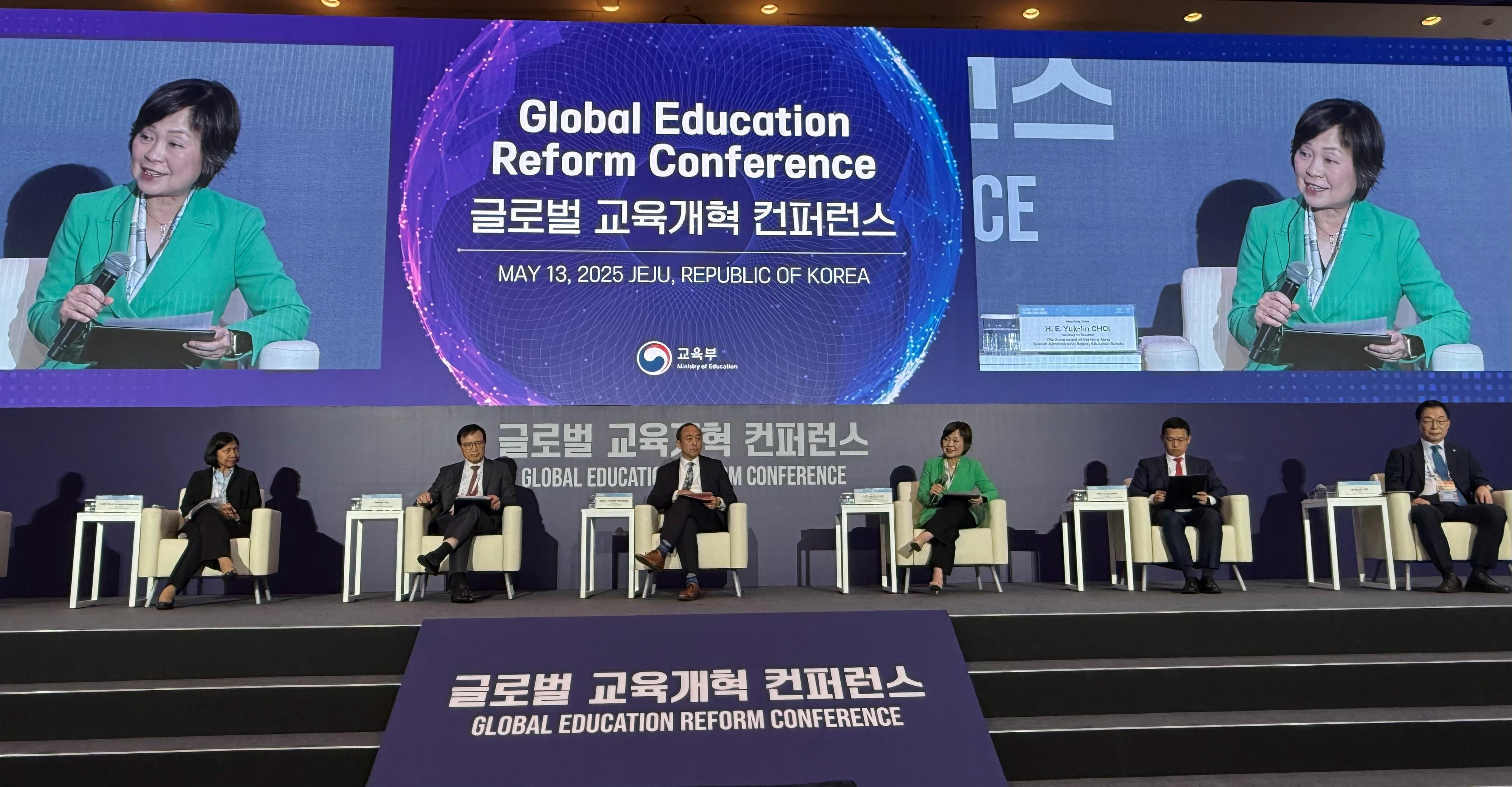
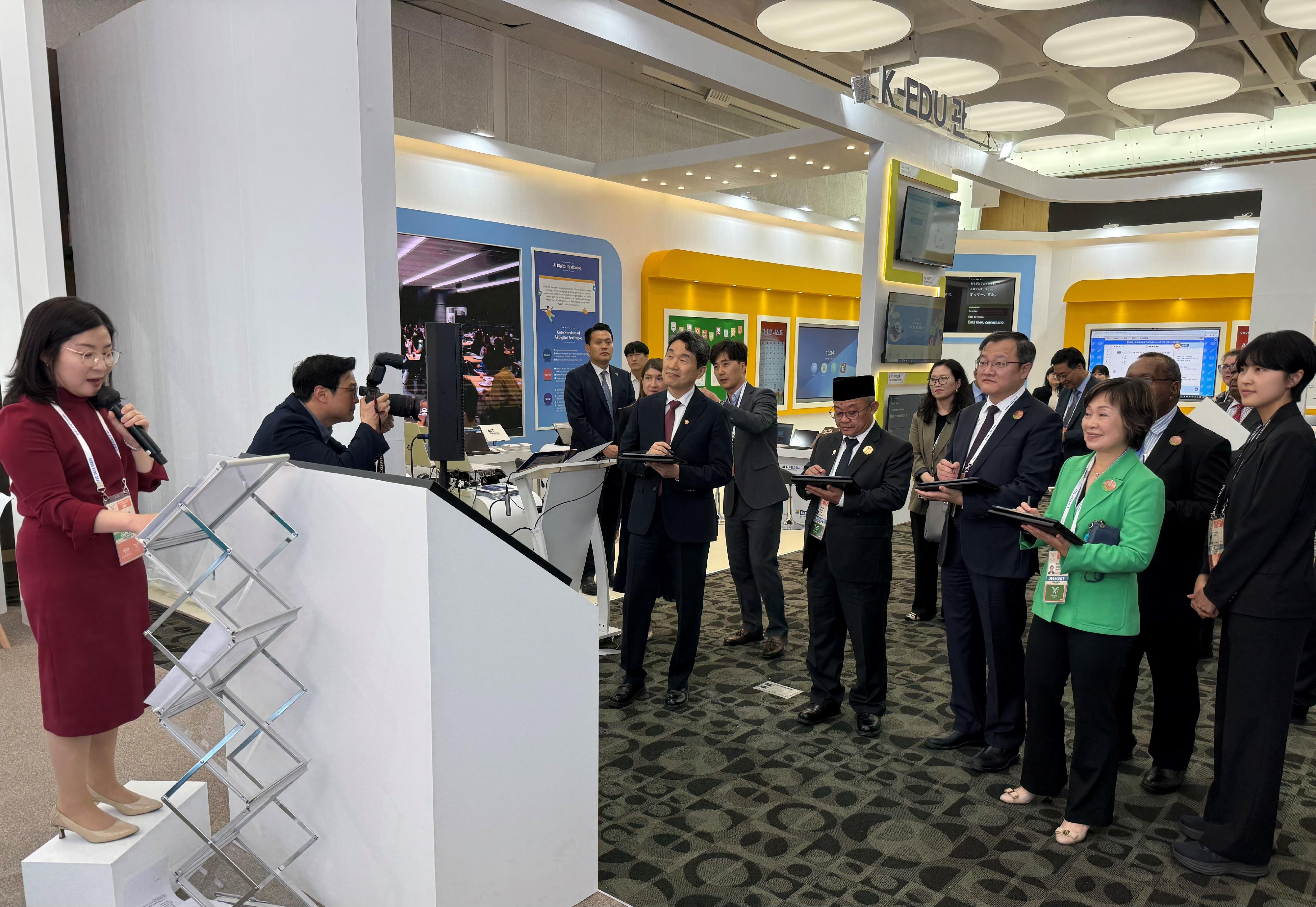
     The Secretary for Education, Dr Choi Yuk-lin, today (May 14) attended the 7th Asia-Pacific Economic Cooperation (APEC) Education Ministerial Meeting (AEMM) in Jeju, Korea. Under this year's theme, Bridging Educational Gaps and Promoting Sustainable Growth in the Era of Digital Transformation, Dr Choi exchanged views with education ministers of the APEC economies and introduced the advantages of Hong Kong's education system.
 
     Speaking at the thematic session AI·Digital Transformation and Personalized Education Innovation, Dr Choi said that the Hong Kong Special Administrative Region (HKSAR) Government has established the Steering Committee on Strategic Development of Digital Education to gather collective wisdom and insights on promoting digital transformation of school education. Also, the Education Bureau (EDB) provides subsidies for students in need, ensuring that all students have equal opportunities in their access to e-learning. The EDB invests in e-learning platforms and has launched curricula on innovation and technology, and coding education for junior secondary and upper primary students to boost their digital literacy and skills.
 
     Moreover, the EDB endeavours to enhance teachers' competencies in using AI to assist in teaching. In addition to professional development programmes, the EDB organises Mainland study tours and a large-scale learning and teaching expo to keep teachers abreast of the latest developments in e-learning and the application of AI in teaching. The EDB has also launched the Digital Education Centre of Excellence Scheme to provide on-site support for schools to share teaching practices on e-learning.
 
     At the thematic session on Educational Cooperation and Expanding Access to Opportunities, Dr Choi said that Hong Kong is committed to developing into an international post-secondary education hub and a cradle for talent. Five publicly funded universities in Hong Kong rank among the world's top 100. All top four spots in the ranking of the world's most international universities published by the Times Higher Education in 2025 were also claimed by Hong Kong publicly funded universities.
 
     The HKSAR Government has doubled the enrolment ceiling for non-local students at publicly funded universities from 20 per cent to 40 per cent. It has also established a scholarship fund to subsidise students from Belt and Road countries or regions to study in Hong Kong, and support local students to participate in global learning activities.
 
     Speaking at the thematic session Strengthening Quality Education and Sustainable Economic Growth, Dr Choi said that Hong Kong's education system provides all students with high-quality education, thereby fostering social mobility. The EDB encourages schools to adopt the Whole School Approach in supporting students with special educational needs, and provides schools with additional resources, professional support and teacher training to promote an inclusive learning environment.
 
     At the closing of the 7th AEMM, the participating ministers issued a joint declaration. The meeting recognised the importance of education in addressing global challenges such as bridging digital divides. They also emphasised the need to enhance digital and AI competencies of educators, and called for collaborative efforts to promote appropriate integration of AI in education.
 
     Yesterday (May 13), Dr Choi met the Acting President, Deputy Prime Minister and Minister of Education of Korea, Dr Lee Ju-ho, and education ministers of other APEC economies to engage in exchanges on education policies. She also delivered a speech at the APEC Global Education Reform Conference to share Hong Kong's practical experience in information technology education and development as an international post-secondary education hub. On the same day, she met the Vice Minister of Education of Korea, Dr Oh Seok-hwan, to exchange views on strengthening education collaboration between Korea and Hong Kong.
 
    Dr Choi will continue her visit to Korea tomorrow (May 15).

Photo  Photo  Photo  Photo  Photo  Photo  Photo