Alert issued on fake HKPF websites

     The Hong Kong Police Force (HKPF) alerted members of the public today (August 14) that there were four fraudulent websites purportedly to be the HKPF website.

     The websites provide English version only and seek to deceive the public by offering three fake services, namely Case Status, Launch Case and Officer Directory,  in order to obtain from the public their personal data or criminal information, such as names, dates of birth, addresses and phone numbers, etc.

     The four fraudulent websites purportedly to be the HKPF website are set out below:

1. https://96o.1ss5623.com
2. https://joshhyoung.icu
3. https://amylfraser.xyz
4. https://tiaflowe.icu

     The HKPF clarifies that the Force has no connection with the fraudulent websites. The case is being investigated and followed up, including taking down the fraudulent websites, by the Cyber Security and Technology Crime Bureau.  

     The genuine website of the HKPF is https://www.police.gov.hk.

     Members of the public should stay alert and should not visit suspicious websites or disclose any personal information. Anyone who has provided personal information to any of the websites concerned should report to the Police as soon as possible.
Effective Exchange Rate Index

     The effective exchange rate index for the Hong Kong dollar on Wednesday, August 14, 2024 is 104.8 (down 0.3 against yesterday's index).


SED continues visit to Shanghai with LegCo Panel on Education (with photos)

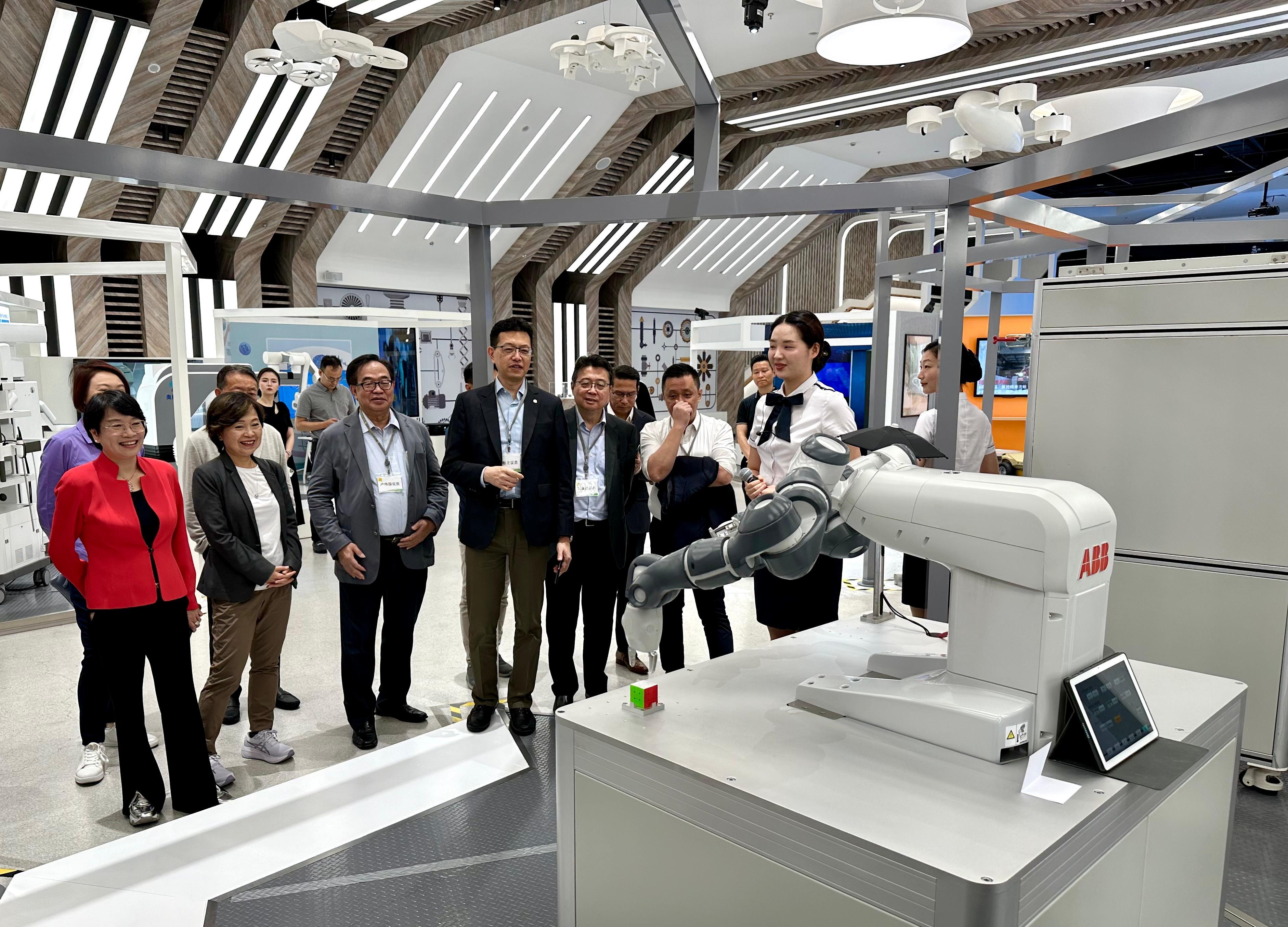
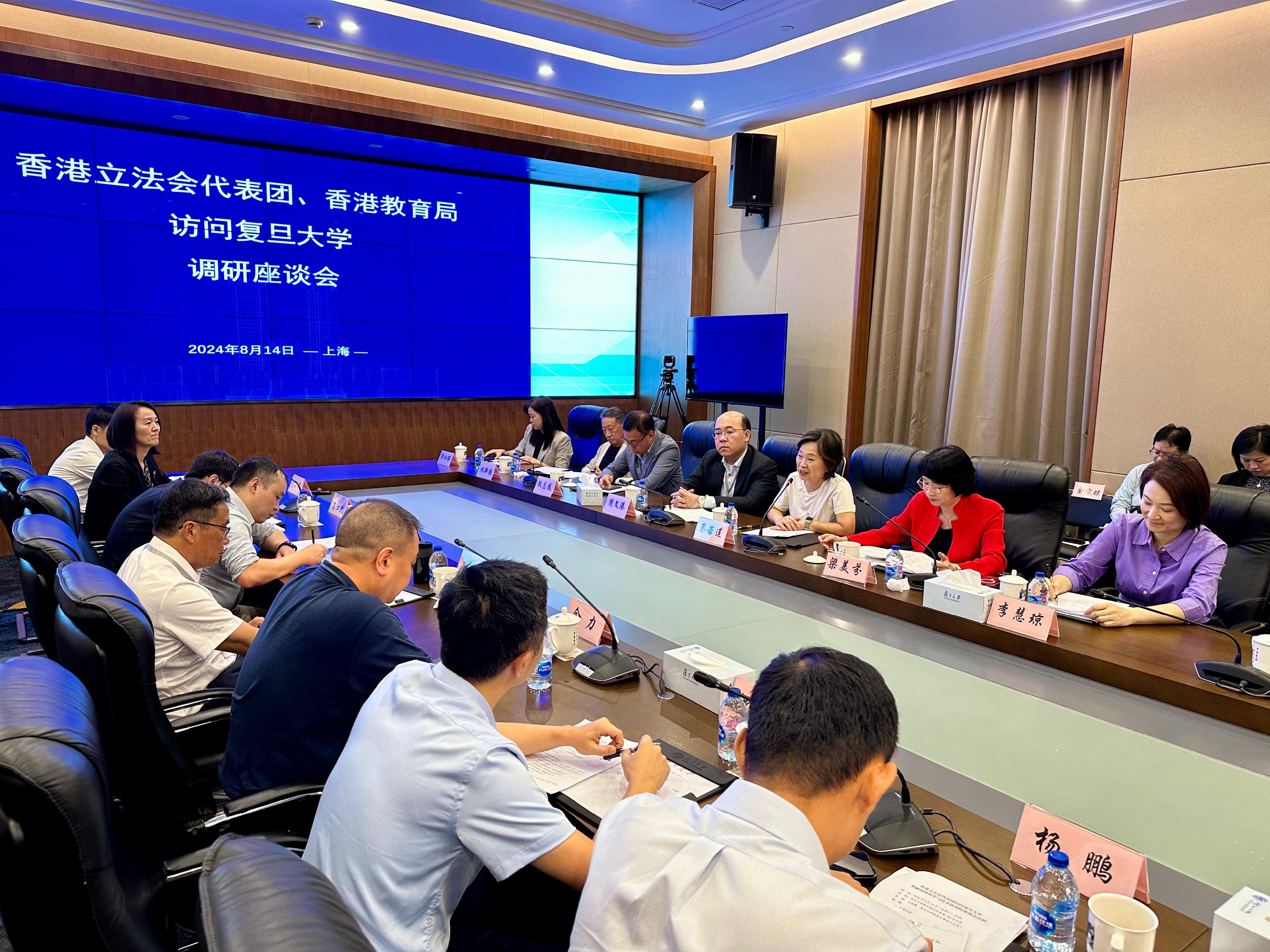
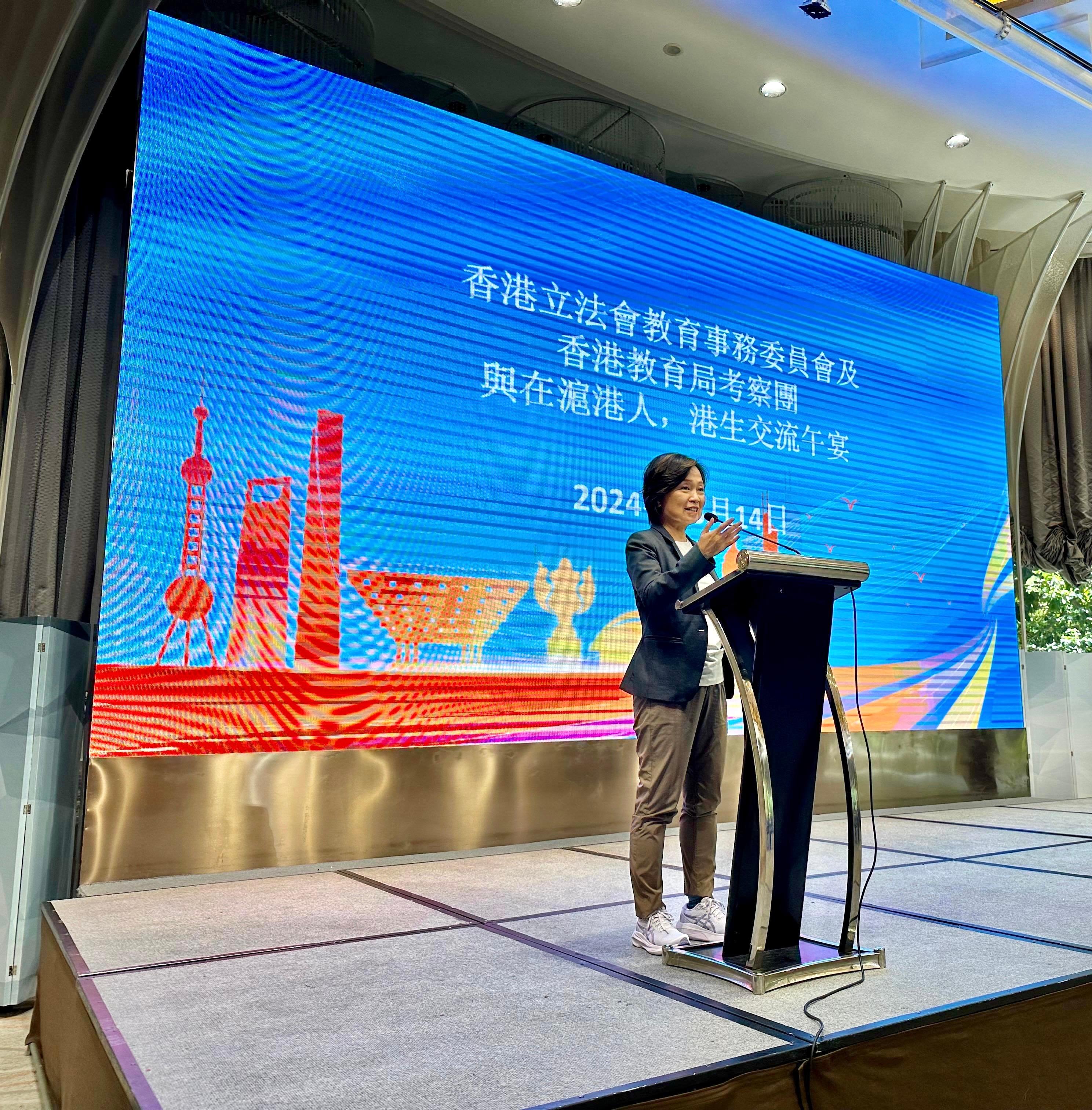
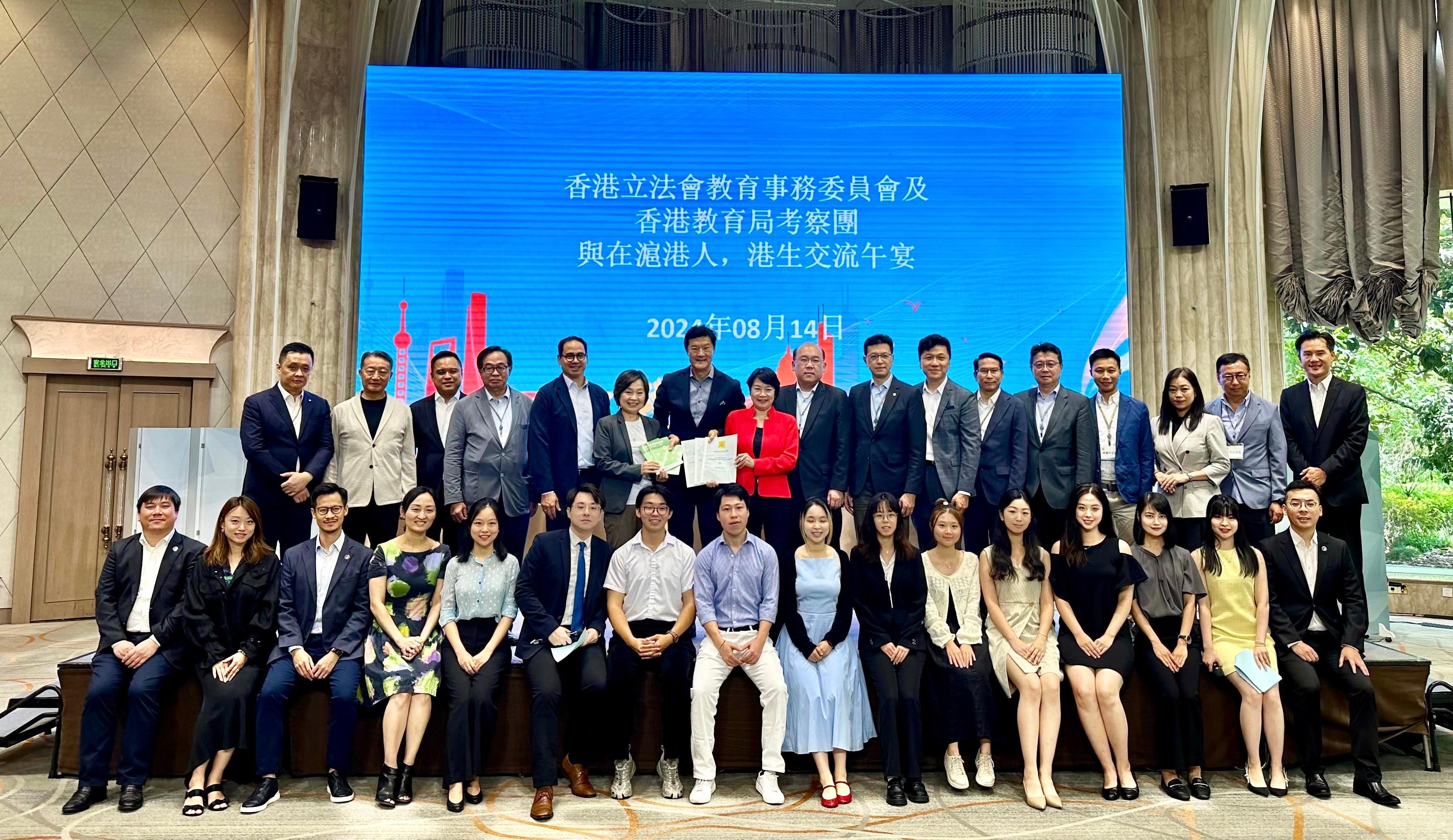
     The Secretary for Education, Dr Choi Yuk-lin, together with the Legislative Council Panel on Education delegation, today (August 14) continued their visit to Shanghai. They toured a local university and a local innovation hub, and exchanged views with Hong Kong youths there.
 
     This morning, Dr Choi and the delegation visited the Zhangjiang AI (Artificial Intelligence) Robot Valley, an innovation hub, to learn about the latest developments and achievements of the innovation and technology (I&T) industry in Shanghai. Dr Choi said that the Hong Kong Special Administrative Region Government is committed to supporting universities in undertaking academic research in different areas, providing assistance through various subsidy schemes. In recent years, universities have been taking forward I&T research and nurturing talent. Their work included increasing the numbers of relevant programmes and places, organising diversified activities such as study tours to scientific research institutions, and encouraging students to join start-ups to enrich their experiences.
 
     She said that for primary and secondary schools, the Education Bureau further promotes STEAM (science, technology, engineering, arts and mathematics) education through various ongoing support strategies, including renewing the school curriculum, strengthening teachers' professional development, providing resources and assistance for schools, and further nurturing students with STEAM potential.
 
     Later, they visited the Institute of Science and Technology for Brain-inspired Intelligence of Fudan University to learn about its work on AI education. They also met its leadership to exchange views on boosting higher education co-operation between Shanghai and Hong Kong.
 
     In addition, Dr Choi and the delegation met Hong Kong youngsters studying or working in Shanghai to learn about their studies and career development there. She also shared Hong Kong's latest developments with them.
 
     Dr Choi concluded her visit and returned to Hong Kong this afternoon.

Photo  Photo  Photo  Photo  


Cluster of Candida auris cases in Hong Kong Buddhist Hospital

The following is issued on behalf of the Hospital Authority:

The spokesperson for Hong Kong Buddhist Hospital (HKBH) made the following announcement today (August 14):
 
     An 89-year-old male patient in a medicine & geriatrics ward of HKBH was confirmed to be a carrier of Candida auris on August 9 without signs of infection. The patient has passed away due to his underlying disease. In accordance with the prevailing guidelines, HKBH has conducted contact tracing and found one more patient, a 90-year-old male in the same ward, carrying Candida auris without signs of infection. The patient is now being treated in isolation in Kowloon Hospital with stable condition.
 
     The ward concerned has adopted the following enhanced infection control measures:
 

  1. Enhanced patient and environmental screening procedures;
  2. Application of stringent contact precautions and enhanced hand hygiene of staff and patients; and
  3. Thorough cleaning and disinfection of the ward concerned.

 
     The hospital will continue the enhanced infection control measures and closely monitor the situation of the ward concerned. The cases have been reported to the Hospital Authority Head Office and the Centre for Health Protection for necessary follow-up.


Inspection of aquatic products imported from Japan

     In response to the Japanese Government's plan to discharge nuclear-contaminated water at the Fukushima Nuclear Power Station, the Director of Food and Environmental Hygiene issued a Food Safety Order which prohibits all aquatic products, sea salt and seaweeds originating from the 10 metropolis/prefectures, namely Tokyo, Fukushima, Ibaraki, Miyagi, Chiba, Gunma, Tochigi, Niigata, Nagano and Saitama, from being imported into and supplied in Hong Kong.
 
     For other Japanese aquatic products, sea salt and seaweeds that are not prohibited from being imported into Hong Kong, the Centre for Food Safety (CFS) of the Food and Environmental Hygiene Department will conduct comprehensive radiological tests to verify that the radiation levels of these products do not exceed the guideline levels before they are allowed to be supplied in the market.
 
     As the discharge of nuclear-contaminated water is unprecedented and will continue for 30 years or more, the Government will closely monitor and step up the testing arrangements. Should anomalies be detected, the Government does not preclude further tightening the scope of the import ban.
 
     From noon on August 13 to noon today (August 14), the CFS conducted tests on the radiological levels of 265 food samples imported from Japan, which were of the "aquatic and related products, seaweeds and sea salt" category. No sample was found to have exceeded the safety limit. Details can be found on the CFS's thematic website titled "Control Measures on Foods Imported from Japan" (www.cfs.gov.hk/english/programme/programme_rafs/programme_rafs_fc_01_30_Nuclear_Event_and_Food_Safety.html).

     In parallel, the Agriculture, Fisheries and Conservation Department (AFCD) has also tested 50 samples of local catch for radiological levels. All the samples passed the tests. Details can be found on the AFCD's website (www.afcd.gov.hk/english/fisheries/Radiological_testing/Radiological_Test.html).
 
     The Hong Kong Observatory (HKO) has also enhanced the environmental monitoring of the local waters. No anomaly has been detected so far. For details, please refer to the HKO's website
(www.hko.gov.hk/en/radiation/monitoring/seawater.html).
 
     From August 24 to noon today, the CFS and the AFCD have conducted tests on the radiological levels of 76 337 samples of food imported from Japan (including 49 038 samples of aquatic and related products, seaweeds and sea salt) and 17 698 samples of local catch respectively. All the samples passed the tests.