CAS Cadet Corps National Education Exchange Programme Sharing Forum 2024 and C&SD Technical Talk held today (with photos)

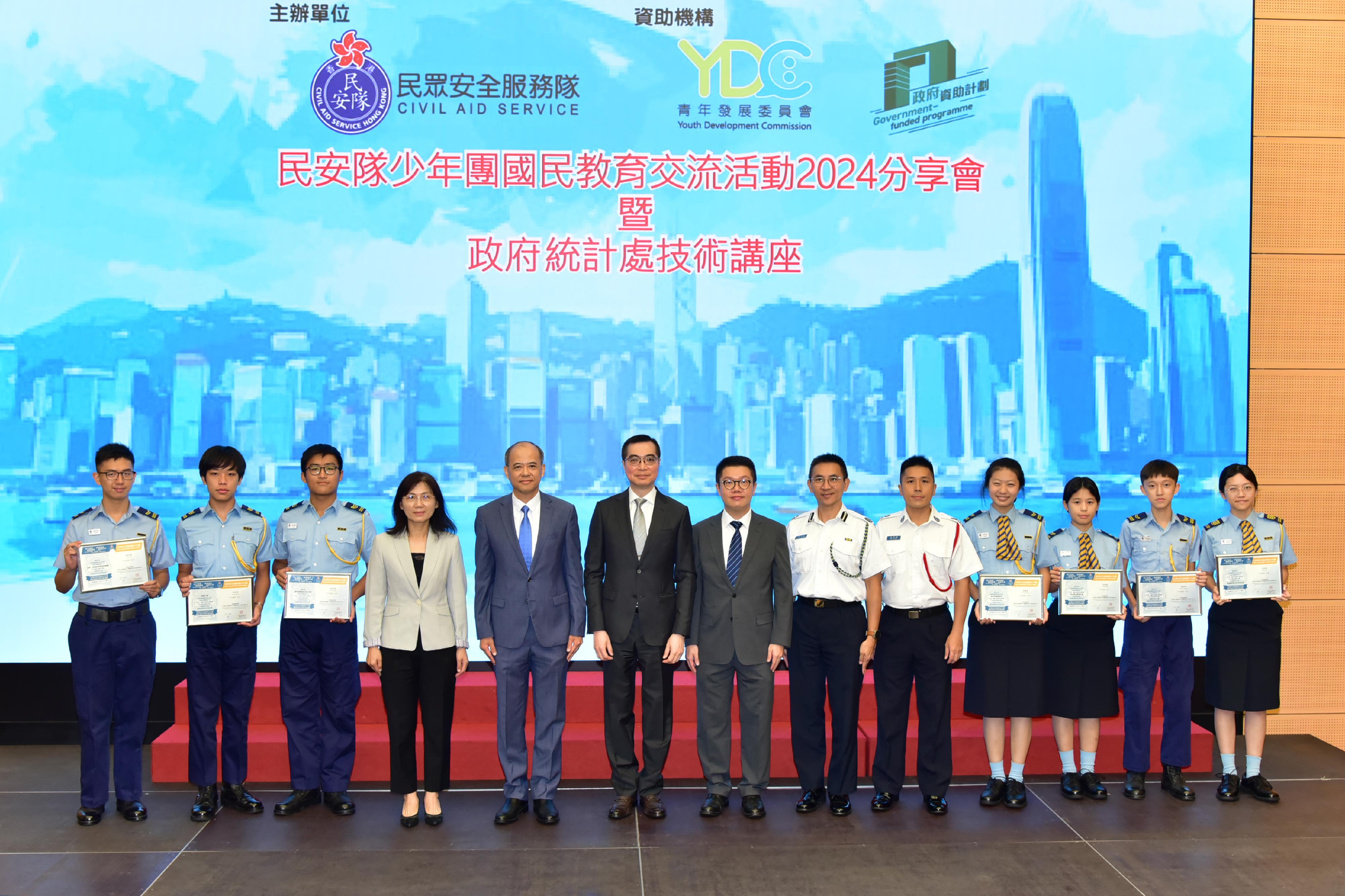
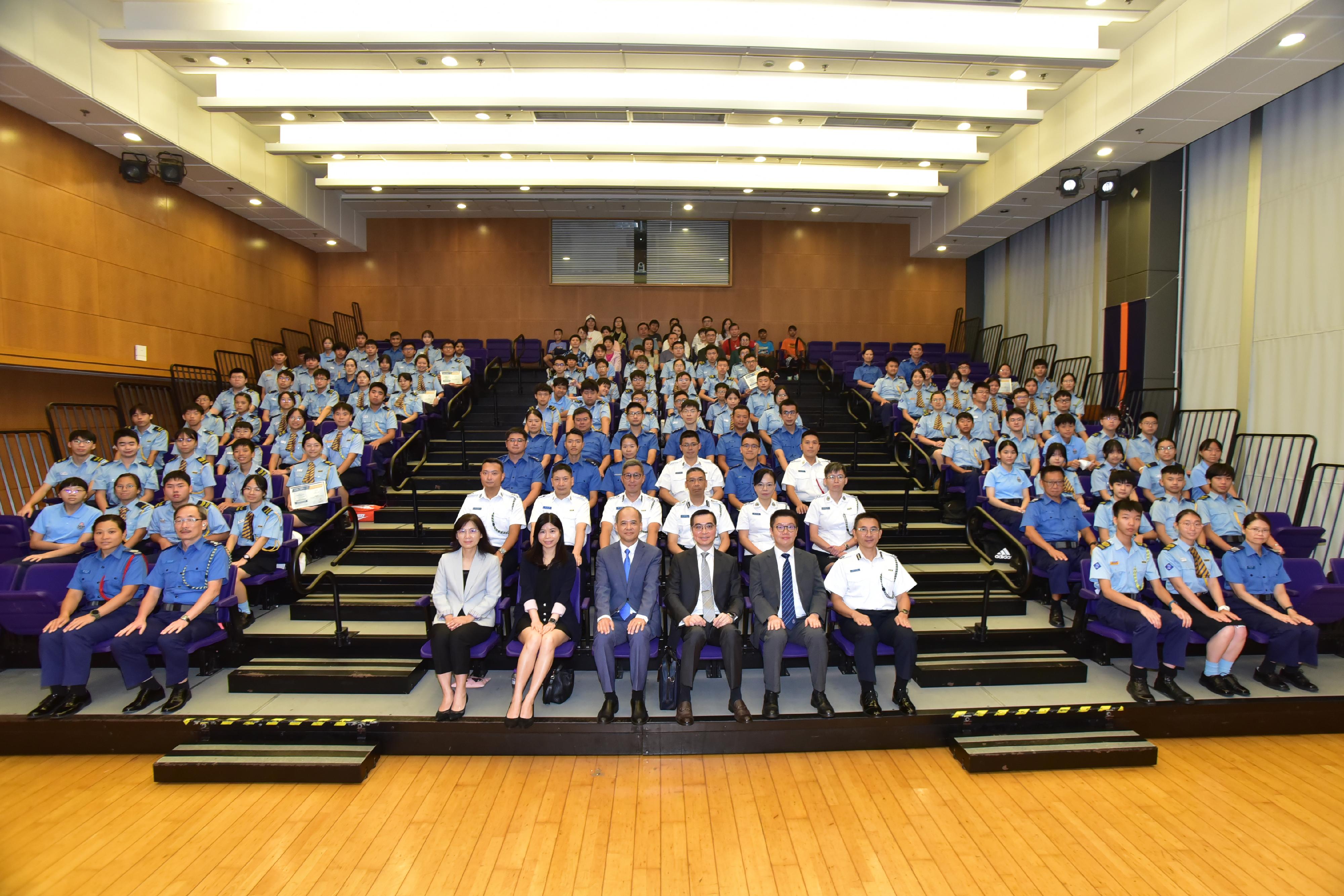
     â€‹The Civil Aid Service (CAS) Cadet Corps National Education Exchange Programme Sharing Forum 2024 and Census and Statistics Department (C&SD) Technical Talk was held at the CAS Headquarters today (August 24). The event was officiated by the Commissioner for Census and Statistics, Mr Leo Yu.
      
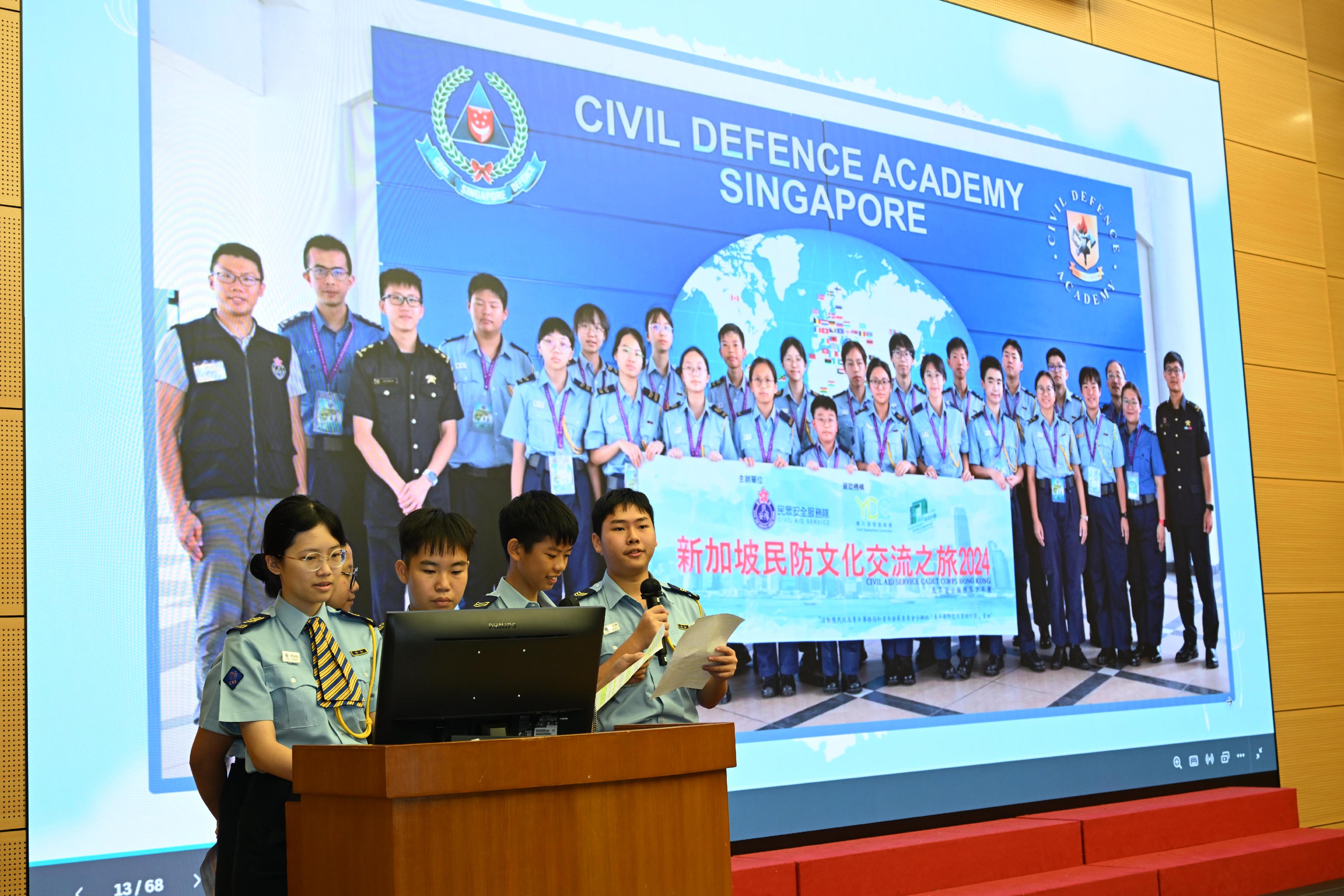
     The CAS Cadet Corps organised and participated in seven national education exchange programmes this year. More than 150 cadets joined the exchange programmes and visited Guangdong-Hong Kong-Macao Greater Bay Area cities such as Zhongshan, Foshan and Macao; other Mainland cities such as Beijing, Xian and Ningxia; and Singapore, a Belt and Road country. At the Sharing Forum, the participating cadets said that visiting the Mainland, Macao and a Belt and Road country allowed them to learn about China's development and history, which broadened their horizons and enhanced their sense of national identity.
      
     Addressing the Sharing Forum and presenting a prize to the cadet with the best performance in the national education exchange programmes this year, Mr Yu said he was pleased to see that the CAS Cadet Corps organised diverse national education exchange programmes to help cadets broaden their horizons, learn about the country's development and history, and enhance their sense of national identity through travelling. He added that the exchange programmes also built team spirit, leadership skills and social responsibility among cadets. He encouraged cadets to keep up their passion and perseverance in learning to contribute to society and the country in the future.
      
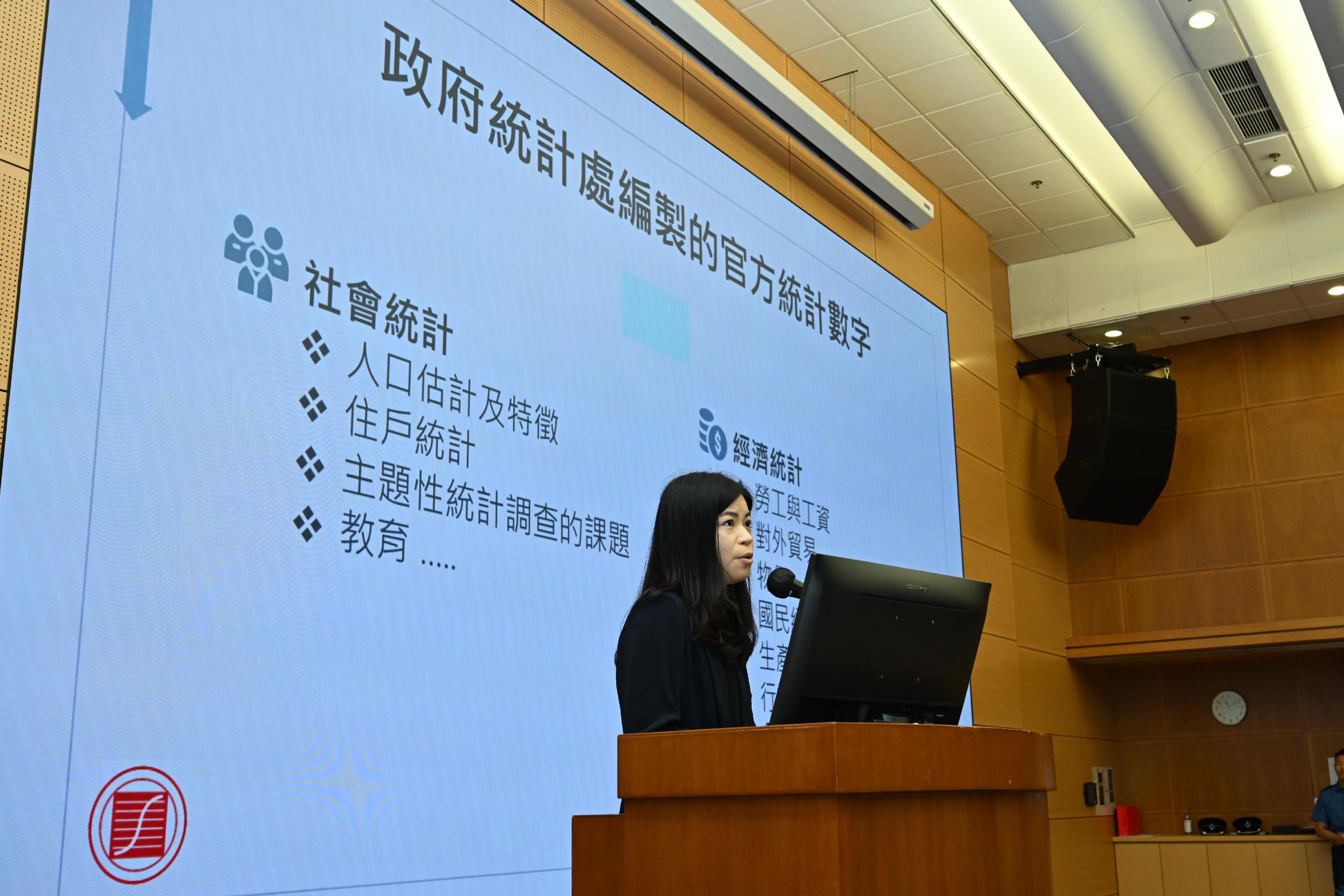
     Statistician of C&SD Miss May Ng gave a technical talk on the application of new technologies in official statistical work at the CAS Headquarters on the same day. Miss Ng introduced the subject in an easy-to-understand manner to help cadets understand the functions and importance of statistical work. The informative talk enhanced cadets’ understanding of government statistical work and aroused their interest in statistical work, which will be beneficial to their future studies and careers.
      
     Recruitment of CAS cadets is ongoing throughout the year. Application details and forms are available on the CAS website (www.cas.gov.hk).
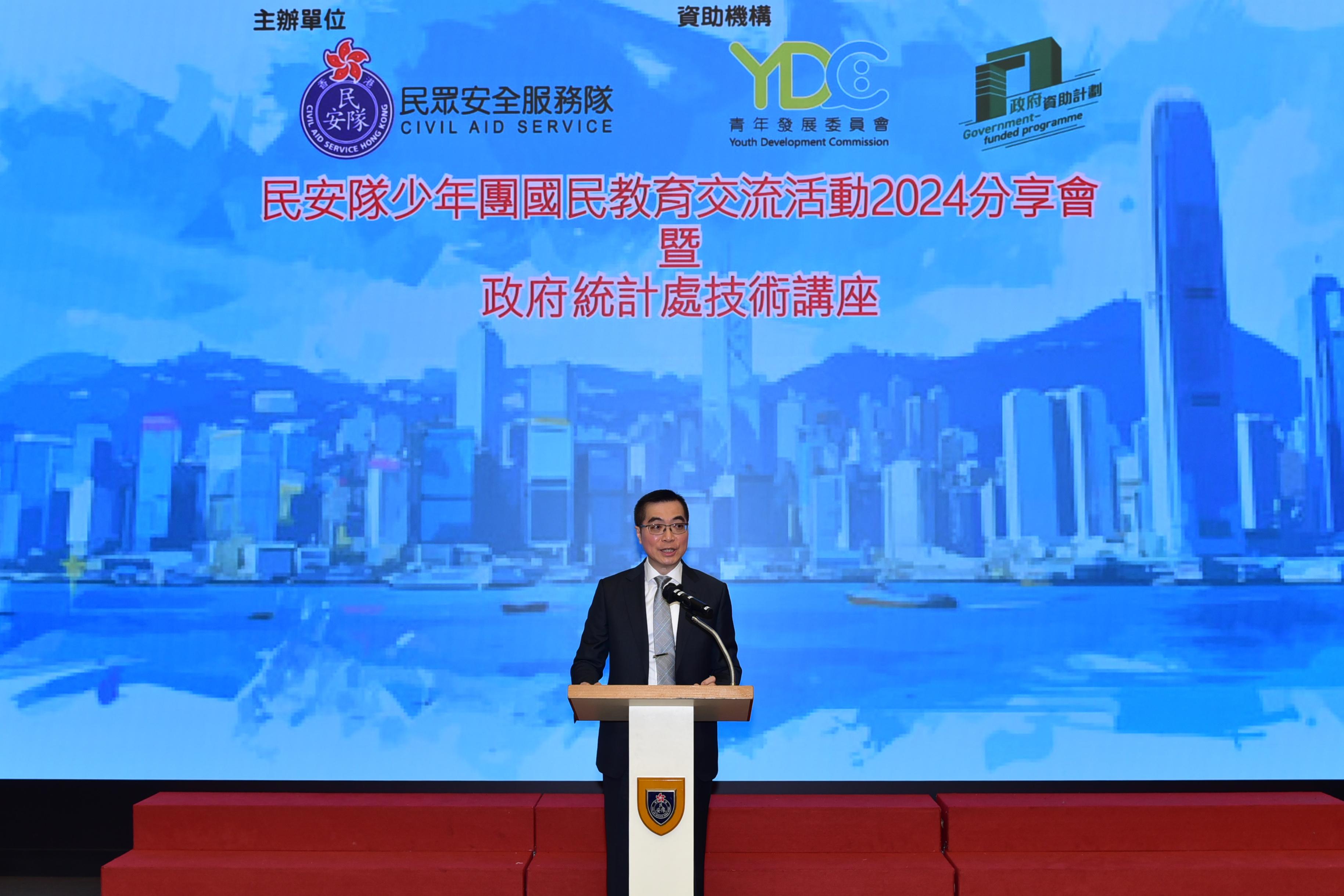
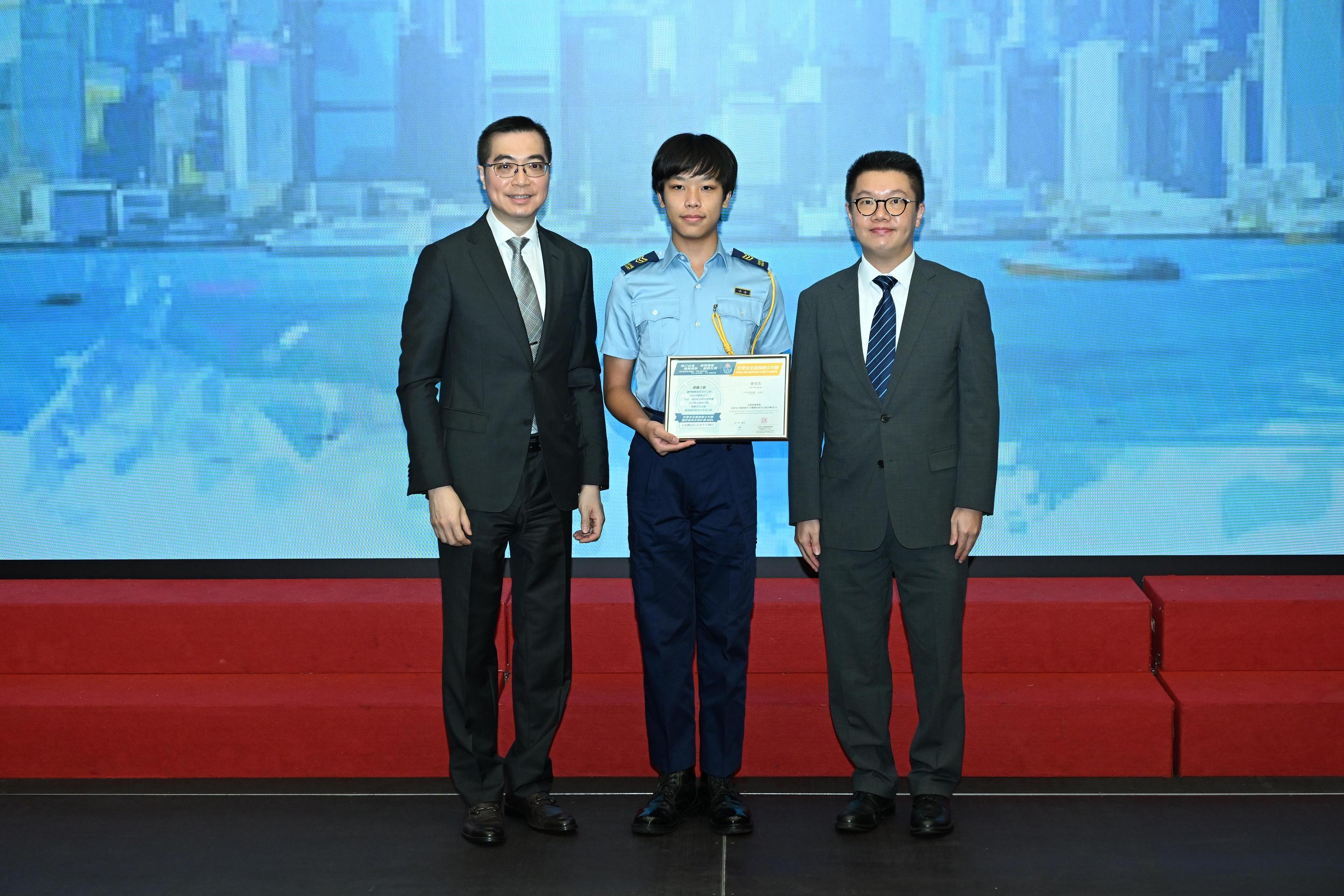
Photo  Photo  Photo  Photo  Photo  Photo  


LD reminds employers and employees to take heat stroke preventive measures in times of Heat Stress at Work Warning

     â€‹As the Heat Stress at Work Warning is now in effect, the Labour Department (LD) reminds employers and employees to take appropriate measures during the effective period of the warning to prevent heat stroke when working in hot weather or hot environments.
      
     Employees who work outdoors or in non-air-conditioned indoor environments face high levels of heat stress and are at a relatively higher risk of heat stroke. Employers should assess the risk factors of heat stress for employees at work and, based on the identified risk factors, take necessary preventive and control measures, including rescheduling work periods, setting up shading covers, providing ventilation and heat dissipation equipment, and reminding employees to replenish water and rest in a timely manner.
      
     The Heat Stress at Work Warning is formulated by the LD based on the Hong Kong Heat Index. There are three levels of the warning: Amber, Red and Black, which help employers and employees better understand the level of heat stress while working outdoors or indoors without air-conditioning systems.
      
     A spokesman for the LD said that when the department issues the Heat Stress at Work Warning, employers must refer to the criteria and recommendations provided in the "Guidance Notes on Prevention of Heat Stroke at Work" to conduct risk assessments, according to the workloads and other relevant heat stress risk factors, for employees who work outdoors or in non-air-conditioned indoor workplaces. Appropriate rest breaks should be arranged every hour, as far as reasonably practicable, based on various levels of the Heat Stress at Work Warning, to reduce employees' risk of heat stroke.
      
     Employees must also follow instructions to rest on time. Whenever there are any symptoms of heat-related illnesses, such as headache, dizziness, thirst, and nausea, they should rest in a cool and shady place, drink water, and inform employers/supervisors to take appropriate action immediately.
      
     The LD issued the "Guidance Notes on Prevention of Heat Stroke at Work", detailing the various risk factors that should be considered when conducting heat stress risk assessments and recommending corresponding control measures for identified risk factors for employers' and employees' reference. For the Heat Stress at Work Warning and related guidelines, please refer to the department's thematic webpage: www.labour.gov.hk/eng/news/prevention_of_heat_stroke_at_work.htm.


SEE concludes visit to Jiangsu Province (with photos)

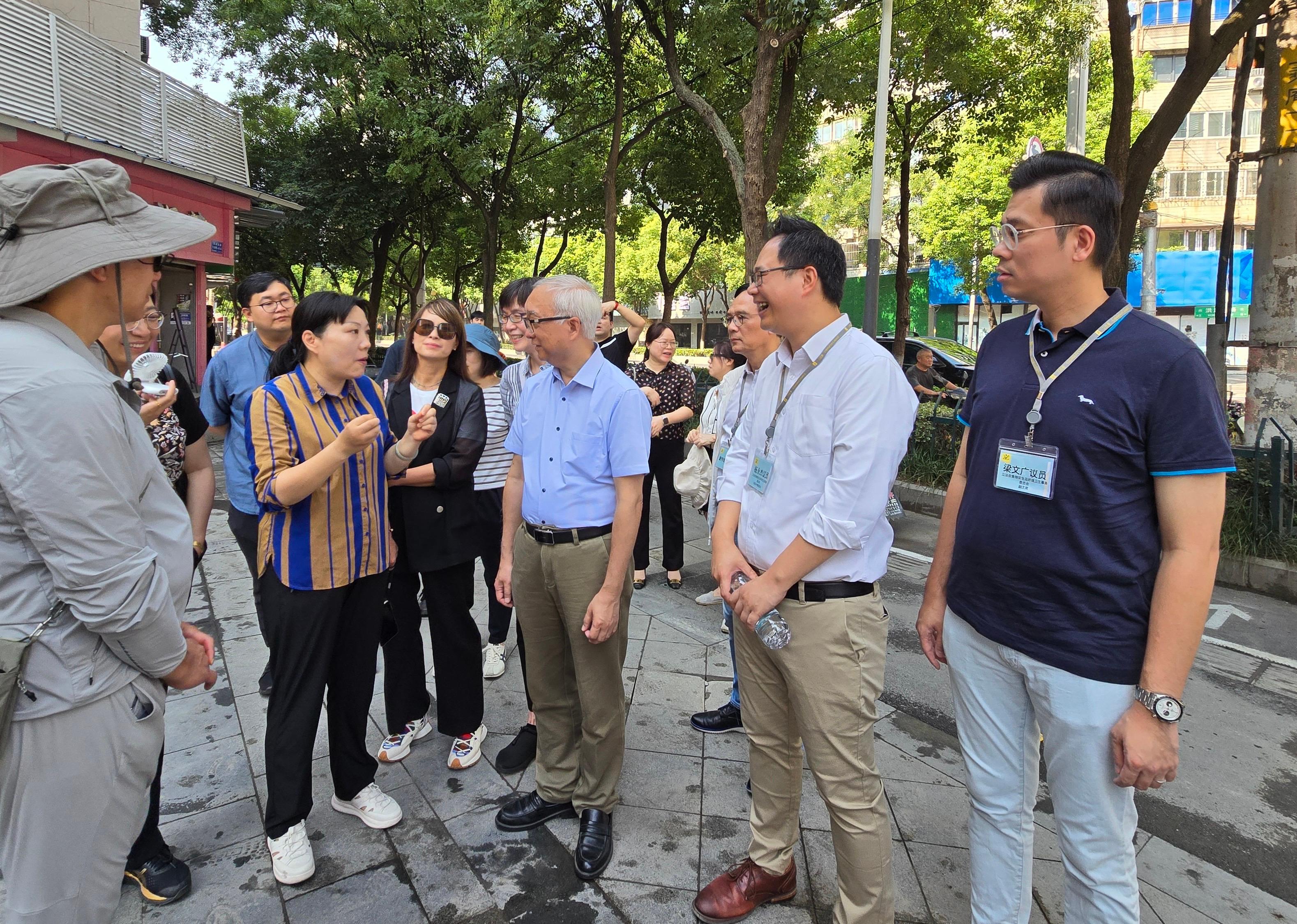
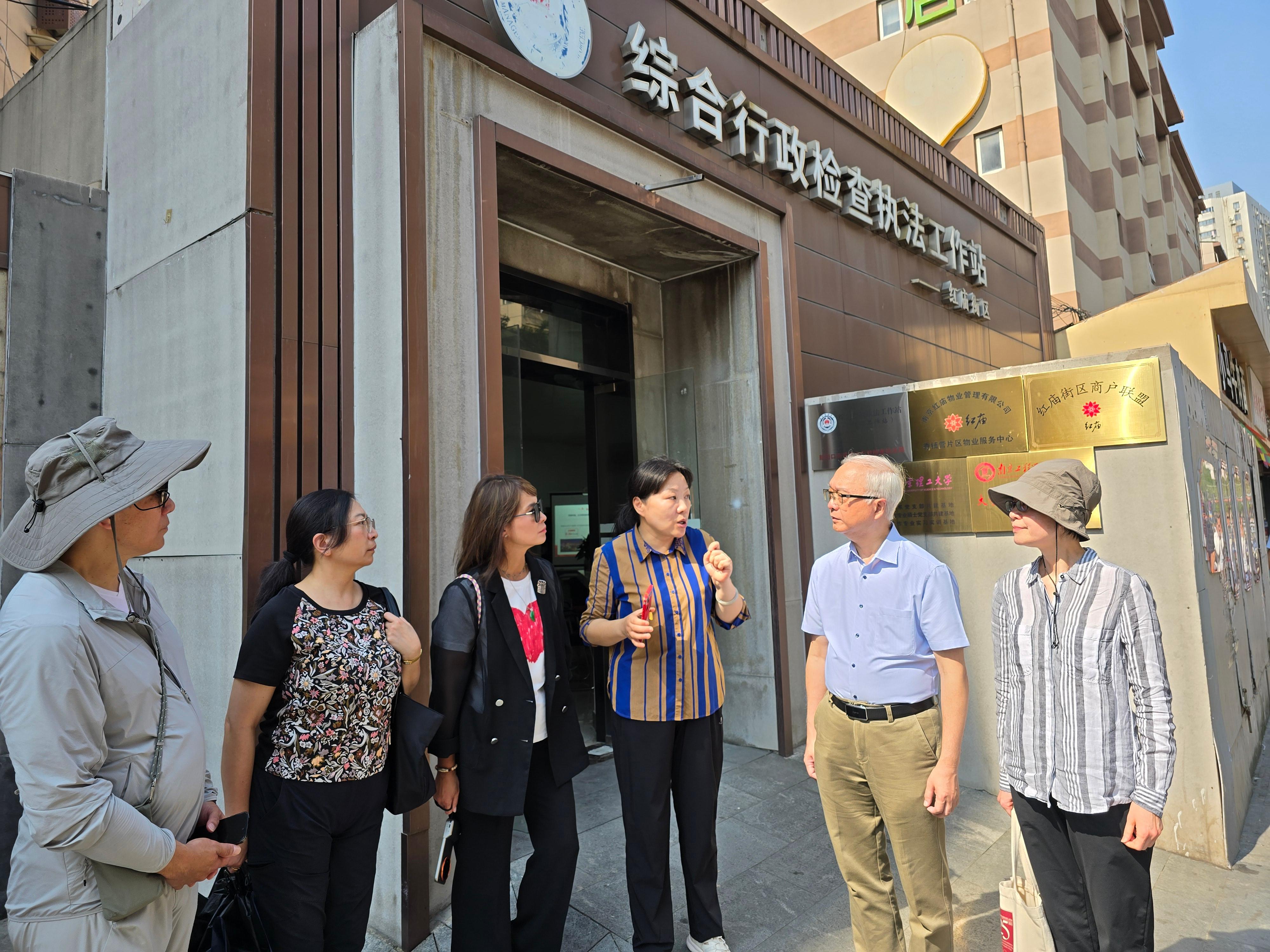
     The Secretary for Environment and Ecology, Mr Tse Chin-wan, together with the Legislative Council Panel on Food Safety and Environmental Hygiene, concluded their visit to Jiangsu Province today (August 24).
 
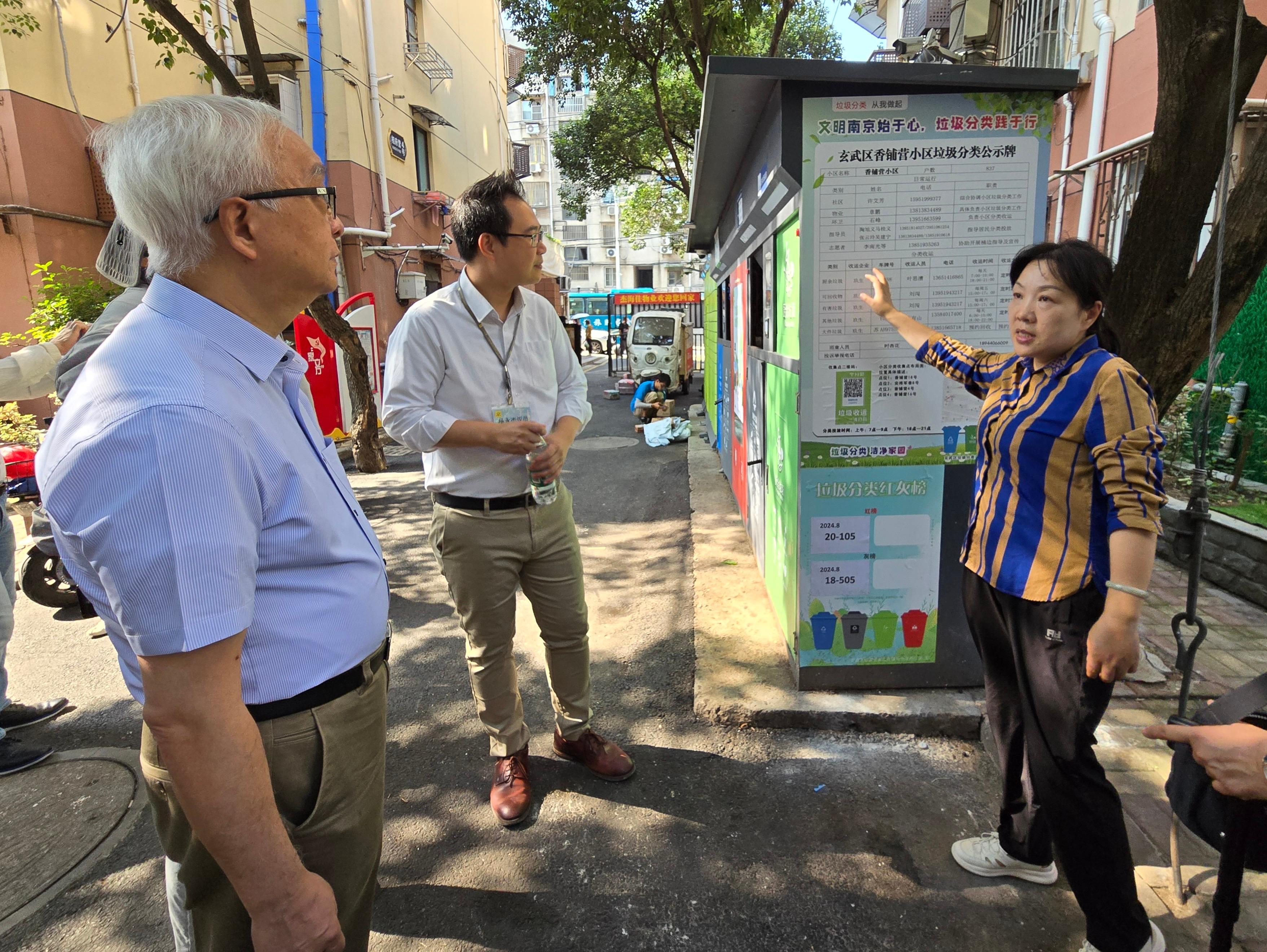
     The delegation visited the Hongmiao area in Xuanwu District of Nanjing in the morning. They learned more about how the urban management and law enforcement team employs an innovative management approach that co-ordinates property management and environmental hygiene personnel to carry out a new model of integrated governance of city blocks. The model tackles violations at source, such as shop front extensions, accumulation of miscellaneous articles and failure in waste-sorting.
 
     Mr Tse remarked that the Hongmiao area is a renowned food street, and the introduction of the new management approach by the urban management and law enforcement team of Xuanwu District has significantly improved the area's environment. He said that the Hong Kong Special Administrative Region Government is actively addressing environmental hygiene issues, aiming to maintain a favourable business environment for the merchants while ensuring environmental hygiene. He expressed his hope that through this visit, experiences could be exchanged on how to maintain a balance between sustaining district vitality, managing pedestrian flow and maintaining environmental hygiene.
 
     The delegation concluded the four-day visit to Jiangsu Province. Mr Tse will arrive in Hong Kong this evening.

Photo  Photo  Photo  


DoH leads delegation to visit Singapore and sign MOU on prevention and control of communicable diseases (with photos)

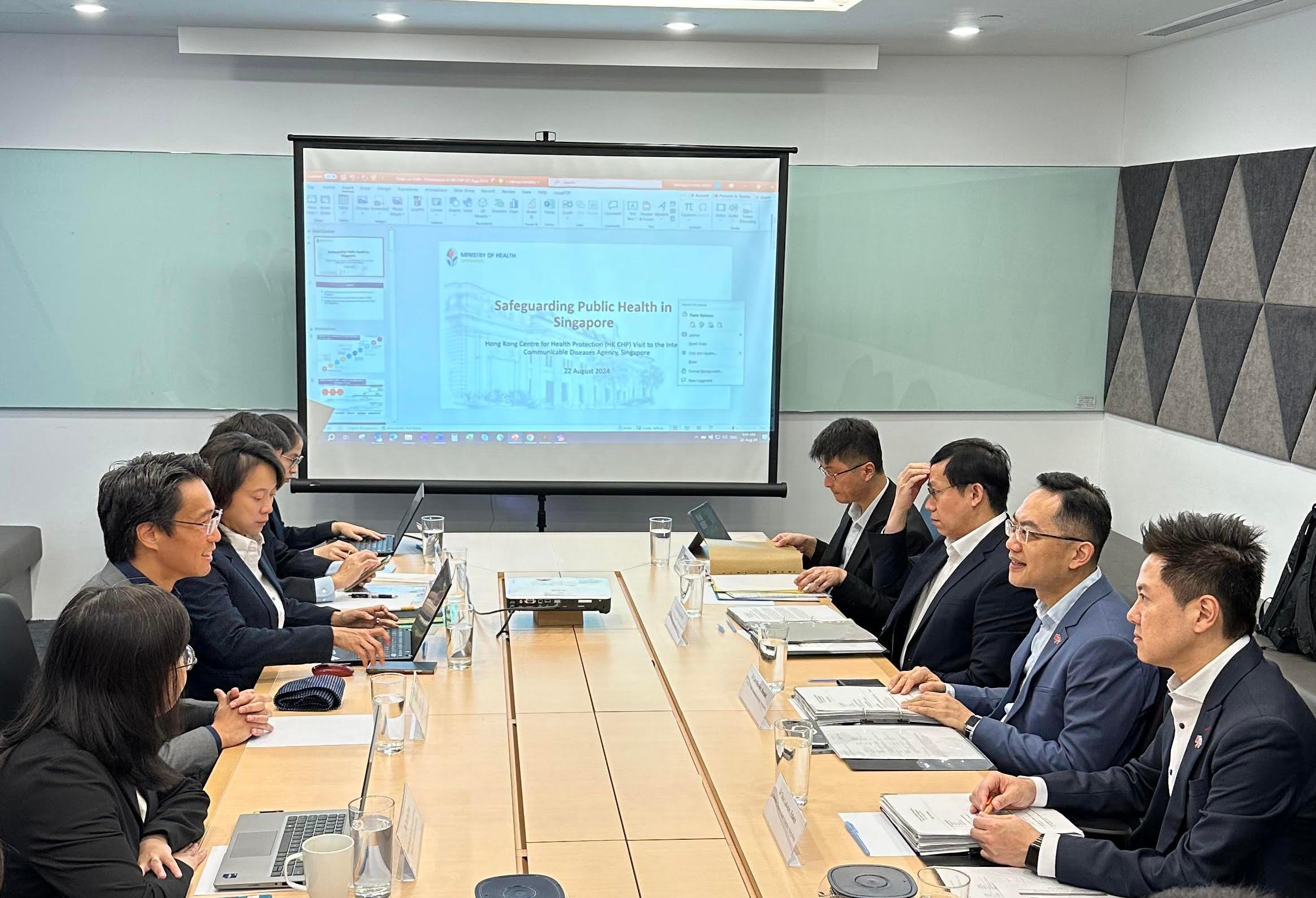
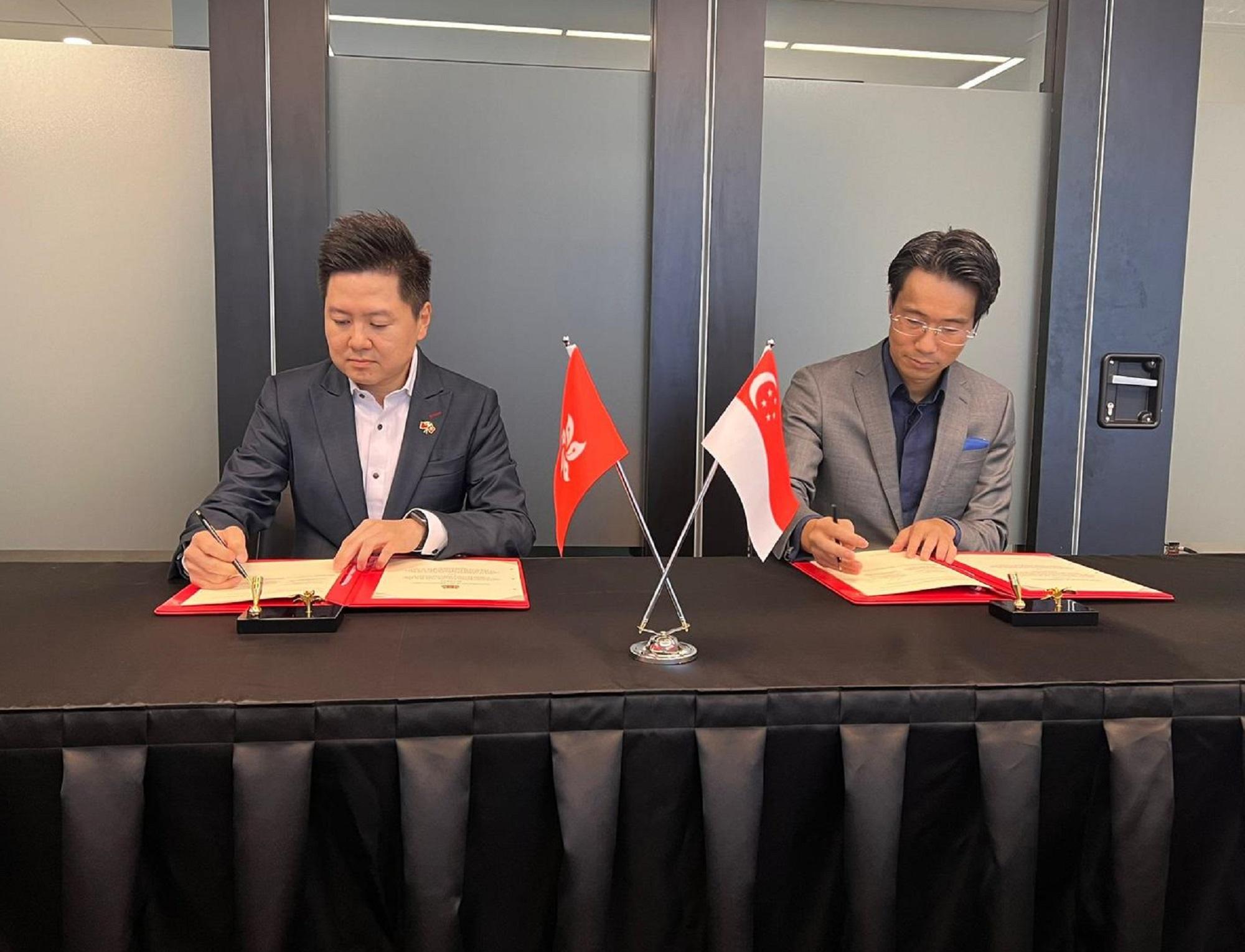
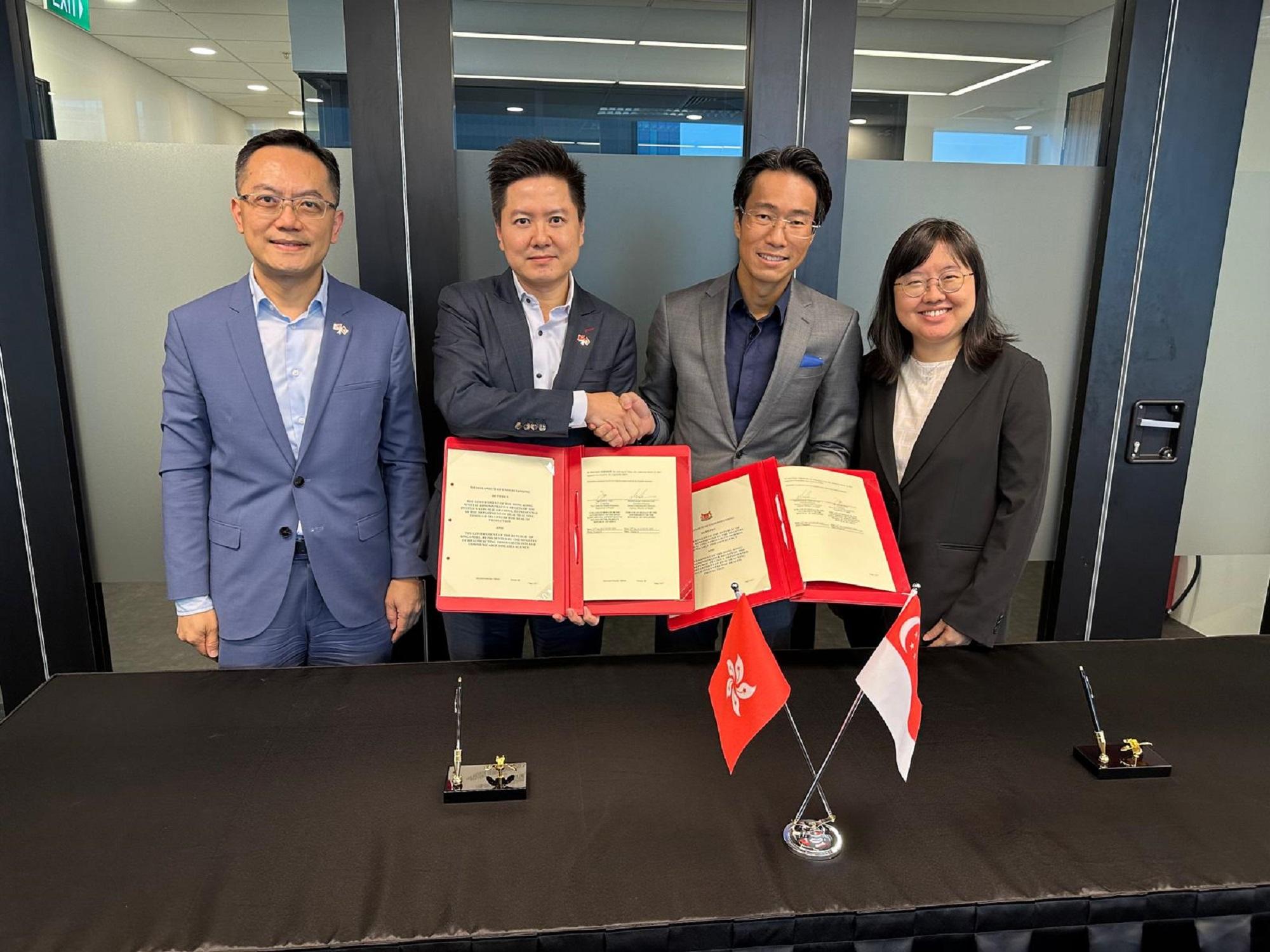
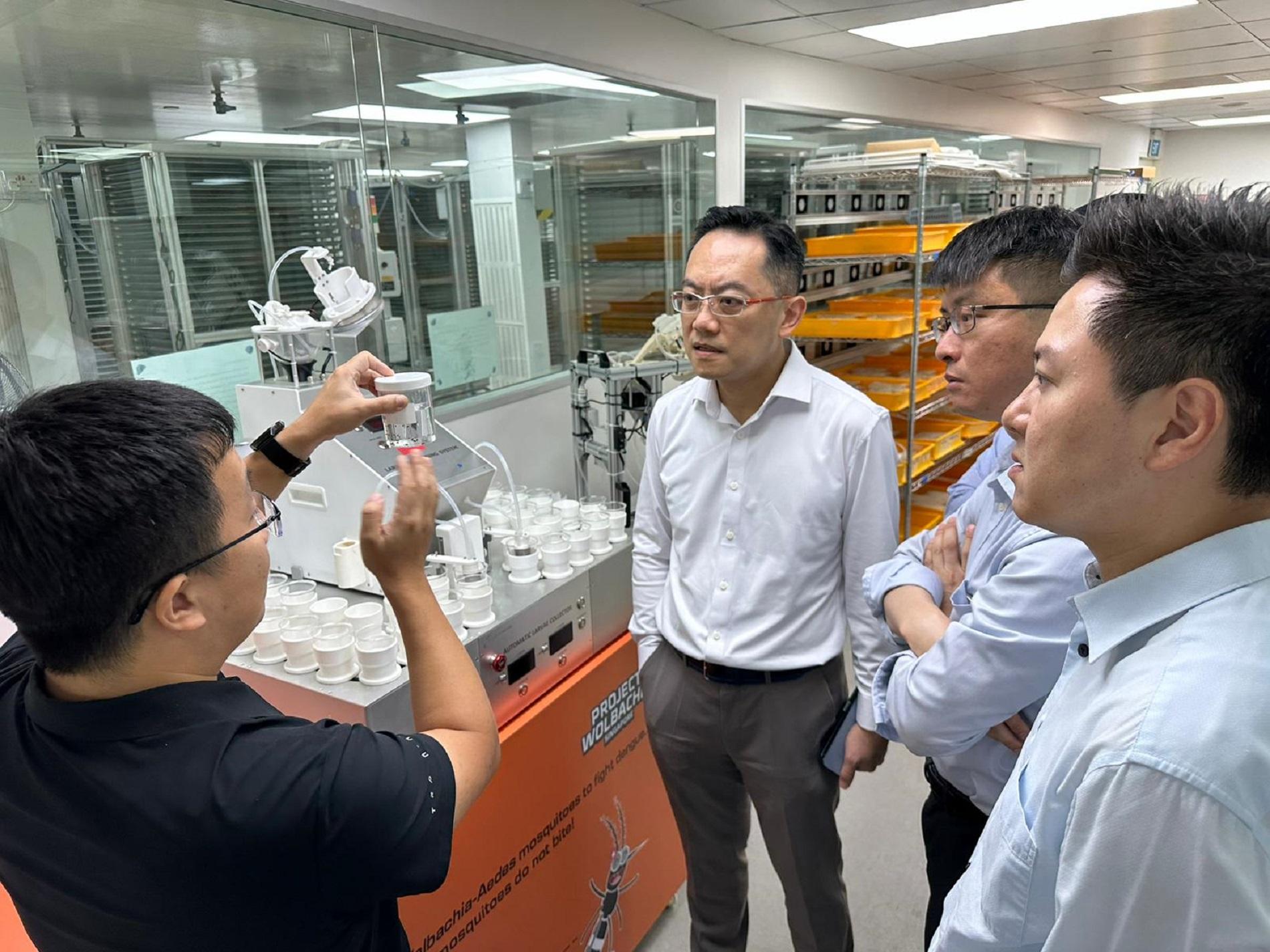
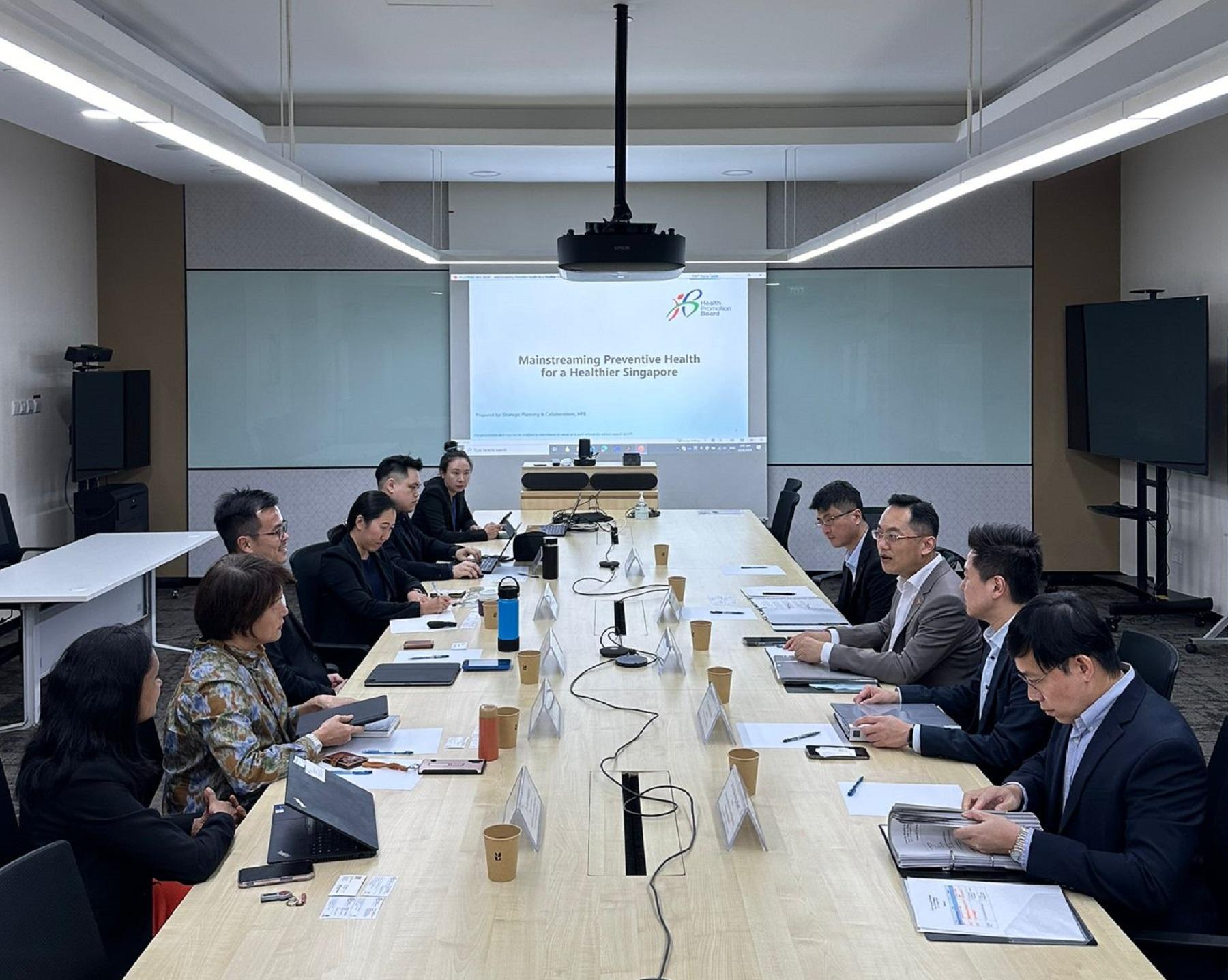
     â€‹At the invitation of the Ministry of Health of Singapore, the Director of Health, Dr Ronald Lam, led a delegation from the Centre for Health Protection (CHP) of the Department of Health (DH) to Singapore and started a three-day visit on August 22. During the visit, the CHP of the DH signed a Memorandum of Understanding (MOU) on the prevention and control of communicable diseases with the interim Communicable Diseases Agency (iCDA) of Singapore. The delegation conducted work exchanges with the Ministry of Health of Singapore, and also visited National Centre for Infectious Diseases, National Environment Agency and Health Promotion Board to reinforce mutual ties and strengthen exchanges and co-operation on public health between the two places.
      
     Dr Lam led the delegation and visited the iCDA on August 22. The Controller of the CHP of the DH, Dr Edwin Tsui, signed an MOU with the Executive Director of the iCDA, Professor Vernon Lee. The MOU aims to enhance co-operation between both sides in communicable diseases prevention, monitoring, epidemiological investigation, and response to infectious diseases with significant public health impacts, as well as in combating antimicrobial resistance actions, research and development, manpower capacity building and training, as well as exchange views on public health emergency response plans and exercises.
      
     The MOU provides a solid foundation for the co-operation between Hong Kong Special Administrative Region (HKSAR) and Singapore. It signifies the strengthened working partnership between the CHP of the DH and international counterparts in the areas of diseases prevention and control, which includes further enhancing communicable diseases information exchanges and experience sharing within the regions.
      
     The DH has long been contributing to global health via various initiatives, including the CHP's Public Health Laboratory Services Branch serving as a designated Reference Laboratory of the World Health Organization to provide confirmatory service and technology transfer.
      
     Speaking at the MOU signing ceremony, Dr Lam said that it marked a significant milestone to formalise partnership between the HKSAR and Singapore through the signing of this MOU. The overarching goal of this MOU is to facilitate and enhance collaboration in areas of mutual interest concerning communicable diseases.
      
     "We eagerly anticipate further synergising our efforts and sharing our best practices to bolster public health protection," Dr Lam said.
      
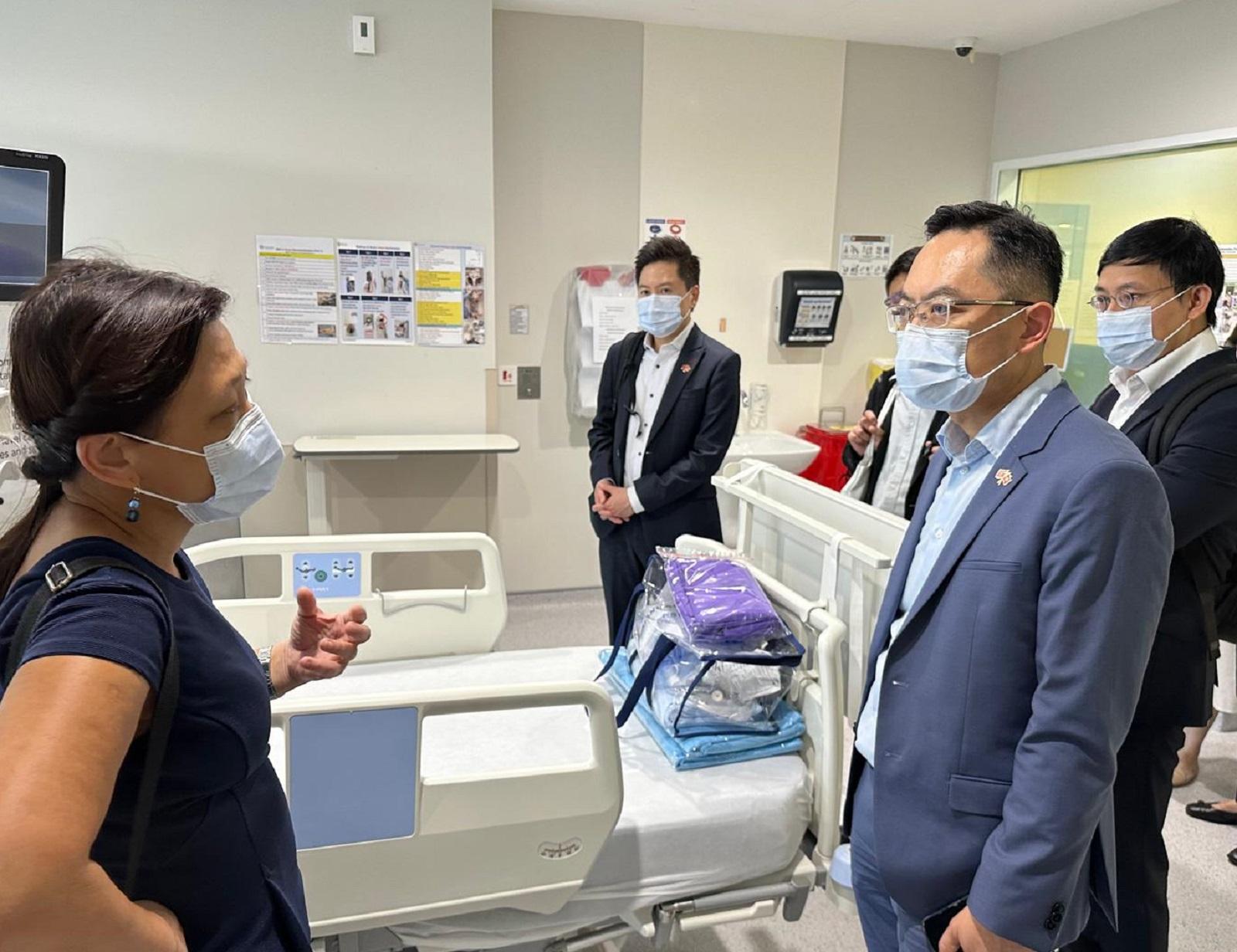
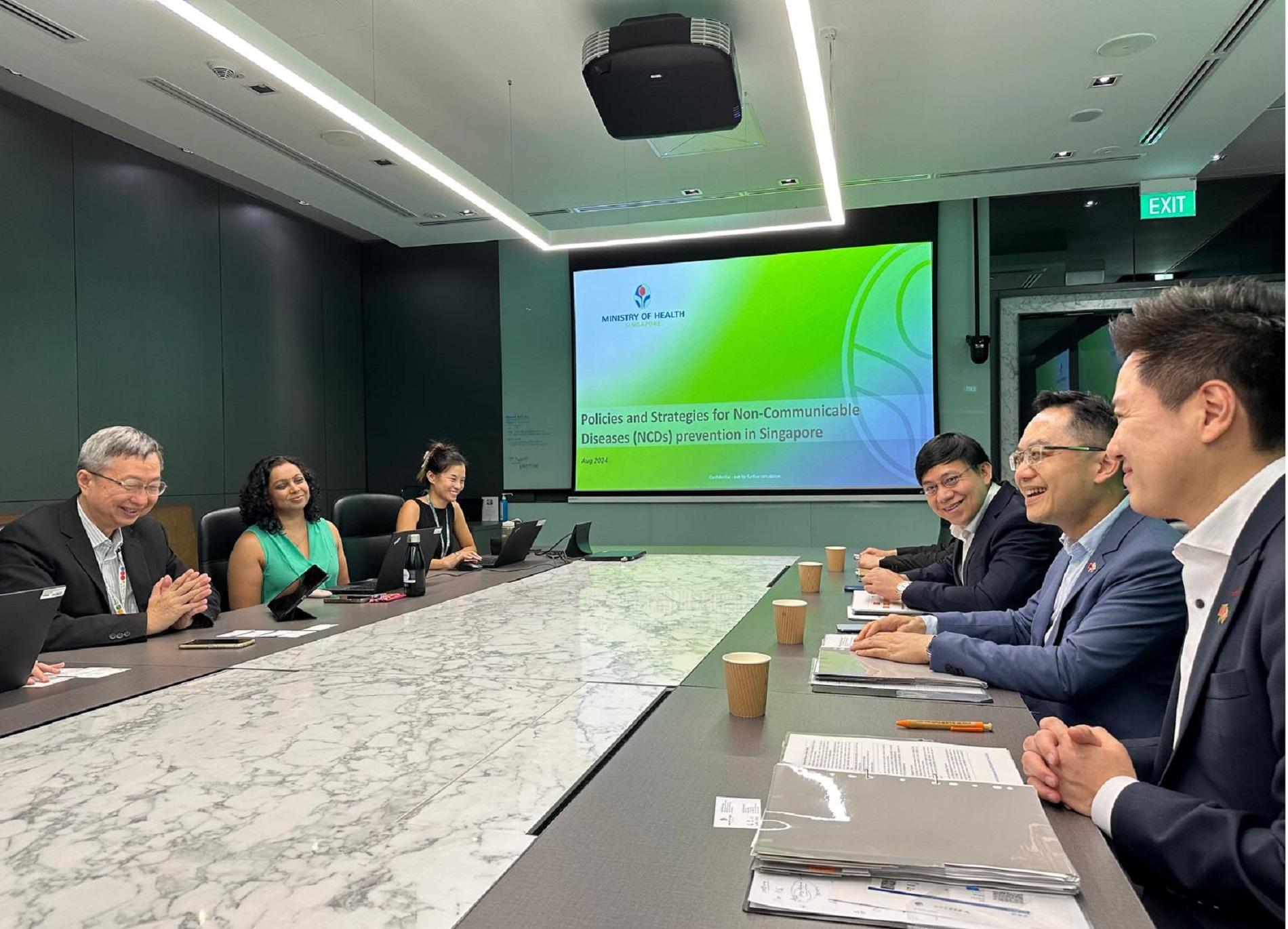
     On the same day, Dr Lam visited the National Centre for Infectious Diseases, toured the High Level Isolation Unit and had a discussion with the National Public Health Laboratory, to learn more about isolation facilities and laboratory surveillance in Singapore. Dr Lam then had a meeting with the Ministry of Health to gain a better understanding of strategies on non-communicable diseases prevention in Singapore including tobacco control and cancer screening.
      
     Dr Lam visited the National Environment Agency and toured around its laboratory to discuss the prevention and control of mosquito-borne diseases strategies yesterday (August 23). They then visited the Health Promotion Board to discuss strategies and experiences in health promotion, including cross sector collaborations and harnessing information and technology to support health promotion efforts.
      
     The Head of the Emergency Response and Programme Management Branch of the DH, Dr Albert Au, and the Head of the Health Promotion Branch of the DH, Dr Leung Yiu-hong, also joined the visit. The delegation will return to Hong Kong today (August 24).

Photo  Photo  Photo  Photo  Photo  Photo  Photo  


CHP reminds public on precautions against heat stroke during very hot weather

     The Centre for Health Protection (CHP) of the Department of Health (DH) today (August 24) reminded members of the public, particularly those undertaking outdoor activities, to take heed of necessary measures against heat stroke and sunburn in very hot weather.

     "The public should carry and drink plenty of water to prevent dehydration while engaging in outdoor activities," a spokesman for the CHP said.

     "Those engaged in strenuous outdoor activities should avoid beverages containing caffeine, such as coffee and tea, as well as alcohol, as they speed up water loss through the urinary system," the spokesman explained.

     "Infants and children, the elderly, pregnant women, those with chronic illnesses such as heart disease or high blood pressure, outdoor/manual workers, and individuals who are overweight are more vulnerable to heat stroke. They should pay special attention," the spokesman added.

     The public should adopt the following precautions:
 

  • Wear loose and light-coloured clothing to reduce heat absorption and facilitate sweat evaporation and heat dissipation;
  • Avoid vigorous exercise and prolonged activities like hiking or trekking as heat, sweating and exhaustion can place additional demands on the physique;
  • Perform outdoor activities in the morning or the late afternoon, if possible;
  • For indoor activities, open all windows, use a fan or use air-conditioning to maintain good ventilation;
  • Do not stay inside a parked vehicle; and
  • Reschedule work to cooler times of the day if feasible. If working in a hot environment is inevitable, introduce shade in the workplace where practicable. Start work slowly and pick up the pace gradually. Move to a cool area for rest at regular intervals to allow the body to recuperate.

     
     â€‹The public should also note the latest and the forecast Ultraviolet (UV) Index released by the Hong Kong Observatory (HKO). When the UV Index is high (6 or above):
 

  • Minimise direct exposure of the skin and the eyes to sunlight;
  • Wear long-sleeved and loose-fitting clothes;
  • Wear a wide-brimmed hat or use an umbrella;
  • Seek a shaded area or put on UV-blocking sunglasses;
  • Apply a broad-spectrum sunscreen lotion with a minimum sun protection factor (SPF) of 15, preferably higher. Reapply every two hours if you stay out in the sun, and after swimming, sweating or towelling off; and
  • While using DEET-containing insect repellents for personal protection against mosquito-borne diseases, apply sunscreen first, then insect repellent.

    
     â€‹If symptoms develop, such as dizziness, headache, nausea, shortness of breath or confusion, rest and seek help immediately, and seek medical advice as soon as possible.
     
     â€‹The public may obtain more information from the DH's Health Education Infoline (2833 0111), heat stroke page and UV radiation page; the HKO's Dial-a-Weather (1878 200), latest weather report and forecastUV Index and weather information for hiking and mountaineering; and press releases of the Labour Department on precautions against heat stroke for outdoor workers and their employers when the Very Hot Weather Warning is in force.