Primary Healthcare Committee holds its first meeting today (with photos)

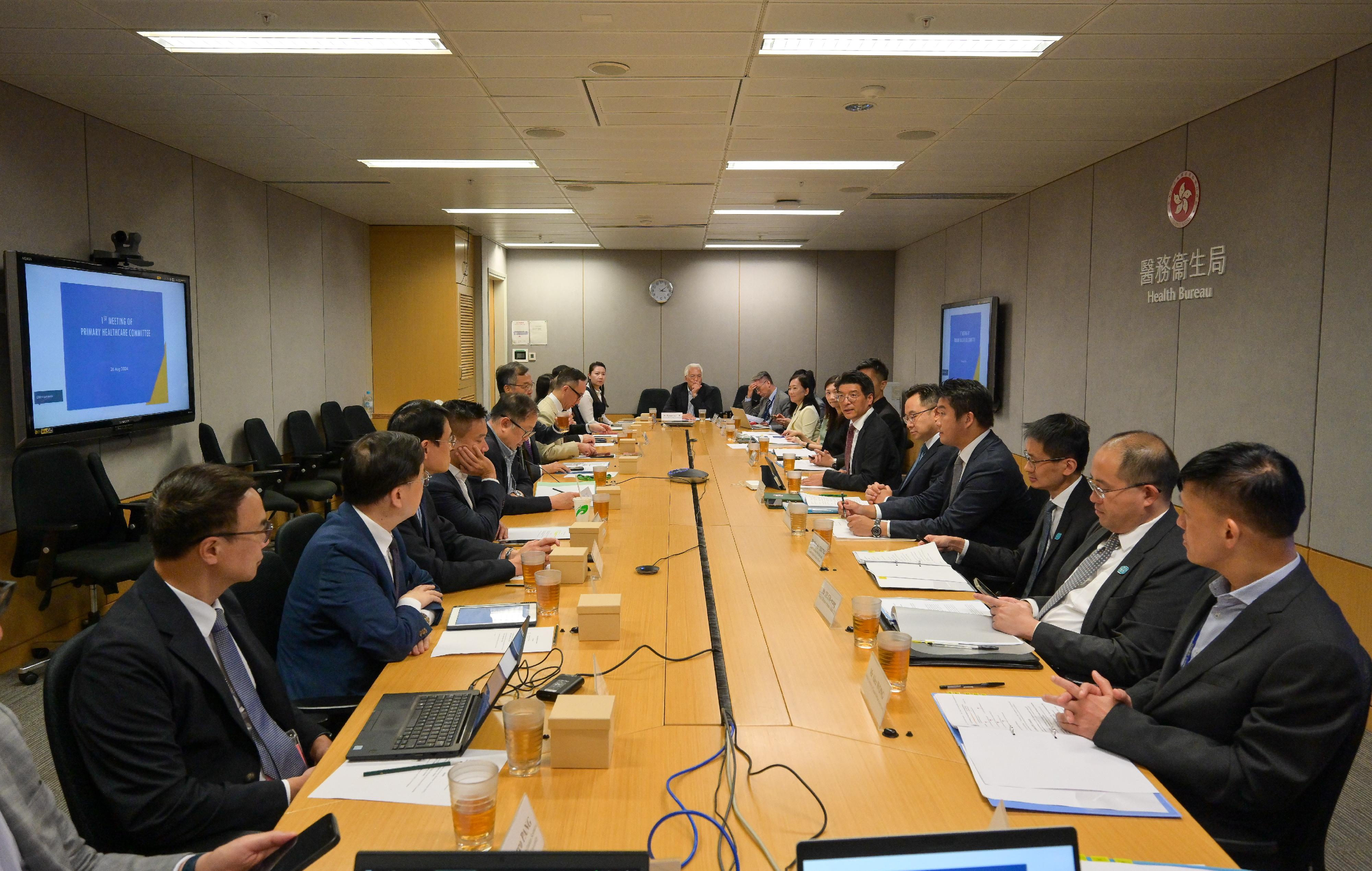
     Following the official establishment of the Primary Healthcare Commission (PHC Commission) on July 15, the Commissioner for Primary Healthcare, Dr Pang Fei-chau, chaired the first meeting of the Primary Healthcare Committee (PHC Committee) today (August 26) and discussed with members the future work focuses of the PHC Commission.
 
     At the meeting, Committee members had a discussion over the governance structure of the PHC Commission, including the establishment of working groups to facilitate the effective advancement of primary healthcare development in the realm of co-ordination and supervision of primary healthcare services and strengthening the work of District Health Centres (DHCs).
 
     The DHCs have been co-ordinating the primary healthcare services in the community and shouldering the role of case managers as well as connecting healthcare professionals in public and private sectors to build up a community service network. Committee members discussed at the meeting ways to further expand the community healthcare network through enlisting more healthcare professionals from different disciplines to join the primary healthcare services, thereby providing more comprehensive and quality-assured primary healthcare support to citizens.
 
     Committee members were also briefed on the progress of the Chronic Disease Co-Care Pilot Scheme. They were glad to learn that the Pilot Scheme has recorded nearly 60 000 participants so far and the PHC Commission is pursuing promotion with the DHCs to attract more citizens to the Pilot Scheme via various territory-wide and district-based channels.
 
     Established on July 15, the PHC Committee is responsible for advising the PHC Commission from multiple perspectives, with a view to assisting the PHC Commission in effectively performing its functions and exercising its powers. The Committee comprises ex-officio members and non-official members. The latter covers persons from different professional backgrounds, including professionals from family medicine, Chinese medicine, dentistry and other professional sectors. The membership list is as follows: 
 
Chairperson
—————-
 
Commissioner for Primary Healthcare
 
Non-official members
—————————-
Dr David Chao Vai-kiong
Dr Kam Pok-man
Dr Lam Ching-choi
Dr Lam Wing-wo
Mr Lawrence Lee Kam-hung
Professor Gabriel Matthew Leung
Dr Sigmund Leung Sai-man
Ms Ellen Li Ka-yan
Dr Donald Li Kwok-tung
Dr Alexander Ng Man-tat
Professor Marco Pang Yiu-chung
Professor Agnes Tiwari Fung-yee
Dr Tse Sut-yee
Professor Ian Wong Chi-kei
Professor Samuel Wong Yeung-shan 
 
Ex-officio members
————————–
Deputy Secretary for Health (or representative)
Deputy Director of Health (or representative)
Deputy Secretary for Labour and Welfare/Deputy Director of Social Welfare (or representative)
Deputy Secretary for Home and Youth Affairs (or representative)
Deputy Director of Home Affairs (or representative)
Director (Strategy and Planning), Hospital Authority (or representative)
Chief Manager (Nursing), Hospital Authority (or representative)  
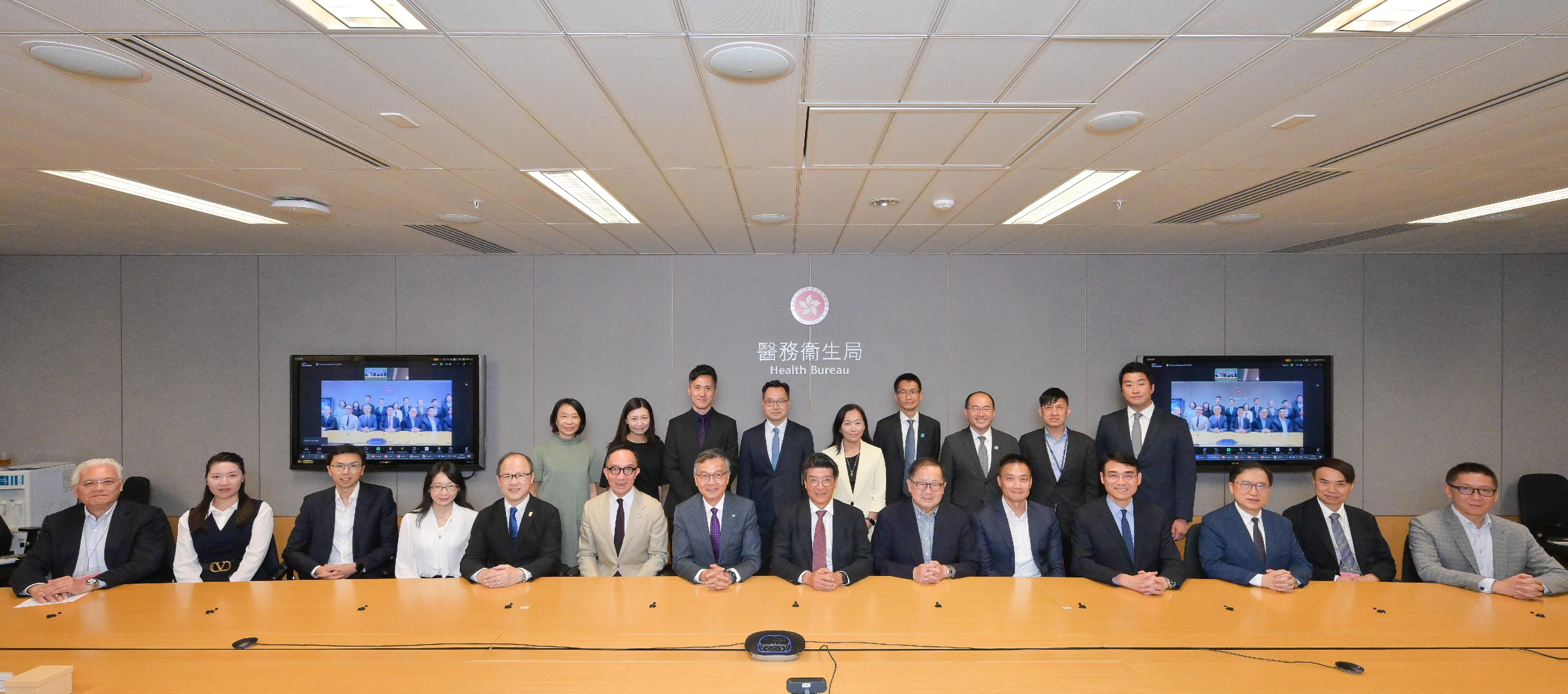
Photo  Photo  


SLW witnesses signing of MOU in Beijing to deepen talent exchanges and co-operation (with photos)

     The Secretary for Labour and Welfare, Mr Chris Sun, today (August 26) started his visit to Beijing.

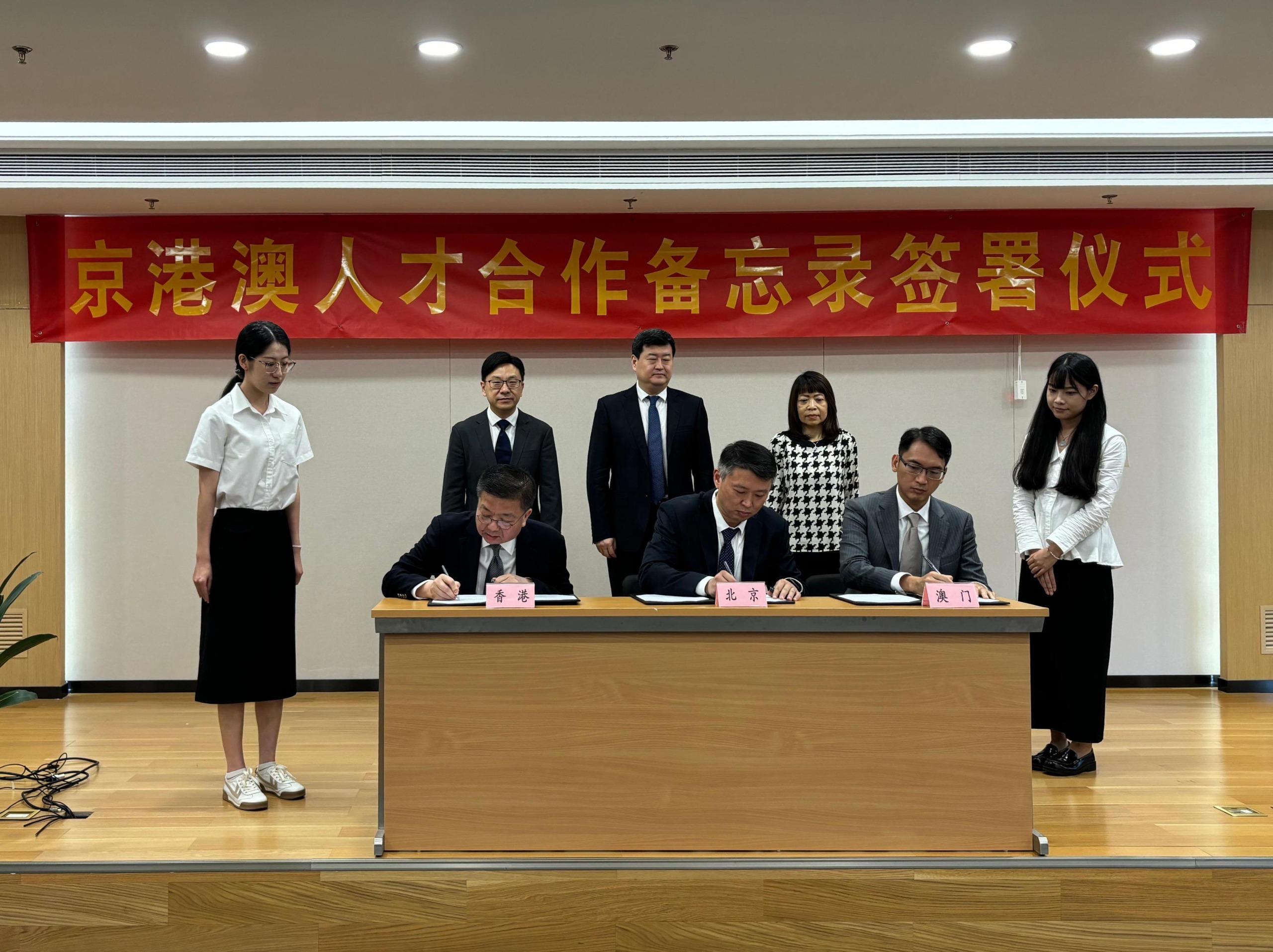
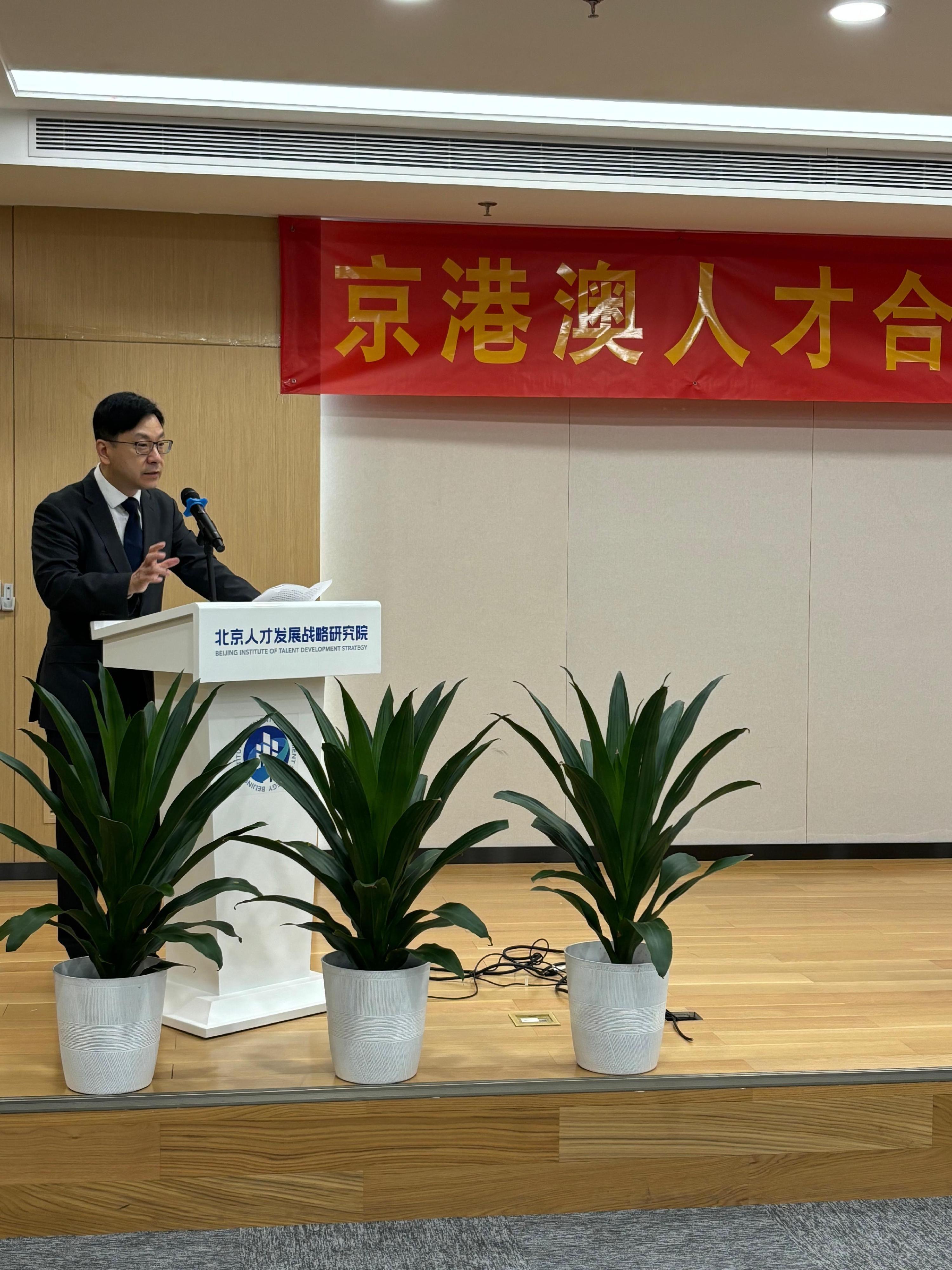
     In the morning, Mr Sun first witnessed the signing of the Memorandum of Understanding (MOU) on deepening talent exchanges and co-operation among Beijing, Hong Kong and Macao. The MOU was jointly prepared by the Beijing Municipal Talent Work Bureau, the Hong Kong Talent Engage of the Hong Kong Special Administrative Region (HKSAR) Government, and the Talent Development Committee of the Macao Special Administrative Region Government through friendly dialogues and collaboration. The MOU aims to strengthen communication mechanisms, encourage talent exchanges and foster co-operation in such areas as talent attraction and services among the three places, with the objective of offering comprehensive support to the integrated development of global talent in Beijing-Hong Kong-Macao. Mr Sun said the signing of the MOU will facilitate the implementation of the Resolution of the Third Plenary Session of the 20th Central Committee of the Communist Party of China (CPC) on Further Deepening Reform Comprehensively to Advance Chinese Modernization in supporting Hong Kong in building itself into an international hub for high-calibre talent. The HKSAR Government will continue to spare no effort in attracting talent, and take full advantage of Hong Kong's institutional strengths to facilitate its active role in the opening up of the country by attracting top-notch and leading talent to meet the country's needs. 

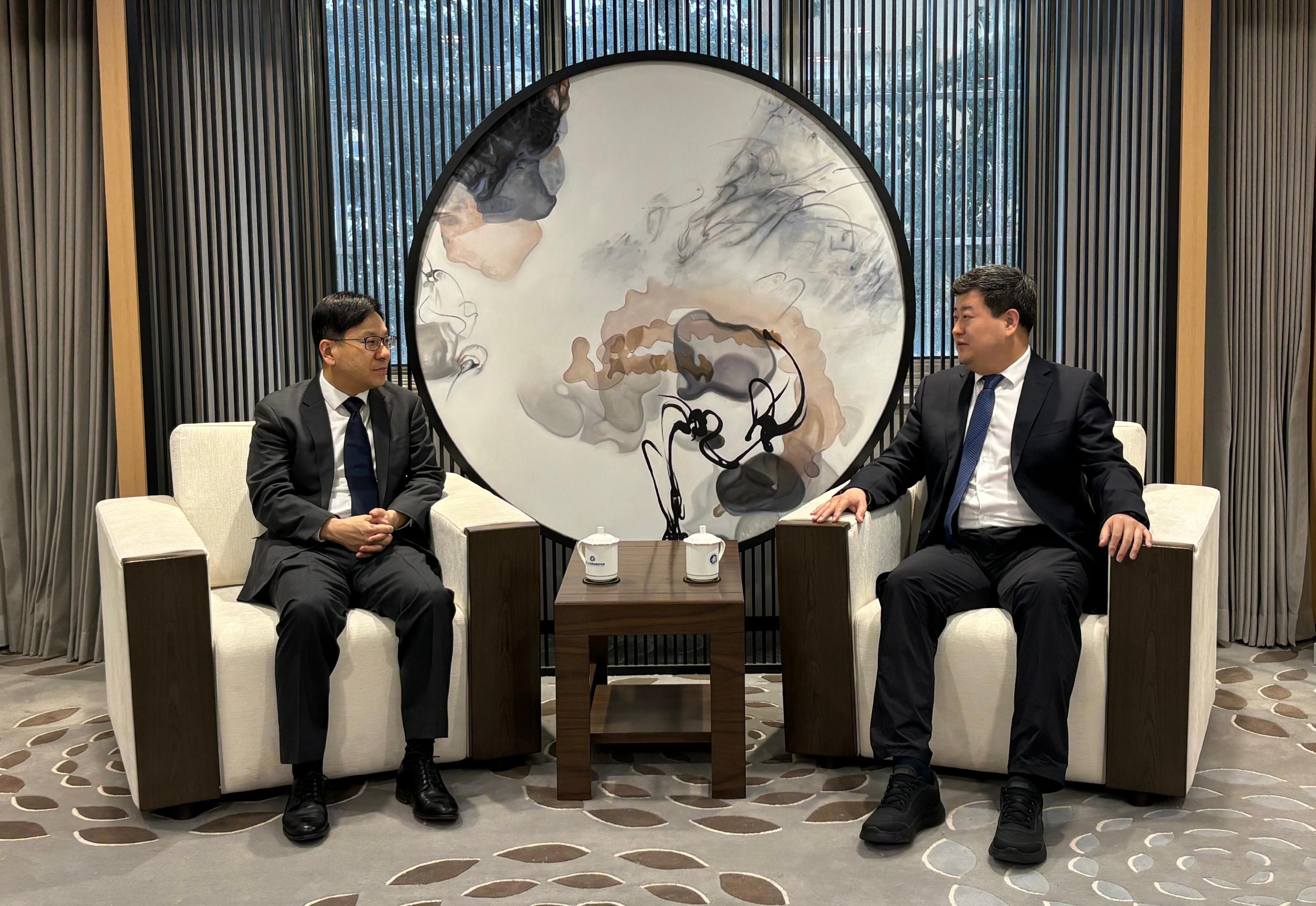
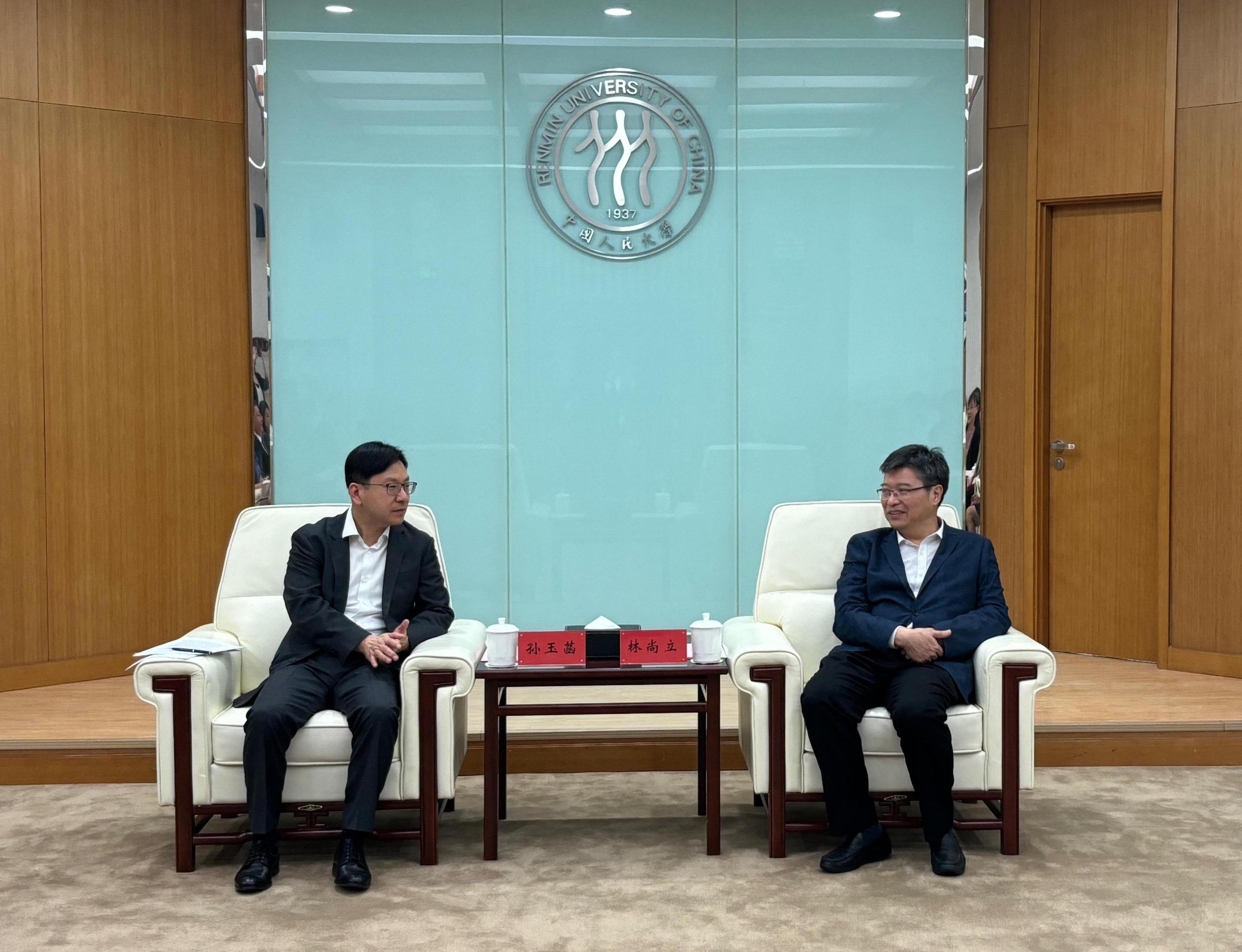
     Afterwards, Mr Sun led the delegation to pay a reciprocal visit to the President of Renmin University of China, Professor Lin Shangli, to learn more about the latest developments at the university and discuss matters of mutual concern.

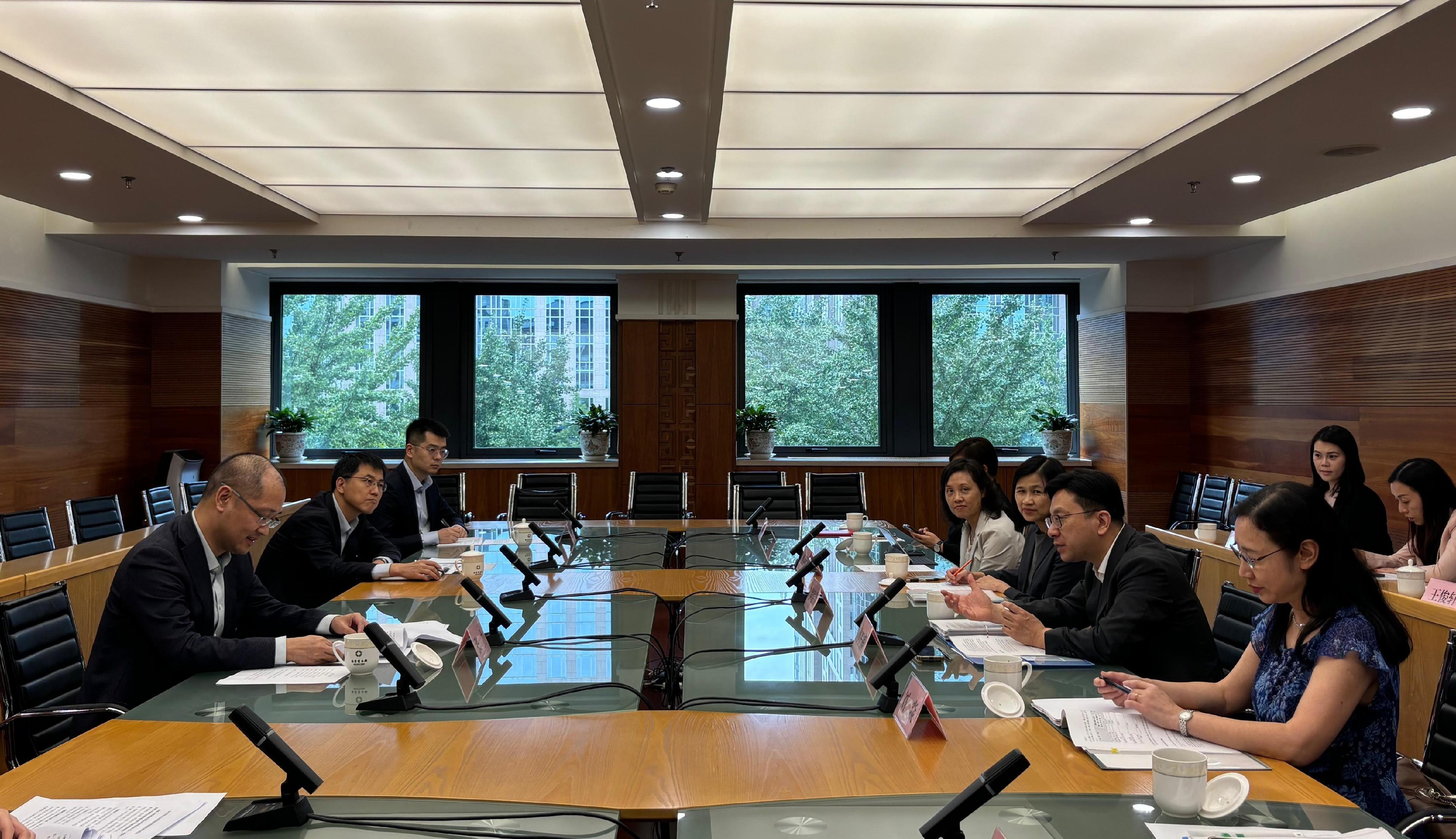
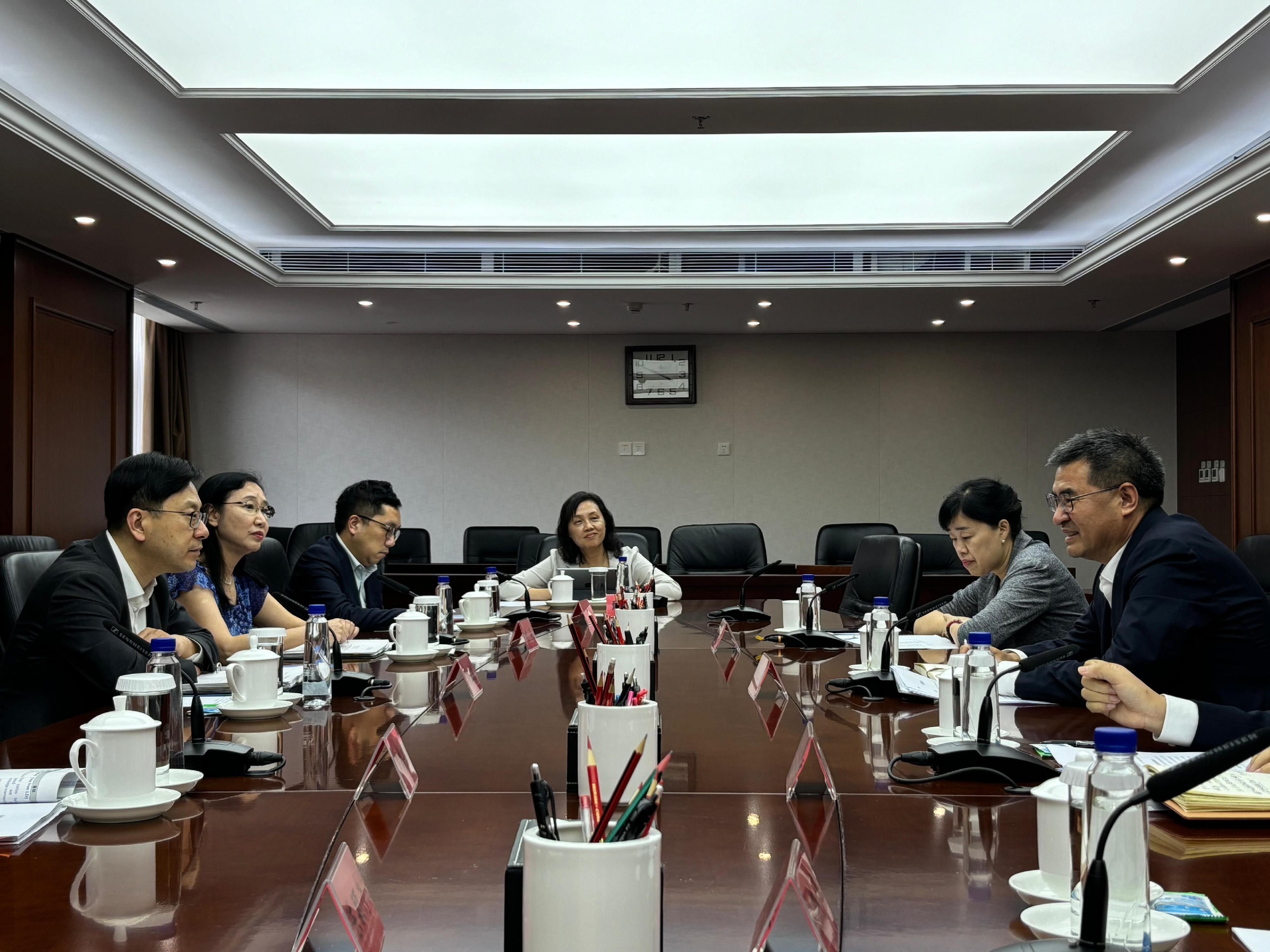
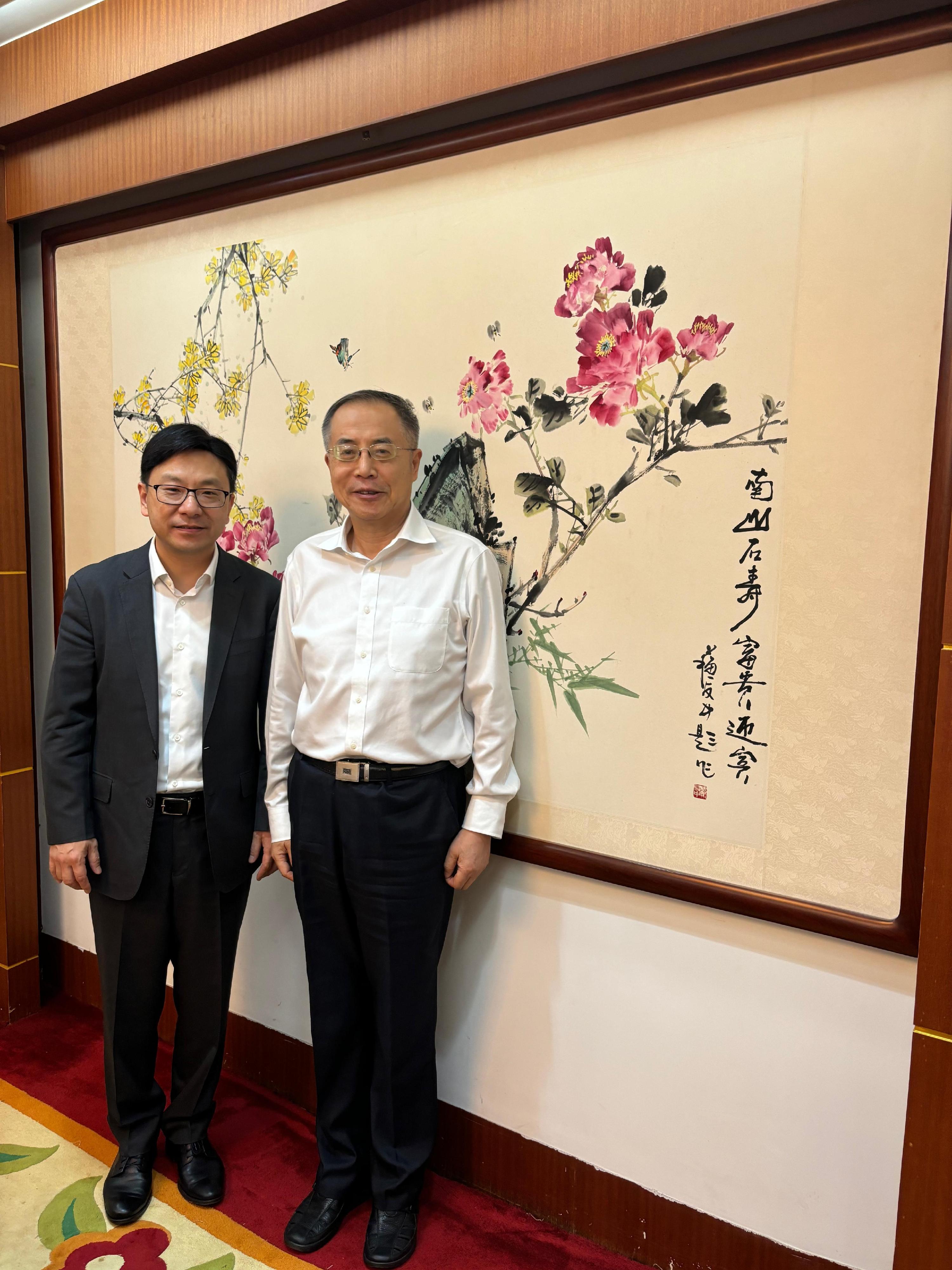
     In the afternoon, Mr Sun called on the Director General of the Department of Outward Investment and Economic Cooperation of the Ministry of Commerce, Mr Zhang Li, during which he reported on the latest situation of importing workers from the Mainland. They also exchanged views on the management, supervision and co-operation in importing labour to Hong Kong. Mr Sun then called on the Director General of the General Office (Department of International Cooperation) of the Ministry of Civil Affairs, Mr Liu Xitang, to learn more about the latest policies in areas including addressing population ageing and enhancing elderly care services. Both sides also discussed issues including cross-boundary elderly care and gerontechnology.

     The delegation also met with the Executive Vice-President and Secretary-General of the China Enterprise Confederation, Mr Zhu Hongren, to share with him the latest developments in labour rights matters in Hong Kong.

     Mr Sun will continue his itinerary in Beijing tomorrow (August 27).

Photo  Photo  Photo  Photo  Photo  Photo  Photo  


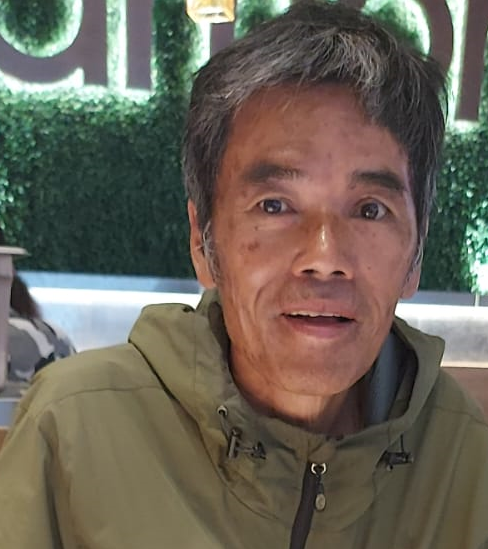
Appeal for information on missing man in Kowloon City (with photo)

     Police today (August 26) appealed to the public for information on a man who went missing in Kowloon City.

     Lo Shui-ping, aged 65, went missing after he left his residence on Hing Yan Street yesterday morning (August 25). His family made a report to Police on the same day.

     He is about 1.65 metres tall, 60 kilograms in weight and of thin build. He has a pointed face with yellow complexion and short black hair. He was last seen wearing a black short-sleeved T-shirt, blue and white checkered shorts and dark blue slippers.

     Anyone who knows the whereabouts of the missing man or may have seen him is urged to contact the Regional Missing Persons Unit of Kowloon West on 3661 8038 or 9020 6542 or email to rmpu-kw@police.gov.hk, or contact any police station.

Photo  


Update on cases of Legionnaires’ disease

     The Centre for Health Protection (CHP) of the Department of Health today (August 26) reported the latest number of cases of Legionnaires' disease (LD), and stressed the importance of using and maintaining properly designed man-made water systems, adding that susceptible groups should strictly observe relevant precautions.
 
     From August 18 to 24, the CHP recorded three community-acquired LD cases and one imported LD case:
 
     1. A male patient, aged 37 with good past health, who lives in Yuen Long District;
     2. A male patient, aged 72 with underlying illnesses, who lives in Eastern District;
     3. A male patient, aged 52 with underlying illnesses, who lives in Eastern District; and
     4. A male patient, aged 63 with underlying illnesses, who had been to the Mainland during the incubation period and was classified as an imported case.
 
     "Epidemiological investigations are ongoing to identify potential sources of infection, high-risk exposure and clusters, if any," a spokesman for the CHP said.
 
     As of August 24, 72 LD cases had been recorded this year. In 2023 and 2022, there were 121 and 80 cases respectively.
 
     "Men, people aged over 50, smokers, alcoholics and persons with weakened immunity are more susceptible to LD. Some situations may also increase the risk of infection, including poor maintenance of water systems; living in areas with old water systems, cooling towers or fountains; using electric water heaters, whirlpools and spas or hot water spring spas; and recent stays in hotels or vessels," the spokesman said.

     Legionellae are found in various environmental settings and grow well in warm water (20 to 45 degrees Celsius). They can be found in aqueous environments such as water tanks, hot and cold water systems, cooling towers, whirlpools and spas, water fountains and home apparatus that support breathing. People may become infected when they breathe in contaminated droplets (aerosols) and mist generated by artificial water systems, or when handling garden soil, compost and potting mixes.

     Immunocompromised persons should:
 

  • Use sterile or boiled water for drinking, tooth brushing and mouth rinsing;
  • Avoid using humidifiers, or other mist- or aerosol-generating devices; and
  • If using humidifiers, or other mist- or aerosol-generating devices, fill the water tank with only sterile or cooled freshly boiled water, and not water directly from the tap. Also, clean and maintain humidifiers/devices regularly according to manufacturers' instructions. Never leave stagnant water in a humidifier/device. Empty the water tank, wipe all surfaces dry, and change the water daily. 

          â€‹
     The public should observe the health advice below:
          

  • Observe personal hygiene;
  • Do not smoke and avoid alcohol consumption;
  • Strainers in water taps and shower heads should be inspected, cleaned, descaled and disinfected regularly or at a frequency recommended by the manufacturer;
  • If a fresh-water plumbing system is properly maintained, it is not necessary to install domestic water filters. Use of water filters is not encouraged as clogging occurs easily, which can promote growth of micro-organisms. In case water filters are used, the pore size should be 0.2 micrometres (µm) and the filter needs to be changed periodically according to the manufacturer's recommendations;
  • Drain and clean water tanks of buildings at least quarterly;
  • Drain or purge for at least one minute infrequently used water outlets (e.g. water taps, shower heads and hot water outlets) and stagnant points of the pipework weekly or before use;
  • Seek and follow doctors' professional advice regarding the use and maintenance of home respiratory devices and use only sterile water (not distilled or tap water) to clean and fill the reservoir. Clean and maintain the device regularly according to the manufacturer's instructions. After cleaning/disinfection, rinse the device with sterile water, cooled freshly boiled water or water filtered with 0.2 µm filters. Never leave stagnant water in the device. Empty the water tank, keep all surfaces dry, and change the water daily; and
  • When handling garden soil, compost and potting mixes: 
  1. Wear gloves and a face mask;
  2. Water gardens and compost gently using low pressure;
  3. Open composted potting mixes slowly and make sure the opening is directed away from the face;
  4. Wet the soil to reduce dust when potting plants; and
  5. Avoid working in poorly ventilated places such as enclosed greenhouses.

     â€‹â€‹The public may visit the CHP's LD page, the Code of Practice for Prevention of LD and the Housekeeping Guidelines for Cold and Hot Water Systems for Building Management of the Prevention of LD Committee, and the CHP's risk-based strategy for prevention and control of LD.


Fraudulent websites and social media accounts related to Airstar Bank Limited

The following is issued on behalf of the Hong Kong Monetary Authority:

     The Hong Kong Monetary Authority (HKMA) wishes to alert members of the public to a press release issued by Airstar Bank Limited relating to fraudulent websites and social media accounts, which have been reported to the HKMA. A hyperlink to the press release is available on the HKMA website.
      
     The HKMA wishes to remind the public that banks will not send SMS or emails with embedded hyperlinks which direct them to the banks' websites to carry out transactions. They will not ask customers for sensitive personal information, such as login passwords or one-time password, by phone, email or SMS (including via embedded hyperlinks).
      
     Anyone who has provided his or her personal information, or who has conducted any financial transactions, through or in response to the websites or social media accounts concerned, should contact the bank using the contact information provided in the press release, and report the matter to the Police by contacting the Crime Wing Information Centre of the Hong Kong Police Force at 2860 5012.