Hong Kong Customs special operation combats sale of counterfeit liquor before Mid-Autumn Festival (with photos)

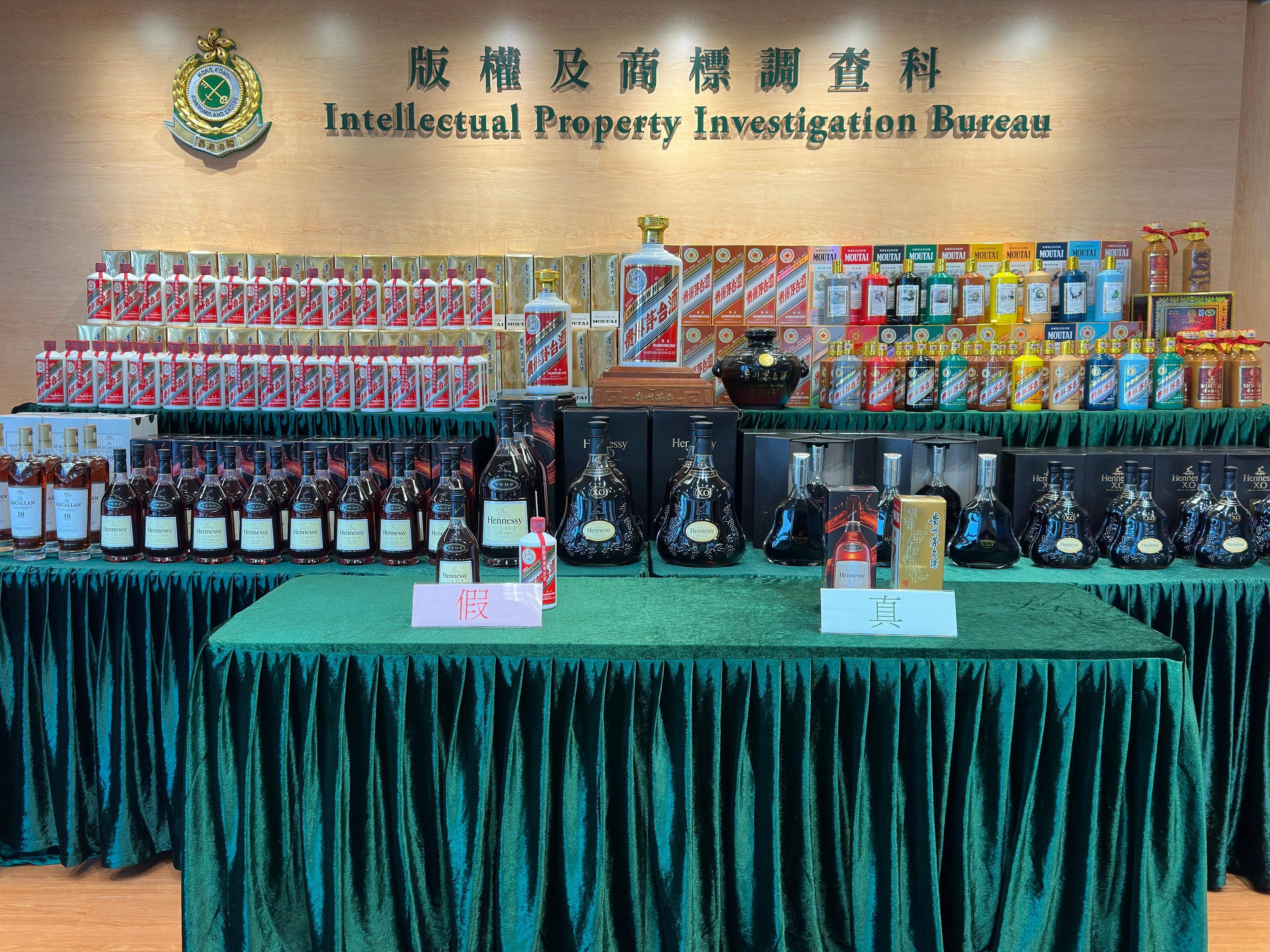
     â€‹Hong Kong Customs on August 27 mounted a special enforcement operation in Kwai Chung to combat the sale of counterfeit liquor. A total of about 1 300 bottles of suspected counterfeit liquor, with an estimated market value of about $2.9 million, were seized. One person was arrested.

     Customs earlier received information alleging that there were suppliers selling suspected counterfeit liquor. After an in-depth investigation and with the assistance of the trademark owners, Customs officers on that day took enforcement action and raided business premises and a storage facility in an industrial building in Kwai Chung. The batch of suspected counterfeit liquor was seized.

     During the operation, a 70-year-old male proprietor was arrested.

     The investigation is ongoing and the likelihood of further arrests is not ruled out. Also, samples of the suspected counterfeit liquor involved in the case were sent to the Government Laboratory for testing. Preliminary test results revealed that the samples did not contain methanol.

     With the Mid-Autumn Festival approaching, Customs will continue to strengthen patrols and combat the counterfeiting activities of the sale of festive food and goods.

     Customs reminds consumers to procure goods at reputable shops and to check with the trademark owners or their authorised agents if the authenticity of a product is in doubt. Traders should also be cautious and prudent in merchandising since selling counterfeit goods is a serious crime and offenders are liable to criminal sanctions.

     Under the Trade Descriptions Ordinance, any person who sells or possesses for sale any goods with a forged trademark commits an offence. The maximum penalty upon conviction is a fine of $500,000 and imprisonment for five years.

     Members of the public may report any suspected counterfeiting activities to Customs' 24-hour hotline 2545 6182 or its dedicated crime-reporting email account (crimereport@customs.gov.hk) or online form (eform.cefs.gov.hk/form/ced002/).
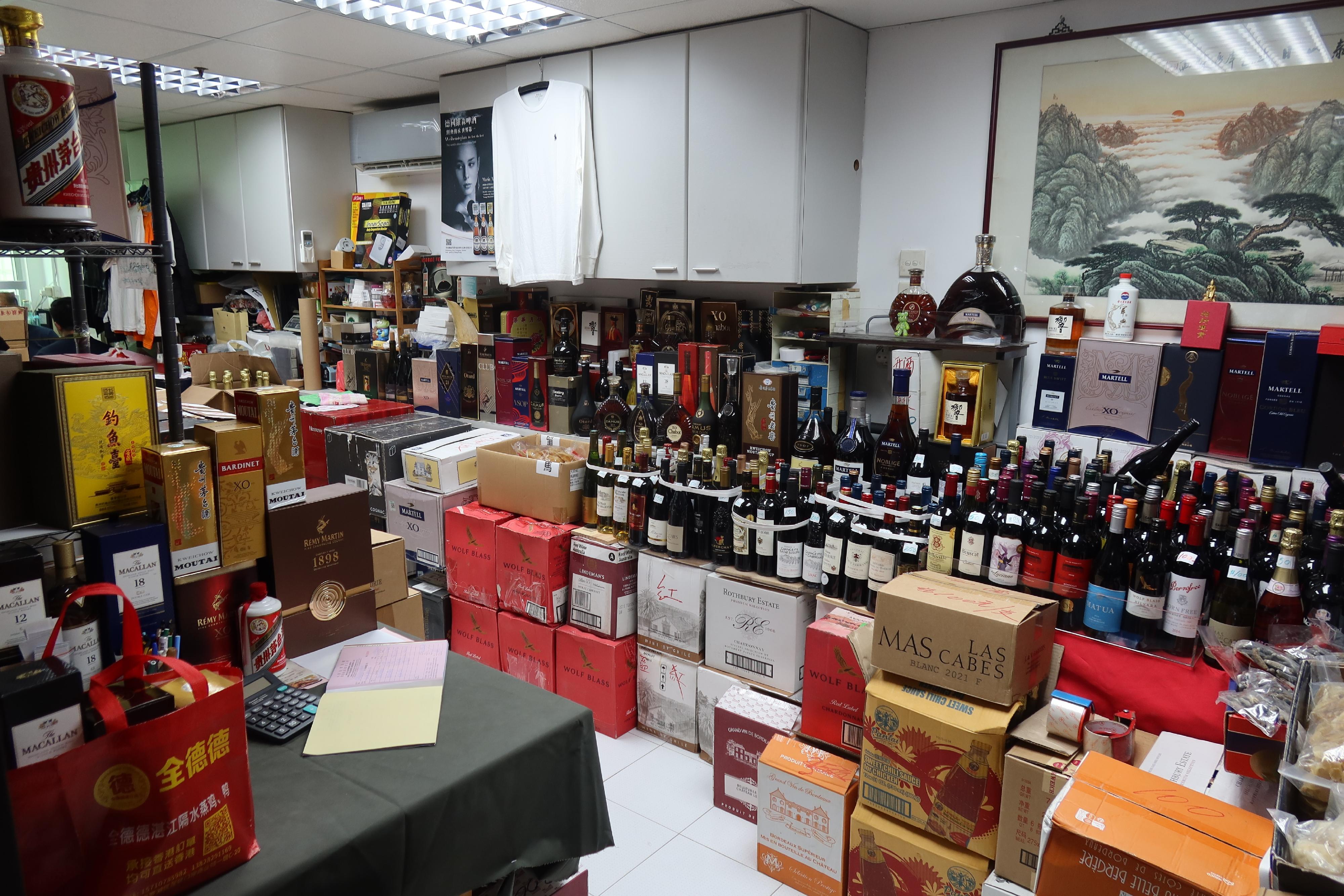
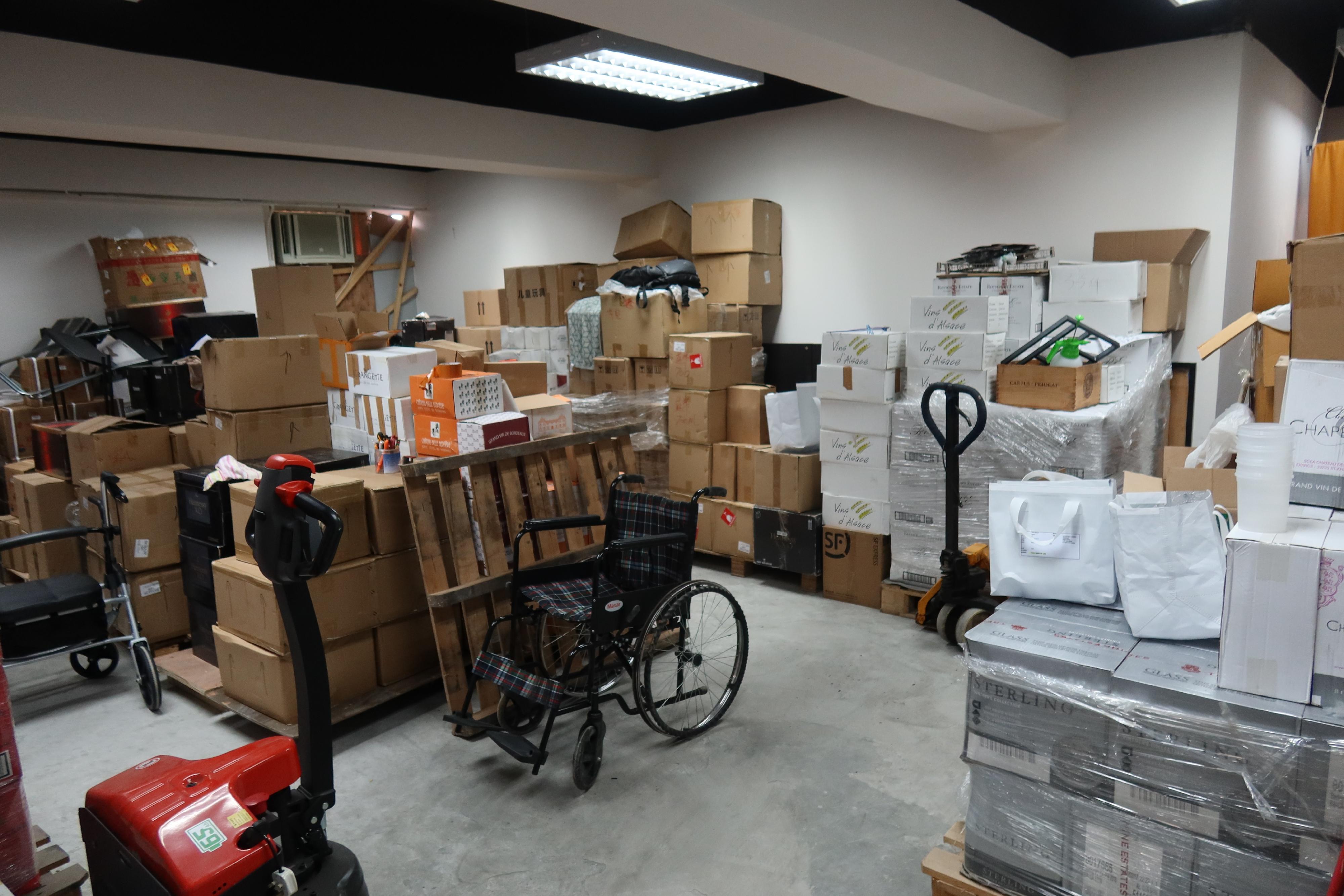
Photo  Photo  Photo  


Inspection of aquatic products imported from Japan

     In response to the Japanese Government's plan to discharge nuclear-contaminated water at the Fukushima Nuclear Power Station, the Director of Food and Environmental Hygiene issued a Food Safety Order which prohibits all aquatic products, sea salt and seaweeds originating from the 10 metropolis/prefectures, namely Tokyo, Fukushima, Ibaraki, Miyagi, Chiba, Gunma, Tochigi, Niigata, Nagano and Saitama, from being imported into and supplied in Hong Kong.
 
     For other Japanese aquatic products, sea salt and seaweeds that are not prohibited from being imported into Hong Kong, the Centre for Food Safety (CFS) of the Food and Environmental Hygiene Department will conduct comprehensive radiological tests to verify that the radiation levels of these products do not exceed the guideline levels before they are allowed to be supplied in the market.
 
     As the discharge of nuclear-contaminated water is unprecedented and will continue for 30 years or more, the Government will closely monitor and step up the testing arrangements. Should anomalies be detected, the Government does not preclude further tightening the scope of the import ban.
 
     From noon on September 4 to noon today (September 5), the CFS conducted tests on the radiological levels of 115 food samples imported from Japan, which were of the "aquatic and related products, seaweeds and sea salt" category. No sample was found to have exceeded the safety limit. Details can be found on the CFS's thematic website titled "Control Measures on Foods Imported from Japan" (www.cfs.gov.hk/english/programme/programme_rafs/programme_rafs_fc_01_30_Nuclear_Event_and_Food_Safety.html).

     In parallel, the Agriculture, Fisheries and Conservation Department (AFCD) has also tested 52 samples of local catch for radiological levels. All the samples passed the tests. Details can be found on the AFCD's website (www.afcd.gov.hk/english/fisheries/Radiological_testing/Radiological_Test.html).
 
     The Hong Kong Observatory (HKO) has also enhanced the environmental monitoring of the local waters. No anomaly has been detected so far. For details, please refer to the HKO's website
(www.hko.gov.hk/en/radiation/monitoring/seawater.html).
 
     From August 24, 2023, to noon today, the CFS and the AFCD have conducted tests on the radiological levels of 81 829 samples of food imported from Japan (including 52 352 samples of aquatic and related products, seaweeds and sea salt) and 18 802 samples of local catch respectively. All the samples passed the tests.


Test results of seasonal food surveillance project on mooncakes (first phase) all satisfactory (with photo)

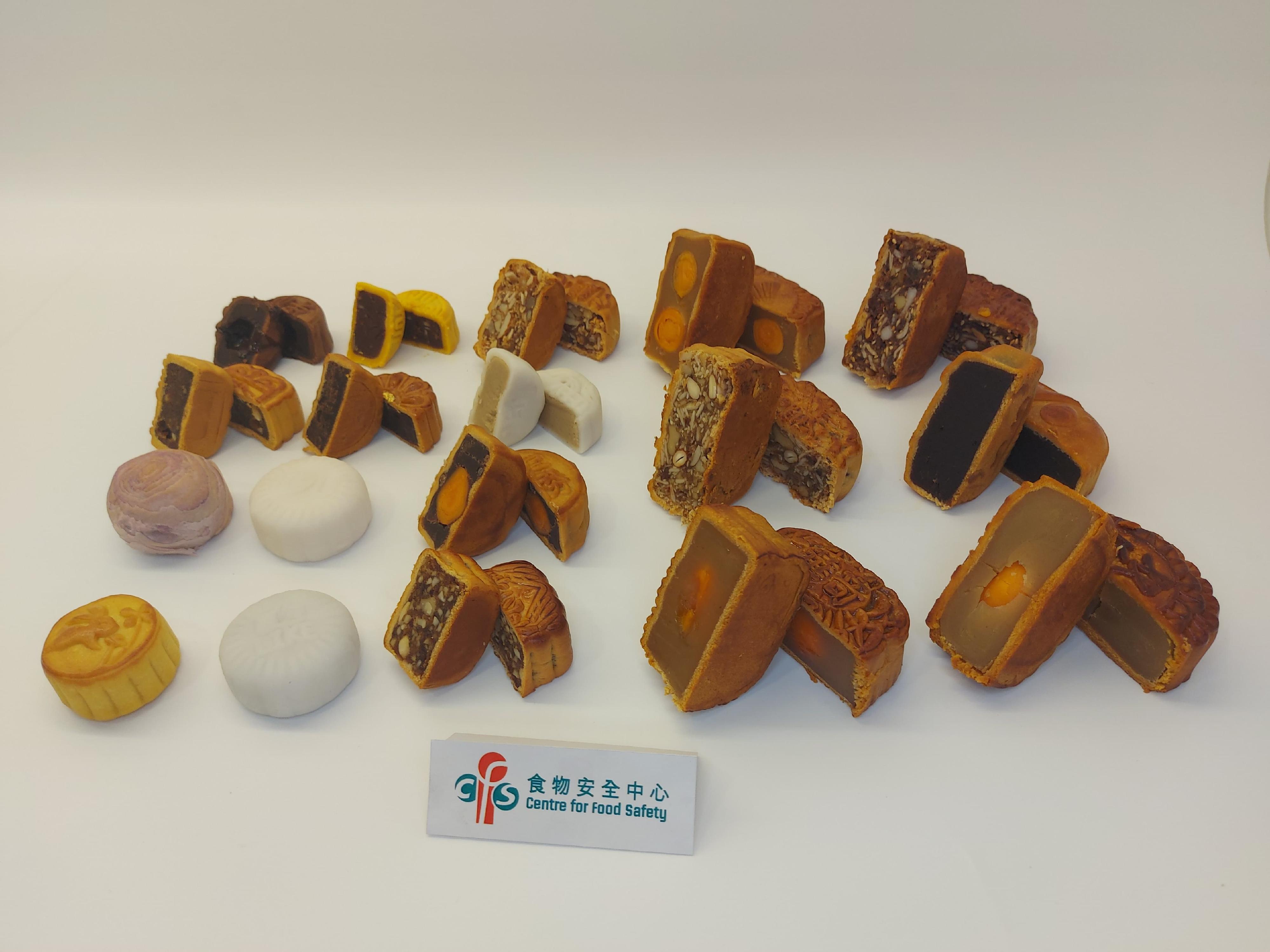
     The Centre for Food Safety (CFS) of the Food and Environmental Hygiene Department (FEHD) today (September 5) announced the results of a seasonal food surveillance project on mooncakes (first phase). The results of the first-phase surveillance showed that all 179 samples tested were satisfactory. The testing of the second-phase surveillance is ongoing.
      
     A spokesman for the CFS said that samples covering traditional, snowy, ice-cream and other types of mooncakes had been collected from various retailers (including online retailers) and food factories for chemical and microbiological tests, and nutrition content analysis.
      
     The chemical tests covered colouring matters, aflatoxins, preservatives and metallic contaminants. Microbiological tests covered different pathogens and hygiene indicators. For nutrition content analysis, the contents of sodium, sugars and total fat of the samples were tested to see if they were consistent with the declared values on the nutrition labels.
      
     The spokesman reminded members of the public to maintain a balanced diet and avoid excessive consumption of mooncakes as they are generally high in sugar and fat. Some types of mooncakes also contain relatively high levels of salt. Eating too much fat will increase the risk of being overweight and obese, while dietary sugar intake is a determinant of body weight and dental decay. In addition, excessive sodium intake will increase the risk of developing hypertension, fatal stroke and coronary heart disease.
      
     He advised people to refer to nutrition labels, particularly on the sugar, salt and fat contents, to make a healthier choice. People should avoid choosing mooncakes with high levels of fat or sugar, i.e. containing more than 20 grams of total fat or more than 15g of sugar per 100g of food. As for reducing salt intake, people can choose low-sodium mooncakes, i.e. containing no more than 120 milligrams of sodium per 100g of food.
      
     He said that people should consider their health conditions and consume mooncakes in an appropriate amount during the Mid-Autumn Festival. He also advised people to share mooncakes with their family members and friends, as this not only enhances the festive atmosphere, but also allows them to taste mooncakes of different flavours and avoid overconsumption.
      
     Members of the public should heed the following points in the purchase, storage and consumption of mooncakes to prevent food-borne diseases:
 
* Buy mooncakes from reliable outlets rather than patronising unlicensed hawkers. Check whether the mooncakes are properly packaged, pay attention to the expiry dates before purchase and eat them before the expiry dates;
 
* Store mooncakes according to the instructions on the package if they are not to be consumed immediately. Keep snowy mooncakes at 4 degrees Celsius or below and ice-cream mooncakes at minus 18 degrees C or below, and consume them as soon as possible after taking them out from the refrigerator;
 
* Use an icebox to carry snowy or ice-cream mooncakes outdoors and consume them as soon as possible;
 
* Wrap mooncakes properly and separate them from raw food when storing in a refrigerator to prevent cross-contamination; and
 
* Maintain good personal hygiene. Wash hands properly with liquid soap and running water before handling and consuming mooncakes.
 
     The spokesman also reminded food traders to adhere to the Good Hygiene Practices. Apart from purchasing food ingredients from reliable suppliers, they should also comply with legal requirements when using food additives.
      
     "Snowy and ice-cream mooncakes, which do not undergo a baking process at high temperature, need to be handled hygienically during processing, transportation and storage to avoid contamination and growth of germs," he said.
      
     The CFS will continue to conduct surveillance on mooncakes and the second-phase surveillance is being conducted to ensure food safety.

Photo  


2024 Guangdong/Hong Kong Seminar on Intellectual Property and Development of Small and Medium Enterprises held in Zhongshan

     The 2024 Guangdong/Hong Kong Seminar on Intellectual Property (IP) and Development of Small and Medium Enterprises (SMEs) was held today (September 5) in Zhongshan, with an audience of over 200 comprising representatives of SMEs and IP practitioners, as well as government officials from Guangdong and Hong Kong.
 
     The seminar, entitled "Innovative Development Strategies: Intellectual Property Management and Commercialisation of Small and Medium Enterprises in the Greater Bay Area", sought to raise the level of awareness of IP rights among Hong Kong SMEs and Mainland enterprises in Guangdong Province, and enhance the protection and efficient use of IP for developing effective IP strategies and fostering technology transfer, thereby encouraging enterprises to capitalise on the opportunities offered by the Guangdong-Hong Kong-Macao Greater Bay Area (GBA) development under the National 14th Five-Year Plan to expand their business nationwide and worldwide.
 
     Speaking at the opening ceremony of the seminar, the Deputy Director of Intellectual Property, Mr Thomas Tsang, said that the seminar was a significant milestone of the long and sustained efforts of the IP authorities of the two places in strengthening exchange and collaboration, implementing cross-boundary IP protection facilitation measures and jointly enhancing the level of IP protection and management in the GBA. Mr Tsang also introduced the latest work of the Government in promoting IP trading, including the implementation of the "patent box" tax incentive and the preparation for the establishment of a World Intellectual Property Organization Technology and Innovation Support Centre. Such measures would enable Hong Kong's better integration into the country's high-quality development, and assist in accelerating its development of new quality productive forces.
 
     At the seminar, speakers presented and shared their insights on various topics, namely "Realising innovative value with standards", "Collaborative innovative thinking and relevant considerations", "Evolution of China's IP beyond the GBA" and "IP management and value enhancement for enterprises".
 
     The seminar was a key co-operation item under the framework of the Guangdong/Hong Kong Expert Group on the Protection of Intellectual Property Rights, and was jointly organised by the Intellectual Property Department (IPD), the Guangdong Administration for Market Regulation (Guangdong Intellectual Property Administration), the Zhongshan Municipal People's Government and the Hong Kong Trade Development Council; undertaken by the Zhongshan Administration for Market Regulation (Zhongshan Intellectual Property Administration); and co-organised by the Hong Kong Economic and Trade Office in Guangdong of the Government of the Hong Kong Special Administrative Region and the Zhongshan S&Z Institute of Standards and Quality. The event was also supported by members of the Expert Group and the Federation of Hong Kong Industries.
 
     Since 2004, Guangdong and Hong Kong have co-organised a number of activities to promote the importance of IP protection and exploitation among SMEs.
 
     Details of the seminar are available on the IPD's website (www.ipd.gov.hk).


Fraudulent social media page related to Bank of Singapore Limited

The following is issued on behalf of the Hong Kong Monetary Authority:

     The Hong Kong Monetary Authority (HKMA) wishes to alert members of the public to a press release issued by Bank of Singapore Limited relating to a fraudulent social media page, which has been reported to the HKMA. A hyperlink to the press release is available on the HKMA website.
      
     The HKMA wishes to remind the public that banks will not send SMS or emails with embedded hyperlinks which direct them to the banks' websites to carry out transactions. They will not ask customers for sensitive personal information, such as login passwords or one-time password, by phone, email or SMS (including via embedded hyperlinks).
      
     Anyone who has provided his or her personal information, or who has conducted any financial transactions, through or in response to the social media page concerned, should contact the bank using the contact information provided in the press release, and report the matter to the Police by contacting the Crime Wing Information Centre of the Hong Kong Police Force at 2860 5012.