Two incoming passengers convicted and jailed for possession of duty-not-paid cigarettes (with photo)

     â€‹Two incoming male passengers were each sentenced to four months' imprisonment and a fine of $1,000 at the West Kowloon Magistrates' Courts yesterday (September 11) for possession of duty-not-paid cigarettes and failing to declare to Customs Officers, in contravention of the Dutiable Commodities Ordinance (DCO).

     Customs officers intercepted the two incoming male passengers, aged 33 and 23 respectively, at Hong Kong International Airport on September 9 and seized about 22 800 duty-not-paid cigarettes with an estimated market value of about $91,000 and a duty potential of about $75,000 from their personal baggage. They were subsequently arrested.

     Customs welcomes the sentence. The custodial sentence has imposed a considerable deterrent effect and reflects the seriousness of the offences. Customs reminds members of the public that under the DCO, tobacco products are dutiable goods to which DCO applies. Any person who deals with, possesses, sells or buys illicit cigarettes commits an offence. The maximum penalty upon conviction is a fine of $1 million and imprisonment for two years.

     Members of the public may report any suspected illicit cigarette activities to the Customs' 24-hour hotline 2545 6182 or its dedicated crime-reporting email account (crimereport@customs.gov.hk) or online form (eform.cefs.gov.hk/form/ced002).

Photo  


CHP reminds public on precautions against heat stroke during very hot weather

     The Centre for Health Protection (CHP) of the Department of Health (DH) today (September 12) reminded members of the public, particularly those undertaking outdoor activities, to take heed of necessary measures against heat stroke and sunburn in very hot weather.

     "The public should carry and drink plenty of water to prevent dehydration while engaging in outdoor activities," a spokesman for the CHP said.

     "Those engaged in strenuous outdoor activities should avoid beverages containing caffeine, such as coffee and tea, as well as alcohol, as they speed up water loss through the urinary system," the spokesman explained.

     "Infants and children, the elderly, pregnant women, those with chronic illnesses such as heart disease or high blood pressure, outdoor/manual workers, and individuals who are overweight are more vulnerable to heat stroke. They should pay special attention," the spokesman added.

     The public should adopt the following precautions:
 

  • Wear loose and light-coloured clothing to reduce heat absorption and facilitate sweat evaporation and heat dissipation;
  • Avoid vigorous exercise and prolonged activities like hiking or trekking as heat, sweating and exhaustion can place additional demands on the physique;
  • Perform outdoor activities in the morning or the late afternoon, if possible;
  • For indoor activities, open all windows, use a fan or use air-conditioning to maintain good ventilation;
  • Do not stay inside a parked vehicle; and
  • Reschedule work to cooler times of the day if feasible. If working in a hot environment is inevitable, introduce shade in the workplace where practicable. Start work slowly and pick up the pace gradually. Move to a cool area for rest at regular intervals to allow the body to recuperate.

     
     â€‹The public should also note the latest and the forecast Ultraviolet (UV) Index released by the Hong Kong Observatory (HKO). When the UV Index is high (6 or above):
 

  • Minimise direct exposure of the skin and the eyes to sunlight;
  • Wear long-sleeved and loose-fitting clothes;
  • Wear a wide-brimmed hat or use an umbrella;
  • Seek a shaded area or put on UV-blocking sunglasses;
  • Apply a broad-spectrum sunscreen lotion with a minimum sun protection factor (SPF) of 15, preferably higher. Reapply every two hours if you stay out in the sun, and after swimming, sweating or towelling off; and
  • While using DEET-containing insect repellents for personal protection against mosquito-borne diseases, apply sunscreen first, then insect repellent.

    
     â€‹If symptoms develop, such as dizziness, headache, nausea, shortness of breath or confusion, rest and seek help immediately, and seek medical advice as soon as possible.
     
     â€‹The public may obtain more information from the DH's Health Education Infoline (2833 0111), heat stroke page and UV radiation page; the HKO's Dial-a-Weather (1878 200), latest weather report and forecastUV Index and weather information for hiking and mountaineering; and press releases of the Labour Department on precautions against heat stroke for outdoor workers and their employers when the Very Hot Weather Warning is in force.


Very Hot Weather Warning issued

Attention TV/radio announcers:

Please broadcast the following as soon as possible:

     The Hong Kong Observatory has issued the Very Hot Weather Warning.

     To prevent heat stroke, avoid prolonged activities outdoors.

     If engaged in outdoor work or activities, wear a wide-brimmed hat and light-coloured, loose-fitting clothes. Stay in shaded areas as much as possible.

     Drink plenty of water, and avoid beverages containing caffeine or alcohol.

     If you feel sick, consult a doctor right away.


Buildings Department follows up on fallen mosaics/rendering at Glorious Garden, Tuen Mun

     â€‹Upon notification by the Police at about 5.30pm today (September 11) that some mosaics tiles/rendering had fallen from the carpark of Glorious Garden, Tuen Mun, staff of the Buildings Department (BD) were immediately deployed to carry out a site inspection. Staff of the BD found that a piece of mosaics/rendering measuring about 900mm by 900mm had fallen off from the external wall at the fourth floor of the podium of the building facing Lung Mun Road. No obvious danger to the overall building structure was noted. 

     As instructed by the staff of the BD, the property management company of the building has immediately arranged a contractor to erect temporary protective measures at the affected area and will inspect tomorrow (September 12) the remaining parts of the external wall and remove any mosaics/rendering that may come loose to ensure public safety.

     The affected pavement is temporarily fenced off. The BD will continue to follow up the matter to ensure public safety.

     The BD emphasised that it is the responsibility of owners to ensure the safety of their buildings. Timely repair and maintenance of private buildings is the basic responsibility of owners. They may also be liable to criminal prosecution and civil proceedings if the building dilapidation causes damage to property or injury to persons.


DH signs Co-operation Arrangement on Research for Quality Testing and Standards of Chinese Medicines with Experimental Research Center of the China Academy of Chinese Medical Sciences to promote implementation of innovation and high-quality development of traditional Chinese medicine (with photos)

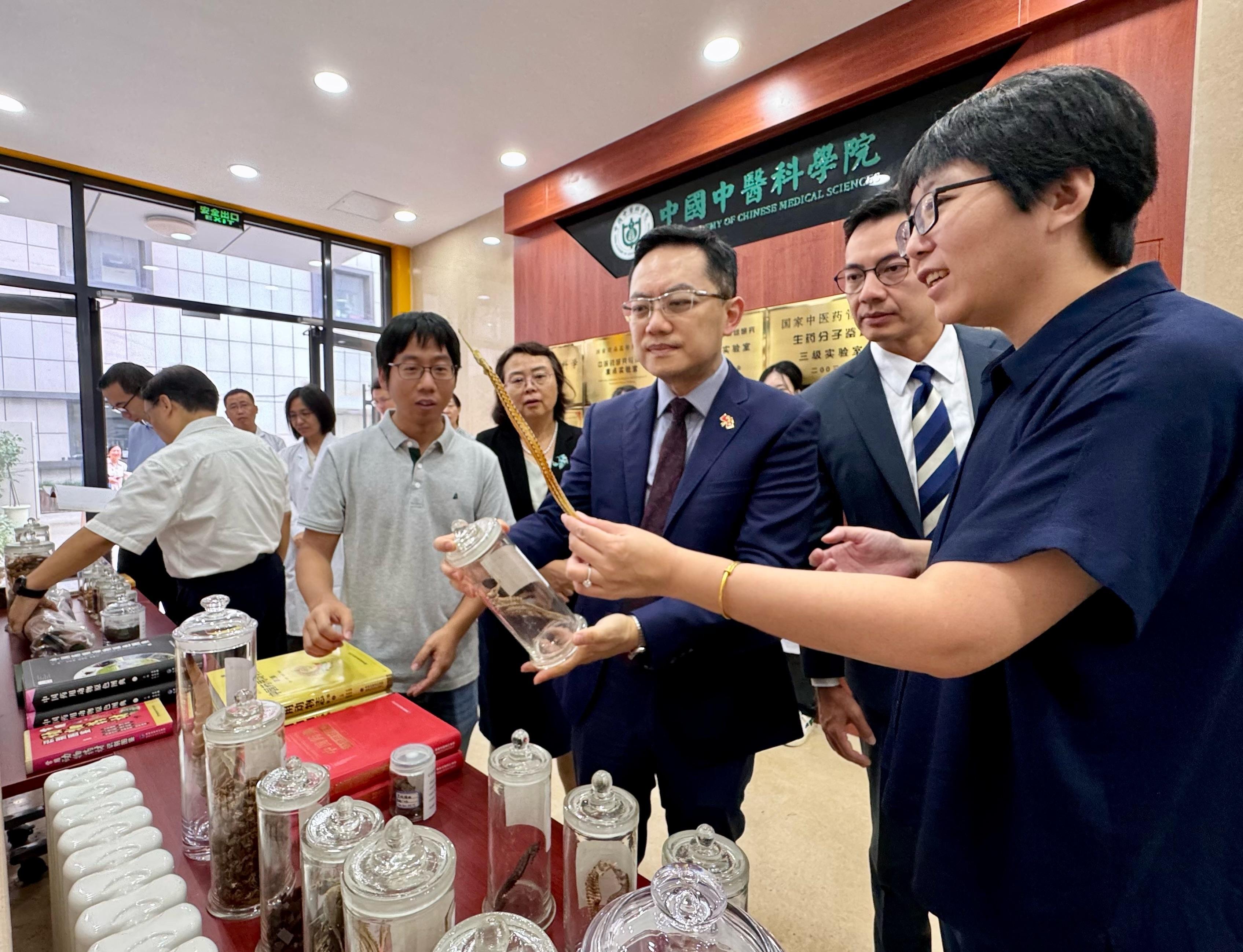
     The Director of Health, Dr Ronald Lam, today (September 11) witnessed in Beijing the Department of Health (DH) and the Experimental Research Center (ERC) of the China Academy of Chinese Medical Sciences (CACMS), which is a subsidiary organisation under the National Administration of Traditional Chinese Medicine (NATCM), signing a Co-operation Arrangement on Research for Quality Testing and Standards of Chinese Medicines (Co-operation Agreement) that covers a period of five years. The Co-operation Agreement reinforces the exchange and collaboration, jointly promote the modernisation and innovation of Chinese medicines, as well as the advancement of high-quality development of Chinese medicines.

     Witnessed by Dr Ronald Lam, Director of the Department of International Co-operation (Office of Hong Kong, Macao & Taiwan Affairs) of the NATCM, Mr Wu Zhendou, and the Vice President of the CACMS, Dr Yang Hongjun, the Co-operation Agreement was signed by the Assistant Director of Health (Chinese Medicine), Dr Edmund Fong, and the Deputy Director of the ERC, Dr Yuan Yuan.

     The areas of collaboration include reinforcement on research and standardization of Chinese medicines quality testing, establishment of Chinese medicines quality testing data platforms, holding expert meetings on different fields of Chinese medicines jointly. The Co-operation Agreement enhances the standard of local Chinese medicines testing technology, reinforces the exchange and collaboration on testing technology, nurtures innovative talents and further foster the internationalisation of Chinese medicines, so as to align with the national development strategies for Chinese medicines as outlined in the Development Plan for Traditional Chinese Medicine during the 14th Five-Year Plan Period.

     "I would like to express my heartfelt gratitude to the NATCM and the CACMS for their continuous support to the DH, including sending Chinese medicine experts to join Hong Kong to combat the COVID-19 pandemic, arranging acupuncture experts to provide guidance and training for local Chinese medicine practitioners on smoking cessation services with the Chinese medicine and acupuncture, sending Chinese medicine experts to assist Hong Kong Special Administrative Region (HKSAR) in conducting the Chinese Medicine Practitioners Licensing Examination, and inviting HKSAR Government to participate in the 'the Fourth National Survey of Chinese Materia Medica Resources' and providing guidance in various technical aspects. We have maintained close collaboration on the inheritance and innovation of Chinese medicine and to the development of global health over the years. I earnestly look forward to deepening our co-operation and exchange in Chinese medicine through the Co-operation Agreement signed today, and continue to work together to build a healthy China, healthy Greater Bay Area, and a healthy Hong Kong!", Dr Lam said.

     After the signing ceremony, Dr Lam visited the ERC and the National Resource Center for Chinese Materia Medica of the CACMS, to learn about the latest development of Chinese medicines testing and research work in the Mainland and had discussion with professional staff in the laboratories. Dr Lam stated that upon the completion and commissioning of the new building of the Government Chinese Medicines Testing Institute, there will be more opportunities for both parties to collaborate on Chinese medicines research, allowing more research results to be published in the new journal Science of Traditional Chinese Medicine.

     The DH has been actively facilitating exchange and co-operation with the NATCM in the testing and reference standard research of Chinese medicines. Both parties will implement the work related to promoting the high-quality development of the traditional Chinese medicines industry as outlined in the Development Plan for Traditional Chinese Medicine during the 14th Five-Year Plan Period, including the joint construction of a quality testing platform for Chinese medicines, and accelerating the standardisation, informatisation, modernisation and internationalisation of Chinese medicines. Under this synergistic effect, it can further promote the Chinese medicines industry towards high-quality development.
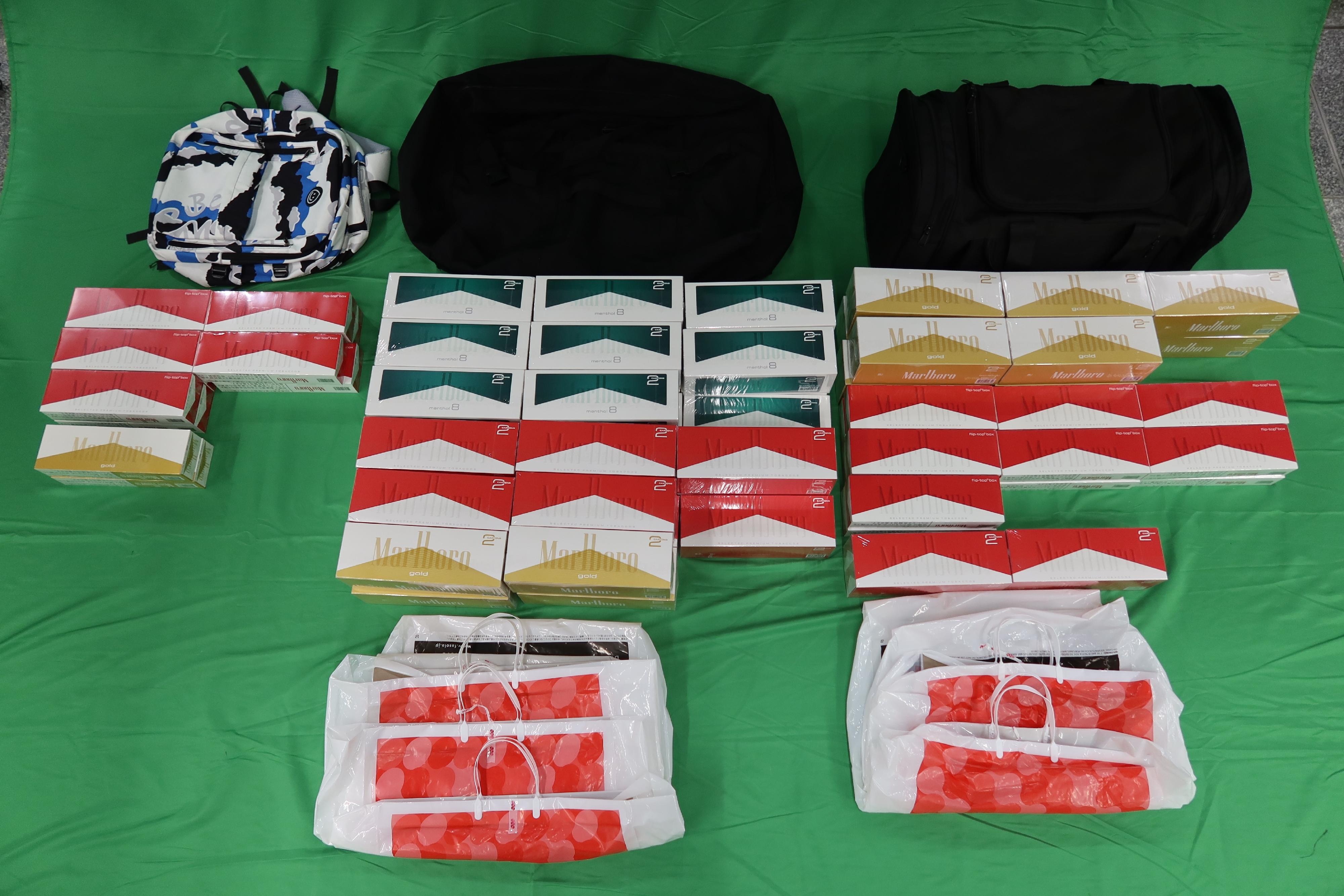
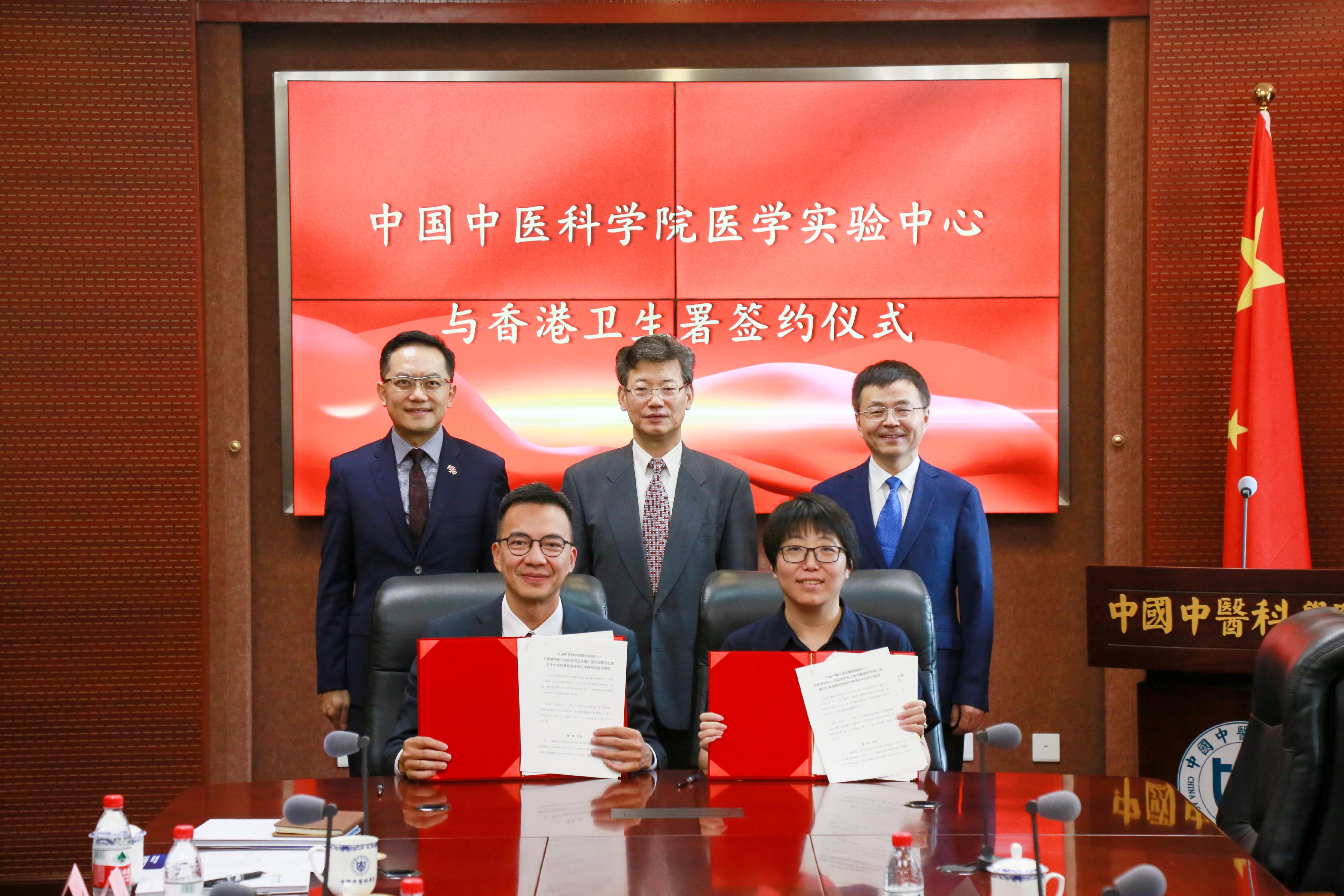
Photo  Photo