HA commences seasonal influenza vaccination programme

The following is issued on behalf of the Hospital Authority:

     Public hospitals and outpatient clinics of the Hospital Authority (HA) will start providing seasonal influenza vaccinations to eligible persons starting from next Thursday (September 26) to dovetail with the Government Vaccination Programme 2024/25.
 
     Under the Government Vaccination Programme 2024/25, the HA will mainly provide seasonal influenza vaccinations to eligible patients with regular attendance to public hospitals and outpatient clinics, including: 

  • chronic disease patients with regular appointments aged 2 to under 18 and 50 or above;
  • expectant mothers undergoing an antenatal checkup; and
  • identified persons with an intellectual disability, or disabled and chronic disease patients receiving Comprehensive Social Security Assistance aged between 18 to 49.

 
     The list of public hospitals and outpatient clinics providing vaccinations is set out in the Annex.
 
     Eligible patients may receive vaccinations at the time of their scheduled follow-up appointments at clinics. Patients with a distant follow-up appointment date may visit or contact the respective clinics for necessary arrangements.
 
     The Chief Infection Control Officer of the HA, Dr Raymond Lai, appealed to members of the public to receive vaccinations early. "High-risk individuals such as chronic disease patients, the elderly and children, and even healthy people, may develop severe complications after an influenza infection, leading to serious illness or death. As Hong Kong is about to enter winter, the risk of influenza transmission increases. Vaccinations can enhance immunity against influenza and greatly reduce the risk of serious illness or death from infection. Protection will develop in about two to four weeks after inoculation and last for at least six months, which would protect members of the public during the winter influenza season."
 
     According to the recommendations from the Centre for Health Protection, COVID-19 vaccines can be administered at the same time with other vaccines, including seasonal influenza vaccines. General Outpatient Clinics (GOPCs) will provide both COVID-19 and influenza vaccinations for eligible patients while medical staff will offer advice based on their vaccination history.
 
     In addition, poultry workers, pig farmers and people who are involved in the pig-slaughtering industry, as referred by relevant government departments, can also receive seasonal influenza vaccination in selected GOPCs starting from October 17 (Thursday).
 
     Members of the public can enquire about the details of this year's seasonal influenza vaccination programme at the respective specialist outpatient clinics or GOPCs they are attending, or make enquiries on the HA hotline 2300 6555 during office hours.


2024/25 Seasonal Influenza Vaccination Programmes to start on September 26

     The Centre for Health Protection (CHP) of the Department of Health (DH) today (September 19) announced that the 2024/25 Seasonal Influenza Vaccination Programmes, including the Seasonal Influenza Vaccination School Outreach Programme and the Residential Care Home Vaccination Programme (RVP), will begin on September 26. The CHP urged the public to receive the seasonal influenza vaccination (SIV) to better protect themselves during the coming influenza season.
      
     The local winter influenza season usually starts in January, while the summer surge occurs from July to August. For the influenza season which started in mid-January 2024, it ended in late July, lasting for 28 weeks. The predominant virus was initially influenza A (H3), which later shifted to A (H1) as the season progressed. The CHP believes that this prolonged influenza season was due to changes in the circulating influenza virus strains.
      
     According to the latest surveillance data on the percentage of respiratory specimens testing positive for seasonal influenza viruses and the influenza-related admission rate in public hospitals, local seasonal influenza activity currently remains at a low level. However, with the weather expected to become cooler, the CHP expects that local seasonal influenza activity will increase by the end of this year.
      
     "SIV is one of the most effective means to prevent seasonal influenza and its complications. All persons aged 6 months or above, except those with known contraindications, are recommended to receive the SIV for personal protection," a CHP spokesperson said.
 
     In the 2023/24 season, about 1 870 000 doses of seasonal influenza vaccines, an increase of about 20 per cent compared with the 2022/23 season, were administered under various programmes. The number of doses administered was a historical high with the concerted efforts of all stakeholders and parties.
 
Seasonal Influenza Vaccination Programmes
 
     Under the Seasonal Influenza Vaccination Programmes for the 2024/25 season, the eligibility criteria for receiving free or subsidised SIV remain largely the same as in the previous season (Annex I). Eligible members of the public can receive free SIV at the following public venues. The recommended vaccination venues are as follows:
 

  • Persons aged 50 years or above:

     – General persons: Vaccination by family doctors or District Health Centres
     – Persons with chronic illness: Vaccination by public or private clinics providing regular follow-ups

  • Persons aged 18 to 49 years who are mentally handicapped/disabled or Comprehensive Social Security Assistance recipients with chronic illness: Vaccination by family doctors or public/private clinics providing regular follow-ups
  • Children and adolescents aged 2 to under 18 years:

     – General children: Vaccination through the Seasonal Influenza Vaccination School Outreach Programme or by family doctors
     – Children with chronic illness: Vaccination by public or private clinics providing regular follow-ups

  • Children aged 6 months to under 2 years: Vaccination by family doctors or Maternal and Child Health Centres (MCHCs)
  • Pregnant women: Vaccination by family doctors, public, or private antenatal clinics

 
     To make vaccinations more accessible this year, the Government will introduce additional vaccination venues, including the DH's MCHCs for all children aged 6 months to under 2 years, and 16 District Health Centres/District Health Centre Expresses, providing more choices for the public. For a list of vaccination venues, please refer to the CHP's Vaccination Schemes page.
      
     Starting from 9am on September 23, parents of children aged 6 months to under 2 years may book an appointment for their children to receive vaccinations at designated MCHCs via the online booking system: https://booking.covidvaccine.gov.hk/forms/sivfhs/index_en.jsp.
      
     Over 1 600 doctors have enrolled in the Vaccination Subsidy Scheme (VSS). The Government will provide a subsidy of $260 per dose of vaccination. Over half of the enrolled VSS doctors will not charge extra in addition to the Government's subsidy. For the list of VSS doctors, please visit: https://apps.hcv.gov.hk/Public/en/SPS/Search.
 
Seasonal Influenza Vaccination School Outreach Programme
 
     Under the Seasonal Influenza Vaccination School Outreach Programme, secondary schools, primary schools, kindergartens, and child-care centres can arrange outreach vaccination teams to provide SIVs to schoolchildren. Schools may choose to join the Seasonal Influenza Vaccination School Outreach Programme (SIVSOP) and/or the Vaccination Subsidy Scheme (VSS) School Outreach Programme. Under SIVSOP, the DH will arrange vaccination teams to provide free SIV for participating schoolchildren. The vaccines will be provided by the DH, and a subsidy of $105 per dose will be given to doctors.
      
     Schools may also arrange outreach vaccinations under the VSS School Outreach Programme by selecting a doctor and making arrangements for the outreach activity, including the type of vaccine to be provided. The Government will provide a subsidy of $260 per dose to the doctor. In addition to schoolchildren, other individuals such as school staff and students' parents can also receive SIVs during the outreach vaccination activity.
      
     To improve vaccine coverage among schoolchildren, the SIVSOP has implemented the following special arrangements for the 2024/25 season:
 

  • Kindergartens and child-care centres can choose both injectable inactivated influenza vaccines (IIV) and live attenuated influenza vaccines (LAIV) (i.e., nasal vaccines) for the same or different outreach vaccination activities.


  • So far, 860 kindergartens and child-care centres have arranged vaccination activities for their schoolchildren. Among them, 246 schools will offer LAIV, seven schools will offer both LAIV and IIV, and the rest will offer IIV this year.


  • As a pilot scheme, LAIV will also be provided to selected primary and secondary schools which indicated their preference for LAIV earlier this year. The DH will continue to monitor and review the arrangement as appropriate.

 
     Currently, around 860 kindergartens and child-care centres (79 per cent), 610 primary schools (92 per cent), and 380 secondary schools (75 per cent) have arranged vaccination activities for their schoolchildren. Based on local experience, participation in outreach vaccination programmes can significantly increase the influenza vaccination rate among schoolchildren by more than double, reaching an average vaccination rate of 70 per cent, effectively strengthening the immunity barrier among schoolchildren. The Government encourages schools that have not yet enrolled to sign up for the outreach vaccination programme as soon as possible.
 
Residential Care Home Vaccination Programme
 
     Under the Residential Care Home Vaccination Programme, the DH will deliver vaccines for free to care homes. Visiting medical officers enrolled in the programme are invited by institutions to provide vaccination services to eligible residents. The subsidy will be $105 per dose. Residents and staff of residential care homes for the elderly and persons with disabilities, non-institutionalised persons with intellectual disabilities (PID) receiving services, staff working in designated institutions serving PID, and residents and staff of residential child-care centres can receive vaccination services from outreach teams starting from September 26.
      
     The Scientific Committee on Vaccine Preventable Diseases (SCVPD) under the CHP has recommended that the composition of vaccines for the 2024/25 influenza season should align with the World Health Organization's latest recommendations. For details on the trivalent or quadrivalent influenza vaccines to be used in the 2024/25 northern hemisphere influenza season, please refer to the SCVPD's recommendations.
      
     Both IIVs and LAIV are recommended for use in Hong Kong by the SCVPD. Depending on the brand, most IIVs are recommended for use in people aged 6 months or older, including healthy individuals, pregnant women, and those with chronic medical conditions. LAIV can be used for people aged 2 to 49 (except those who are pregnant, immunocompromised, or have other contraindications).

     The public, especially those in the eligible groups, may call the CHP's enquiry hotline (2125 2125) during office hours or visit the CHP's Vaccination Schemes page for more information on the above vaccination schemes.


FS calls on Ministry of Finance in Beijing (with photos)

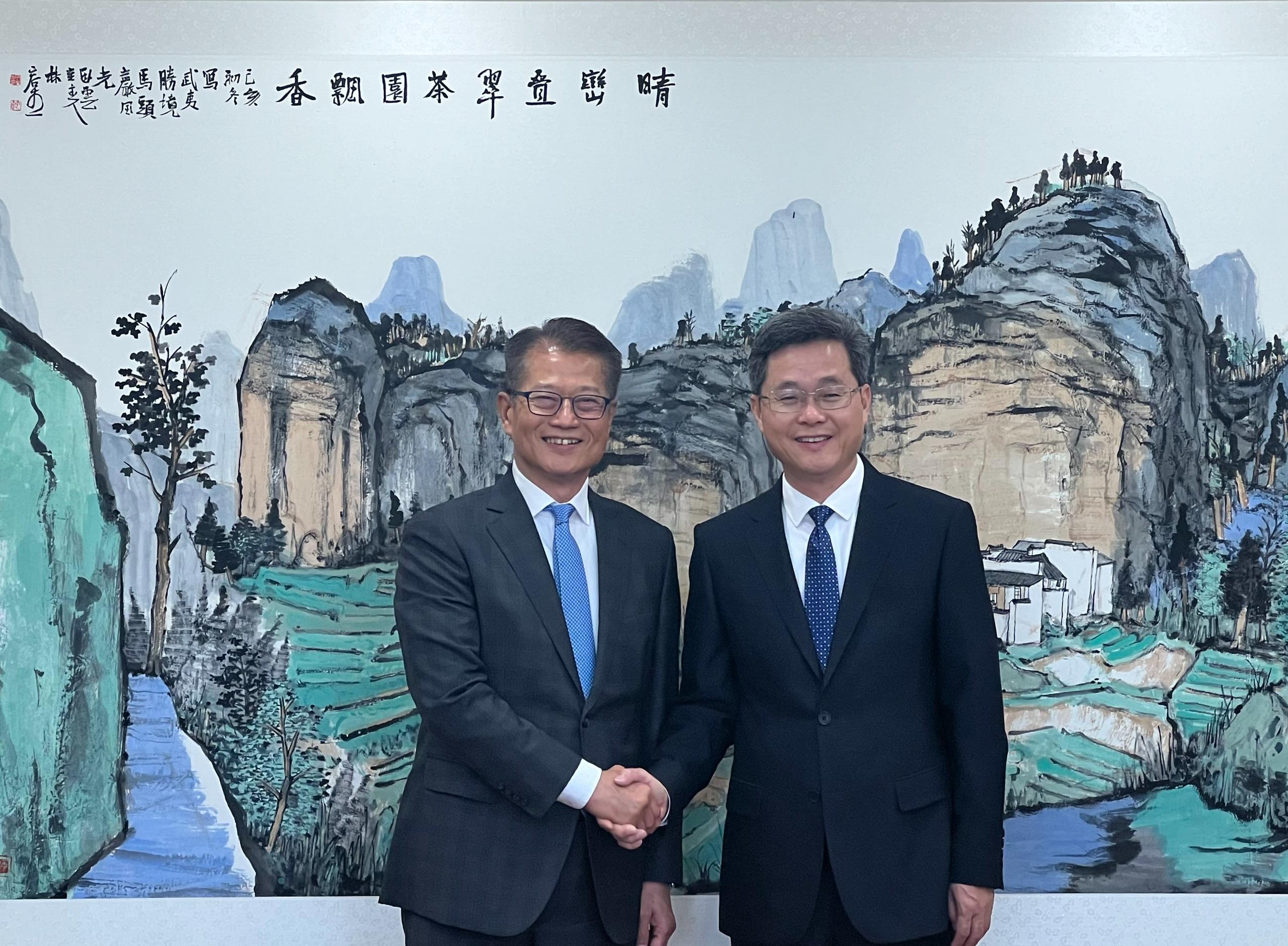
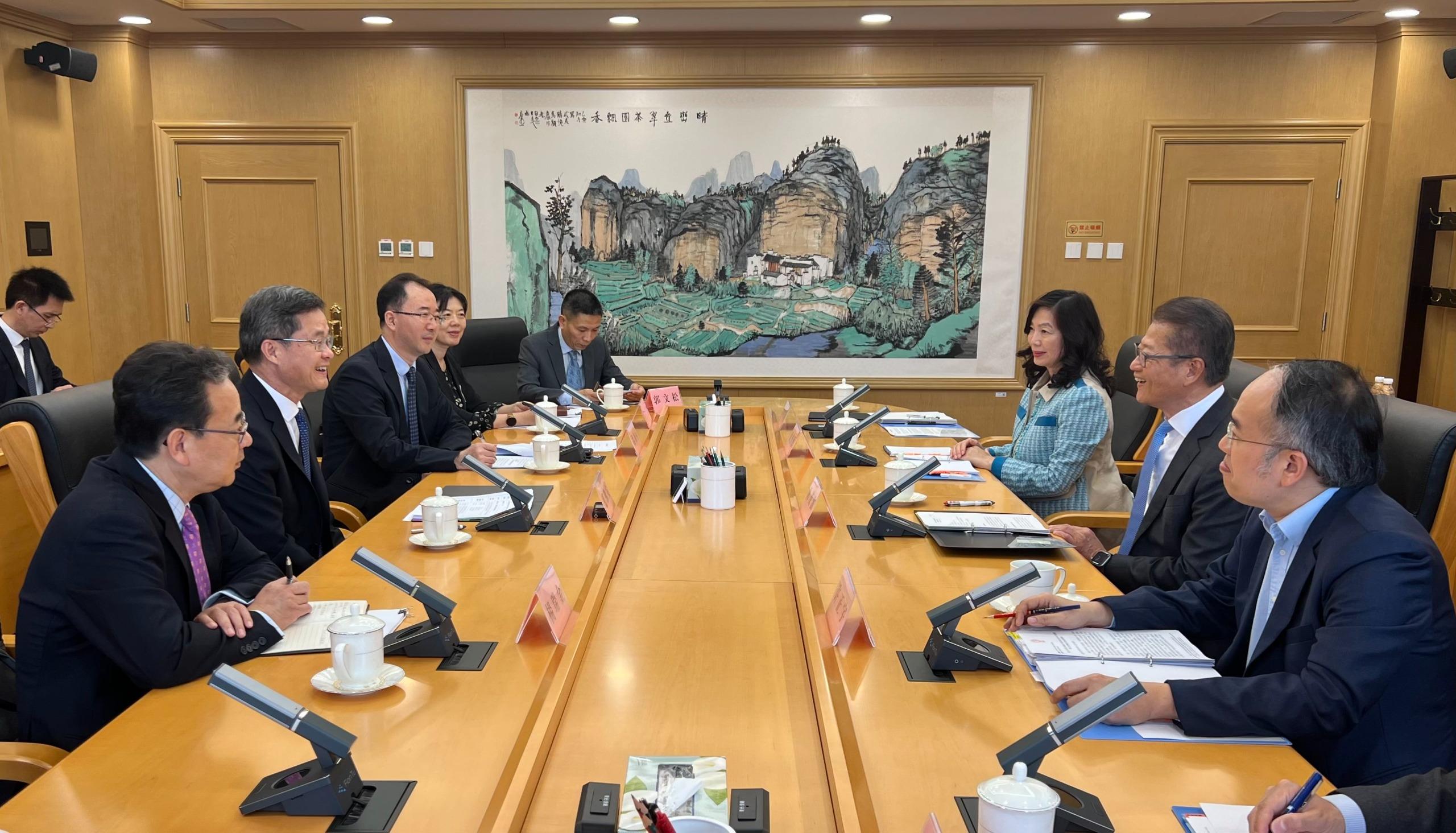
     â€‹The Financial Secretary, Mr Paul Chan, accompanying the Chief Executive on his visit to Beijing, called on the Minister of Finance, Mr Lan Fo'an, this afternoon (September 19). He thanked the Ministry of Finance for its staunch support to Hong Kong in various areas. They had in-depth exchanges on the economic and financial situations of the Mainland, Hong Kong and the world, the development of Hong Kong as an international financial centre, the mutual access between the capital markets of the Mainland and Hong Kong, as well as strengthening the co-operation of audit supervision on Mainland enterprises listed in Hong Kong. The Secretary for Financial Services and the Treasury, Mr Christopher Hui, and the Permanent Secretary for Financial Services and the Treasury (Financial Services), Ms Salina Yan, also participated in the meeting.

     Upon arriving in Beijing, Mr Chan visited the research and development headquarters of a Mainland new energy vehicle enterprise and met its representatives. The company, listed in Hong Kong and supported by the Office for Attracting Strategic Enterprises of the Hong Kong Special Administrative Region Government, is positively considering to conduct some key scientific research projects, establish a financial management centre and a trade settlement centre in Hong Kong, as well as to launch research co-operation with Hong Kong universities and research institutions. Mr Chan said that Hong Kong has competitive advantages in artificial intelligence, new energy and new materials, along with international capital and a pool of research and development talent. He encouraged the company to leverage Hong Kong's advantages of being a dual hub of an international financial centre and an innovation and technology centre to launch research and development, expand into the global market and grow its business. 

     Mr Chan will continue his visit to Beijing tomorrow (September 20) and accompany the Chief Executive to attend the 27th Beijing-Hong Kong Economic Cooperation Symposium and Beijing-Hong Kong Cooperation Promotion Conference. 

Photo  Photo  Photo  


Magistrates’ Court hands down sentence in case related to offences in connection with seditious intention

     The Magistrates' Court today (September 19) handed down the sentence in a case involving the offence of "doing with a seditious intention an act or acts that had a seditious intention" under the Safeguarding National Security Ordinance. The defendant who had earlier pleaded guilty was sentenced to imprisonment for 14 months.
 
     The conviction and sentencing of the defendant demonstrates that any person intending to endanger national security or incite social hatred can never escape sanctions of the law. Hong Kong is a society underpinned by the rule of law, where laws must be obeyed and lawbreakers be held accountable. People who break the law must face legal sanctions for their malicious acts.
 
     The magistrate clearly pointed out in the reasons for sentencing that, "The content of the seditious words in this case involved advocating divesting the Hong Kong Special Administrative Region (HKSAR) Government from the lawful governance of the Central Authorities, and putting his agenda into action by undermining social tranquility and public order, seriously endangering the unity and territorial integrity of the State."
 
     Furthermore, the magistrate also clearly pointed out that the defendant intended to bring other people into hatred and contempt against the HKSAR Government and law enforcement agencies, resulting in social rift and division. If the law does not intervene in time, it will make society once again fall into chaos.
 
     The HKSAR Government spokesperson also pointed out that, "The Basic Law and the Hong Kong Bill of Rights guarantee fundamental rights such as the freedom of expression, peaceful assembly, procession and demonstration. Clear lines have been drawn between unlawful seditious acts and expressions, and lawful constructive criticisms under the Safeguarding National Security Ordinance. The relevant provisions are also unambiguous."
 
     "Doing with a seditious intention an act or acts that had a seditious intention" is an offence endangering national security.  Members of the public should not defy the law.


SED attends European Association for International Education Conference and Exhibition in France (with photos)

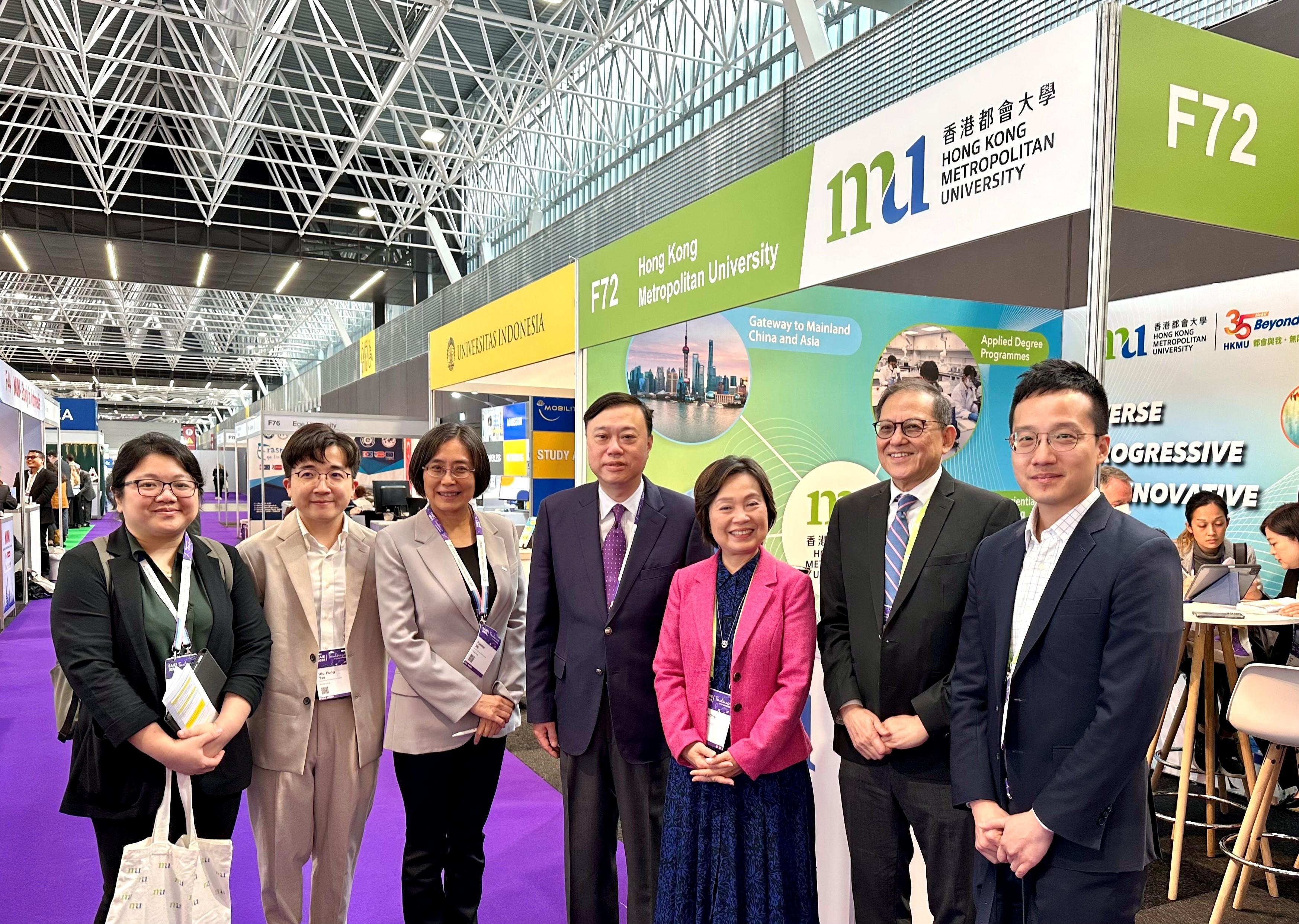
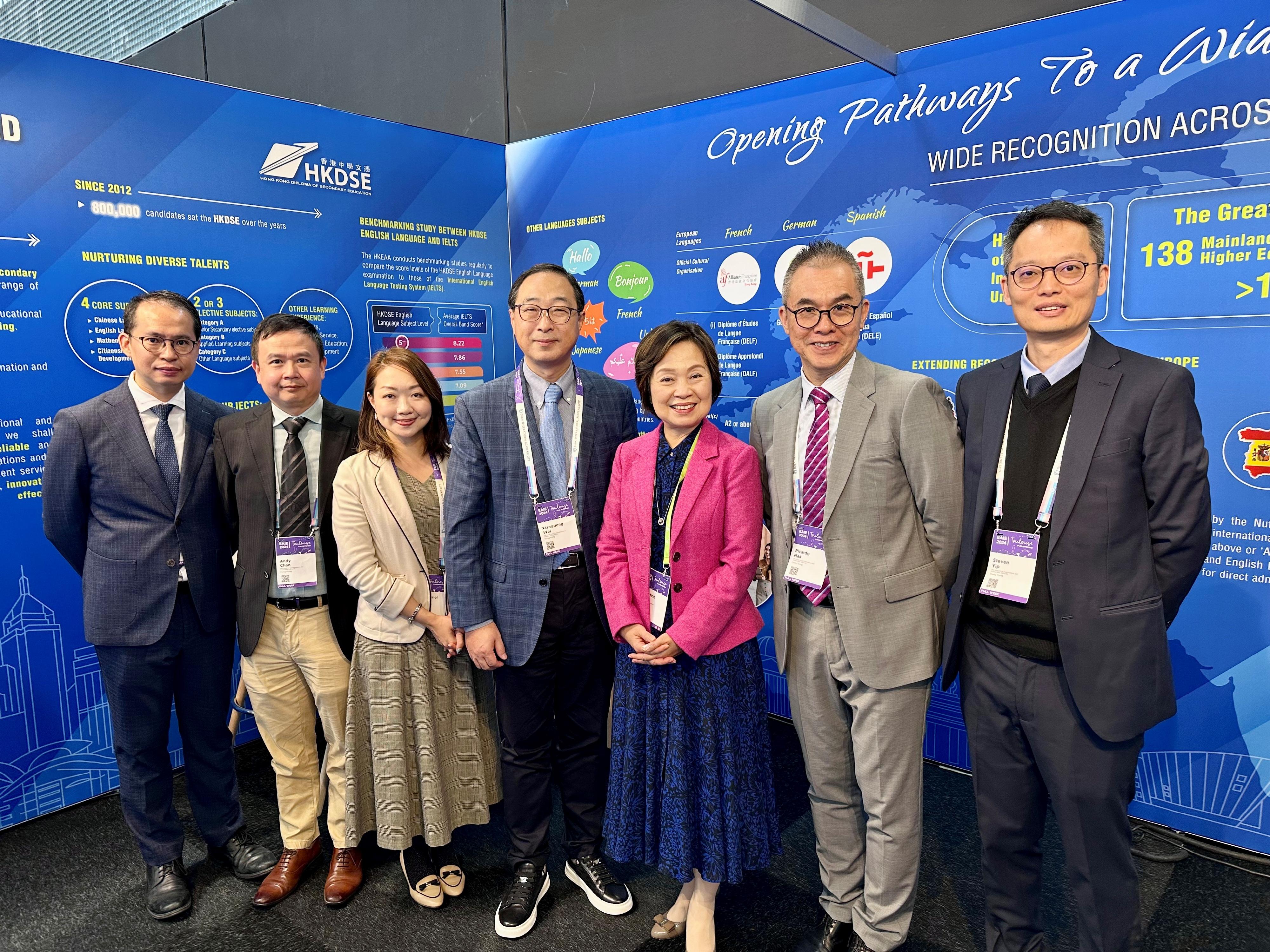
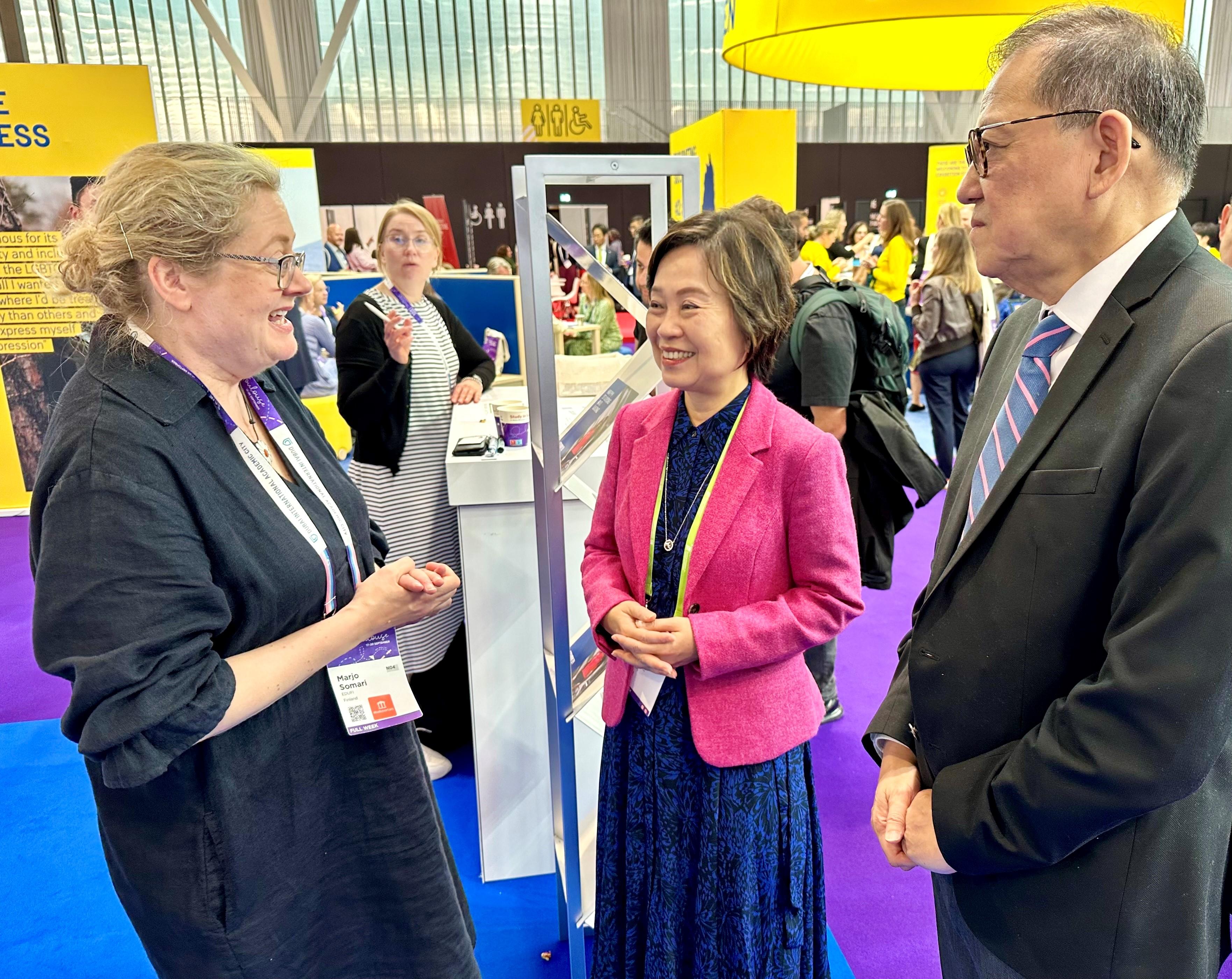
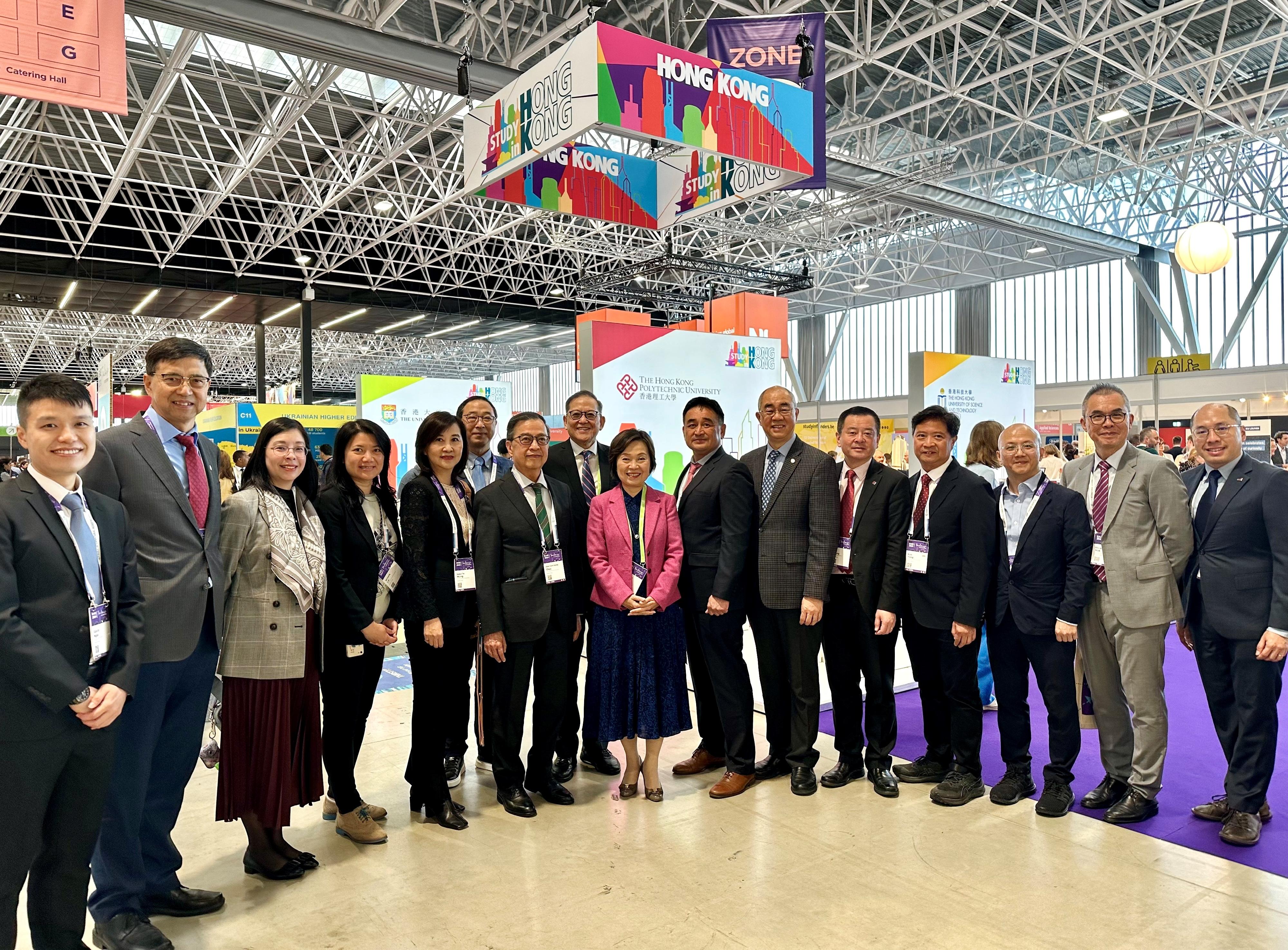
  The Secretary for Education, Dr Choi Yuk-lin, led representatives of the University Grants Committee (UGC) and UGC-funded universities to attend the European Association for International Education (EAIE) Conference and Exhibition in Toulouse, France, on September 18 (France time) to promote Hong Kong's advantages as an international post-secondary education hub.
 
  In her speech on Study in Hong Kong in a seminar at the event, Dr Choi said that Hong Kong is a vibrant, highly livable and diverse cosmopolitan city. With five publicly funded universities within the world's top 100, Hong Kong gathers talented students and exceptional academics from across the world, and is a cradle for future talent. Leveraging the strengths of a highly internationalised higher education sector, the Government is striving to develop Hong Kong into an international post-secondary education hub.
 
  Dr Choi said that with the support of national policies, Hong Kong's higher education sector is committed to bolstering development of the "eight centres". Coupled with substantial government investment and collaborative efforts from industries, Hong Kong provides local and overseas students with diverse development prospects. Enjoying the dual advantage of being in close proximity to the motherland and strongly connected to the world, Hong Kong offers a multitude of opportunities to academics and students from abroad. She welcomed overseas counterparts to explore collaboration with Hong Kong's higher education sector.
 
     The Secretary-General of the UGC, Professor James Tang, also addressed the seminar, highlighting how Hong Kong has leveraged the confluence of Chinese and foreign cultures to raise its reputation as an international hub for higher education, with four UGC-funded universities among the world's top 10 most-international universities. He shared the latest developments of the UGC-funded universities in teaching and learning as well as research. These include devoting resources to encourage universities to apply breakthrough technologies in transforming pedagogies and enriching students' learning experiences. In the latest round of the Research Assessment Exercise, around 80 per cent of impact case studies were rated as "outstanding" or "considerable", the two highest levels. These examples attest to the determination of Hong Kong's higher education sector to strive for excellence.
 
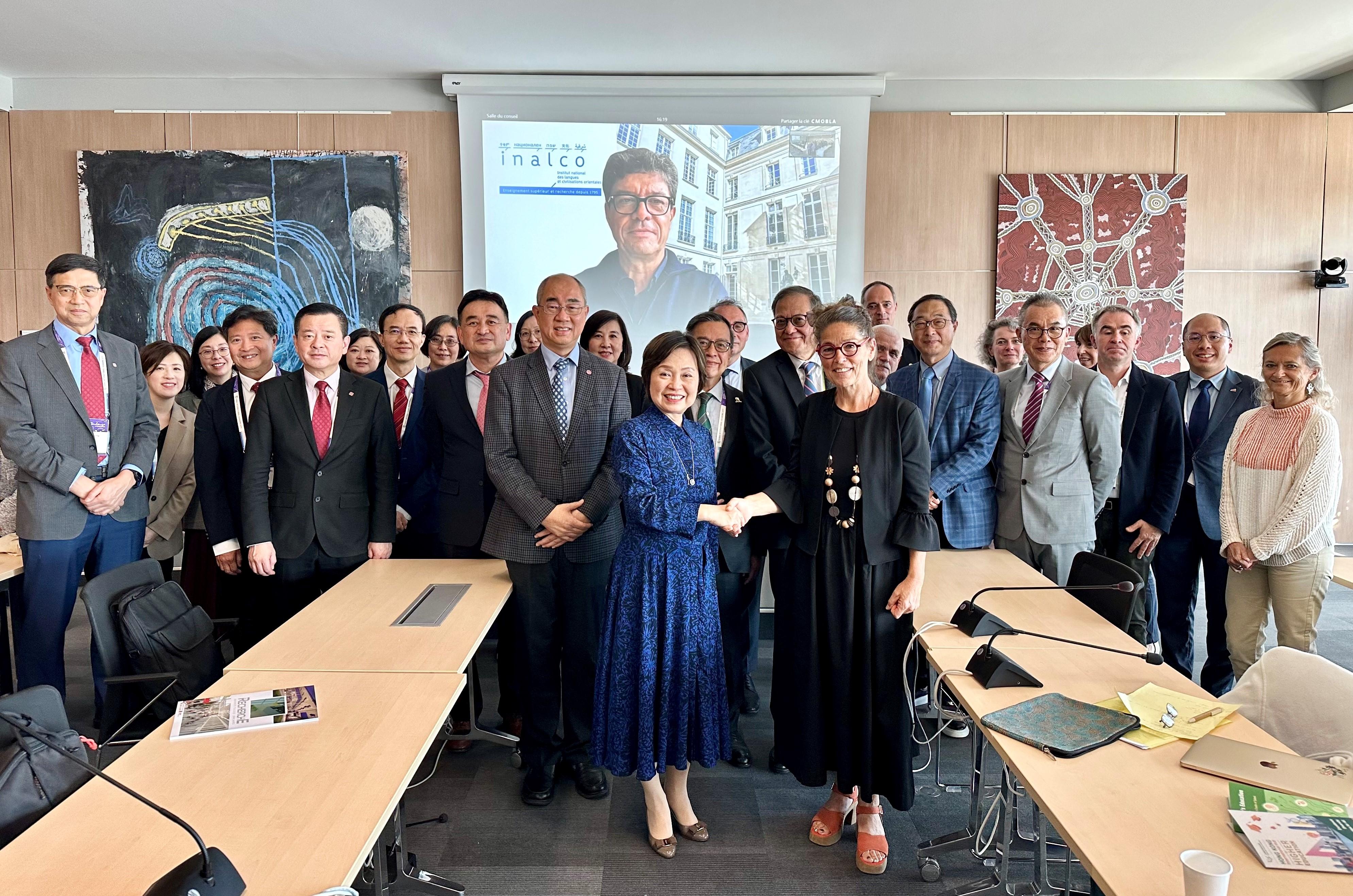
  In addition, Dr Choi visited the Hong Kong Pavilion set up by the Heads of Universities Committee Standing Committee on Internationalisation (HUCOMSCI) and funded by the UGC to support the work of the publicly funded universities in expanding their global network and recruiting overseas students to study in Hong Kong. She also attended a seminar on higher education co-operation and exchanges between Hong Kong and France. Together with representatives of the UGC, the eight publicly funded universities and the Hong Kong Examinations and Assessment Authority, Dr Choi met representatives from universities in France and shared Hong Kong's latest developments in post-secondary education in the seminar. She welcomed students in France to pursue studies or conduct exchanges in Hong Kong.
 
  Dr Choi also attended the Study in Hong Kong dinner organised by the HUCOMSCI. She introduced to overseas education experts Hong Kong's unique competitive edges in developing into a global post-secondary education hub, and encouraged more exchanges and co-operation between Hong Kong and the rest of the world on higher education development.
 
  She said that Hong Kong's higher education sector is internationally renowned for its excellence in teaching quality and research capability. The Government has continued to support capacity expansion and quality enhancement of higher education institutions, and to strengthen co-operation with overseas institutions to attract more Mainland and overseas students to study in Hong Kong. Measures include doubling the admission quota of non-local students at government-funded post-secondary institutions to 40 per cent; increasing the quota of the Belt and Road Scholarship by 50 per cent; and providing an additional $100 million to encourage universities to offer students more exchange and learning opportunities outside Hong Kong, promoting internationalisation of local post-secondary education.
 
  On September 19 (France time), Dr Choi met leaders of the EAIE. She said that the EAIE Conference and Exhibition is the largest university recruitment and networking event in Europe. A valuable platform for engagement with European partners, it has attracted some 6 700 higher education professionals from all over the world. She believed that the eight publicly funded universities in Hong Kong would strengthen their co-operation and build partnerships with various European universities through participation in the event, bringing a range of exchange and learning opportunities for students.
 
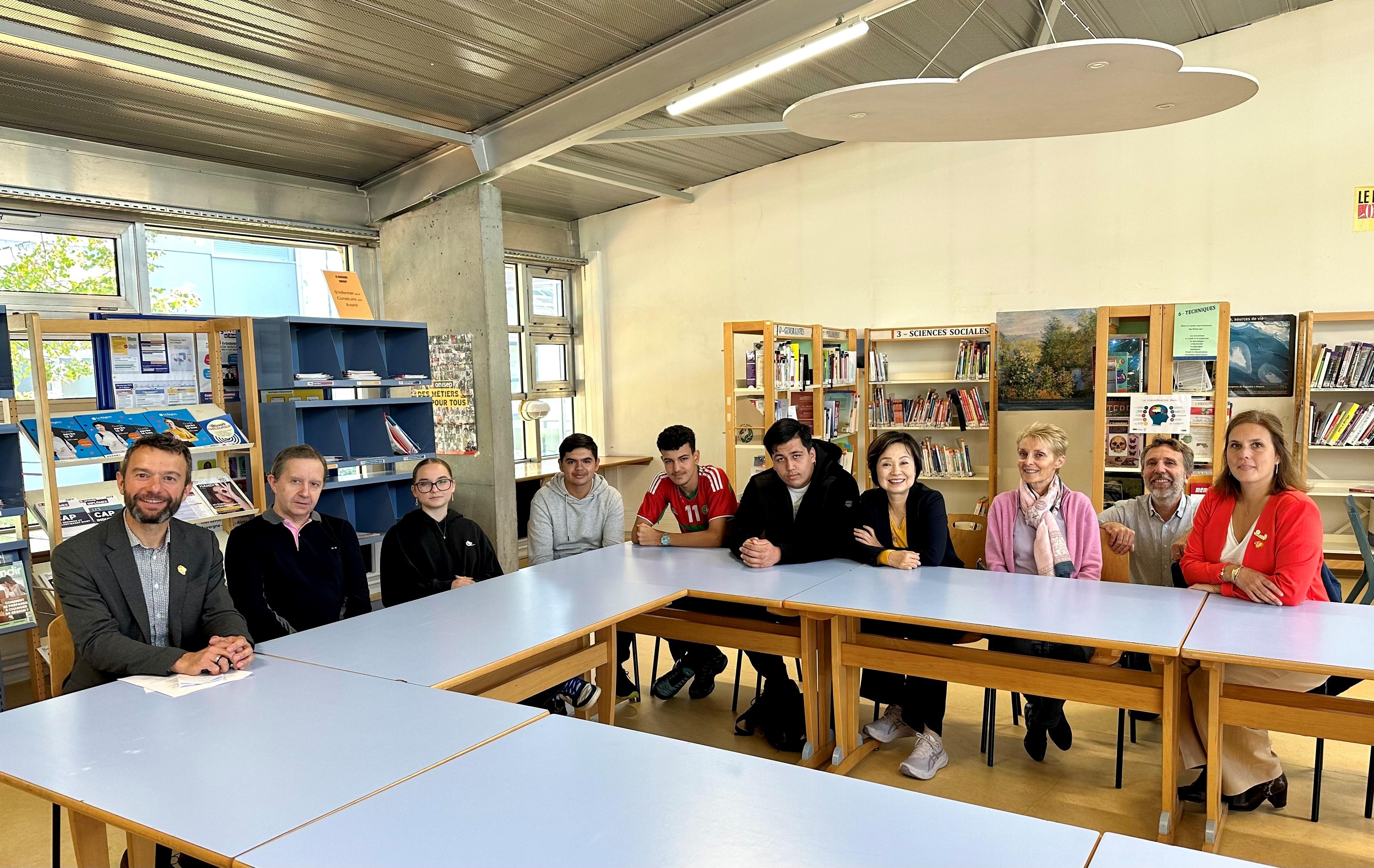
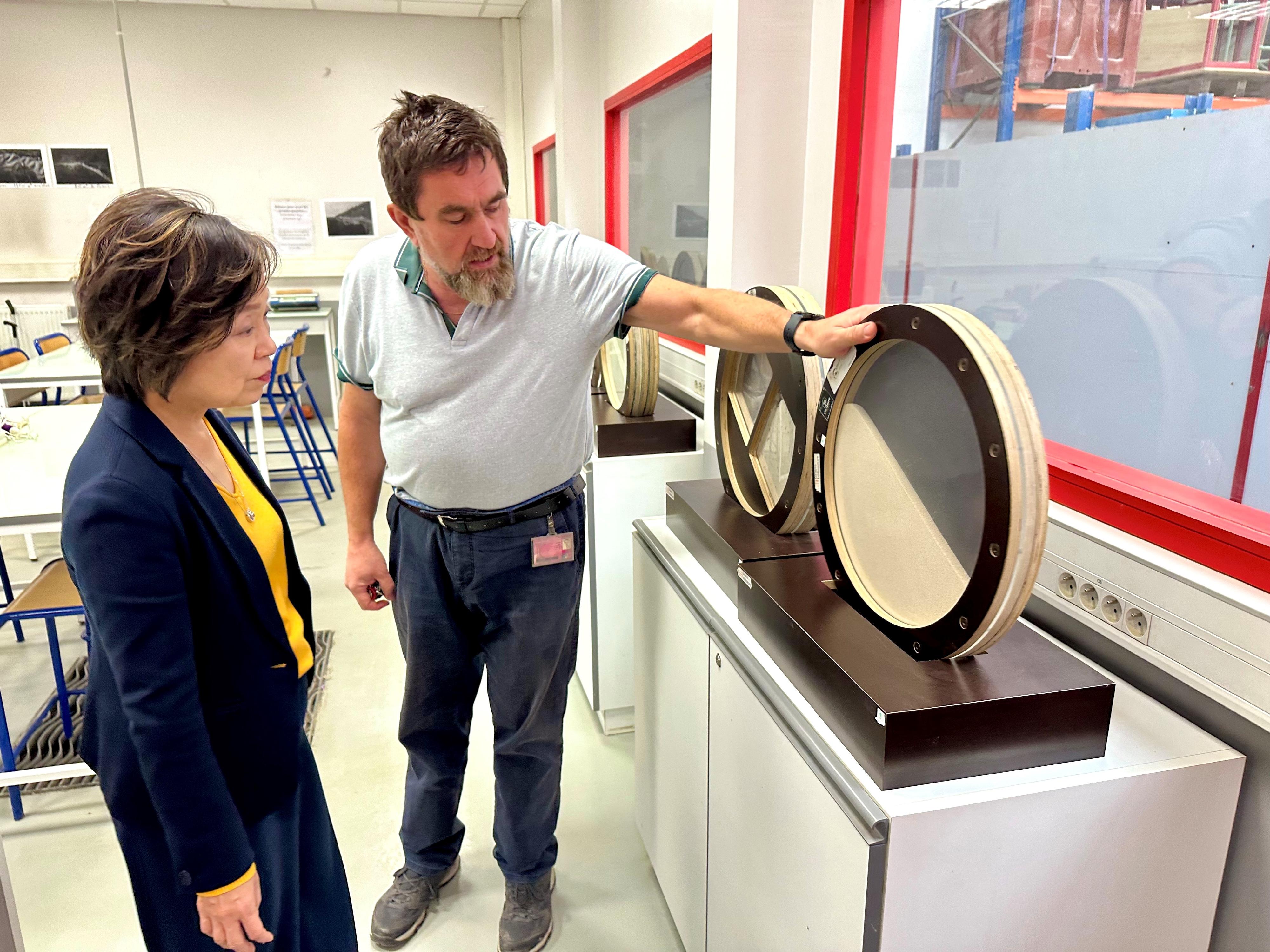
     On September 16 (France time), Dr Choi visited Lycée Professionnel L'Odyssée, a vocational and professional education and training (VPET) school in Lyon. She chatted with the teachers and students to understand the various VPET programmes and internships offered by the school, and VPET development pathways for local students. She also visited the Institut Universitaire de Technologie Lyon 1, a technical university in Lyon, toured its VPET facilities and met its leadership to learn about how the university strengthened co-operation with enterprises to provide VPET opportunities that blend theory and practice for students. Later, she paid a courtesy call on the acting Chinese Consul General in Lyon, Mr Li Zhenping, to introduce Hong Kong's latest education policies and initiatives.
 
  On September 17 (France time), Dr Choi and Professor Tang met members of the HUCOMSCI attending the EAIE Conference and Exhibition in Toulouse. They discussed how to deepen institutional collaboration for further promotion of the Study in Hong Kong brand around the world and how to accelerate the development of Hong Kong into an international hub for post-secondary education.
 
  Dr Choi will conclude her visit and return to Hong Kong tomorrow (September 20).

Photo  Photo  Photo  Photo  Photo  Photo  Photo  Photo  Photo  Photo  Photo