Import of poultry meat and products from areas in US suspended

     â€‹The Centre for Food Safety (CFS) of the Food and Environmental Hygiene Department announced today (September 30) that in view of a notification from the World Organisation for Animal Health (WOAH) about outbreaks of highly pathogenic H5N1 avian influenza in Merced County of the State of California and Orange County of the State of Florida in the United States (US), the CFS has instructed the trade to suspend the import of poultry meat and products (including poultry eggs) from the above-mentioned areas with immediate effect to protect public health in Hong Kong.

     A CFS spokesman said that according to the Census and Statistics Department, Hong Kong imported about 40 950 tonnes of chilled and frozen poultry meat and about 13.86 million poultry eggs from the US in the first six months of this year.

     "The CFS has contacted the American authority over the issue and will closely monitor information issued by the WOAH and the relevant authorities on the avian influenza outbreaks. Appropriate action will be taken in response to the development of the situation," the spokesman said.


LCSD to hold “Jazz Music Appreciation for Beginners” Lecture Demonstration Series (with photo)

     The Leisure and Cultural Services Department (LCSD) will present the "Jazz Music Appreciation for Beginners" Lecture Demonstration Series on five consecutive Wednesdays starting from October 30, featuring members of the local emerging jazz music group "Fountain de Chopin" as the speakers and demonstrators to cover the fundamentals, origins, evolution and distinctive characteristics of jazz music in an easy-to-understand manner. With live demonstrations woven throughout the lectures, audiences can not only have a better understanding of this globally cherished music genre but also learn to appreciate the fascinating charisma that jazz music embodies.

     Details of each lecture are as follows:

Lecture 1: Exploring Jazz – Structure and Instrument Analysis
—————————————————————————
Date: October 30 (Wednesday)

     Complemented by live demonstrations, the speakers will introduce audiences to the basics as well as the more advanced structures and nuances of jazz music, including the communication between musicians and the methods and terminology of improvisation, so that they can understand the key points and details to focus on when listening to jazz.

Lecture 2: The Origins of Jazz Music (1910 to 1940)
—————————————————————
Date: November 6 (Wednesday)
 
     The speakers will introduce the origins of jazz music and popular trends from the early 20th century such as "Big Band" and "Swing", with highlights on several iconic jazz musicians, including Louis Armstrong and Duke Ellington. With live performances, audiences can be immersed in the audible history of jazz.
 
Lecture 3: The Evolution of Jazz Music (1940 to 1970)
——————————————————————-
Date: November 13 (Wednesday)

     The speakers will introduce and showcase performances of various jazz music genres, such as "Bebop", "Cool Jazz", "Hard Bop", "Free Jazz", "Latin Jazz" and "Fusion Jazz". They will also elaborate on how jazz has evolved to place greater emphasis on breaking rules, thereby allowing musicians more freedom in improvisation. Several influential musicians in the jazz scene, including Chet Baker, John Coltrane and Herbie Hancock, will also be highlighted.
 
Lecture 4: Modern Jazz Music (1970 to present)
———————————————————-
Date: November 20 (Wednesday)

     Through demonstration performances, the speakers will give an overview of the development of jazz music from the mid-20th century to the present, including "Fusion Jazz" and later "Modern Jazz", and will introduce some icons of "Jazz-Rock Fusion" such as Miles Davis and Chick Corea.

Lecture 5: Embark on a Journey from the Ears to Discover Your Own Jazz Music
————————————————————————————————–
Date: November 27 (Wednesday)
 
     In the final lecture, through improvisational performances, the speakers will explain different types of jazz music and their features, progressing from basic to advanced levels. By learning about masterpieces of jazz and the distinctive styles of musicians, audience members will know how to appreciate and distinguish between different jazz genres.
 
     "Fountain de Chopin" was established in 2021 by local jazz musicians. Its core members include Bowen Li (pianist), Michael Chan (guitarist), Nelson Fung (bassist), Dean Li (drummer), Timothy Wan and Brian Cheung (saxophonists). Dedicated to promoting local jazz music, the group focuses on organising small-scale performances, listening sessions, and improvisational concerts. The group has also been invited to participate in various local music events, and has actively engaged in interdisciplinary collaborations with musicians.
  
     All lectures will be conducted in Cantonese and will start at 7.30pm in the Lecture Hall of the Hong Kong Space Museum. Each lecture will run for about one hour and 30 minutes. Tickets priced at $100 (for each lecture, with free seating) are now available at URBTIX (www.urbtix.hk). For telephone bookings, please call 3166 1288. For programme enquiries, please call 2268 7321 or visit
www.lcsd.gov.hk/CE/CulturalService/Programme/en/music/programs_1792.html.
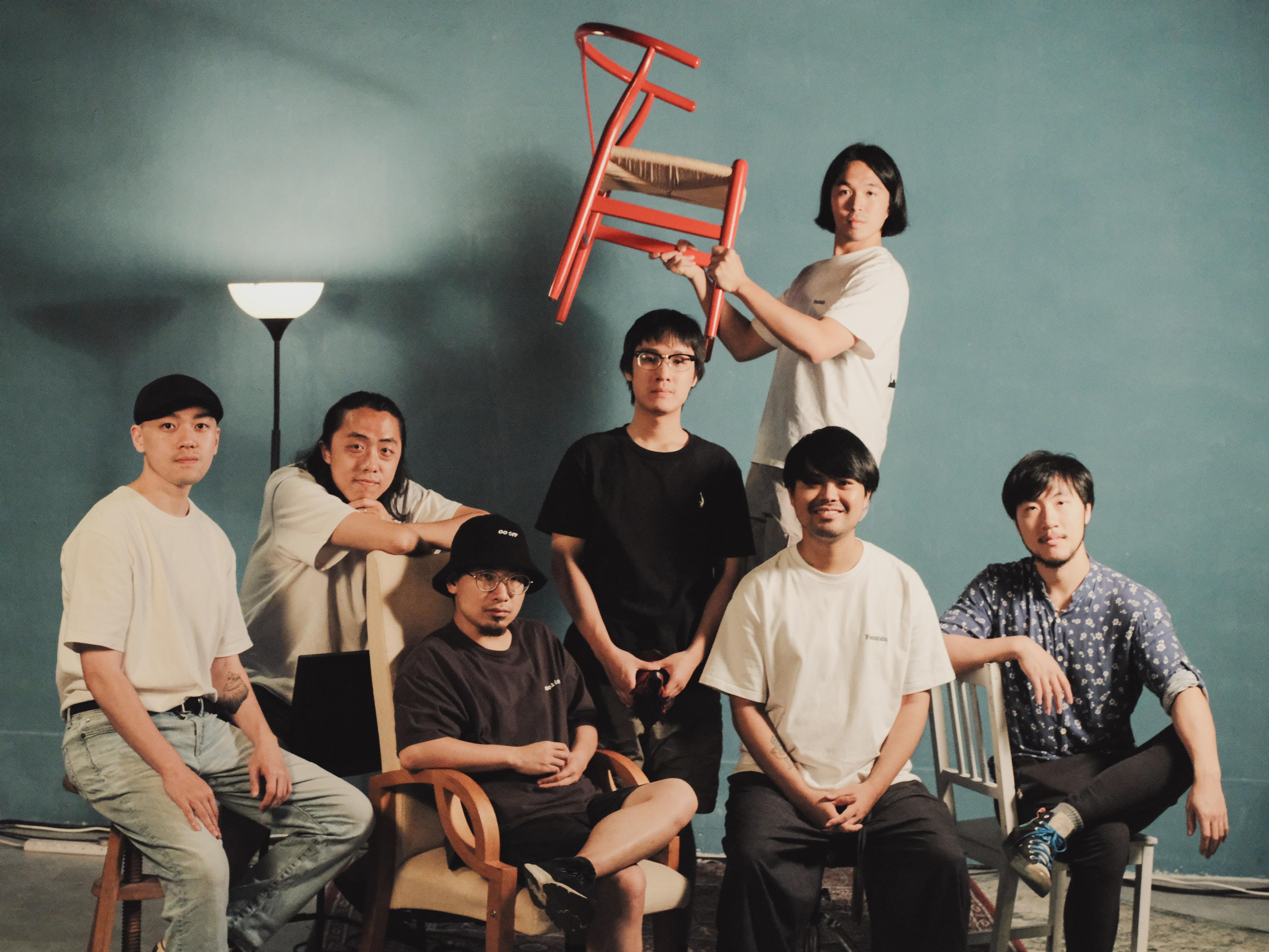
Photo  


Authorised mobile network operators can install mobile communications facilities in specified buildings for free from April 1, 2025

     The amended section 14 of the Telecommunications Ordinance (Cap. 106) (TO) will come into operation tomorrow (October 1). Mobile network operators authorised by the Communications Authority (CA) can access the reserved space in specified buildings with building plans approved on or after April 1, 2025, to install and maintain mobile communications facilities (MCFs) without the payment of a fee to the land owners concerned.
 
     The TO stipulates that specified buildings cover newly built and rebuilt commercial, industrial, residential and hotel buildings. New government buildings and public housing developments will also follow the relevant arrangements to reserve space for mobile network operators to install MCFs.
 
     To implement the new measure, the CA, after considering the views from the telecommunications industry, building developers, construction professional bodies and the property management industry, has promulgated the Code of Practice for the Provision of Mobile Access Facilities in Specified Buildings for the Provision of Public Mobile Radiocommunications Services (Mobile CoP), which stipulates the minimum standards and requirements of the infrastructure facilities for the installation of MCFs in specified buildings. The Building Authority has also updated the Practice Note for Authorized Persons, Registered Structural Engineers and Registered Geotechnical Engineers on Access Facilities for Telecommunications and Broadcasting Services (Practice Note (APP-84)) issued in accordance with section 28A of the Building (Planning) Regulations (Cap. 123F), which promulgates the requirements on floor space and ancillary facilities for the installation of MCFs in specified buildings. The Mobile CoP and the Practice Note (APP-84) will come into effect tomorrow. Details have been uploaded to the websites of the CA and the Buildings Department.
 
     The relevant amendments to the TO will help institutionalise the arrangements for installing MCFs in specified buildings and streamline the approval process, with a view to further expanding the network coverage of Hong Kong's fifth generation (5G) mobile services and facilitating Hong Kong's development into a smart city.


Red flags hoisted at some beaches

Attention TV/radio announcers:

Please broadcast the following as soon as possible:

     Here is an item of interest to swimmers.

     The Leisure and Cultural Services Department announced today (September 30) that due to big waves, red flags have been hoisted at Shek O Beach and Big Wave Bay Beach in Southern District, Hong Kong Island; and Clear Water Bay Second Beach in Sai Kung District. Beachgoers are advised not to swim at these beaches.


CHP reminds public on precautions against heat stroke during very hot weather

     The Centre for Health Protection (CHP) of the Department of Health (DH) today (September 30) reminded members of the public, particularly those undertaking outdoor activities, to take heed of necessary measures against heat stroke and sunburn in very hot weather.

     "The public should carry and drink plenty of water to prevent dehydration while engaging in outdoor activities," a spokesman for the CHP said.

     "Those engaged in strenuous outdoor activities should avoid beverages containing caffeine, such as coffee and tea, as well as alcohol, as they speed up water loss through the urinary system," the spokesman explained.

     "Infants and children, the elderly, pregnant women, those with chronic illnesses such as heart disease or high blood pressure, outdoor/manual workers, and individuals who are overweight are more vulnerable to heat stroke. They should pay special attention," the spokesman added.

     The public should adopt the following precautions:
 

  • Wear loose and light-coloured clothing to reduce heat absorption and facilitate sweat evaporation and heat dissipation;
  • Avoid vigorous exercise and prolonged activities like hiking or trekking as heat, sweating and exhaustion can place additional demands on the physique;
  • Perform outdoor activities in the morning or the late afternoon, if possible;
  • For indoor activities, open all windows, use a fan or use air-conditioning to maintain good ventilation;
  • Do not stay inside a parked vehicle; and
  • Reschedule work to cooler times of the day if feasible. If working in a hot environment is inevitable, introduce shade in the workplace where practicable. Start work slowly and pick up the pace gradually. Move to a cool area for rest at regular intervals to allow the body to recuperate.

     
     â€‹The public should also note the latest and the forecast Ultraviolet (UV) Index released by the Hong Kong Observatory (HKO). When the UV Index is high (6 or above):
 

  • Minimise direct exposure of the skin and the eyes to sunlight;
  • Wear long-sleeved and loose-fitting clothes;
  • Wear a wide-brimmed hat or use an umbrella;
  • Seek a shaded area or put on UV-blocking sunglasses;
  • Apply a broad-spectrum sunscreen lotion with a minimum sun protection factor (SPF) of 15, preferably higher. Reapply every two hours if you stay out in the sun, and after swimming, sweating or towelling off; and
  • While using DEET-containing insect repellents for personal protection against mosquito-borne diseases, apply sunscreen first, then insect repellent.

    
     â€‹If symptoms develop, such as dizziness, headache, nausea, shortness of breath or confusion, rest and seek help immediately, and seek medical advice as soon as possible.
     
     â€‹The public may obtain more information from the DH's Health Education Infoline (2833 0111), heat stroke page and UV radiation page; the HKO's Dial-a-Weather (1878 200), latest weather report and forecastUV Index and weather information for hiking and mountaineering; and press releases of the Labour Department on precautions against heat stroke for outdoor workers and their employers when the Very Hot Weather Warning is in force.