FSD and Education University of Hong Kong sign MOU to nurture young generations (with photos)

     The Fire Services Department (FSD) and the Education University of Hong Kong (EdUHK) signed a Memorandum of Understanding (MOU) today (October 2) to establish a collaborative partnership in organising a training module on the fundamentals of emergency care and critical response by the Fire and Ambulance Services Academy (FASA) and the Department of Health and Physical Education of the EdUHK. 

     The module will equip students with the skills and knowledge of fire safety measures and emergency evacuation procedures, as well as the application of cardiopulmonary resuscitation (CPR) and automated external defibrillators (AEDs). The aim is to further enhance the awareness of community emergency preparedness in a bid to elevate the efficiency of life-saving treatments. 

     The FSD has long been formulating and implementing strategies on community emergency preparedness, while the Department of Health and Physical Education of the EdUHK has been pursuing excellence on nurturing local physical education teachers and talent in the fields of sports and health. The collaboration will help the FSD to further promote the "three basic skills on emergency preparedness" (namely Extinguish and Prevent Fire, Self-help and Help Others, and Escape and Evacuate) in the community and also cultivate a culture of "self-help and help others" in the wider community. 

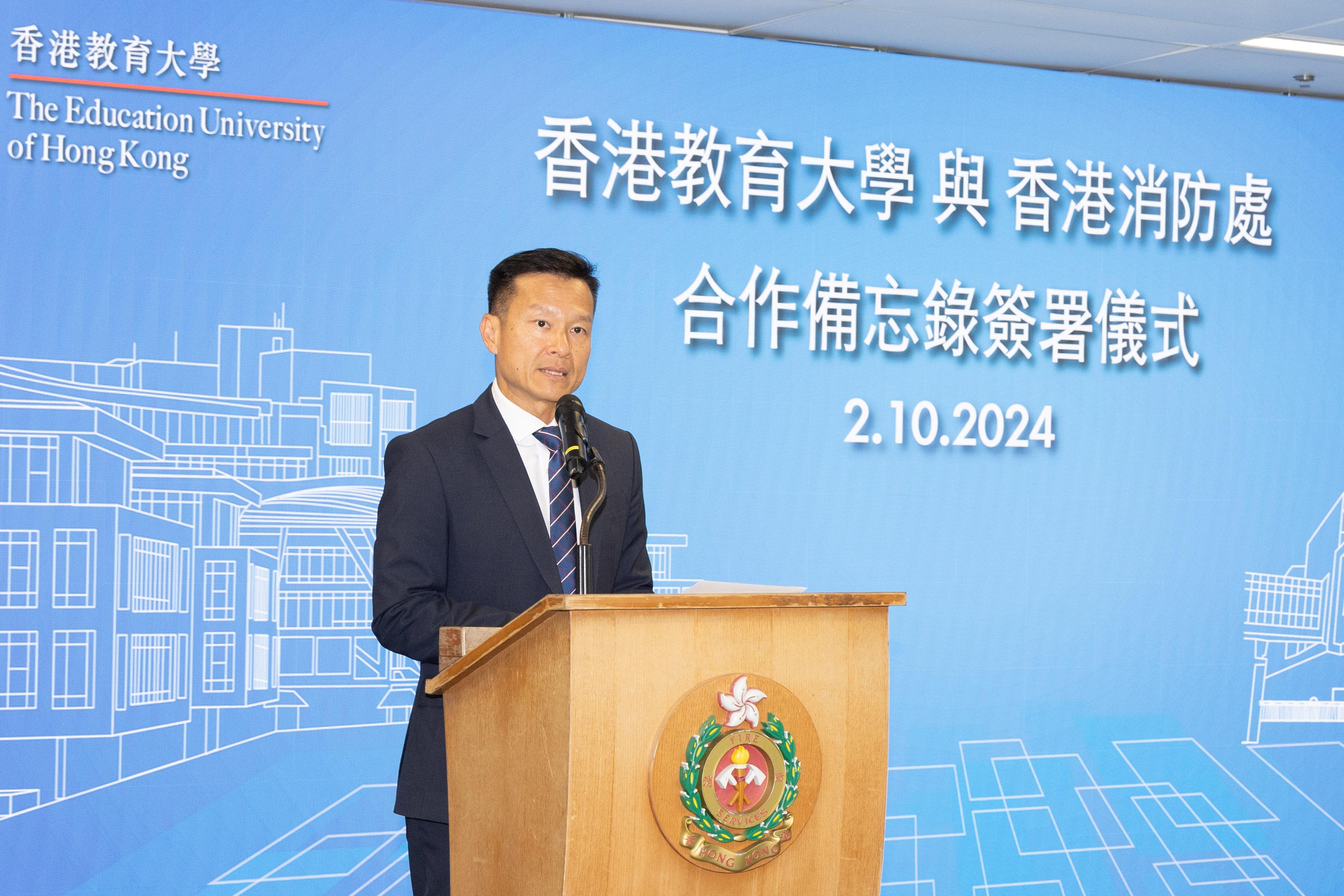
     Witnessed by the Commandant of FASA, Mr Yiu Men-yeung, and the Associate Vice President (Quality Assurance) of the EdUHK, Professor Susanna Yeung, the MOU was signed by the Deputy Commandant (Ambulance Services Training) of FASA, Mr Terry Wu, and the Dean of the Faculty of Liberal Arts and Social Sciences of the EdUHK, Professor Li Wai-keung. 

     Mr Yiu said that the training module would enhance students' competence and confidence in saving patients from cardiac arrest to strengthen the support for local patients in the community to receive rescue services in a timely manner, thus increasing their chances of survival. The MOU also signifies a key step in maintaining sustainable co-operation of both sides to provide diversified trainings in different aspects for young generations in Hong Kong. 

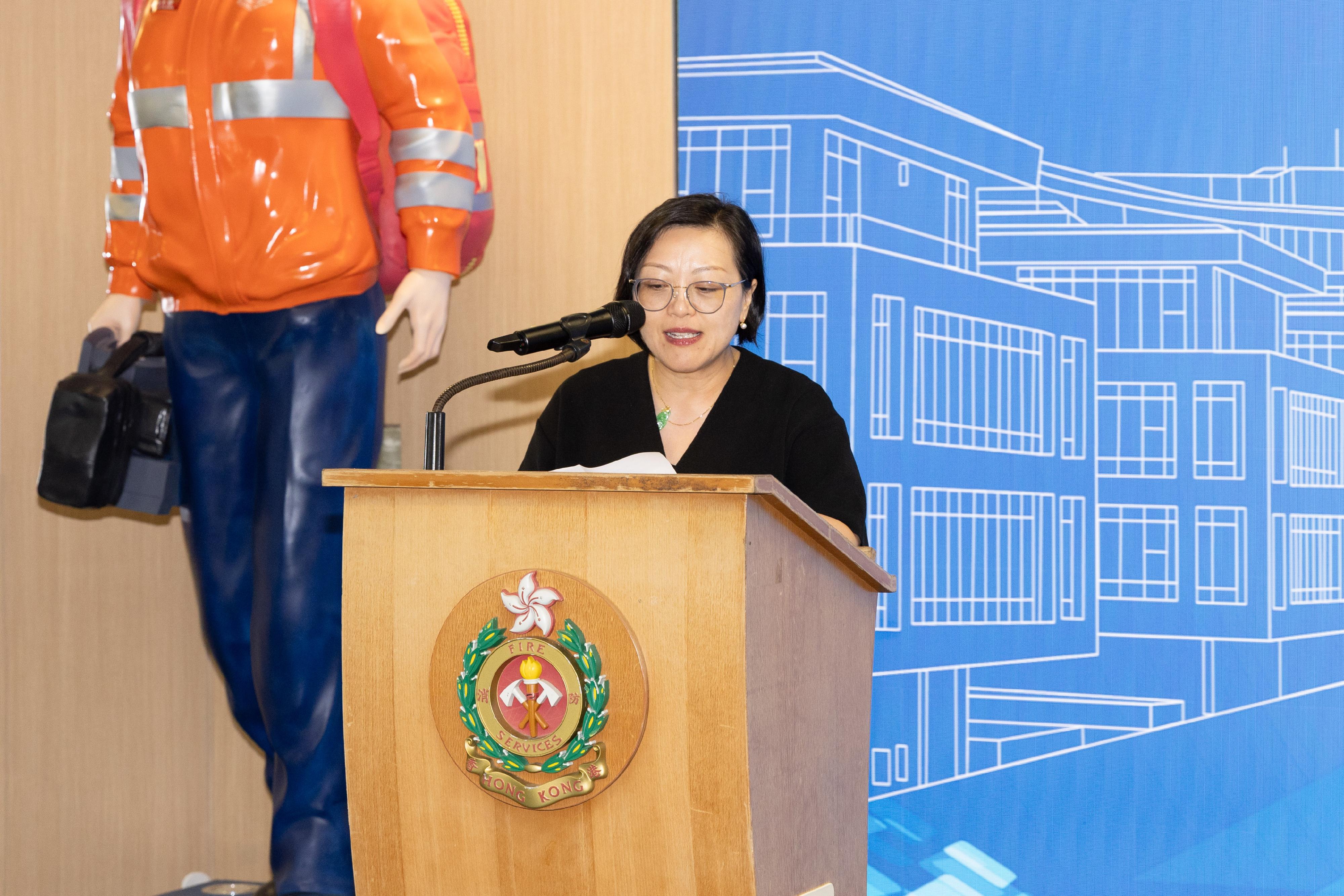
     Professor Yeung thanked the FSD for its unwavering support for the collaboration. She expressed that the training module would enable students to integrate their subject knowledge with the awareness of emergency preparedness and safety, thereby enhancing their vigilance and problem-solving abilities, and cultivating a spirit of mutual assistance and care among them. 
       
     The collaborative training module will be included as a core module in the curriculum of the Bachelor of Education (Honours) (Physical Education) programme and the Bachelor of Science (Honours) in Sports Science and Coaching programme. Students who have completed the module will become members of the Resuscitation Alliance who pledge to give a helping hand in cardiac arrest cases. 
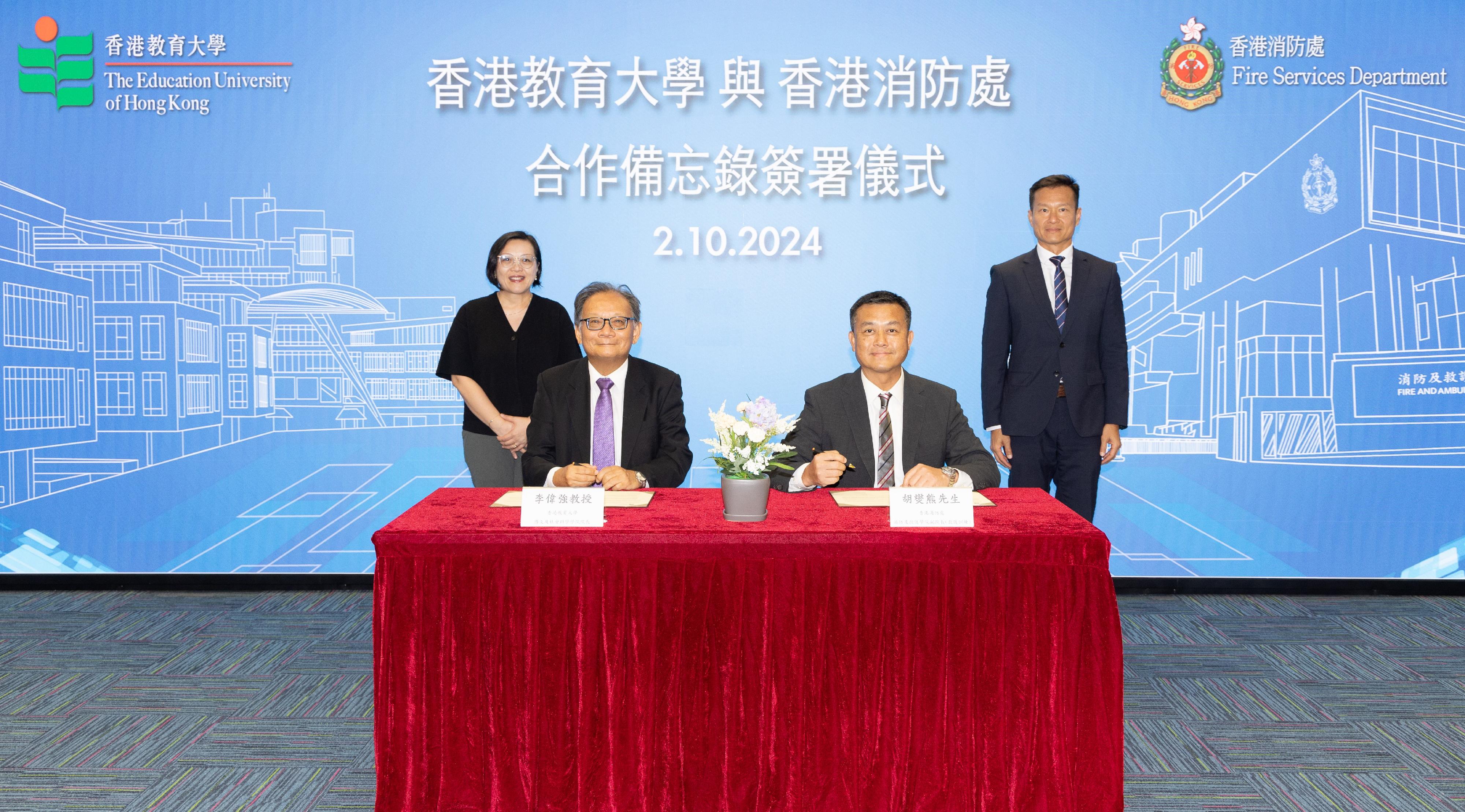
Photo  Photo  Photo  


Hong Kong Customs seizes suspected dangerous drugs worth about $1.5 million in anti-narcotics operation (with photos)

     â€‹Hong Kong Customs has conducted an anti-narcotics operation since early August to combat syndicates trafficking drugs by exploiting secretarial companies to receive postal articles.  

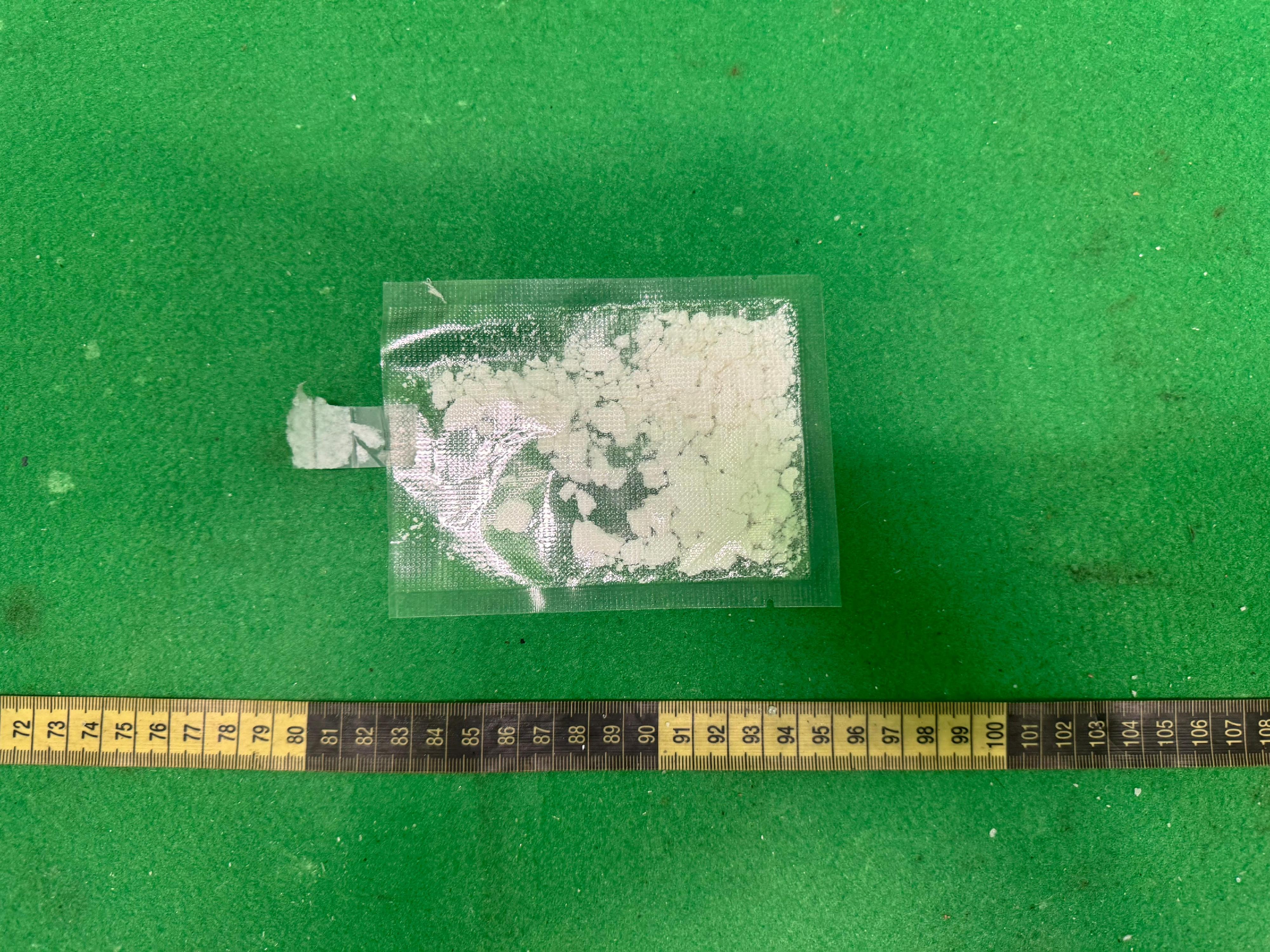
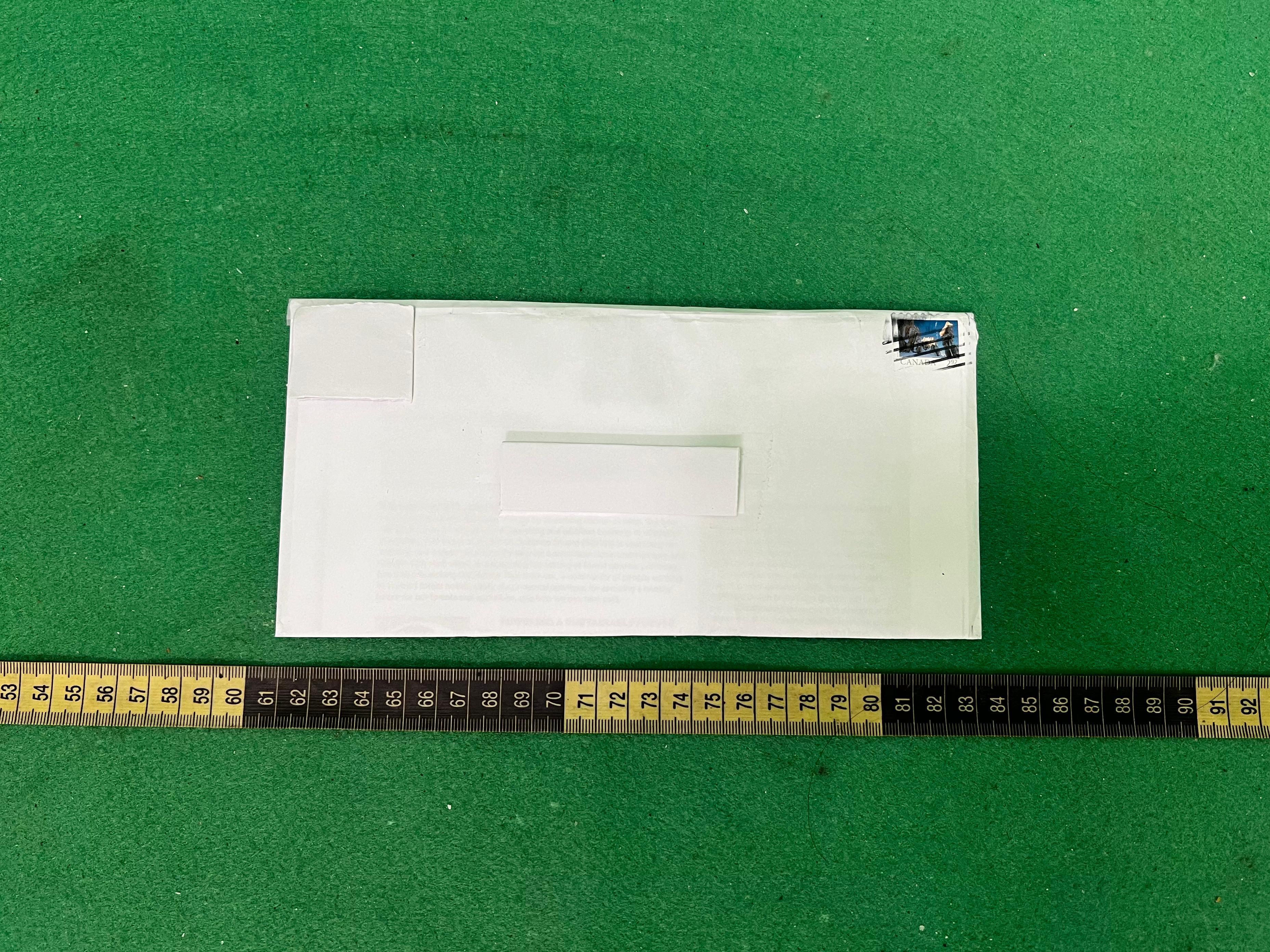
     In view of the upward trend of drug syndicates using secretarial companies to transport drugs into Hong Kong by postal articles, Customs, through risk assessment, has stepped up inspections of suspicious postal articles. During the operation, Customs detected 200 cases and seized about 2.4 kilograms of suspected dangerous drugs, including about 1.2kg of suspected methamphetamine and about 1.2kg of suspected cocaine. The total estimated market value of the seizures was about $1.5 million. 

     Subsequently, Customs arrested five persons suspected of trafficking in a dangerous drug in Hung Hom, Lam Tin, Tuen Mun, Tin Shui Wai and North Point. The individuals are aged between 27 and 59. An investigation is ongoing and the likelihood of further arrests is not ruled out.  

     The postal articles seized in this operation were mainly delivered to mailboxes belonging to different secretarial companies in industrial or commercial buildings. The drug-trafficking syndicates intended to divide the drugs into small packages and transfer them into Hong Kong using an "ant-moving-home" approach via the postal channel, aiming to increase the difficulty of Customs' detection. 

     The operation is ongoing. 

      Customs will continue to step up enforcement against drug trafficking activities through intelligence analysis and maintain close contact with the industry. The department reminds secretarial companies to remain vigilant and report to Customs any suspicious activities. Customs reiterates its call for the public to stay alert and not to participate in drug trafficking activities for monetary return. 

     Under the Dangerous Drugs Ordinance, trafficking in a dangerous drug is a serious offence. The maximum penalty upon conviction is a fine of $5 million and life imprisonment.

     Members of the public may report any suspected drug trafficking activities to Customs' 24-hour report hotline 182 8080 or its dedicated crime reporting email account (crimereport@customs.gov.hk) or online form (eform.cefs.gov.hk/form/ced002/).

Photo  Photo  


AFCD steps up enforcement to combat illegal feeding of wild animals and feral pigeons (with photos)

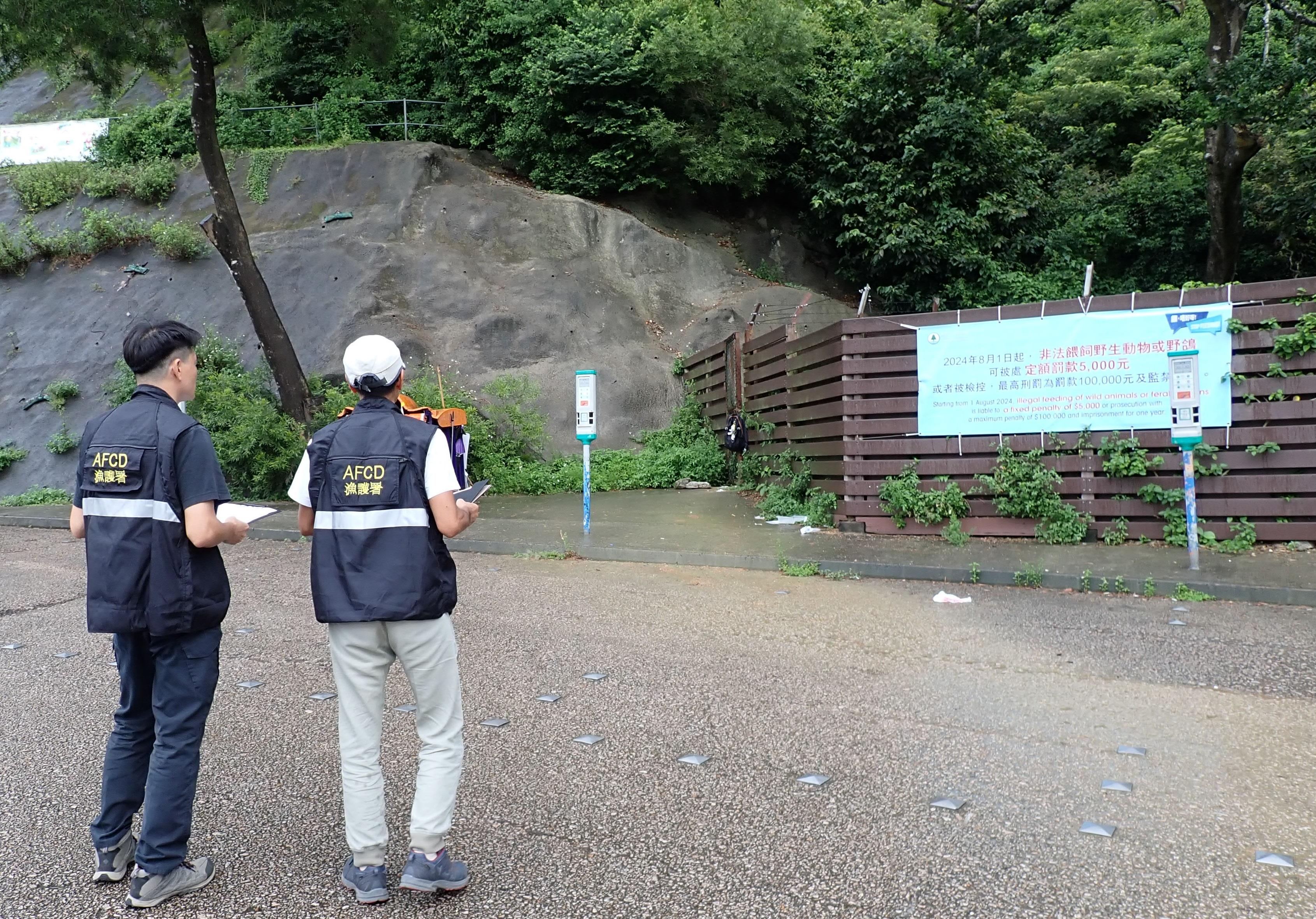
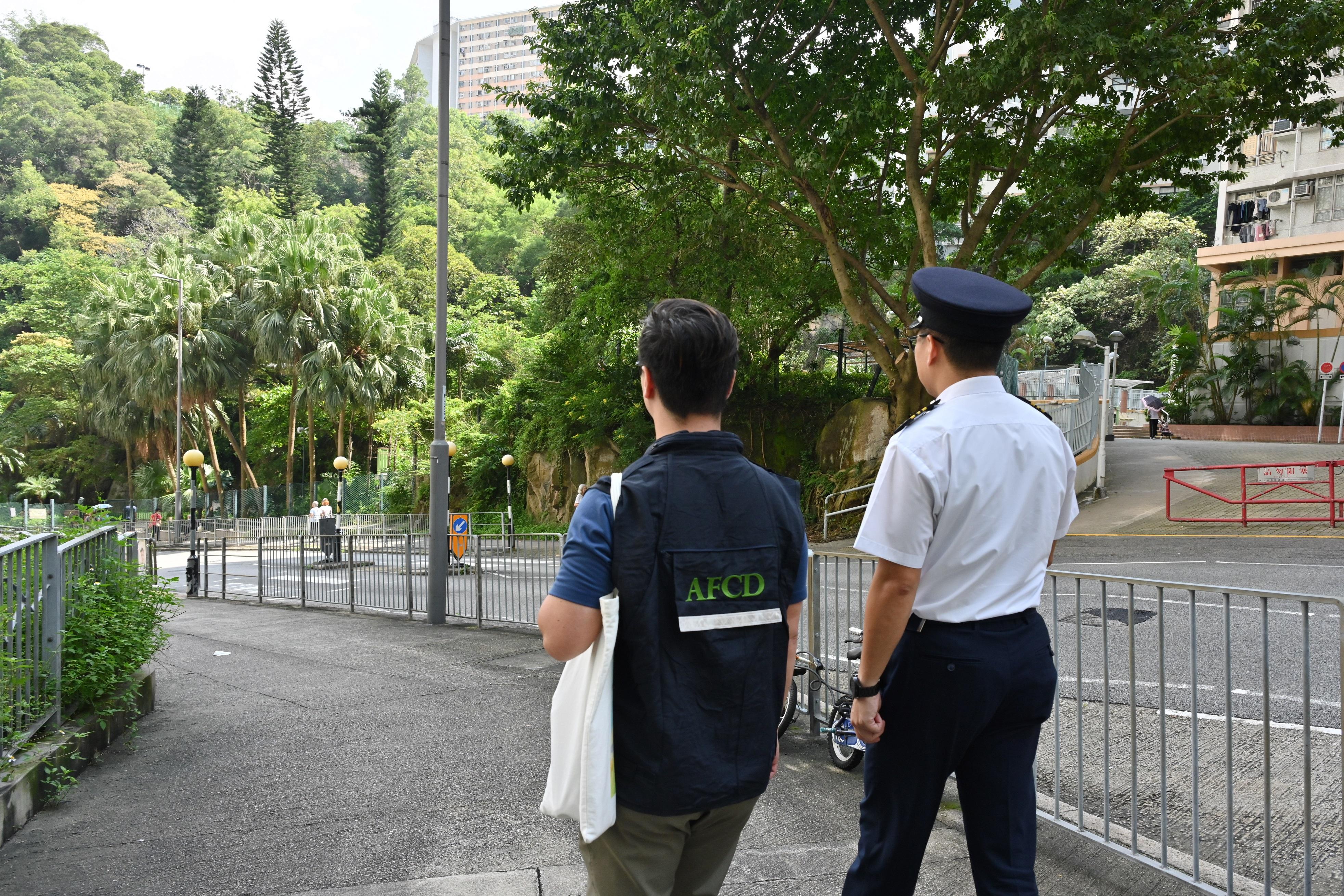
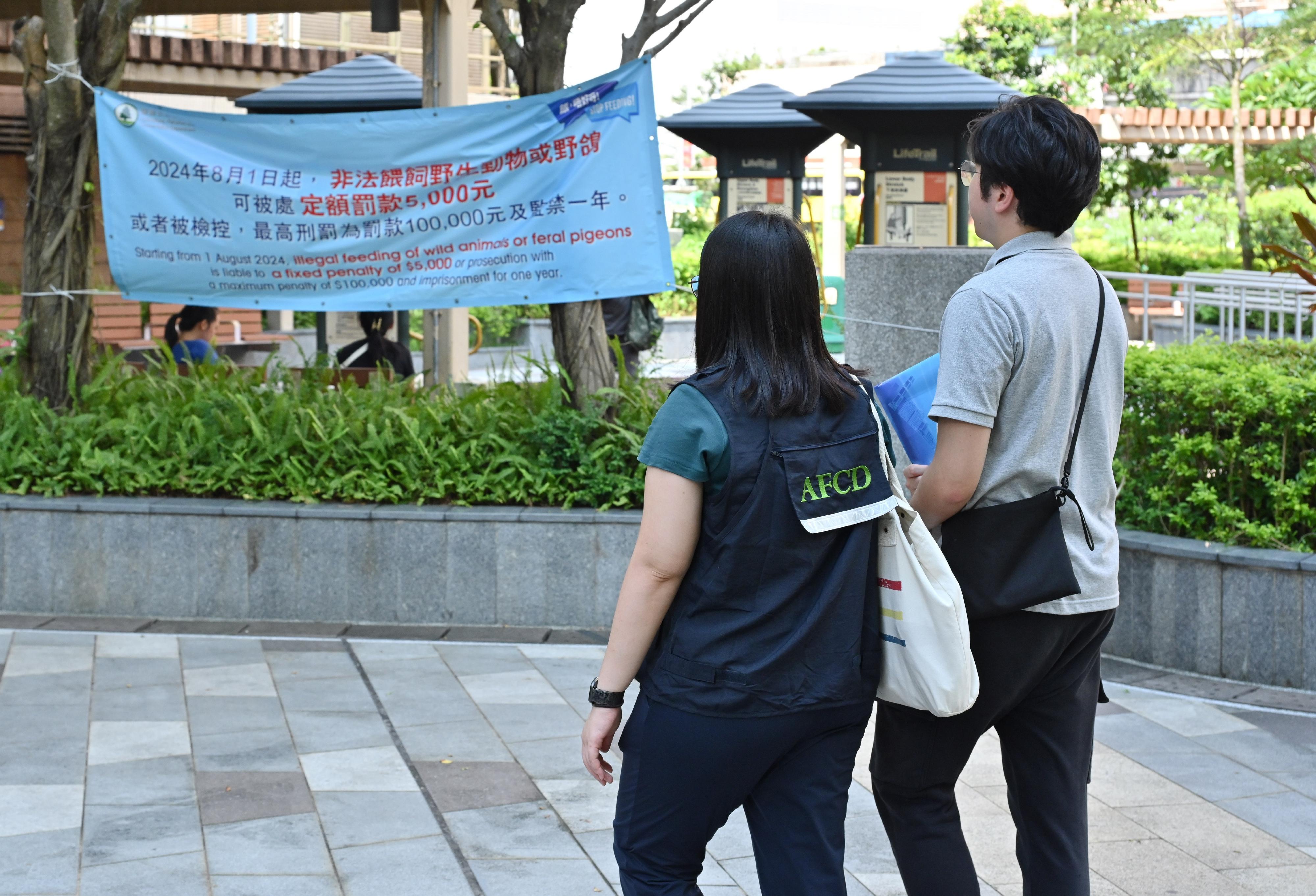
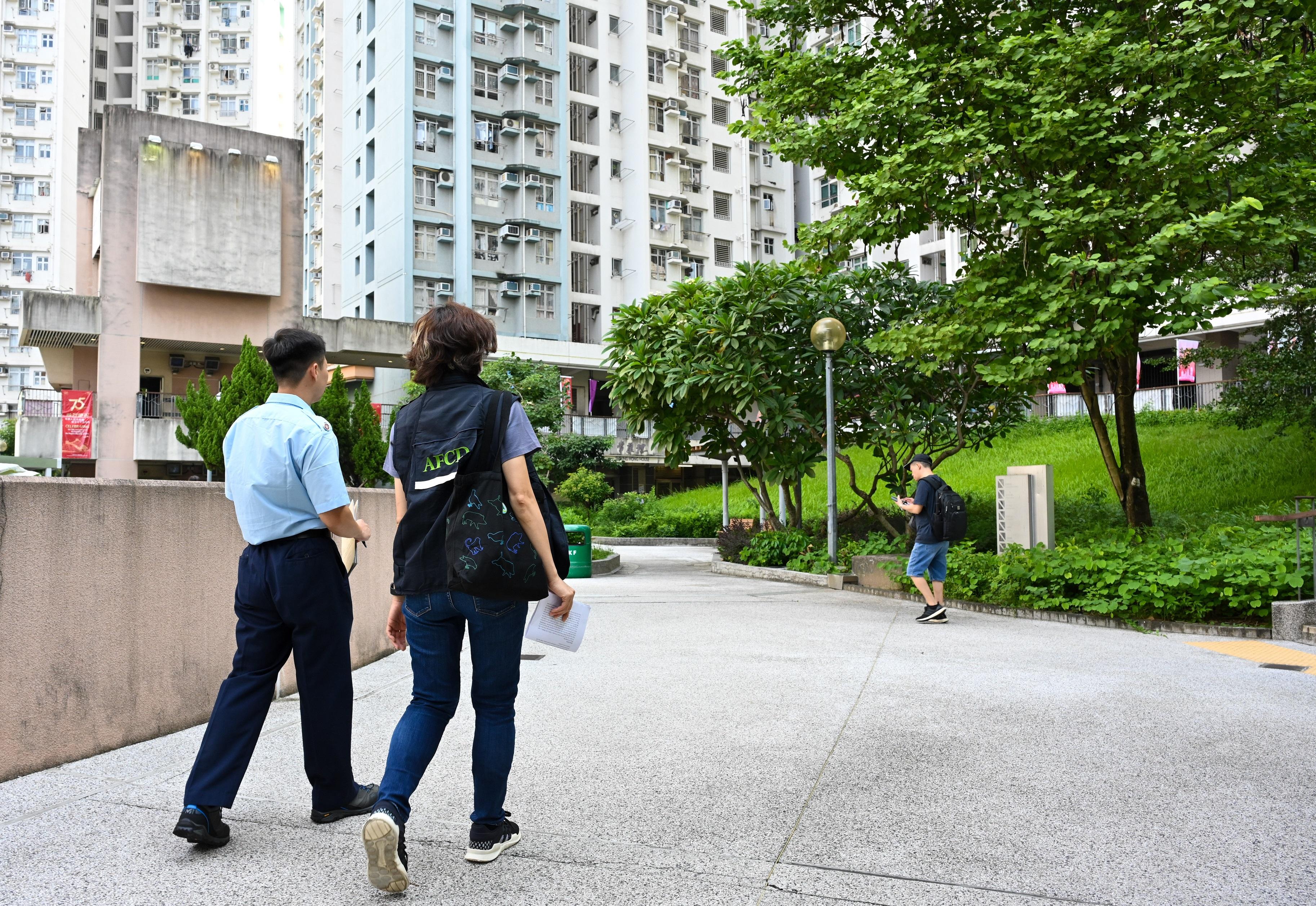
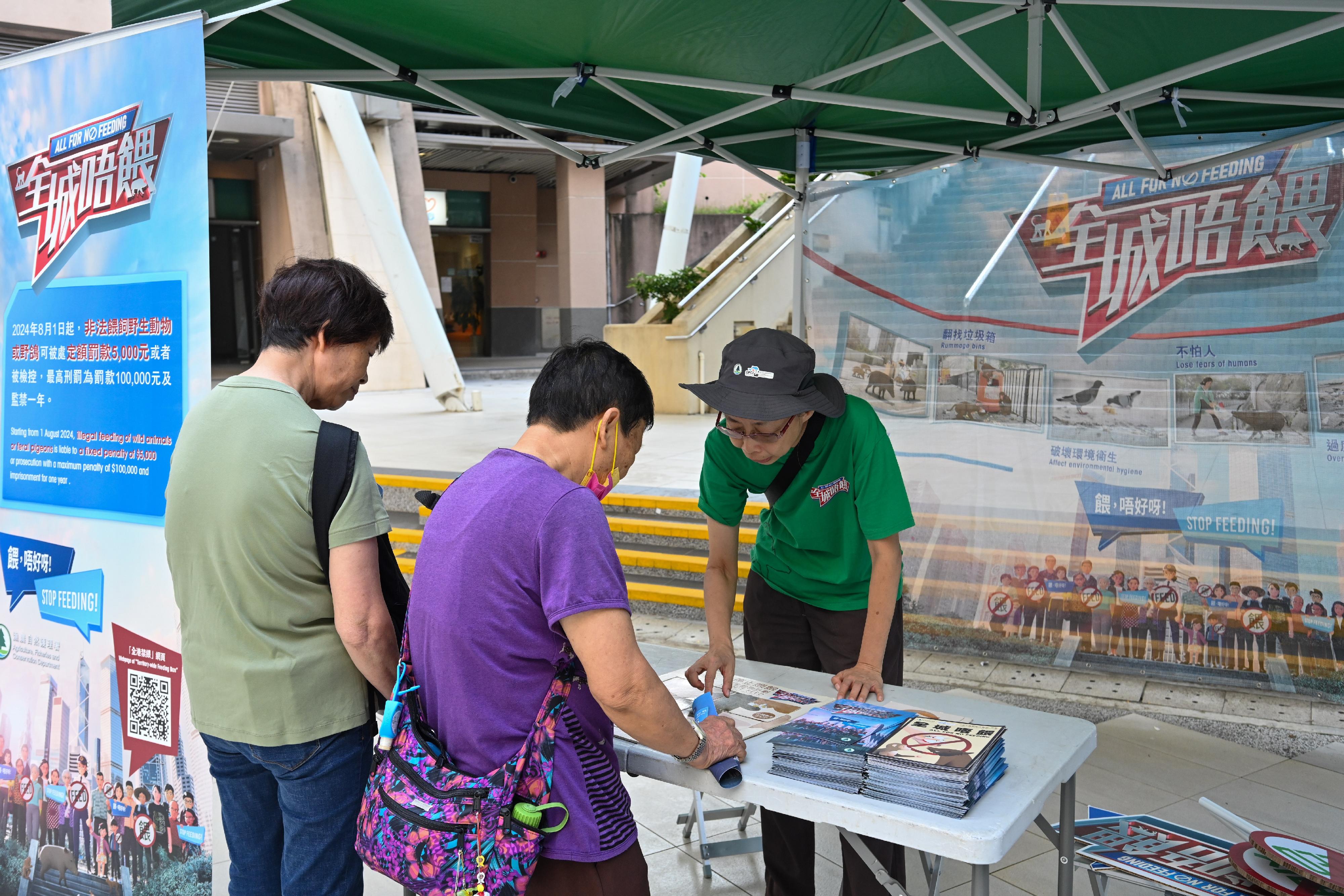
     Since the newly amended Wild Animals Protection Ordinance (Cap. 170) came into operation on August 1, the Agriculture, Fisheries and Conservation Department (AFCD) has stepped up patrols and enforcement operations with a view to combatting illegal feeding of wild animals and feral pigeons.

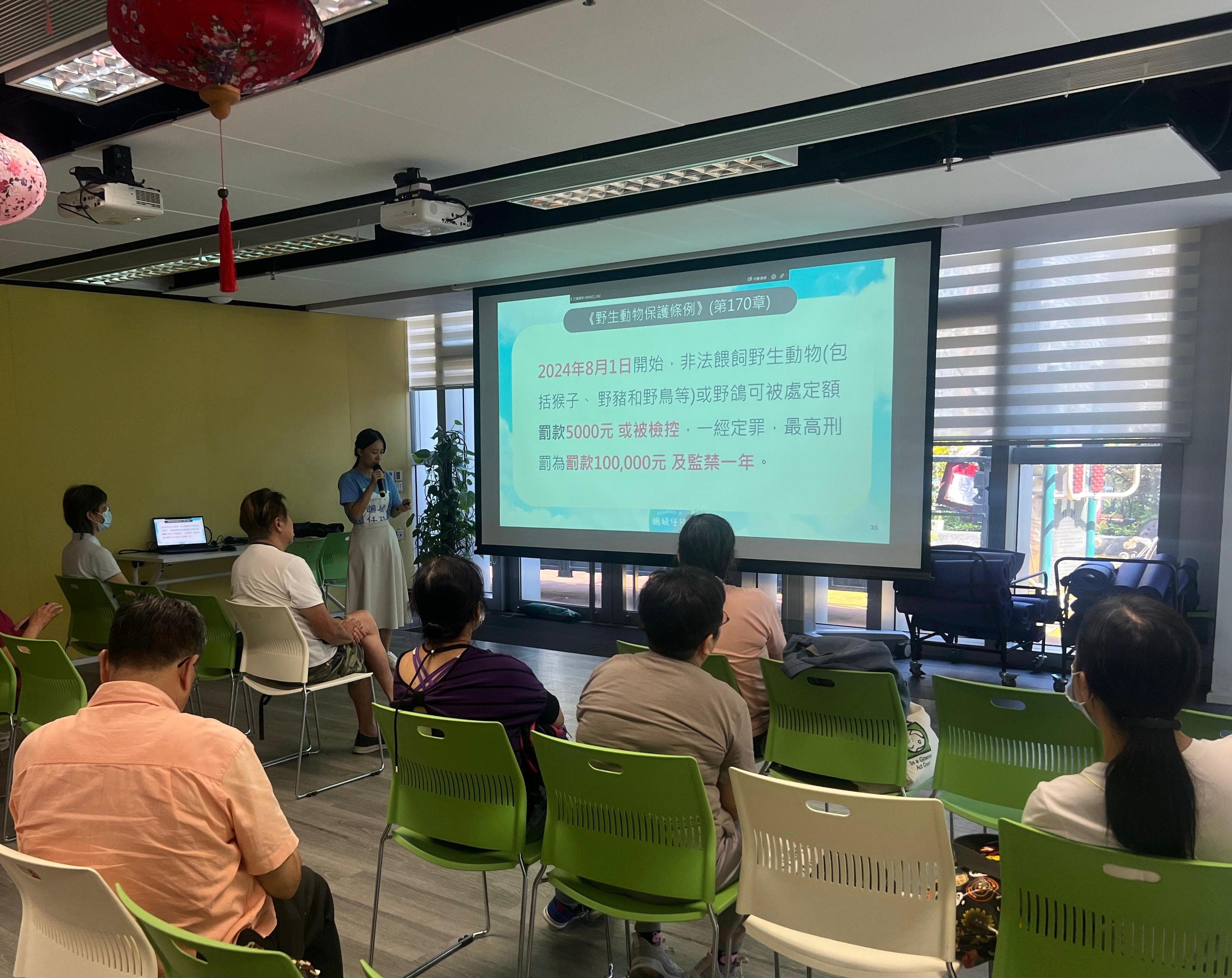
     The newly amended Ordinance expands the prohibition on feeding wild animals to cover feral pigeons. The maximum penalty for illegal feeding is increased from a fine of $10,000 to a fine of $100,000 and imprisonment for one year with a fixed penalty of $5,000 introduced. The scope of enforcement officers is also expanded. In the first month after the new prohibition came into operation (i.e. between August 1 to August 31), enforcement officers first gave a verbal warning to any person who was found to engage in illegal feeding of wild animals or feral pigeons. From September 1 onwards, enforcement officers would take immediate enforcement action without verbal warning against any person in breach of the feeding ban.

     The latest prohibition on feeding wild animals and feral pigeons is applicable to all places in Hong Kong, including private places or premises. The AFCD has stepped up patrols throughout Hong Kong according to intelligence and reports, especially at locations with previous records of illegal feeding activities, and takes appropriate enforcement action as necessary, inclusive of weekends, public holidays and non-office hours. In addition, the AFCD has also established an interdepartmental working group on feeding ban enforcement with the Food and Environmental Hygiene Department, the Leisure and Cultural Services Department and the Housing Department, and has conducted a series of joint operations with relevant departments with a view to combatting illegal feeding activities.

     Between August 1 and yesterday (October 1), the AFCD and relevant departments issued fixed penalty notices at various locations including those with previous records of illegal feeding activities, such as Yuen Long Nullah, the vicinity of Hang Hau MTR Station, Kam Shan Country Park and Lion Rock Country Park, to a total of 39 offenders engaged in illegal feeding. Details are as follows:
 

  Number of fixed penalty notices issued
Illegal feeding of monkeys 19
Illegal feeding of wild pigs 4
Illegal feeding of feral pigeons or wild birds 16

     A spokesman for the AFCD said, "Feeding wild animals and feral pigeons brings negative impacts on animals themselves and public health, such as leading animals to rely on human feeding and the congregation of animals near residential areas, which causes a nuisance to members of the public and increases the risk of disease transmission. The leftover feeds may also cause environmental hygiene issues."

     The AFCD has launched a series of publicity and education activities, including producing online publicity videos; placing advertisements; sending staff to arrange seminars in schools, elderly centres and housing estates; setting up educational booths; displaying banners and posters; and distributing relevant leaflets at locations with previous records of illegal feeding activities. In addition, the AFCD has jointly conducted publicity and education activities with members of the Legislative Council and District Council in various districts to bring the message of "All For No Feeding" into the community.

     The spokesman reiterated that feeding wild animals and feral pigeons is an offence. The Government will continue to step up efforts in combatting illegal feeding activities. Members of the public may report any suspected illegal feeding activities by calling 1823.

Photo  Photo  Photo  Photo  Photo  Photo  


Lam Tin Swimming Pool temporarily closed

Attention TV/radio announcers:

Please broadcast the following as soon as possible and repeat it at regular intervals:

     Here is an item of interest to swimmers.

     The Leisure and Cultural Services Department announced today (October 2) that Lam Tin Swimming Pool in the Kwun Tong District has been temporarily closed for cleaning and superchlorination following the discovery of a small amount of vomit in the pool.

     It will be reopened at 7pm today.

     The department appeals to swimmers to be considerate and to keep the swimming pools clean. They are advised not to swim after a full meal and should use the toilet facilities if necessary before swimming.


Inspection of aquatic products imported from Japan

     In response to the Japanese Government's plan to discharge nuclear-contaminated water at the Fukushima Nuclear Power Station, the Director of Food and Environmental Hygiene issued a Food Safety Order which prohibits all aquatic products, sea salt and seaweeds originating from the 10 metropolis/prefectures, namely Tokyo, Fukushima, Ibaraki, Miyagi, Chiba, Gunma, Tochigi, Niigata, Nagano and Saitama, from being imported into and supplied in Hong Kong.
 
     For other Japanese aquatic products, sea salt and seaweeds that are not prohibited from being imported into Hong Kong, the Centre for Food Safety (CFS) of the Food and Environmental Hygiene Department will conduct comprehensive radiological tests to verify that the radiation levels of these products do not exceed the guideline levels before they are allowed to be supplied in the market.
 
     As the discharge of nuclear-contaminated water is unprecedented and will continue for 30 years or more, the Government will closely monitor and step up the testing arrangements. Should anomalies be detected, the Government does not preclude further tightening the scope of the import ban.
 
     From noon on September 30 to noon today (October 2), the CFS conducted tests on the radiological levels of 315 food samples imported from Japan, which were of the "aquatic and related products, seaweeds and sea salt" category, in the past two days. No sample was found to have exceeded the safety limit. Details can be found on the CFS's thematic website titled "Control Measures on Foods Imported from Japan" (www.cfs.gov.hk/english/programme/programme_rafs/programme_rafs_fc_01_30_Nuclear_Event_and_Food_Safety.html).

     In parallel, the Agriculture, Fisheries and Conservation Department (AFCD) has also tested 100 samples of local catch for radiological levels. All the samples passed the tests. Details can be found on the AFCD's website (www.afcd.gov.hk/english/fisheries/Radiological_testing/Radiological_Test.html).
 
     The Hong Kong Observatory (HKO) has also enhanced the environmental monitoring of the local waters. No anomaly has been detected so far. For details, please refer to the HKO's website
(www.hko.gov.hk/en/radiation/monitoring/seawater.html).
 
     From August 24, 2023, to noon today, the CFS and the AFCD have conducted tests on the radiological levels of 88 874 samples of food imported from Japan (including 56 845 samples of aquatic and related products, seaweeds and sea salt) and 20 156 samples of local catch respectively. All the samples passed the tests.