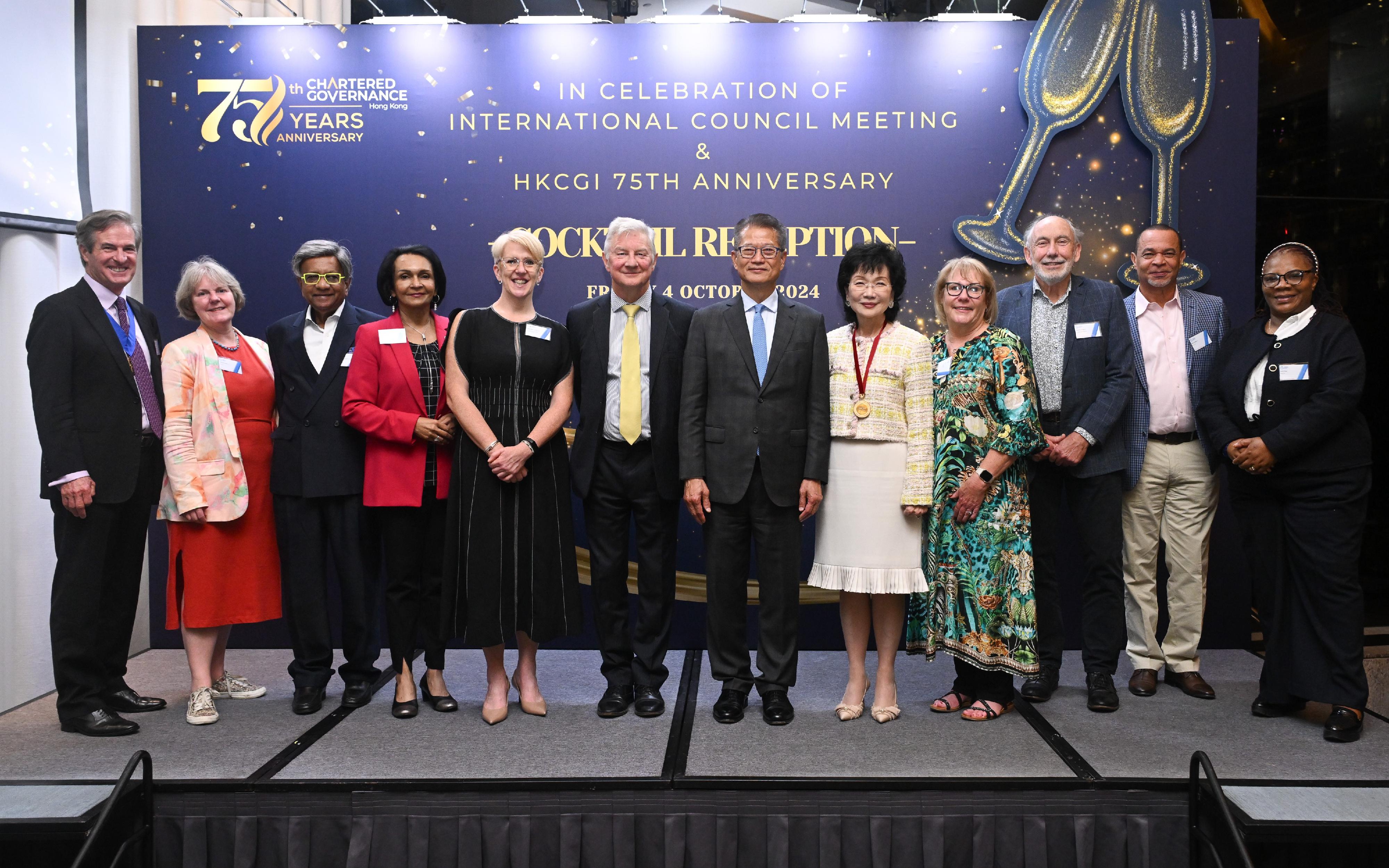
Speech by FS at HKGCI Cocktail Reception in Celebration of International Council Meeting and HKCGI’s 75th Anniversary (English only) (with photos)

     Following is the speech by the Financial Secretary, Mr Paul Chan, at the Hong Kong Chartered Governance Institute (HKCGI) Cocktail Reception in Celebration of International Council Meeting and the HKCGI's 75th Anniversary today (October 4):

Mr John Heaton (President of CGI, Mr John Heaton), Edith (Past International President of CGI, Ms Edith Shih), David (President of HKCGI, Mr David Simmonds), Consul Generals, fellow members, ladies and gentlemen,

     Good evening. This January, I was right here at the Hong Kong Club for the HKCGI's 75th anniversary celebration. 

     I am delighted to be back again tonight, on this special occasion, which gathers guests from the nine divisions of the CGI from across all five continents. 

     A very warm welcome to all our international friends. I hope you have been enjoying your stay in the Asia's world city. 

Hong Kong going forward

     Since we last gathered, we have been seeing encouraging developments in our economy and the financial market. You must have noticed the recent bullish sentiments. The Hang Seng Index gained over 5 600 points – over 30 per cent – in around three weeks' time, representing an increase of $8 trillion in market capitalisation.

     The IPO market of Hong Kong has also rebounded, and this year to date, we have raised more than $55 billion, surpassing last year’s total and putting us back to the fourth place globally in terms of IPO funds raised. By the way, over 100 companies are waiting to be listed on our stock exchange. 

     The surge in the stock market can be attributed to a number of favourable factors. One of them, of course, is the staunch support from our country. In April, the CSRC (China Securities Regulatory Commission) announced a series of measures to strengthen the capital market co-operation between the Mainland and Hong Kong. Besides enhancing the mutual market access schemes, the CSRC encouraged leading Mainland enterprises to come to Hong Kong for listing.

     And of course, the stimulus package announced last week by the Central Authorities to cut interest rates, reduce reserve requirement ratios and provide more support to the real estate sector has boosted market confidence substantially. 

     Coupled with the onset of the interest rate cut cycle in the US, investment sentiment and appetite have turned for the better. Indeed, global investors have been optimistic about the Chinese economy and Hong Kong in the medium to long term, and they are keen to invest here, just waiting for the right timing.

     As the premier international financial centre in Asia, Hong Kong connects the international capital markets and investors, and those of the Mainland. Last week, the Global Financial Centres Index announced that Hong Kong is among the world's top three international financial centres, just behind New York and London. 

Telling good Hong Kong stories

     Hong Kong's edges and advantages are compelling. We remain steadfastly committed to upholding "one country, two systems" principle and all the unique characteristics that define this international city. But we need to do more to reach out to the world to showcase our value proposition, particularly in light of the three-year disruptions caused by the pandemic, and the misconceptions about Hong Kong caused by geopolitics.

     That's why my colleagues and I headed to different countries recently, including the UK, Spain and Australia, last month. 

     My trips focused on reinforcing our business and commercial links with these markets reconnecting with old friends, and making new ones.  

     For the UK and Spain trip, I also led a delegation of start-ups from the Hong Kong Science and Technology Parks and Cyberport, with a view to connecting them with the innovation circles there, including technology institutions, accelerators, venture capital funds, start-ups, and more, to explore more collaboration and investments opportunities.

     Our observation is this: despite the prevailing political atmospheres, the business and innovation communities in these countries have displayed a strong interest in the opportunities that Hong Kong offers, and have a refreshed willingness to work with us.

     They recognise the promising prospects of China, and the unique role that Hong Kong can play in connecting the Mainland and the world. They see the advances Hong Kong has made in various areas of innovation and technology, particularly AI and biotech, and the vibrancy, vitality and creativity of our start-ups. They are also excited about the Greater Bay Area development. 

     They were impressed by our efforts in attracting enterprises and talent. Indeed, such efforts are bearing fruit. Since the end of 2022, we have attracted over 100 strategic innovation and technology enterprises, which together will invest some $52 billion in Hong Kong and create more than 15 000 management and R&D positions. Household name AstraZeneca is one of them.

     Our talent admission schemes have received an overwhelming response as well. By the end of August this year, more than 360 000 applications had been received, of which 226 000 applications had been approved, and 150 000 professionals have already arrived in Hong Kong, I'm pleased to report. 

     Going forward, we will continue to play the role of "super connector" bridging the East and the West. This has been, and will continue to be, our greatest strength. That's why we will be heading to Saudi Arabia towards the end of this month, together with a large delegation comprising key members from the financial and innovation communities, to strengthen our relationships and co-operation, to make new friends, and create more mutually beneficial opportunities. 

Concluding remarks

     Ladies and gentlemen, before I close, let me convey my regards to the HKCGI once again for its remarkable 75th anniversary. It has all the way been the Government's staunch partner for different policy initiatives over the years. The Institute has always furnished us with expert insights on issues ranging from corporate governance, tax to anti-money laundering and more; and of course, valuable suggestions for the Policy Address and the Budget every year. 

     Finally, for guests coming from abroad, I hope you enjoy this city. I trust you are able to see for yourselves that Hong Kong remains as vibrant and welcoming as ever. We remain a safe, open, free and globally connected metropolis, not to mention its shining beauty in this perfect autumn weather. Don't miss the chance to explore the seaside, enjoy the hiking trails, and visit our world-class museums at the West Kowloon Cultural District – it is where the best of the East and West meet. 

     Thank you and I wish you all the best in health and business in the time to come.
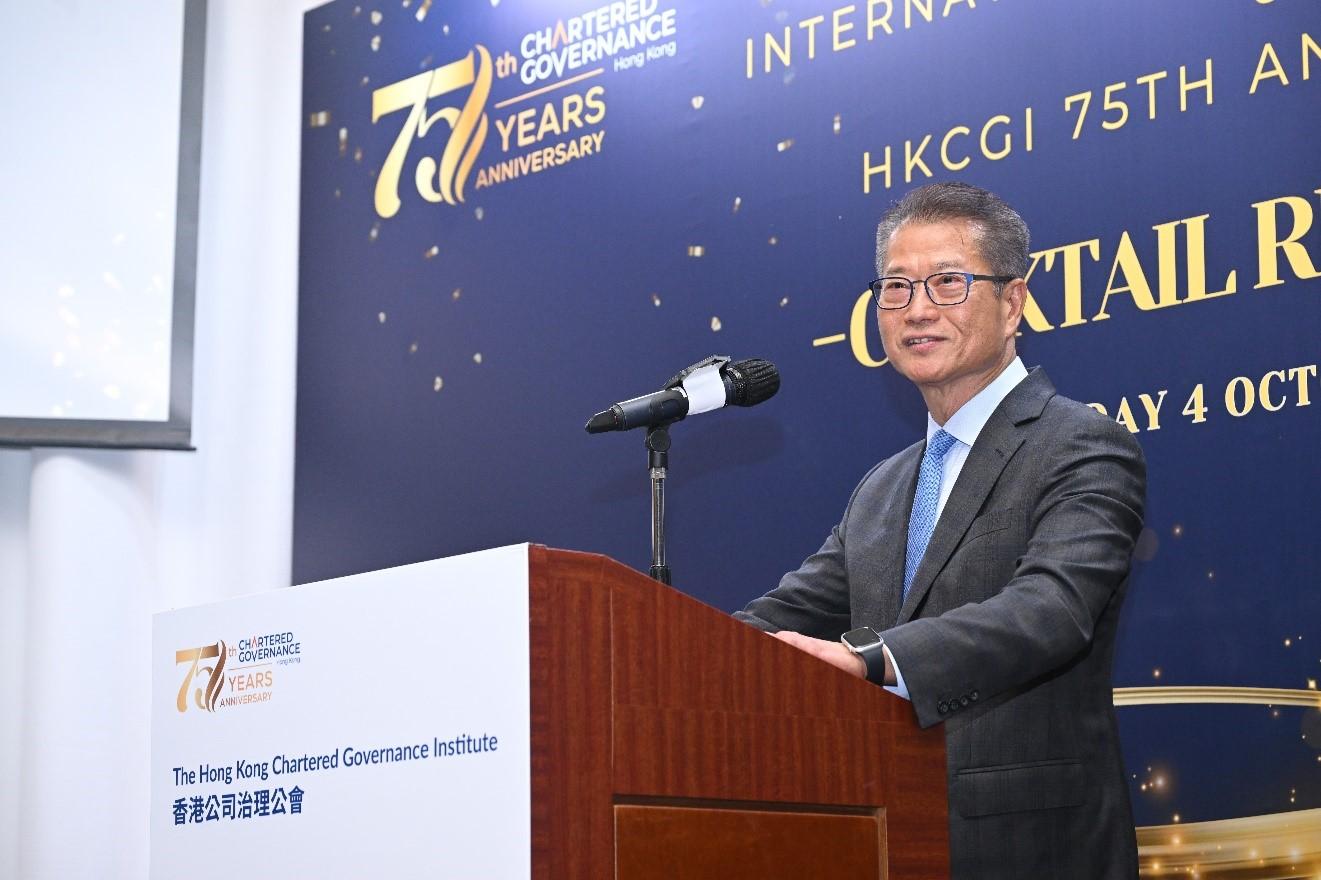
Photo  Photo  


Hong Kong Customs summarises effectiveness of second phase of enforcement operation “Ice Breaker” against food smuggling (with photo)

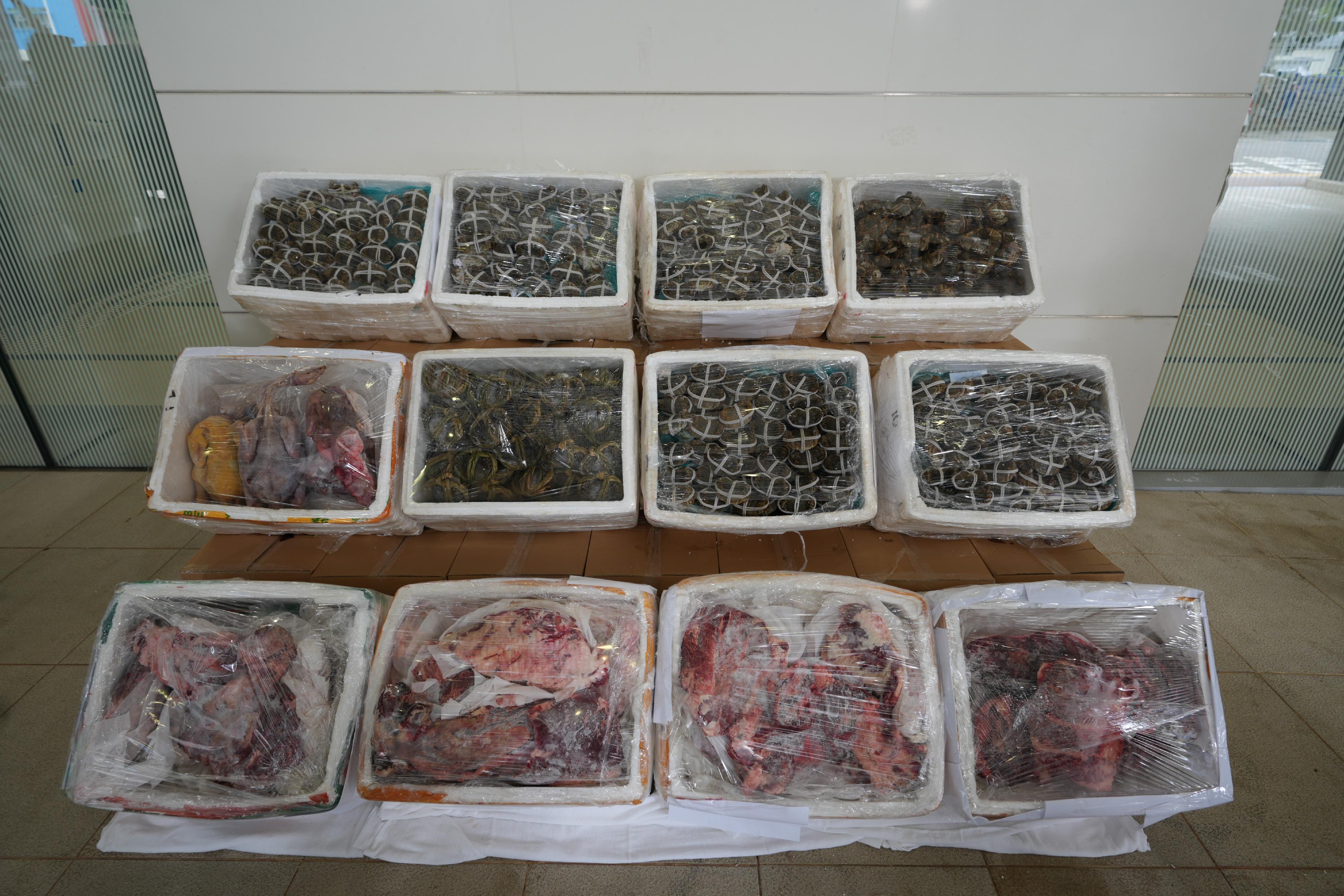
     Hong Kong Customs mounted the second phase of the operation against food smuggling, codenamed "Ice Breaker", with Mainland Customs between August and September 2024. During the operation, Hong Kong Customs detected six relevant cases and seized a batch of smuggled or regulated food items, including approximately 260 kilograms of frozen meat, 170kg of hairy crabs and 600 eggs, with an estimated total value of about $200,000.

     On August 8, 9, and 19, Hong Kong Customs, acting on intelligence analysis, speculated that some persons would illegally import frozen meat into Hong Kong from the Mainland side of Chung Ying Street in Sha Tou Kok. Customs officers then took action, intercepting and arresting three suspicious persons, aged between 38 and 59, entering Hong Kong on Chung Ying Street. A batch of suspected illegally imported frozen meat was seized on-site. The cases were handed over to the Centre for Food Safety (CFS) of the Food and Environmental Hygiene Department (FEHD)for follow-up investigation.

     Later, on September 3, 23, and 26, Hong Kong Customs intercepted three vehicles, declared as carrying vegetables, at the Man Kam To Control Point and found a batch of unmanifested goods, including frozen meat, eggs, and hairy crabs, in the cargo compartments. Three male drivers, aged between 53 and 60, were arrested. They have been released on bail pending further investigation by Hong Kong Customs and the CFS.

     Under the Import and Export Ordinance, any person found guilty of importing or exporting unmanifested cargo is liable to a maximum fine of $2 million and imprisonment for seven years upon conviction.

     Under the Import and Export (General) Regulations, it is an offence to import frozen or chilled meat into Hong Kong without an import licence issued by the FEHD. An offender shall be liable on conviction to a fine of $500,000 and imprisonment for two years.

     According to the Imported Game, Meat, Poultry and Eggs Regulations (Cap. 132AK), it is an offence to bring any game, meat, poultry or eggs into Hong Kong without a health certificate issued by an issuing entity of the place of origin and/or an import permission granted by the FEHD. An offender shall be liable on conviction to a fine of $50,000 and imprisonment for six months. 

     Members of the public may report any suspected smuggling activities to Customs' 24-hour hotline 182 8080 or its dedicated crime-reporting email account (crimereport@customs.gov.hk) or online form (eform.cefs.gov.hk/form/ced002/).

Photo  


CHP updates on latest situation of invasive Group B Streptococcus infection

     The Centre for Health Protection (CHP) of the Department of Health today (October 4) continued its investigation into the latest situation of invasive Group B Streptococcus infection. While the surveillance data of hospitals in the past two weeks show that the overall daily number of hospitalised patients confirmed to have invasive Group B Streptococcus infection has remained stable, the CHP continued to appeal to members of the public for heightened vigilance and in particular, to pay attention when touching or handling raw freshwater fish. One should wear gloves, as well as not consume undercooked freshwater fish.

     The CHP has been closely monitoring the invasive Group B Streptococcus infection cases over the past month and conducted genetic sequencing analysis for patients' specimens to confirm infection number of serotype III sequence type 283 (ST283). The recent surveillance data of hospitals show that the number of hospitalised patients confirmed to have invasive Group B Streptococcus infection has been gradually brought down and has remained stable. For the analysis of the samples of hospitalised patients, since the announcement on September 27, the CHP today confirmed 12 additional ST283 cases involving patients previously admitted to the hospitals. The patients involved five males and seven females, aged between 49 and 97. The patients mainly presented with sepsis and joint abscess. Together with the 79 cases of ST283 infection announced earlier, this cluster involved a cumulative total of 91 patients residing in 18 districts throughout the territory. The onset date of the disease for all 91 patients was before mid-September; 70 of them have underlying illnesses, 40 have been discharged, 43 hospitalised patients are in stable condition, four are in serious condition and the other four with underlying illnesses have passed away.

     The CHP's epidemiological investigations revealed that 75 patients have had contact with or handled raw freshwater fish before the onset of symptoms (seven of them reported that they had wounds on their hands when handling raw freshwater fish). Twelve patients cannot rule out that they have consumed undercooked freshwater fish (not freshwater fish sashimi), and the exposure history of the remaining four patients is under investigation.

     While none of the 91 patients were fishmongers or engaged in fish culture-related jobs, two of them are cooks who have handled raw freshwater fish. The patients resided in various districts throughout the territory, and the freshwater fishes concerned were bought from 47 markets in 18 districts respectively. The CHP has completed the testing and analysis on all freshwater fish and environmental samples. Apart from five freshwater fish and environmental samples collected from a retail fish stall in Shek Wu Hui Market which tested positive for ST283 announced earlier, 68 freshwater fish and environmental samples collected respectively from the Freshwater Fish Market under the Cheung Sha Wan Wholesale Food Market, Yeung Uk Road Market, Pei Ho Street Market and three local fish ponds in Yuen Long all tested negative for ST283. 

     "Members of the public should wear gloves when touching or handling raw freshwater fish. If symptoms such as an inflamed wound and fever develop, they should seek medical attention promptly. Meanwhile, the public should refrain from consuming undercooked freshwater fish," a spokesman for the CHP reminded.

     To prevent Group B Streptococcus (ST283) infection, members of the public are reminded to maintain personal, food and environmental hygiene, and should keep their hands clean and practice good wound care at all times, especially:
 

  • To minimise infection risks, workers of aquatic products or restaurants must wear gloves when handling aquatic products and avoid direct contact with aquatic products or dirty water with bare hands;
  • When buying aquatic products, the public must avoid direct contact with aquatic products or use any towel provided by the stalls. They should wash hands with liquid soap and water as soon as possible if they have had contact with aquatic products which are not fully cooked. When handling aquatic products at home, the public should also wear gloves and wash hands thoroughly afterwards;
  • Members of the public must not eat any freshwater fish sashimi, raw or undercooked freshwater aquatic products. When consuming hot pot food or congee items which consist of aquatic products, they should ensure that the food is thoroughly cooked in which the centre of the food should reach a temperature of at least 75 degrees Celsius so as to destroy pathogens; and
  • People must not touch aquatic products directly whenever there is a wound on their hands. If a wound is sustained during handling aquatic products, the wound must be cleaned immediately and properly covered with a waterproof adhesive dressing. Individuals should seek medical advice promptly when a wound infection is found.

 
     The public may visit the CHP's Invasive Group B Streptococcus Infection associated with Sequence Type 283 (ST283) page for more information.


13 private properties receive Gold Awards for best landscape design and maintenance (with photos)

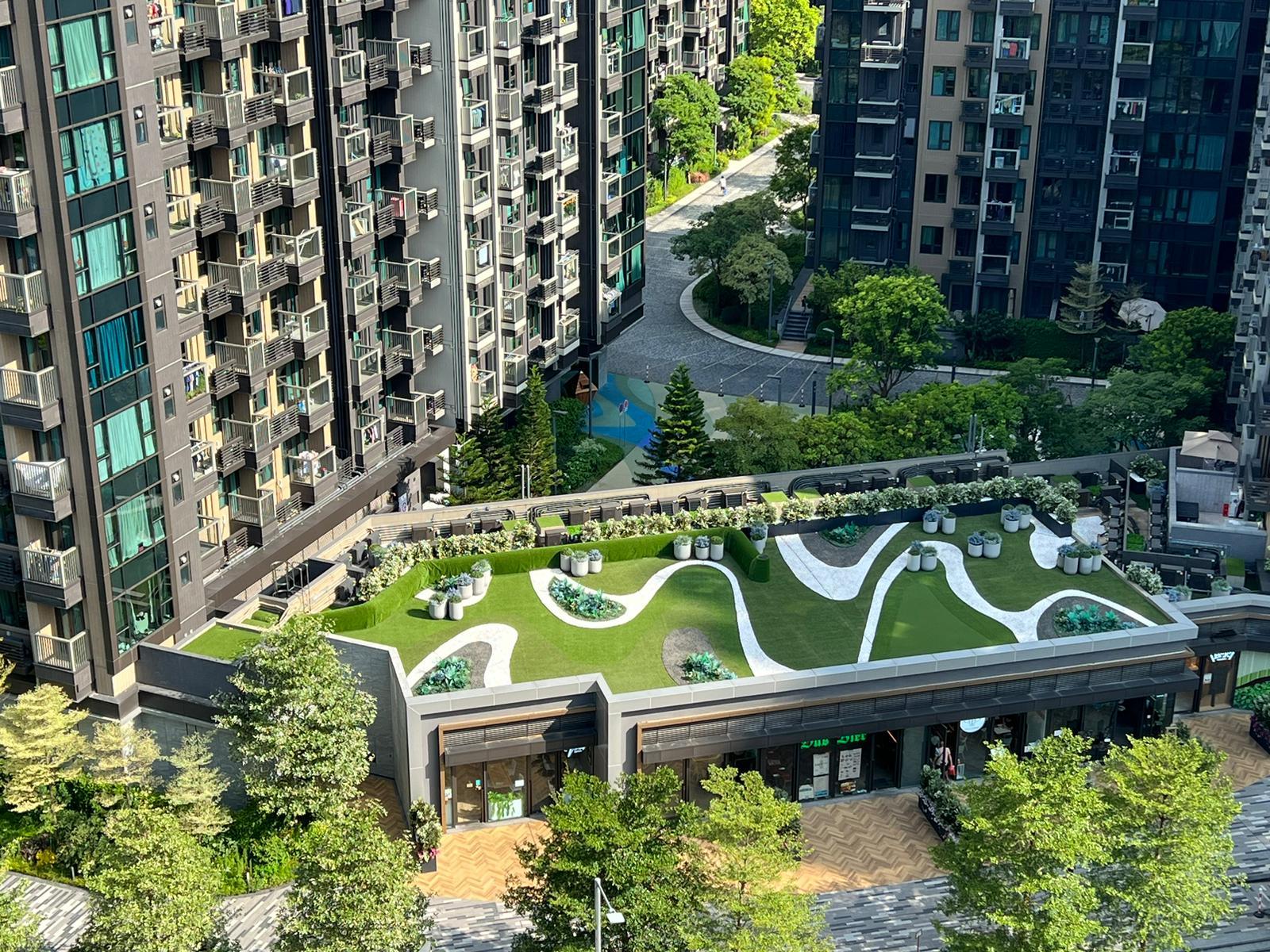
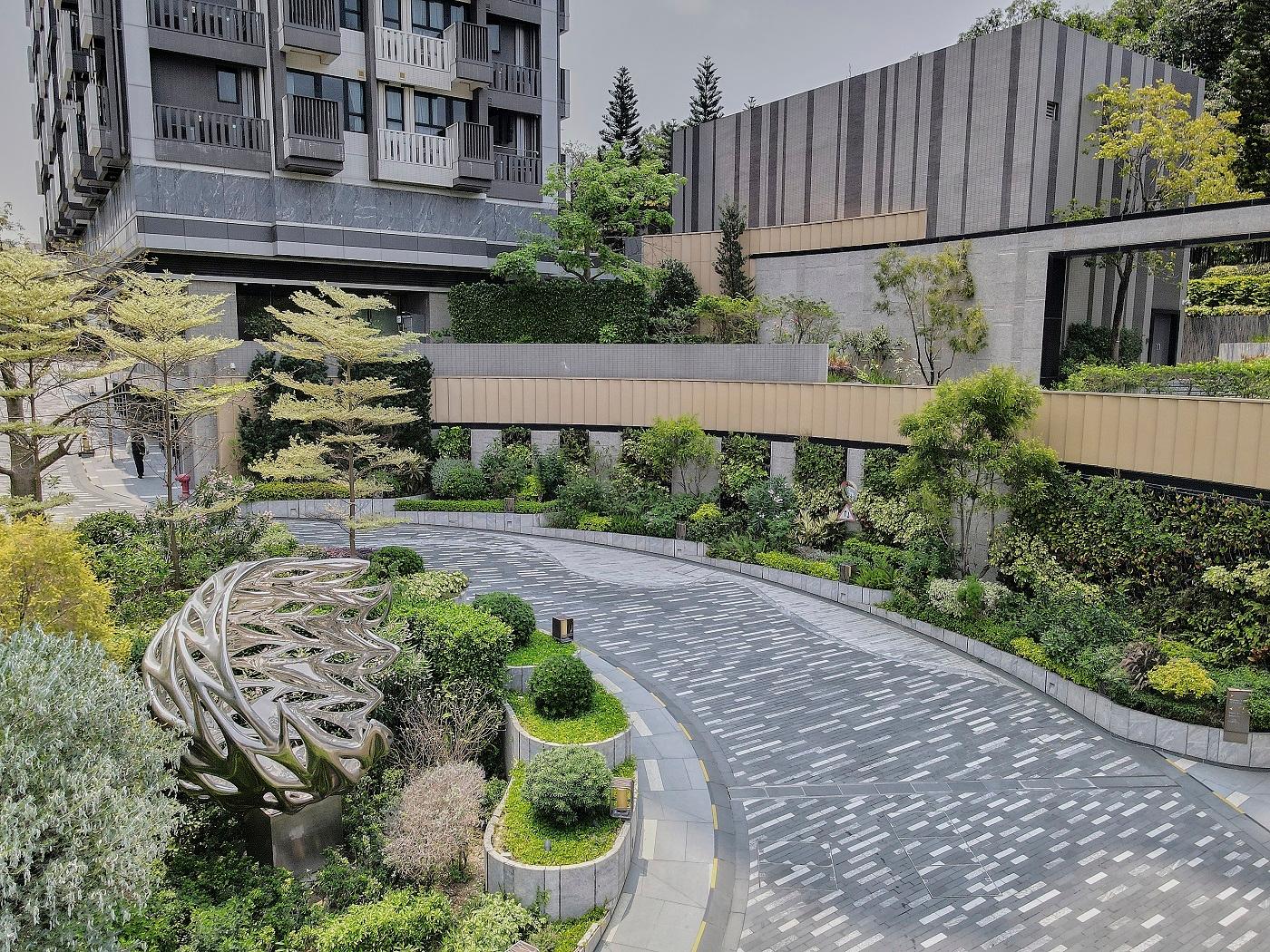
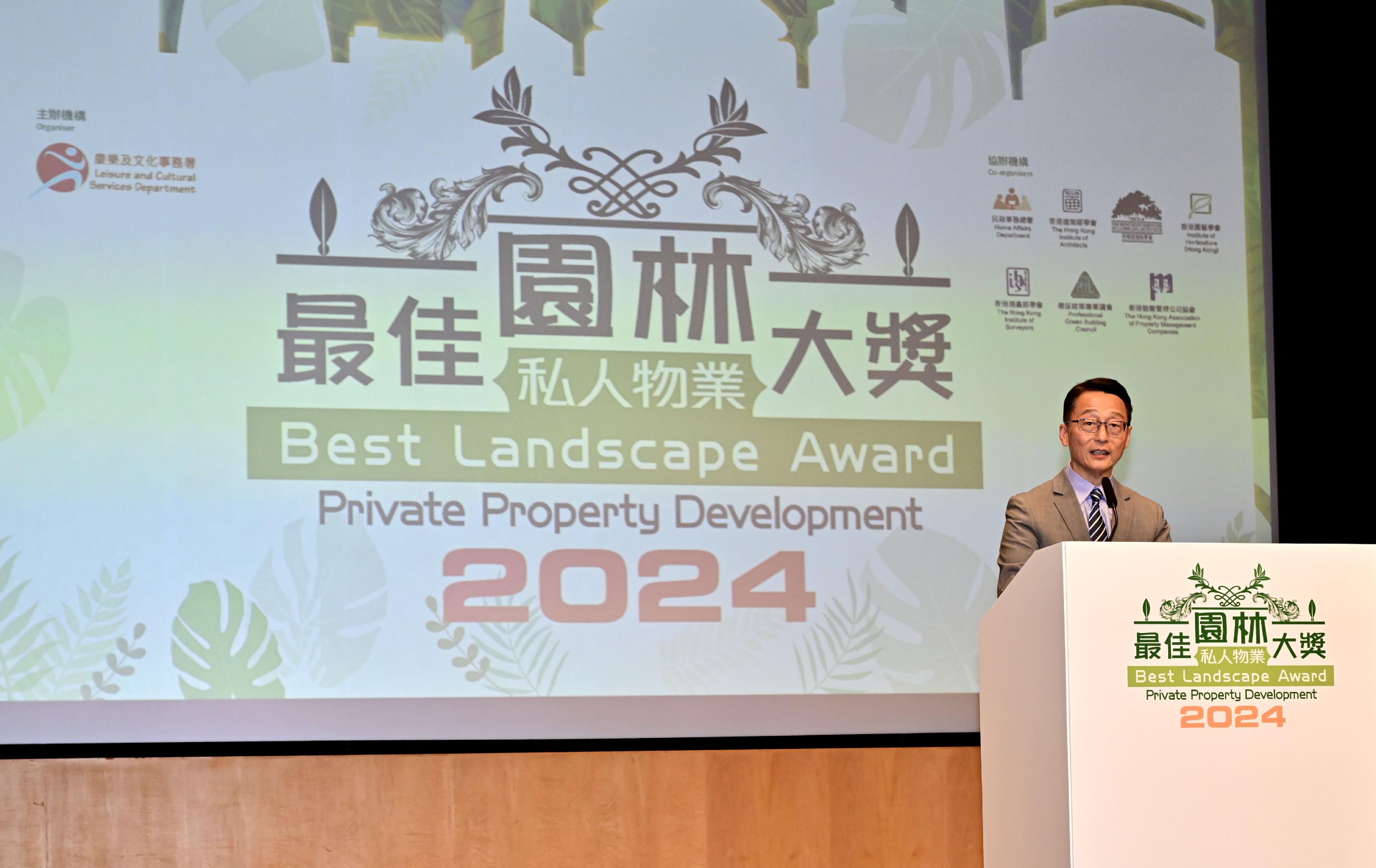
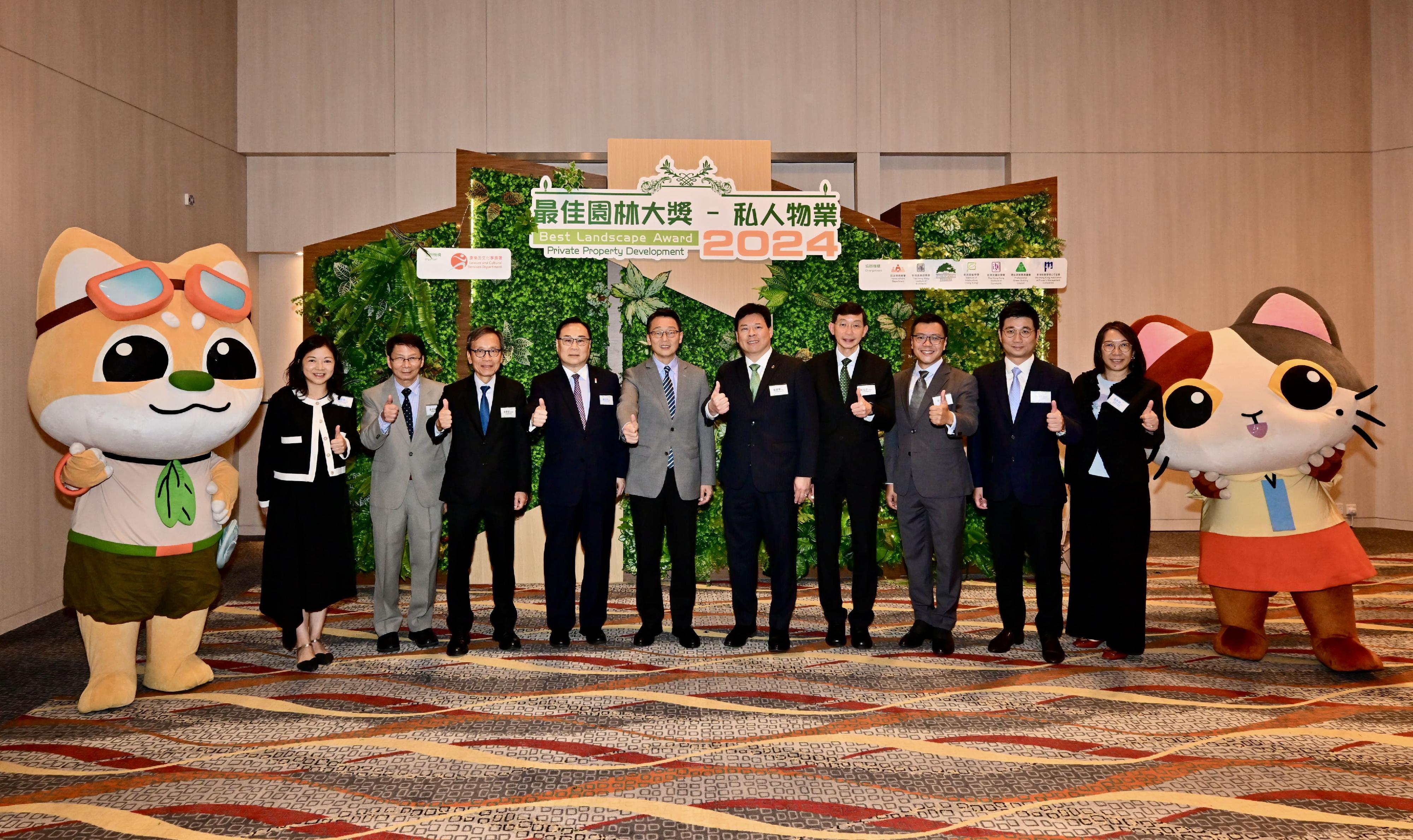
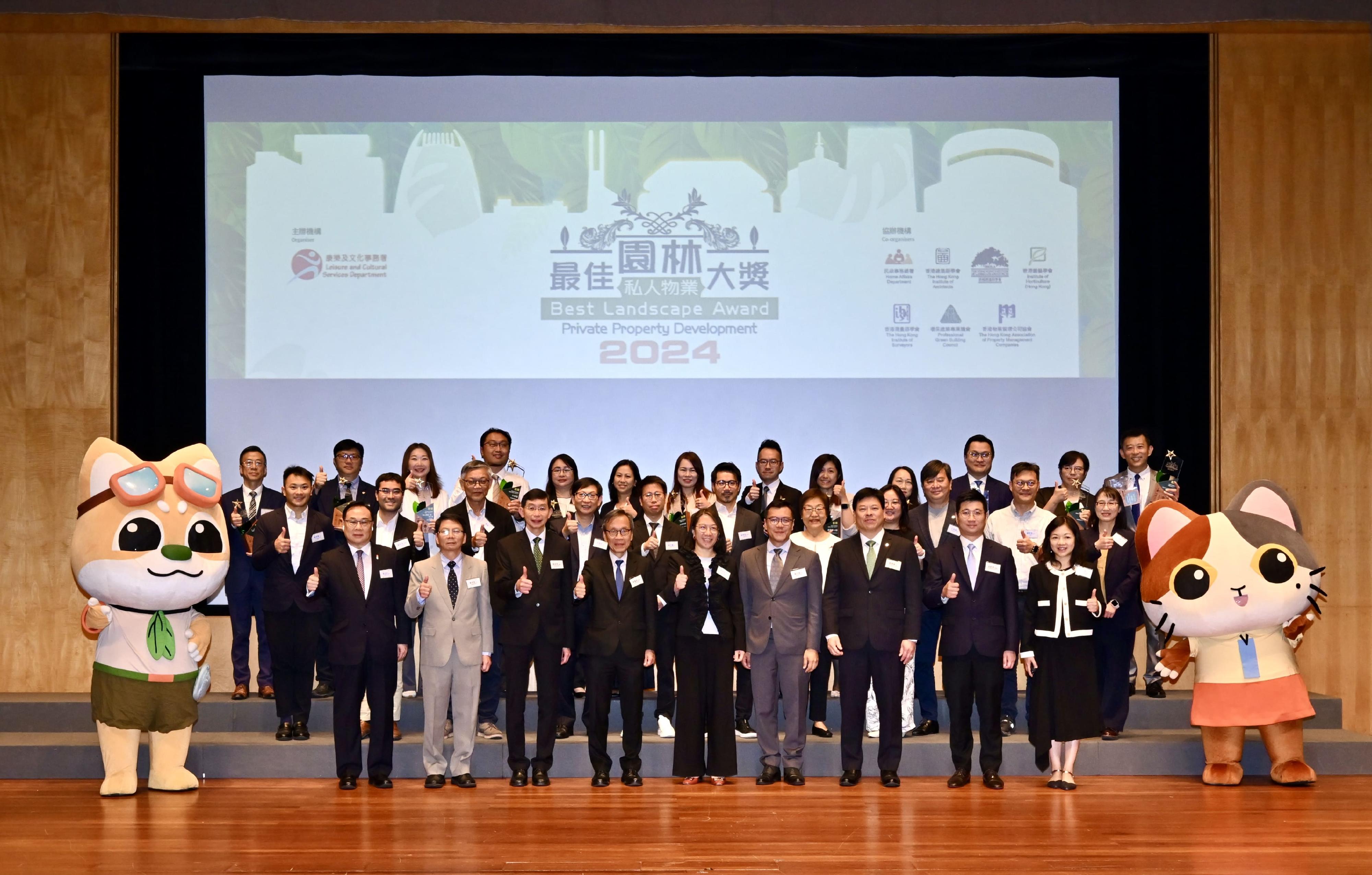
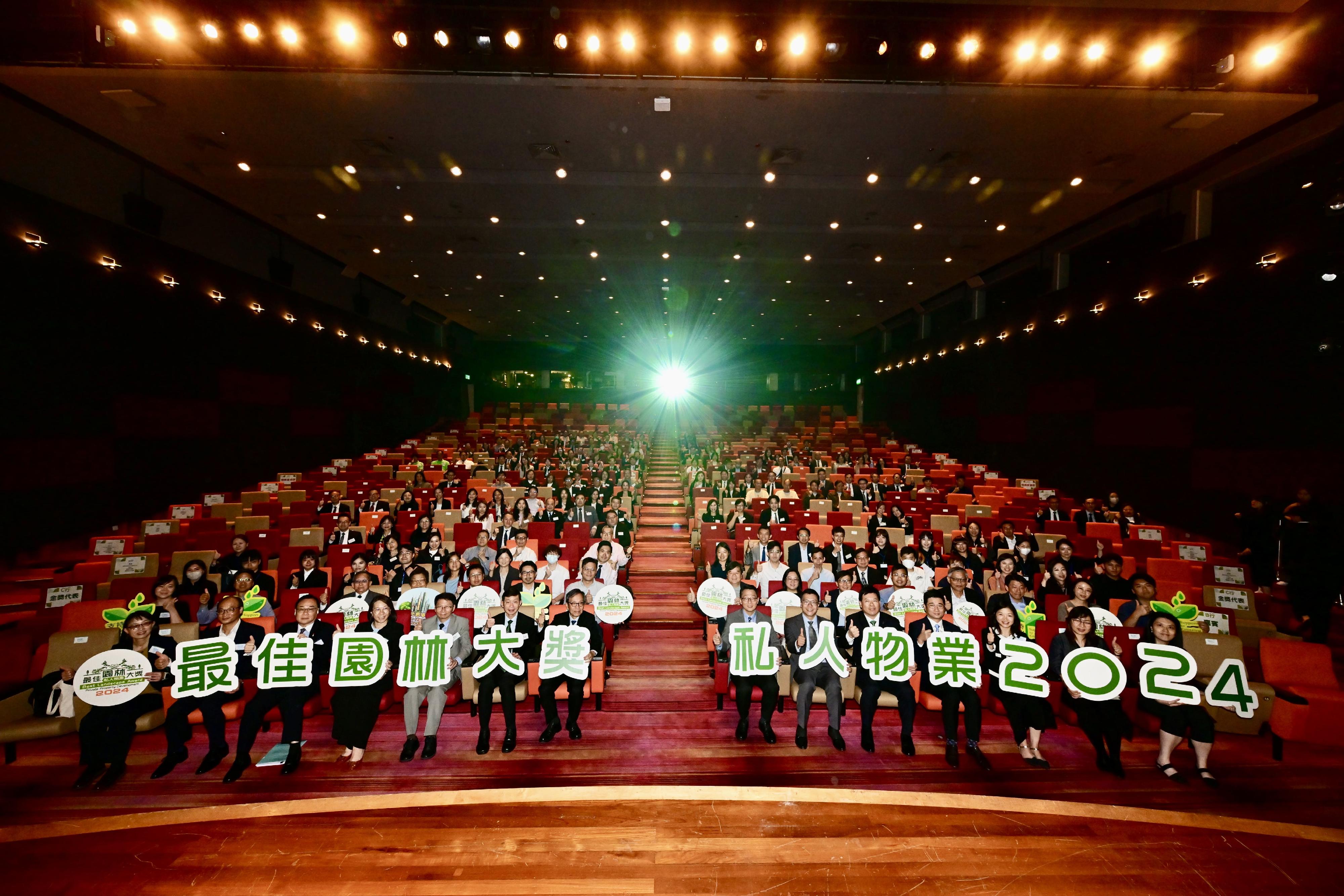
     Winners of the Best Landscape Award for Private Property Development 2024, organised by the Leisure and Cultural Services Department (LCSD), were announced at a prize presentation ceremony today (October 4). Thirteen private properties with outstanding landscape design and quality horticultural maintenance received Gold Awards. Thirty Merit Awards and 12 Environmental Efficiency Awards were also given out at the ceremony to commend organisations for their efforts in greening and enhancing public awareness of green issues.
 
     Addressing the ceremony, the Director of Leisure and Cultural Services, Mr Vincent Liu, said the Best Landscape Award, held once every two years, is one of the LCSD's major activities to promote greening. The award aims to honour private property developments that excel in landscape design and horticultural maintenance.
 
     Mr Liu added that to offer members of the public more green space, last year the LCSD planted over 500 flowering trees in Sha Tin Park and along Shing Mun River and Yuen Long Nullah. Over the next five years, 2 500 additional trees will be planted in leisure venues and along roads across all the 18 districts to create more flower-viewing hotspots. Also, the LCSD has started to systematically replace senescent Acacia confusa with other flowering trees, in compliance with the Development Bureau's guidelines. This serves the dual aim of reducing the risk of tree collapses and satisfying public interest in flower appreciation. Replacement work has started in Victoria Peak Garden, Sai Kung and Kwun Tong; by the end of the year, around 400 trees are expected to be planted.

     Apart from planting trees and shrubs, the LCSD has been organising a wide range of community engagement and public education activities. The Best Landscape Award is a notable example. The response to this year's competition was fervent, with close to 200 nominated entries received. Each entry had its own characteristics, demonstrating the immense efforts made by the participating organisations in greening.
 
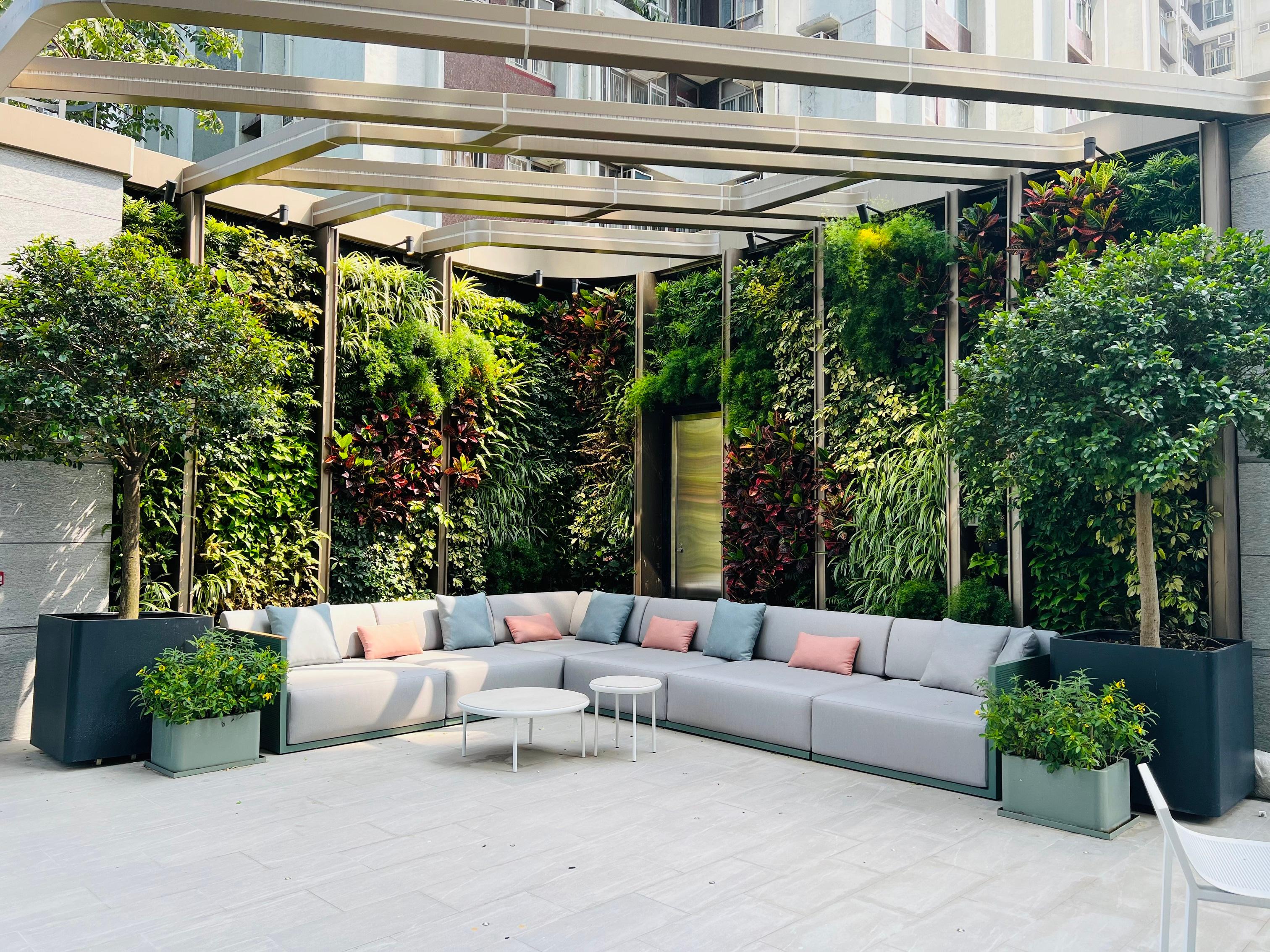
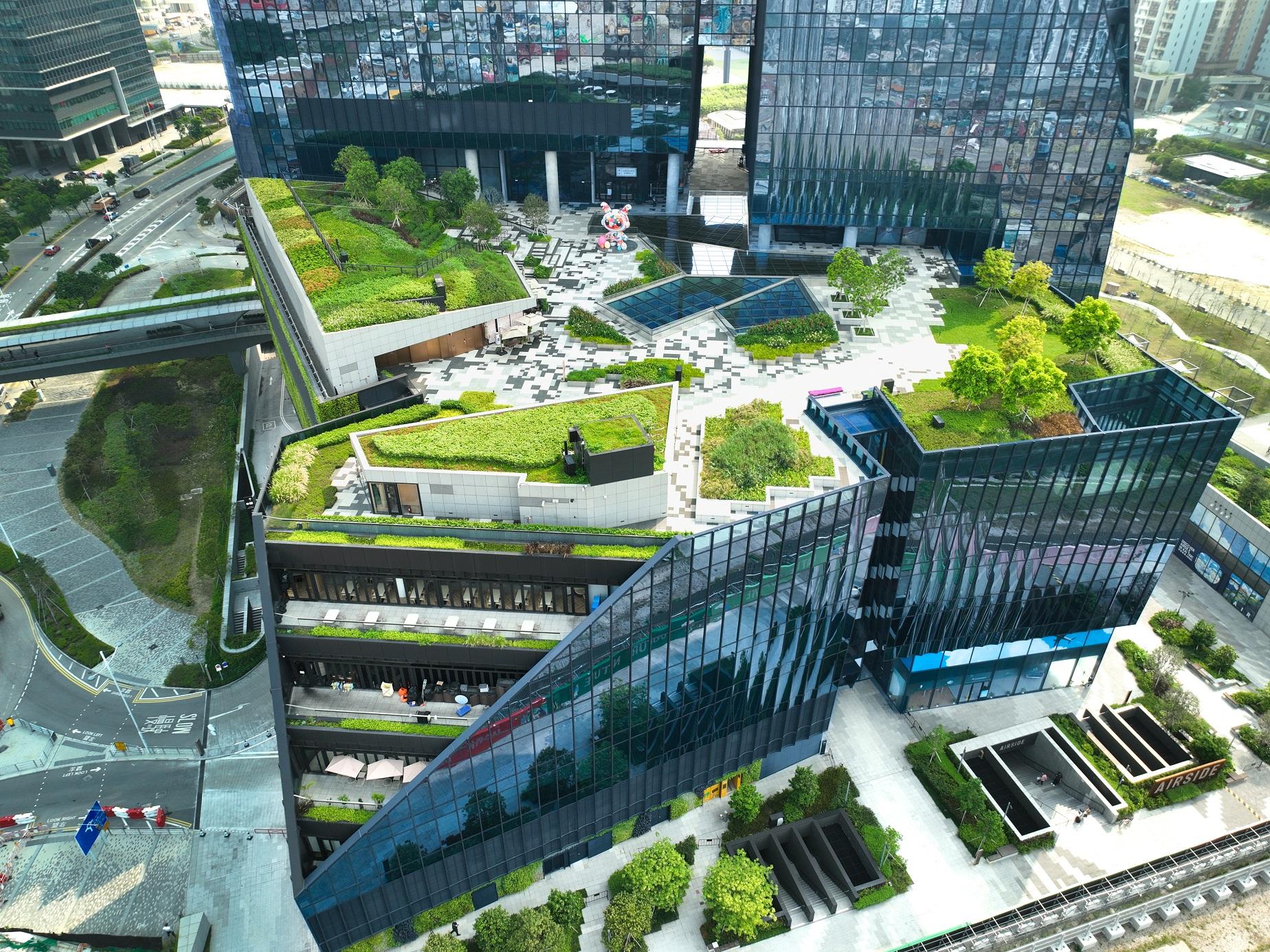
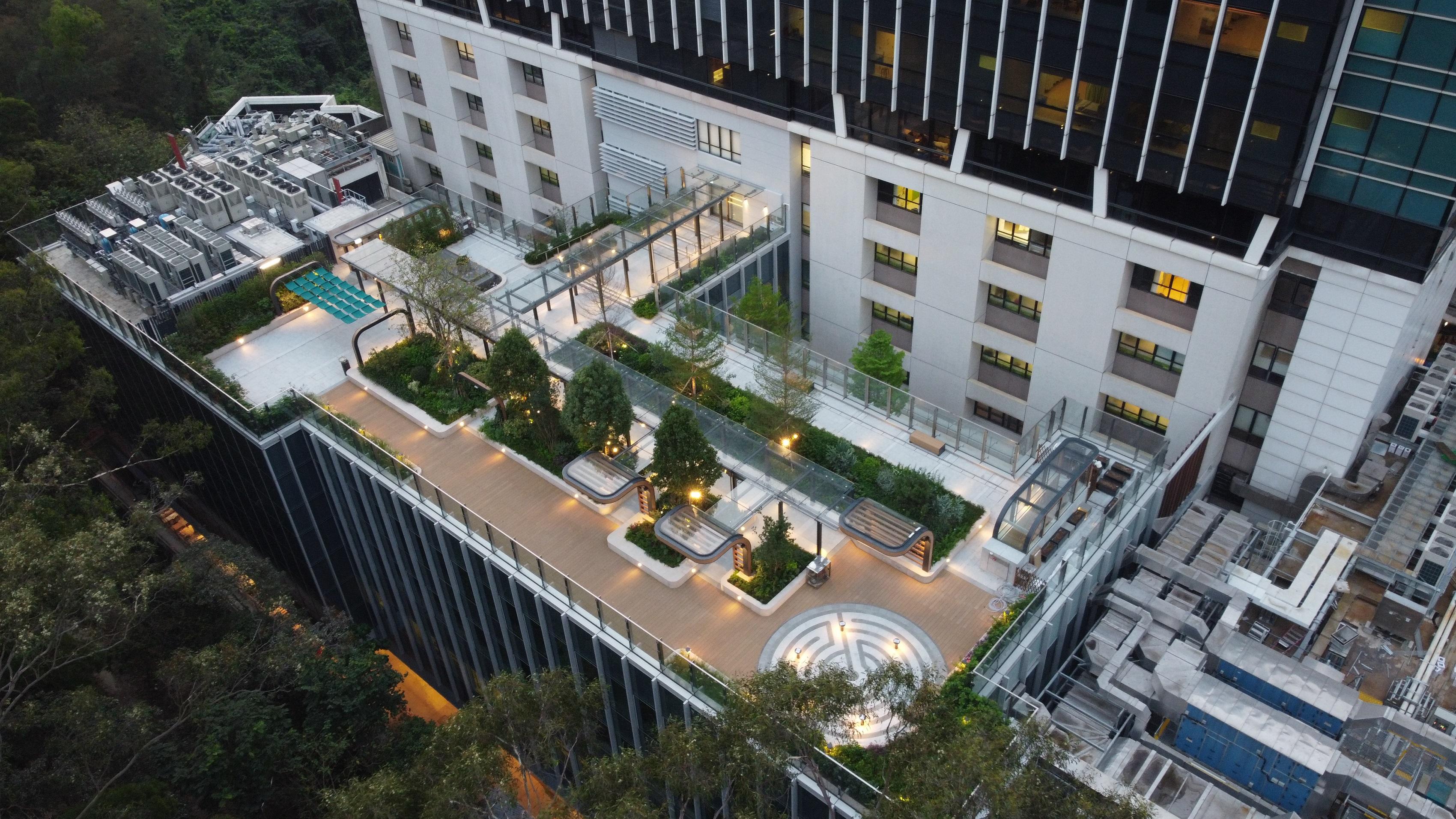
     In terms of landscape design, the winning projects integrated distinctive landscape features, large trees, seasonal flowers and plants to create a natural and soothing haven. Rooftop gardening and vertical greening concepts were also employed to enhance greenery coverage.
 
     As for horticultural maintenance, some winning projects highlighted plant care and adopted a variety of environmentally friendly measures to promote environmental awareness and green living. These served to reduce the effects of urban heat island and also offer comfortable greening spaces to residents.
 
     The prize presentation ceremony was held at the Hong Kong Convention and Exhibition Centre today. Other officiating guests included representatives from the co-organisers. They were the President of the Hong Kong Institute of Architects, Mr Benny Chan; the President of the Hong Kong Institute of Landscape Architects, Mr Paul Chan; the Chairman of the Professional Green Building Council, Mr Kenneth Yun; the President of the Hong Kong Association of Property Management Companies, Dr Edmond Cheng; Vice President of the Institute of Horticulture (Hong Kong) Mr Kingsley Choi; and the Chairman of the Planning and Development Division of the Hong Kong Institute of Surveyors, Mr Victor Ng.
 
     The competition presented awards in five categories. The Gold Award winners are as follows:
 
Domestic property:
 
(1) Large-scale Domestic Property (with a site area of 20 000 square metres or above)
i) Properties below six years of age: Wetland Seasons Bay
ii) Properties between six and below 21 years of age: Valais
iii) Properties of 21 years of age or above: Aegean Coast
 
(2) Medium-scale Domestic Property (with a site area from 2 000 sq m to below 20 000 sq m)
i) Properties below six years of age: Mount Regency
ii) Properties between six and below 21 years of age: 18 Farm Road
iii) Properties of 21 years of age or above: Royal Peninsula
 
(3) Small-scale Domestic Property (with a site area under 2 000 sq m)
i) Properties below six years of age: The Holborn
ii) Properties between six and below 21 years of age: Lime Habitat
 
Non-domestic property (such as hotels, shopping malls, commercial buildings, schools under the Direct Subsidy Scheme [private premises] and private schools):
 
(4) Large-scale Non-domestic Property (with a gross floor area of 40 000 sq m or above)
i) Properties below six years of age: AIRSIDE
ii) Properties between six and below 21 years of age: Domain
iii) Properties of 21 years of age or above: Nina Mall 1 – Nina Park
 
(5) Small and Medium-scale Non-domestic Property (with a gross floor area under 40 000 sq m)
i) Properties below six years of age: Union Hospital Extension
ii) Properties between six and below 21 years of age: Lee Tung Avenue
 
     The results of the Best Landscape Award are available on the LCSD webpage
www.lcsd.gov.hk/en/green/property/awards/awards_2024.html.

Photo  Photo  Photo  Photo  Photo  Photo  Photo  Photo  Photo  


Opening remarks by SDEV on quarterly land sale programme for October to December 2024

     Following are the opening remarks by the Secretary for Development, Ms Bernadette Linn, at a media session today (October 4) on the quarterly land sale programme for October to December 2024:
      
     Today I will introduce the Government's Land Sale Programme in the third quarter of this financial year, that is October to December 2024.
      
     In the third quarter, we will put up for tender two sites, namely, one residential site in Tai Wai and a site in Hung Shui Kiu, for development of Multi-storey Buildings for modern industries.
 
Residential site
      
     I will first briefly introduce the residential site. The site is located on Mei Tin Road, Tai Wai, expected to provide a supply of about 360 flats. This site is not among the list of sites on the Land Sale Programme we announced in February this year. This is because the technical study for this site was not yet completed back then. Upon completion of the relevant studies, we find it appropriate to include this site in the Land Sale Programme and put it up for tender in this quarter, having considered market response to the sale of residential sites in Sha Tin in the first two quarters as well as developers' greater interest these days in smaller-scale sites well served by transportation network and amenities. 
      
     In addition, the MTR Corporation Limited (MTRCL) plans to tender in this quarter its development project in Tung Chung East Station (Package 1), bringing about 600 flats. In view of market response, the MTRCL reduced the development scale of this package to half of its previous scale when it first tendered in October 2023. The MTRCL will announce details at the time of tender invitation.
      
     As for private development and redevelopment projects, three projects are expected to complete their lease modifications in this quarter, providing a supply of 1 235 flats. The majority of these come from a relatively large-scale in-situ land exchange application in the Fanling North New Development Area. The applicant has recently accepted the Lands Department's Binding Basic Terms Offer for that project. This is the second land exchange case concluded after the Government revised in end-2023 the land exchange arrangements for the Enhanced Conventional New Town Approach. These in-situ land exchange applications will enhance the speed of implementing the Northern Metropolis and reduce the Government's upfront spending on land resumption and public works while at the same time allowing the Government to receive premium revenue earlier.
      
     To summarise, taking all the above sources of housing land supply into account, the total private housing land supply in the third quarter will support the development of around 2 200 flats.
      
     Together with the supply from the first two quarters, the total supply for the first three quarters of this financial year is expected to support some 6 470 flats, which is close to 50 per cent of our annual supply target of 13 200 flats. This figure has not yet reflected private development projects not requiring lease modification in the third quarter, as such figures are only available at a later stage. 
 
Industrial site
      
     Regarding the industrial site, we will roll out shortly a site in Hung Shui Kiu for development of Multi-storey Buildings. We will continue adopting the two-envelope approach for the disposal of this site in order to demonstrate the importance we attach to the quality of such Multi-storey Buildings, with a view to achieving the Government's policy objectives to promote development of modern industries and at the same time consolidating some of our brownfield operations.

     In order to keep up with market demand, we have undertaken further engagement with the market in the past few months regarding the tender conditions of this site. Based on the market feedbacks so gathered, we will adjust the conditions of this site including downward adjustment of its plot ratio, downward adjustment of the floor area to be returned to the Government and giving a longer tender period.
      
     Details of the tender will be announced when we commence the tender invitation for the two sites I named above, one housing site and one industrial site.
      
     The Government will continue to sustain our effort in rolling out land in a prudent manner to meet our housing and economic development needs.