Special meeting of Pest Control Steering Committee convened to enhance interdepartmental collaboration in preventing spread of dengue fever and rat Hepatitis E virus (with photo)

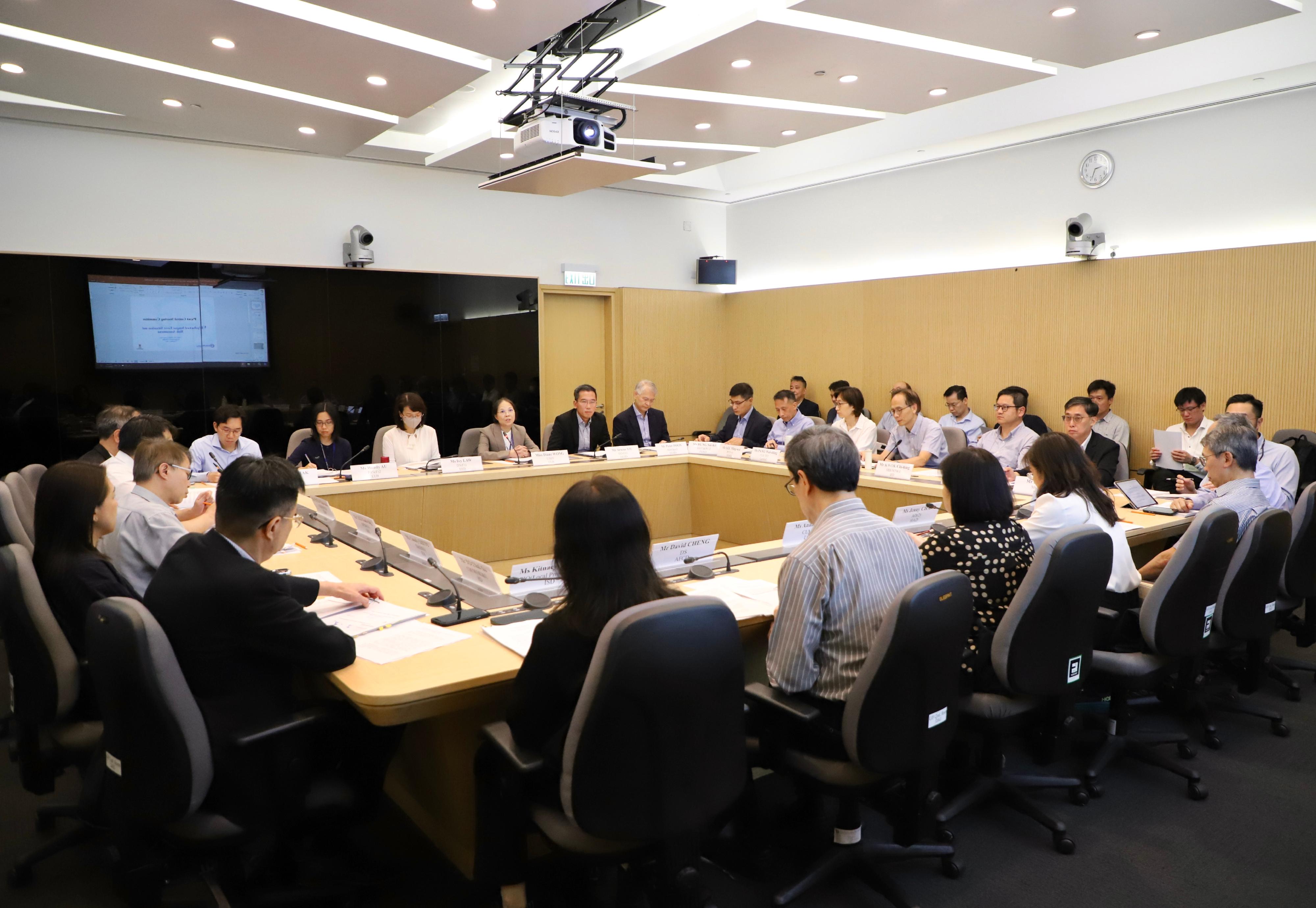
     The interdepartmental Pest Control Steering Committee (PCSC) convened a special meeting today (October 9) to discuss the response measures for preventing the local transmission of dengue fever (DF) through imported cases, the work plan for mosquito control in the coming year, as well as follow-up actions in response to the recent human infection of rat Hepatitis E virus (HEV).
     
Preventing the spread of DF

     In the meeting, the Centre for Health Protection (CHP) of the Department of Health explained to the attendees the details of the latest imported DF cases and the CHP's risk assessment. As of October 3, the CHP has recorded a total of 77 DF cases this year, including 73 imported cases (12 from the Mainland) and four local cases. The number of imported DF cases this year has surpassed the 62 cases recorded last year, with 13 cases recorded within the two-week period from September 20 to October 3. The patients had traveled to Guangdong Province (Foshan (nine cases) and Shenzhen (one case)), India (two cases), and Nepal (one case) during the incubation periods. According to the Guangdong Provincial Center for Disease Control and Prevention, Guangdong Province recorded over 3 000 local DF cases in September, 1 764 local DF cases within the past week from September 30 to October 6, with the highest numbers of cases reported in Foshan, Guangzhou, Shenzhen, Jiangmen and Zhongshan. The continued occurrence of DF cases outside Hong Kong, coupled with the frequent travel by residents to and from Guangdong, Hong Kong and other areas, resulted in an increased risk of importing DF cases into Hong Kong, posing a risk of local transmission.

     While the local gravidtrap index has shown a downward trend with the passing of the rainy season, in view of the DF situation in other areas, the Government not only instructed various bureaux and departments, as well as trade stakeholders, to strengthen territory-wide mosquito prevention and control work to prevent the local spread of DF in early October, but also discussed response measures with the bureaux and departments in today's meeting.
     
Mosquito control

     The representative from the Food and Environmental Hygiene Department (FEHD) reported to the PCSC that the mosquito infestation this year continues to be under control, and the overall trend of the gravidtrap index for Aedes albopictus this year is similar to that of last year. The FEHD has also conducted site inspections with relevant departments, and provided them with professional advice and technical support to assist them in formulating and implementing effective anti-mosquito measures swiftly, as well as strengthening publicity and education in parallel. The departments will pay special attention to environments prone to mosquito breeding under their purviews, and proactively strengthen their mosquito preventive and control measures at places under their management, including carrying out regular inspections of the surrounding environment, eliminating potential mosquito breeding places, removing stagnant water, applying larvicides at appropriate locations, aptly placing more mosquito trapping devices and applying ultra-low volume foggers, etc. Looking ahead, the FEHD will continue to work closely with other departments and proactively take mosquito control actions, including eliminating potential mosquito breeding places, as well as the timely conducting of fogging operations in a concerted manner until the end of the rainy season. The departments will closely monitor the situation of mosquito infestation as reflected by the surveillance indices, and constantly update the list of mosquito infestation hotspots to adjust and plan their work based on the actual situation to ensure rapid and effective mosquito prevention and control efforts.

Investigation of human infection of HEV
 
     Regarding the recent case of human infection of HEV, the CHP's epidemiological investigations revealed that the patient resides in Hung Hom. She claimed that she did not have direct contact with rodents or rats, and had no travel history during the incubation period, indicating that this is a locally acquired infection.
      
     The CHP and the FEHD reported to the PCSC that in response to the above-mentioned HEV case, the FEHD has carried out follow-up work over the past two weeks, including visiting the patient's residence and surrounding areas to conduct rodent infestation investigations, providing advice on rodent control measures to property management personnel; as well as inspecting the patient's residence, the places she visited before onset of the disease and the surrounding public areas, and stepping up street washing, rodent prevention and control work.
      
     In the meeting, the FEHD reminded all bureaux and departments to diligently implement various rodent prevention and control measures in areas under their purview. Anti-rodent work requires co-operation from all sectors. The PCSC appealed to members of the public and all sectors to strengthen rodent prevention and control measures in their respective areas and tie in with the rodent prevention and control work of the Government to reduce the risk of HEV transmission.
      
     The Environment and Ecology Bureau will also meet with the trade later to gather the collective efforts of different sectors, promoting cross-sector, multidisciplinary and public participation in preventing the spread of DF and HEV.
      
     The meeting today was chaired by the Under Secretary for Environment and Ecology, Miss Diane Wong. Government bureaux, departments and organisations attending the meeting were the Agriculture, Fisheries and Conservation Department; the Architectural Services Department; the Buildings Department; the Civil Engineering and Development Department; the Development Bureau; the Department of Health; the Drainage Services Department; the Education Bureau; the Electrical and Mechanical Services Department; the Environmental Protection Department; the FEHD; the Government Property Agency; the Hospital Authority; the Home Affairs Department; the Housing Department; the Highways Department; the Information Services Department; the Lands Department; the Leisure and Cultural Services Department; the Marine Department; the Social Welfare Department; and the Water Supplies Department.
Photo  


Hong Kong’s first Chinese medicine hospital officially named “The Chinese Medicine Hospital of Hong Kong” (with photo)

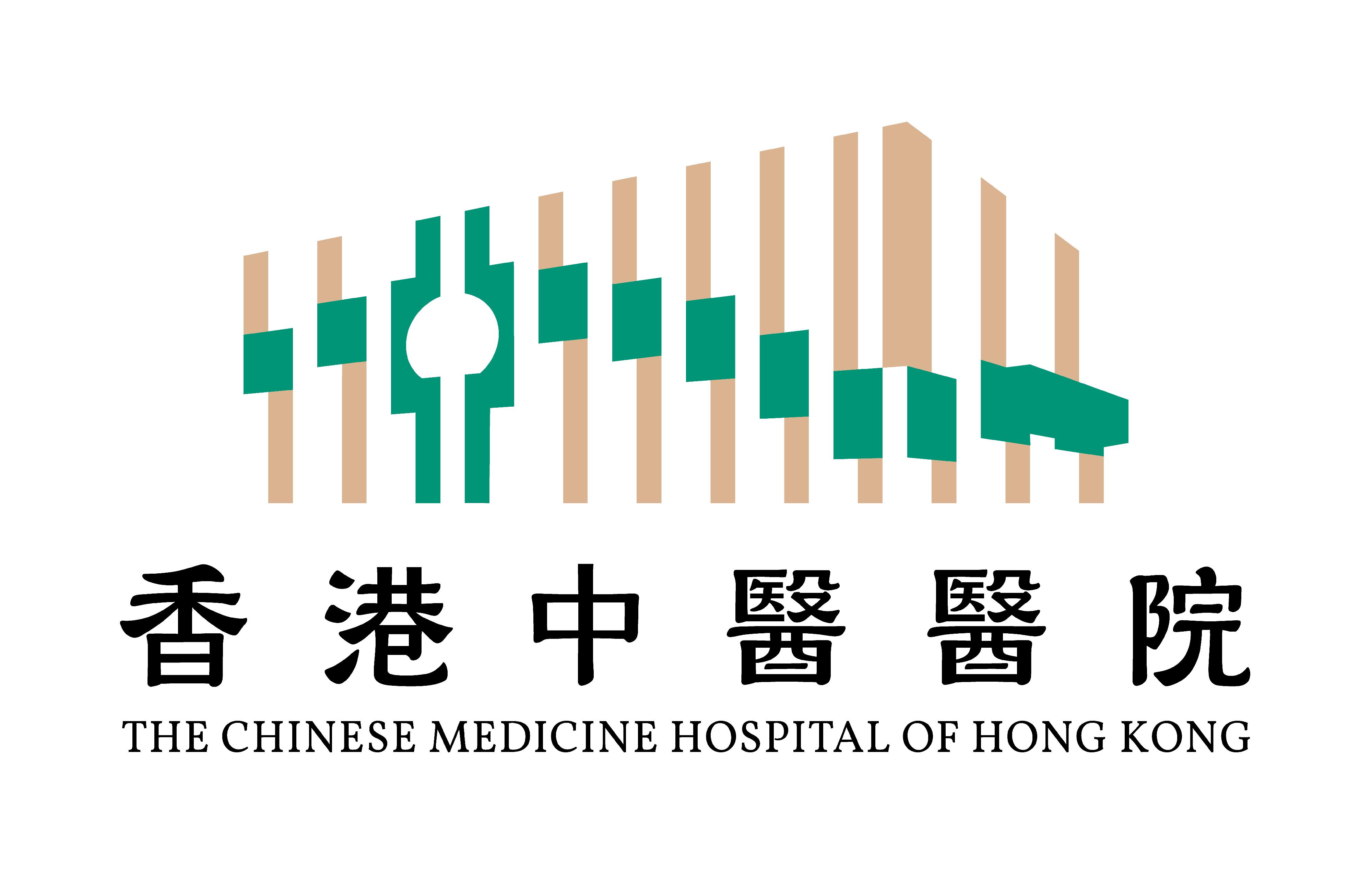
     The Government announced today (October 9) the official naming of Hong Kong's first Chinese medicine hospital as "The Chinese Medicine Hospital of Hong Kong" (CMHHK) and launched the hospital's logo at the same time. The Secretary for Health, Professor Lo Chung-mau, said that the establishment of the CMHHK marks a milestone in the city's commitment to driving Chinese medicine (CM) development. The Government is actively progressing with various preparations for the commissioning of the CMHHK, aiming to commence services in phases starting from the end of next year.
 
     Professor Lo said, "As the first CM service-predominant hospital in Hong Kong, the CMHHK will lead the way for local CM services to go beyond primary healthcare and play a part in secondary and tertiary healthcare, signifying a major breakthrough in CM development of Hong Kong. The CMHHK will also serve as the city's flagship CM institution, taking on the roles of a pioneer and change-driver to leverage Hong Kong's traditional advantages in CM through active interaction with various stakeholders in the CM sector and joining forces with the sector to promote CM development in Hong Kong, the Guangdong-Hong Kong-Macao Greater Bay Area (GBA) and the international community as a whole, thereby contributing to the construction of CM Highlands in the GBA and the national CM development."
  
     The design of the CMHHK logo, characterised by the outline of the hospital building, incorporates the Chinese character "中" among architectural features that depict the building outlines and colours resembling a mountain range. It also includes a moon gate design common in classical Chinese gardens, symbolising a welcoming passageway for the public into the extensive and profound realm of CM. The overall design of the logo showcases both traditional Chinese architectural elements and the vibrancy of Chinese culture, highlighting the unique position of the CMHHK within Hong Kong's healthcare system.
 
     The CMHHK will focus on providing pure CM, CM-predominant and integrated Chinese-Western medicine clinical services, covering government-subsidised inpatient and outpatient services. The hospital will also undertake key missions in training and education, research, collaboration and creating health values, including offering clinical internships to students of the three local universities with Schools of Chinese Medicine and serving as a clinical training platform for CM practitioners. Moreover, the CMHHK will collaborate with universities and education institutions in Hong Kong, on the Mainland and overseas on clinical research, proprietary Chinese medicines development and other CM-related research to push forward the research development of CM.
 
     Located at 1 Pak Shing Kok Road in Tseung Kwan O, the CMHHK adopts a public-private partnership model with its construction fully funded by the Government. The Government commissioned Hong Kong Baptist University (HKBU) as the Contractor through tendering procedures in 2021. HKBU subsequently incorporated a company limited by guarantee (i.e. HKBU Chinese Medicine Hospital Company Limited) in the same year in accordance with the service deed to act as the Operator for managing, operating and maintaining the hospital. 

Photo  


Heightened vigilance urged amid increasing activity of hand, foot and mouth disease

     The Centre for Health Protection (CHP) of the Department of Health (DH) today (October 9) urged the public to maintain strict personal and environmental hygiene as a local prevalence of hand, foot and mouth disease (HFMD) has been increasing in recent weeks.

     According to the CHP's surveillance data, the number of HFMD outbreaks in institutions recorded has increased from 11 (affecting 47 persons) in the week ending September 21, to 24 (affecting 73 persons) and 20 outbreaks (affecting 53 persons) recorded in the week ending September 28 and October 5 respectively. As of yesterday (October 8), five outbreaks involving 11 persons had been reported in the past three days of this week. The outbreaks mainly occurred in kindergartens and child care centres (KG/CCC) as well as primary schools.
 
     In addition, the DH's sentinel surveillance based at KG/CCC and private medical practitioner clinics has shown significant increases in HFMD activity recently. So far, two cases of enterovirus 71 (EV71) infection and one case of severe paediatric enterovirus infection (other than EV71 and poliovirus) had been recorded this year.
     
     "HFMD occurs throughout the year in Hong Kong, with the usual peak occurring from May to July and a smaller peak from October to December. As young children are more susceptible, parents should stay alert to their health condition. Institutional outbreaks may occur where HFMD can easily spread among young children with close contact," a spokesman for the CHP said.

     "We issued letters to doctors, kindergartens, child care centres, and primary and secondary schools to alert them to the latest situation. Schools are reminded to follow the Guidelines on Prevention of Communicable Diseases on preventive and control measures as well as management of outbreaks, which should be reported to the CHP for prompt follow-up," the spokesman added.

     Management of venues with play facilities should pay special attention to the CHP's Public Health Advice for Play Facilities on appropriate infection control in activities involving young children under 6 during the peak season.

     The spokesman reminded that alcohol-based handrub should not substitute hand hygiene with liquid soap and water, as alcohol does not effectively kill some viruses causing HFMD, for example, EV71. To prevent HFMD, members of the public (especially the management of institutions) should take heed of the following preventive measures:
 

  • Maintain good air circulation;
  • Wash hands before meals and after going to the toilet or handling diapers or other stool-soiled materials;
  • Keep hands clean and wash hands properly, especially when they are dirtied by respiratory secretions, such as after sneezing;
  • Cover the nose and mouth while sneezing or coughing and dispose of nasal and oral discharges properly;
  • Regularly clean and disinfect frequently touched surfaces such as furniture, toys and commonly shared items with 1:99 diluted household bleach (mixing one part of household bleach containing 5.25 per cent sodium hypochlorite with 99 parts of water), leave for 15 to 30 minutes, and then rinse with water and keep dry;
  • Use absorbent disposable towels to wipe away obvious contaminants such as respiratory secretions, vomitus or excreta, and then disinfect the surface and neighbouring areas with 1:49 diluted household bleach (mixing one part of bleach containing 5.25 per cent sodium hypochlorite with 49 parts of water), leave for 15 to 30 minutes and then rinse with water and keep dry;
  • Children who are ill should be kept out of school until their fever and rash have subsided and all vesicles have dried and crusted;
  • Avoid going to overcrowded places; and
  • Parents should maintain close communication with schools to let them know the latest situation of sick children.

     
     â€‹The CHP's weekly publication, EV SCAN (www.chp.gov.hk/en/view_content/21639.html), is issued every Friday to report the latest local situation of HFMD. Members of the public may also visit the CHP's page on HFMD and EV71 infection for more information.


Special traffic and transport arrangements for Hong Kong Cyclothon this Sunday

     â€‹The Transport Department (TD) today (October 9) reminded members of the public that temporary road closures will be implemented in phases at various locations in New Territories South, Kowloon West and Tsim Sha Tsui from 1am on Sunday (October 13) to facilitate the holding of the Hong Kong Cyclothon.

     The 50 kilometre and 32km rides will start at Salisbury Road near the Empire Centre in Tsim Sha Tsui East, while the finishing point will be located at the Jordan Road flyover. The 50km ride will be routed via Kowloon Park Drive, Austin Road West, Nga Cheung Road elevated road, the West Kowloon Highway, the Cheung Tsing Tunnel, the Tsing Ma Bridge and the Ting Kau Bridge. The race will turn back and be routed via the Nam Wan Tunnel, the Stonecutters Bridge, the Eagle's Nest Tunnel and the Sha Tin Heights Tunnel, then turn back again and be routed via the West Kowloon Highway and Nga Cheung Road before heading for the finishing point. The race route of the 32km ride will be similar to the 50km ride, but will not be routed via the Tsing Ma Bridge, the Eagle's Nest Tunnel and the Sha Tin Heights Tunnel. Subject to the race arrangements and progress, the above road sections along the race routes in New Territories South and Kowloon West will be temporarily closed until around 11am on that day.

     The other events and races of the Cyclothon will be held on the roads in the vicinity of Tsim Sha Tsui East, including Salisbury Road, Mody Lane, Hung Hom Bypass and Hung Hom Road, which will also be temporarily closed until around 3.30pm on that day.

     During the road closure period, 155 bus routes (including 64 KMB routes, 33 Citybus routes, 31 cross harbour bus routes, 26 Long Win Bus routes and one New Lantao Bus route) and 15 green minibus routes will be affected and subject to diversions, truncations, suspensions or relocations of stops in phases until the reopening of roads. The Star Ferry Pier Public Transport Interchange and the China Hong Kong City Public Transport Interchange will be suspended from 2.30am until around 10.30am; and the Tsim Sha Tsui East (Mody Road) Bus Terminus will be suspended from 10.30am until around 3.30pm on Sunday. Roadside parking spaces within the closed roads will also be suspended.

     The above road closure arrangements will not affect vehicles from Hong Kong Island/Kowloon/New Territories East heading for the airport and Lantau Island. Due to the closure of the Ting Kau Bridge (Kowloon bound), motorists travelling from New Territories West to the airport and Lantau Island via Tuen Mun Road or the Tai Lam Tunnel will be diverted via Tsuen Wan Road, the Tsuen Tsing Interchange, Tsing Tsuen Road, the Tsing Tsuen Bridge, the Tam Kon Shan Interchange and Tsing Yi North Coastal Road heading for the Tsing Ma Bridge.

     Both directions of the Western Harbour Crossing will remain in normal operation. Due to the closure of the West Kowloon Highway (Western Harbour Crossing bound), motorists traveling from New Territories West or Kowloon West to Hong Kong Island will be diverted via the slip road of Lin Cheung Road (northbound) near the Civil Aid Service Headquarters heading for the Western Harbour Crossing.

     The TD appeals to the public to pay attention to the temporary road closures and public transport service adjustment arrangements on that day. Due to extensive road closures, the TD anticipates that Kowloon bound traffic on the Lantau Link, Kowloon bound traffic on Tsuen Wan Road, Kowloon Station bound traffic on Jordan Road, Tsim Sha Tsui bound traffic on Ferry Street, Jordan bound traffic on Hoi Wang Road, Lin Cheung Road, and sections of Canton Road south of Jordan Road and in the vicinity of Harbour City will be more significantly congested when compared with normal Sundays. Motorists are advised to avoid driving to the affected areas, and in case of traffic congestion, motorists should exercise patience, drive with care and follow the instructions of the Police on-site.

     Members of the public should plan their journeys early to avoid unexpected delays, and use public transport services (particularly railway services) as far as possible and pay attention to the arrangements of temporary route diversions and relocations of stops. Those heading for the West Kowloon Cultural District, the Kowloon Station for the Airport Express Line or boundary control points including Hong Kong West Kowloon Station of the Guangzhou-Shenzhen-Hong Kong Express Rail Link and the China Ferry Terminal (China Hong Kong City) are advised to plan their journey early to avoid any delay caused by road closures and traffic diversions. They may browse the TD's website (www.td.gov.hk) or mobile application "HKeMobility" for information about the special traffic and transport information, or may also browse relevant public transport operators' websites or mobile applications for details of service changes.

     The TD and the Police will closely monitor the traffic situation. Other temporary road and traffic control measures, including adjusting the extent of road closures, and alteration or suspension of public transport services may be implemented by the Police at short notice depending on the actual traffic conditions. Members of the public are advised to stay alert to the latest traffic news through the media.


Postal services to Czech Republic return to normal

     Hongkong Post announced today (October 9) that, as advised by the postal administration of Czech Republic, mail delivery services to Czech Republic previously impacted by heavy rain have returned to normal.