Public urged to stay alert to emails purported to be issued by Chief Executive of Hospital Authority

The following is issued on behalf of the Hospital Authority:

     â€‹The Hospital Authority (HA) spokesperson today (October 18) urged members of the public to stay alert against fraudulent acts to collect personal information on behalf of HA staff.
      
     The HA has recently received reports on a suspected impersonation of the Chief Executive of the HA, Dr Tony Ko, who solicited personal information such as contact details from the recipients through emails. The spokesperson stressed that Dr Ko had never sent such emails and reminded members of the public not to reply to emails from unknown sources or provide personal data to unknown persons, and to avoid clicking on suspicious hyperlinks.
      
     The HA is very concerned about the incident and has reported the case to the Police for investigation. The HA reminded members of the public that the emails sent by the HA end with "@ha.org.hk", and appealed to members of the public to be vigilant towards fraudulent emails and to report to the Police if in doubt.


2024 Hong Kong-Macao Visual Art Biennale commences in Hangzhou with artworks blending old and new culture by Hong Kong artists (with photos)

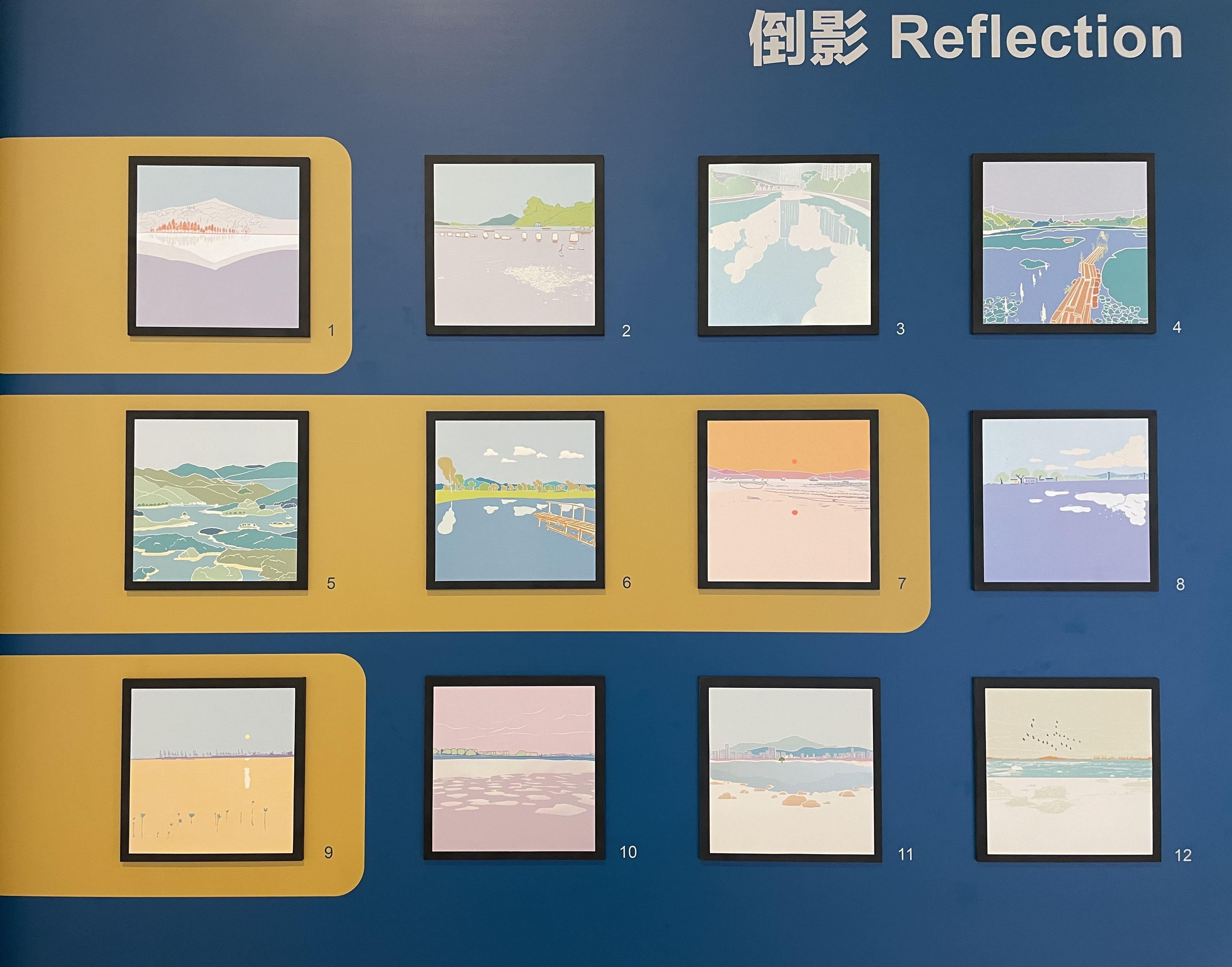
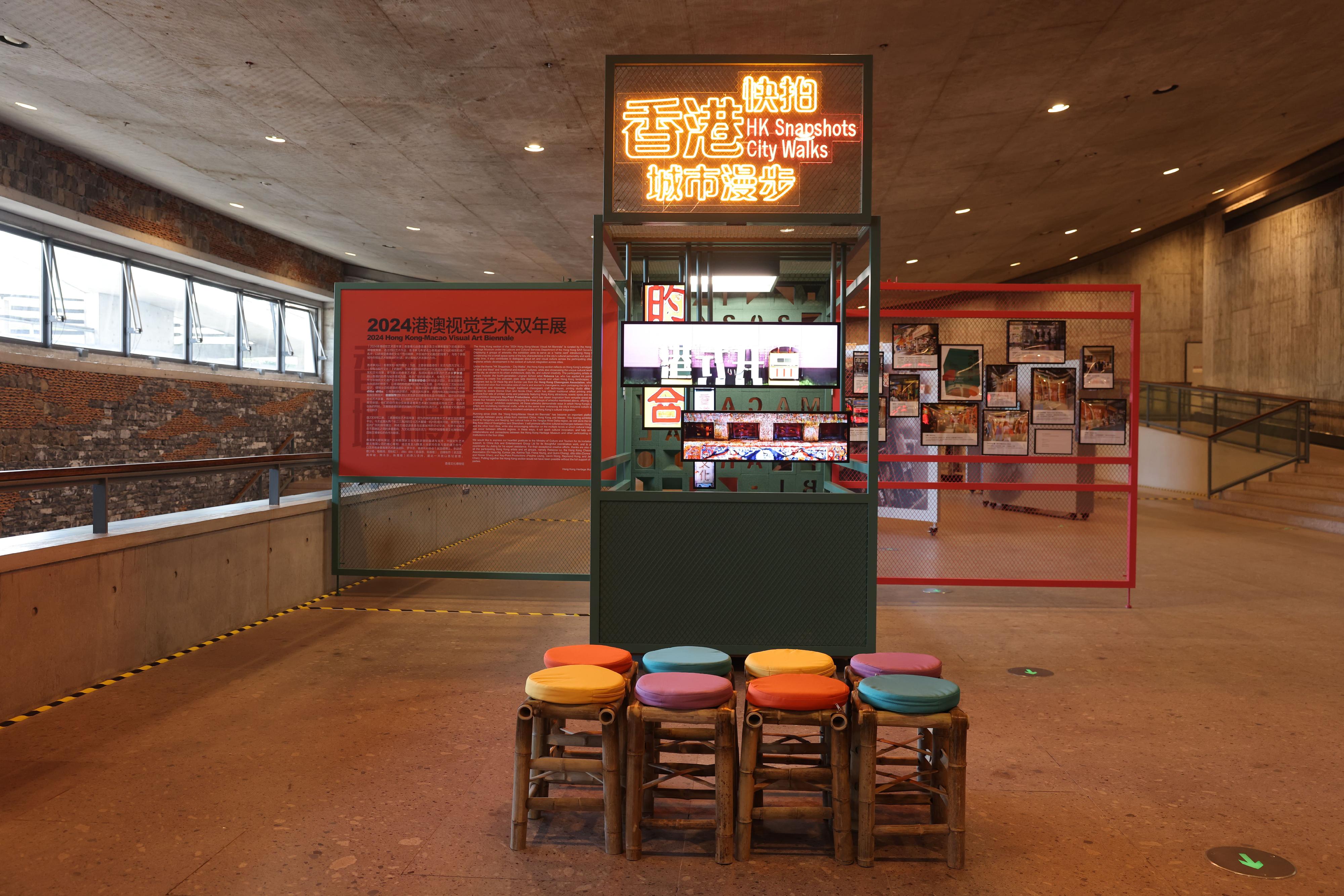
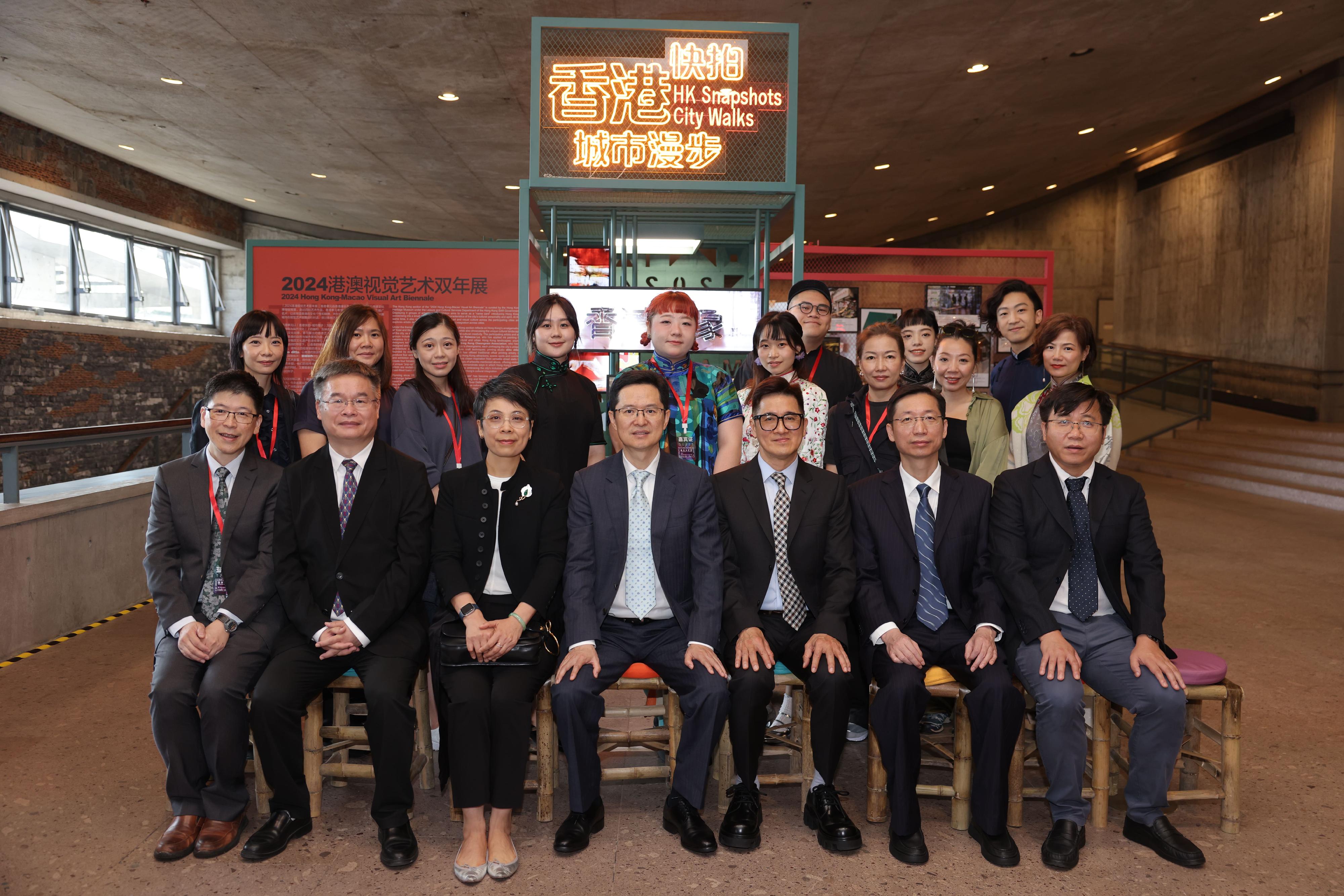
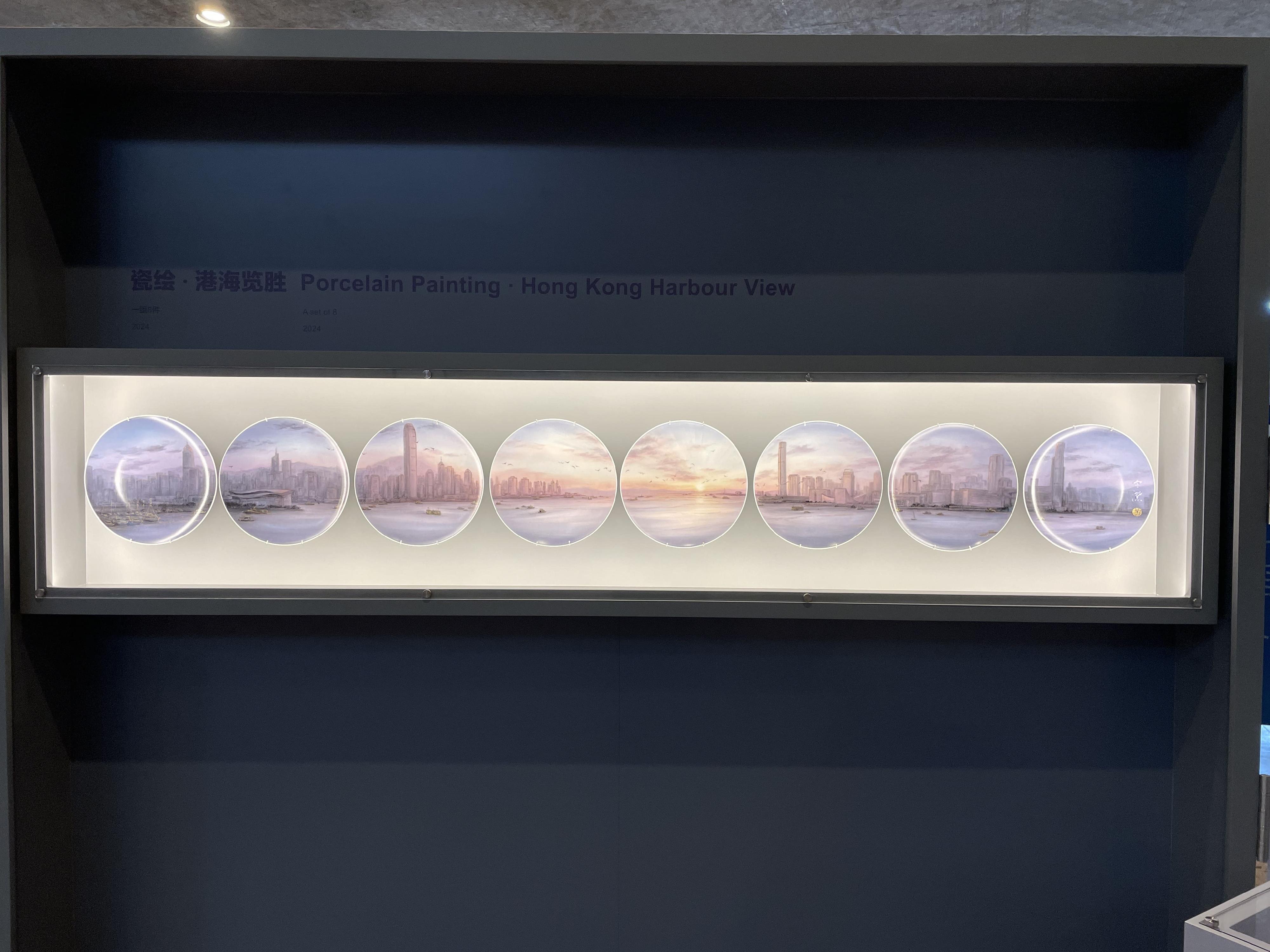
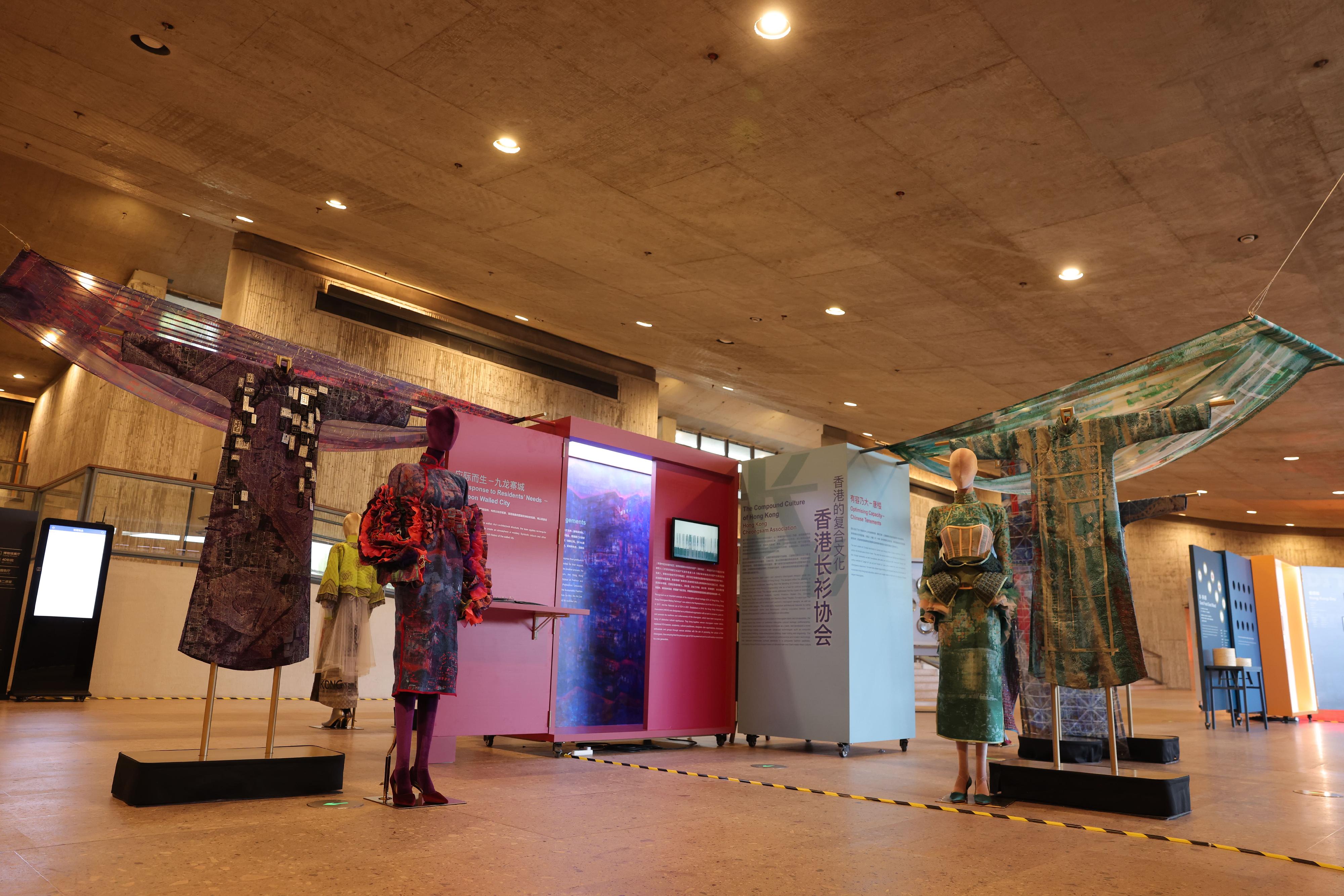
     The 2024 Hong Kong-Macao Visual Art Biennale has commenced its display at the Gongwang Art Museum in Fuyang, Hangzhou today (October 18). With the theme "HK Snapshots‧City Walks", the Hong Kong Heritage Museum curated the Hong Kong section of the biennale. Four groups of young local artists have created visual artworks inspired by Guangcai porcelain, Hong Kong cheongsams, traditional offset printing artistry and local flexible street stalls, demonstrating the city's culture which blends the East and West and the old and new. The exhibition in Hangzhou will run until November 15 with free admission.
 
     Addressing the opening ceremony of the biennale in Hangzhou today, the Deputy Director of Leisure and Cultural Services (Culture), Miss Eve Tam, said that the Hong Kong-Macao Visual Art Biennale is a major arts and cultural exchange event jointly organised by the Ministry of Culture and Tourism of the People's Republic of China, the Hong Kong Special Administrative Region, the Macao Special Administrative Region and a number of Mainland cities. The Leisure and Cultural Services Department has participated in this event since its inception in 2008, presenting to Mainland audiences works created by Hong Kong artists. The National 14th Five-Year Plan has expressed clear support for Hong Kong to develop into an East-meets-West centre for international cultural exchange. The Hong Kong section of the biennale focuses on "Cultural Integration" in which budding artists from Hong Kong make use of their creativity to revitalise traditional crafts, reflecting the city's cultural characteristics of blending the old and new and telling good stories of Hong Kong.
 
     Four groups of artworks are on display in the Hong Kong section. The fourth-generation Lingnan School artist Rebecca Lo has inherited and applied Guangcai ink painting to ceramics to create five porcelain plate sets depicting natural and urban Hong Kong landscapes. The Hong Kong Cheongsam Association, the protection organisation of the national intangible cultural heritage item, has formed a young designer team led by Association committee members Dr Haze Ng and Eunice Lee, the team has designed and sewed four innovative sets of men's and women's cheongsams. Each cheongsam portrays the city's unique architecture and memories through traditional cheongsam-making techniques and textile design. Printing studio ditto ditto, founded by sisters Donna and Nicole Chan, has utilised traditional offset printing artistry to produce four sets of printed works and postcards featuring Hong Kong attractions, scenic spots and cuisine. Lastly, exhibition designers from Key-Point Productions have drawn inspiration from flexible street stalls to create foldable installations for displaying the three groups of artworks mentioned above, offering visitors a unique "pop-up" exhibition experience.
 
     This year's biennale begins in Hangzhou and Nanjing, the two cultural hubs of the Yangtze River Delta region, and will later move to Guangzhou and Shenzhen in the Guangdong-Hong Kong-Macao Greater Bay Area, greatly enhancing cultural exchanges and integration between Hong Kong, Macao and the host cities.

Photo  Photo  Photo  Photo  Photo  


Secretary for Health meets with health officials of Guangdong Province and Shenzhen Municipality on “The Chief Executive’s 2024 Policy Address” (with photo)

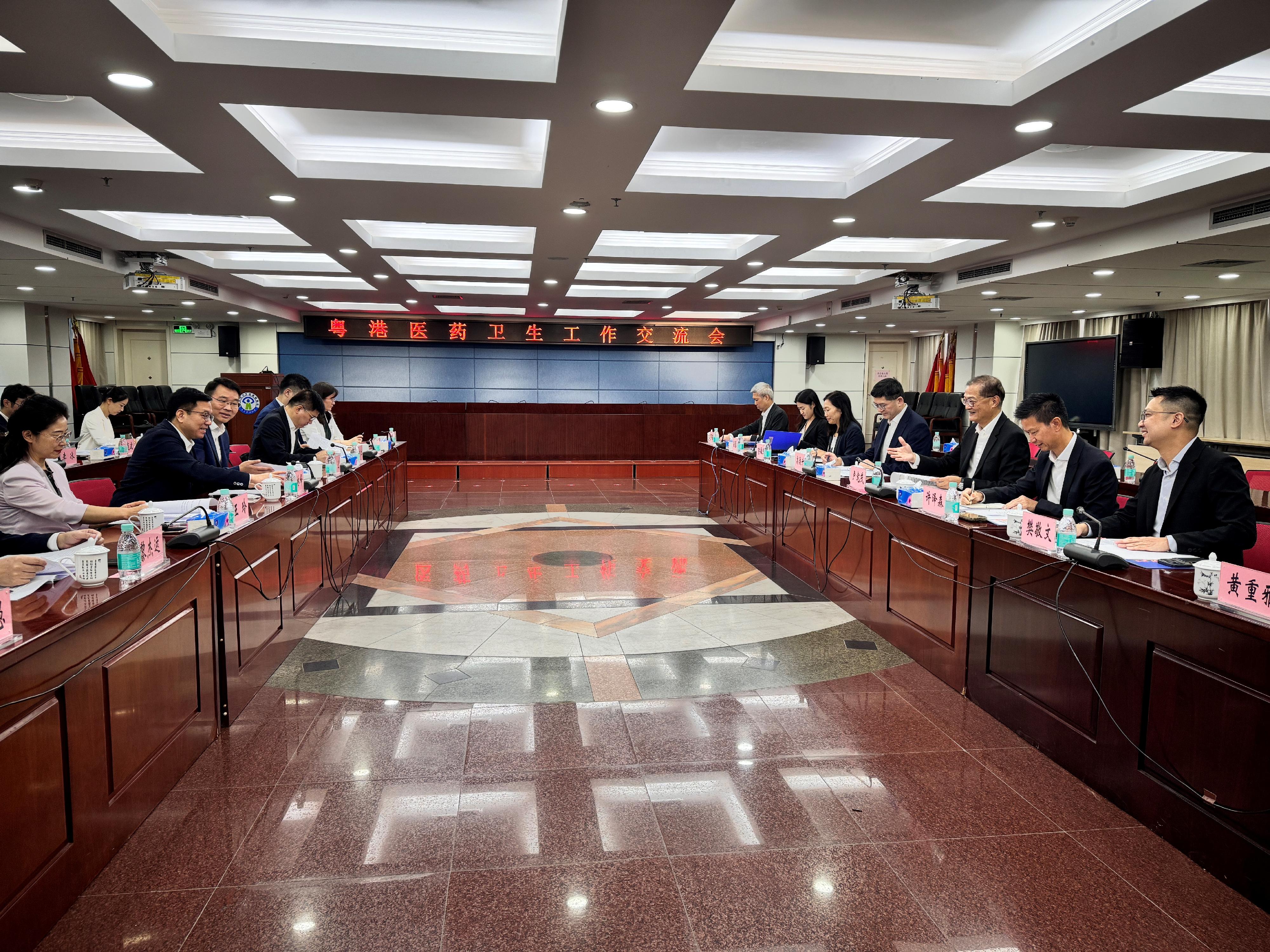
     â€‹The Secretary for Health, Professor Lo Chung-mau, led a delegation to Shenzhen this afternoon (October 18) to meet with Deputy Director-General of the Health Commission of Guangdong Province Mr Deng Linfeng, Deputy Commissioner of the Guangdong Provincial Medical Products Administration Ms Wang Ling and Deputy Director of the Public Hygiene and Health Commission of Shenzhen Municipality Mr Li Chuang, and introduced to them various initiatives on developing Hong Kong into an international health and medical innovation hub, and aspects of deepening medical collaboration in the Guangdong-Hong Kong-Macao Greater Bay Area (GBA), as set out in "The Chief Executive's 2024 Policy Address" newly announced.

     Professor Lo said, "In the Resolution of the Communist Party of China (CPC) Central Committee on Further Deepening Reform Comprehensively to Advance Chinese Modernization adopted by the Third Plenary Session of the 20th CPC Central Committee, it mentions the further reform of the medical and healthcare systems and support for the development of innovative drugs and medical devices. The Development Plan for Shenzhen Park of Hetao Shenzhen-Hong Kong Science and Technology Innovation Co-operation Zone (Development Plan for Shenzhen Park) promulgated by the State Council in August last year put forward the synergistic development of Shenzhen and Hong Kong under the 'one zone, two parks' model, expressing clear support for the innovative application of advanced biomedicine technologies by capitalising on the role of the Greater Bay Area International Clinical Trial Centre to accelerate and promote the evaluation, inspection and clinical trials of drugs and medical devices in alignment with international standards.

     "The Hong Kong Special Administrative Region (HKSAR) Government is determined to leverage the advantages of 'one country, two systems' and Hong Kong's healthcare professional system to develop Hong Kong into an international health and medical innovation hub to expedite patients' access to advanced diagnostic and treatment services, and promote the development of the biomedicine research and development (R&D) industry, while actively integrating into the national development by showing support for fostering new quality productive forces in biomedical technology, as set out in the Resolution and the Development Plan for Shenzhen Park."

     The Chief Executive proposed in the Policy Address directions to complement technological innovation with institutional innovation. The two major policy directions include:  

(1) To expedite the reform of the approval mechanism for drugs and medical devices, such as extending the "1+" mechanism to all new drugs and devising the timetable for the Hong Kong Centre for Medical Products Regulation and the roadmap towards adoption of "primary evaluation"; and

(2) To strengthen R&D and translation of biomedical technology. Following the expected commencement of operation of the Greater Bay Area International Clinical Trial Institute in the fourth quarter this year in the Hetao area, Hong Kong will press ahead with collaboration with Shenzhen in establishing the GBA Clinical Trial Collaboration Platform, leveraging the GBA population base of over 86 million under the "one zone, two parks" model in the Hetao Shenzhen-Hong Kong Science and Technology Innovation Co-operation Zone to extend the R&D network, enable cross-boundary use of data, bio-samples as well as drugs and medical devices to shorten the time for clinical trials. At the same time, through the establishment of the Real-World Study and Application Centre, Hong Kong will join efforts with Guangdong Province to promote real-world studies, by integrating with data generated from the use of innovative drugs and medical devices in the GBA under the measure of using Hong Kong-registered drugs and medical devices used in Hong Kong public hospitals in the GBA to expedite applications for registration which enable the drugs and medical devices to be placed in the market of Hong Kong, the Mainland and overseas.

     The HKSAR Government will leverage the strengths of mutually beneficial collaborations with the GBA to effectively support innovation and application of advanced biomedical technology, with a view to attracting top-notch global biomedical enterprises and R&D organisations to set up operations in Hong Kong and in the GBA.

     During the meeting, various medical collaboration initiatives in the GBA, such as expanding cross-boundary health record sharing, promoting specialist training in the GBA and extending the Elderly Health Care Voucher GBA Pilot Scheme, were also discussed.

     Professor Lo emphasised, "The Health Bureau will implement various co-operation initiatives with the Mainland as put forward in the Policy Address and continue to deepen medical and healthcare collaboration with the Mainland, in particular the GBA Mainland cities, with a view to building a 'Healthy Hong Kong' for integration into a 'Healthy Bay Area' and making contributions to a 'Healthy China'."

     Members of the delegation include Deputy Secretary for Health Mr Sam Hui; the Deputy Director of Health, Dr Teresa Li; and the Chief Executive of the Hospital Authority, Dr Tony Ko. They will return to Hong Kong tonight.
Photo  


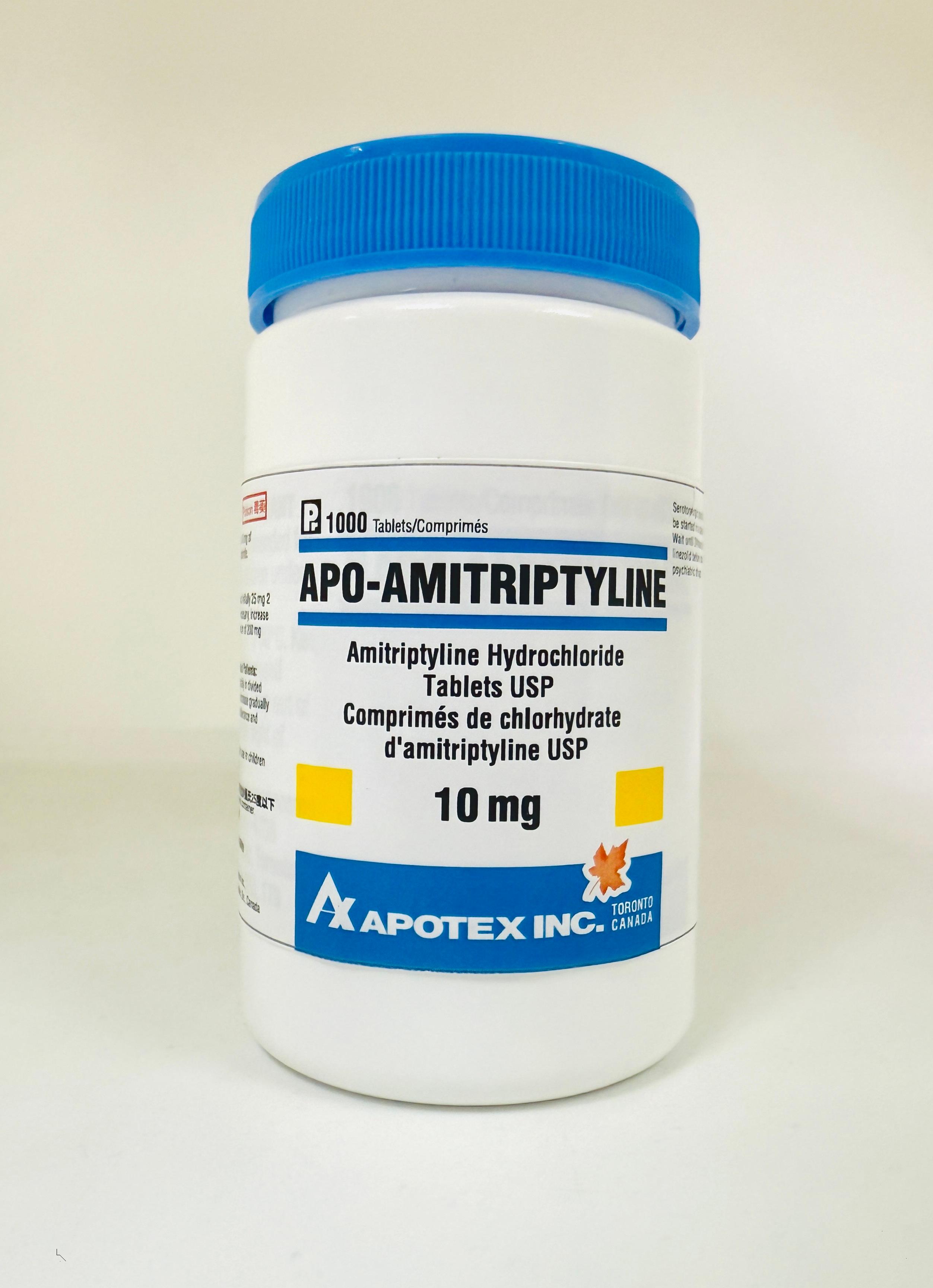
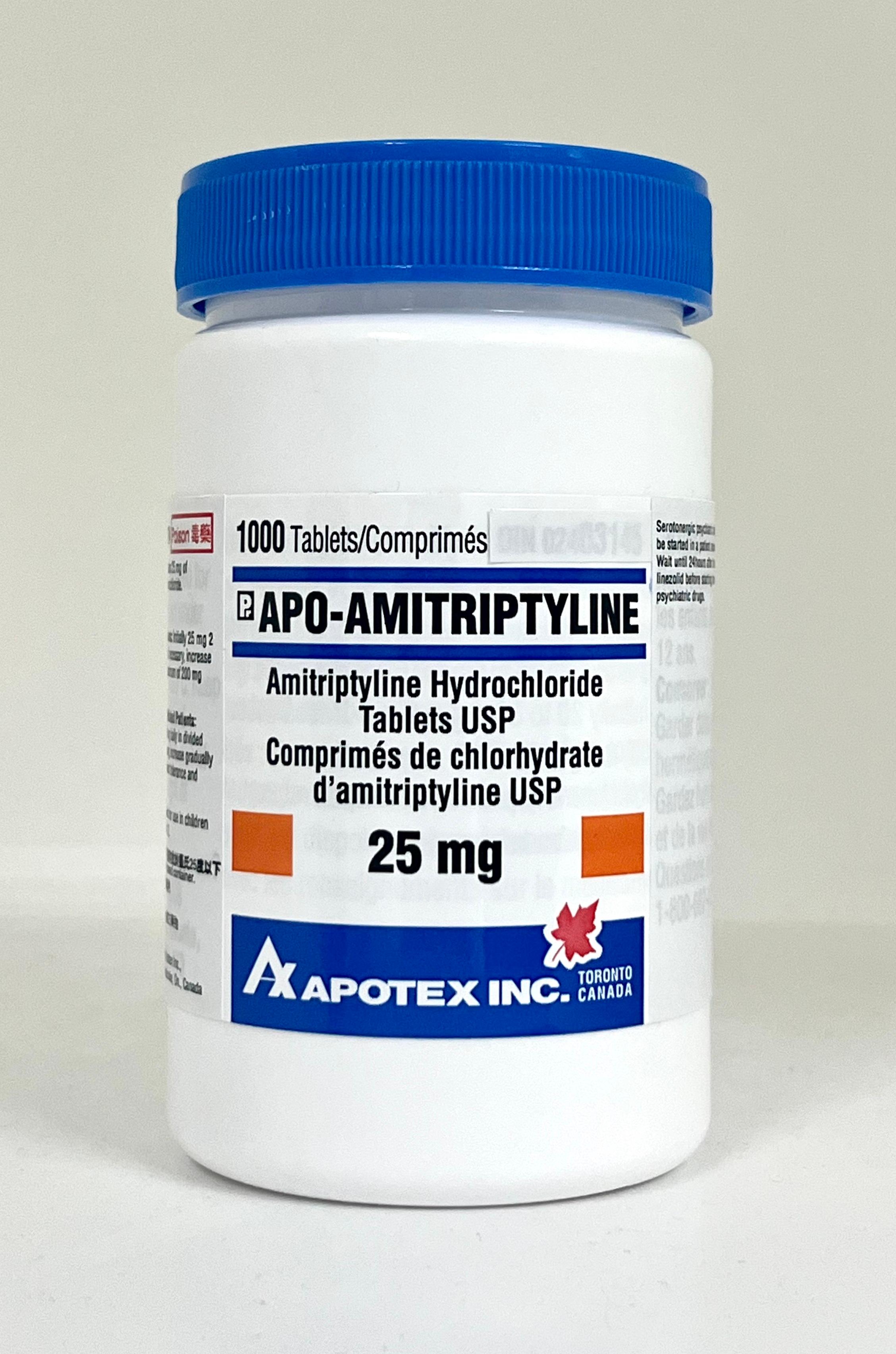
Batch recall of two products of Apo-Amitriptyline tablets due to presence of impurity (with photos)

     The Department of Health (DH) today (October 18) endorsed a licensed drug wholesaler, Hind Wing Co Ltd, to recall a total of 14 batches of the following two products from the market as a precautionary measure due to the presence of impurity in the products. 
 

Name of product Hong Kong registration number Batch number
Apo-Amitriptyline Tablets 10mg HK-09273 RN6384
RR0266
RV1644
RW8597
TA6008
TF8585
TF8587
TF8589
Apo-Amitriptyline Tablets 25mg HK-09274 RM8130
RR0781
RV1656
RW8691
TA6062
TF8602

     The DH received notification from Hind Wing that the overseas manufacturer of the products is recalling the above batches of Apo-amitriptyline tablets as they exceed or may exceed the accepted level of an impurity, N-Nitrosonortriptyline (NNORT). NNORT is classified as a probable human carcinogen based on results from laboratory tests. As a precautionary measure, Hind Wing is voluntarily recalling the affected batches of products from the market.

     The above products, containing amitriptyline, are prescription medicines used for the treatment of depression. According to Hind Wing, the above batches of products had been imported into Hong Kong. The affected batches of products had been supplied to the DH clinics, pharmacies, private doctors, and private hospitals, and re-exported to Macao.

     Hind Wing has set up a hotline (2541 5731) to answer related enquiries.

     "So far, the DH has not received any adverse reaction reports in connection with the products. The DH will closely monitor the recall," a spokesman for the DH said.

     "Patients who are taking the above products should not stop taking the medicine, but should seek advice from their healthcare professionals as soon as possible for appropriate arrangements," the spokesman added.

Photo  Photo  


CHP announces one new confirmed melioidosis infection case

     The Centre for Health Protection (CHP) of the Department of Health today (October 18) said that one new confirmed melioidosis infection case had been recorded from October 10 to 17.

     The case involves a 59-year-old female with underlying illness who lives in Sham Shui Po. She developed a fever and abdominal pain on October 5 and was admitted to Caritas Medical Centre on October 7. She is in stable condition. Her clinical sample was confirmed positive for Burkholderia pseudomallei upon testing.

     The CHP is investigating the infection source of the case. Epidemiological investigations are ongoing. So far, 19 melioidosis infection cases have been recorded in Hong Kong this year. In 2023, 17 melioidosis infection cases were recorded.

     A spokesman for the CHP reiterated that person-to-person transmission and animal-to-human transmission are rare, but melioidosis bacteria can survive in the local environment. Melioidosis is an endemic disease in Hong Kong and melioidosis cases have been recorded in Hong Kong each year. According to literature, infection cases are more common after typhoons or storms. The bacterium Burkholderia pseudomallei of melioidosis in soil and muddy water may become exposed to the ground after typhoons or storms, and the bacteria could spread more easily with strong winds or storms. As such, the number of melioidosis cases may increase.

     The CHP reminded members of the public that melioidosis can be spread by contaminated soil and water during and after typhoons and storms. Where practicable, people should stay indoors during typhoons and storms, avoid travelling to areas with potential flooding, and do not wade in or have contact with muddy water and soil. In addition, high-risk individuals should avoid paths near stormwater drains where aerosols may be generated from contaminated water.

     Members of the public should also take the following preventive measures against infection:
 

  • Avoid contact with contaminated soil;
  • Wear appropriate protective clothing or footwear when participating in activities with possible contact with soil or water, e.g. using gloves and wearing boots. High-risk individuals may also consider wearing a surgical mask;
  • Wash or shower after exposure to contaminated water or soil;
  • Always clean any wounds as soon as possible and cover any cuts or grazes with waterproof dressings;
  • Wash hands with liquid soap and water after handling soil or gardening;
  • Observe food hygiene and avoid drinking raw water; and
  • Travellers can contract the disease through outdoor water sports. Risk of infection can be minimised by avoiding exposure to water sources (such as rivers, ponds or lakes) that might be contaminated.

     â€‹The CHP appealed to members of the public to seek medical advice if they develop symptoms, in particular people with diabetes or other immunocompromised conditions, in order to receive an appropriate medical diagnosis and treatment. For more information on melioidosis, please visit the website of the CHP at www.chp.gov.hk/en/healthtopics/content/24/101110.html.