Transcript of remarks of inter-departmental press conference (with photos/video)

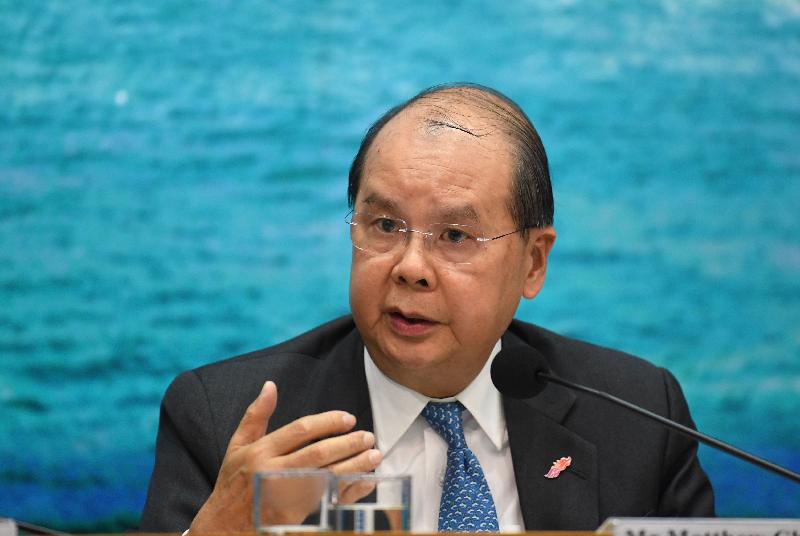
    The Acting Chief Executive, Mr Matthew Cheung Kin-chung, together with the Secretary for Food and Health, Professor Sophia Chan; the Director of Health, Dr Constance Chan; the Commissioner for Tourism, Mr Joe Wong; and the Chief Executive of the Hospital Authority, Dr Tony Ko, held an inter-departmental press conference this afternoon (January 23). Following is the transcript of remarks of the press conference:
 
Reporter: The Government just announced from tomorrow all passengers arriving the high-speed rail terminus will be required to fill in that declaration form. Will you agree that Government is acting in hindsight because medical experts have for days asked you to do such thing? And why are there visitors from different border checkpoints are not required to do the same? Is the Government not taking this matter seriously enough? And my second question is – why no travel warning has been issued to Wuhan? Is it, you know, a political decision because the Government don’t want to embarrass the Central Government? And finally, is the Government aware of any other highly suspected cases as of now? Thank you
  
Acting Chief Executive: I will deal with the first question and then leave it to Dr Chan to elaborate a bit further on why other border control points would not practice this at the moment. The reason why we go for mandatory health screening form for those passengers using the high-speed rail was examined in detail today. As I said in my press standup the other day, I said we wouldn’t rule out the possibility of extending it, not just to Wuhan passengers but to other passengers from the Mainland. And in fact I raised the question this morning at the meeting. We had a very successful, very fruitful discussion. The conclusion is that in the light of what’s happening now, particularly the recent event, we’ve decided to extend it to passengers from other cities also using the high-speed rail. They should fill in the form and then provide information to the fullest possible extent. But for other border crossing points, I will leave it to Dr Chan to explain later why there’s a technical point there. But we won’t rule out the possibility in the long term. In the immediate term, priority is the high-speed rail first, okay?
 
     The second question is whether travel warning has been issued. As I said earlier, we’ve already advised school authorities, for example, to hold off the so-called experiential tour to the Mainland as a lot of schools organise this during the holidays. This will last till the situation has settled, has stabilised, later on. So, we will provide, from time to time, so-called travel advisory to people, the stakeholders concerned. I’ll leave it to Dr Chan now to explain the point on cross-border control point.
 
Director of Health: Yes actually at the very onset of the event we have already engaged top scientists and microbiologists in advising the Government in our response measures. So we dedicated our available resources to the most efficient and effective means, and so we decided, based on the risk-assessment approach, we determined that using temperature screening at all border control points would be the priority measures, and it proved to be so, because you will notice from yesterday, the first case, it was actually picked up by our temperature screening. And we have picked up cases who filled in the forms without declaring any problems, but was actually detected by our temperature screening. As the epidemiology evolved, we have reviewed our manpower and considered that we could introduce health declaration point at the West Kowloon Terminal with the high-speed rail. We could focus more and the health declaration form may be able to assist us in contact tracing. This would be useful because if the health declaration form includes the contact details and the carriage has specific allocation to specific passengers, it would be useful. On the other hand, when there’s no specific allocation of seat on a carriage, it might not be very effective in assisting contact tracing. So we decided to, as a first step, based on the current situation, introduce the temperature screening and then on top of that the health declaration form at the (West) Kowloon high-speed rail station.
 
Reporter: … (inaudible)
 
Director of Health: As of today at 5pm there is none.

(Please also refer to the Chinese portion of the transcript.)
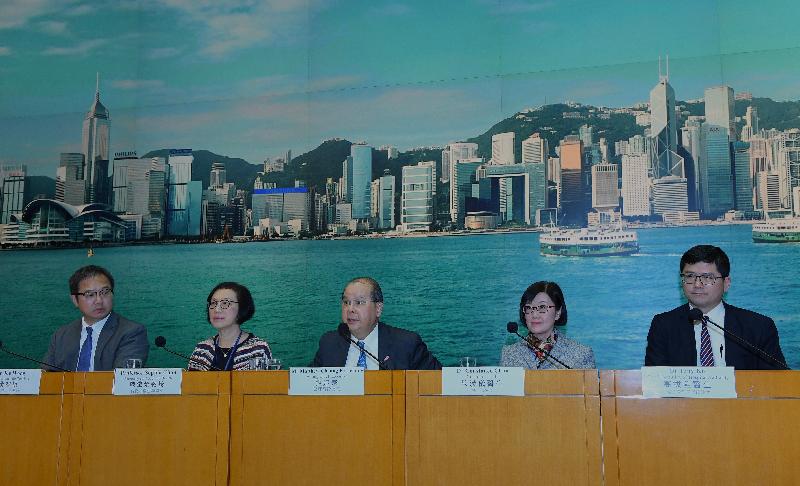
 

Photo  Photo  


CHP announces latest situations and measures on imported cases of novel coronavirus infection

     The Centre for Health Protection (CHP) of the Department of Health (DH) is today (January 23) continuing its investigations on two imported cases of novel coronavirus infection and has revised the reporting criteria for suspected cases and enhanced the measures of health declaration form. The public is again urged to maintain strict personal, food and environmental hygiene both locally and during travel.
 
     Regarding the two highly suspected imported cases of novel coronavirus infection announced yesterday (January 22) and in the early hours today, the patients’ respiratory samples were confirmed positive for novel coronavirus by further testing. As such, the two cases have been confirmed as imported cases of novel coronavirus infection. The patients are now in stable condition.
 
     The Lady MacLehose Holiday Village under the Leisure and Cultural Services Department has been converted as quarantine centre today and close contacts would be transferred to the village for quarantine.
 
     The CHP has immediately commenced epidemiological investigations and conducted relevant contact tracing upon notifications of the cases yesterday. As of 4pm today, the progress on the contact tracing is as below:
 

  39-year-old male patient 56-year-old male patient
Close contacts 8 persons

Among them, 3 close contacts in Hong Kong have been transferred to Lady MacLehose Holiday Village for quarantine. Five remaining close contacts not in Hong Kong are under surveillance and follow-up by relevant overseas health authorities.

4 persons

Among them, 2 close contacts in Hong Kong will be transferred to Lady MacLehose Holiday Village for quarantine. Another close contact has been admitted to Princess Margaret Hospital before the quarantine centre is set up and will be transferred to quarantine centre when appropriate.
 
1 close contact has developed relevant symptoms and is regarded as a suspected case who has been taken to Tuen Mun Hospital for isolation and management.

Other contacts 46 persons

6 of them have developed relevant symptoms and are regarded as suspected cases who have been taken to Pamela Youde Nethersole Eastern Hospital (4 cases), Queen Elizabeth Hospital (1 case) and Tuen Mun Hospital (1 case) for isolation and management.
 
The remaining 40 asymptomatic contacts are under medical surveillance.

17 persons

All contacts are asymptomatic and under medical surveillance.


     Contact tracing by the CHP is ongoing. Quarantine will be arranged for close contacts while medical surveillance will be arranged for other contacts.
 
     Separately, the CHP has conducted a health talk at Lee On Community Hall, Lee On Community Services Complex in Ma On Shan at 7pm today to give health advice on the prevention of pneumonia and respiratory tract infection to residents.
 
     The CHP has set up a hotline (2125 1122) for the cases, which operates from 8am to 9pm daily to answer public enquiries. From 8pm last night to 4pm today, a total of 71 calls were received.
 
    The CHP appealed to people who took the high-speed train from Wuhan to Shenzhenbei (G1015, carriage no. 3) and from Shenzhenbei to Hong Kong West Kowloon Station (G5607, carriage no. 2) on January 21, and people who took the flight CA8279 or taxi drivers who drove the patient (January 19, 5 pm from Heng On Estate to Prince of Wales Hospital (PWH) and January 19, 11 pm from PWH to Oceanaire) to call the hotline.
 
     In view of the latest situation and risk assessment, the CHP will enhance surveillance of suspected cases and revise the reporting criteria of Severe Respiratory Disease associated with a Novel Infectious Agent. Details are as follows:
 
     Medical practitioners are requested to make a report to the CHP for further investigation if they encounter an individual with fever or acute respiratory illness, or pneumonia, and who had experienced one of the following within 14 days prior to the onset of symptoms: (a) visited Hubei Province (regardless of whether the individual had visited wet markets or seafood markets there); or (b) visited a medical hospital in the Mainland; or (c) had close contact with a confirmed case of the novel coronavirus while that patient was symptomatic.
 
     After reviewing the latest situation, the DH will extend the health declaration form system to cover the Hong Kong West Kowloon Station of the Guangzhou-Shenzhen-Hong Kong Express Rail Link starting tomorrow (January 24). All passengers arriving Hong Kong by High-Speed Rail will be required to complete and submit a health declaration form.
 
     Regarding the latest situation in the Mainland and overseas, information of the latest notifications received will be updated to the CHP website (www.chp.gov.hk/en/features/102465.html) daily at 9am and 6pm.
 
     A spokesman for the CHP said, "The CHP will continue to maintain its liaison with the National Health Commission, the World Health Organization and the relevant health authorities, and closely monitor the situation for risk assessment."
 
     The spokesman advised the public to avoid unnecessary travel to Wuhan of Hubei Province. If it is unavoidable to travel to Wuhan, put on a surgical mask and continue to do so until 14 days after returning to Hong Kong.
 
     A dedicated webpage (www.chp.gov.hk/en/features/102465.html) has been set up by the CHP to provide relevant information and health advice on Severe Respiratory Disease associated with a Novel Infectious Agent. Information on the affected countries/areas is available from the following webpage: www.chp.gov.hk/files/pdf/statistics_of_the_cases_novel_coronavirus_infection_en.pdf.
 
     To prevent pneumonia and respiratory tract infection, members of the public should always maintain good personal and environmental hygiene. They are advised to:
 
• Perform hand hygiene frequently, especially before touching the mouth, nose or eyes; after touching public installations such as handrails or door knobs; or when hands are contaminated by respiratory secretions after coughing or sneezing;
• Maintain drainage pipes properly and regularly (about once a week) pour about half a liter of water into each drain outlet (U-traps) to ensure environmental hygiene;
• Wash hands with liquid soap and water, and rub for at least 20 seconds. Then rinse with water and dry with a disposable paper towel. If hand washing facilities are not available, or when hands are not visibly soiled, performing hand hygiene with 70 to 80 per cent alcohol-based handrub is an effective alternative;
• Cover your mouth and nose with tissue paper when sneezing or coughing. Dispose of soiled tissues into a lidded rubbish bin, then wash hands thoroughly; and
• When having respiratory symptoms, wear a surgical mask, refrain from work or attending class at school, avoid going to crowded places and seek medical advice promptly.
 
     The public should take heed of the health advice below when travelling outside Hong Kong:
 
•Avoid unnecessary travel to Wuhan of Hubei Province. If it is unavoidable to travel to Wuhan, put on a surgical mask and continue to do so until 14 days after returning to Hong Kong;
•Avoid close contact with persons with fever or respiratory symptoms in countries/areas with possible community transmission of novel coronavirus infection. If it is unavoidable to come into contact with them, put on a surgical mask and continue to do so until 14 days after returning to Hong Kong;
• Avoid visiting hospitals. If it is necessary to visit a hospital, put on a surgical mask and observe strict personal and hand hygiene;
• Avoid touching animals (including game), poultry/birds or their droppings;
• Avoid visiting wet markets, live poultry markets or farms;
• Avoid making close contact with patients, especially those with symptoms of acute respiratory infections;
• Do not consume game meat and do not patronise food premises where game meat is served;
• Adhere to food safety and hygiene rules such as avoiding consuming raw or undercooked animal products, including milk, eggs and meat, or foods which may be contaminated by animal secretions, excretions (such as urine) or contaminated products, unless they have been properly cooked, washed or peeled;
• If feeling unwell when outside Hong Kong, especially if experiencing a fever or cough, wear a surgical mask, inform the hotel staff or tour escort and seek medical advice at once; and
• After returning to Hong Kong, consult a doctor promptly if experiencing a fever or other symptoms, take the initiative to inform the doctor of any recent travel history and any exposure to animals, and wear a surgical mask to help prevent spread of the disease.


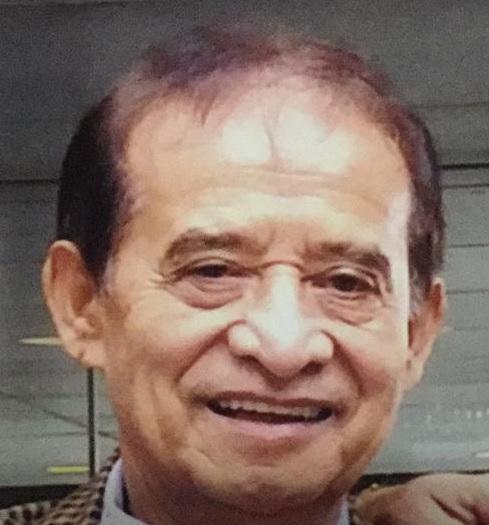
Appeal for information on missing man in Kwun Tong (with photo)

     Police today (January 23) appealed to the public for information on a man who went missing in Kwun Tong.

     Khan Mohamed, aged 80, went missing after he left his residence on in Yau Tong Estate on January 19 afternoon. His family made a report to Police on January 21.

     He is about 1.6 metres tall, 50 kilograms in weight and of thin build. He has a long face with black complexion and short black hair. He was last seen wearing a pair of glasses, a red jacket, grey trousers, black shoes and carrying a white bag.

     Anyone who knows the whereabouts of the missing man or may have seen him is urged to contact the Regional Missing Person Unit of Kowloon East on 3661 0316 or 9886 0060 or email to rmpu-ke-2@police.gov.hk, or contact any police station.

Photo  


Missing man in Mong Kok located

     A man who went missing in Mong Kok has been located.

     Au Hing, aged 91, went missing after he left an elderly home on Bedford Road, Mong Kok on January 16 morning. Staff of the elderly home made a report to Police on the same day.

     The man was located on Lai Chi Kok Road, Mong Kok on January 18 morning. He sustained no injuries and no suspicious circumstances were detected.


Suspected MERS cases reported

     The Centre for Health Protection (CHP) of the Department of Health today (January 23) reported two suspected cases of Middle East Respiratory Syndrome (MERS), and again urged the public to pay special attention to safety during travel, taking due consideration of the health risks in the places they visit. The case is detailed below:
 

Sex Male Male
Age 38 9
Affected area involved Dubai, United Arab Emirates Dubai, United Arab Emirates
High-risk exposure Nil Nil
Hospital Queen Elizabeth Hospital Queen Elizabeth Hospital
Condition Stable Stable
MERS-Coronavirus preliminary test result Pending Pending

 
     "Travellers to the Middle East should avoid going to farms, barns or markets with camels; avoid contact with sick persons and animals, especially camels, birds or poultry; and avoid unnecessary visits to healthcare facilities. We strongly advise travel agents organising tours to the Middle East to abstain from arranging camel rides and activities involving direct contact with camels, which are known risk factors for acquiring MERS Coronavirus (MERS-CoV)," a spokesman for the CHP said.

     Locally, the CHP's surveillance with public and private hospitals, with practising doctors and at boundary control points is firmly in place. Inbound travellers and members of the public who recently visited the Middle East and developed relevant symptoms within 14 days will be classified as suspected MERS cases. They will be taken to public hospitals for isolation and management until their specimens test negative for MERS-CoV.

     Travellers to affected areas should maintain vigilance, adopt appropriate health precautions and take heed of personal, food and environmental hygiene. The public may visit the MERS pages of the CHP and its Travel Health Service, MERS statistics in affected areas, the CHP's Facebook Page and YouTube Channel, and the World Health Organization's latest news for more information and health advice. Tour leaders and tour guides operating overseas tours are advised to refer to the CHP's health advice on MERS.