Will 2022 bring COVID-19 herd immunity or more lockdowns and travel bans?

Tue, 2022-01-11 23:07

DUBAI: For many, New Year’s Eve festivities were marred by concerns over the latest COVID-19 variant, omicron, and the resulting stresses of PCR tests, flight cancellations and uncertainty over possible lockdowns.

One popular meme that did the rounds over the holidays captured the pervasive sense of deja vu with the punchline: “The year 2022 is pronounced 2020 too,” hinting at a return to the stringent restrictions of two years ago.

The words quickly proved prophetic. Several countries have implemented partial and even full lockdowns after omicron sent the number of coronavirus infections to record highs, while others have tightened restrictions on indoor gatherings and travel.

As a result, the commercial aviation sector has taken another financial hit, with more than 8,000 flights canceled worldwide. Events, concerts and social gatherings planned to mark the new year were also disrupted.
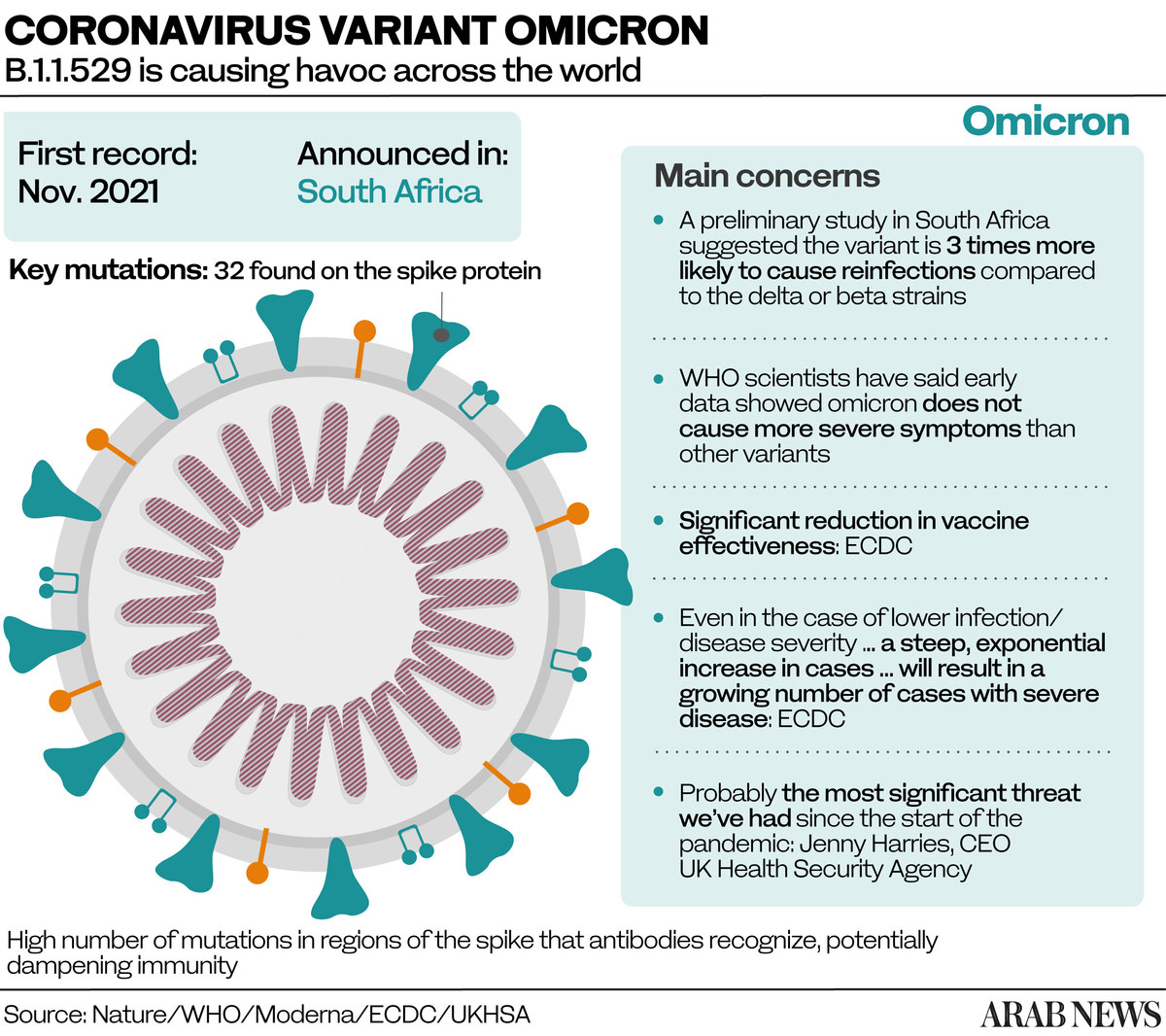
Chaos created by the newly dominant variant, and news of potentially more transmissible, vaccine-resistant strains appearing in France, Israel and Cyprus, has many people wondering whether it is time to surrender to the idea of herd immunity.

“Herd immunity, if it exists, can be achieved in two ways. One, through widespread infection, or two, through widespread vaccination,” Dr. Richard Kennedy, co-director of the Mayo Clinic’s Vaccine Research Group, told Arab News.

Wary of imposing further restrictions and undermining economic recovery, several governments are showing tolerance for high rates of infection, perhaps in the hope of achieving herd immunity. But as the well-worn phrase puts it, hope is not a strategy.

“Relying on widespread infection is an incredibly bad idea,” Kennedy said. “Infection causes symptomatic disease, hospitalization, death and leads to more variants. In fact, the only time variants can arise is when someone is infected.” 
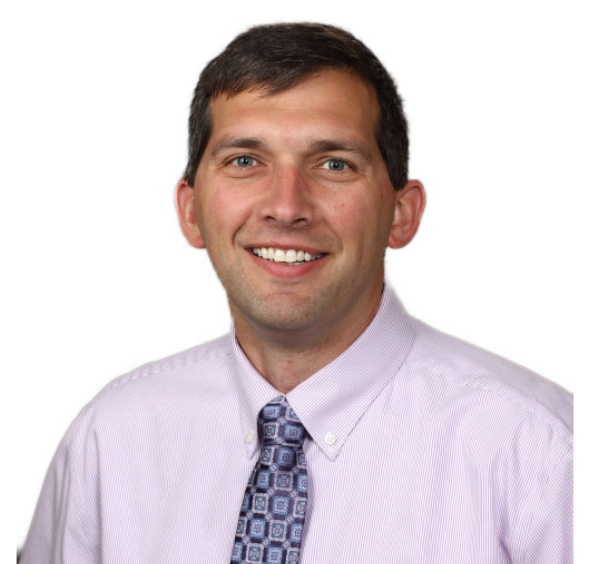

Dr. Richard Kennedy. (Supplied)

He added: “The combined cost in terms of human lives, human suffering and societal disruption is simply not worth it. Especially when this route also has a greater chance of prolonging the pandemic or making it worse, depending on the characteristics of the variants that will inevitably arise.”

Indeed, as more of the world develops greater immunity, either through infection or vaccination, Kennedy says, there will be more pressure on the virus to mutate, with no guarantees that future variants will be less severe. 

“This virus is a microscopic parasite that needs human cells to survive and reproduce,” he said. “It doesn’t have feelings or emotions. It doesn’t care if you live or die once infected. It simply does what it is genetically programmed to do.”

Nevertheless, there is a selective advantage for milder variants to become dominant. If a viral strain kills a patient quickly, the time window for it to transmit to other hosts may be too brief, thereby threatening its own survival.

By contrast, slow-burners such as omicron “do an excellent job of infecting someone, reproducing and spreading to new victims,” Kennedy said.

Experts say governments should not be complacent about omicron. The World Health Organization has given warning that it is wrong to describe the variant as “mild” as it is still “hospitalizing people and killing them.”

Although the virus is not under any particular pressure to become more or less aggressive right now, there certainly seems to be an incentive for new variants to be more transmissible — as seen with omicron.

Caption

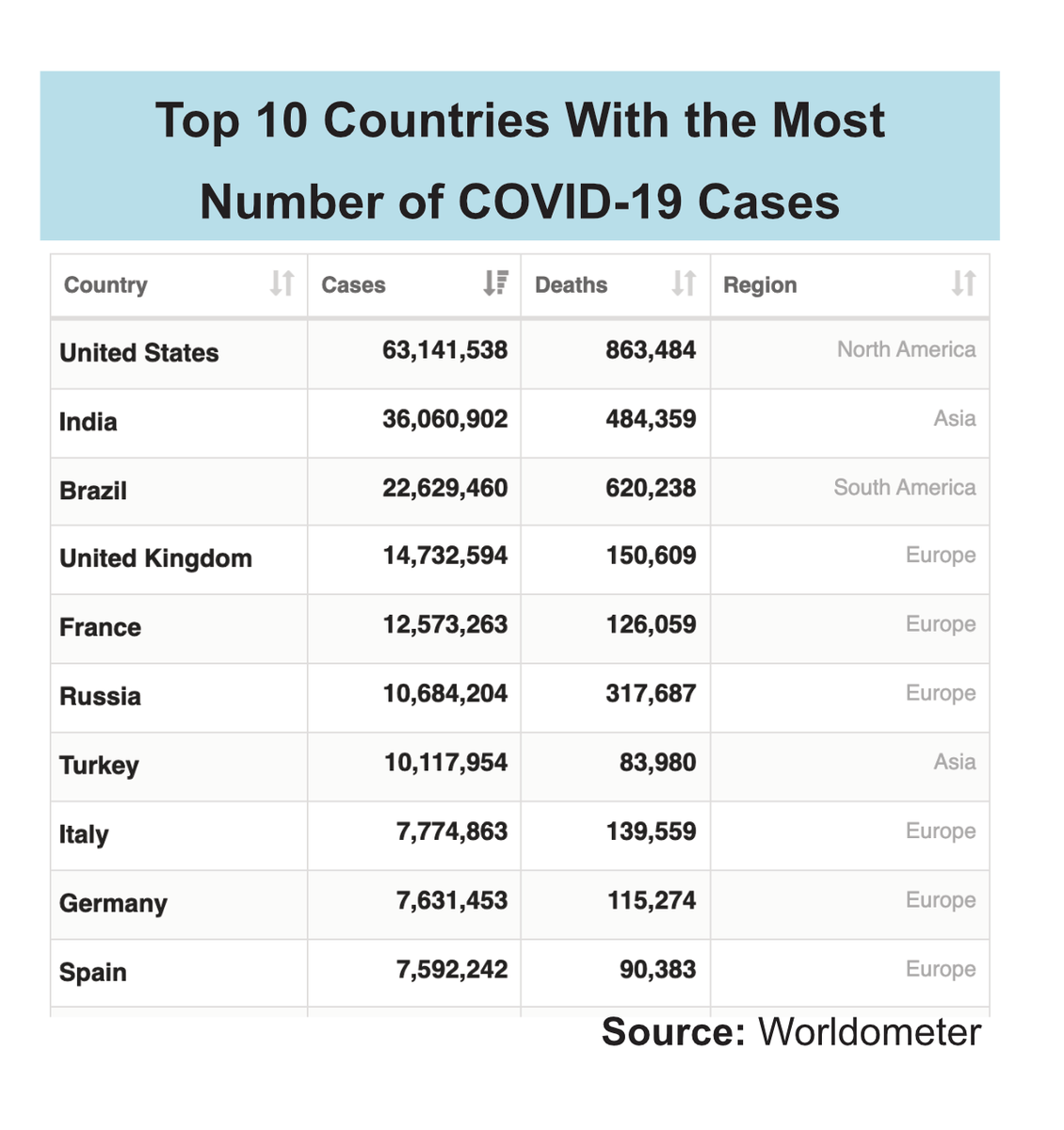
The US reported 1.35 million new coronavirus infections on Monday, the highest daily total for any country in the world. The record in new cases came the same day as the country saw the number of hospitalized COVID-19 patients hit an all-time high.

In Saudi Arabia, daily cases more than doubled in just two days in the first week of January, and pushing authorities to again enforce mask wearing in public spaces and reimpose preventive measures at the Great Mosque of Makkah for Umrah pilgrims.

Infections in the UAE have risen steadily since early December, when case numbers were as low as 50 per day. The number of daily positive cases (in a population of 10 million) is now regularly crossing the 2,500 mark, placing pressure on testing centers and prompting more people to seek booster jabs.

Elsewhere in the Gulf, the number of daily COVID-19 cases has crossed the 1,000 threshold in Qatar, Bahrain and Kuwait. Qatar has reintroduced remote learning at schools and colleges, while a ban on public events has been imposed in Kuwait.

Even as omicron infections explode regionwide, Dr. Abdullah Algaissi, a virologist and assistant professor at Saudi Arabia’s Jazan University College of Applied Medical Sciences, is confident that GCC countries have efficient systems in place to resist emerging coronavirus strains.

All GCC countries are close to, or have passed, the 70 percent vaccination mark, thereby lowering the susceptibility rate of their populations to severe illness caused by the virus, he said.


Dr. Abdullah Algaissi. (Supplied)

“GCC governments have controlled three waves of COVID-19 better than other regions, and it will be the same with omicron,” Algaissi told Arab News.

“We can expect to see the number of cases increase, and eventually we might see a high number of deaths, but the overall effect of omicron will be lower in the GCC than in other countries.”

Algaissi is confident the omicron wave will be short-lived and that the worst of the pandemic is over.

“My theory is that it will be downgraded to an endemic disease, meaning the disease becomes less of a concern because fewer people will be susceptible to it and we will have the tools to deal with it,” he said.

The distribution of a “universal COVID-19 vaccine” — now in the testing phase — will be critical to eliminating all variants, thereby hastening the transition from pandemic to epidemic, Algaissi said. 

“We can predict certain mutations in the virus, and in a few years we may have a vaccine that can protect us from any variant that may emerge in the future, similar to the universal flu vaccine,” he said.
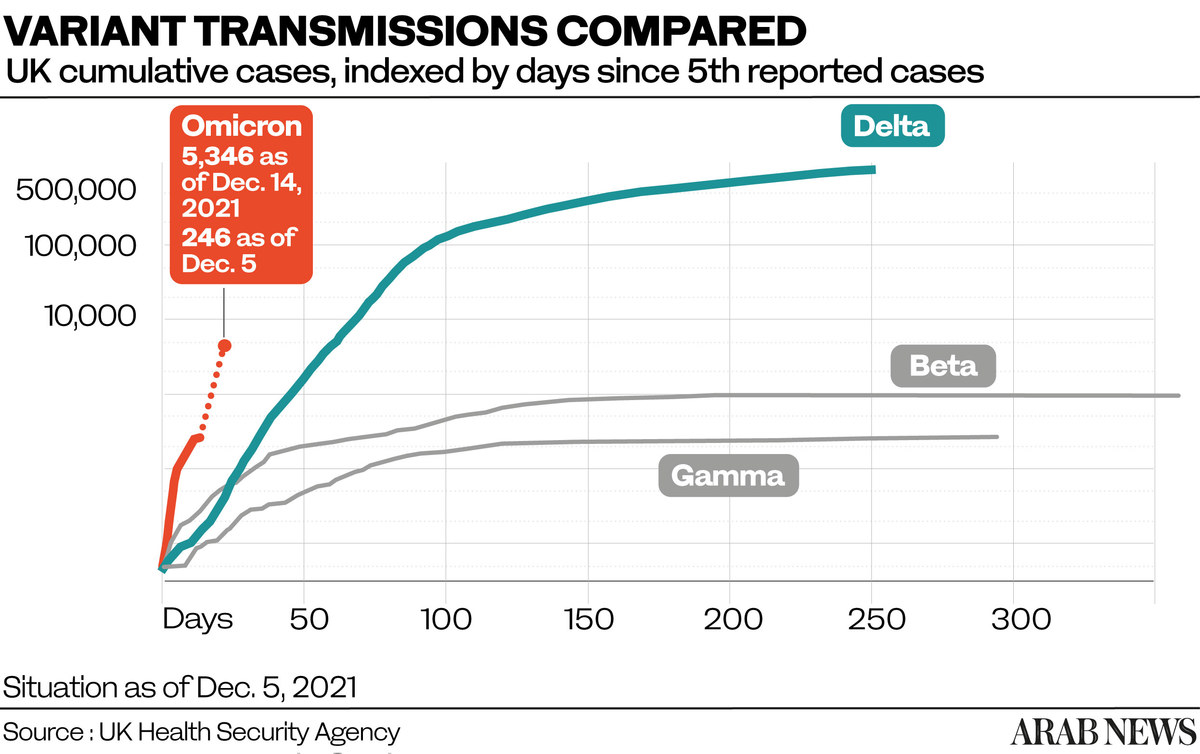
Algaissi does not rule out a new vaccine-resistant strain emerging from populations with low vaccination rates, resulting in a fifth wave. However, he thinks any subsequent COVID-19 wave will be brief. 

Kennedy, of the Mayo Clinic, is less sanguine about the future, cautioning that the world may struggle to fend off the novel coronavirus and its assorted mutations for years to come.

“The human race had a window of opportunity to contain and eradicate this virus. That window is rapidly closing if it is not closed already. We now have to find a way to live with the constant presence of SARS-CoV-2,” he said, using the scientific name for the novel coronavirus.

While the future remains uncertain, Kennedy predicts progress through new vaccines and antivirals, variant-specific vaccines and better treatment options, but also expects major setbacks.

“Because of human nature, most countries have had disjointed, intermittent and rapidly changing responses. This has reduced the effectiveness of these control measures.”
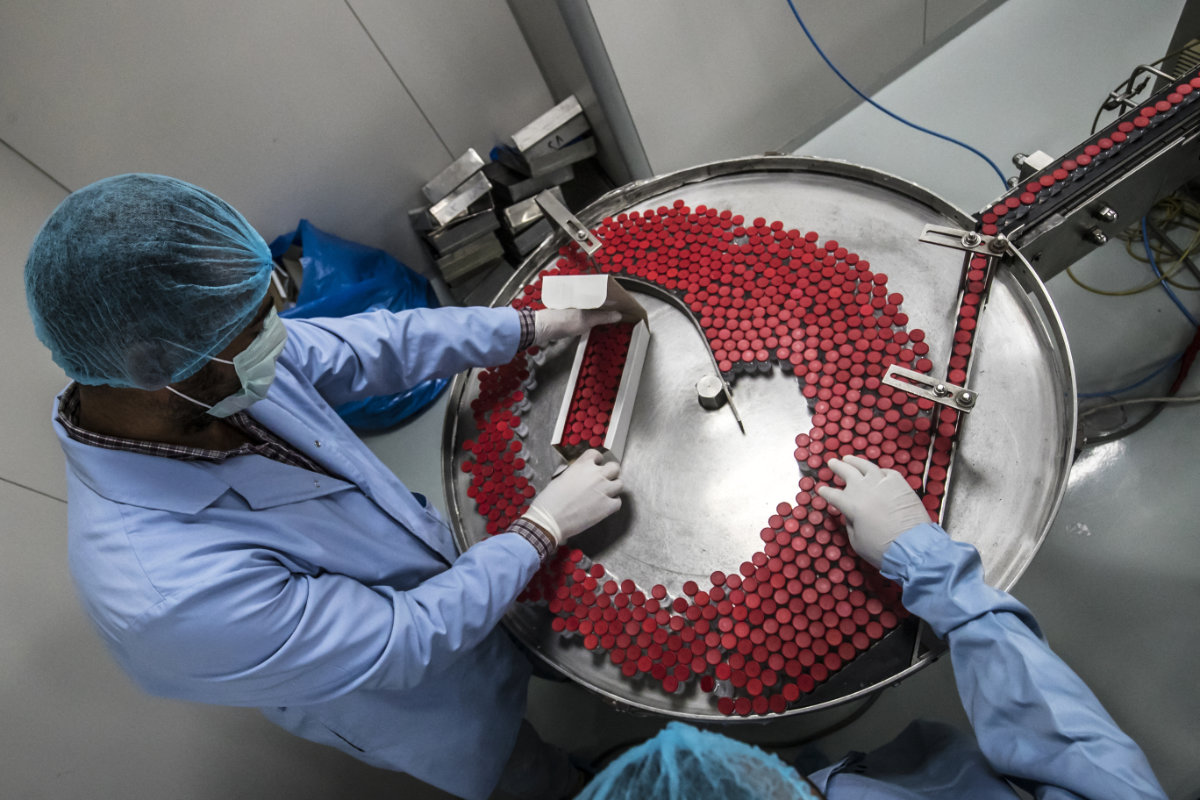

Progress through new vaccines and antivirals offers hope amid uncertainties over the raging pandemic. (AFP)

In practical terms, what this means is that with the resumption of international travel, a country with a high vaccination rate surrounded by neighbors with low vaccination rates is still going to experience problems. Which is why improvements in the distribution of vaccines to the developing world will be paramount.

“This is a global issue that requires a global solution,” said Kennedy. “When we talk about herd immunity, we must interpret that to mean global herd immunity. Nothing short of that will end the pandemic.”

However, he sees a future in which large segments of the population, far from rising to this challenge, continue “to ignore logic, facts and common sense.”

Kennedy said politics would continue to drive each countries’ response, and striking a stark cautionary note, added: “We will see individual countries cobbling together a unique pandemic response that is driven in part by facts and science and in part by emotion and public perception.”

As more of the world develops greater immunity, either through infection or vaccination, there will be more pressure on the virus to mutate, with no guarantees that future variants will be less severe. (AFP)
Main category: 

US reports 1.35 million COVID-19 cases in a day, shattering global recordUAE warns against mocking COVID-19 safety measures on social media


In Israel, omicron, confusion drive ‘real panic’ for tests

Author: 
Wed, 2022-01-12 00:49

TEL AVIV: Aviran Yael fetched rapid antigen kits from a pharmacy in Tel Aviv’s busy center, placed them in the light blue bag strapped to the back of his motorbike and headed off to deliver them.

With that, Yael on Monday joined a growing army of couriers toting Wolt delivery boxes around Israel, a sight that has become ubiquitous in the three years since the Finnish company began operating here.

The payload in the blue boxes changed when the Israeli government last week authorized more at-home testing to take the burden off of testing centers.

Almost immediately, as the omicron coronavirus variant set infection records, rapid antigen tests became the platform’s most in-demand product — even more than food, its core delivery business, officials said.

By Monday, as Wolt opened a modern headquarters in a blue building in Tel Aviv, someone was ordering an antigen test every three seconds — a reflection of widespread public anxiety and confusion over the government’s constantly changing pandemic policies.

“There’s real panic for these tests,” said Yael.

Even in relatively wealthy, small Israel, the government and the governed are struggling with the stunning surge of omicron as it rips around the globe, raising anxiety in a place already known for tension. Since the variant emerged in South Africa in November, the government has closed and reopened the airport, changed testing policies, tightened and loosened quarantine requirements and confused people about whether and how to send their kids to school.

In the latest twist, Foreign Minister Yair Lapid announced late Monday that he had tested positive for the coronavirus, making him the most senior Israeli official to contract COVID-19.

“I am confirmed with corona,” he wrote on Twitter. “I feel excellent because I am vaccinated. Get vaccinated, wear a mask and we will be through this together.”

With his government facing sagging public support, Prime Minister Naftali Bennett warned this week that between 2 million and 4 million people among Israel’s population of 9.4 million are expected to be infected by the variant.

On Monday, Israel reported 21,514 new cases, another all-time high. The number of serious cases crept up to 222, a figure that remains well below the highs experienced during previous waves of the coronavirus. Bennett has said preventing serious illness and hospitalizations is his main concern.

Testing has skyrocketed nationally, another sign of the concern about the variant’s spread.

Coronavirus testing reached a peak for the current wave, with more than 342,141 PCR and antigen tests conducted Sunday, according to Health Ministry figures.

That’s the second highest single-day figure behind a spike of more than 414,000 in late August, as Israel was rolling out its booster shots.

“It is hard to control a virus that spreads four times as fast as what we’ve known in the past,” Sharon Alroy-Preis, the Health Ministry’s top public health official, said on Channel 13.

Main category: 
Tags: 

Relying on more home COVID-19 tests, Israel looks to lower costsIsrael weighs extending detention of sick Palestinian teen


Cross-border Syria aid gets 6-month extension sans new UN vote

Wed, 2022-01-12 00:10

NEW YORK: Cross-border humanitarian aid to northwest Syria — not green-lit by Damascus — remains “essential,” the UN said, as the measure was de facto extended for six months without a new Security Council vote.

The council had previously renewed the authorization allowing aid into rebel-held areas in the country’s northwest “for a period of six months … until 10 January 2022,” through the crossing at Bab Al-Hawa on the Syrian border with Turkey.

The text provided for “an extension of an additional six months, that is, until 10 July 2022,” subject to a report by the UN secretary-general.

For the West, the renewal to July had been interpreted as automatic, while Russia had raised the possibility of requesting a new Security Council vote, though it has not taken that step.

In his December report, UN chief Antonio Guterres had stressed the impossibility of replacing at this stage the cross-border mechanism for one that crossed front lines from Damascus. Moscow favors this method as recognition of the Syrian government’s sovereignty over the whole country.

Main category: 
Tags: 

Gaps remain in Syrian regime response to chemical weapon concerns, UN hearsSyrians seek word of loved ones missing in regime jails


Sudanese medics shaken by attacks on hospitals treating protesters

Author: 
Tue, 2022-01-11 23:29

KHARTOUM: On the afternoon of Dec. 30, security forces banged on the windows of Khartoum Teaching Hospital then fired tear gas into an emergency room packed with protesters injured in a nearby demonstration.

“We were around the corner trying to hide, it came right past our heads,” said a nurse who asked to withhold her name for fear of retribution. “We couldn’t breathe and had to rush out.”

Attacks on medical facilities seen during an uprising in Sudan three years ago have re-emerged during rallies against an October coup.

Hundreds of protesters have been injured since the coup, mainly from live gunshot and tear gas canisters, and at least 63 have died, according to the Central Committee of Sudanese Doctors, a medics’ union aligned with protesters.

Military leaders justify their coup as saving Sudan from chaos.

In a statement, the Khartoum State security committee expressed regret at the “violations” of hospital grounds and committed to providing high-ranking officers inside facilities to monitor any breaches.

Assaults on medical facilities have centered on hospitals which lie along main protest routes and routinely treat injured protesters.

FASTFACT

Patients and their friends and relatives have also been assaulted and arrested inside the hospital, and security forces have chased protesters into wards.

Near Khartoum Teaching Hospital, security forces have repeatedly tried to disperse protesters and chase them down side streets as they march toward the presidential palace, about 1.2 km away.

Khartoum Teaching Hospital has been attacked with tear gas three times, said its director Dr. Elfatih Abdallah. “This is immoral, inhumane, and not acceptable at all,” he said, pointing at a circular dent in the wall caused by a tear gas canister.

Patients and their friends and relatives have also been assaulted and arrested inside the hospital, and security forces have chased protesters into wards, said deputy hospital director Emad Mamoun.

Asked for comment, a police official who requested not to be named said: “We do not assault any doctors and doctors are well-respected by us as we consider them colleagues. We do not assault citizens as our role is to protect them.”

Medics say it is not always clear which part of Sudan’s security apparatus is responsible. They say that even when security forces do not enter the hospital, tear gas is often fired nearby, making it difficult to work.

CCSD has accused security forces of besieging hospitals and blocking the entrance and exit of ambulances during protests.

On Sunday, medics marched in lab coats to submit a report to the office of the UN High Commissioner for Human Rights documenting more than 20 alleged incidents of security forces impeding medical care across the country since the coup.

Norwegian Ambassador Therese Loken Gheziel said attacks would impede the international community’s engagement with authorities. “Trust has to be rebuilt, people need to see justice, and the violence has to stop. Then we can facilitate consultations,” she said.

Main category: 
Tags: 

UN starts talks in Sudan to resolve post-coup crisisSecond Sudanese protester dies after Sunday protest — medics


Iraq’s Shiite divide makes forging government tough task

Author: 
Tue, 2022-01-11 23:17

BAGHDAD: Three tense months after legislative elections, Iraq’s parliament has finally held its inaugural session — but opening debates swiftly descended into furious arguments between
Shiite factions.

In multi-confessional and multi-ethnic Iraq, the formation of governments has involved complex negotiations ever since the 2003 US-led invasion toppled dictator Saddam Hussein.

Parliament only met for the first time since the October 10 vote on Sunday, after Iraq’s top court rejected a complaint of electoral irregularities filed by the Shiite and pro-Iran Hashd Al-Shaabi, a former paramilitary alliance.

Political analysts warn there are still several hard steps ahead before the formation of a new government.

Iraq is trying to emerge from almost two decades of conflict but is mired in corruption, economic crisis, with threats of violence lingering.

The newly elected members of parliament met for a swearing-in ceremony and to elect their speaker, but the debate soon turned ugly.

Videos filmed by MPs showing lawmakers becoming verbally aggressive with each other, highlighting divisions between Shiite groupings.

Iraq’s post-election period has been marred by high tensions, violence and allegations of vote fraud.

One of parliament’s first tasks must be to elect the country’s president, who will then name a prime minister tasked with forming a new government.

Shiite cleric Moqtada Sadr, who once led an anti-US militia and who opposes all foreign interference, has repeatedly said that the next prime minister will be chosen by his movement.

It won the largest share with 73 out of the assembly’s 329 seats, more than a fifth of the total.

But the Coordination Framework, including pro-Iran groups such as the Fatah (Conquest) Alliance, the political arm of the pro-Tehran Hashd Al-Shaabi, insist their coalition is bigger. The Coordination Framework claimed they can muster the backing of 88 lawmakers to make them the largest bloc.

That prompted fury from Sadr’s movement. In the ensuing chaos, MP Mahmud Al-Mashhadani, the oldest member of parliament who was therefore chairing the opening session, was taken ill.

One lawmaker alleged Mashhadani was “attacked,” state media said he fainted, and he was rushed to hospital where he was reportedly in a stable condition.

When the parliamentary session resumed an hour later, lawmakers reelected as speaker influential Sunni MP Mohammed Al-Halbussi of the Taqadom party.

Coordination Framework MPs boycotted the vote.

No single party holds an outright majority, so the next leader will be voted in by whichever coalition can negotiate allies to become the biggest bloc.

In previous parliaments, parties from Iraq’s Shiite majority have struck compromise deals to work together and form a government.

But Sadr has hinted he prefers an alliance with Sunni groups including Taqadom as well as the Kurdistan Democratic Party.

“In theory, they could push through and have their president elected and their prime minister designated,” said political scientist Hamza Haddad.

One leader in the Shiite Coordination Framework, speaking on condition of anonymity, admitted that if Sadr presses ahead with a coalition including Sunni parties and the KDP, they will be able to choose the government.

However, if Sadr works with Shiite parties as in past parliaments, then the Coordination Framework “will have the upper hand,” the leader added.

If the Coordination Framework had a choice, a leading contender would be ex-prime minister Nuri Al-Maliki, a figure close to Iran whose own group won 33 seats.

Maliki would be unthinkable for Sadrists.

They, however, have not put forward any name to replace current Prime Minister Mustafa Al-Kadhimi, who has not clearly said whether he wants to remain in power.

Al-Khadimi, a former intelligence chief, is Shiite like all his predecessors. He was confirmed in the last parliament by a coalition of Shiite-majority lawmakers.

“As long as the two Shiite sides remain divided, that could lead to more violence,” the political analyst Haddad said.

There has already been unrest following the election.

Al-Kadhimi escaped unhurt when an explosive-packed drone hit the prime minister’s residence in November during what his office called an “assassination attempt.”

No group has claimed the attack.

“It is difficult to see either side quietly allowing the other to lead a government formation without the other,” Haddad added, noting that both Sadr and the Conquest Alliance have armed backers.

“The biggest fear would be fighting,” he said.

Main category: 
Tags: 

Iraq takes back 111 Daesh-linked families from SyriaIraqi parliament holds first session, elects speaker