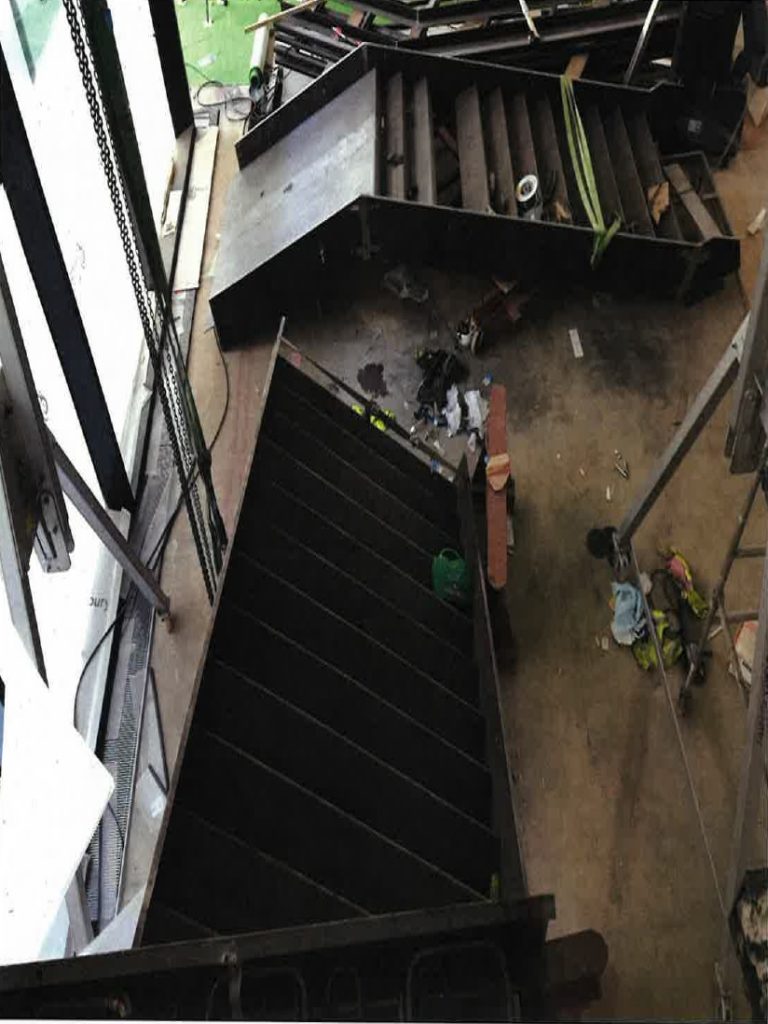
Company fined after worker falls through fragile floor

A Colchester-based company has been fined after an employee fell through fragile ceiling tiles.

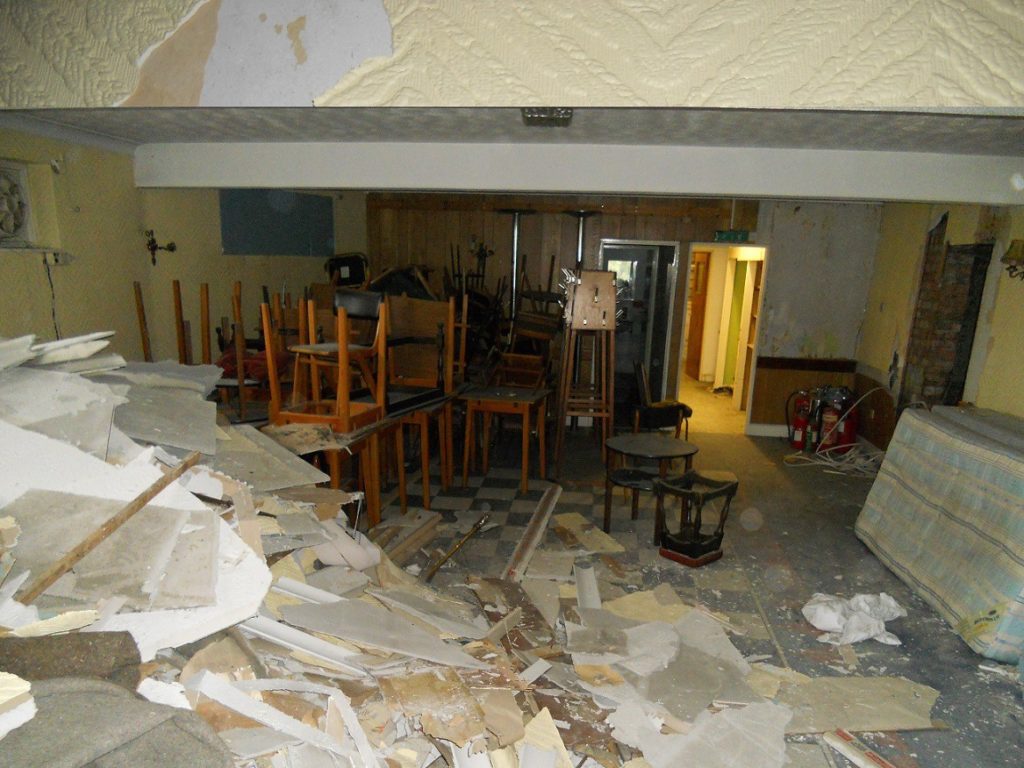
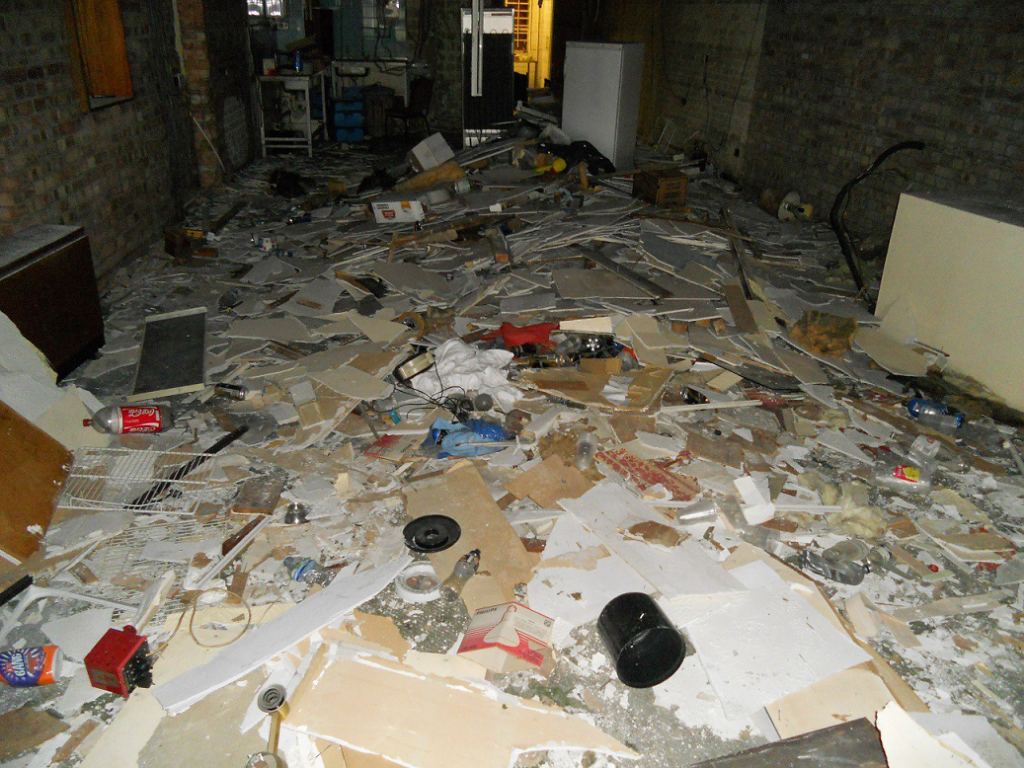
Basildon Magistrates’ Court heard how, on 8 January 2016, a worker was asked to sort shoes which were stored on a floor, next to an unprotected area of fragile ceiling tiles. The worker fell through the fragile ceiling tiles, approximately 2.7m to the floor below suffering serious injuries to their pelvis which resulted in a five day stay in hospital.

An investigation by the Health and Safety Executive (HSE) found the company had not implemented control measures for employees working near fragile ceiling tiles.

Indulgence Patisserie Limited of Clough Road, Colchester pleaded guilty to breaching Regulation 9(1) of the Work at Height Regulations 2005 and has been fined £50,000 and ordered to pay costs of £5,151.50

Speaking after the hearing, HSE inspector Jessica Churchyard said: “Falls from height remain one of the most common causes of work related fatalities in this country and the risks associated with working at height are well-known.

“Working on or near fragile surfaces should be properly assessed and managed. This case highlights the importance for companies to assess and control risks created by non-routine tasks.”

Notes to Editors:

1. The Health and Safety Executive (HSE) is Britain’s national regulator for workplace health and safety. We prevent work-related death, injury and ill health through regulatory actions that range from influencing behaviours across whole industry sectors through to targeted interventions on individual businesses. These activities are supported by globally recognised scientific expertise. www.hse.gov.uk
2. More about the legislation referred to in this case can be found at: www.legislation.gov.uk/
3. HSE news releases are available at http://press.hse.gov.uk

Journalists should approach HSE press office with any queries on regional press releases.


South Yorkshire skip hire company fined

Skip hire and waste processing company, J Edwards Waste Management Ltd was sentenced today for safety breaches after a worker was injured trying to clear a blockage in a trommel drum.

Sheffield Magistrates court heard how, on 24 March 2015, the drum of the trommel machine used for sorting material had become jammed and the worker did not turn off the machine before going into the drum to clear the blockage.

An investigation by the Health and Safety Executive (HSE) found that after the individual entered the drum of the machine and cleared the blockage, the machine started to operate and rotate while the employee was still inside. The individual was tumbled around and repeatedly struck by the waste material inside the drum before the machine was stopped.

J Edwards Waste Management Ltd of Lidget Lane Industrial Estate, Thurnscoe, Rotherham pleaded guilty to breaching Section 2 (1) of the Health & Safety at Work etc Act 1974 and was fined £30,000 with £3621 costs.

After the hearing, HSE inspector Laura Hunter commented: “This case highlight’s the importance of isolating machinery before intervening.

“This incident could so easily have been avoided by simply having a safe system of work for clearing blockages after completing a risk assessment”

Notes to Editors:
1. The Health and Safety Executive (HSE) is Britain’s national regulator for workplace health and safety. We prevent work-related death, injury and ill health through regulatory actions that range from influencing behaviours across whole industry sectors through to targeted interventions on individual businesses. These activities are supported by globally recognised scientific expertise. www.hse.gov.uk
2. More about the legislation referred to in this case can be found at: www.legislation.gov.uk/
3. More information on retrofitting woodworking machine brakes can be found here: http://www.hse.gov.uk/pubns/wis38.pdf
4. HSE news releases are available at http://press.hse.gov.uk

Journalists should approach HSE press office with any queries on regional press releases.

Journalists should approach HSE press office with any queries on regional press releases.


Construction company fined after failing to prevent exposure to carbon monoxide

Willmott Partnership Homes Ltd has today been fined after exposing members of the public to carbon monoxide fumes.

Aylesbury Crown Court heard how, on 11 December 2014, at Hamilton House in Wolverton, a number of gas installations were found to be either immediately dangerous or at risk following the report of a smell of gas by a householder.

An investigation by the Health and Safety Executive (HSE) found that Willmott Partnership Homes Ltd built the flats several years before the incident and in 2014 some remedial was work needed to be carried out on an external wall. During the demolition and reconstruction of the wall, many live flues of gas boilers were removed damaged and blocked, exposing the residents to a risk from carbon monoxide poisoning.

Willmott Partnership Homes Ltd as the principal contractor had not ensured that an adequate system of work was in place to manage the risks from working around the live flues.

Willmott Partnership Homes Ltd of Incknield Way, Letchworth Garden City pleaded guilty to breaching Section 3(1) of the Health and Safety at Work etc Act 1974 and has been fined £1.25 million and ordered to pay cost of £23,972.33.

Speaking after the hearing, HSE inspector Stephen Faulkner said: “Risks from gas installations, including those related to carbon monoxide, need to be managed by all during refurbishment.”

“This incident could have been avoided if the company had implemented a safe isolation system for the live boilers.”

Notes to Editors:

1. The Health and Safety Executive (HSE) is Britain’s national regulator for workplace health and safety. We prevent work-related death, injury and ill health through regulatory actions that range from influencing behaviours across whole industry sectors through to targeted interventions on individual businesses. These activities are supported by globally recognised scientific expertise. www.hse.gov.uk

2. More about the legislation referred to in this case can be found at: www.legislation.gov.uk/

3. HSE news releases are available at http://press.hse.gov.uk

Journalists should approach HSE press office with any queries on regional press releases.


Devon based welding engineer sentenced after serious injury to worker

An agricultural engineer from Totnes in Devon has been sentenced after a worker sustained serious, life changing injuries after falling through a mezzanine floor whilst it was under construction.

Plymouth Crown Court heard how Russell Soper, trading as RJS Agricultural Welding was contracted to install the mezzanine floor in a unit at the South Hams Business Park in Totnes during March 2017.

On 31st March, 53yr old Derek Mortimore, a self-employed worker contracted by Russell Soper to help with the floor construction, was working on the mezzanine floor while it was still being constructed. During the work, Mr Mortimore fell approximately three meters through the purlins to the concrete floor below suffering serious head injuries. Mr Mortimore remained in hospital for many months after the fall to undergo neurological rehabilitation.

An investigation by the Health and Safety Executive (HSE) found that Russell Soper, as an employer, failed in his duty to ensure the health and safety of his employees and others whilst at work. Insufficient measures were taken to prevent a fall through the mezzanine floor while under construction.

Russell Soper of Diptford, Totnes pleaded guilty to breaching Regulation 4(1) of the Work at Height Regulations 2005. He has been fined £2,500 and ordered to pay costs of £6,132 and a victim surcharge of £170.

Speaking after the hearing HSE inspector Allison George said: “Falls from height remain one of the most common causes of work related fatalities and injuries in this country and the risks associated with working at height are well known.

“Mr Mortimore’s injuries were life changing for both him and his family. He could have easily been killed. This serious incident and devastation could have been avoided if basic safe guards had been put in place.”

Notes to Editors:

  1. The Health and Safety Executive (HSE) is Britain’s national regulator for workplace health and safety. We prevent work-related death, injury and ill health through regulatory actions that range from influencing behaviours across whole industry sectors through to targeted interventions on individual businesses. These activities are supported by globally recognised scientific expertise. hse.gov.uk[1]
  2. More about the legislation referred to in this case can be found at: legislation.gov.uk/ link to external website[2]
  3. HSE news releases are available at http://press.hse.gov.uk[3]
  4. Further information about health and safety in workplace transport can be found at: http://www.hse.gov.uk/workplacetransport/driving.htm[4]

Journalists should approach HSE press office with any queries on regional press releases.

Journalists should approach HSE press office with any queries on regional press releases.


Yorkshire Water Services Ltd sentenced after worker killed

Yorkshire Water Services Ltd has been sentenced today after a fitter suffered fatal burns when his clothing was ignited by sparks.

Leeds Crown Court heard that, on 20 July 2015, Mr Michael Jennings was working in the bottom of a dry well, a designated confined space, on the end of the disused Lane 1 of the brewery Trade Waste treatment plant at the Tadcaster Sewage Treatment Works. The adjoining Lane 2 was still in service. The brewery Trade Waste plant was the only Yorkshire Water Services effluent treatment plant to use oxygen gas injection to assist the clean-up process. Mr Jennings and a colleague had been tasked with changing the stop valve on the end of the disused Lane 1 drain pipe which emerged into the bottom of the dry well. Mr Jennings was using an angle grinder to cut through corroded bolts when sparks from the grinding wheel impinged onto his overalls, bursting into flames. He suffered whole body burns and died in Pinderfields Hospital two days later.

An investigation by the Health and Safety Executive (HSE) found that the drain valve was half-opened and the atmosphere within the dry well was oxygen-enriched, greatly increasing the risk of fire.

It also found that a near miss report had been recorded at the same location in September 2014. Employees had found the interior of Lane 1 to be heavily oxygen-enriched and had alerted local managers to the problem, but this warning had not been acted upon and the company had failed to identify the implications for any future work.

The HSE investigation showed that the company’s risk assessment and permit to work procedures had been inadequate. There were no site-specific procedures in place and the generic risk assessment template form did not include oxygen enrichment as a possible hazard. The employees working on the day of the incident were not familiar with the site and they were not aware of the September 2014 near miss. This meant that they did not have the knowledge or experience to recognise that oxygen-enrichment of the dry well was a potential hazard when the valve was taken off or opened.

Yorkshire Water Services Ltd of Western House, Bradford, pleaded guilty to breaching Section 2(1) of the Health and Safety at Work etc. Act 1974 and was fined £733,000 and costs of £18,818.

Speaking after the hearing, HSE inspector John Micklethwaite commented: “This was a tragic and wholly avoidable incident, caused by the failure of the company to implement an adequate and effective safe system of work for work in a confined space.

“Those in control of work activities have a duty to identify hazards that could arise, to eliminate or to mitigate them, and to devise suitable safe systems of work. The risk assessment process is central to this role.

“The employer also has a duty to provide the necessary information, instruction and training to his workers, and to provide an appropriate level of supervision to ensure that the work can be carried out safely and without risks to health.”

Notes to Editors:

  1. The Health and Safety Executive (HSE) is Britain’s national regulator for workplace health and safety. We prevent work-related death, injury and ill health through regulatory actions that range from influencing behaviours across whole industry sectors through to targeted interventions on individual businesses. These activities are supported by globally recognised scientific expertise. www.hse.gov.uk 2.    More about the legislation referred to in this case can be found at: www.legislation.gov.uk/
  2. HSE news releases are available at http://press.hse.gov.uk

Journalists should approach HSE press office with any queries on regional press releases.