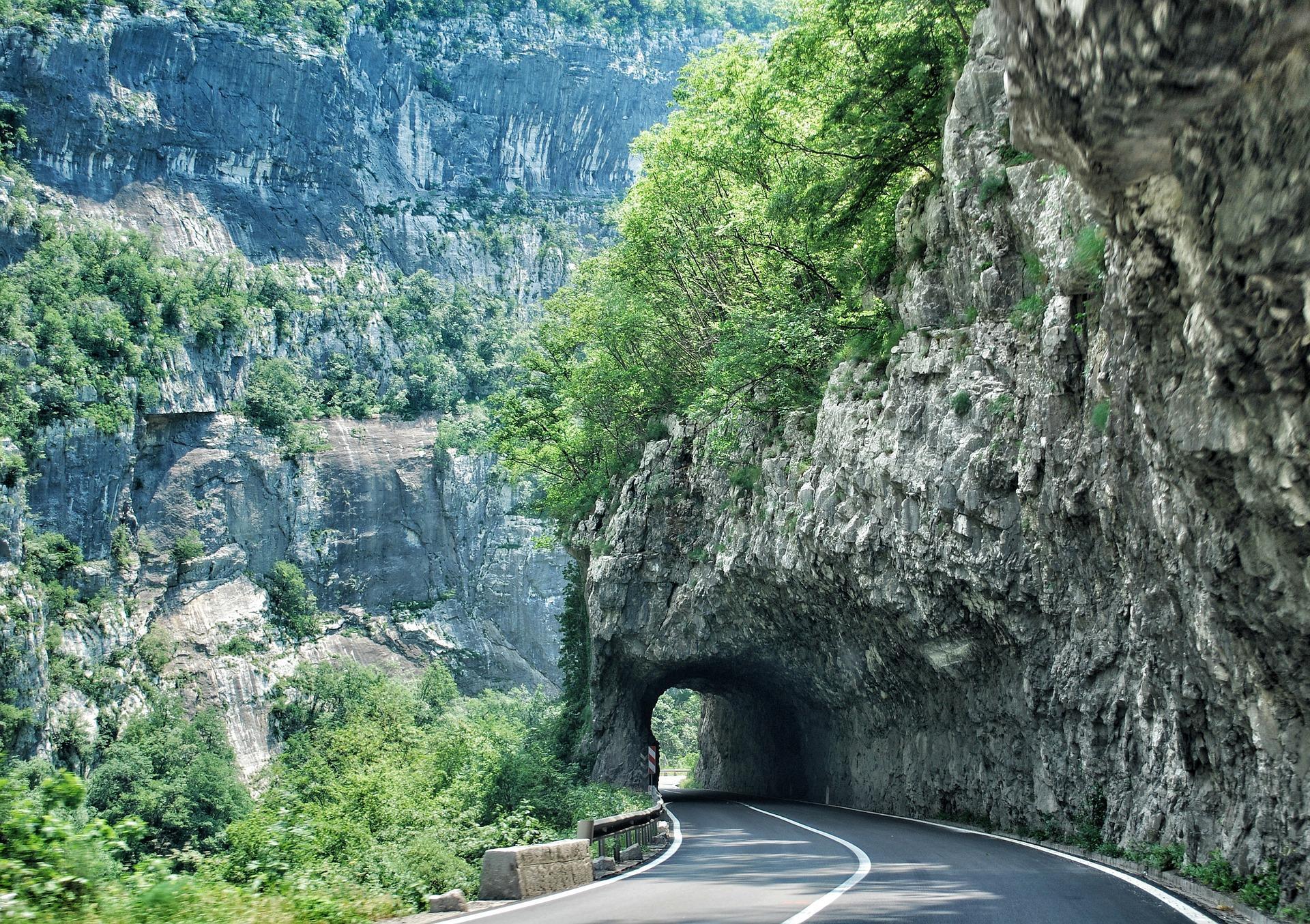
Montenegro: EIB supports the reconstruction of major roads with €40 million
>@free
©free
  • €40 million investment from the EU bank for the rehabilitation and upgrade of 180 km of road on five main routes across the country.
  • The project will create 4 100 temporary jobs and increase road safety and trade.
  • The EIB loan is complemented by the first technical assistance grant awarded in the Western Balkans (€1.5 million) under the Economic Resilience Initiative.

The European Investment Bank (EIB) signed a second tranche worth €40 million for the rehabilitation of 180 kilometres of road along the five main routes in Montenegro. The loan from the EU bank is complemented by a €1.5 million technical assistance grant awarded under the Economic Resilience Initiative (ERI). It is the first ERI grant to be awarded to a project in the Western Balkans. The total EIB investment worth €80 million is expected to increase road safety and efficiency and facilitate faster economic recovery and regional trade.

ERI technical assistance grants increase economic resilience and support sustainable growth, employment and vital infrastructure in countries in EU neighbourhoods most affected by the migrant crisis. In this case, the ERI technical assistance grant aims to help the promoter develop a modern standardised approach and higher quality supervision in line with EU standards.

The modernisation of roads and increased safety along the reconstructed sections will reduce vehicle operating costs, commute times and the frequency of road accidents. Some 4 100 temporary jobs will be created under this project, supporting the private sector in Montenegro.

EIB Vice-President Dario Scannapieco said: “Revitalisation of the transport infrastructure remains highly important for smoother trade, employment and the overall economic recovery of the Western Balkans. Improved capacity of the local economies to absorb and respond to crises creates an environment for economic growth and job creation. By rehabilitating one quarter of the entire national road network in Montenegro, we aim to support regional connectivity and reinforce integration between the Western Balkan countries and the EU. Access to safe and modern roads should not be a privilege, but a necessity for all in our efforts towards increased competitiveness, sustainability and faster EU accession.”

Aivo Orav, EU Ambassador and Head of the EU Delegation to Montenegro said: “In times of an unprecedented health and economic crisis, this financial package from the EIB is very welcome news. Fostering job creation and regional economic ties on the one hand and improving road safety and saving lives on the other is a winning combination. This is especially important for Montenegro as, according to a recently completed EU-funded road safety assessment, 55% of the roads in Montenegro feature as ‘the least safe performing roads’. In addition to avoiding human tragedies, improving road safety has high economic returns. Investment in this area is therefore economically justified and will always be doubly rewarding. Combined with EU-funded projects that the EU Delegation is already implementing on the ground, this EIB support will further contribute to boosting the economy, trade and job creation, as well as making the road transport sector more modern, efficient and safe for the public.”

The loan will enable the upgrade of sections of road along the corridor between Tivat and the port of Bar, between the northern city of Danilovgrad and the capital Podgorica, and between Lepenac and the Spiljani border crossing. Sections of road between Ribarevina and Dobrakovo, and Pljevlja and Mihajlovica – both at the border with Serbia – will also be reconstructed. The first tranche under this loan was signed in November 2018.

Background information

About the Economic Resilience Initiative:

The Economic Resilience Initiative (ERI) was created in 2016 in response to a call from the European Council. The objective of the initiative is to help shift patterns of migration in the medium to long term and provide support to forcibly displaced populations by increasing the resilience of economies to future shocks. The ERI is doing this by mobilising finance to support growth, job creation, vital infrastructure projects and social cohesion in the EU’s neighbouring regions.

About the EIB in Montenegro:

The EU bank has been active in Montenegro since 1977 and has provided €890 million of loans to the country, mostly in support of small and medium-sized enterprises (SMEs), education and transport infrastructure in the country. In 2019 alone, the EIB signed loans worth €141 million, focusing on support for SMEs and the construction of additional education facilities across the country.

More information regarding the EIB’s projects in Montenegro

About the EIB in the Balkans:

The EIB is one of the leading international financiers in the Western Balkans. Since 2007, the Bank has financed projects totalling almost €8 billion in the region. Besides continuing its support for the reconstruction and upgrade of public infrastructure, since 2010 the EIB has expanded into many new areas, such as healthcare, research and development, education and SMEs.

Detailed information on the EIB’s activities in the Western Balkans

About Team Europe and the COVID-19 response in the Western Balkans:

As part of the #TeamEurope strategy, the EU’s global response to COVID-19, the EIB Group has rapidly mobilised €5.2 billion outside the EU, accelerating financing and targeted technical assistance. For the Western Balkan countries specifically, the EIB has prepared an immediate support package of €1.7 billion, primarily for SMEs and the healthcare sector. The EU has also mobilised €53 million in grants for the healthcare sector in Montenegro, of which €3 million will be used to procure life-saving medical equipment, including medical ventilators, digital mobile X-ray devices, testing kits and personal protective gear. The remaining €50 million will be used to address the socio-economic impact of the outbreak, including support for the most affected businesses, such as companies working in the tourism and transport sectors (https://www.eib.org/en/press/all/2020-111-eib-group-to-contribute-eur1-7-billion-to-the-eu-s-covid-19-response-package-for-the-western-balkans). The total EU financial support package for the Western Balkans amounts to more than €3.3 billion. 


Italia: Covid-19 – dalla BEI 2 miliardi per la Sanità

  • Finanziati progetti per il rafforzamento della rete ospedaliera: 3.500 nuovi posti letto per la terapia intensiva, 4.225 in semi-intensiva e quattro strutture mobili per 300 posti di terapia intensiva, ristrutturazione di 651 pronto soccorso, forniture mediche e attrezzature sanitarie, mezzi di trasporto sanitari, personale sanitario aggiuntivo (anche temporaneo) per 9.600 unità, assistenza domiciliare e sistemi digitali per il monitoraggio da remoto
  • Il prestito della banca della UE copre circa i due terzi dei costi previsti dal Decreto rilancio per il settore sanitario
  • Già perfezionata una prima tranche di un miliardo di euro
  • Per importo, una delle più grandi operazioni nella storia della BEI in tutta Europa

La Sanità italiana si rafforza, anche per le emergenze collegate alla pandemia da Covid-19. E lo fa con il sostegno della banca della UE, la Banca europea per gli investimenti (BEI), che affiancherà il Governo italiano con un finanziamento di due miliardi di euro, pari circa i due terzi delle risorse necessarie per gli interventi previsti dal “Decreto rilancio” nel settore sanitario.

È quanto annunciato oggi a Roma, in occasione della firma delle operazioni tra BEI, Ministero dell’economia e delle Finanze (MEF), Ministero della Sanità e Commissario straordinario per l’emergenza Covid-19. Sui due miliardi complessivi, una prima tranche di un miliardo è stata già perfezionata oggi.

Nel dettaglio il framework loan alla Repubblica Italiana sarà canalizzato attraverso il MEF. Il Ministero della Salute sarà parte attiva della realizzazione del progetto e il Commissario straordinario del governo è incaricato di dare attuazione ai piani regionali, anche avvalendosi di commissari delegati, nelle persone dei Presidenti di Regione. Tale struttura è considerata in grado di garantire il coordinamento e l’efficacia in termini di pianificazione, attuazione e monitoraggio dei progetti. L’operazione si inserisce nel contesto del “Decreto rilancio” del Governo italiano (convertito nella legge 77/2020), che prevede 3,25 miliardi di euro a sostegno del settore sanitario.

Per importo, si tratta di uno tra i maggiori prestiti finora concessi con una singola operazione nella storia ultrasessantennale della BEI nell’intera Unione europea. La durata del finanziamento è di 25 anni.

Il prestito finanzierà gli interventi inclusi nei piani di emergenza predisposti dalle Regioni in risposta alla pandemia; in particolare:

  • rafforzamento della rete ospedaliera con 3.500 nuovi posti letto per la terapia intensiva, 4.225 in semi-intensiva, quattro strutture mobili per 300 posti di terapia intensiva, ristrutturazione di 651 pronto soccorso, materiali di consumo e attrezzature sanitarie, mezzi di trasposto sanitari e personale sanitario aggiuntivo, anche temporaneo, per 9.600 unità;
  • supporto per l’assistenza territoriale, con il rafforzamento di infrastrutture e sistemi digitali per l’assistenza domiciliare e residenziale e per il monitoraggio da remoto, attivazione di centrali operative regionali per il monitoraggio dei pazienti.

“Nei mesi scorsi l’Italia ha affrontato una prova durissima mostrando una grande disciplina e uno straordinario senso di responsabilità. L’operazione finalizzata oggi rafforza in modo importante il nostro sistema sanitario, che ha consentito al nostro Paese di reagire prontamente a una sfida così difficile.  Con queste notevoli risorse, che si inseriscono nel complesso delle azioni messe in campo dal Governo, l’Italia continuerà ad affrontare l’emergenza Covid-19 con lo stesso senso di responsabilità, consolidando la collaborazione tra i diversi livelli di Governo in questo sforzo che coinvolge tutto il Paese. Va ringraziata la BEI per il suo importante impegno, che rappresenta un’ulteriore dimostrazione della capacità delle istituzioni europee di fornire una risposta all’altezza di questa sfida globale”, ha sottolineato il ministro dell’Economia e delle Finanze, Roberto Gualtieri.

La BEI è nata su spinta italiana nel 1957, con i Trattati di Roma, con compiti di sussidiarietà, sostegno alle aree meno avanzate e ai settori con maggiori criticità. È quindi con orgoglio che annunciamo oggi questa operazione con l’Italia, Paese che per primo è stato colpito e ha reagito con grande energia alla pandemia. Operazione che rende subito disponibile la liquidità necessaria e a condizioni vantaggiose per il potenziamento immediato delle strutture sanitarie anche per far fronte alle emergenze causate dal Covid-19. La BEI e l‘Europa hanno il compito e il dovere di essere vicino a cittadini, imprese e amministrazioni nei momenti di grande difficoltà: stiamo cercando di farlo al meglio, con uno sforzo senza precedenti”, ha dichiarato Dario Scannapieco, Vicepresidente della BEI.

“Dalla crisi innescata dal Covid-19 abbiamo capito ancora di piú quanto sia importante e centrale nella vita del Paese il Servizio sanitario nazionale. Perció assume una particolare rilevanza il finanziamento da due miliardi di euro da parte della BEI per il rafforzamento della sanità pubblica italiana, sui 3 miliardi e 250 milioni destinati dal Governo con il decreto rilancio. Con piú liquidità e meno interessi avremo piú posti in terapia intensiva, l’ammodernamento dei pronto soccorso, una maggiore assistenza territoriale per i soggetti fragili. Un altro segnale positivo dall’Europa che diventa cosi un’istituzione che si fa carico dei bisogni reali dei cittadini”, ha commentato il Ministro della Salute, Roberto Speranza.

La diffusione del virus ha messo a dura prova sia il settore della sanità pubblica sia quello dell’economia e ci aspettano mesi ancora difficili. Rafforzare la nostra rete ospedaliera e sanitaria fa parte delle azioni da mettere in campo per creare tutte le condizioni possibili per convivere con il virus. Il Commissario Straordinario è soggetto attuatore dei piani. Abbiamo già avviato l’analisi dei fabbisogni per poi procedere il più rapidamente possibile verso la realizzazione del rafforzamento del sistema sanitario di tutto il Paese. Oggi abbiamo l’opportunità concreta di farlo, non dobbiamo sprecarla”, ha dichiarato il Commissario Straordinario per l’Emergenza, Domenico Arcuri.


Declaration by the High Representative Josep Borrell on behalf of the EU: European Union response to promote international security and stability in cyberspace

The European Union and its member states have repeatedly signalled their concern and denounced malicious behaviour in cyberspace. Such behaviour is unacceptable as it undermines international security and stability and the benefits provided by the Internet and the use of Information and Communication Technologies (ICTs). We strongly promote a global, open, stable, peaceful and secure cyberspace where human rights and fundamental freedoms and the rule of law fully apply, supporting the acceleration of social, political and economic development.

In order to better prevent, discourage, deter and respond to such malicious behaviour in cyberspace, the Council decided today to apply restrictive measures to six individuals and three entities or bodies involved in cyber-attacks with a significant effect, or attempted cyber-attacks with a potentially significant effect, which constitute an external threat to the European Union or its member states, or with a significant effect against third States or international organisations. The measures concerned are a travel ban and asset freeze to natural persons and an asset freeze to entities or bodies. It is also prohibited to directly or indirectly make funds available to listed individuals and entities or bodies.

The measures follow the European Union and member states consistent signalling and determination to protect the integrity, security, social-wellbeing and prosperity of our free and democratic societies, as well as the rules-based order and the solid functioning of its international organisations. We will continue to strengthen our cooperation to advance international security and stability in cyberspace, increase global resilience and to raise awareness on cyber threats and malicious cyber activities.

The European Union and member states will continue to strongly promote responsible behaviour in cyberspace, and call upon every country to cooperate in favour of international peace and stability, to exercise due diligence and take appropriate action against actors conducting malicious cyber activities, as well as continue to contribute to the implementation of the existing consensus based on the by the UN General Assembly endorsed 2010, 2013 and 2015 reports of the UN Group of Governmental Experts in the field of Information and Telecommunications in the Context of International Security (UNGGE) and to advance cooperation to strengthen this consensus in the context of the current sixth UNGGE and the Open-Ended Working Group (OEWG) as well as other appropriate international fora in this regard.


EU imposes the first ever sanctions against cyber-attacks

The Council today decided to impose restrictive measures against six individuals and three entities responsible for or involved in various cyber-attacks. These include the attempted cyber-attack against the OPCW (Organisation for the Prohibition of Chemical Weapons) and those publicly known as ‘WannaCry’, ‘NotPetya’, and ‘Operation Cloud Hopper’.

The sanctions imposed include a travel ban and an asset freeze. In addition, EU persons and entities are forbidden from making funds available to those listed.

Sanctions are one of the options available in the EU’s cyber diplomacy toolbox to prevent, deter and respond to malicious cyber activities directed against the EU or its member states, and today is the first time the EU has used this tool. The legal framework for targeted restrictive measures against cyber-attacks was adopted in May 2019 and recently renewed.

Background

In recent years, the EU has scaled up its resilience and its ability to prevent, discourage, deter and respond to cyber threats and malicious cyber activities in order to safeguard European security and interests.

In June 2017, the EU stepped up its response by establishing a Framework for a Joint EU Diplomatic Response to Malicious Cyber Activities (the “cyber diplomacy toolbox“). The framework allows the EU and its member states to use all CFSP measures, including restrictive measures if necessary, to prevent, discourage, deter and respond to malicious cyber activities targeting the integrity and security of the EU and its member states.

Targeted restrictive measures have a deterrent and dissuasive effect and should be distinguished from attribution of responsibility to a third state.

The EU remains committed to a global, open, stable, peaceful and secure cyberspace and therefore reiterates the need to strengthen international cooperation in order to promote the rules-based order in this area.


Travel restrictions: Council reviews the list of countries for which member states should gradually lift travel restrictions at the external border

Following a review under the recommendation on the gradual lifting of the temporary restrictions on non-essential travel into the EU, the Council updated the list of countries for which travel restrictions should be lifted. As stipulated in the Council recommendation, this list will continue to be reviewed regularly and, as the case may be, updated.

Based on the criteria and conditions set out in the recommendation, as from 31 July member states should gradually lift the travel restrictions at the external borders for residents of the following third countries:

  • Australia
  • Canada
  • Georgia
  • Japan
  • Morocco
  • New Zealand
  • Rwanda
  • South Korea
  • Thailand
  • Tunisia
  • Uruguay
  • China, subject to confirmation of reciprocity

Residents of Andorra, Monaco, San Marino and the Vatican should be considered as EU residents for the purpose of this recommendation.

The criteria to determine the third countries for which the current travel restriction should be lifted cover in particular the epidemiological situation and containment measures, including physical distancing, as well as economic and social considerations. They are applied cumulatively.

Regarding the epidemiological situation, third countries listed should meet the following criteria, in particular:

  • number of new COVID-19 cases over the last 14 days and per 100 000 inhabitants close to or below the EU average (as it stood on 15 June 2020)
  • stable or decreasing trend of new cases over this period in comparison to the previous 14 days
  • overall response to COVID-19 taking into account available information, including on aspects such as testing, surveillance, contact tracing, containment, treatment and reporting, as well as the reliability of the information and, if needed, the total average score for International Health Regulations (IHR). Information provided by EU delegations on these aspects should also be taken into account.

Reciprocity should also be taken into account regularly and on a case-by-case basis.

For countries where travel restrictions continue to apply, the following categories of people should be exempted from the restrictions:

  • EU citizens and their family members
  • long-term EU residents and their family members
  • travellers with an essential function or need, as listed in the Recommendation.

Schengen associated countries (Iceland, Lichtenstein, Norway, Switzerland) also take part in this recommendation.

Next steps

The Council recommendation is not a legally binding instrument. The authorities of the member states remain responsible for implementing the content of the recommendation. They may, in full transparency, lift only progressively travel restrictions towards countries listed.

A Member State should not decide to lift the travel restrictions for non-listed third countries before this has been decided in a coordinated manner.

This list of third countries should continue to be reviewed regularly and may be further updated by the Council, as the case may be, after close consultations with the Commission and the relevant EU agencies and services following an overall assessment based on the criteria above.

Travel restrictions may be totally or partially lifted or reintroduced for a specific third country already listed according to changes in some of the conditions and, as a consequence, in the assessment of the epidemiological situation. If the situation in a listed third country worsens quickly, rapid decision-making should be applied.

Background

On 16 March 2020, the Commission adopted a communication recommending a temporary restriction of all non-essential travel from third countries into the EU for one month. EU heads of state or government agreed to implement this restriction on 17 March. The travel restriction was extended for a further month respectively on 8 April 2020 and 8 May 2020.

On 11 June the Commission adopted a communication recommending the further extension of the restriction until 30 June 2020 and setting out an approach for a gradual lifting of the restriction on non-essential travel into the EU as of 1 July 2020.

On 30 June the Council adopted a recommendation on the gradual lifting of the temporary restrictions on non-essential travel into the EU, including an initial list of countries for which member states should start lifting the travel restrictions at the external borders. This list was updated on 16 July.