France : la BEI et la Région Occitanie unies pour développer la mobilité hydrogène
>@Shutterstock
©Shutterstock

Signature d’un contrat de financement de 40 M€ pour le projet Corridor H2 en Occitanie

Engagée dans le développement de nouvelles énergies d’avenir et non émettrices de gaz à effet de serre, la Région Occitanie a adopté en 2019 un Plan Hydrogène vert doté de 150 M€ destiné à accélérer le déploiement à grande échelle des solutions hydrogène sur le territoire. A l’occasion de l’ouverture du salon Energaïa, la présidente de Région Carole Delga et Ambroise Fayolle, Vice-Président de la Banque européenne d’investissement, annoncent qu’ils ont signé un contrat de prêt de 40 M€ pour le financement du projet de Corridor H2, unique en Europe.

La Région Occitanie, avec ses Agences Ad’Occ (Agence de Développement Economique) et AREC (Agence Régionale Energie Climat), a monté le projet Corridor H2 qui prévoit d’une part le développement de stations de distribution d‘hydrogène sur un axe Nord / Sud allant de la Méditerranée à la Mer du Nord, ainsi que les axes autoroutiers secondaires d’Occitanie (A61 et A20 notamment), et d’autre part le développement d’une flotte de véhicules lourds pour le transport de marchandises et de passagers (camions et autocars).

Le projet Corridor H2 cible :

  • La logistique du froid (groupes frigorifiques), avec des solutions entièrement électriques et alimentées grâce à de l’hydrogène. Elles pourront être intégrées dans de nouvelles remorques ou dans des remorques existantes ;
  • Les véhicules lourds, en particulier les camions porteurs (16/27t) notamment pour la distribution et collecte locale, et les camions tracteurs (44t) pour le transport long courrier, national et européen ;
  • Les autocars Lio déployés par la SPL « d’Un point à l’Autre » dans le Tarn (Gaillac).

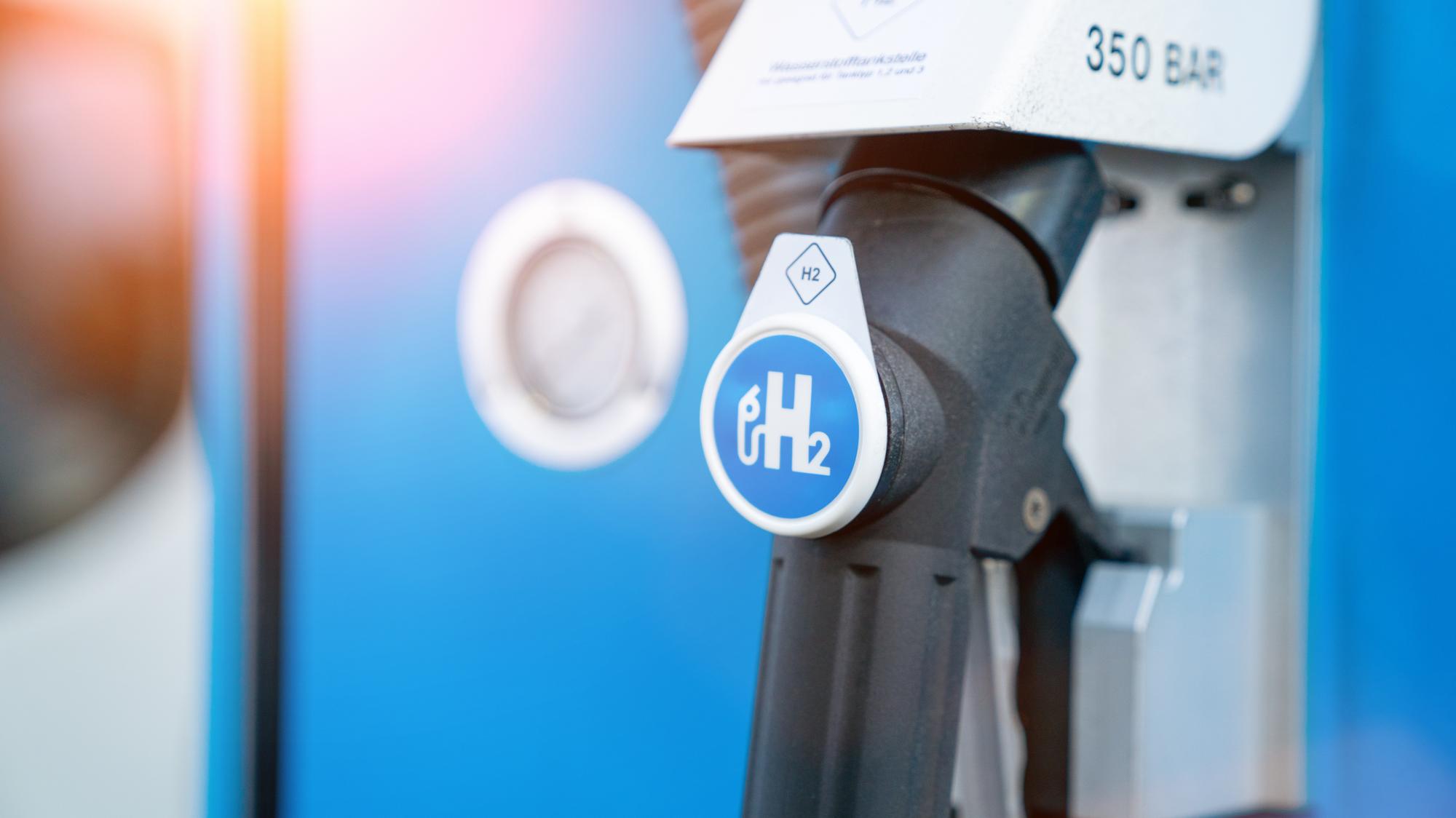
Huit stations seront installées afin de mettre à disposition des points de recharge hydrogène au plus près des grands axes de transport. Des infrastructures permettant d’accueillir les premiers camions à propulsion électrique hydrogène seront également mises en place en suivant l’évolution de l’introduction de ces véhicules sur le marché européen.

Ainsi, l’objectif est, d’ici 2023, le déploiement de :

  • 20 unités réfrigérées dites « retrofit » (moteur d’origine du véhicule changé au profit d’une pile à combustible hydrogène) 40 remorques frigorifiques, 40 camions à propulsion H2, 15 autocars Lio en retrofit ;
  • 8 stations hydrogène, soit 225t H2 distribuées/an, et 2,6 millions de litres de diesel évités  par an ;
  • 2 unités de production d’hydrogène vert implantées en Occitanie.

Au total, le projet Corridor H2 permettra d’éviter la consommation annuelle de 2,6 millions de tonnes de diesel.

Véritable puzzle à échelle européenne, le projet Corridor H2 s’enrichira des contributions de régions françaises et européennes qui viendront à leur tour apporter leur contribution au projet et participer au maillage du couloir européen nord-sud.

Un partenariat Région / BEI porteur

Estimé à près de 110 M€, le projet Corridor H2 bénéficie d’un prêt de 40 M€ alloué par la Banque européenne d’investissement (BEI). Ce financement s’inscrit dans l’action prioritaire menée par la Banque de l’Union européenne (UE) pour atténuer les effets du changement climatique. Persuadée que les technologies de l’hydrogène peuvent jouer un rôle majeur pour accélérer la transition énergétique, la BEI a renforcé son soutien aux porteurs de projet qu’elle accompagne également par son expertise.

« Ce projet marque une étape pour le développement de l’hydrogène au cœur des villes et territoires. C’est pourquoi, je suis très heureux de signer ce nouveau financement avec la Région Occitanie avec laquelle nous avons noué un partenariat de grande qualité. » a déclaré Ambroise Fayolle, Vice-Président de la BEI. Et d’ajouter : « Le financement de nouvelles technologies comme des projets innovants qui contribuent à la transition énergétique et à l’amélioration de la vie quotidienne des habitants est une priorité pour la Banque européenne du climat. En agissant ainsi, nous préparons l’avenir des jeunes générations. »

Cet accord est en parfaite adéquation avec la « Stratégie Nationale pour le développement de l’hydrogène décarboné en France » annoncée le 8 septembre 2020 : elle pose les jalons d’une ère nouvelle pour l’hydrogène en tant que future industrie stratégique en France comme au niveau européen.

La Région Occitanie a par ailleurs déposé sa candidature à l’appel à projets européen MIE Blending. L’Occitanie est à ce jour la première Région française en capacité de déposer un dossier de candidature. Plusieurs millions d’euros de subventions pourraient être allouées sur le territoire régional si ce dossier était retenu, et viendrait compléter les 40 M€ déjà alloués via le prêt. Des appels à projets pourraient être lancés dès le premier trimestre par la Région Occitanie pour attribuer ces subventions. Les entreprises de production et de distribution d’H2 renouvelable, les transporteurs qui feront l’acquisition de camions et de remorques frigorifiques hydrogène, ainsi que la Région elle-même dans le cadre de l’acquisition de 15 autocars H2, pourraient bénéficier de ces fonds. L’AREC interviendrait comme co-investisseur au sein des projets d’infrastructures.

« L’Occitanie s’est toujours positionnée comme pionnière dans le développement de la filière hydrogène sur son territoire. Cette volonté, nous l’avons illustrée dès 2019 par l’adoption d’un Plan Hydrogène vert sans précédent, doté de 150 M€, qui doit notamment permettre de concrétiser l’objectif que nous nous sommes fixés de devenir la 1ère région à énergie positive d’Europe d’ici 2050. Ce contrat que nous signons aujourd’hui avec la Banque européenne d’investissement dans le cadre du projet Corridor H2, illustre de nouveau notre détermination à faire de l’hydrogène l’une des énergies d’avenir en Occitanie. Elle vient également souligner l’importance des liens qui nous unissent à l’Europe, qui à travers le soutien financier qu’elle apporte, vient pleinement participer à la concrétisation de la transition énergétique », a déclaré Carole Delga à cette occasion.

Informations générales

En tant que banque européenne du climat, la BEI a décidé d’augmenter les financements de projets qu’elle soutient à l’appui des objectifs climatiques et environnementaux pour les porter à 50 % de son activité d’ici à 2025, de sorte que le Groupe BEI mobilise au moins 1 000 milliards d’EUR d’ici à 2030 pour promouvoir des investissements qui contribuent à la réalisation de ces objectifs. En France, en 2019, la BEI a consacré 47 % de ses financements – soit 3,28 milliards d’euros – à la lutte contre le changement climatique.


Press release – Press Conference by EP President Sassoli on summit, Brexit and long-term budget

When: Thursday 10 December – 14.30

Where: EP Press room and via Interactio

President Sassoli is set to convey Parliament’s position and answer journalists’ questions regarding Brexit, the EU’s long-term budget, the coordination of COVID-19 measures, the fight against terrorism and violent extremism, relations with Turkey and climate change.

Interpretation will be available at the press conference in Italian, English, French and German.

Journalists wishing to actively participate and ask questions, please connect via Interactio by using the link https://broadcaster.interactio.io/join?code=HIAGWR22EJPB.

You can also follow it live from 14.30 via Parliament’s webstreaming and EbS.

Information for the media – Use Interactio to ask questions

Interactio is only supported on iPad (with the Safari browser) and Mac/Windows (with the Google Chrome browser).

When connecting, enter your name and the media you are representing in the first name / last name fields.

For better sound quality, use headphones and a microphone. Interpretation is only possible for interventions with video.

Journalists who have never used Interactio before are asked to connect 30 minutes before the start of the press conference to perform a connection test. IT assistance can be provided if necessary.

For more details, check the connection guidelines and recommendations for remote speakers.


Press release – Deal on EU funds for common asylum, migration and integration policies up to 2027

The renewed Asylum, Migration and Integration Fund (AMIF), part of the Multiannual Financial Framework for 2021-2027, will amount to €9.882 billion in current prices.

The co-legislators agreed that the new AMIF should contribute to strengthening the common asylum policy, develop legal migration in line with the member states’ economic and social needs, support third-country nationals to effectively integrate and be socially included, and contribute to the fight against irregular migration. Other objectives include ensuring that those without a right to stay in the EU are returned and readmitted in an effective, safe and dignified way. The fund will also support those people to begin reintegrating in non-EU countries to which they have been returned.

Solidarity and responsibility-sharing within the EU

At Parliament’s request, the funds should also aim at enhancing “solidarity and responsibility sharing between the member states, in particular towards those most affected by migration and asylum challenges, including through practical cooperation”.

Most of the funds (63.5%) should be allocated to programmes that are jointly managed by the EU and the member states, whose entitlements will vary depending, among other factors, on the number of third-country nationals residing in the country, the asylum claims received, the return decisions taken and the effective returns carried out.

The other 36.5% will be directly managed by the EU and dedicated, among other actions, to emergency assistance, resettlement and humanitarian admission from non-EU countries and to relocate asylum-seekers and refugees to other EU member states, “as part of solidarity efforts”.

Negotiators also ensured that funds could be allocated to local and regional authorities that implement measures to support people to integrate into their community.

MEPs managed to increase the sum that EU countries will receive for every resettled person (€10.000, up from the €7.000 intended by the Council), the same amount they will get for every person relocated from another member state. While in 2014-2020 countries did not receive funds for humanitarian admission, they will now obtain €6.000 for every person they welcome under this mechanism (€8.000 if it is a vulnerable person).

Quote

“Beefed up, the new fund is going to be a key EU instrument for managing migration, asylum and integration in an effective and humane way. Solidarity will not be just an empty phrase, because EU countries will receive generous financial support, including through resettlement and relocation. Local and regional authorities will also have easier access to EU funds to spend on integration, and increased guarantees will limit the spending outside the EU, which was key for the Parliament”, said rapporteur Tanja Fajon (S&D, SI), after the vote.

Next steps

The deal will now be finalised at technical level. Both Parliament and Council will then have to adopt if formally.


Czech Republic: EIB signs a CZK 2.57 billion loan with the South-Moravia region to modernise passenger trains and increase the efficiency of railway services

>@Jihomorawsky
©Jihomorawsky
  • Financing for 37 new electric trainsets
  • Current comfort, accessibility and environmental standards applied
  • Improving major suburban and regional connections

The European Investment Bank signed a CZK 2.57 billion loan (equivalent to EUR 97 million) with Jihomoravsky kraj, the South Moravian Region of the Czech Republic, to support the replacement of obsolete rolling stock and improve the availability and reliability of the fleet, in order to increase the attractiveness of the railway services in the region.

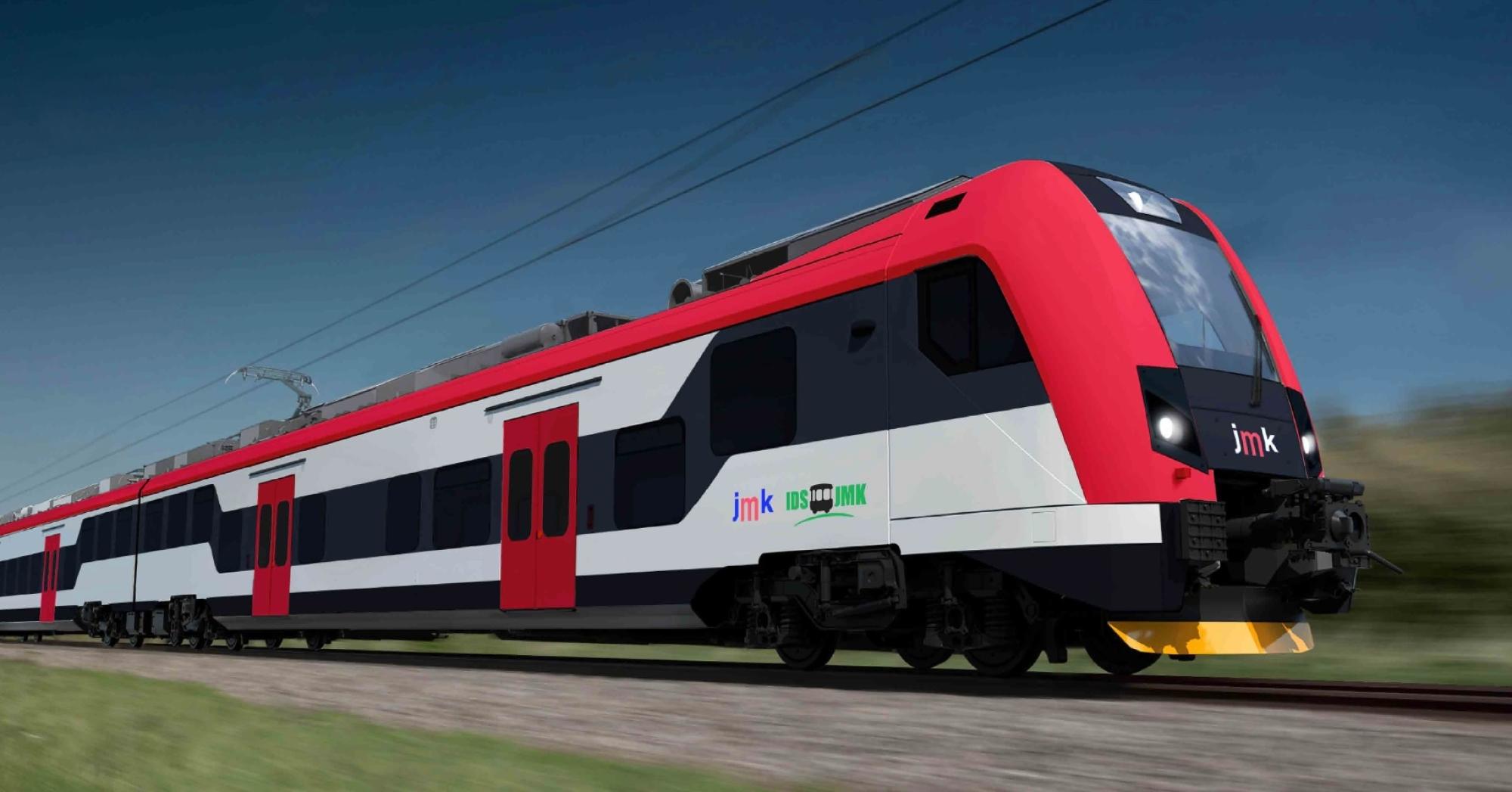
The project consists of the acquisition of 37 electric trainsets to be used in the South Moravia region mainly on lines S2 Letovice – Brno – Kfenovice and S3 Khzanov – Tisnov – Brno – Vranovice – Bfeclav. The rolling stock will be used for suburban and regional passenger connections.

EIB Vice-President Lilyana Pavlova said: “Our partnership with Jihomoravsky kraj will strengthen the connection of the two major train lines in the region and make daily trips more efficient for many Czech citizens. By applying current environmental standards and promoting sustainable public transport, this project will contribute to supporting the transition of the Czech Republic to a low-carbon economy, in line with the objectives of our recently approved EIB Climate Bank Roadmap and the Transport Policy of the Czech Republic.”

„I am glad that this project dedicated to the purchase of new trains has been completed thanks to the cooperation between our region and the European Investment Bank. After all, train sets, which are almost half a century old, still run on rails in our region. Rejuvenation of this fleet is therefore a necessity. Although this is the largest-ever investment for the region, it has its own logic. Already when establishing its integrated transport system, the South Moravian Region chose railway transport as the backbone of the entire system.” emphasized Jan Grolich, Governor of the South-Moravia region.

The new passenger trainsets will meet current standards in terms of comfort, accessibility and environmental standards, and enable the operator to deliver a high quality service in line with growing expectations of passengers.

The project is linked to the “Transport Policy of the Czech Republic for the period 2014-2020 with a view until 2050” which aims at developing alternative to individual transport, among others by supporting the competitiveness of railway passenger transport. The project is also implemented within the framework of the “Operating Programme Transport” and the departmental programme “Purchase and Modernisation of Railway Vehicles”.

It complements other EIB financed projects in Czech Republic, related to the modernisation of infrastructure, and in particular the Czech Railway Infrastructure Rehabilitation project, aimed at modernising several sections of the rail infrastructure in the country, including the two sections Blansko – Adamov and Adamov – Brno, line S2. The project is to be co-financed by EU grants from the Operational Programme Transport.

Background information:

The EIB has worked with the Czech Republic since 1992 and invested in infrastructure, small businesses, environment and innovation. Since start of operations in Czech Republic, the EIB provided € 22.51 billion of financing to 185 projects.

EIB’s sustainable transport overview

About the South-Moravia region

The South Moravian Region is located in the south-eastern part of the Czech Republic near the boarders with Austria and Slovakia. The advantage of the region is an excellent transport accessibility and strategic location at the crossroads of the trans-European road and rail long-distance routes which are important arteries connecting Western Europe with Eastern and Northern Europe with Southern.

The South Moravian Region belongs to the regions with significant economic potential. Especially in recent years the number of business entities in the field of computing technologies, telecommunications, software development and others hi-tech fields has been growing. The South Moravian Region significantly supports the development of technological and biotechnological incubators intended for start-up companies. The above-average educations level of the region’s population is due to the high quality system of universities and higher education in general.


European Cooperation: visual search for TMview extended to Germany

December 09, 2020 General

European Cooperation: visual search for TMview extended to Germany

TMview’s visual search facility, which allows users to search for trade mark images in the world’s largest online trade mark database, continues to be extended with the addition of the German Patent and Trade Mark Office (DPMA).

As of 30 November 2020, the DPMA has made its trade mark images available via the TMview visual search tool. Since 2017, when the first image search facility was implemented in TMview, different intellectual property offices have incorporated this capability into their search facilities.

With this successful implementation the DPMA joins the intellectual property offices of Austria, the Benelux, Bulgaria, Croatia, Cyprus, the Czech Republic, Estonia, Finland, France, Greece, Hungary, Ireland, Italy, Lithuania, Malta, Poland, Portugal, Romania, Slovakia, Slovenia, Spain, Sweden and the UK, as well as the EUIPO. This brings the total number of participating offices to 25.

The image search function can be used on trade marks from the above countries that have an image, further enriching TMview as a whole.

The extended visual search in TMview is a result of the work undertaken as part of the EUIPO’s European Cooperation Projects.

Visual search in TMview:

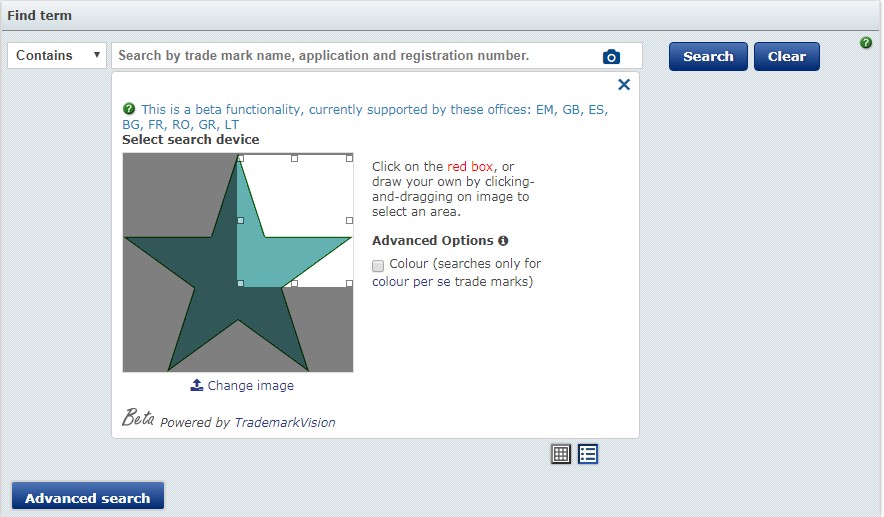
There are just three steps to follow when searching for images in TMview.

Step 1:

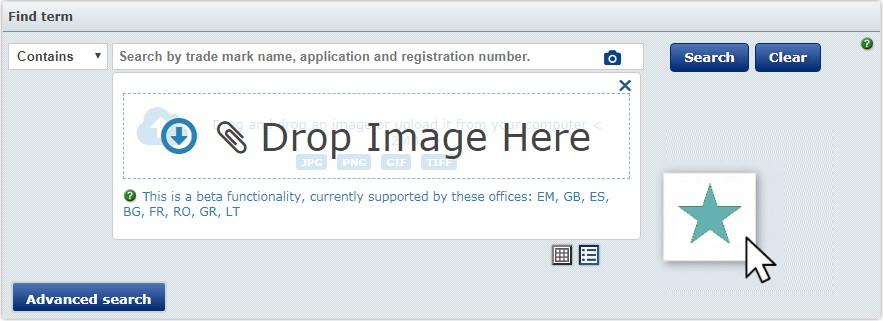
Click on the camera icon  to display the ‘Drag and drop or upload image’ box.
Step 2:

You can drag and drop an image into the search field in any of the four formats accepted: JPG, PNG, GIF and TIFF. Or you can click on the cloud icon to the right of the box to upload a saved image from your computer.

Step 3:

Once your image is uploaded, you can use the red box which appears around the image to select the area for which you want to search.

You can use the two icons at the bottom of the search field to display your results in gallery mode or in list mode.

You can also search for colour per se trade marks.