Poland: The Polish Development Fund issued bonds worth PLN 500 million for the EIB

>@martin-dm/Getty Images
©martin-dm/Getty Images

The Polish Development Fund (Polski Fundusz Rozwoju – PFR) issued debt securities with a nominal value of PLN 500 million, which have been fully subscribed by the European Investment Bank (EIB). The purpose of the issue is to finance the government’s PFR Financial Shield programme for micro, small and medium-sized enterprises affected by the coronavirus pandemic.

The bonds bear interest at 1.4 percent per year, and their maturity date is December 2027. If the relevant conditions are met, PFR may applythe Funding Advantage, which will lower the interest rate. The issued bonds are secured with a guarantee of the State Treasury.

As part of the Financial Shield activities, the PFR has already sold – in May and June – 62 billion worth of bonds in nominal value. The transaction was proceeded through the market, with the aim to finance the PFR Financial Shield programme, offering support to enterprises affected by the COVID-19 pandemic. Aid in the form of partially non-returnable subsidies under the programme has been received by almost 347 thousand companies employing over 3.2 million employees. This has allowed them to maintain liquidity and financial stability, as well as preserve jobs.

“The participation of the EIB in the financing of the Financial Shield for SMEs is a new chapter and the strengthening of our institutional cooperation. We hope that in the coming years it will be possible to implement many new joint investment projects”, said Paweł Borys, president of PFR.

“This is the first issue of PFR bonds addressed to foreign markets. The issue is on favourable conditions to the PFR. The participation of the EIB in supporting PFR programmes also means that the European institution recognises our efforts and opens the way to future cooperation between the two institutions.”, said Bartłomiej Pawlak, vice president of PFR, responsible for financing the Shield programmes.

“This is the first and, at the same time, a very important transaction which the European Investment Bank is signing with the Polish Development Fund. It allows us to support the Polish economy in difficult times caused by the COVID-19 pandemic. We are pleased that our institution can facilitate PFR access to international capital markets. This transaction is another example of fruitful cooperation between national and European institutions”, said Prof. Teresa Czerwińska, Vice President of the European Investment Bank.

Financial Shield 2.0 is a programme aimed at providing financial aid to companies from around 40 industries that had to limit or suspend their activities due to the epidemiological situation related to COVID-19. The total value of aid under Financial Shield 2.0 will amount to PLN 35 billion, of which PLN 10 billion will go to microenterprises and SMEs. This aid will be offered in a quick, simple and secure way by means of an online form submitted via electronic banking in the IT system prepared by the PFR and banks. 18 of the largest Polish commercial banks and the majority of cooperative banks that had participated in the PFR 1.0 Financial Shield programme in April 2020 have confirmed participation in the programmem which is expected to start in January 2021, upon notification of the European Commission.

The Polish Development Fund is a group of financial and advisory institutions for entrepreneurs, local governments and private individuals, investing in sustainable social and economic development of the country. Our priorities are: infrastructure investments, innovations, development of entrepreneurship, export and foreign expansion of Polish enterprises, support for local governments, implementation of the Employee Capital Plan programme, and supporting foreign investments.



España: Apoyo e impulso al sector agrícola andaluz – El BEI y la Junta de Andalucía firman un acuerdo para gestionar un fondo que facilitará hasta 250 millones de euros de financiación

>@EIB
©EIB
  • Los fondos FEADER y la Junta de Andalucía cofinanciarán este fondo destinado a apoyar e impulsar el desarrollo del sector agrícola en la región.
  • El fondo contribuye a mantener y crear empleo en dos sectores, el agrícola primario y el agroalimentario, que juntos generan más del 34% del empleo en esta comunidad autónoma donde más del 30% de la población vive en zonas rurales.
  • El instrumento financiero apoya una actividad particularmente vulnerable en la que más del 80% de las empresas son PYMES con menos de 10 trabajadores.

El Banco Europeo de Inversiones (BEI) y la Junta de Andalucía han unido fuerzas una vez más, en esta ocasión para apoyar e impulsar el desarrollo del sector agrícola de la región, un sector que además de enfrentarse históricamente a una brecha de financiación superior a 1.000 millones de euros anuales, ha sido afectado, entre otros factores, por el impacto del Brexit y la pandemia COVID-19. El banco de la UE se encargará de gestionar un fondo de garantía de hasta 50 millones de euros, con el objetivo de facilitar financiación por un importe de hasta 250 millones de euros. Los beneficiarios finales serán tanto agricultores, cooperativas agrícolas y organizaciones de productores como empresas activas en el procesamiento y comercialización de productos agrícolas. Así, entre los objetivos del fondo están tanto el apoyo a jóvenes agricultores, nuevas empresas y pequeñas explotaciones que dependen de financiación de terceros, como a proyectos agrícolas innovadores y a la actividad transformadora. El instrumento financiero estará cofinanciado por los fondos FEADER (Fondo Europeo Agrícola de Desarrollo Rural del periodo 2014-2020) y por la Junta.

El acuerdo, firmado por el vicepresidente del BEI, Ricardo Mourinho Félix, y por el consejero de Hacienda y Financiación Europea de la Junta de Andalucía, Juan Bravo Baena, permitirá al banco de la UE gestionar este fondo de garantía destinado a fomentar inversiones que apoyen el empleo, la innovación, la sostenibilidad económica y ambiental, la competitividad y la renovación generacional del sector. Los Intermediarios Financieros, que serán seleccionados mediante una convocatoria pública de expresiones interés que se lanzará próximamente, estarán obligados a transferir la ventaja financiera de la garantía a los destinatarios finales.

El vicepresidente del BEI, Ricardo Mourinho Félix, responsable de la actividad del Banco en España, ha asegurado: “Este acuerdo reafirma la estrecha relación entre el BEI y Andalucía, una región que el banco de la UE apoya desde hace más de 30 años promoviendo una economía sostenible. El sector agrícola Andaluz es clave tanto para el crecimiento económico y la creación de empleo en las regiones de cohesión, como para hacer frente a la creciente demanda de alimentos más saludables y abordar desafíos como la degradación del suelo, la contaminación y el cambio climático. Por eso nos complace apoyar la implementación de este fondo que ayudará a los agricultores andaluces a afrontar mejor las dificultades a las que se enfrenta el sector para acceder al crédito, así como el impacto del Brexit y del Covid-19.”

Por su parte, el consejero de Hacienda y Financiación Europea, Juan Bravo Baena, ha destacado el papel protagonista de los Fondos Europeos en el desarrollo de la comunidad autónoma al permitir “generar cohesión social y convergencia” que se han convertido en “factores de competitividad global para la economía andaluza”. Igualmente, ha indicado que “Andalucía vuelve a ser pionera en la gestión de estos recursos, siguiendo las indicaciones y recomendaciones de la Comisión Europea y apostando por nuevas formas de apoyo, en este caso a través de un instrumento financiero apoyado con fondos FEADER.”

Información general:

Andalucía y el Grupo BEI disfrutan de una duradera relación de más de 30 años durante los cuales han colaborado estrechamente. Además de aportar su conocimiento y experiencia internacional en la gestión de recursos financieros a través de la gestión de dos instrumentos financieros destinados a promover el desarrollo urbano sostenible en la región (JESSICA Andalucía y Fondo de Fondos SUD Urban Development Andalucía), el Grupo BEI ha apoyado a la comunidad autónoma con 15.000 millones de euros en préstamos a través de más de 100 proyectos, de los cuales aproximadamente la mitad en la última década.


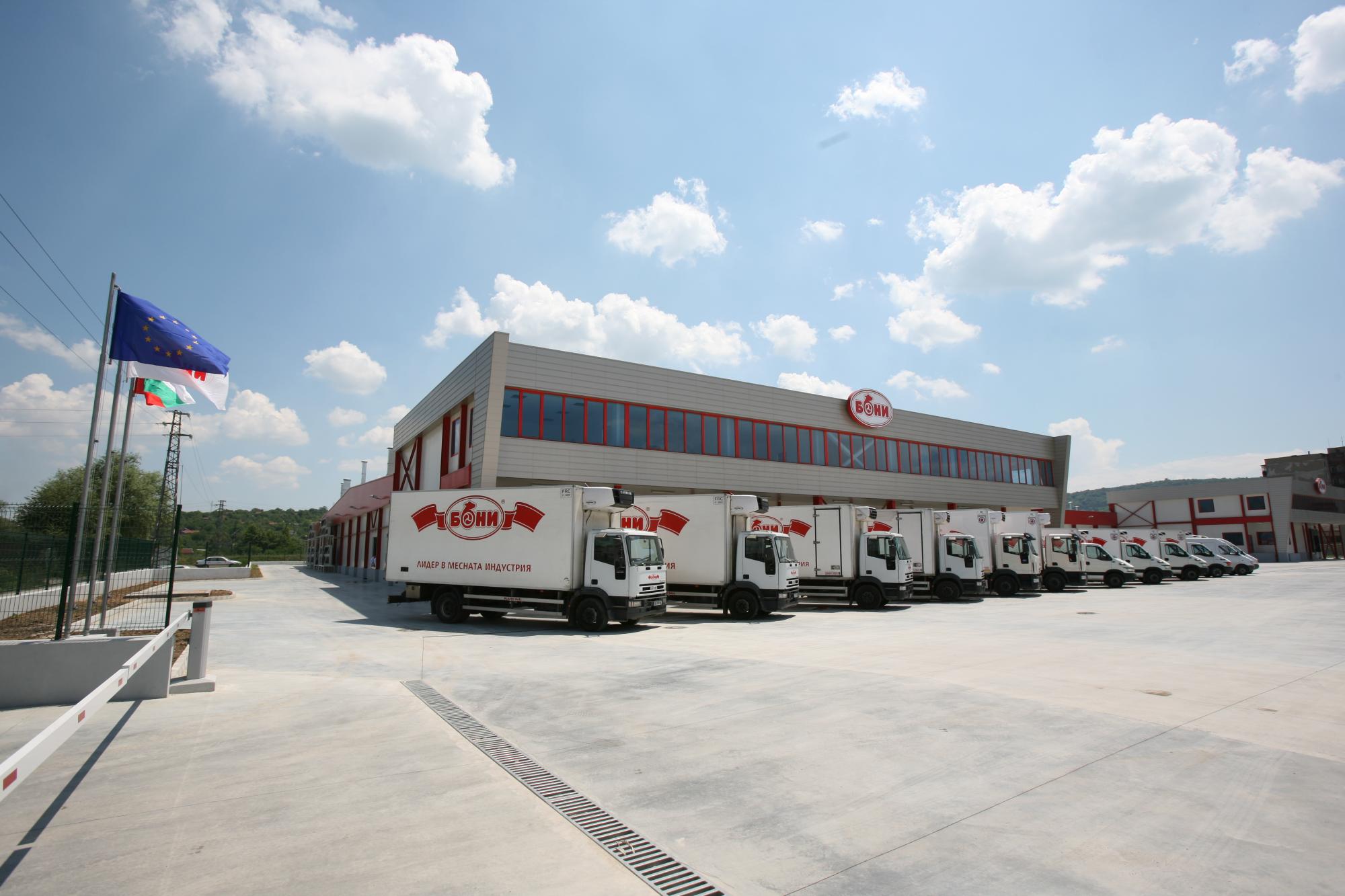
Bulgaria: EIB and Boni Holding AD agree €30 million loan under Investment Plan for Europe

>@Boni
©Boni
  • New employment in rural areas across Bulgaria
  • Improved energy consumption and environmental footprint
  • Maintained high agricultural, animal welfare and hygiene standards
  • The loan is backed by EFSI, the financial pillar of the Investment Plan for Europe

The European Investment Bank (EIB) and Boni Holding AD, a fast-growing agri-business company, have signed a €30 million loan agreement for the modernisation of existing and construction of new production facilities in Levski, Lovech, Pordim, Brestak and Targovishte.

The project aims at substantial improvements in the company’s energy consumption, as well as the adoption of best EU and Bulgarian standards in animal welfare and environmental protection for its pork meat value chain investments. The EIB support will create new and help secure existing employment in rural areas of Bulgaria and, therefore, contribute to the objective of regional cohesion, which aims to support less developed regions across the European Union.

In addition, the project helps with the net substitution of imports for locally produced meat with a significantly lower greenhouse gas footprint. It is therefore fully in line with the EU’s policy goals of producing food more efficiently and with a reduced environmental footprint on existing agricultural land, which are key elements of the Farm to Fork strategy, recently published as part of the European Green Deal.

This operation is supported under the EIB Midcap Programme Loan Central South East Europe, which is backed by a guarantee from the European Fund for Strategic Investments (EFSI) under the Investment Plan for Europe.

“How the global food system operates has a big impact on local economies, climate change and the environment,” said EIB Vice President Lilyana Pavlova. “The project we are announcing today is an excellent example of how the EIB, as the EU bank, is helping to tackle these challenges. Backed by an EFSI guarantee, we are helping Boni Holding AD, a fast growing Bulgarian business, to create local jobs and improve its energy consumption and environmental footprint in line with the EU Farm to Fork strategy. We are thereby setting an example of the kind of private sector projects we are looking to support that are combining the European Union Cohesion objectives with the priorities set out under the European Green Deal. We are keen to further strengthen our support to Bulgarian business in 2021.”

Janusz Wojciechowski, European Commissioner for Agriculture and Rural Development, said: “This agreement is a good example of the EU’s effort to build a sustainable and healthy food system. The project will not only reduce the environmental and climate impact of animal production, but also foster higher standards of animal welfare while creating jobs in rural areas across Bulgaria. This is a further step towards sustainable production practices, in line with the European Green Deal objectives.”

Georgi Nikolov, CEO of Boni Holding AD, commented: “We are excited to commence our cooperation with the EIB. Boni Holding AD is following its long-term strategy to develop an efficient and sustainable business model through the food supply chain and offer high quality and safe food products to its numerous customers. We are proud to contribute with our operations to the wellbeing of our stakeholders and the communities where we operate. The backing of our investment programme by the EIB confirms that we are on the right path.”

Founded 29 years ago, today “Boni Holding” SA is one of the largest companies in the Bulgarian food industry, leader in the production of pork, and one of the most recognized manufacturers of meat products and delicacies. The company includes farms for hybrid and commodity pig breeding, as well as one of the most advanced meat processing complexes in Europe, which disposes with technological capabilities for production of unlimited product range of meat products.


Press release – EP Today

Pre-plenary press briefing at 15.00

Parliament and political group spokespersons will hold a press briefing on this week’s plenary session at 15.00. More information here.

Opening of the session

EP President David Sassoli will open the remote plenary session from the Strasbourg hemicycle on Monday at 17.00, preceded by a press point at 16.00. More information here.

Live coverage of debates and votes can be found on Parliament’s webstreaming and on EbS+.

For detailed information on the session, please also see our newsletter.

All information regarding plenary, including speakers’ lists, can be found here.

EU budget 2021

Following the European Council’s breakthrough on the long-term budget and recovery package, MEPs will debate the 2021 EU budget at around 17.15, after the session has been opened, and vote on it on Friday morning. The debate and vote on the long-term budget 2021-2027 will take place on Wednesday.

Armin WISDORFF
(+32) 498 98 13 45
EP_Budgets

Asylum requests and return of migrants

In the early evening, MEPs will briefly debate the effectiveness and implementation of the EU’s laws on asylum requests and the return of migrants. They are set to call for more solidarity among member states, more financial resources for countries in which many people arrive, better family reunification and more funds to ensure swift and fair procedures. The votes on the two reports will take place on Wednesday evening, with results announced on Thursday morning.

Estefania NARRILLOS
(+32) 498 98 39 85
EP_Justice

European Citizens’ Initiative promoting diversity

Parliament will discuss the “Minority Safepack” proposals put forward by more than 1.1 million Europeans. The initiative proposes nine actions that the EU could take to protect people belonging to national and linguistic minorities in the EU, and to strengthen cultural and linguistic diversity. A resolution will be put to the vote on Thursday.

Kyriakos KLOSIDIS
(+32) 470 96 47 35
EP_Justice

In brief

Sustainability. MEPs will briefly debate how companies can better align their financial interests with their long-term impact on society and the environment. A report will be put to the vote on Thursday.

Rescue plan for SMEs. MEPs will discuss measures to help small and medium-sized enterprises (SMEs), which have been hit hardest by the COVID-19 crisis. A resolution will be put to the vote in Wednesday.

Votes

The voting session lasts from 18.30-19.45, and results will be announced on Tuesday morning at 8:45.

Among other things, MEPs will vote on

  • the nomination of Polish candidate Marek Opiola to the European Court of Auditors. The EP Budgetary Control Committee has recommended that his candidacy should not be endorsed;

  • temporary measures to keep the Eurotunnel running after the end of the transition period (final vote on Thursday).


Now is the time to ensure artificial intelligence works for Europeans

“AI is not infallible, it is made by people – and humans can make mistakes. That is why people need to be aware when AI is used, how it works and how to challenge automated decisions. The EU needs to clarify how existing rules apply to AI. And organisations need to assess how their technologies can interfere with people’s rights both in the development and use of AI,” says FRA Director Michael O’Flaherty. “We have an opportunity to shape AI that not only respects our human and fundamental rights but that also protects and promotes them.”

The FRA report ‘Getting the future right – Artificial intelligence and fundamental rights in the EU’ identifies pitfalls in the use of AI, for example in predictive policing, medical diagnoses, social services, and targeted advertising. It calls on the EU and EU countries to:

  • Make sure that AI respects ALL fundamental rights – AI can affect many rights – not just privacy or data protection. It can also discriminate or impede justice. Any future AI legislation has to consider this and create effective safeguards.
  • Guarantee that people can challenge decisions taken by AI – people need to know when AI is used and how it is used, as well as how and where to complain. Organisations using AI need to be able to explain how their systems take decisions.
  • Assess AI before and during its use to reduce negative impacts – private and public organisations should carry out assessments of how AI could harm fundamental rights.
  • Provide more guidance on data protection rules – the EU should further clarify how data protection rules apply to AI. More clarity is also needed on the implications of automated decision-making and the right to human review when AI is used.
  • Assess whether AI discriminates – awareness about the potential for AI to discriminate, and the impact of this, is relatively low. This calls for more research funding to look into the potentially discriminatory effects of AI so Europe can guard against it.
  • Create an effective oversight system – the EU should invest in a more ‘joined-up’ system to hold businesses and public administrations accountable when using AI. Authorities need to ensure that oversight bodies have adequate resources and skills to do the job.

The report is part of FRA’s project on artificial intelligence and big data. It draws on over 100 interviews with public and private organisations already using AI. These include observations from experts involved in monitoring potential fundamental rights violations. Its analysis is based on real uses of AI from Estonia, Finland, France, the Netherlands and Spain.

On 14 December, FRA and the German Presidency of the Council of the EU organise a conference Doing AI the European way: Protecting fundamental rights in an era of artificial intelligence.

For more, please contact: media@fra.europa.eu / Tel.: +43 1 580 30 653