Press release: Environment Agency discovers 6 illegal waste sites in one day in Bristol, Somerset and Wiltshire

Over the last 12 months the Environment Agency has seen an increase in illegal waste activity across Bristol, Dorset, Somerset and Wiltshire.

The first of these events took place on Tuesday 21 November 2017. Environment Officers visited 15 locations in the Bristol, Dorset, Somerset and Wiltshire area. They confirmed 6 illegal waste sites and found a number of unauthorised waste disposal activities, including waste being burnt.

Tackling waste crime is a top priority for the Environment Agency. Waste stored or disposed of without the proper environmental controls can have a huge impact on the environment, polluting watercourses, land and underground aquifers, and in some cases contributing to flooding. It is often an eyesore that attracts further dumping, while creating issues for neighbours such as smells and pests. The Environment Agency is determined to make life hard for criminals and to support legitimate businesses by disrupting the criminal element and taking tough enforcement action.

Andy Hicklin, Environment Agency Area Environment Manager for Wessex area, said:

Waste crime is a blight on communities and the environment and undermines legitimate business. Acting on reports from members of the public, days of action are just the first step in tackling waste crime. We will work with our partners in local authorities and use all of the tools at our disposal to disrupt, prevent and stop illegal waste activity.

The Environment Agency is asking members of the public to be vigilant; to contact them with information on anything suspicious. Illegal treatment and disposal of waste is a crime that blights lives and communities and damages the environment. Individuals involved in this type of illegal activity can be hostile and we would urge members of the public to avoid any direct contact with the culprits.

If you see or suspect illegal waste activities, report it anonymously to Crimestoppers or call 0800 555 111 or via the Environment Agency incident hotline on 0800 80 70 60.

Press release: Preparing sirens for winter

Four sirens, located approximately 250 metres apart in Chiswell, will be activated on Thursday (30 November 2017) at 11am, 2pm and 5pm, weather permitting. Local residents are being informed in advance via a leaflet drop and door-knocking exercise.

Rachel Burden, Wessex Flood and Coast Risk Manager at the Environment Agency, said:

Regular siren testing is an essential part of our forward planning, not only to ensure we are incident ready, but also to make sure our community flood warning and informing measures are effective.

If severe storms hit Portland, the sirens will play a crucial part in alerting local residents to imminent danger and potential evacuation. Ultimately, these sirens could help save lives.

The Chiswell area of Portland is classed as a high risk flood area because of the potential for strong south westerly winds, high tides in Lyme Bay and the close proximity of properties to the sea.

Rachel added:

Chiswell was badly affected by the floods in 2013/2014. It is a vulnerable area and can take a heavy pounding from the tides when the south westerly wind picks up. Although good flood protection measures are in place, we can never fully defend against the worst that Mother Nature can throw at us.

The sirens, which are tested twice a year, are extremely loud so that they can be heard above the noise of crashing waves during a storm. These modern sirens were installed in 2010 and replaced older Second World War equipment. An additional siren was put in during 2015 in order to fill a ‘quiet spot’ which was identified during the storms of the previous winter.

The testing will involve remote activation from our Blandford incident room, from the coastguard’s hut and from the individual sirens. Representatives from the Environment Agency will be on hand to assist.

The day supports the annual Environment Agency Flood Action Campaign.


Press release: Youngsters help give fishery a boost

The Environment Agency has released 1,500 fish into a recently re-established fishery this week to give stocks a pre-Christmas boost and encourage angling.

Lockwood Beck reservoir, south of Guisborough, opened earlier this year to coarse anglers and they’ve since been catching fish such as roach and perch.

Now the Environment Agency has stocked bream, tench and crucian carp to provide more variety for anglers and encourage participation at the fishery.

The fish have all been bred at the Environment Agency’s fish farm near Calverton, which is solely funded by rod licence money.

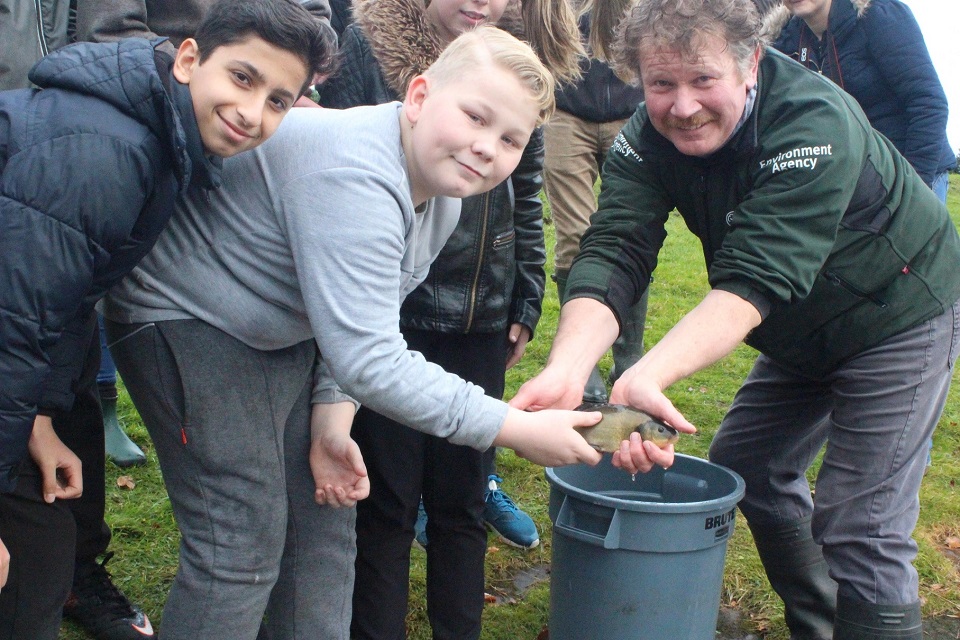
Phil Rippon with Ali Jamaliour and John Speight.
The Environment Agency’s Phil Rippon with Ali Jamaliour and John Speight.

Young anglers help stocking

To mark the fish stocking on Tuesday a group of young anglers from Eastern Ravens Trust in Stockton-on-Tees received expert angling tuition from the Angling Trust and had the opportunity to see the new fish being released into the reservoir.

Eastern Ravens Trust is a registered charity based in the Community Zone, North Shore Academy, which provides open access youth activities to young people aged 10-18 in the most deprived ward in the borough alongside supporting isolated and disadvantaged children, young people and families.

The owners of the reservoir, Northumbrian Water Ltd, provided support on the day and are committed to providing the venue in the future for organised coaching events for anglers aged under 16.

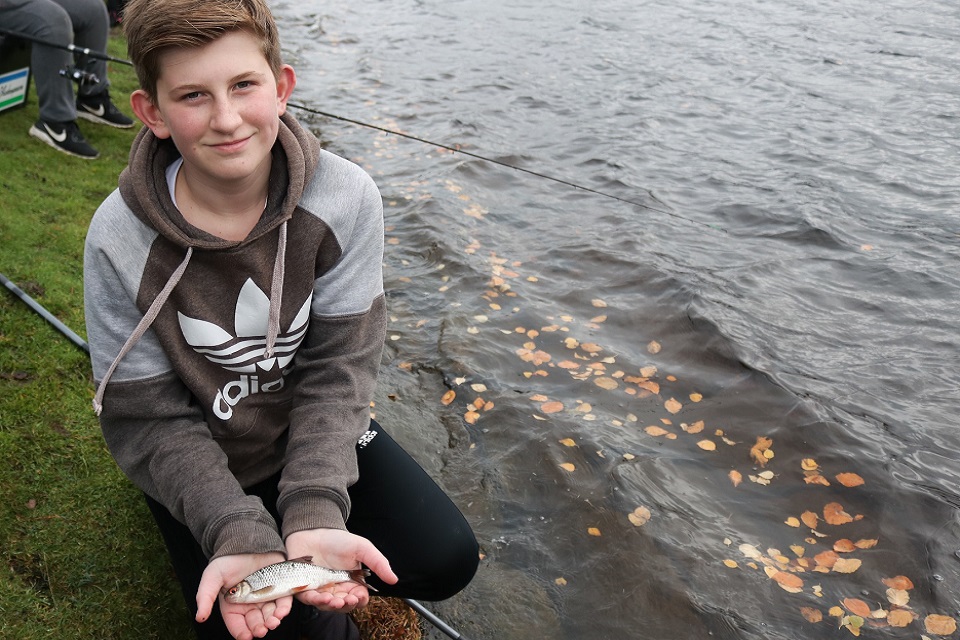
Image shows youngsters Jack Canham with the fish he caught.
Jack Canham with the fish he caught during the event.

Happy with the development

Phil Rippon, Fisheries Technical Specialist from the Environment Agency in the North East, said:

We are happy to help with the development of Lockwood Beck fishery, working with the Angling Trust and Northumbrian Water to encourage more participation in angling.

The reservoir is an excellent venue for future coaching events as well as providing a resource for local anglers. The fish provided by us will help to support the fish stocks and provide a more interesting variety of species.

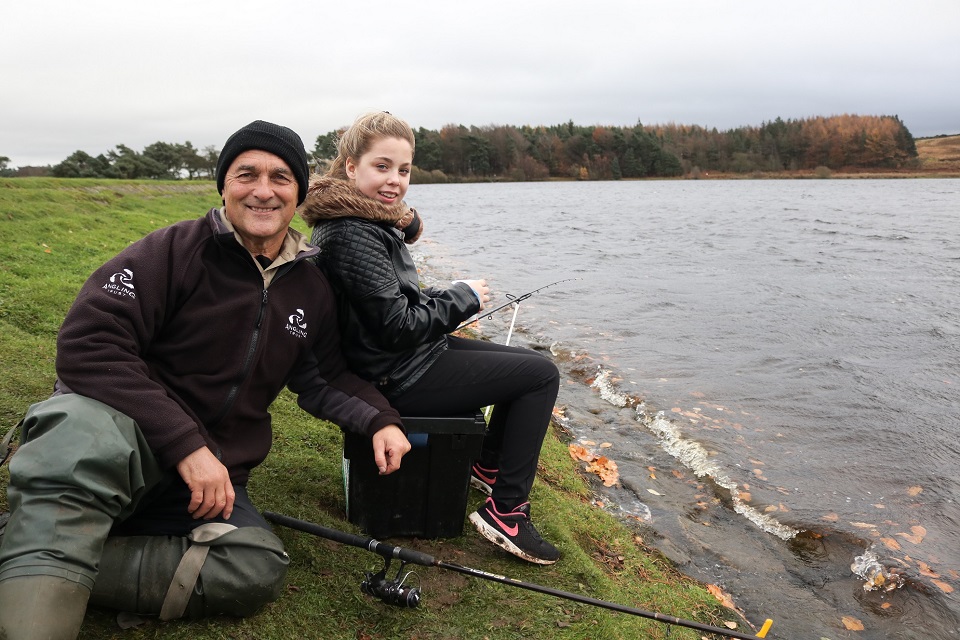
The Angling Trust's David Munt with Amie James.
The Angling Trust’s David Munt with Amie James.

Great news for fishing

Don Coe, Leisure Operations Manager at Northumbrian Water, added:

This is a fantastic way to get young people interested in fishing and we’re very pleased to be supporting the Angling Trust with their activity.

Also, the stocking carried out by the Environment Agency will also enhance the appeal of Lockwood Beck for anglers of all ages and experience, so this is great news for fishing in the area.

Angling is a great way for everyone to keep healthy and enjoy the natural environment. All rod licence income is used to find work to protect and improve fish stocks and fisheries.

Anyone who wants to go fishing needs to buy a rod licence. A full annual licence costs £30 (short term and some concessionary licences are also available) and are available online at https://www.gov.uk/fishing-licences/buy-a-fishing-licence

Youngsters help give reservoir a fish stocks boost


Press release: Man arrested for illegal poaching

Two further suspects remain at large and the Environment Agency is urging anyone with information to report it to their incident hotline.

It is suspected they were poaching on Waskerley Beck, Wolsingham, using an illegal gaff – a one meter long metal hook – which they used to take 13 sea trout. Eleven of the dead fish were females ready to spawn. Between them they were carrying around 35,000 eggs.

Environment Agency officers made the arrest at 2100hrs on 21 November 2017. During the operation they seized the gaff, the dead fish and a landing net. The investigation is ongoing.

The Environment Agency’s Kevin Summerson said:

This level of illegal activity could have a serious impact on the sustainability of future stocks of sea trout in the River Wear. That’s why we take reports of suspected poaching seriously and work closely with the police to take action where appropriate.

At this time of year salmon and sea trout are returning to rivers to spawn and protecting returning fish is vital to maintaining a healthy fish population.

We’ll continue to target all aspects of illegal fishing activity, particularly where serious illegal and potentially damaging methods are used.

Reporting illegal fishing

Anyone discovered committing offences could face a substantial fine in court. The Environment Agency urges anyone to report illegal fishing by calling 0800 80 70 60.

All income from rod licence sales is used to fund Environment Agency work to protect and improve fish stocks and fisheries, including improving habitats for fish and facilities for anglers, tackling illegal fishing and working with partners to encourage people to give fishing a go.

Buying a rod licence is quick and easy – you can buy them online at the Post Office.


Press release: Environment Agency crack down on illegal waste carriers in North London

It was a busy day for the team who stopped a number of waste carriers to see if they had a permit to carry waste, had the correct duty of care paperwork and were describing the waste they were carrying correctly. Officers also checked whether waste was being transported to authorised and legitimate sites where it would be handled correctly.

Senior Environmental Crime Officer Julia Leigh said:

We had a great response from various waste carriers that were stopped, thanking us for carrying out these road stops as they are frustrated with illegal operators undermining their legitimate businesses. It also gave us an opportunity to remind people of the need to use registered waste carriers and comply with their duty of care.

Multi-agency days of action are a valuable tool in preventing and disrupting waste crime. The Environment Agency want to make it very clear to people that everyone has a duty of care to ensure their waste is managed and disposed of correctly by the people they give it to.

Waste being transported with no authorisations is likely to end up at illegal waste sites. Such sites store waste in vast quantities and for long periods of time posing significant risks to health and the environment, like pest infestations and fires, which could lead to water and land contamination plus air pollution from smoke. Illegal waste sites are often the cause of odour complaints too.

Julia Leigh added:

Everyone, including householders, need to make sure that when they have waste removed that they use a registered waste carrier and ensure there is a waste transfer note for the waste taken. If they don’t they risk being fined £5,000. Illegal operators have been filling up sites and leaving the landowner to pay for the clear-up costs. Depending on what waste has been left the cost of this can run into hundreds of thousands of pounds, if not more.

Our enforcement days make sure that the right waste goes to the right place. People who manage waste illegally cost the taxpayer millions every year in clean-up costs. They undercut legitimate business, pose a direct threat to sustainable growth in the waste management sector and take valuable resource from the public sector.

Contact