Daily News 20 / 03 / 2018

Le Président Juncker participe au sommet social tripartite

Demain, le Président Juncker participera au sommet social tripartite à Bruxelles. Il sera accompagné du Vice-Président en charge de l’Euro et du Dialogue Social, Valdis Dombrovskis, et de la Commissaire en charge de l’emploi, des affaires sociales, des compétences et de la mobilité des travailleurs,Marianne Thyssen. Le sommet social tripartite est une opportunité biannuelle d’échanges entre les représentants des organisations européennes d’employés et d’employeurs, la Commission européenne, le Conseil européen, les chefs d’états ou de gouvernements de l’UE et les ministres de l’Emploi et Affaires Sociales des pays détenant l’actuelle et la prochaine présidence du Conseil des Présidents de l’UE. Cette édition est intitulée “réalisation des objectifs du socle européen des droits sociaux”, un sujet qui fera aussi l’objet de discussions au Conseil européen du 22 et 23 mars. Lors du sommet tripartite social, les participants débattront sur la manière de renforcer l’innovation, la création d’emplois et l’équité sociale dans le cadre financier pluriannuel, les défis pour l’emploi et le dialogue social dans le cadre des nouvelles formules de travail et enfin la convergence économique et sociale pour renforcer la croissance. Une conférence de presse aura lieu vers 17h15 et pourra être suivie ici. Plus d’informations sur le sommet et sur le Socle Européen des Droits Sociaux peuvent être trouvées en ligne. Une déclaration conjointe sera disponible ici. (Pour plus d’informations: Christian Wigand – Tél.: +32 229 62253; Mélanie Voin – Tél.: +32 229 58659)


WiFi4EU: la Commission ouvre la phase d’inscription pour le financement par l’UE des points d’accès à internet sans fil gratuit dans les espaces publics

Aujourd’hui, la Commission européenne a lancé le portail Web WiFi4EU. À l’heure actuelle, les municipalités de toute l’Europe sont invitées à enregistrer leurs données avant le premier appel à projets à la mi-mai, afin de bénéficier du financement de l’UE pour construire des points d’accès WiFi gratuit. Le programme WiFi4EU offre des bons d’une valeur de 15 000 euros aux municipalités pour la mise en place de points d’accès WiFi gratuits dans les espaces publics, notamment les bibliothèques, les musées, les parcs publics et les places publiques. Comme l’a déclaré le Président Jean-Claude Juncker, l’initiative WiFi4EU vise à connecter “chaque village européen et chaque ville avec un accès gratuit à internet sans fil autour des principaux centres de la vie publique d’ici à 2020“.Les municipalités peuvent utiliser les bons WiFi4EU pour acheter et installer des équipements Wi-Fi (points d’accès sans fil) dans les centres de leur vie publique locale. Les coûts de maintenance du réseau seront couverts par la municipalité. Les réseaux financés par WiFi4EU seront gratuits, sans publicité et sans collecte de données personnelles. Le financement ne sera accordé qu’aux réseaux qui ne dupliquent pas les offres publiques ou privées gratuites d’une qualité similaire dans le même espace public. Vous pouvez trouver plus d’informations dans un communiqué de presse, Q&A et une fiche d’information. La procédure pour faire une demande de bon est également expliquée dans une vidéo ainsi qu’une présentation étape par étape. (Pour plus d’information: Nathalie Vandystadt – Tel.: +32 229 56172; Inga Höglund Tel.: +32 229 55040; Julia-Henriette Bräuer – Tel.: +32 229 80707)


Le Plan Juncker atteint 274 milliards d’euros d’investissements mobilisés

Le Plan Juncker devrait désormais générer 274 milliards d’euros d’investissements dans l’UE et bénéficier à 600 000 PME. Cela représente environ 87% de l’objectif initial de mobiliser 315 milliards d’euros d’ici à l’été 2018. Ces nouveaux chiffres font suite aux dernières transactions du Fonds européen pour les investissements stratégiques (FEIS) qui doivent être approuvées par le Conseil d’administration de la Banque européenne d’investissement (BEI). Grâce à la garantie du budget de l’UE dans le cadre du Plan Juncker, le groupe BEI a approuvé un financement de 55 milliards d’euros pour des projets et des PME dans les 28 États membres qui mobiliseront les 274 milliards d’euros d’investissements. Concrètement, 374 projets d’infrastructure et d’innovation – représentant un financement de 41,3 milliards d’euros – ont été approuvés dans le cadre de le FEIS. En outre, 389 conventions de financement – d’un montant de 13,7 milliards d’euros – ont été approuvées pour les petites entreprises (PME). Actuellement, les cinq premiers pays classés en fonction de l’investissement FEIS déclenché, par rapport au PIB, sont la Grèce, l’Estonie, la Bulgarie, le Portugal et l’Espagne. (Pour plus d’information: Christian Spahr – Tel.: +32 229 56153; Siobhán Millbright – Tel.: +32 229 57361)


Le marché unique a 25 ans: les Présidents du Parlement européen, de la Commission et de la présidence tournante du Conseil saluent ses avancées fondamentales au bénéfice de tous les Européens

Un marché, une Europe“: le Président du Parlement européen, Antonio Tajani, le Président de la Commission européenne, Jean-Claude Juncker, et le titulaire de la présidence tournante du Conseil et Premier ministre de la Bulgarie, Boyko Borissov, ont publié aujourd’hui une déclaration conjointe pour saluer les 25 ans du marché unique de l’Union européenne. “Le marché unique offre aux citoyens européens des libertés et des opportunités dont nos parents et grands-parents pouvaient seulement rêver et notre économie sociale de marché profite à chacun d’entre nous“, ont-ils déclaré, ajoutant: “Au cours des 25 dernières années, nous avons fait des avancées majeures. Nous n’avons plus à payer des frais d’itinérance pour nos téléphones mobiles, nos factures d’énergie sont moins chères, nos droits de consommateurs mieux protégés, et ce où que nous fassions nos achats en Europe. Et nous continuons à améliorer, jour après jour, le fonctionnement de notre marché unique, en mettant fin au géo-blocage non-autorisé, en donnant aux consommateurs plus de choix quand il s’agit de leurs placements de retraite ou en améliorant l’accès aux contrats de marchés publics“. Vous pouvez retrouver l’intégralité de la déclaration conjointe ici (Pour plus d’informations: Lucía Caudet – Tél.: +32 229 56182; Maud Noyon – Tél.: +32 229-80379; Victoria von Hammerstein – Tél.: +32 229 55040)

La Commission démontre comment la science et l’innovation peuvent bénéficier au patrimoine culturel européen

Dans le cadre de l’Année européenne du patrimoine culturel 2018, la Commission européenne organise aujourd’hui une conférence de haut niveau Horizon 2020 sur l’innovation et le patrimoine culturel afin de présenter certaines des innovations les plus prometteuses pour préserver et valoriser le patrimoine culturel européen pour les générations futures. Le commissaire chargé de la Culture, la Jeunesse et du Sport, Tibor Navracsics a déclaré: “Nous devons préserver notre patrimoine culturel pour les générations futures. La recherche et l’innovation sont nos grands alliés – ils offrent des solutions avancées et des technologies pour y parvenir. Nous profitons de l’occasion de l’Année européenne du patrimoine culturel pour mettre en évidence les projets à long terme capables de protéger et de promouvoir le patrimoine.” Le commissaire Moedas, chargé de la recherche, des sciences et de l’innovation a ajouté : “Le patrimoine culturel est une source d’innovation illimitée où les traditions rencontrent des technologies de pointe. Notre ambition est de faire de l’Europe le leader mondial de l’innovation patrimoniale avec le soutien d’Horizon 2020, le programme européen de financement de la recherche et de l’innovation.” La commissaire Gabriel, chargée de l’économie et de la société numériques, a conclu: “Les innovations technologiques et numériques ont un potentiel unique car elles facilitent l’accès à notre patrimoine d’une manière qui n’a jamais été atteinte dans notre histoire. Par exemple la plateforme Europeana n’est pas juste un trésor numérique qui préserve notre patrimoine culturel mais un canal et une porte ouverte sur notre passé, présent et futur.” Vous pouvez trouver un communiqué de presse en ligne. (Pour plus d’information: Nathalie Vandystadt – Tel. +32 229 67083; Joseph Waldstein – Tel. +32 229 56184)

Le commissaire Navracsics se félicite de la participation de l’Arménie au programme Europe créative

Le commissaire chargé de la Culture, la Jeunesse et du Sport, Tibor Navracsics, et le ministre de la Culture de la République d’Arménie, Armen Amiryan, signeront aujourd’hui un accord sur la participation de l’Arménie au programme Europe Créative lors d’une cérémonie à Bruxelles. A cette occasion, le commissaire Navracsics a déclaré : Je me félicite de cette nouvelle occasion de renforcer la coopération UE-Arménie par le biais de la culture. La signature de cet accord est l’un des résultats concrets de la stratégie de l’UE en matière de relations culturelles internationales. Il représente une avancée majeure dans le renforcement du partenariat oriental puisque l’Arménie est le quatrième pays de ce partenariat, après la Géorgie, la Moldavie et l’Ukraine, à rejoindre l’Europe créative. Je suis très heureux de construire des ponts au cours de notre Année européenne du patrimoine culturel, qui est une excellente occasion de mieux faire connaître notre patrimoine culturel commun à travers le continent.” L’accord devra à présent être ratifié par le Parlement arménien avant que les candidats arméniens puissent participer aux appels à propositions 2018 du programme Europe Créative. Europe Créative est le programme de la Commission européenne qui soutient la diversité culturelle et la compétitivité des secteurs culturels et créatifs européens et prévoit la participation des pays couverts par la politique européenne de voisinage. L’Arménie rejoint le sous-programme Culture et le volet intersectoriel d’Europe Créative. L’accord constitue une étape importante dans le cadre de l’accord de partenariat global et renforcé UE-Arménie signé en novembre 2017. Avant la cérémonie de signature, le commissaire Navracsics tiendra une réunion bilatérale avec le ministre Amiryan. (Pour plus d’information: Nathalie Vandystadt – Tel.: +32 229 67083; Joseph Waldstein – Tel.: +32 229 56184)

L’Union européenne lance une large coalition internationale pour approvisionner 2 millions de personnes en eau potable à Gaza

L’UE a accueilli aujourd’hui à Bruxelles la Conférence des donateurs pour le projet de station centrale de désalinisation de Gaza et les travaux qui y sont associés. La Conférence, co-présidée par l’UE et l’Autorité palestinienne, a mobilisé un soutien financier d’un montant de 456 millions d’euros en faveur du plus important projet d’infrastructure dans la bande de Gaza. L’objectif du projet est de fournir un minimum de 55 millions de mètre-cube d’eau potable par an aux personnes en besoin urgent d’approvisionnement en eau. Le commissaire à la Politique Européenne de Voisinage et aux négociations d’élargissement, Johannes Hahn, a déclaré: “Ce projet répond aux besoins les plus urgents à Gaza en fournissant de l’eau potable tout en contribuant à la croissance économique, à la soutenabilité environnementale et à la stabilité. Je suis fier que l’UE se soit engagée à hauteur de 70 millions d’euros pour la station de désalinisation ainsi que 7,1 millions d’euros pour financer les coûts de gestion. Le succès de la Conférence des donateurs d’aujourd’hui nous permet de franchir une étape supplémentaire vers la réalisation de ce projet, d’améliorer les conditions de vie et du développement économique à Gaza.” Le communiqué de presse complet et la fiche technique relative au projet sont disponibles en ligne. Les photos et vidéos de la Conférence incluant les remarques des co-présidents et le point presse du commissaire Hahn seront mises en ligne ultérieurement sur EbS. (Pour plus d’informations: Maja Kocijančič – Tel.: +32 229 86570; Alceo Smerilli – Tel.:+32 229 64887)

La 10e Conférence ministérielle sur le commerce donne une nouvelle impulsion à l’intégration économique euro-méditerranéenne
Les ministres du commerce et les hauts représentants commerciaux des pays membres de l’Union pour la Méditerranée se sont réunis hier à Bruxelles pour la 10e réunion ministérielle. Cette réunion, qui a eu lieu pour la première fois depuis 2010, a porté sur plusieurs domaines prioritaires liés au commerce et a produit deux plans d’action qui faciliteront et favoriseront le commerce et l’investissement dans la région. Cecilia Malmström, commissaire chargée du commerce, a déclaré: “Nous avons fait des progrès concrets sur un certain nombre de questions et avancé encore d’un pas pour réaliser le potentiel économique de cette région grâce au commerce. Il reste encore du travail à faire, mais il est ressorti très clairement des discussions que les restrictions ou le protectionnisme ne sont jamais la solution et que la seule façon d’atteindre nos objectifs est d’avoir un commerce équitable et ouvert.” Les ministres ont convenu de travailler en 2018 à de nouvelles règles d’origine qui devraient offrir d’avantage de flexibilité aux entreprises quant à l’approvisionnement en composants et ingrédients dans diverses parties de la région. Ils ont aussi approuvé un plan d’action pour lutter contre le piratage et la contrefaçon, et pour coopérer dans un certain nombre de secteurs, entre autres l’automobile, le textile et l’habillement, les biens et services environnementaux et les secteurs des technologies de l’information et de la communication. Ils ont également discuté de la création éventuelle d’un groupe de travail régional sur la coopération sanitaire et phytosanitaire et d’une éventuelle feuille de route pour le rapprochement des exigences techniques pour les produits commercialisés dans la région. Les participants ont reconnu le grand potentiel qu’une zone de libre-échange régionale pourrait avoir une fois finalisée et se sont mis d’accord pour continuer le travail d’ici la réunion ministérielle de 2019. Plus d’informations sont disponibles en ligne. (Pour plus d’informations: Enrico Brivio – Tél .: +32 229 56172, Kinga Malinowska – Tél .: +32 229 51383)

Bon début d’année pour les exportations agroalimentaires de l’UE
La valeur des exportations agroalimentaires de l’UE en janvier 2018 a atteint 10,6 milliards d’euros, ce qui représente une augmentation de 4,5% en termes de valeur par rapport à la même période il y a un an, selon le dernier rapport mensuel sur le commerce agro-alimentaire. Avec des importations agroalimentaires à 10,3 milliards d’euros, l’UE a donc eu une balance commerciale positive de 300 millions d’euros en janvier 2018. Les plus fortes hausses des exportations mensuelles (janvier 2018 comparé à janvier 2017) ont été enregistrées pour le Japon, le Brésil la Russie et le Maroc. Par secteur, la plus forte croissance des exportations a été réalisée dans les aliments pour nourrissons, le sucre, les pâtes et la nourriture pour animaux de compagnie. Les importations de céréales (autres que le blé et le riz) et de fruits tropicaux ont augmenté. Le rapport de ce mois présente la balance commerciale et son évolution depuis février 2016 par catégorie de produit. Le vin est le produit ayant réalisé les gains les plus importants en exportations nettes. Le rapport complet est en ligne. (Pour plus d’informations: Enrico Brivio – Tel.: +32 229 56172; Clémence Robin – Tel: +32 229 52509)

Concentrations: la Commission autorise l’acquisition de Circet Groupe par Advent International

La Commission Européenne a approuvé, en vertu du règlement européen sur les concentrations, l’acquisition de Circet Groupe, basé en France par Advent International Corporation, société de capital-investissement basée aux Etats-Unis. Circet Groupe est actif sur les marchés des services d’installation et de maintenance de réseaux de télécommunications ainsi que sur le marché de la distribution de produits et services de téléphonie mobile. Advent International Corporation est un fonds d’investissement, détenant de nombreuses participations dans plusieurs secteurs, notamment l’industrie, le commerce de détail, les médias, la communication, l’informatique, l’Internet, la santé et le secteur pharmaceutique. La Commission a conclu que la concentration envisagée ne soulèverait pas de problème de concurrence, compte tenu de son impact très limité sur la structure du marché. L’opération a été examinée dans le cadre de la procédure simplifiée de contrôle des concentrations. De plus amples informations sont disponibles sur le site internet concurrence de la Commission, dans le registre public des affaires sous le numéro d’affaire M.8821. (Pour plus d’informations: Ricardo Cardoso – Tel.: +32 229 80100; Maria Sarantopoulou – Tel.: +32 229 13740)

ANNOUNCEMENTS

Le commissaire Hahn sera demain en Tunisie pour souligner le soutien de l’UE au développement socio-économique de son partenaire privilégié : accent sur les réformes, l’innovation et la jeunesse

Johannes Hahn, commissaire à la Politique Européenne de Voisinage et aux négociations d’élargissement, sera à Tunis demain 21 mars afin de souligner le soutien de l’UE à la transition démocratique du pays, de lancer la Feuille de route conjointe pour l’avancement de réformes prioritaires avec le Premier ministre Youssef Chahed, et d’annoncer un nouveau soutien de l’UE à l’innovation et aux startups. La Tunisie est un partenaire clé pour l’Union européenne et l’UE soutient la création d’emplois, le développement socio-économique et le renforcement du rôle de la jeunesse à travers le pays. Avant son départ, le commissaire Johannes Hahn a déclaré : «L’UE est déterminée à appuyer la démocratie tunisienne naissante et la transformation de son économie pour le bénéfice du jeune et dynamique peuple tunisien. L’UE et ses Etats membres sont les principaux partenaires de la Tunisie : en prenant en compte tous nos instruments, notre coopération s’élèvera bientôt à 10 milliards d’euros. Par ailleurs, notre appui fait la différence : depuis 2012, dans le seul secteur des TPMEs et grâce à l’UE, plus de 60,000 jeunes gens ont reçu des micro-crédits afin de créer ou de développer leur entreprise ; des centaines de petites entreprises ont aussi bénéficié d’appuis ciblés dans les domaines du marketing ou de la stratégie commerciale afin de favoriser leur croissance. J’annoncerai demain un programme d’appui aux startups, acteurs essentiels et dynamiques de l’économie tunisienne. Mais la prospérité n’est pas possible sans réformes ; je saluerai le travail des autorités et leur demanderai de continuer dans cette voie car de nombreuses réformes sont nécessaires pour le bien-être de la population.» Le Commissaire rencontrera le Premier ministre Youssef Chahed ainsi que de jeunes entrepreneurs et divers acteurs de l’écosystème de l’innovation. Il signera aussi un nouveau programme d’appui à la société civile et aux instances indépendantes avec le Ministre du Développement, de l’investissement et de la coopération internationale, Zied Ladhari. Les photos et vidéos de la visite seront disponibles sur EbS. (Pour plus d’informations: Maja Kocijančič – Tel.: +32 229 86570; Alceo Smerilli – Tel.:+32 229 64887)


Le commissaire Hogan au Danemark pour participer à un dialogue citoyen sur l’avenir de l’alimentation et de l’agriculture
Le Commissaire à l’agriculture et au développement rural, Phil Hogan, est aujourd’hui à Tønder, au Danemark, pour participer à un dialogue citoyen sur l’avenir de l’alimentation et de l’agriculture. Intitulé “Défis pour l’UE et ses agriculteurs”, le dialogue portera sur l’avenir de la politique agricole commune (PAC) et ses implications pour les agriculteurs danois et allemands. Tønder se situe à la frontière entre le Danemark et l’Allemagne et a un lien étroit avec les deux pays. Outre le commissaire Hogan, les autres participants au dialogue citoyen sont M. Robert Habeck, Ministre de l’énergie, de l’agriculture, de l’environnement, de la nature et de la numérisation du Land allemand de Schleswig-Holstein, M. Erling Bonnesen, membre du Parlement danois, M. Joachim Rukwied, Président de l’Union européenne des agriculteurs (COPA) et président de Deutscher Bauernverband et M. Martin Merrild, président du Conseil danois de l’agriculture et de l’alimentation. La Commission a présenté le 29 novembre ses orientations sur l’avenir de la politique agricole commune. Ce dialogue avec les citoyens fait partie d’une série d’engagements entre la Commission et les principales parties prenantes du secteur agroalimentaire qui se poursuivent dans toute l’Union pour débattre de la PAC et de l’avenir de l’alimentation. Les dialogues avec les citoyens sont une caractéristique régulière du travail quotidien de la Commission Juncker. Tous les membres de la Commission se rendent dans des régions et des villes d’Europe pour dialoguer avec les citoyens et écouter leurs points de vue et attentes concernant l’avenir de l’Union. Depuis le début du mandat, plus de 130 dialogues ont eu lieu dans plus de 80 villes. Le dialogue d’aujourd’hui avec le commissaire Hogan commencera à 14h et sera diffusé en ligne ici. (Pour plus d’informations:Enrico Brivio – Tel.: +32 229 56 172; Clémence Robin – Tel.: +32 229 52509)

Upcoming events of the European Commission (ex-Top News)


WiFi4EU: registration opens for EU financing of free wireless internet hotspots in public spaces

Who will benefit from the WiFi4EU programme?

EU citizens and visitors who will be able to access free Wi-Fi in public spaces such as parks, squares, public building, libraries, health centres in the EU will benefit from the WiFi4EU project. The Wi-Fi hot spots will be installed by an installation company for which the municipality will pay using the WiFi4EU voucher.

Who can apply for a voucher?

The municipalities (or equivalent local administration) and associations formed by municipalities can apply for the WiFi4EU voucher. The list of entities eligible to apply was agreed with each Member State and will be made available for reference for municipalities or associations to check whether they are eligible to register/apply. ‘Associations formed by municipalities’ can register multiple municipalities but will be required to separately submit the final application online for each municipality included in their registration. Each voucher is awarded to an individual municipality as the beneficiary.

How to apply for WiFi4EU?

Applications and registrations are done via the dedicated online portal www.WiFi4EU.eu. First, the municipalities need to register (starting 20 March) and only later, when the call will be launched, they can apply.

When to apply for a voucher?

On the 15th May the first one of the five calls will be opened. Once the call will be opened, only the registered municipalities will be able to submit their application for a voucher in the www.WiFi4EU.eu portal. The submission can be done by clicking on the apply button. Four other calls will be launched later – all before the end of 2020.

What information is needed to register ahead of the call?

The municipalities are able to register directly on the portal by providing basic information about their municipality. They will need to provide the contact details of a legal representative. Any municipality can apply in their chosen language without needing any intermediary.

Municipalities will NOT be requested to include a technical project or documentation about the Wi-Fi network to be deployed. They will also NOT need a preliminary assessment of costs from a Wi-Fi installation company, to be able to apply for a voucher. 

Can one municipality apply several times?

Each municipality can only benefit from one voucher during the entire duration of the initiative. Therefore, municipalities selected for a voucher in one call cannot apply for any subsequent calls. However, municipalities that applied and did not get a voucher can try again.

How will municipalities be selected for a voucher?

The municipalities need to be quick, the winners will be selected on a first-come, first-serve basis based on the date and time of the submission of their application (NOT the one of their registration).

Is there a limit of vouchers per country?

For the first call, the number of vouchers per country should not exceed 8% of the call’s budget. Each country will receive a minimum of 15 vouchers if they submit at least 15 applications.

How much money does one voucher represent?

Each voucher is worth €15.000.

What the municipalities can do with the WiFi4EU voucher?

The voucher must be used to pay for the installation of Wi- Fi hotspots in the public spaces, such as train stations, parks, libraries, or any other public spaces. The municipality must ensure that the installation is completed and Wi-Fi hot spot starts working within 18 months after being awarded the voucher. Therefore within this time the municipality can define its project and select a Wi-Fi installation company which can complete the installation.

Where to install the Wi-Fi hotspot?

The municipalities decide themselves on the ‘centres of public life’ where the WiFi4EU hotspots will be installed. The Wi-Fi hotspots must be installed in the areas where no similar offers of free Wi-Fi connectivity already exist.

Are there any specific conditions for the projects?

Each municipality which gets a voucher will have to contract the Wi-Fi installation company of their choice to install the Wi-Fi hotspots equipment (in accordance with public procurement rules). The Commission will not intervene in the contracting relations of the municipality with the Wi-Fi installation company. Wi-Fi installation company can register on the portal at any time but need to do so at the latest when a municipality has contracted them as an installation company.

Municipalities will also be free to choose their internet provider, which could be the same as the Wi-Fi installation company or not. The high-speed broadband connectivity subscription should deliver a high-quality internet to users and must be subscribed by the municipality for at least 3 years.

What is the minimum internet speed for WiFi4EU?

The Wi-Fi network should provide a high quality internet. The internet speed must be at least 30Mbps. The Commission will remotely monitor the quality of the connectivity.

How can the voucher be redeemed?

To ensure the voucher can be redeemed correctly, the Wi-Fi installation company will need to register on the WiFi4EU portal and provide their details (contact person, contact details, geographical scope of operations and bank account details).

Both the Wi-Fi installation company and the municipality will need to confirm that the local network is installed and operational. Upon verification that the local network is indeed operational (remote monitoring) the payment will be triggered.

The Wi-Fi installation company will then be able to redeem the voucher from the European Commission and any outstanding balance not covered by or above the value of the voucher will be settled by the municipality.

Can the project be broader than what is funded by the voucher?

Municipalities may use the WiFi4EU voucher to partially fund a project of higher value; therefore any equipment and installation costs beyond the value of the voucher would fall under the contract between the Wi-Fi installation company and the municipality.

What is the budget of WiFi4EU?

The total budget of WiFi4EU initiative is €120 million.

How many vouchers will be awarded per call?

The first call will award 1 000 vouchers. The later four calls will have a higher number of vouchers available.

For More Information

Press release

WiFi4EU factsheet


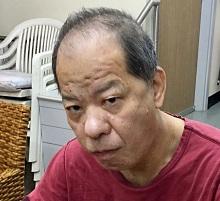
Appeal for information on missing man in Cheung Sha Wan (with photo)

         Police today (March 20) appealed to the public for information on a man who went missing in Cheung Sha Wan.
                            
          Kwok Wai-hung, aged 64, went missing after last seen in Lei Cheng Uk Estate on March 12 night. His family member made a report to Police yesterday (March 19).
                            
          He is about 1.7 metres tall, 64 kilograms in weight and of medium build. He has a long face with yellow complexion, short grey hair. He was last seen wearing a black jacket, black trousers, and sports shoes in dark grey color.

          Anyone who knows the whereabouts of the missing man or may have seen him is urged to contact the Regional Missing Person Unit of Kowloon West on 3661 8038 or 9383 9622, or email to rmpu-kw-2@police.gov.hk, or contact any police station.

Photo  


DGTI attends WTO Informal Ministerial Gathering in India

     The Director-General of Trade and Industry, Ms Salina Yan, attended the World Trade Organization (WTO) Informal Ministerial Gathering in New Delhi, India, today (March 20, New Delhi time).
 
     At the gathering, attendees discussed the high-level guidance required to take forward negotiations under the WTO and systemic challenges currently facing the WTO. They also shared their views on the way forward on development issues.
 
     Speaking at the gathering, Ms Yan called on Members to exercise political will to preserve the key functioning and credibility of the WTO. “Members should take a balanced and progressive approach in order to make progress and pave way for substantive outcomes at the next Ministerial Conference. Specifically, negotiations and other discussions should proceed on parallel tracks to bring unfinished businesses to fruition and to pursue other initiatives that can reinvigorate the WTO,” Ms Yan said.
 
     She pointed out that flexibility and pragmatism are keys to success in the process. “We will play our part to ensure that the process to take the initiatives forward is open and inclusive while developing building blocks for an ultimate multilateral outcome.” she added.
 
     On systemic challenges facing the WTO, one urgent issue that must be resolved without further delay is the filling of vacancies in the Appellate Body, she said, adding that the prolonged impasse over the selection process is threatening the proper functioning of the WTO’s dispute settlement system.
 
     Ms Yan also raised concerns about the systemic risks brought about by protectionist threats that could dampen global economic growth and unilateral moves that could undermine WTO’s rules and commitments that seek to uphold the fundamental principles of non-discrimination, transparency and predictability.
 
     “As a free trade practitioner and staunch supporter of the multilateral trading system, we urge WTO Members to honour their commitments and act within the WTO framework. In this light, we have stated our position clearly on the measures recently announced by the United States,” Ms Yan said.


Speech: Ruling the Waves: How to fight flooding in the 21st Century

A few weeks ago I visited the village of Sea Palling on the Norfolk coast. It was my first time there, and yet when we turned the corner and I saw an old row of houses just behind the huge sand dunes that lead to the beach, I had a moment of powerful déjà vu. I had seen this place before.

And then I remembered where: in a documentary about the great floods of 1953, when an East Coast storm surge swept down the North Sea and killed over 300 people in Britain. In Sea Palling seven members of the same family died. The documentary I had seen contained a deeply moving moment in which one man, only a boy in 1953, told of the loss of his family in that row of houses at Sea Palling on that terrible day.

So let us never get too romantic about the sea or our rivers: beautiful they are, and we must cherish and protect them, but when they rise up, they flood. And floods kill.

The story so far: fifty years of astonishing successes.

We have come a long way since that dreadful night back in 1953. Those floods were a wake up call for the country.

In 1953 our flood defences were still primitive and incomplete. The great storm led directly to the construction of the Thames Barrier which today keeps London safe round the clock, and to the building of many other permanent flood defences up and down the country with a much higher standard of protection than ever before. Almost every day in this country, when rivers and tides rise, rain falls and storms blow, thousands of people sleep safely, unaware that they are being protected from flooding by those defences.

In 1953, most people died because there was no system to warn them of the approaching storm surge. Today there is such a system: together with the Met Office, the Environment Agency runs a cutting-edge flood forecasting service that produces a daily forecast of flood risk for the coming five days for ourselves, the emergency services and local authorities. And when flood does threaten, from rivers or the sea, we warn people in the communities concerned, giving them vital hours in which to act.

Since the last big floods in 2015 we have further upgraded our response capability. The Environment Agency now has over 6,500 staff trained and ready to deploy to help protect communities when floods threaten; 40km of temporary flood defences, 250 mobile pumps, 500,000 sandbags, 4 Incident Control Vehicles, and drones with real time video. We have built stronger partnerships for incident management, including with the army, with whom we train regularly for the next big flood event. And we have a new philosophy: Think Big, Act Early, Be Visible. That means that we are now deploying more people, more quickly, to more flood incidents than we have ever done before.

I want to recognise today our great partners – the emergency services, the local authorities, the community volunteer groups and the armed forces, who make our country better protected in the face of the flood. And I want to recognise Environment Agency staff themselves, often the unsung heroes when floods hit, who will always go the extra mile for the people and communities we serve.

As we have strengthened our capacity to cope with flooding incidents, we have also continued to build new schemes designed to reduce the risk of floods happening. The government is investing £2.6bn in flood and coastal erosion risk management projects between 2015 and 2021, most of them led and delivered by the Environment Agency. By 2021, 300,000 homes will be better protected.

So as we reflect on how far we have come since 1953, the first thing we should do is celebrate our successes. And then we should sit down and rethink flood defence from first principles. Because what works so well now – and has done in the past – may not be enough in the future. Over the next fifty years, if we are going to give our country the best possible protection against flooding, we are going to need a different approach.

The future: why we need a new approach

Why is that? Let me start with some inconvenient truths:

Inconvenient truth #1: flooding will continue to happen. While we are much better protected now than we were in 1953, we still can’t protect everyone, everywhere, all the time – and in a country like Britain it is unlikely that we will ever be able to do so.

We are an exposed island in a stormy North Sea, subject to big coastal surges. We have a lot of rivers and a lot of coastline: in England, the Environment Agency manages flood risk on over 36,000 km of river and 9,000km of raised defences on the coast and inland. And as you may have noticed, it rains rather a lot in this country.

So while we can reduce the risks of flooding, we will never eliminate them. This is not a popular thing to say, in particular to those who are at risk. But we have to deal with the world as it is not as we would like it to be. And if people are at risk, it’s our duty to tell them – and work with them to reduce that risk to the minimum.

Inconvenient truth #2: the risks are rising. Climate change is driving more extreme weather. By the end of this century, sea level around Britain may have risen by a metre or more. We will be experiencing more violent storms and bigger rainfalls. All that means a greater risk of more, and bigger, floods. Meanwhile development and a rising population means more people will be in harm’s way. Most people in this country already live in cities, and by the end of the century both the proportion and the total numbers of city dwellers will be even higher. And most of our towns and cities are situated on rivers or the coast. So where most of the people live is where most of the risks are.

Inconvenient truth #3: it’s not just the risks that are rising – the costs of mitigating those risks are also rising. Schemes designed to protect against more extreme rainfall and higher tides will tend to cost more than those which protect us against lesser risks. And flood defences aren’t a one time investment – they need looking after. As we add more defences to our existing schemes, and those schemes start to age, the cost of maintaining all the schemes we have will also rise. The investment is worth it – for every £1 we spend on a flood defence scheme, we usually get back £10 or more of benefits in terms of the costs of damages avoided. But it is a lot of investment, and there are many other calls on public money.

The future: less concrete, more resilience

So how should we deal with these challenges?

More concrete – simply building our flood defences higher and higher – is not the answer. Or rather, it is not enough on its own. There will be places where it does make sense to invest in classic hard defences: the Thames Barrier, for example, will probably need to be replaced by another Barrier, with the associated flood walls, some time after 2070. And there will still be a role for concrete, and other hard defences, as part of many schemes: the successful Pickering scheme, for example, relies both on “soft” natural flood management measures like wood dams and a hard flood storage basin to slow the flow of water down towards the town.

But in the face of the rising risks and costs, it won’t make sense to go on building ever taller, stronger and more expensive concrete defences as the default solution to flood risk. The engineering won’t work. And the humans won’t put up with it: you can only build a wall so high before people stop wanting to live behind it.

The future: some principles to guide the debate

So what is the right formula for managing flood risk over the next 50 or so years? I don’t want to lay out all the answers myself, partly because I don’t have all the answers, but mostly because I want us to develop those answers collectively. Today I want to issue an invitation to all of you, and the organisations you represent, to contribute to this debate.

But while I don’t want to tell you the answer right now, I do want to suggest some principles that might help guide us towards it; and to identify the sorts of questions we should be asking ourselves.

So, three principles for how to manage flood and coastal erosion risk in the future:

First, do it together. Everyone needs to help meet this challenge: government, the Environment Agency, businesses, NGOs, local authorities, the emergency responders, communities, insurance companies, individual householders. All of us have a role to play, including anyone and everyone who lives in an area of flood risk.
Many people will say that managing flood risk is the government’s responsibility or the Environment Agency’s responsibility; not theirs. I say that it’s everyone’s responsibility: if you live in an area of flood risk, you need to take some responsibility yourself. You should know whether you are at risk, you should know what you can do to reduce the risk, and you should take the action that you can. The Environment Agency helps make that possible by publishing comprehensive flood maps and guidance for every householder, which will allow you at the click of a mouse to find out whether you are at risk and how to better protect yourself.

There are many people and communities across England who already do take precisely this approach, many of whom are with us today. I want to salute them, to thank them, and to encourage them to help make more people safer by sharing with other communities the action they’ve taken and the benefits this has brought.

Second principle for reducing flood risk in future: push all the buttons. We have traditionally concentrated on hard flood defences. In future we will need to do more to reduce the risk before any water hits a flood wall; and more to make us more resilient when it comes over the wall – which it sometimes will. That means working more upstream to reduce the risk of flooding ever happening, and more downstream to ensure that when flooding does occur communities suffer minimum damage and recover with maximum speed.

And that means taking all the actions available to us. We will need to:

  • Prevent people and property being put at flood risk in the first place. There are many things we can do here. One is to ensure the right land use planning. The Environment Agency is a statutory consultee on all major development schemes. We have good relationships with the local planning authorities, and they take our advice 97% of the time. That’s good, but 100% would be even better. Another powerful intervention we can make is to help farmers farm in ways that don’t increase, and preferably reduce, flood risk. The government’s proposal that after we leave the EU we will have an agricultural policy that pays farmers public money for public goods, including reducing flood risk, is a great opportunity here.

  • Protect communities at risk with a more flexible mix of hard defences (flood walls, sea defences) and soft solutions such as natural flood management.

  • Respond even quicker and better when floods threaten, by continuing to improve our preparations, forecasting, warning and managing incidents.

  • Recover more quickly after a flood, repairing the damage, restoring the infrastructure and rebooting the local economy.

  • Adapt our homes, businesses and cities so that we reduce the damage that floods can do, making our homes, businesses, infrastructure and services more resilient.

  • Accept that there will be some flooding of land and some coastal erosion. We will need to make more space on land for flood water, otherwise much of it will end up in people’s homes. And on the coast, while we will want to hold the line against erosion wherever that is possible, affordable and desirable, we have to recognise that in places it won’t be. So where there is no realistic prospect of stopping coastal erosion we will need to continue to pursue managed retreat.

The future: asking the hard questions

Third and final principle: think the unthinkable. If we are going to do the best we can for the communities we serve, we need to ask the tough questions:

How much flooding is the country really prepared to tolerate, and (another way to ask the same question) how much is it prepared to invest to reduce the risk?

I sometimes hear the argument that the Dutch take flooding seriously and we don’t, that they have made their country flood-proof and we should too. I have huge respect for the Dutch, and I do think there is much that we can learn from them. But England is not the Netherlands. The Dutch spend roughly the same as the UK on flood and coastal risk management, and nearly three times as much as we do as a proportion of their GDP. But their flood risk is existential: 2/3rds of their country’s GDP is below sea level and if the sea defences breach, much of their country will flood, so they simply cannot allow that to happen. And the level of protection they have is achievable and affordable because of the scale on which they are operating: the whole Dutch coastline is only the length of Essex’s.

What is it exactly that we are trying to protect? Our current policy focuses on protecting houses. That’s an approach which everyone will understand and support. But the consequence is that most investment in flood defence currently goes to towns not rural communities, and that we don’t focus as much on protecting other assets – infrastructure, utilities, farmland. Should we change that? If so, how should we weight the balance in future?

Who pays for flood defence? At the moment the bulk of the money that goes into flood risk management comes from the government, which means the taxpayer. Some argue that this is unfair, because it means that people who don’t live in an area of flood risk are effectively subsidising those who do; and bad policy, because it effectively incentivises people to stay in areas of flood risk when we should be incentivising them to leave; and that therefore people who choose to live in an area of flood risk should pay for their own flood defence.
Personally, I don’t agree with that: I think that we are all citizens of this country, and we all have a duty to support each other in the face of whatever threats different communities face. The argument also fails to recognise that flood defences benefit those outside the flood plain as well as those in it, because they prevent the economic harm caused by flooding, which affects the country as a whole.

Where I do think the iconclasts have a point is in saying that the government should not bear all or most of the funding burden of protecting the country from flood.

Businesses, for example, benefit hugely from flood risk alleviation schemes, even though they normally don’t pay for them. If you are a big supermarket, your business model depends on your customers being able to get to you and being able to keep your lights and refrigeration on. If the roads are flooded and the power is out neither of those things are possible. So I do think we should be asking businesses, and others who benefit directly or indirectly from flood defence schemes, to contribute to their funding.

The more funding that others – businesses, local authorities, community groups, NGOs – can contribute to the cost of flood defences, the more money we’ll have and the better our defences will be. And the more funders we have for a flood scheme, the greater the local ownership, the higher the levels of engagement in helping design the scheme, and the better the final result.

One more question to reflect on: in future, do we want to defend every inhabited location, or should we consider permanently moving some communities which are at the highest risk? There are places on the coast and on some of our major rivers which are already costing millions of pounds a year to defend, and those costs will only rise over the coming decades. Some argue that it would be cheaper and safer to move the houses and the people than to carry on defending them where they are. I’m not saying we should do that: I know how important place and community are to people. I am saying we should be prepared to have the debate.

So here’s my core message: our country is better protected now than ever against flooding; but 20th century methods won’t suffice for the 21st century challenges; which means that to meet those challenges, we will need to develop a different approach to flood defence in this country, building on all that we have already achieved.
We in the Environment Agency will be doing some hard thinking of our own on the future, in the new National Flood and Coastal Erosion Risk Management Strategy which we are now developing. In drawing this up we will want to consult the widest possible set of stakeholders.

So let’s look for the answers together, and let’s not be afraid to ask ourselves the difficult questions. That might be uncomfortable. But we owe it to future generations. And we owe it to the lost citizens of Sea Palling.