Press release: £16 million Teesside flood scheme complete

  • New £16 million scheme better protects 350 homes and 32 businesses
  • Almost 50 hectares of new habitat created for local wildlife
  • Designed to last 50 years taking climate change into account

Costing almost £16million, the Port Clarence and Greatham South project has increased flood protection to Port Clarence residents from the River Tees and Greatham Creek while also creating new habitat the size of over 90 football pitches for local wildlife.

The Environment Agency joined forces with local industry to build the scheme with multinational company SABIC UK contributing some of the funding and INOVYN ChlorVinyls offering land to allow the creation of the new habitat.

Throughout the project the Environment Agency has worked closely with the RSPB and Natural England to create a scheme which maximises benefits for the internationally designated habitat which includes rare birds as well as seals. The new habitats also feature both a brand new bird hide and seal hide to give nature-lovers a close-up view of these stunning local species.

Combined with flood defences that were completed at Port Clarence in 2015, the project reduces the risk of flooding to 350 homes and 32 businesses in Port Clarence and the Seal Sands Industrial Complex.

Port Clarence and Greatham South Flood Alleviation Scheme

The project therefore helps keep the local community safe from events like the 2013 floods while also providing stability for jobs and industry and safeguarding the future of the natural habitat in the Tees Estuary.

Environment Minister Thérèse Coffey said:

When I visited Teesside in 2017 I was able to speak with the local industry representatives, the Environment Agency and the RSPB about the plans for this new flood defence scheme.

I am delighted it is now open, better protecting hundreds of homes and businesses, helping the local economy and enhancing the natural environment by creating an important new habitat for wildlife and birds.

This £16 million scheme forms part of the government’s commitment to better protect 300,000 thousand homes from flooding. We are investing over £2.3 billion across the country – boosting our resilience as a nation, helping our communities to grow and prosper.

Sir James Bevan, Chief Executive of the Environment Agency, said:

Floods destroy lives and livelihoods. This project is a perfect example of how flood schemes can benefit everyone: communities, businesses and wildlife. We have worked closely with our partners to design a scheme which will provide better flood protection for years to come whilst also helping bird and seal populations to thrive.

This forms part of our commitment to invest over £75million on flood defences across the north-east of England between 2015 and 2021, better protecting thousands of homes and businesses.

The first phase of the project, which saw new flood defences built at Port Clarence to reduce flood risk from the River Tees, was finished in December 2015.

Phase two saw the Environment Agency raise existing flood embankments along Greatham Creek, to reduce the flood risk to Port Clarence and land which is south of the Creek.

They also built new flood defences to the north of RSPB Saltholme Nature Reserve, and breached the old flood defence to allow the new area to fill up with water, creating more than 36 hectares of new inter-tidal habitat. In addition, 12 hectares of freshwater habitat was also created as part of the project.

Chris Francis, Senior Site Manager at RSPB Saltholme, said:

Over the years much of the valuable natural habitat of Tees Estuary has been lost to industry and agriculture. The breaching of the old flood defence means that a large area will be reconnected to the estuary and will eventually return to its natural saltmarsh habitat, which will provide an important feeding ground for many wading birds and wildfowl, especially during the winter months.

Notes to editors

Contractors BMMJV (BAM Nuttall and Mott MacDonald Joint Venture) carried out the work on behalf of the Environment Agency.

Phase 1 of the scheme saw new flood defences built in Port Clarence, consisting of a mixture of earth embankments, flood walls, and a raised section of the road on the approach to the Transporter Bridge.

In addition, the Environment Agency worked together with local business Wilton Engineering to install removable steel flood defences along the River Tees to improve flood protection while still allowing Wilton to operate from the river.

Press release: £16 million Teesside flood scheme complete

  • New £16 million scheme better protects 350 homes and 32 businesses
  • Almost 50 hectares of new habitat created for local wildlife
  • Designed to last 50 years taking climate change into account

Costing almost £16million, the Port Clarence and Greatham South project has increased flood protection to Port Clarence residents from the River Tees and Greatham Creek while also creating new habitat the size of over 90 football pitches for local wildlife.

The Environment Agency joined forces with local industry to build the scheme with multinational company SABIC UK contributing some of the funding and INOVYN ChlorVinyls offering land to allow the creation of the new habitat.

Throughout the project the Environment Agency has worked closely with the RSPB and Natural England to create a scheme which maximises benefits for the internationally designated habitat which includes rare birds as well as seals. The new habitats also feature both a brand new bird hide and seal hide to give nature-lovers a close-up view of these stunning local species.

Combined with flood defences that were completed at Port Clarence in 2015, the project reduces the risk of flooding to 350 homes and 32 businesses in Port Clarence and the Seal Sands Industrial Complex.

Port Clarence and Greatham South Flood Alleviation Scheme

The project therefore helps keep the local community safe from events like the 2013 floods while also providing stability for jobs and industry and safeguarding the future of the natural habitat in the Tees Estuary.

Environment Minister Thérèse Coffey said:

When I visited Teesside in 2017 I was able to speak with the local industry representatives, the Environment Agency and the RSPB about the plans for this new flood defence scheme.

I am delighted it is now open, better protecting hundreds of homes and businesses, helping the local economy and enhancing the natural environment by creating an important new habitat for wildlife and birds.

This £16 million scheme forms part of the government’s commitment to better protect 300,000 thousand homes from flooding. We are investing over £2.3 billion across the country – boosting our resilience as a nation, helping our communities to grow and prosper.

Sir James Bevan, Chief Executive of the Environment Agency, said:

Floods destroy lives and livelihoods. This project is a perfect example of how flood schemes can benefit everyone: communities, businesses and wildlife. We have worked closely with our partners to design a scheme which will provide better flood protection for years to come whilst also helping bird and seal populations to thrive.

This forms part of our commitment to invest over £75million on flood defences across the north-east of England between 2015 and 2021, better protecting thousands of homes and businesses.

The first phase of the project, which saw new flood defences built at Port Clarence to reduce flood risk from the River Tees, was finished in December 2015.

Phase two saw the Environment Agency raise existing flood embankments along Greatham Creek, to reduce the flood risk to Port Clarence and land which is south of the Creek.

They also built new flood defences to the north of RSPB Saltholme Nature Reserve, and breached the old flood defence to allow the new area to fill up with water, creating more than 36 hectares of new inter-tidal habitat. In addition, 12 hectares of freshwater habitat was also created as part of the project.

Chris Francis, Senior Site Manager at RSPB Saltholme, said:

Over the years much of the valuable natural habitat of Tees Estuary has been lost to industry and agriculture. The breaching of the old flood defence means that a large area will be reconnected to the estuary and will eventually return to its natural saltmarsh habitat, which will provide an important feeding ground for many wading birds and wildfowl, especially during the winter months.

Notes to editors

Contractors BMMJV (BAM Nuttall and Mott MacDonald Joint Venture) carried out the work on behalf of the Environment Agency.

Phase 1 of the scheme saw new flood defences built in Port Clarence, consisting of a mixture of earth embankments, flood walls, and a raised section of the road on the approach to the Transporter Bridge.

In addition, the Environment Agency worked together with local business Wilton Engineering to install removable steel flood defences along the River Tees to improve flood protection while still allowing Wilton to operate from the river.


News story: North Star report and flyer published

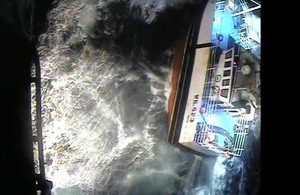
Fishing vessel North Star
Image courtesy of MCA

MAIB’s report on a man overboard from the fishing vessel North Star on 5 February 2018 with the loss of 1 life, is now published.

The report contains details of what happened, the subsequent actions taken and recommendations made: read more.

A safety flyer to the fishing industry summarising the accident and detailing the safety lessons learned, has also been produced.

Published 8 November 2018


Press release: UK aid to protect 7,000 Commonwealth veterans of the British Armed Forces from extreme poverty

Over 7,000 veterans of the Commonwealth who served the British Armed Forces will receive two meals a day through UK aid, International Development Secretary Penny Mordaunt confirmed today.

The programme will be delivered through the Royal Commonwealth Ex-Services League, a charity which has been supporting those such veterans who served The British Crown for almost 100 years.

Joseph Hammond, 91, a Commonwealth veteran from Ghana who fought for Britain in Burma during WWII

The new Department for International Development (DFID) programme will provide regular cash transfers to Commonwealth veterans and their widows and widowers in more than 30 countries to prevent them from going hungry.

Secretary of State for International Development Penny Mordaunt said:

We owe a tremendous amount to these Commonwealth Veterans. The British public would be shocked to know that those who have served alongside our Armed Forces would be living in such poverty.

It is absolutely right to make this commitment. I think the British public would approve of us pledging this support because of the sacrifices the Commonwealth Veterans have made and because of the debt of gratitude we owe to them.

Today’s announcement follows a commitment in June by DFID to design a programme to support pre-independence war veterans.

RCEL Deputy Grand President and former Chief of Defence Staff, Lord Richards of Herstmonceux GCB CBE DSO, said:

We owe a great debt to the service men and women of the Commonwealth who served in the British Armed Forces in the Second World War and afterwards prior to their countries’ independence.

This grant will help the RCEL ensure that these brave men and women are sustained and cared for in their twilight years. As important, it will let them know that they have not been forgotten and their service and sacrifice is remembered.

Without this support, the 4,500 veterans and 2,500 widows would be unable to secure the equivalent of one-meal-a-day. UK aid will mean that those who served in the British Armed Forces across the Commonwealth pre-independence will not live their later years in poverty.

Some of the veterans eligible for support through UK aid include:

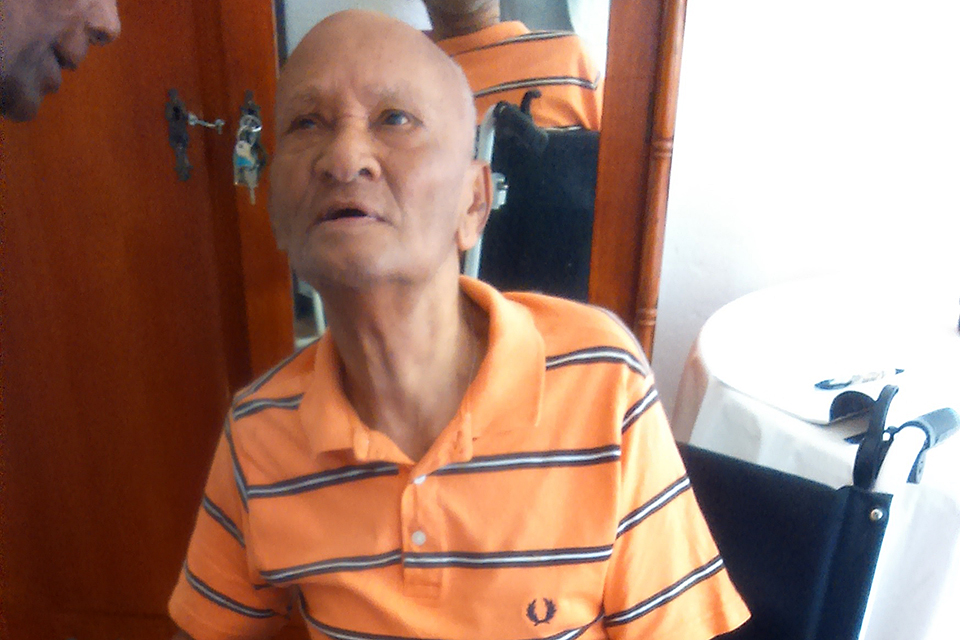
90-year-old Luc Pierre Achille, from Mauritius, who served in Egypt and Libya with the Pioneer Corps as a firefighter.

90-year-old Luc Pierre Achille. Image: RCEL

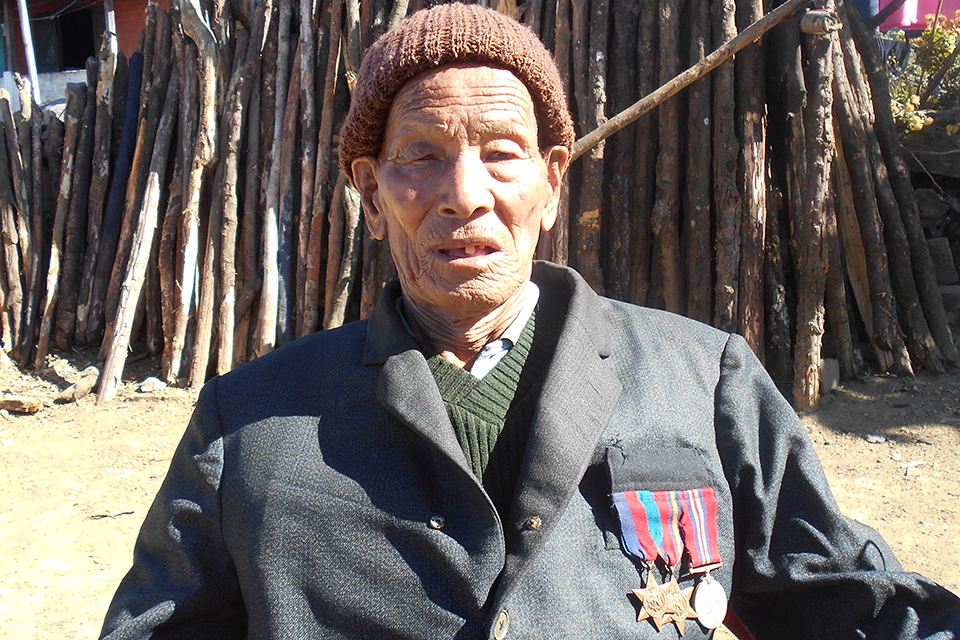
95-year-old Sepoy Penhungo Egung, pictured at his home in Nagaland, North India. Sepoy fought in Kohima and Burma during World War Two.

95-year-old Sepoy Penhungo Egung. Image: RCEL

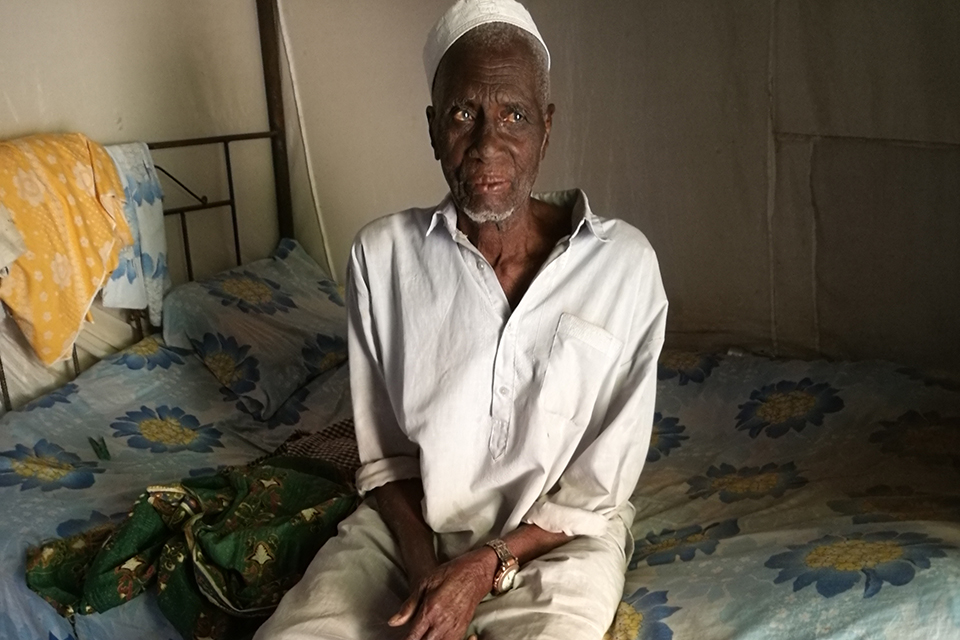
99-year-old Boto Marong, pictured at his home in The Gambia, served in the Royal Army Medical Corps as a medic in Burma from 1942-47.

99-year-old Boto Marong, pictured at his home in The Gambia. Image: RCEL

85-year-old Bakoto Jobe, pictured at her home in The Gambia. Bakoto’s husband was a corporal in the First Gambia Regiment who fought in Burma.

85-year-old Bakoto Jobe, pictured at her home in The Gambia. Image: RCEL

Notes to editors

  • The package, worth £11.8 million, will be awarded to the Royal Commonwealth Ex-Services League through UK Aid Direct. UK Aid Direct supports small- and medium-sized Civil Society Organisations and charities, based in the UK and overseas, to achieve sustained poverty reduction and to achieve the Sustainable Development Goals.
  • The Royal Commonwealth Ex-Services League (RCEL) was established in 1921 as a charity to provide support to those who served The British Crown during The Great War. Over the last century RCEL has continued to support veterans who served in the British Armed Forces and their widows from Commonwealth Nations prior to their country’s independence. All those supported are resident in their country of origin and living in poverty.
  • The welfare of Commonwealth veterans was previously provided for through grants from LIBOR grants, a means through which the UK government re-directs fines levied for financial manipulation of the LIBOR rate to worthwhile causes. LIBOR is the London Inter-bank Offered Rate or the average of interest rates estimated by each of the leading banks in London to borrow from other banks.
  • UK aid will mean the support for veterans is increased from the previous support they received through LIBOR grants and UK service charities, to ensure they receive the equivalent of two-meals-a-day or 2,400 calories (the amount healthy adults should aim to eat everyday) through cash transfers.
  • During the Second World War, an estimated 4.5 million Commonwealth soldiers from the Indian sub-continent, Africa and the Caribbean fought in the British Army for the Allied Forces. Many more Commonwealth soldiers fought in further conflicts.
  • Today, around 14,000 thousand veterans are living across the Commonwealth, with 7,000 veterans and their widows in need of support to meet their basic needs.
  • The programme will run in more than 30 countries eligible for Overseas Development Assistance (ODA): Antigua, Bangladesh, Belize, Botswana, Cameroon, Dominica, Fiji, Gambia, Ghana, Grenada, Guyana, India, Jamaica, Kenya, Lesotho, Malawi, Malaysia, Mauritius, Montserrat, Pakistan, St. Lucia, St. Vincent, Sierra Leone, South Africa, Sri Lanka, Swaziland, Tanzania, Uganda, Zambia and Zimbabwe.
  • The requisite years post-independence Commonwealth veterans are required to have served in the British Armed Forces to remain in the UK varies from unit to unit. The average time served to remain is approximately four years.

ENDS


Press release: UK aid to protect 7,000 Commonwealth veterans of the British Armed Forces from extreme poverty

Over 7,000 veterans of the Commonwealth who served the British Armed Forces will receive two meals a day through UK aid, International Development Secretary Penny Mordaunt confirmed today.

The programme will be delivered through the Royal Commonwealth Ex-Services League, a charity which has been supporting those such veterans who served The British Crown for almost 100 years.

Joseph Hammond, 91, a Commonwealth veteran from Ghana who fought for Britain in Burma during WWII

The new Department for International Development (DFID) programme will provide regular cash transfers to Commonwealth veterans and their widows and widowers in more than 30 countries to prevent them from going hungry.

Secretary of State for International Development Penny Mordaunt said:

We owe a tremendous amount to these Commonwealth Veterans. The British public would be shocked to know that those who have served alongside our Armed Forces would be living in such poverty.

It is absolutely right to make this commitment. I think the British public would approve of us pledging this support because of the sacrifices the Commonwealth Veterans have made and because of the debt of gratitude we owe to them.

Today’s announcement follows a commitment in June by DFID to design a programme to support pre-independence war veterans.

RCEL Deputy Grand President and former Chief of Defence Staff, Lord Richards of Herstmonceux GCB CBE DSO, said:

We owe a great debt to the service men and women of the Commonwealth who served in the British Armed Forces in the Second World War and afterwards prior to their countries’ independence.

This grant will help the RCEL ensure that these brave men and women are sustained and cared for in their twilight years. As important, it will let them know that they have not been forgotten and their service and sacrifice is remembered.

Without this support, the 4,500 veterans and 2,500 widows would be unable to secure the equivalent of one-meal-a-day. UK aid will mean that those who served in the British Armed Forces across the Commonwealth pre-independence will not live their later years in poverty.

Some of the veterans eligible for support through UK aid include:

90-year-old Luc Pierre Achille, from Mauritius, who served in Egypt and Libya with the Pioneer Corps as a firefighter.

90-year-old Luc Pierre Achille, from Mauritius, who served in Egypt and Libya with the Pioneer Corps as a firefighter.
90-year-old Luc Pierre Achille. Image: RCEL

95-year-old Sepoy Penhungo Egung, pictured at his home in Nagaland, North India. Sepoy fought in Kohima and Burma during World War Two.

95-year-old Sepoy Penhungo Egung, pictured at his home in Nagaland, North India. Sepoy fought in Kohima and Burma during World War Two.
95-year-old Sepoy Penhungo Egung. Image: RCEL

99-year-old Boto Marong, pictured at his home in The Gambia, served in the Royal Army Medical Corps as a medic in Burma from 1942-47.

99-year-old Boto Marong, pictured at his home in The Gambia, served in the Royal Army Medical Corps as a medic in Burma from 1942-47.
99-year-old Boto Marong, pictured at his home in The Gambia. Image: RCEL

85-year-old Bakoto Jobe, pictured at her home in The Gambia. Bakoto’s husband was a corporal in the First Gambia Regiment who fought in Burma.

85-year-old Bakoto Jobe, pictured at her home in The Gambia. Bakoto’s husband was a corporal in the First Gambia Regiment who fought in Burma.
85-year-old Bakoto Jobe, pictured at her home in The Gambia. Image: RCEL

Notes to editors

  • The package, worth £11.8 million, will be awarded to the Royal Commonwealth Ex-Services League through UK Aid Direct. UK Aid Direct supports small- and medium-sized Civil Society Organisations and charities, based in the UK and overseas, to achieve sustained poverty reduction and to achieve the Sustainable Development Goals.
  • The Royal Commonwealth Ex-Services League (RCEL) was established in 1921 as a charity to provide support to those who served The British Crown during The Great War. Over the last century RCEL has continued to support veterans who served in the British Armed Forces and their widows from Commonwealth Nations prior to their country’s independence. All those supported are resident in their country of origin and living in poverty.
  • The welfare of Commonwealth veterans was previously provided for through grants from LIBOR grants, a means through which the UK government re-directs fines levied for financial manipulation of the LIBOR rate to worthwhile causes. LIBOR is the London Inter-bank Offered Rate or the average of interest rates estimated by each of the leading banks in London to borrow from other banks.
  • UK aid will mean the support for veterans is increased from the previous support they received through LIBOR grants and UK service charities, to ensure they receive the equivalent of two-meals-a-day or 2,400 calories (the amount healthy adults should aim to eat everyday) through cash transfers.
  • During the Second World War, an estimated 4.5 million Commonwealth soldiers from the Indian sub-continent, Africa and the Caribbean fought in the British Army for the Allied Forces. Many more Commonwealth soldiers fought in further conflicts.
  • Today, around 14,000 thousand veterans are living across the Commonwealth, with 7,000 veterans and their widows in need of support to meet their basic needs.
  • The programme will run in more than 30 countries eligible for Overseas Development Assistance (ODA): Antigua, Bangladesh, Belize, Botswana, Cameroon, Dominica, Fiji, Gambia, Ghana, Grenada, Guyana, India, Jamaica, Kenya, Lesotho, Malawi, Malaysia, Mauritius, Montserrat, Pakistan, St. Lucia, St. Vincent, Sierra Leone, South Africa, Sri Lanka, Swaziland, Tanzania, Uganda, Zambia and Zimbabwe.
  • The requisite years post-independence Commonwealth veterans are required to have served in the British Armed Forces to remain in the UK varies from unit to unit. The average time served to remain is approximately four years.

ENDS

General media queries

Follow the DFID Media office on Twitter – @DFID_Press