Health Bureau responds to inaccurate media report on tobacco control policy

     In response to a report published by Sing Tao Daily on April 3 which quoted individuals' remarks on alternative smoking products (ASPs) and waterpipe tobacco, claiming that tobacco control policies would negatively impact on tourists' perceptions, a spokesman for the Health Bureau (HHB) expressed regret over the inaccurate and misleading content and provided the following response:

     The HHB has fully considered the situation of the tourism sector when formulating the 10 short-term tobacco control measures. These measures will not affect tourists' willingness to visit Hong Kong.

     Regarding ASPs, Hong Kong has prohibited the import of ASPs, including e-cigarettes and heated tobacco products, as well as any related devices, parts, and accessories, since April 2022. Both sale or possession of ASPs for commercial purposes are also illegal, while possession for personal use remains permitted. Therefore, since three years ago tourists have been unable to bring ASPs into Hong Kong or purchase them upon arrival. Three years after the implementation of the ban, not only has the Hong Kong's tourism sector not been adversely affected, in fact, the number of passenger arrivals in Hong Kong in 2024 has restored to pre-pandemic level, with the number of passenger arrivals at land boundary control points exceeding pre-pandemic level. Additionally, Thailand and Singapore have also banned ASPs without any noticeable impact on their tourism numbers. Claims that the Hong Kong Special Administrative Region Government's plan to further prohibit the possession of ASPs would deter tourists totally disregarded the fact that ASPs have already been banned from import (including bringing them into Hong Kong) and sale for three years. The report also omits to explain the fact that tourists are currently unable to bring ASPs into Hong Kong or purchase them upon arrival, misleading both the public and tourists.

     Moreover, ASPs are by no means "harm-reducing" products, as the report suggested. In fact, ASPs have been proven to release various toxic substances that can cause cancer, and damage the nervous and respiratory systems. The World Health Organization has also clearly stated that there is no evidence to suggest that ASPs could help quit smoking. Recently, e-cigarette devices have been used as tools for drug abuse. E-liquid, mixed with drugs such as etomidate (commonly known as "space oil drugs"), a psychoactive substance, can be inserted into e-cigarette devices and heated to generate aerosol for smoking. Young people may become addicted to drugs by smoking e-cigarettes containing "poisonous capsules" without realising it. To prevent harmful products like ASPs from continuing to circulate locally and to tackle the problem of "poisonous capsules" at its root, the HHB has proposed banning the possession of related products.

     As for flavoured tobacco products, the Government has proposed legislation to ban the sale of flavoured conventional smoking products (such as fruit flavours). This aims to counteract the intention of tobacco companies to use flavouring agents to disguise the hazards of tobacco products and attract people to smoke. The Government's proposal is to ban the sale of flavoured conventional smoking products, but not their consumption. Inbound travellers, including tourists, are still permitted to bring into Hong Kong 19 cigarettes duty-free, or declare and pay duty on cigarettes exceeding this quantity under the existing mechanism, regardless of whether the cigarettes are flavoured or not. Therefore, the proposal will not affect tourists visiting Hong Kong.

     The use of flavoured waterpipe tobacco has become increasingly prevalent in recent years. Waterpipe is a smoking device originating from regions including the Middle East, and traditionally is used without added flavour. In order to entice people to smoke, tobacco companies add flavours to waterpipe tobacco and this has led to the growing popularity of waterpipes in other regions as well. In order to prevent tobacco companies to use waterpipe smoking as another means to entice members of the public, in particular women and young people, to become addicted to smoking, the Government's proposal to ban flavours in conventional smoking products will also apply to waterpipe tobacco, with a view to ensuring policy consistency and safeguarding public health.

     In fact, under the Smoking (Public Health) Ordinance (Cap. 371) (Ordinance), conducting a smoking act in a statutory no-smoking area, including indoor areas of bars, is prohibited. Any person engaged in a smoking act in statutory no smoking areas commits an offence. Currently, only about 10 per cent of bars in Hong Kong have outdoor areas where waterpipe tobacco may be smoked legally. The report cited the charter president of the Licensed Bar and Club Association of Hong Kong, Mr Leung Lap-yan, as saying that 30 per cent of bars offer waterpipe tobacco, indicating that many bars are providing waterpipe tobacco in no-smoking areas, which is akin to "collective charcoal burning", and may be suspected of encouraging illegal smoking or violating the restrictions on the sale of tobacco. The Government warns bar operators and venue managers not to assist anyone in violating tobacco control regulations or provide tobacco or waterpipe devices for use in statutory no-smoking areas. The Department of Health will take stringent enforcement actions against such illegal activities and illegal waterpipe smoking activities.

     Meanwhile, promoting illegal indoor smoking is highly irresponsible. As carbon monoxide is produced during the combustion of fuel used in waterpipe (e.g. charcoal), smokers, other customers, and staff will be exposed to an environment of high concentration of carbon monoxide, which may lead to symptoms such as impaired vision, disturbed co-ordination, unconsciousness, and brain damage. Bar operators should consider the health risks of prolonged exposure to second-hand smoke for their employees.

     Moreover, at present, where smoking products (including waterpipe tobacco) are sold, in bars or other premises, the restrictions on the promotion and sale of smoking products stipulated in the Ordinance apply. Offenders are liable on summary conviction to a maximum fine of $50,000. Venue managers of statutory no smoking areas are empowered by the Ordinance to request a smoking offender cease the relevant smoking act. If the offender is not co-operative, the manager may contact the Police for assistance.

     The spokesman for HHB reiterated that tourists and outside talents would consider a variety of factors when deciding to come to Hong Kong, such as overall tourism experience, development opportunities, humanistic literacies, quality of environment. Tobacco control work will not in any way affect the desire of tourists to visit Hong Kong. On the contrary, the work will enable citizens and tourists to enjoy a fresher environment, and also make Hong Kong a healthier and more vibrant city, thereby enhancing the attractiveness to tourists and outside talents, which is also welcomed by most of the general public.
SCST continues visit to Beijing (with photos)

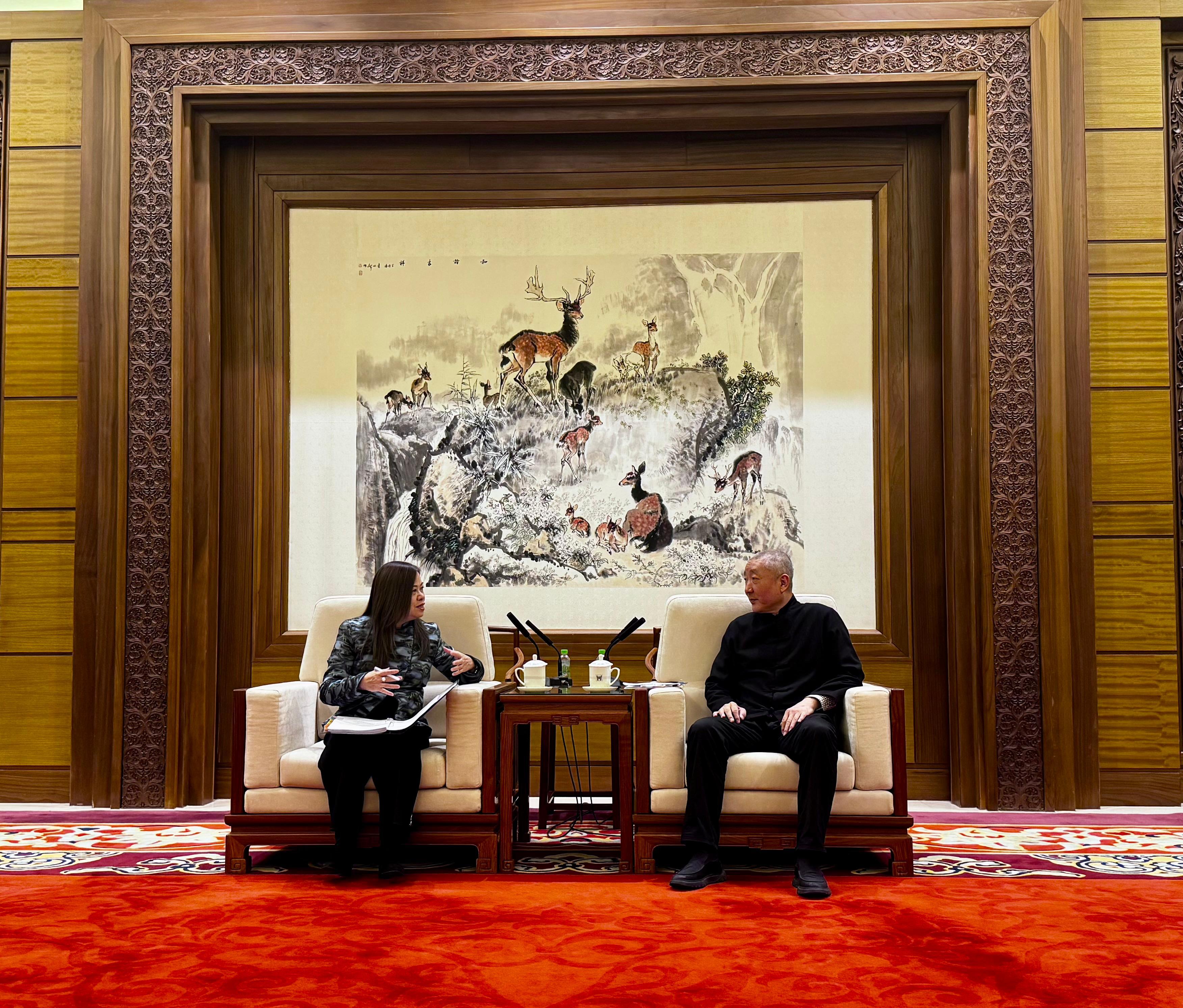
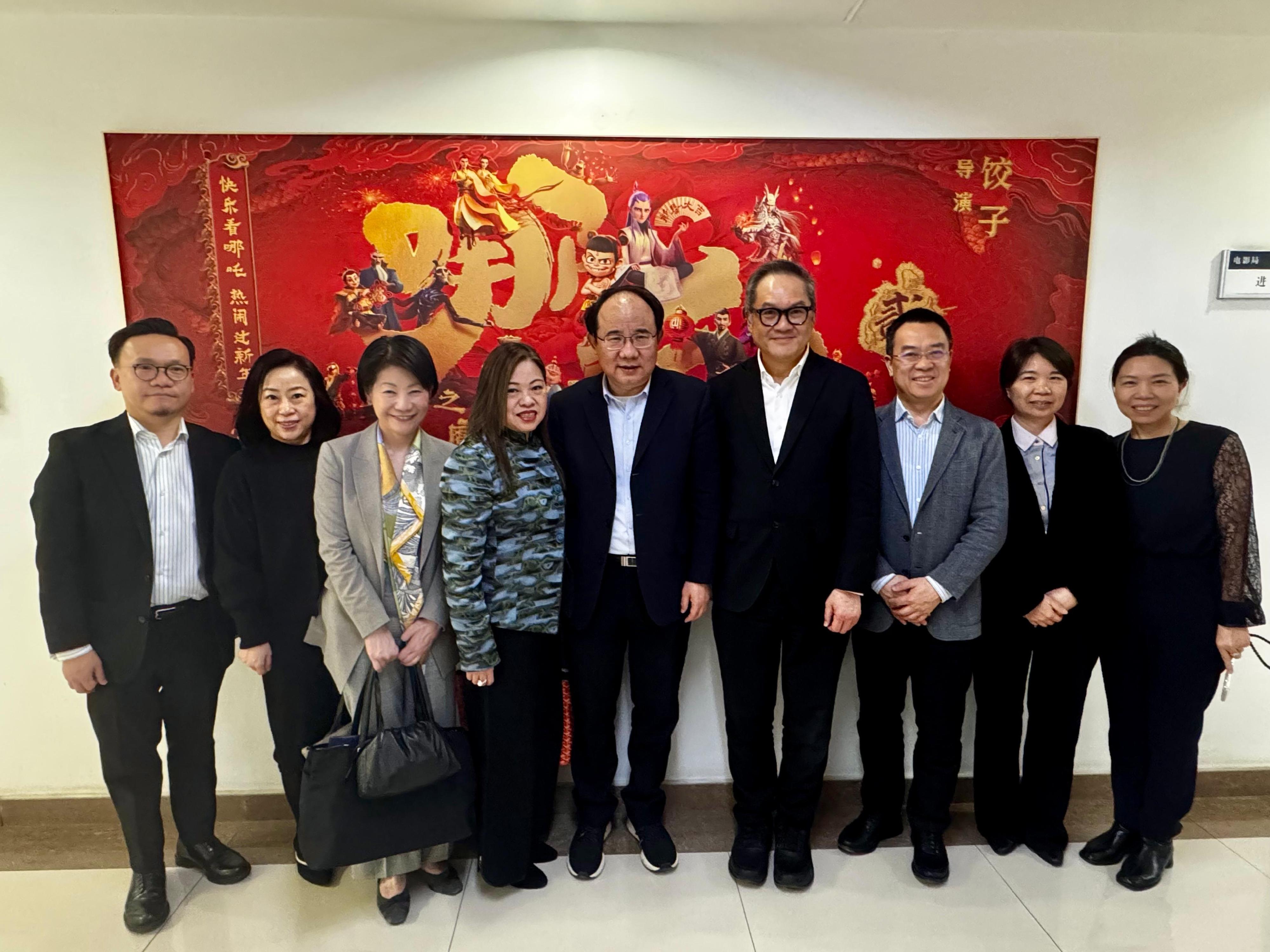
     â€‹The Secretary for Culture, Sports and Tourism, Miss Rosanna Law, and some members of her delegation, continued their visit in Beijing today (April 3). They called on the Ministry of Culture and Tourism, and the China Film Administration.

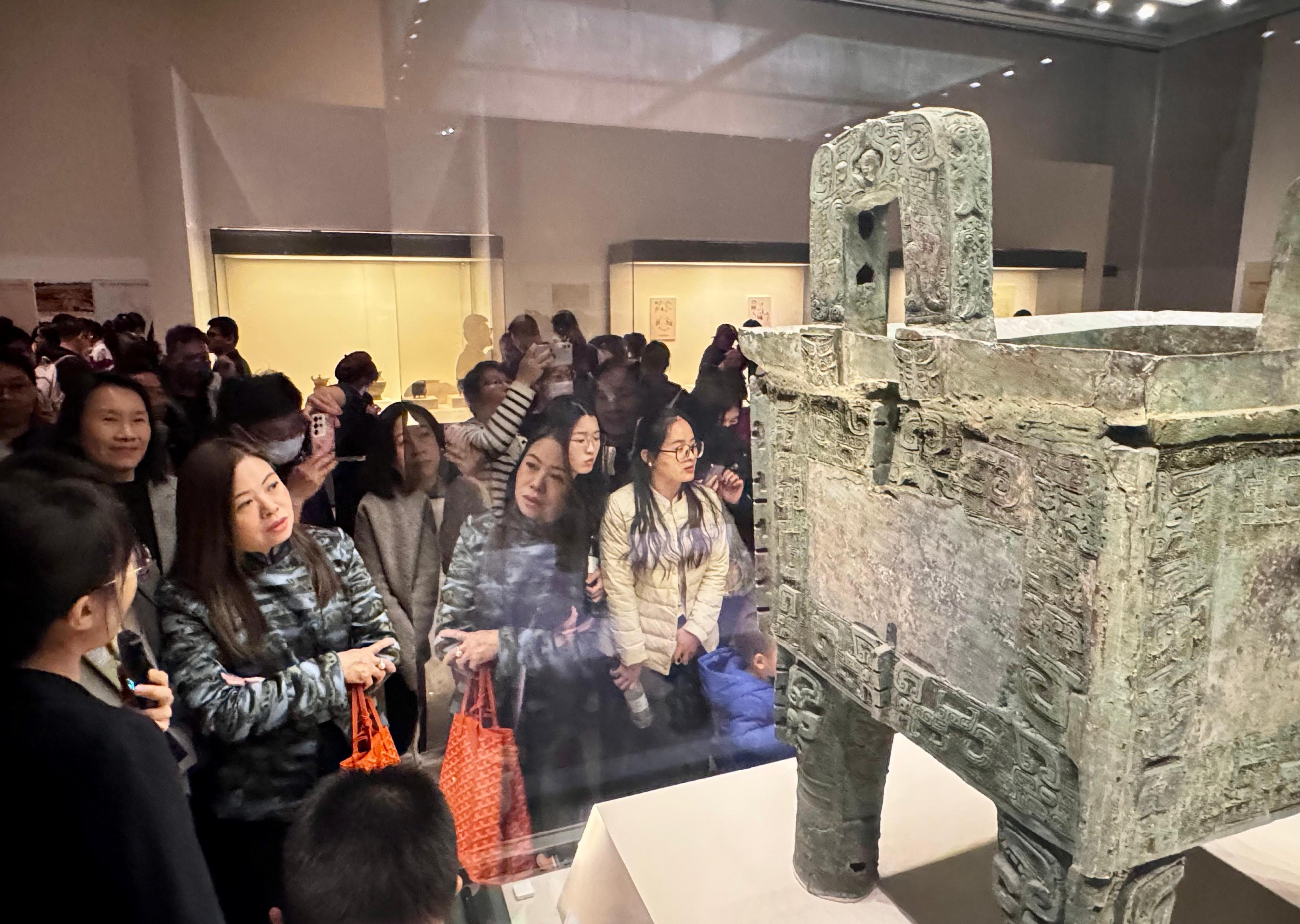
     Miss Law visited "Ancient China" exhibition at the National Museum of China in the morning. Then, she met with the Vice Minister of the Ministry of Culture and Tourism Mr Gao Zheng, and briefed Mr Gao on the preparations for the Asia Cultural Co-Operation Forum 2025. The forum will be held on April 22 and 23 with the theme of "Connect, Create, Engage: Bridging Cultures for all". Miss Law thanked Mr Gao for taking the time to lead the delegation to Hong Kong to participate and was very encouraged by the support of the Ministry of Culture and Tourism and hoped that the forum would become an important platform for promoting cultural co-operation in the Asian regions. Miss Law also said that the National Museum of China showed an example of how to enrich the content of Hong Kong's museums and enhance the museum experience for citizens and visitors to Hong Kong. Mr Gao said that the National Museum of China will fully support and provide professional guidance for the Government of the Hong Kong Special Administrative Region to establish a museum to introduce the country's development and achievements and to prepare exhibitions related to the 80th anniversary of the victory of the Anti-Japanese War.

     In the afternoon, Miss Law met with the Executive Deputy Director-General of the China Film Administration Mr Mao Yu. She sincerely thanked the Central Government for its strong support to Hong Kong and expanded the liberalisation measures to Hong Kong's film industry under the framework of the Agreement on Trade in Services of Mainland and Hong Kong Closer Economic Partnership Arrangement, which has facilitated the Hong Kong film industry entering into the Mainland market. Mr Mao said that there are many outstanding young film talents in Hong Kong, and they can be given more opportunities to develop and participate in film-related activities in the Mainland to broaden their horizons. Miss Law hoped to work with the China Film Administration in the future to promote in-depth exchanges between the film industries of the two places, and jointly foster the high-quality development of Hong Kong and Chinese film industries.

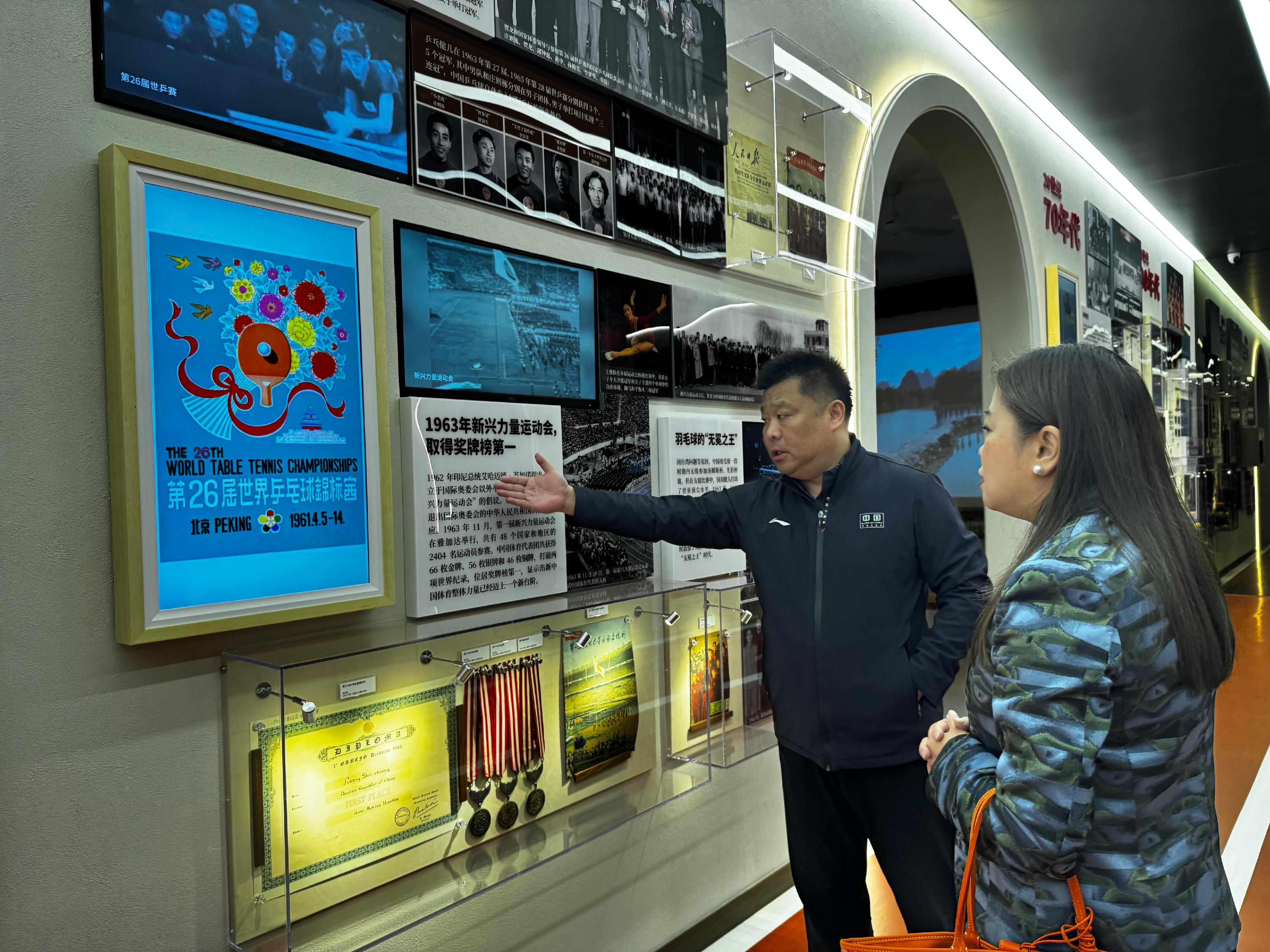
     Miss Law also visited the Hall of Honor of the Training Center of the General Administration of Sport of China and was briefed by the Director of the Training Center of the General Administration of Sport of China, Mr Yang Xinli. Through introducing the stories behind the photos and exhibits, Miss Law learnt about the spirit of resilience and perseverance of the national athletes, as well as their struggles to win honours for the country. Miss Law said these touching stories not only demonstrated the country's significant achievements in sports, but also embodied the national spirit of unity and progress, which are good examples for Hong Kong athletes to learn from.

     Miss Law will return to Hong Kong tomorrow (April 4) noon.

Photo  Photo  Photo  Photo  


Commissioner of Customs and Excise meets Director-General of the Customs Administration of the Netherlands (with photos)

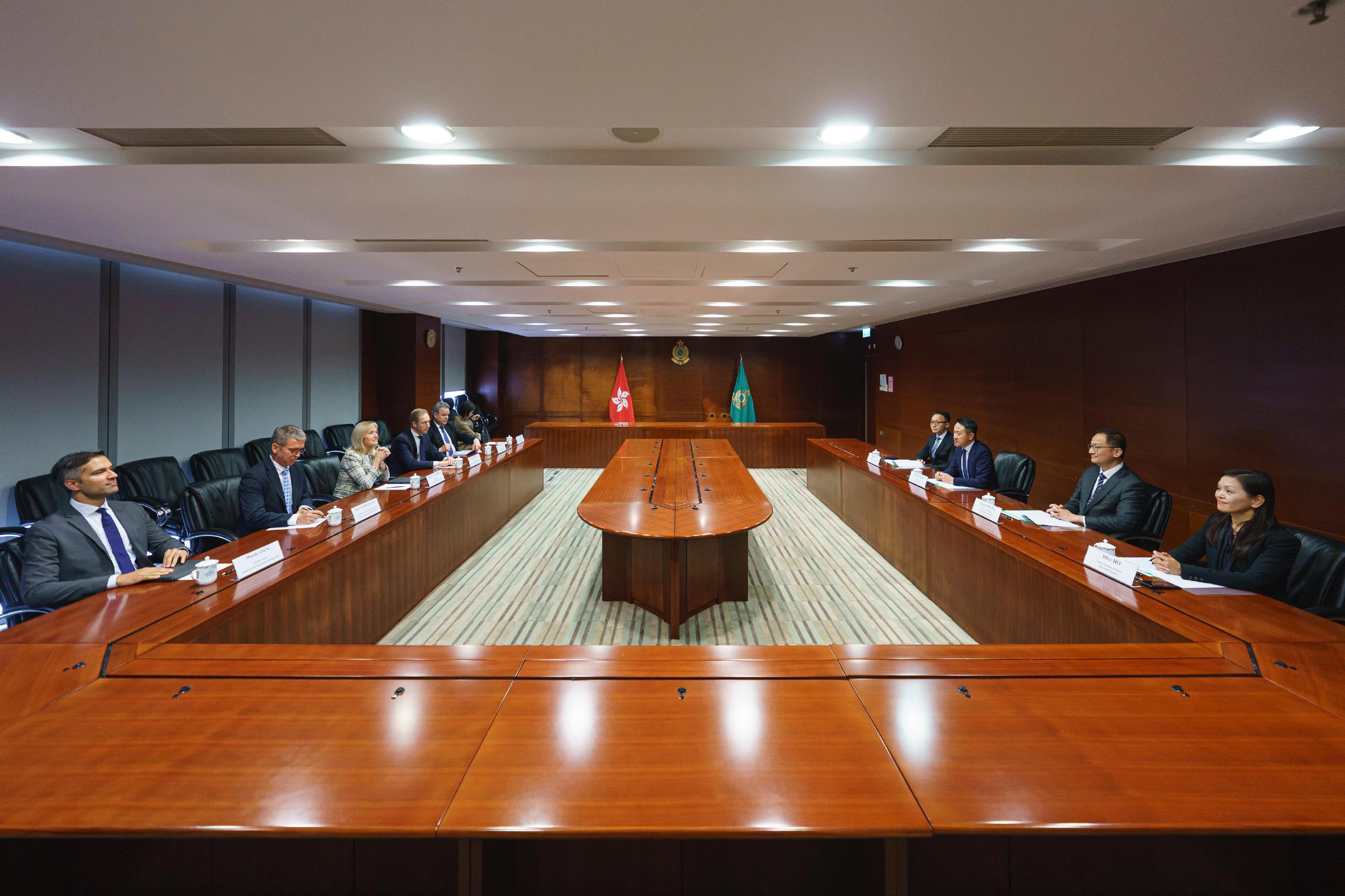
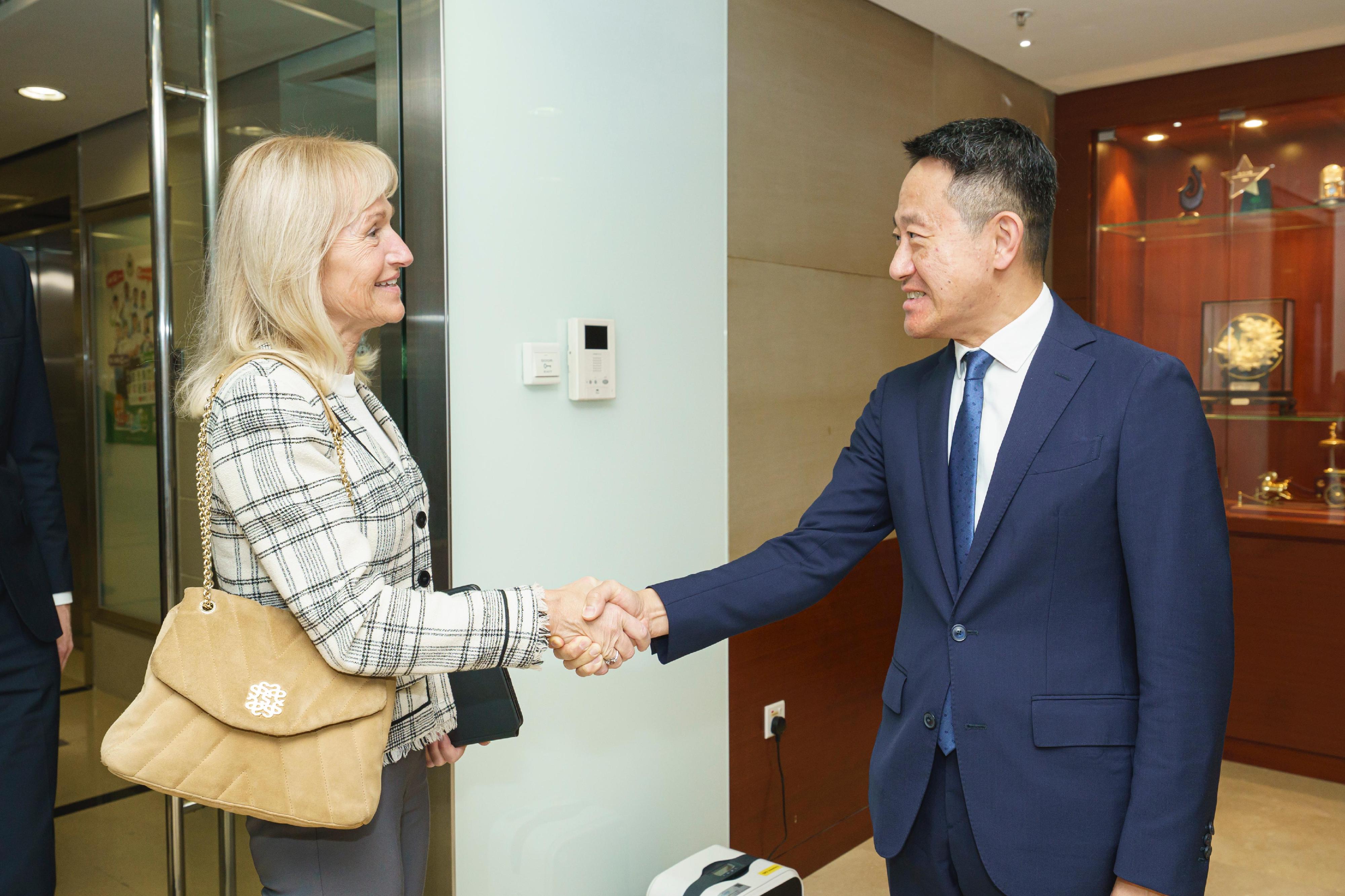
     The Commissioner of Customs and Excise, Mr Chan Tsz-tat, today (April 3) met with the Director-General of the Customs Administration of the Netherlands, Mrs Nanette van Schelven, in the presence of the Consul-General of the Kingdom of the Netherlands in Hong Kong, Mr Maurits ter Kuile, in the Customs Headquarters Building. The meeting aimed to forge closer ties and strengthen collaboration in customs affairs between the two sides.

     During the meeting, both sides reviewed the economic and trade relations between the Netherlands and the Hong Kong Special Administrative Region, as well as the on-going collaborative efforts between the two Customs administrations on customs administrative assistance and enforcement co-operation. They also discussed and exchanged views on trade facilitation and other issues of mutual concern.

     Mr Chan welcomed the visit by Mrs van Schelven and Mr ter Kuile, noting that both Hong Kong and the Netherlands are key players in international trade. He emphasised that maintaining close collaboration between the two sides on customs affairs is crucial for fostering the robust development of international trade and creating more business opportunities for both economies.

     â€‹The Dutch Customs delegation will also visit the customs facilities at the Hong Kong International Airport tomorrow (April 4) to better understand the clearance operation of Hong Kong Customs for air cargoes and air passengers.

Photo  Photo  


HKSAR Government expresses strong disapproval of US’s imposition of so-called reciprocal tariff on products of Hong Kong

     The Government of the Hong Kong Special Administrative Region (HKSAR) today (April 3) expressed strong disapproval of and discontent with the United States (US)'s imposition of the so-called reciprocal tariff as well as its elimination of the duty-free de minimis treatment for and imposition of duty on covered goods from Hong Kong with effect from May 2.

     A spokesman for the HKSAR Government said, "The US's measures are bullying and unreasonable, and grossly inconsistent with the World Trade Organization (WTO) rules, willfully undermining the multilateral trading system which is the cornerstone for international trade. Once again, the HKSAR Government firmly requests the US to withdraw its so-called reciprocal tariff measures."

     The spokesman said that Hong Kong, being a free port, supports and upholds free trade all along. Hong Kong has never imposed any tariffs on imported goods including those from the US. The US's imposition of the so-called reciprocal tariff is illogical. As a separate customs territory under the "one country, two systems" principle, Hong Kong has put in place an effective system for import and export, including the origin certification system, trade declaration and manifest requirements, and has taken robust enforcement actions on this basis. The US's allegation about the imposition of the so-called reciprocal tariff on Hong Kong products due to the risk of transshipment and evasion is ungrounded, fully showing that it is a bullying act for suppressing its competitors.
 
     "In 2023, the US was the third largest trading partner of Hong Kong, with the total merchandise trade value amounting to US$60.3 billion. During the past 10 years, the US has realised a trade surplus of US$271.5 billion with Hong Kong, the largest among its global trading partners. The US's measures are mere unilateral protectionism that harm the interests of all," the spokesman added.
 
     As for the duty-free de minimis treatment for postal items despatched from Hong Kong to the US, the US has been repeatedly changing its policies unilaterally. Hongkong Post has requested the postal administration of the US to promptly clarify the matter and should not cause inconvenience to the public. From now until May 2, Hongkong Post will temporarily maintain postal services to the US but will not collect any so-called tariffs on behalf of the US authorities.

     In sum, the HKSAR Government will continue to closely monitor and assess any unilateral measures of the US that are inconsistent with fair trade and take actions to defend Hong Kong's legitimate interests, including filing of a complaint in accordance with the WTO dispute settlement mechanism.


HKSAR Government holds seminar on learning spirit of “two sessions” (with photos)

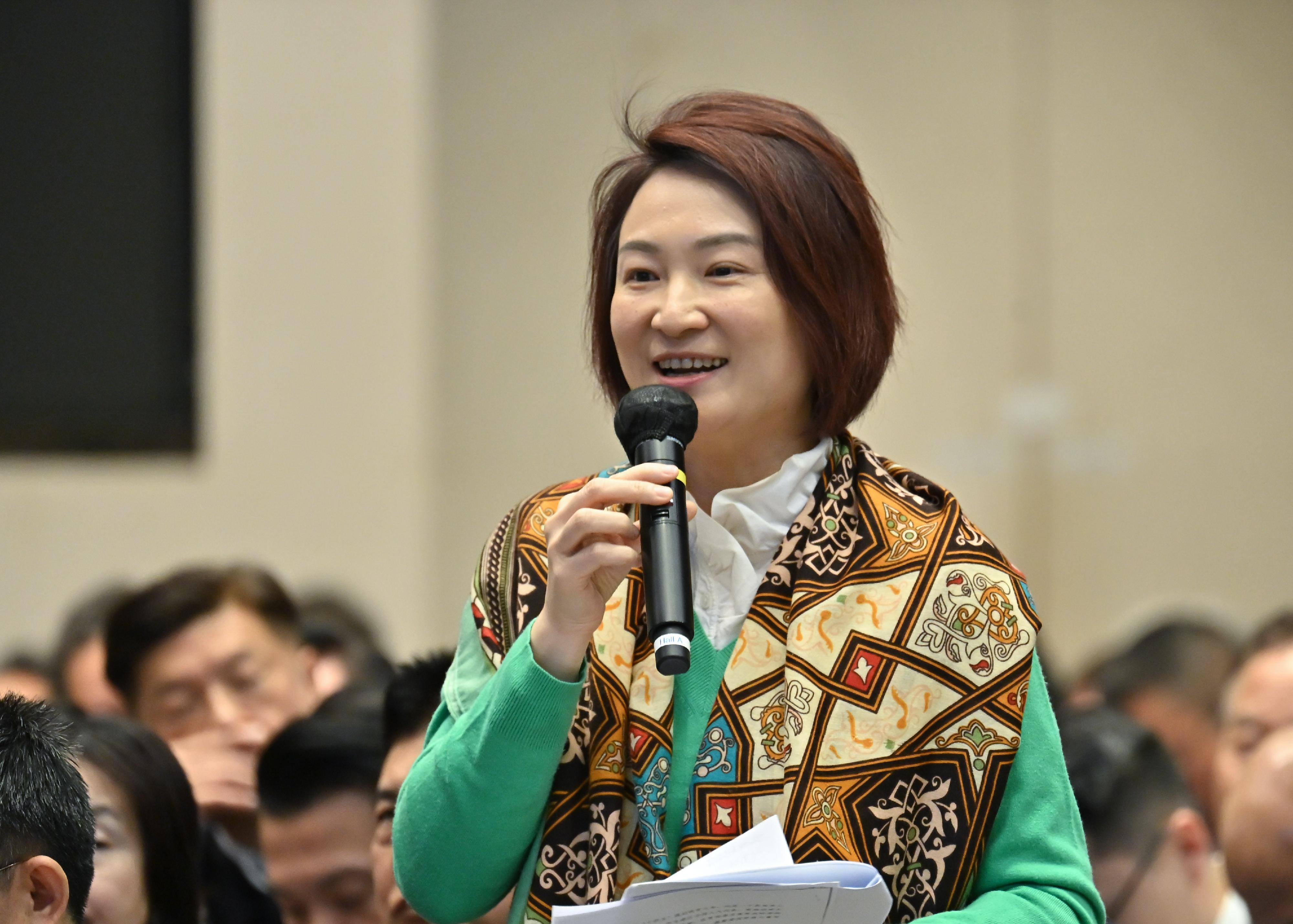
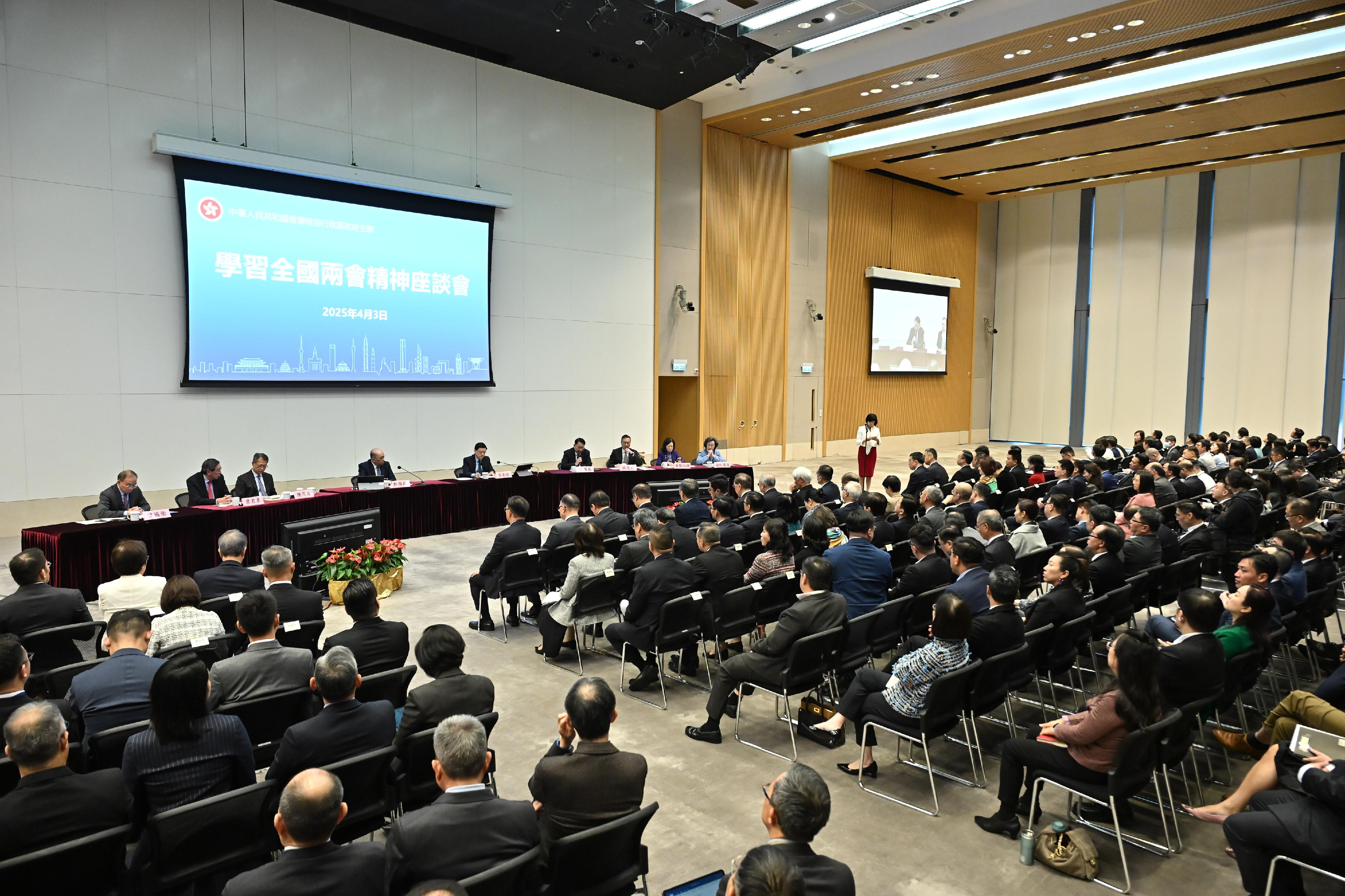
     â€‹The third session of the 14th National People's Congress (NPC) and the third session of the 14th National Committee of the Chinese People's Political Consultative Conference (CPPCC) ("two sessions") were concluded successfully in March this year. The Hong Kong Special Administrative Region (HKSAR) Government today (April 3) held a seminar on learning the spirit of the "two sessions" at the Central Government Offices to enable participants to have a deeper understanding of the essence of the "two sessions" and its significance to the HKSAR.

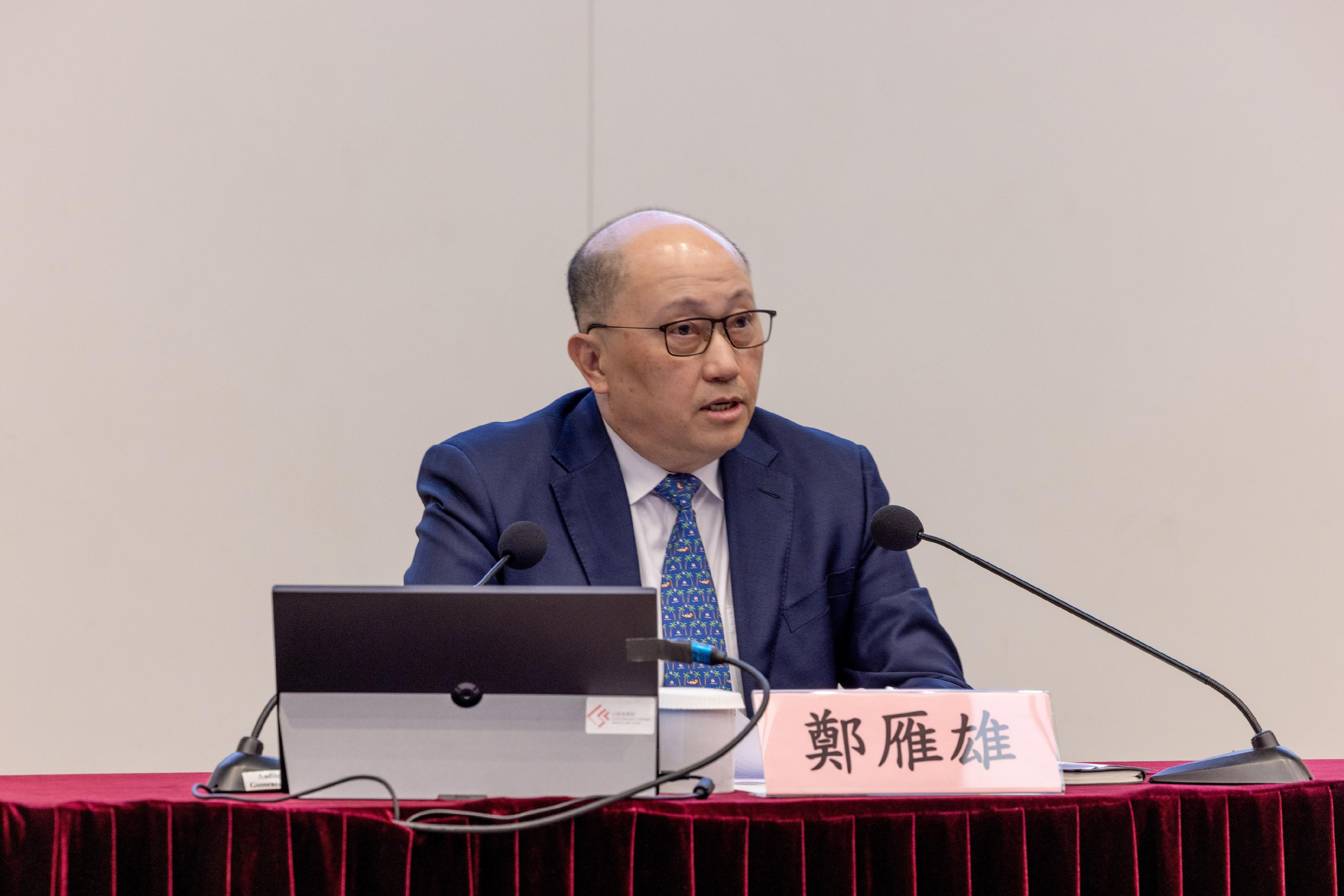
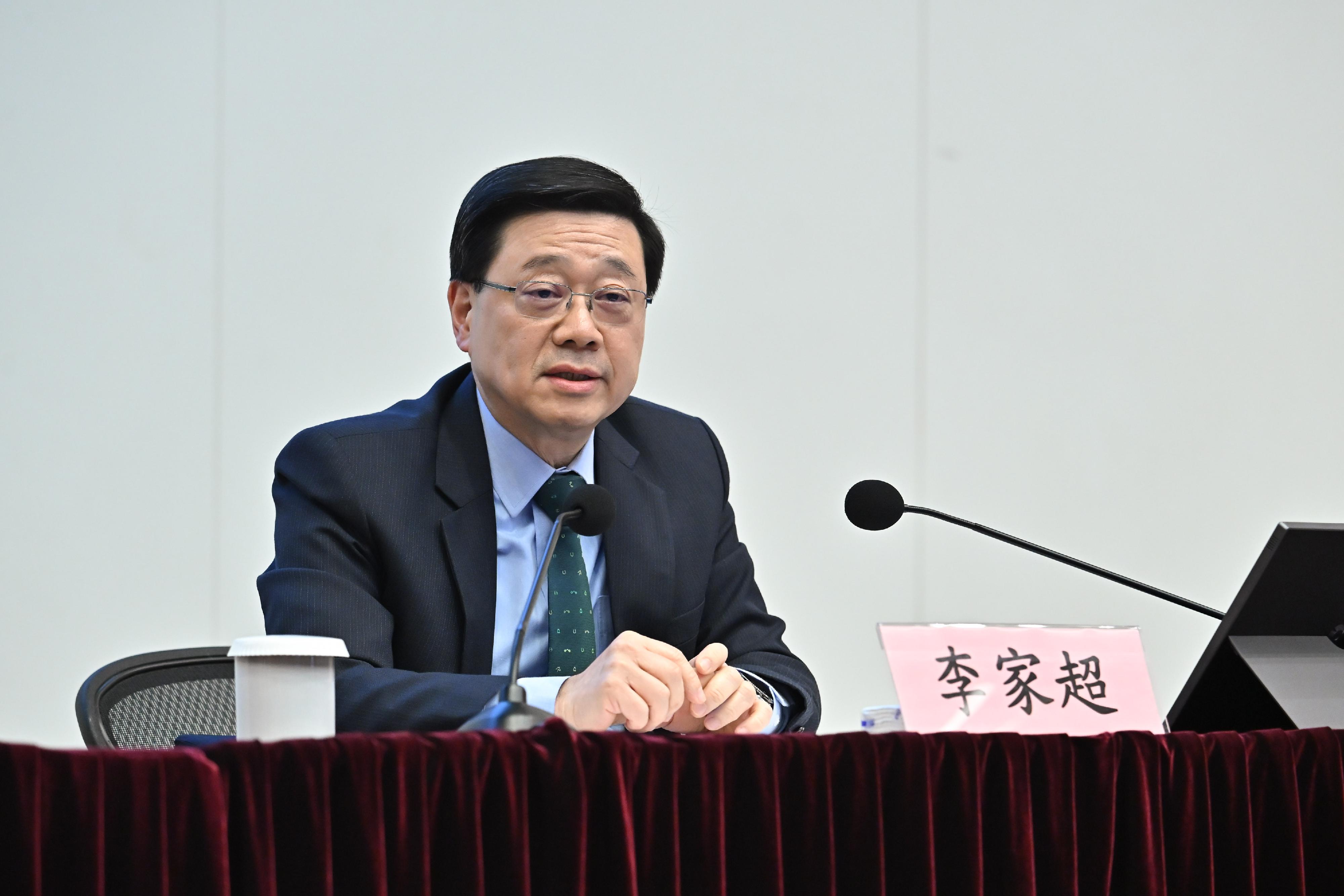
     The seminar was hosted by the Chief Executive, Mr John Lee. The Director of the Liaison Office of the Central People's Government in the HKSAR, Mr Zheng Yanxiong, was invited to the seminar to share his views. The seminar was attended by more than 320 participants, including Principal Officials of the HKSAR Government, HKSAR deputies to the NPC, HKSAR members of the National Committee of the CPPCC, Members of the Executive Council and Legislative Council, Permanent Secretaries and Heads of Department.

     Speaking at the seminar, Director Zheng said that the HKSAR has to grasp the spirit of the "two sessions" focusing on seven aspects. They are, namely, grasping deeply the spirit of the important speech of General Secretary Xi Jinping in the "two sessions"; the significant achievements of the country on all fronts over the past year; the bright prospects in national economic and social development; the overall requirements and major tasks for economic and social development this year; the key initiatives in the government work report; the significance of amending the Law on Deputies; and the key plans for Hong Kong as highlighted by the "two sessions".

     Director Zheng also said that the government work report has pointed out boost of capacity for innovation and radiating effect of the Guangdong-Hong Kong-Macao Greater Bay Area, striving for solid progress in pursuing high-quality Belt and Road co-operation, and speeding up the process of seeking to join the Comprehensive and Progressive Agreement for Trans-Pacific Partnership. These plans are closely related to Hong Kong and deserve a high degree of attention. In particular, the emphasis on "deepening international exchanges and co-operation and better integration into the national development" highlighted the importance for Hong Kong to capitalise on its advantages as an international city and to integrate into the overall national development. It highlighted the dialectical relationship between Hong Kong's connection to the Mainland and to the world. 
     
     Mr Lee expressed his gratitude to Director Zheng for his sharing, which deepened participants' understanding of the spirit of the "two sessions". Mr Lee said that the Central Government firmly supports Hong Kong's development. The Government will fully implement the spirit of the "two sessions" in its governance to continuously unite society to further deepen reforms comprehensively, proactively identify, adapt to, and drive change, pursue economic development and improve people's livelihood, fully leverage the institutional strengths of "one country, two systems" and proactively align with national development strategies, further deepen international collaboration and proactively capitalise on Hong Kong's role as a bridge linking the Mainland and the world. Hong Kong will vigorously develop new quality productive forces, accelerate its development into an international innovation and technology centre, further consolidate and enhance the city's status as an international financial, shipping and trade centre, actively build an international hub for high-calibre talent, and take forward the development of the Northern Metropolis and the Hetao Shenzhen-Hong Kong Science and Technology Innovation Co-operation Zone. Apart from strengthening economic and trade ties with traditional markets, Hong Kong will also deepen its exchanges and co-operation with new markets such as the Middle East, the Association of Southeast Asian Nations and Central Asia, contribute to the Belt and Road Initiative, and tell the good stories of China and Hong Kong.

     Mr Lee encouraged government officials and various sectors of the community to continue to work hard in their respective positions and stay united to contribute to the stability and prosperity of Hong Kong and the well-being of its people, and meet the challenges ahead with greater confidence and determination to jointly build a better future for Hong Kong.

Photo  Photo  Photo  Photo  Photo  Photo  Photo  Photo