CHP urges vigilance against communicable diseases in new school year

     The Centre for Health Protection (CHP) of the Department of Health (DH) today (August 22) urged schools, parents and students to heighten vigilance and adopt strict personal and environmental hygiene as well as mosquito control actions and personal protective measures to prevent the spread of dengue fever (DF) and other communicable diseases in schools as social contact among students in schools will increase when school resumes after the summer holidays.
 
     A spokesman for the CHP said, "Hong Kong has experienced an unprecedented outbreak of DF since August 14. As the situation is still evolving, it is likely further cases may occur in the community. The CHP calls for assistance from schools in the prevention of DF."
 
     "As schools are collective assembly places, infectious diseases could be easily spread among people through their daily contacts. Based on seasonal patterns and past surveillance data, we expect that sporadic institutional outbreaks of respiratory illnesses or hand, foot and mouth disease (HFMD) or chickenpox may occur in the new school year when students and staff gather on campus," the spokesman continued.
 
     "The CHP has issued letters to schools, kindergartens and child care centres today to remind them for continued vigilance and reinforcement of preventive measures to guard against possible outbreaks when classes resume," the spokesman added.

A. Dengue fever

     To reduce the risk of DF infections, apart from general measures, the CHP reminded schools, parents, staff and students that they should not visit Lion Rock Park during the closure period in order to prevent contracting DF. Scientific studies have shown that infected persons can transmit the virus to mosquitoes through mosquito bites even if they remain asymptomatic or before their onset of symptoms, leading to further spread of the disease. Hence, people who had visited Lion Rock Park are advised to apply insect repellent for 14 days upon their last visit.
 
     Likewise, staff and students returning from affected areas of DF should apply insect repellent for 14 days upon arrival in Hong Kong. Those with DF symptoms should seek medical advice as early as possible.

     Eighteen local cases of DF had been confirmed this year as of yesterday. Excluding the local cases, as of yesterday, 61 imported cases had been recorded in 2018. The cases were mainly imported from Thailand (26), the Philippines (12) and Cambodia (seven).
    
     Prompt, continuous, intensive and effective anti-mosquito operation must be carried out at this stage to prevent DF from further spread. Schools should take the following preventive measures to prevent accumulation of stagnant water and eliminate mosquito breeding sites:
 

  • Put all used cans and bottles into covered dustbins;
  • Change water for plants at least once a week, avoid using saucers underneath flower pots;
  • Cover tightly all water containers, wells and water storage tanks;
  • Keep all drains free from blockage; and
  • Top up all defective ground surfaces to prevent the accumulation of stagnant water.

 
     Staff and students are also advised to protect themselves from mosquito bite by taking the following measures:
 

  • Wear loose, light–coloured, long-sleeved tops and trousers, and apply effective mosquito repellent containing DEET to exposed parts of the body and clothing;
  • Use mosquito screens or bed nets when the room is not air-conditioned; and
  • Place anti-mosquito devices near entrances such as windows and doors to prevent mosquitoes from entering indoor.

 
     Furthermore, the school management is advised to appoint designated staff for mosquito prevention and control in the school premises. Details are available from the guidelines published by the Food and Environmental Hygiene Department:
www.fehd.gov.hk/english/pestcontrol/library/pdf_pest_control/mosquito_school.pdf.
 
 
B. Influenza and respiratory illnesses

     The surveillance data of the CHP showed that the overall local influenza activity is currently at a low level, but outbreaks of influenza-like illness in schools may increase after the start of the new school year. Although influenza is usually self-limiting, it may cause serious illness even in healthy children.
 
     Parents are advised to consult family doctors for seasonal influenza (SI) vaccination for their children for personal protection before the winter season arrives. Parents are reminded that it takes two weeks for the body to develop a sufficient level of antibodies to protect against influenza virus infection after vaccination.

     "If students or staff develop fever, respiratory symptoms, diarrhoea, vomiting or skin rash, schools should strongly advise them not to return to campus and to promptly seek medical advice. Management of schools should observe precautions on campus, such as avoiding sharing clothing or slippers, to prevent possible transmission of diseases," the spokesman added.

     For more information on SI vaccination, parents may call the CHP hotline at 2125 2125 or visit the CHP's Vaccination Schemes page
 
 
C. Hand, foot and mouth disease and enterovirus infection

     Although local HFMD activity returned to a baseline level in mid-August after its peak in June, sporadic outbreaks may occur in schools and institutions where HFMD can easily spread among young children with close contact. A smaller peak may also occur from October to December.

     In 2018, 33 cases of enterovirus (EV) 71 infection had been recorded as of yesterday, which is fewer than the 44 cases in the same period of 2017; whereas five cases of severe paediatric EV infection (other than EV71 and poliovirus) were recorded in 2018 as of yesterday, which is more than the three cases in the same period of 2017. The five infants this year involved children aged 1 to 2 months and each of them was diagnosed with meningitis.
 
     "EV infection is transmitted by direct contact with nose and throat discharges. Children suffering from EV infection should stay at home and avoid contact with other children until they have recovered," the spokesman reminded.

D. Chickenpox

     Chickenpox is the most common notifiable infectious disease in Hong Kong and is highly communicable, which can be spread through droplets or air. It can also spread through direct or indirect contact with the discharges from vesicles and mucous membranes of persons with chickenpox or herpes zoster. Children are most affected. Locally, there are two seasonal peaks. The number of chickenpox cases usually starts to rise in October and peaks in December and January, while a smaller peak is also observed in June and July.

     A total of 225 institutional chickenpox outbreaks affecting 1 138 persons had been recorded in 2018 as of August 17, including 79 outbreaks (363 children) in kindergartens or child care centres and 117 (673 pupils) in primary schools. On the whole, 4 124 chickenpox cases had been reported this year, which is fewer than the 6 551 cases in the same period last year.

     Schools are reminded to follow the Guidelines on Prevention of Communicable Diseases on preventive and control measures as well as management of outbreaks, which should be reported to the CHP for prompt follow-up. Schools may refer to the CHP's pages on DFSI, HFMD and EV71 infection and chickenpox and for more information.


Employers, contractors and employees should be aware of electrical safety at work during rainstorm

     As the rainstorm warning has been issued by the Hong Kong Observatory, the Labour Department (LD) reminds employers and contractors that they should adopt necessary work arrangements and take suitable safety measures to protect the safety of their employees when they are carrying out electrical work or handling electrical plant.

     A spokesman for the LD said today (August 22) that employers and contractors should avoid assigning employees to carry out electrical work (like electric arc welding work) or handle electrical plant at places affected by rainstorms, and should refer to the "Code of Practice in times of Typhoons and Rainstorms" and the "Guide on Safety at Work in times of Inclement Weather" issued by the LD.

     Even if electrical work is carried out or electrical plant is handled at places not affected by the rainstorm, suitable safety measures must still be adopted to prevent electric shock as the air would be more humid. Such measures include:

(i) Ensure that all live parts of an electrical installation are isolated from the power supply source and rendered dead, and the isolation from the power supply source must be maintained as long as electrical work is being carried out;

(ii) Before carrying out any electrical work or handling any electrical plant, cut off and lock out the power supply source, then test the circuit concerned to confirm it is dead and display suitable warning notices, and issue a work permit thereafter;

(iii) Ensure that protective devices (such as suitable and adequate fuses and circuit breakers) for the electrical installations or electrical plant have been installed and maintained in good working order, and portable electric tools must be double-insulated or properly earthed;

(iv) Provide suitable personal protective equipment such as insulating gloves and insulating mats for employees; and

(v) If live electrical work is unavoidable, a comprehensive risk assessment should be conducted by a competent person and the appropriate safety precautions should be taken to remove or properly control the electrical hazards involved before such work can proceed.

     In addition, employees should co-operate with the employer or contractor to follow the safety instructions and use the safety equipment provided.

     The LD has published guidebooks and leaflets on electrical work safety. These safety publications are available free from divisional offices of the department or can be downloaded from its website (www.labour.gov.hk/eng/public/content2_8.htm).

     Should there be any questions about occupational safety and health matters, please contact the Occupational Safety Officer of the LD at 2559 2297.


Public urged to report flooding

Attention duty announcers, radio and TV stations:

Please broadcast the following as soon as possible and repeat it at suitable intervals:

     Members of the public are advised to report any street flooding that comes to their notice to the Drainage Services Department by calling the 24-hour drainage hotline on 2300 1110.


SLW visits Samaritan Befrienders Hong Kong (with photos)

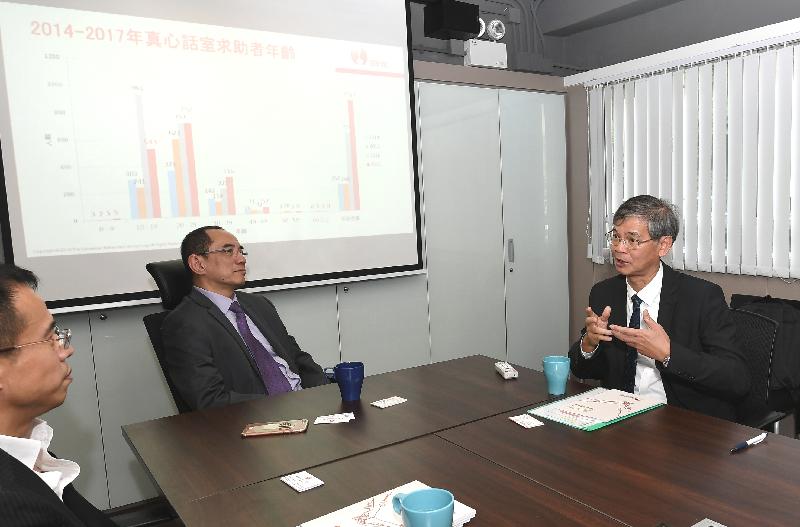
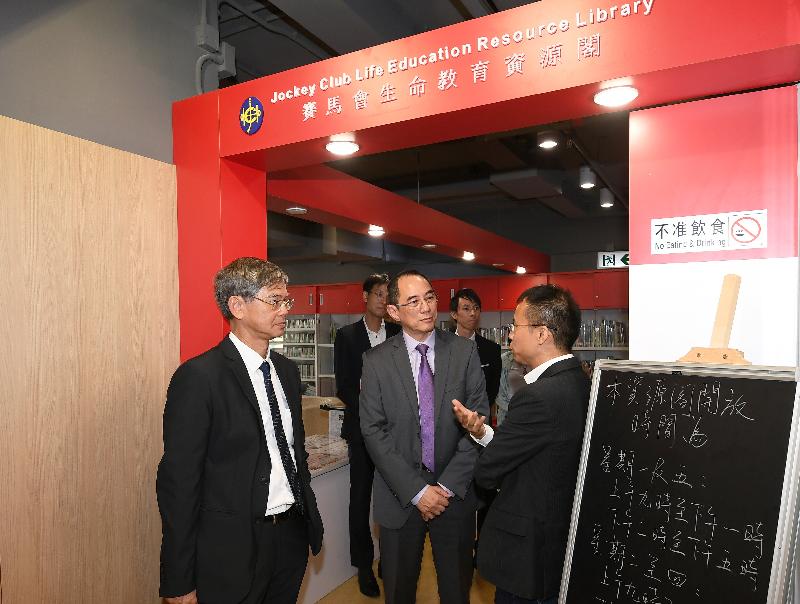
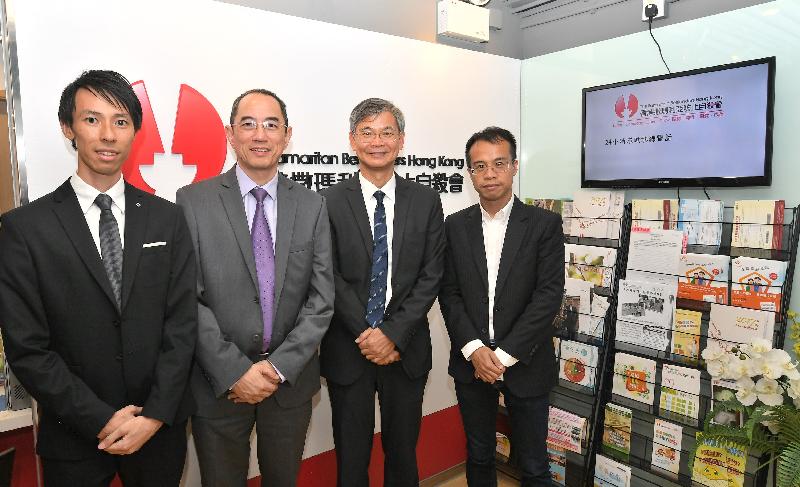
     The Secretary for Labour and Welfare, Dr Law Chi-kwong, visited the Samaritan Befrienders Hong Kong (SBHK) this afternoon (August 22) to get an update on its services provided to persons with emotional stress or suicidal risk.

     Accompanied by the Chairman of the SBHK, Mr Robert Wong, Dr Law toured its Suicide Crisis Intervention Centre in Shek Kip Mei. The centre provides outreach service, crisis intervention and intensive counselling to persons with emotional stress and suicidal risk. It also offers support to their carers as well as friends or relatives of people who committed suicide. Apart from carrying out suicide prevention efforts via online chat room, websites and social media, the SBHK launched a mobile application on suicide prevention and emotional support to identify early and proactively reach out to students and youths with suicidal thoughts via an interactive platform.

     Dr Law said that the SBHK is committed to promoting cherishing lives and providing valuable services in suicide prevention. The Social Welfare Department has again increased subventions to the SBHK in 2018-19 to address service needs. Noting that the Government will continue to strengthen suicide prevention through early identification, counselling and support as well as professional training, Dr Law added that discussion of the cross-bureaux/departments task force set up by the Labour and Welfare Bureau on new measures to prevent youth suicide is under way and is expected to complete within 2018. He appealed to members of the public to hold a positive attitude when facing adversity and encouraged them to approach families, friends or professionals for help when in need.

Photo  Photo  Photo  


Hong Kong Museum of Art receives another donation of Wu Guanzhong’s paintings and personal archives (with photos)

     The Hong Kong Museum of Art announced today (August 22) that the family of celebrated artist Wu Guanzhong has generously made another round of donations of Wu's invaluable works to the museum for its permanent collection.
 
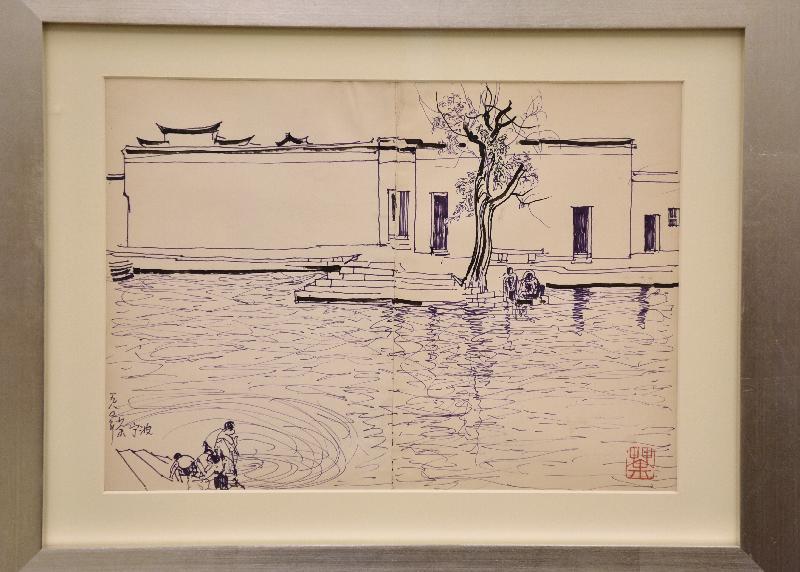
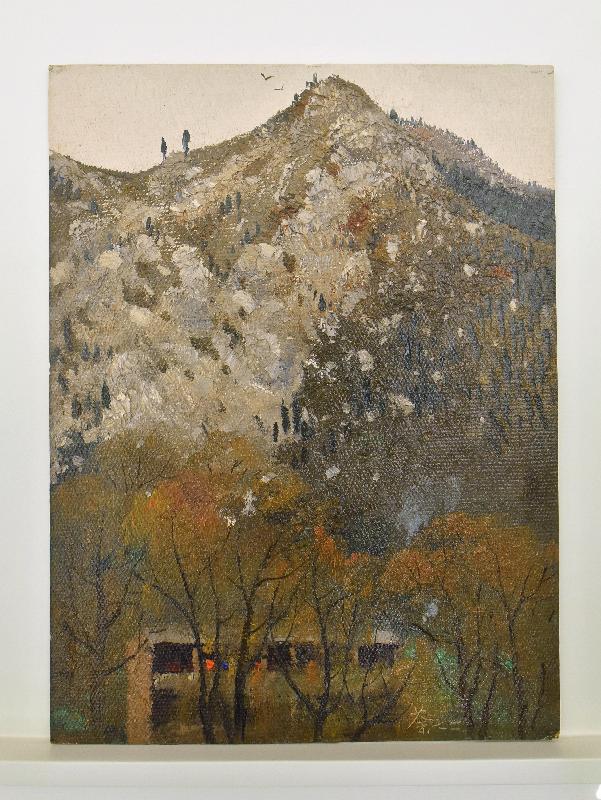
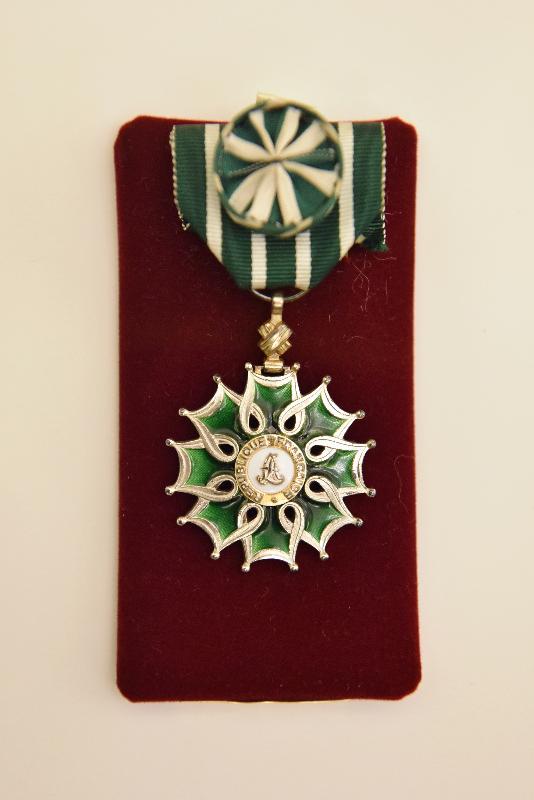
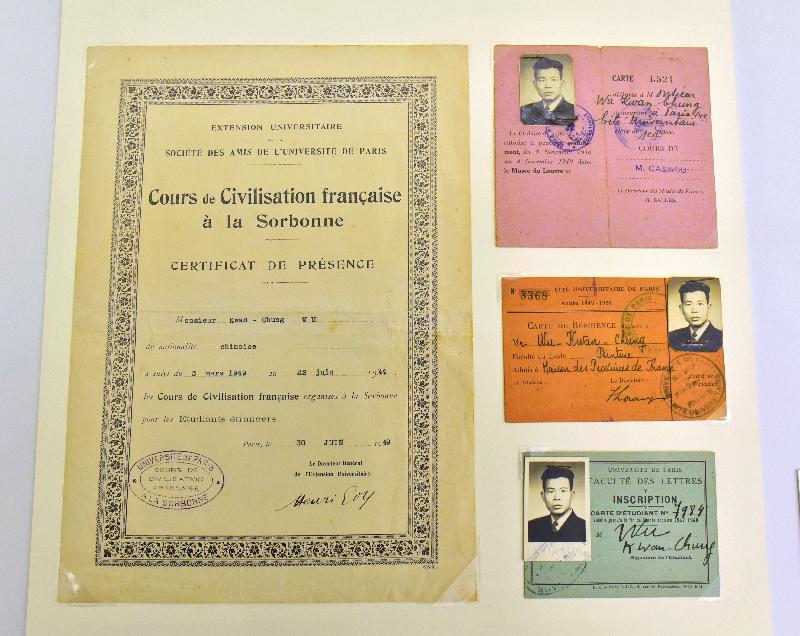
     The donated works include the painting "A household at the foot of mountain", which was created when Wu was sent to the countryside to do hard labour in the 1970s and was painted on cardboard placed on top of a dung basket, as well as sketches for several masterpieces such as "A riverside village of Ningbo" (the sketch for "Two swallows"), "The original draft of Chinese cypresses" and "A river alley of Suzhou". Together with the existing Wu Guanzhong collection of oil paintings and ink paintings that the museum holds, these works showcase the epitome of Wu's artistic creation. In addition to paintings and sketches, the donation also includes items that chronicle Wu's journey of artistic pursuit, including his work seals, documents he used and a certificate received in France as well as a ribboned gilt medallion awarded by the French Government.
 
     Thanks to the generous donations from Wu and his family over the years, the Hong Kong Museum of Art now boasts the biggest and most diverse collection of works by Wu in the world, making up a huge collection of over 450 items. These comprise oil paintings, ink paintings, sketches, watercolours, gouache paintings, acrylic paintings and a porcelain painting made by the great artist over more than half a century. The museum is also one of the key international centres for modern Chinese painting collection and research. To present this celebrated collection with due esteem and to share such kind and gracious donations with the public, a permanent Wu Guanzhong Art Gallery will be set up, showcasing the master's donated works and related collection when the museum reopens in the second half of 2019. A series of activities will also be organised to commemorate the centenary of Wu's birth.
 
     The Chief Executive, Mrs Carrie Lam, attended the Donation Ceremony for the Works of Wu Guanzhong today at Government House and presented a Certificate of Appreciation to the eldest son of Wu Guanzhong, Mr Wu Keyu, who received the certificate on behalf of his family.
 
     The Hong Kong Museum of Art has received two remarkable donations from Chih Lo Lou Art Promotion (Non-profit making) Ltd and the Wu Guanzhong collection within the span of a month. The donations reflect Hong Kong's status as the international centre for preservation and conservation of Chinese cultural treasures with its unique positioning as a mix of East and West. At the same time, the donations again attest to the recognition of the professionalism and passion of the Hong Kong Museum of Art within the community of collectors and artists for its conservation of art treasures and promotion of art.
 
     Wu Guanzhong (1919-2010) was a master in Chinese art with a comprehensive knowledge of art of both the East and the West. Dedicating his entire life to the exploration of the modernisation of Chinese painting and the nationalisation of oil painting, Wu produced works that juxtaposed the aesthetic perspectives and connotations of traditional Chinese ink painting and contemporary Western painting. Notably, Wu created scenes of Jiangnan waterways with Western painting touches to express rich Eastern emotions. He depicted the vitality of wisteria and old cypress with flexuous lines, and added brilliant colours to nature and life. His vivid artistic language featured works of dots, lines and cubes, as well as palettes comprising black, white and grey or red, yellow and green. Establishing the unique "Wu studio style", he distinguished himself as a master painter of the 20th century in China and indeed the rest of the world.
 
     Wu's connection with Hong Kong extended a long way. He returned to China by train via the old Kowloon terminus in Tsim Sha Tsui – near where the Hong Kong Museum of Art is located nowadays – in the early 1950s upon completing his studies in Paris. Subsequently, he visited Hong Kong on various occasions to create artworks, hold art exhibitions, attend academic seminars and give lectures. He travelled widely throughout the city to do sketches, including in Central, the Mid-levels, Tsim Sha Tsui, Aberdeen, Repulse Bay, Cheung Chau, Temple Street and Ma Liu Shui. In 2002, the Hong Kong Museum of Art organised a large-scale exhibition, "Wu Guanzhong: A Retrospective", and invited Wu to give his unprecedented demonstration of sketching in public. Unperturbed by bad weather, he captured Victoria Harbour on paper in the rain and the occasion has become a well-known story in the art circle. He once said, "In Hong Kong, I could see the East and the West. People can exchange their ideas in almost anything … That's why I like Hong Kong."
 
     Commenting on the success of that exhibition, Wu wrote in his autobiography "I Owe Painting", "(The Hong Kong Museum of Art) did not simply hang up my works. They thoroughly understood and interpreted my artistic endeavour as well as the context of my art exploration … For example, 'Two swallows' drawn in the 1980s, 'Former residence of Qiu Jin' painted 10 years later and 'Time passed and the two swallows gone' (that is 'Reminiscence of Jiangnan') painted another 10 years down the road, were exhibited side by side. I felt that I had been captured, and my heart and private thoughts revealed; I was so touched and shocked at the same time … As an artist, I rejoice in knowing that someone understands me." Through his own words, one can see the affection that Wu had towards Hong Kong and the trust and recognition that he held for the Hong Kong Museum of Art.

Photo  Photo  Photo  Photo  Photo