Social enterprises at Hong Kong Trade Development Council Food Expo 2019 (with photos)

     The Hong Kong Trade Development Council Food Expo 2019 is set to open on August 15 (Thursday). Eight social enterprises participating in the Food Expo aspire to provide employment opportunities to the socially disadvantaged through producing quality and delicious food, thereby encouraging self-reliance and social inclusion. Members of the public can assist the socially disadvantaged when enjoying the delicious food.
      
     These social enterprises will be serving tasty food such as handmade cookies, nougats and noodles, dried fruit chips, organic rice and noodles and instant chestnuts, through which they share their passion to serve the community. Information on the exhibiting social enterprises is set out in the Annex.
      
     The social enterprises will be located at Booth A18 of Hall 1E at the Hong Kong Convention and Exhibition Centre. Visitors patronising the social enterprise booth on the first two days of the Food Expo can redeem a souvenir while stocks last upon reaching the spending requirement.
      
     The Food Expo will be open from 10am to 10pm from August 15 to 18, and from 10am to 6pm on August 19. The admission fee is $25. Admission is free for children aged 3 or below and senior citizens aged 65 or above.
      
     A spokesman for the Home Affairs Department said, “The Food Expo serves as a platform for social enterprises to showcase their quality products and services and share their vision. Social enterprises have to achieve their social mission while sustaining their business. Public support is crucial to their success.”
      
     Social enterprises now provide a great variety of products and services. The Social Enterprise Directory (www.socialenterprise.org.hk/en/sedb) published by the Social Enterprise Business Centre has an online search engine and a mobile application providing detailed information on over 600 social enterprises in Hong Kong.
      
     For those who are interested in the 80 social enterprise restaurants in Hong Kong, please search for “social enterprise restaurants” on the online platform or the OpenRice mobile application.
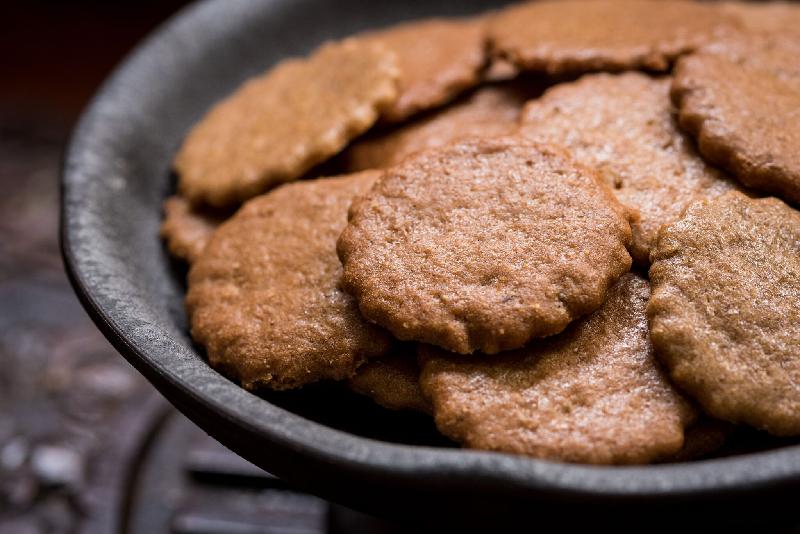
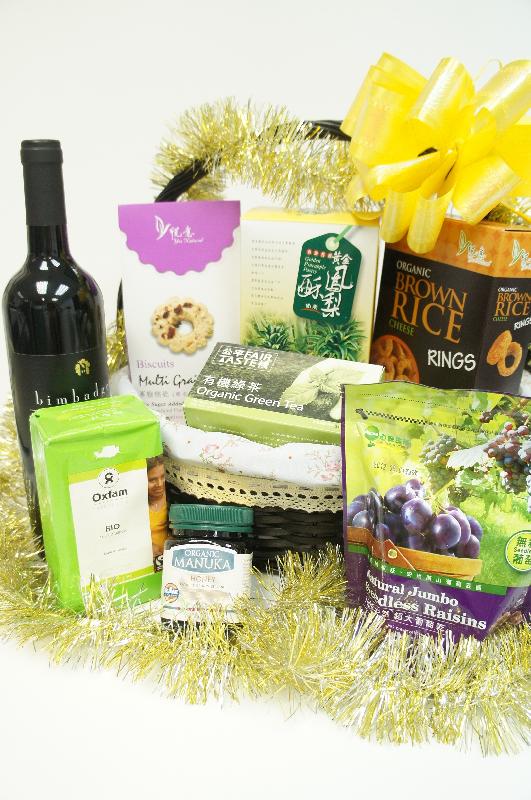
Photo  Photo  Photo  


Successful prosecutions by EPD for five cases of illegal waste disposal

     Two companies and three persons involved in five cases of illegal waste disposal in Southern District, Kwai Chung and Yuen Long were convicted and fined a total of $31,000 at Eastern and Fanling Magistrates' Courts yesterday (August 12) and today (August 13) respectively for contravening the Waste Disposal Ordinance (WDO) and the Public Cleansing and Prevention of Nuisances Regulation.

     The Environmental Protection Department (EPD) has been striving to combat illegal waste disposal activities across the territory on all fronts through various channels, including reports from members of the public, surveillance camera systems installed by the department and proactive blitz operations. From January to April this year, the EPD successfully traced by the above channels the offenders or companies involved in five illegal dumping cases that occurred on Chung Hom Kok Road and Pak Pat Shan Road in Southern District, Tai Lin Pai Road in Kwai Chung, and Kam Ho Road and Kam Pok Road East in Yuen Long. The persons and companies involved included a construction site foreman, an employer, an engineering company and a registered vehicle owner. The deposited waste, which included mud and concrete debris, a wooden waste crate and bamboo sticks, not only created obstructions in passages but also caused environmental hygiene problems.

     A spokesman for the EPD reminded all members of the renovation, construction and transportation sectors that they must properly deliver commercial, industrial and construction waste to government waste management facilities in accordance with the law. It is unlawful to dispose of waste in public places and on the roadside. Under the WDO, first-time offenders are liable to a maximum fine of $200,000 and six months' imprisonment. According to the Public Cleansing and Prevention of Nuisances Regulation, it is an offense to dispose of waste on streets or in public places from vehicles, including goods vehicles, private cars and motorcycles. The registered owner may be prosecuted. First-time offenders are liable to a maximum fine of $25,000 and six months' imprisonment.

     The spokesman urged members of the public, including the staff of building management companies, to make reports to the department if they witness any illegal disposal of waste. They can record videos or take photos and call the EPD hotline at 2838 3111.


Hong Kong Customs combats illicit cigarette activities (with photos)

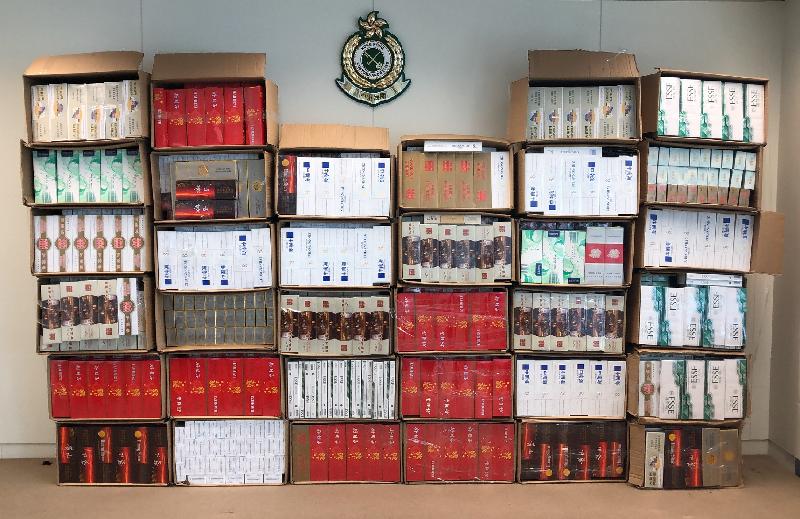
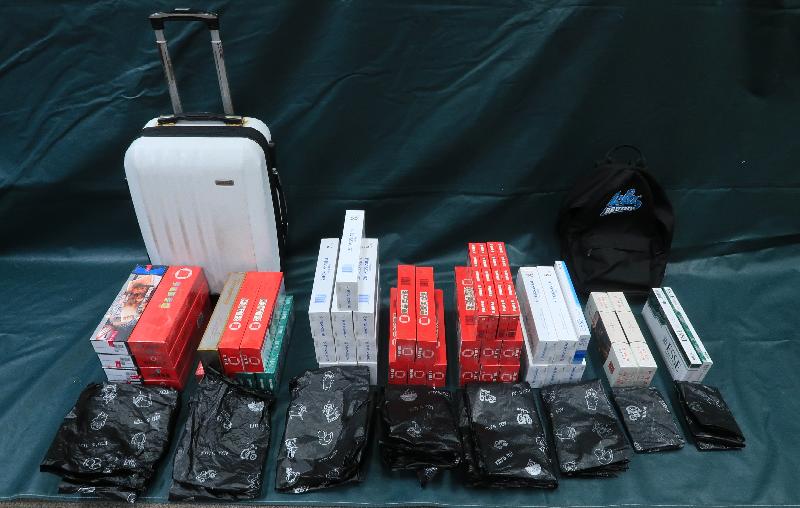
     â€‹Hong Kong Customs yesterday (August 12) mounted an operation against illicit cigarette activities in Kwai Chung and Fanling and seized about 200 000 suspected illicit cigarettes with an estimated market value of about $600,000 and a duty potential of about $400,000.

     Customs officers detected two cases of suspected illicit cigarettes storage and distribution and seized the batch of suspected illicit cigarettes at an industrial building unit in Kwai Chung and a public housing flat in Fanling. Two men, aged 40 and 64, were arrested.

     Investigation is ongoing.

     Under the Dutiable Commodities Ordinance, anyone involved in dealing with, possession of, selling or buying illicit cigarettes commits an offence. The maximum penalty upon conviction is a fine of $1 million and imprisonment for two years.

     Members of the public may report any suspected illicit cigarette activities to Customs' 24-hour hotline 2545 6182 or its dedicated crime-reporting email account (crimereport@customs.gov.hk).

Photo  Photo  


Effective Exchange Rate Index

     The effective exchange rate index for the Hong Kong dollar on Tuesday, August 13, 2019 is 106.8 (up 0.1 against yesterday's index).


Test results of seasonal food surveillance project on mooncakes (first phase) all satisfactory

     The Centre for Food Safety (CFS) of the Food and Environmental Hygiene Department (FEHD) today (August 13) announced the results of a seasonal food surveillance project on mooncakes (first phase). The results of about 140 samples tested were all satisfactory.
 
     A spokesman for the CFS said that samples of over 20 brands covering traditional, snowy, ice-cream and other types of mooncakes had been collected from various retailers (including online retailers) and food factories for chemical and microbiological tests and nutrition content analysis.
 
     The chemical tests covered colouring matters such as Sudan dyes, preservatives such as sulphur dioxide and sorbic acid, aflatoxins and metallic contaminants. Microbiological tests covered pathogens such as Bacillus cereus, Clostridium perfringens, Salmonella and coagulase-positive staphylococci organisms. For nutrition content analysis, the contents of sodium and total fat of the samples were tested to see if they were consistent with the declared values on the nutrition labels.
 
     The spokesman reminded people to maintain a balanced diet and avoid excessive eating of mooncakes as they are generally high in sugar and fat. Some types also contain relatively high levels of salt. Eating too much fat will increase the risk of being overweight and obese while dietary sugar intake is a determinant of body weight and dental caries. In addition, excessive sodium intake will increase the risk of developing hypertension, fatal stroke and coronary heart disease.
 
     He advised people to refer to nutrition labels, particularly on the sugar, salt and fat contents, to make a healthier choice. People should avoid mooncake types with high levels of fat or sugar, i.e. containing more than 20 grams of total fat or more than 15g of sugar per 100g of food. As for reducing salt intake, people can choose low-sodium mooncake types, i.e. containing less than 120 milligrams of sodium per 100g of food.
 
     He said that people should consider their health conditions and consume mooncakes in an appropriate amount during the Mid-Autumn Festival. He advised people to share mooncakes with their family members and friends, as this not only enhances the festive atmosphere, but also allows them to taste mooncakes of different flavours and avoid overconsumption.
 
     Members of the public should heed the following points in the purchase, storage and consumption of mooncakes to prevent food-borne diseases:
 
* Buy mooncakes from reliable outlets rather than patronising unlicensed hawkers. Check whether the mooncakes are properly packaged, pay attention to the expiry dates before purchase and eat them before the expiry dates;
 
* Store mooncakes according to the instructions on the package if they are not to be consumed immediately. Keep snowy mooncakes at 4 degrees Celsius or below and ice-cream mooncakes at minus 18 degrees C or below, and consume them as soon as possible after taking them out from the refrigerator;
 
* Use an icebox to carry snowy or ice-cream mooncakes outdoors and consume them as soon as possible;
 
* Wrap mooncakes properly and separate them from raw food when storing in a refrigerator to prevent cross-contamination; and
 
* Maintain good personal hygiene. Wash hands properly with liquid soap and running water before handling and consuming mooncakes.
 
     The spokesman also reminded food traders to adhere to the Good Manufacturing Practice. Other than purchasing food ingredients from reliable suppliers, they should also comply with legal requirements when using food additives.
 
     "Snowy and ice-cream mooncakes, which do not undergo a baking process at high temperature, need to be handled hygienically during processing, transportation and storage to avoid contamination and growth of germs," he said.
 
     The CFS will continue to conduct surveillance on mooncakes and the second phase results will be released in a timely manner to ensure food safety.